American Hairless Terrier Dogs for Adoption in Charleston, WV

Your guide to finding and caring for an American Hairless Terrier in Charleston

American Hairless Terriers fit Charleston's smaller homes well, as long as the owner plans for skin care. In the East End, where brick two-family houses and mid-rise apartments sit on flat, walkable streets, a 12-to-28-pound terrier can get its daily walk without any hills. Expect a busy, curious dog that loves to play and chase, and one that needs a sweater once Charleston's winter freezes arrive. It suits people who are home often and like a dog that stays close.

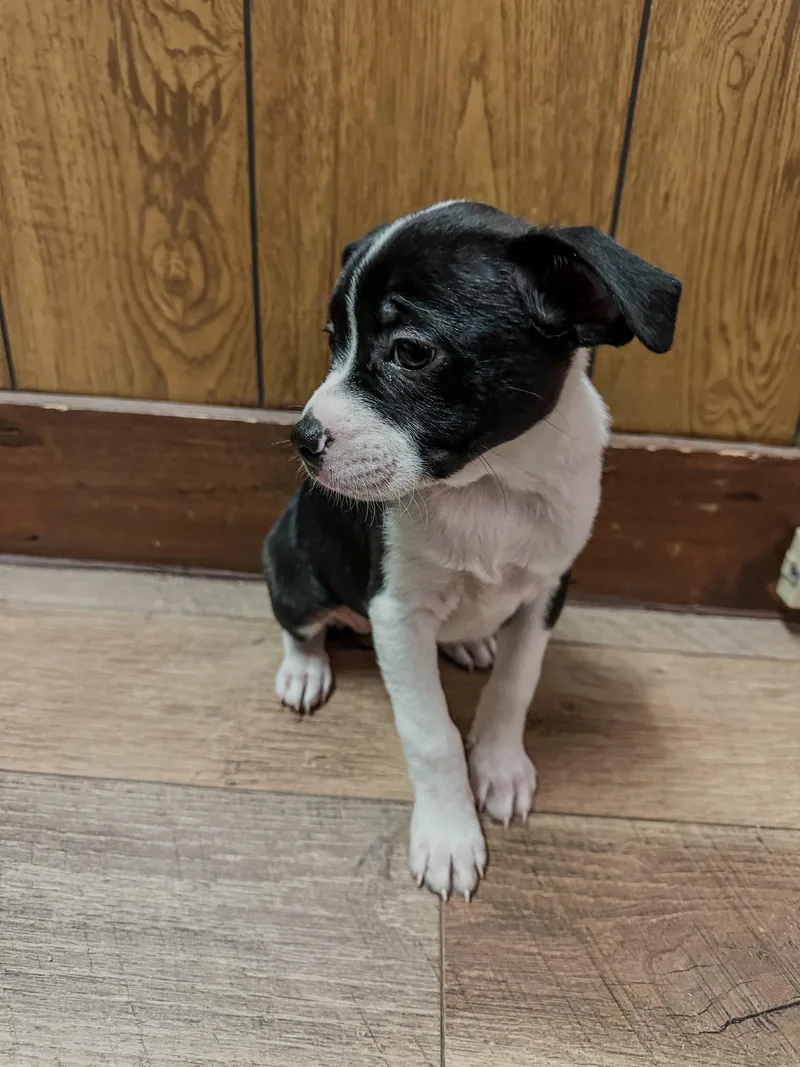
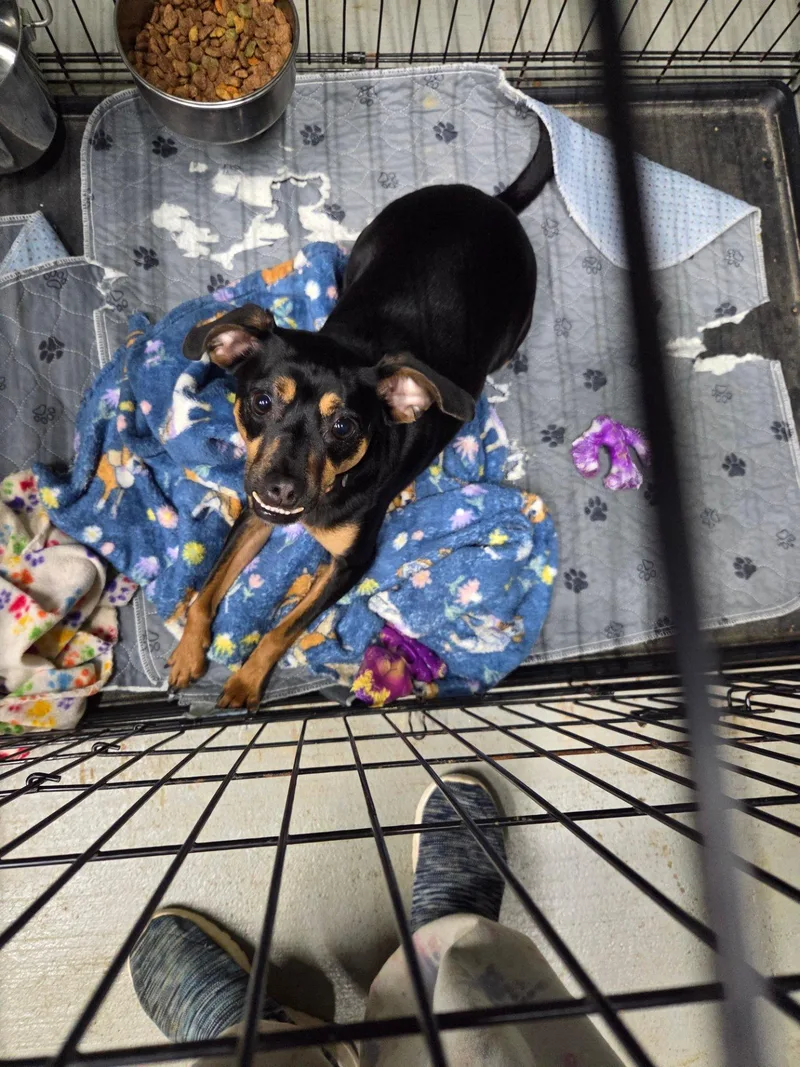
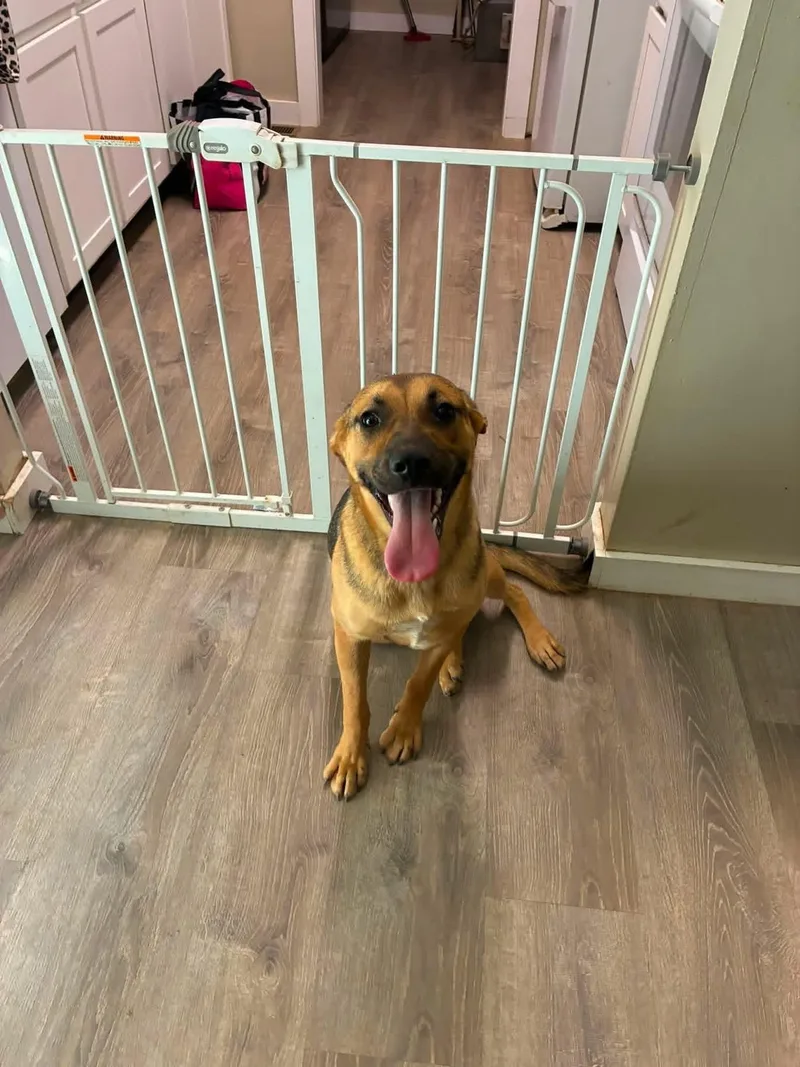
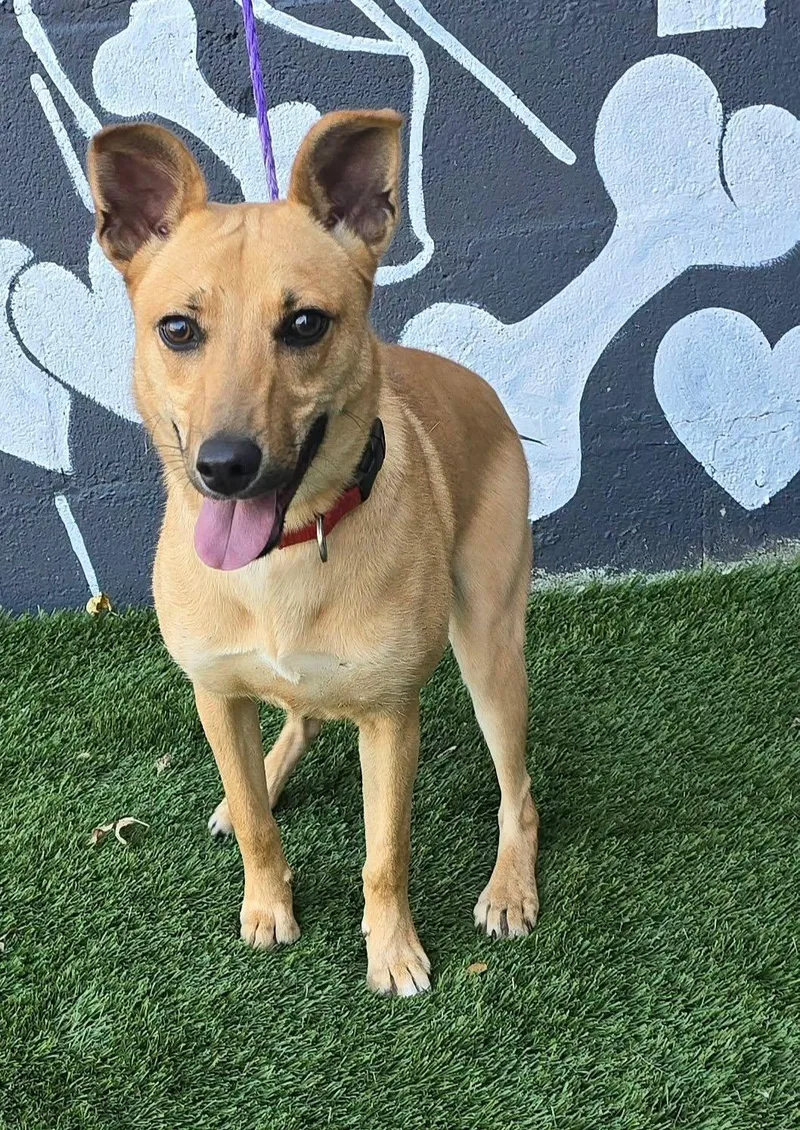
9889 dogs similar to American Hairless Terrier available in Charleston and nationwide

Find your American Hairless Terrier

While we don't have enough dogs near Charleston, keep in mind that many rescues may offer transport.

American Hairless Terriers and Similar Breeds Available for Adoption Near Charleston

About the American Hairless Terrier breed

The American Hairless Terrier is the only hairless breed developed in the United States. It began in 1972 in Louisiana, when a hairless puppy named Josephine was born into a litter of coated Rat Terriers, and the AKC recognized the breed in 2016. A coated variety with a short, smooth coat also exists, and it avoids most of the skin care.

In Charleston, a dog this size handles apartment living and a mix of flat riverside streets and hillside neighborhoods, provided it gets daily play. Many are alert, curious and quick to learn, with a terrier's love of chasing and digging, so a secure fence or a firm grip on the leash matters. Dogs vary, so a dog's own personality tells you more than the breed description.

Weight
12–28 lbs
Height
12–16 in
Lifespan
13–16 yrs
Temperament
Energetic, Alert, Curious, Intelligent
Group
Terrier
Shedding
Low

Owning an American Hairless Terrier in Charleston

Having an American Hairless Terrier in Charleston

Terrier energy, a small frame and skin that needs the care most dogs get from fur define this breed. In Charleston, the main questions are whether you can offer daily play, warm layers for freezing months and sun protection in summer.

Temperament

Many American Hairless Terriers are affectionate, playful and closely attached to their families. They tend to bark at unfamiliar sounds, which matters in shared buildings, and may chase squirrels or cats. Most respond well to positive training, though a terrier streak shows up. Each dog differs, so watch how a dog handles new people and other pets.
Exercise Needs

Plan on daily walks plus active play such as fetch, tug or sniffing games. Flat riverside routes in the East End or Kanawha City suit short outings, and Cato Park offers more room. Kanawha State Forest allows leashed dogs, but brush can scratch hairless skin, so dress the dog for it.

Health Considerations

Hairless skin can sunburn, dry out, clog pores or get scraped, so routine skin checks and gentle baths matter. Patellar luxation, Legg-Calvé-Perthes disease and allergies are reported in the breed, though no dog is guaranteed to have them. Coated dogs avoid most skin issues. A veterinarian can check joints, skin and teeth.

Living Space

A small American Hairless Terrier suits apartments and houses alike, including the older brick buildings of the East End. Because a hairless dog can't live outdoors, it needs a warm indoor spot. Charleston's tethering limits also rule out long stretches tied outside, and a secure fence helps with diggers.

What it costs to own an American Hairless Terrier in Charleston

ExpenseTypical costPer year
Food$20 to $45 per month$240 to $540
Pet insurance$35 to $70 per month$420 to $840
Routine vet care$200 to $400 per year$200 to $400
Other*$428 to $1,356 per year$428 to $1,356
Estimated yearly total (after year one)$1,288 to $3,136

Other costs are estimates and vary with size, age and health.

* The Charleston dog tag, flea, tick and heartworm prevention, a dental cleaning allowance, toys and bedding, baths and skin care, and sunscreen, shirts and sweaters for a hairless dog.

Adopt an American Hairless Terrier in Charleston.

Now that you know more, let’s find you a new best friend. These rescues and shelters below have dogs available in and near Charleston.

Rescues and Shelters in or near Charleston

The Kanawha-Charleston Humane Association has served Charleston since 1935, and its adoptions include spay/neuter, vaccinations and a microchip. Here are the rescues & shelters in the Charleston area with dogs available for adoption, worth asking whether an American Hairless Terrier is coming in.

Frequently Asked Questions

Yes, Charleston has no known breed-specific rule, so an American Hairless Terrier is allowed. The city requires dogs to be leashed or contained off your property and limits homes to two dogs without a city permit. Dogs need rabies vaccination by six months and a yearly tag, and dangerous-dog rules depend on behavior, not breed.

Yes, an American Hairless Terrier's small size suits Charleston apartments, such as the older brick buildings in the East End, if it gets daily walks and play. Expect barking at hallway noise, so teach quiet habits early. It can't live outdoors and chills easily, so the unit needs reliable winter heat.

Yes, with help. Charleston has about 94 freezing nights and 31.5 inches of snow a year, and a hairless dog loses heat fast. Use a sweater or coat, keep outings short and dry paws after snow. Plan a warm indoor spot for ice-storm power outages. Coated dogs have a little more insulation.

Emma's Place in Cato Park is a fenced city dog park on the West Side. Haddad Riverfront Park and Magic Island downtown give flat walks, though Magic Island floods in high water. Kanawha State Forest allows leashed dogs on its foot trails, but brush can scratch hairless skin, so dress the dog accordingly.

No, KRT buses don't allow pets, so an American Hairless Terrier can't ride along, though service animals are covered by federal law. Charleston has no subway or light rail. Plan errands by car or on foot, and never leave a small dog in a parked car, which state law treats as cruelty when injury is likely.

Sometimes, on outdoor patios only. West Virginia has no state law on dogs in outdoor dining, so each restaurant sets its own policy, and downtown Charleston has several with dog-friendly patios. Dining rooms generally don't allow pet dogs. Bring a sweater for cool evenings and sun protection for sunny afternoons.

Very little brushing, but regular skin care. Plan on gentle baths with mild shampoo, moisturizer if the skin dries out from indoor winter heat, and dog-safe sunscreen or a shirt during humid summers. Coated dogs need only occasional brushing. Baths and skin care are part of the yearly Other costs shown on this page.

It can be, for people who are home often and enjoy an active, curious dog. Flat riverside neighborhoods make daily walks easy, and parks give room to play. The tradeoffs are icy winters and humid summer sun, which call for sweaters and sunscreen, plus terrier barking and chasing that need training.

No dog is completely hypoallergenic, but the hairless American Hairless Terrier sheds almost no hair, and many people with mild dog allergies tolerate it well. Allergens also come from dander, saliva and urine, so reactions still vary by person. The coated variety sheds a short coat. Spending time with a specific dog before adopting is the safest test.

Expect about $20 to $45 a month for food and $35 to $70 a month for pet insurance. Routine vet care runs about $200 to $400 a year. Other costs, such as parasite prevention, dental care, skin care and a sweater or sunscreen, add roughly $428 to $1,356 a year.