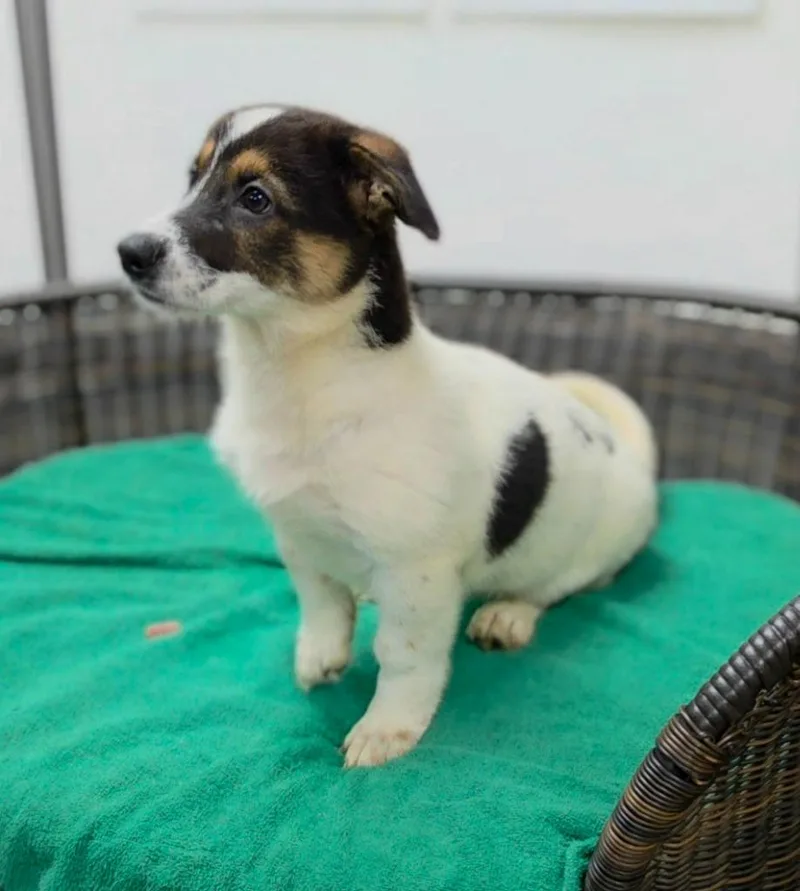
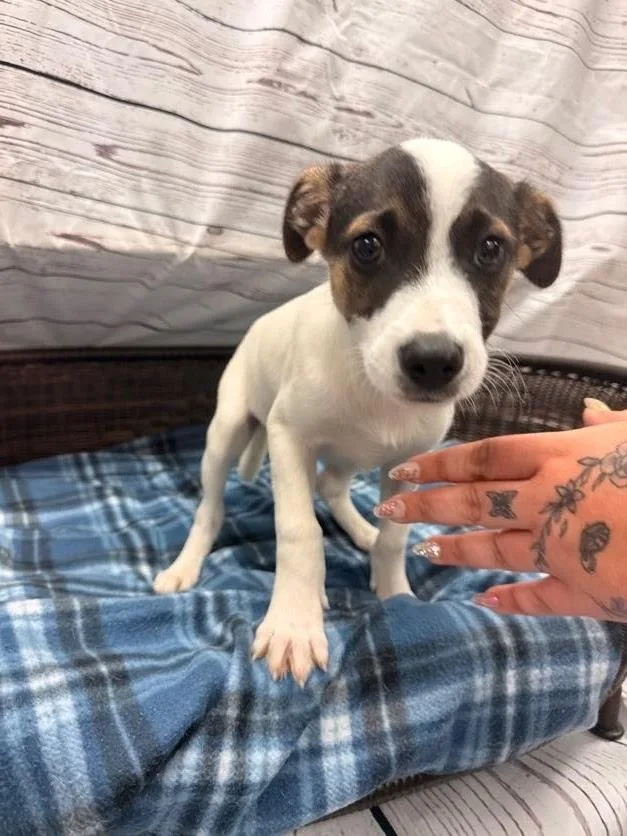
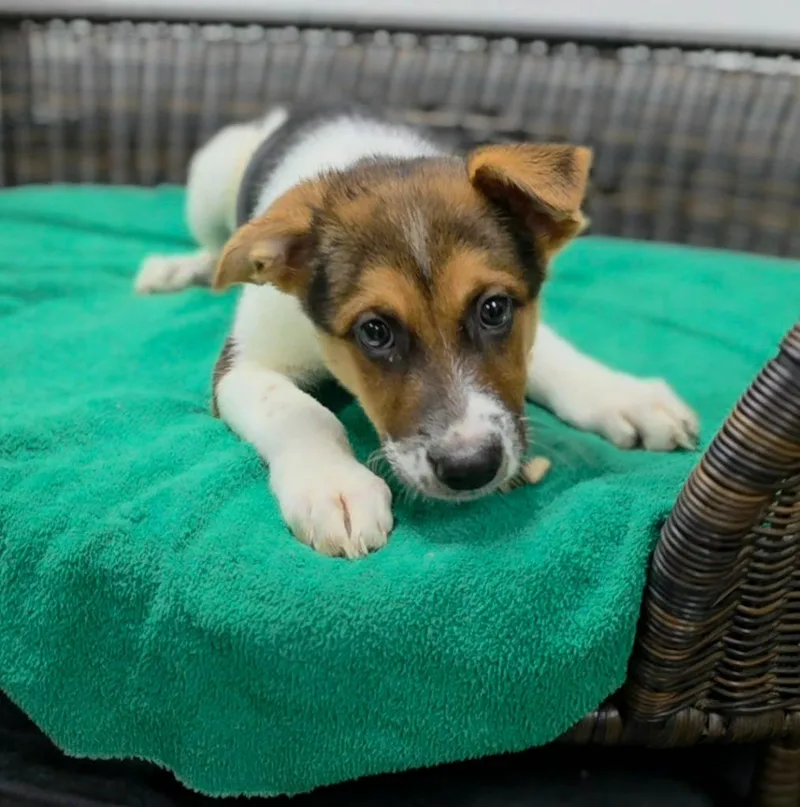
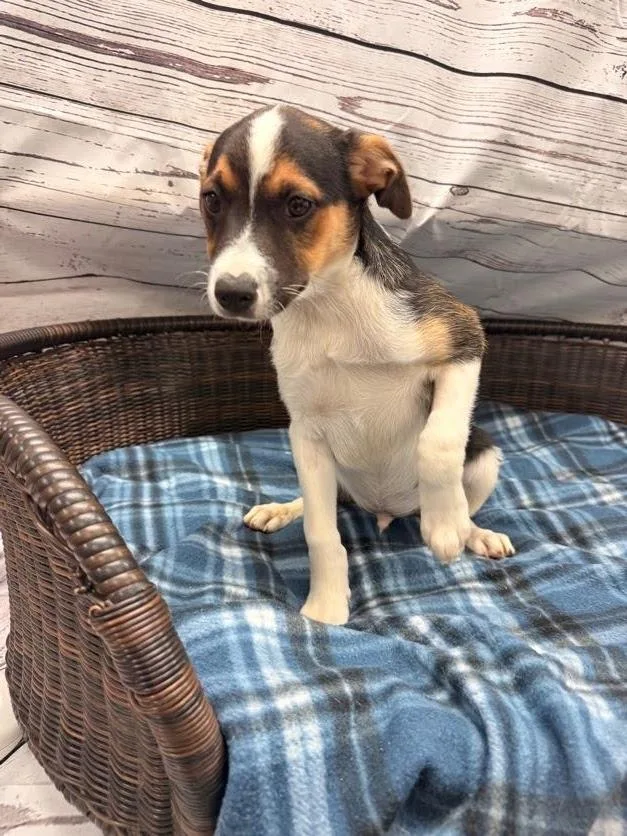
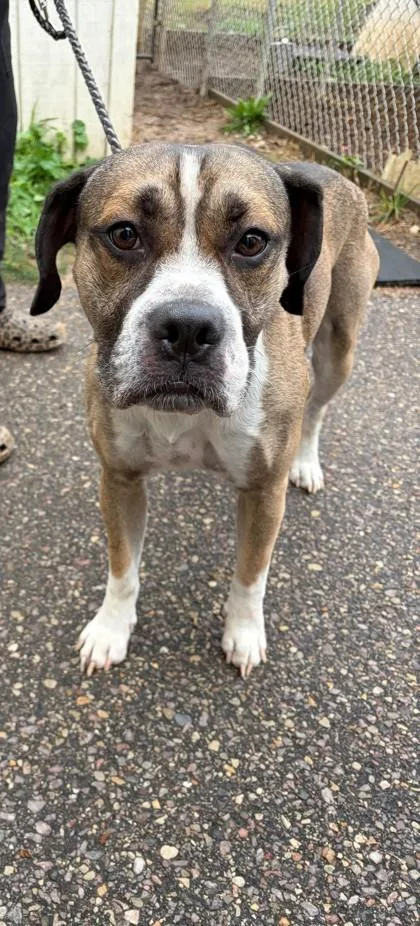
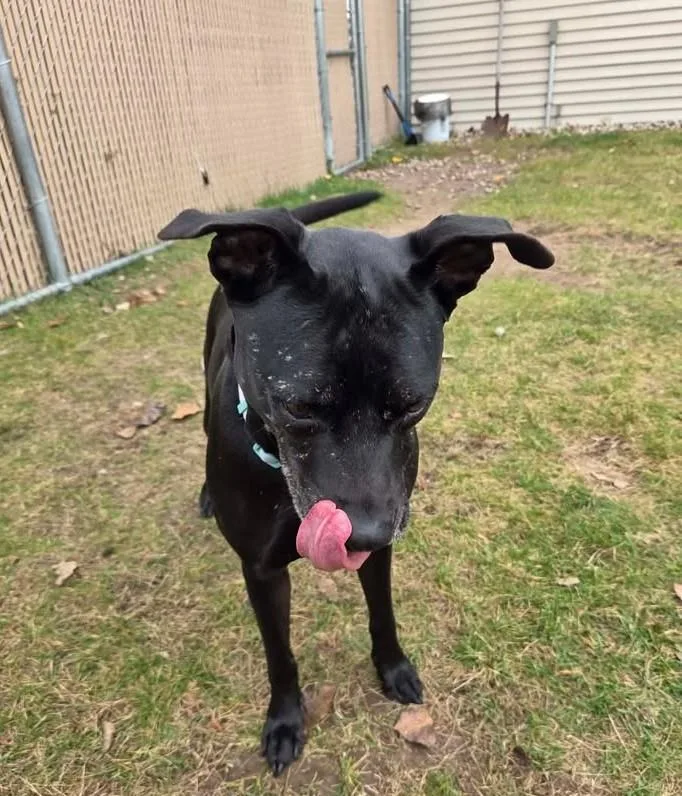
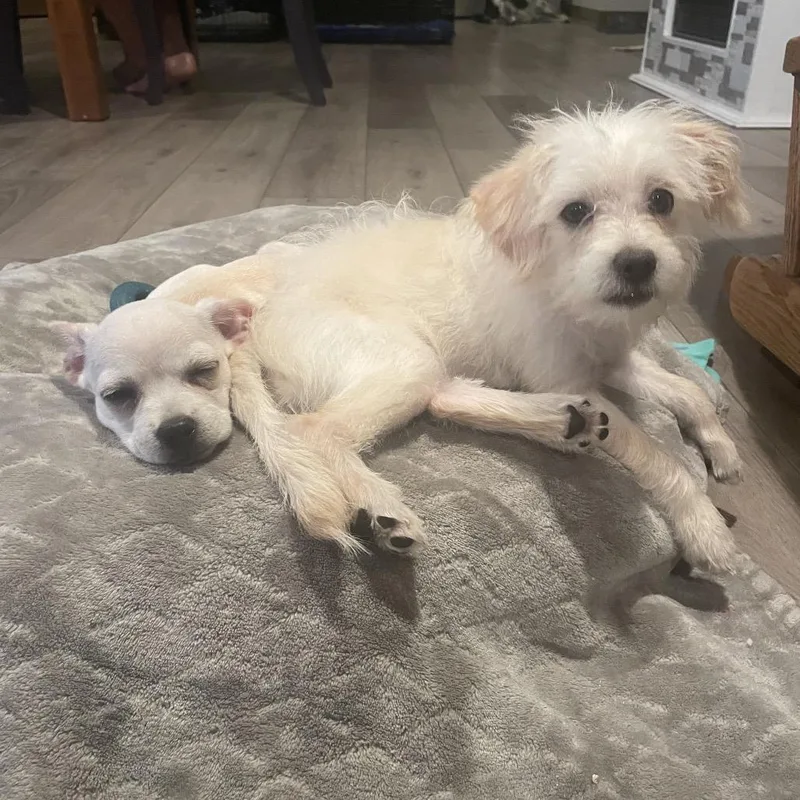
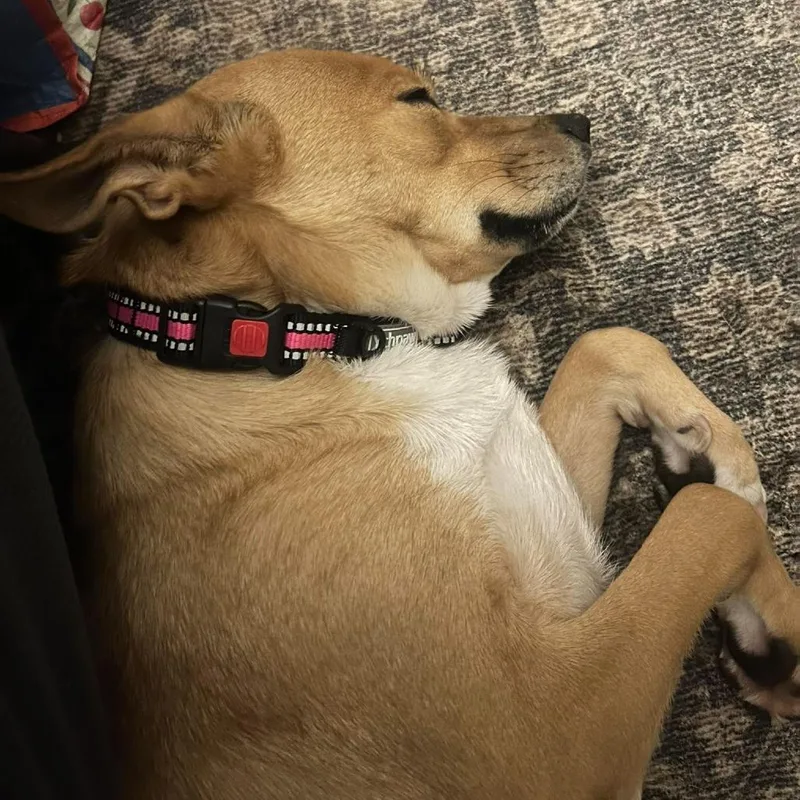
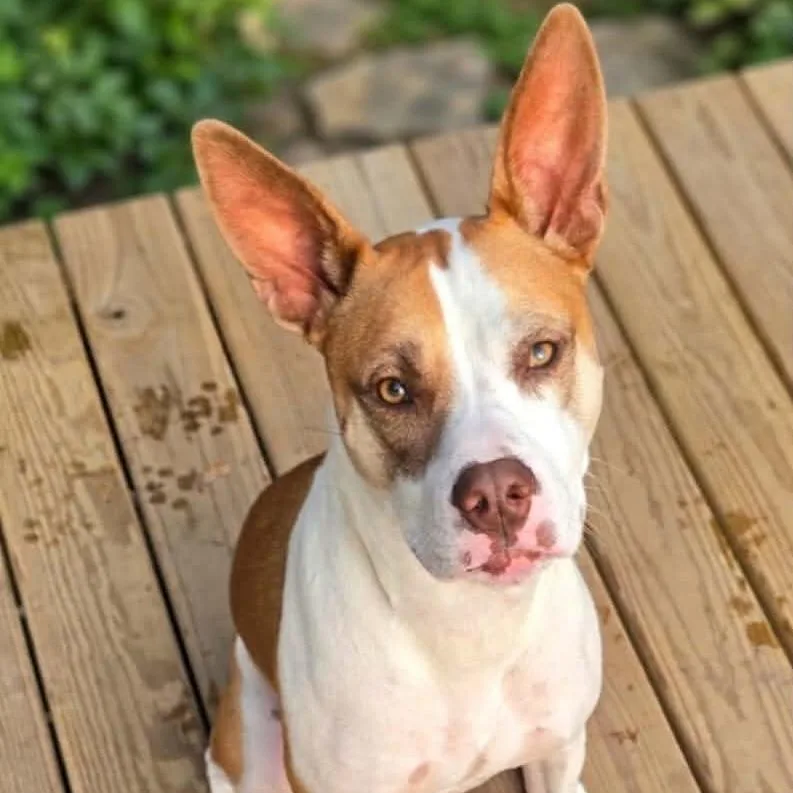
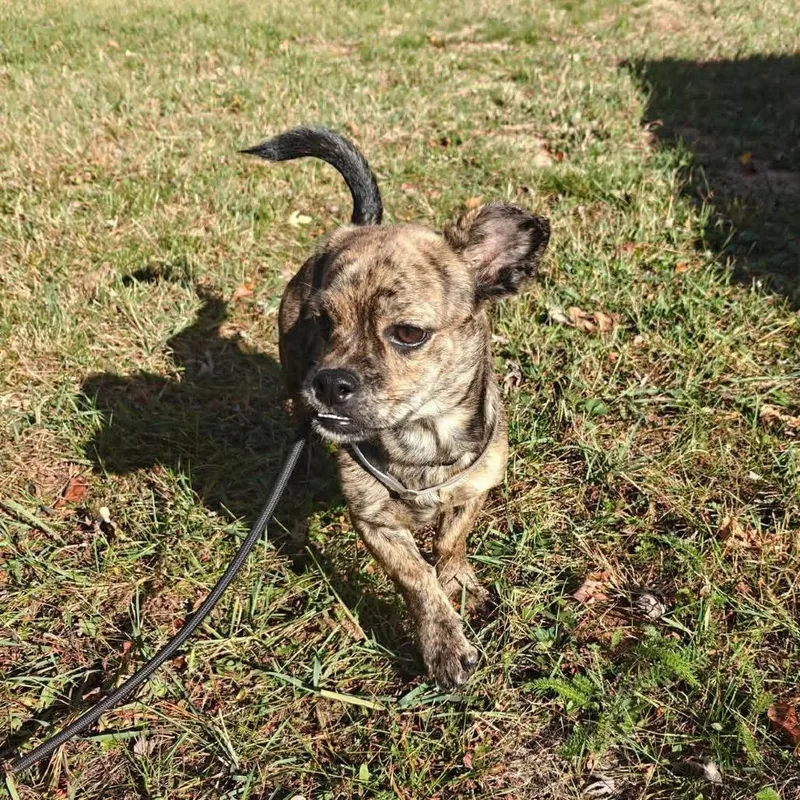
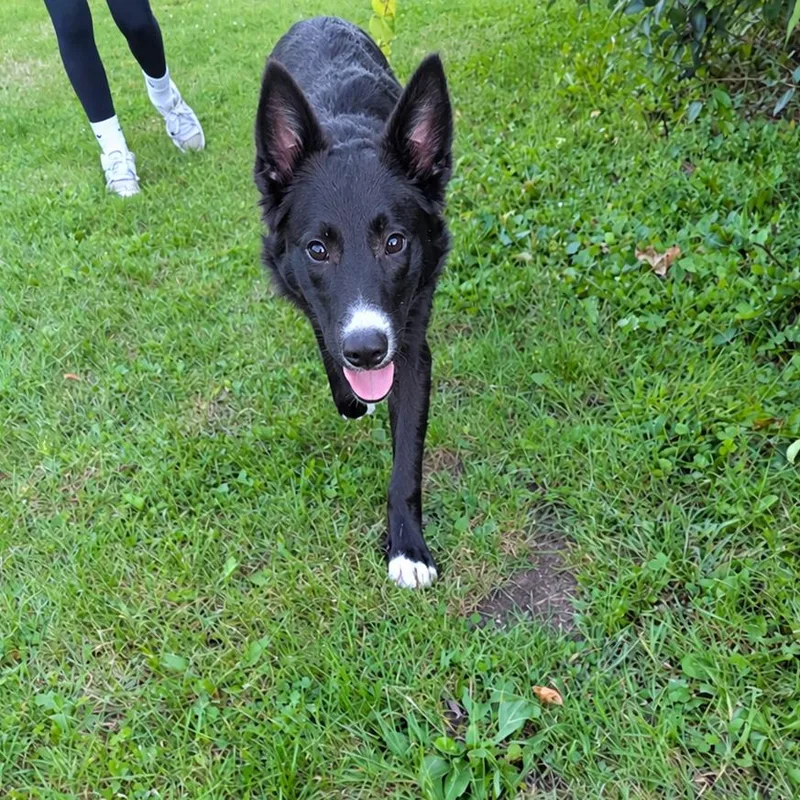
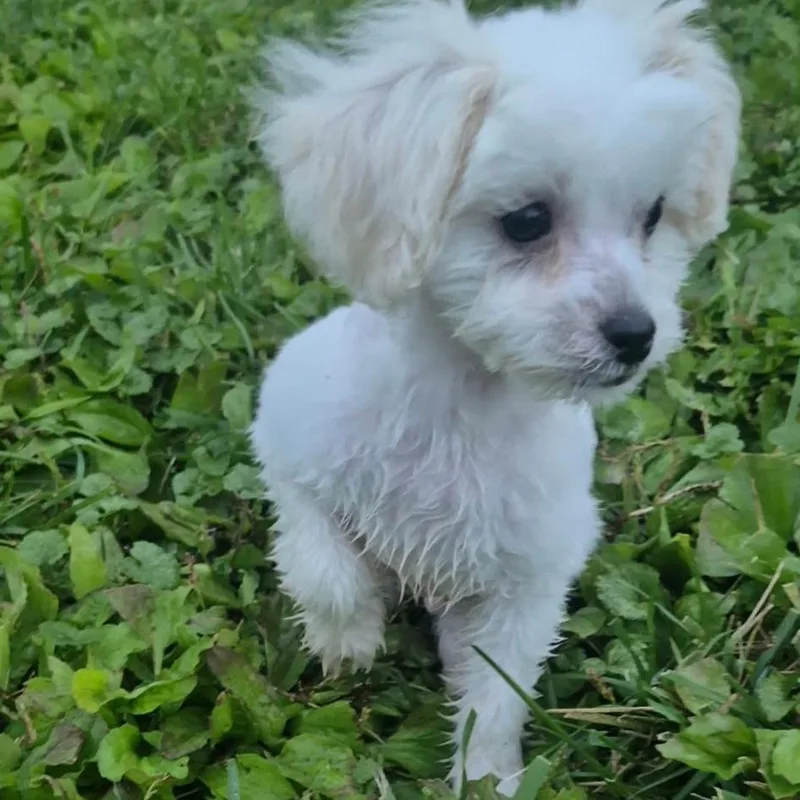
Skye Terrier Dogs for Adoption in Tomah, WI

Your guide to finding and caring for a Skye Terrier in Tomah

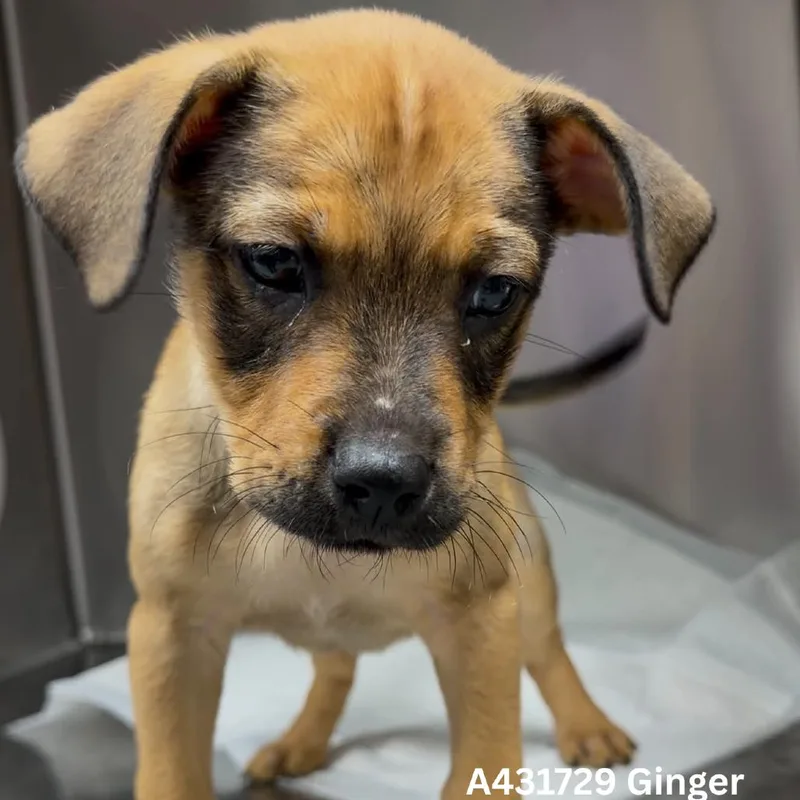
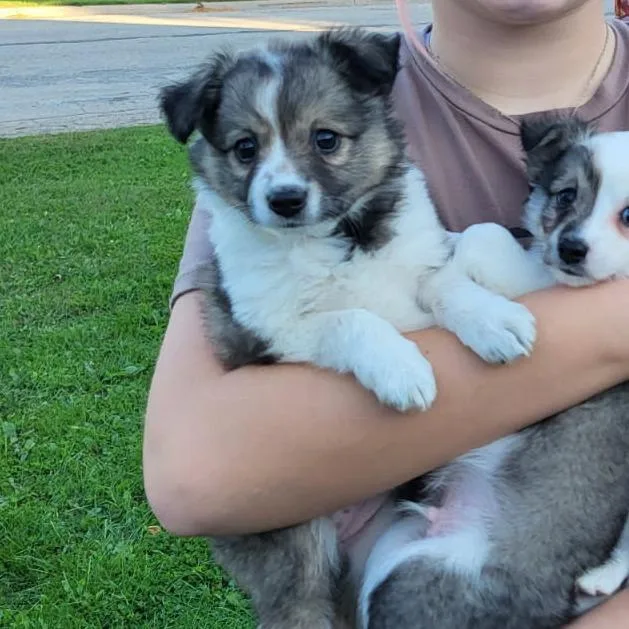
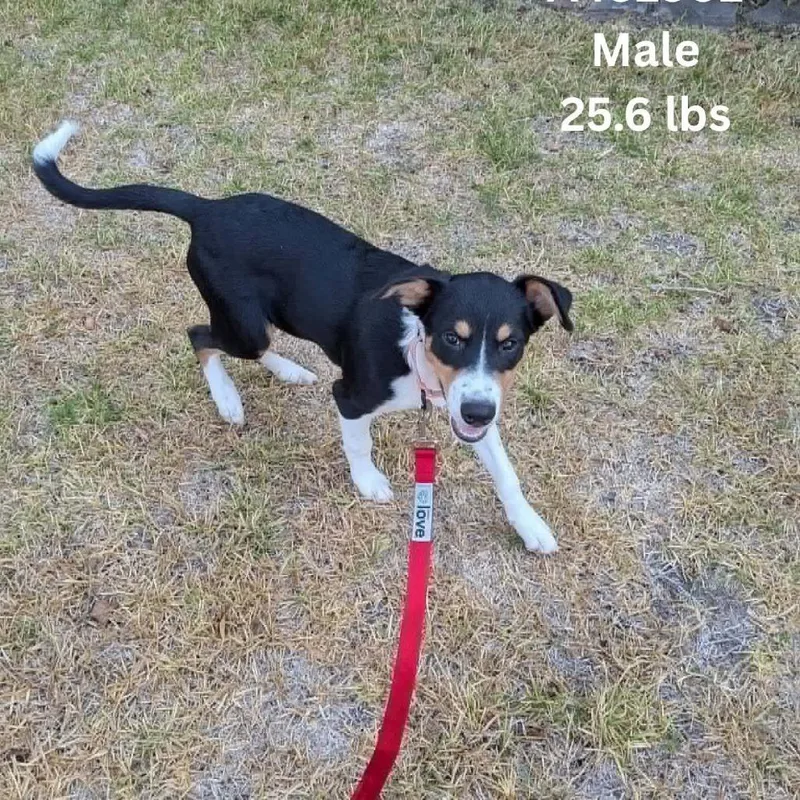
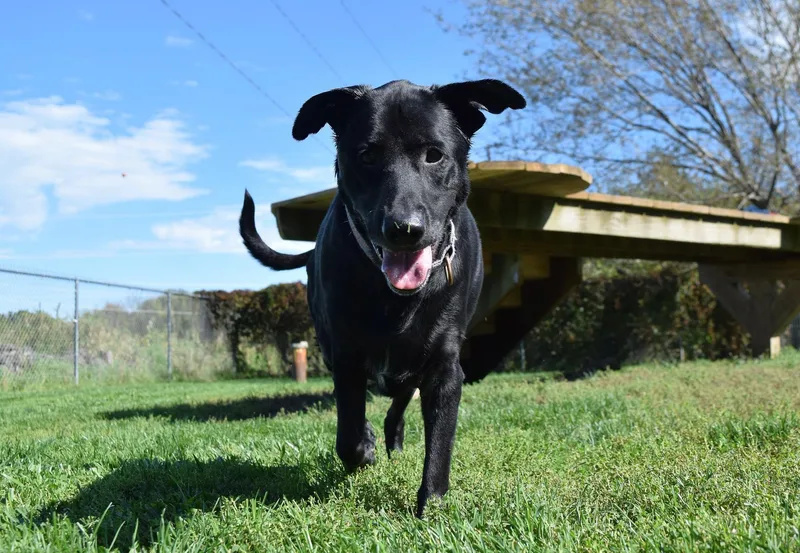
9624 dogs similar to Skye Terrier available in Tomah and nationwide

Find your Skye Terrier

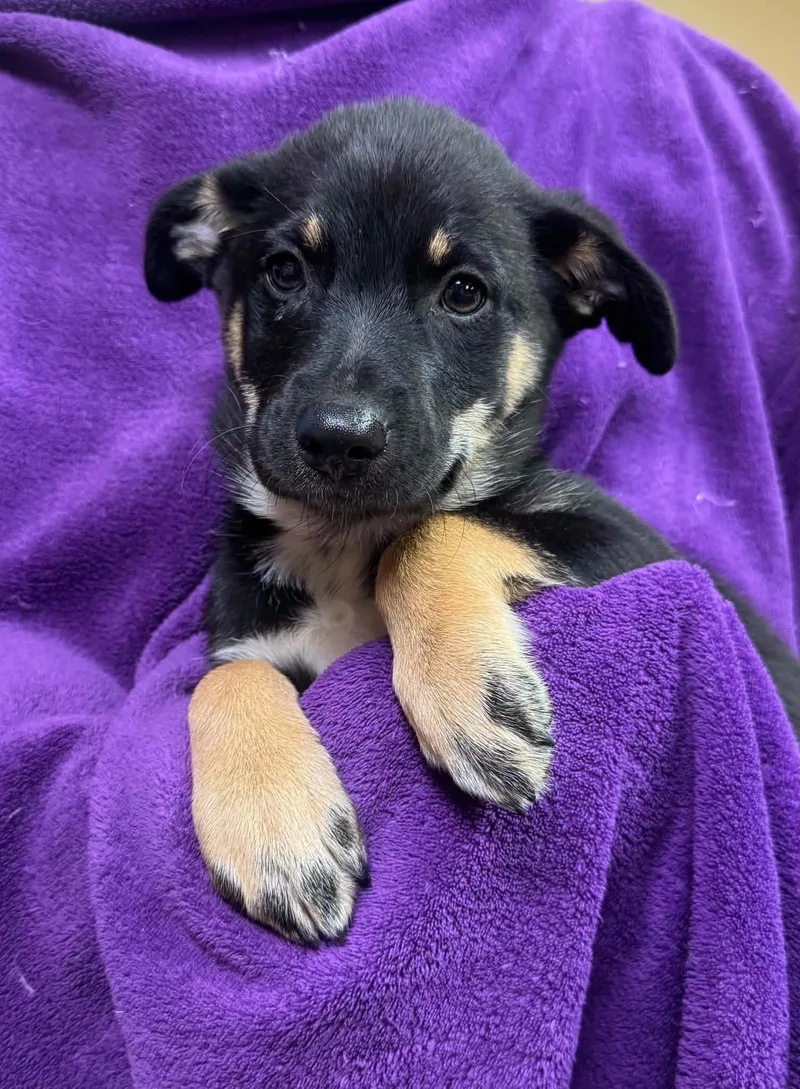
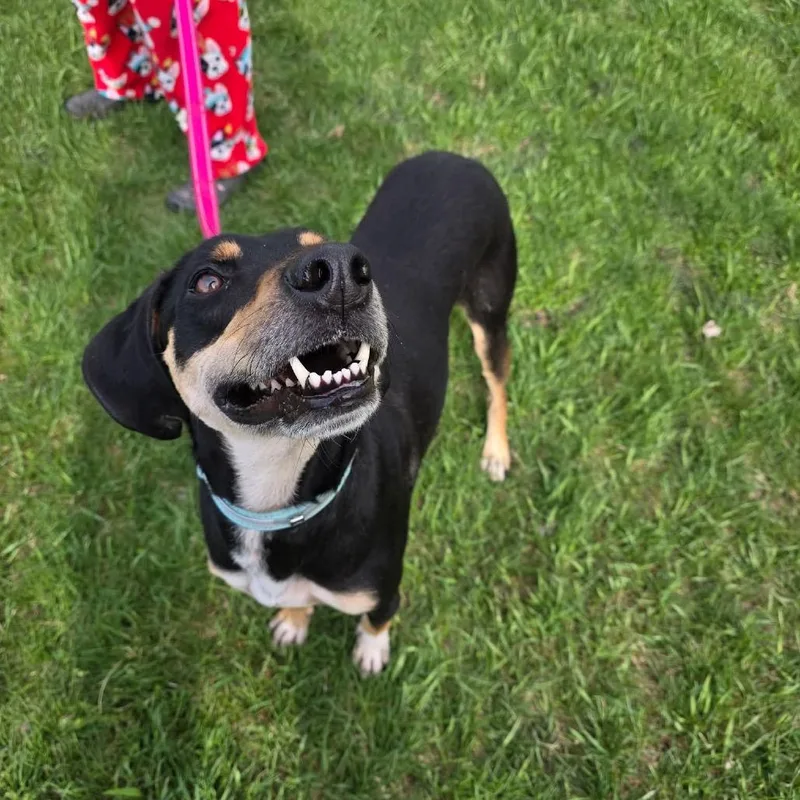
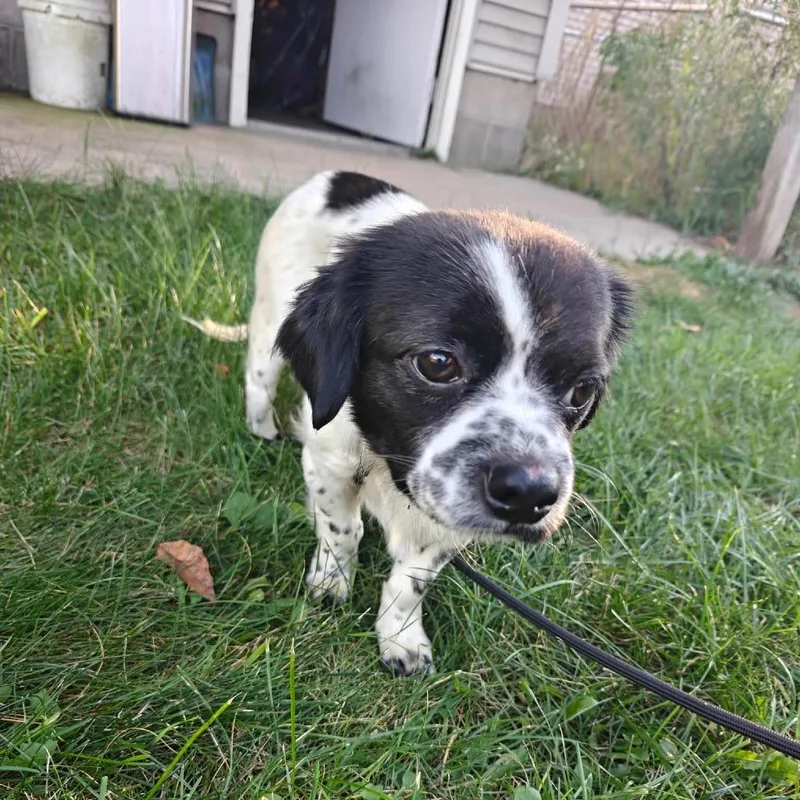
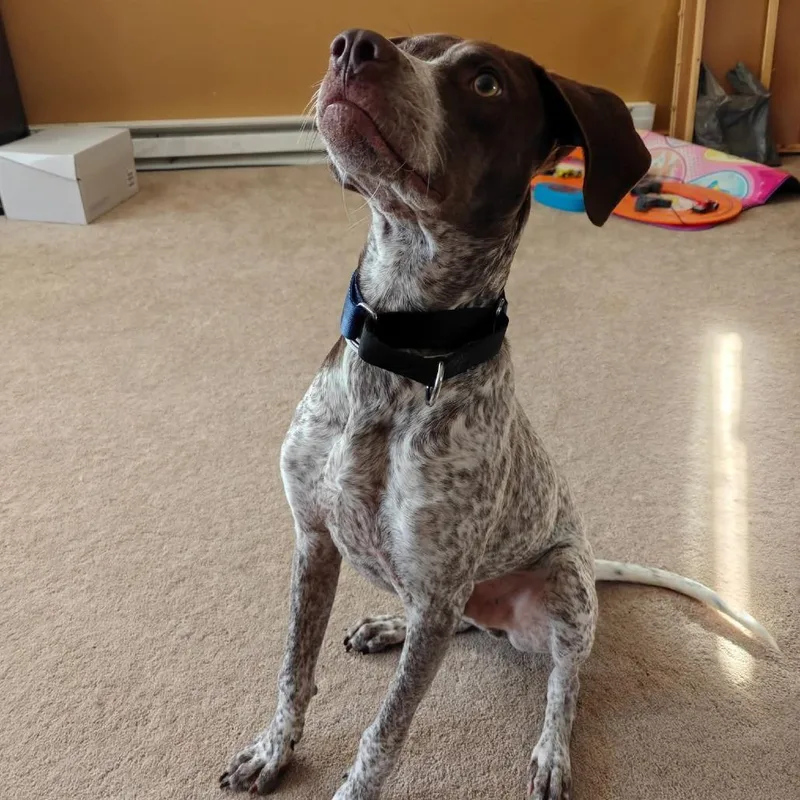
Skye Terriers and Similar Breeds Available for Adoption Near Tomah

About the Skye Terrier breed

Farmers on Scotland's Isle of Skye developed this long, low terrier in the 1600s to hunt foxes and badgers among rocks and heather. Its build is twice as long as it is tall, with short, powerful legs and a hard, straight coat that falls on either side of the body and veils the eyes. Ears may stand up with long feathering or drop close to the head. Queen Victoria helped make the breed fashionable, and Greyfriars Bobby remains its most famous member.

Today the Skye is among the rarest terriers, listed as vulnerable in its homeland. Many are devoted, dignified companions who bond strongly with family and stay cool toward strangers. They tend to be calmer indoors than many terriers but keep a courageous, independent streak. Adopters should plan for weekly coat care and gentle handling of a long back.

Weight
25–45 lbs
Height
9–11 in
Lifespan
12–14 yrs
Temperament
Loyal, Courageous, Dignified
Group
Terrier
Shedding
Moderate

Owning a Skye Terrier in Tomah

Having a Skye Terrier in Tomah

A Skye Terrier combines a working terrier's nerve with a reserved, deeply loyal character and a coat that defines its look. Understanding its temperament, moderate activity needs, long-backed build and grooming routine helps adopters judge whether a particular Skye suits their household.

Temperament

Skye Terriers are often affectionate and steadfast with their own people while staying aloof or wary with strangers. Many prefer calm, respectful children and may not tolerate rough handling. Some are bossy with other dogs, and small animals can trigger hunting instincts. Early, gentle socialization helps, and an adopted dog's known history is the best guide.

Exercise Needs

Most Skyes are content with daily walks and play sessions rather than long runs, and many enjoy sniffing and digging games that use their terrier instincts. Because of the long back and short legs, limit jumping from furniture and repeated stair climbing, especially in puppies. Short reward-based training sessions provide mental exercise and strengthen the bond.

Health Considerations

Skye Terriers have been linked to a premature growth-plate closure in the front legs of puppies, sometimes called Skye limp, plus back problems related to their long spine. A rare chronic liver condition has been described in related dogs, and autoimmune disease and cancers are reported. Keep a lean weight and discuss screening with a veterinarian.

Living Space

A Skye can be comfortable in an apartment or a house, since it is fairly quiet indoors and does not need a large yard. Ramps or steps onto furniture protect its back, and a fenced area helps contain a terrier that may dig or chase. Expect hair on brushes more than floors, and plan space for grooming sessions.

What it costs to own a Skye Terrier

ExpenseTypical costPer year
Adoption fee$350, one time$350 in year one
Food$20 to $45 per month$240 to $540
Pet insurance$35 to $70 per month$420 to $840
Routine vet care$200 to $400 per year$200 to $400
Other*$490 to $1,290 per year$490 to $1,290
Estimated yearly total (after year one)$1,350 to $3,070
First-year total (with adoption fee)$1,700 to $3,420

Adoption fee is the fee on Skye Terrier listings in Tomah on GetBuddy today. Other costs are national averages for Skye Terriers; we don't have costs specific to Tomah yet.

* Flea, tick and heartworm prevention, a dental cleaning allowance, a dog license, toys and bedding, and weekly brushing, baths and foot trims for a long double coat; license fees vary by city.

Adopt a Skye Terrier in Tomah.

Now that you know more, let’s find you a new best friend. These rescues and shelters below currently have Skye Terriers available.

Rescues in Tomah with Skye Terriers Available

Here are the rescues & shelters in the Tomah area where you can find Skye Terriers and other dogs available for adoption.

Frequently Asked Questions

A Skye Terrier is a long, low dog standing about 9 to 10 inches tall but roughly twice that in body length. Its hard, straight outer coat hangs evenly down both sides and veils the forehead and eyes. Colors include black, blue, gray, silver, fawn and cream, often with darker ears and muzzle. Ears are either upright and feathered or dropped.

A Skye Terrier is a rare Scottish terrier breed developed on the Isle of Skye to hunt foxes and badgers. It is small but sturdy, with short legs, a long body and a flowing, hard-textured coat. Many are loyal, dignified dogs that are affectionate with family and reserved with strangers. The AKC places it in the Terrier Group.

Yes, Skye Terriers shed, usually at a moderate level. Loose undercoat tends to collect in the long outer coat rather than dropping all over the house, so regular brushing removes most of it before it reaches floors and furniture. Shedding may increase seasonally. Skin redness, bald spots or heavy itching are signs to check with a veterinarian.

Adopting a Skye Terrier usually costs about $150 to $500 through a shelter or breed rescue, often including vaccinations, a microchip and spaying or neutering. Purebred Skyes are rare in shelters, so the national breed club's rescue network and terrier rescues are worth contacting. Budget separately for ongoing grooming supplies, food, preventive care and possible back or joint care.

Skye Terrier is pronounced "sky TAIR-ee-er," with Skye sounding exactly like the word sky. The breed is named after the Isle of Skye in Scotland's Inner Hebrides, where it was developed. In casual conversation, owners and breed fans often just call these dogs Skyes, and the same pronunciation applies to that nickname.

Skye Terriers are not usually clipped or shaved; the coat is kept long and natural. Brush and comb to the skin weekly, part the coat down the back, and bathe as needed. Most owners only trim with scissors around the feet and pads, the sanitary area and any hair that drags. A groomer familiar with long-coated terriers can show you a pet-friendly routine.

The Skye Terrier is endangered because very few are born each year, and the breed's small population makes it vulnerable. It fell from fashion after its Victorian heyday as other terrier breeds grew popular. The UK Kennel Club lists it as a vulnerable native breed, and only about 30 puppies were registered there in 2005. Numbers remain low elsewhere too.

Yes, a Skye Terrier can be a very good pet for adults or families who want a loyal, fairly calm companion and accept a reserved attitude toward strangers. It needs weekly grooming, careful handling of its long back and gentle, consistent training. It may not suit homes with rough young children or small pets, so an individual dog's history matters.

The Skye Terrier's coat is meant to be hard, straight and flat rather than silky because it protected a working dog. That outer layer sheds rain and shields the body and eyes from brush, rocks and the teeth of quarry, while a soft undercoat insulates. The breed standard calls for this harsh texture, so a silky coat would be a fault.

We have 1 rescue with Skye Terriers available: Last Paw Rescue. You can see every rescue with Skye Terriers available in the list above these questions.