


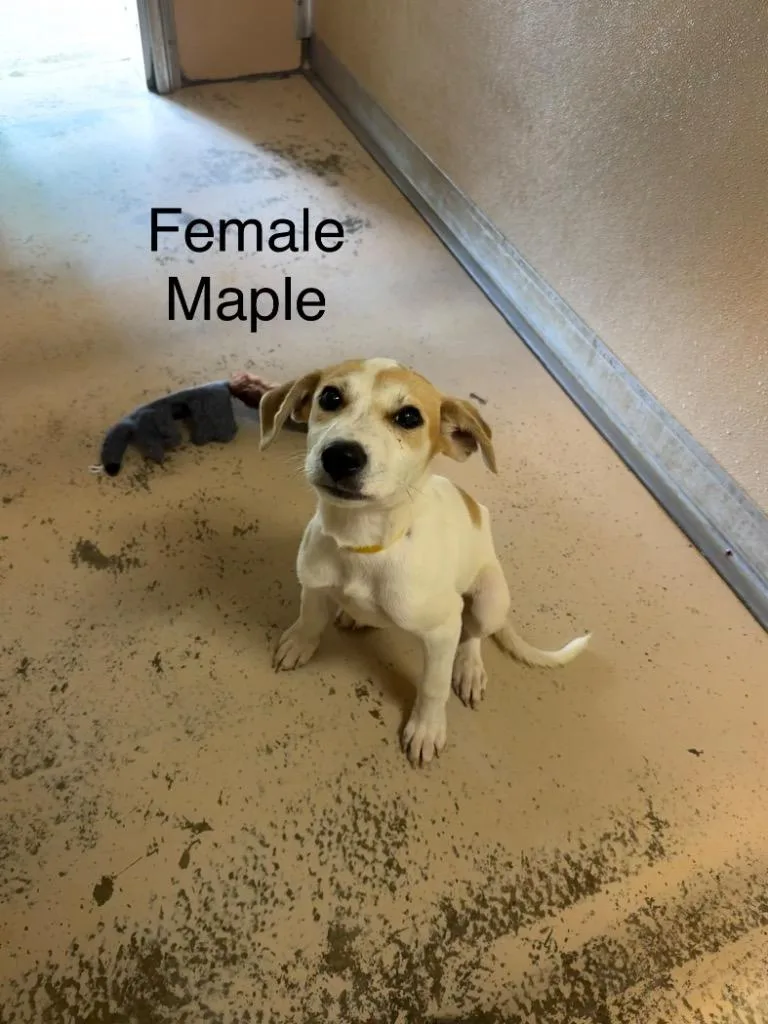

Hound Dogs for Adoption in Milwaukee, WI

Your guide to finding and caring for a Hound in Milwaukee

A Hound mix fits Milwaukee's bungalow and duplex neighborhoods well, because a long, sniff-heavy walk is easy to build into the day. On the tree-lined streets of Story Hill or Layton Park, a hound can spend an hour reading every fence post and hedge. Many hounds bay, though, so thin shared walls in a Mitchell Street flat are worth thinking about. Most are friendly with neighbors and other dogs, and they usually do best when someone's home for a good part of the day.

4629 Hounds available in Milwaukee and nationwide

Your Hound mix is waiting

Hounds Available for Adoption Near Milwaukee

About the Hound breed

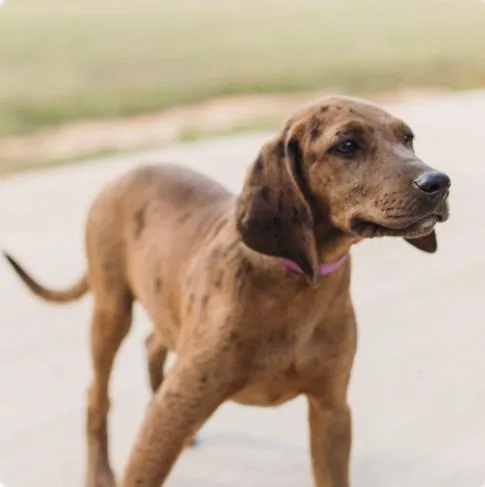
Hound is a catch-all label for hunting-dog ancestry rather than one breed. On Milwaukee listings it usually points to a scent hound mix with Beagle, Coonhound, Foxhound or Plott in the background, though sighthound types like Greyhounds and Whippets turn up too. Size runs from about 20 to 70 pounds, and lifespans are typically 10 to 14 years.

Hounds are mostly mellow, sociable dogs with a short coat, long ears and a loud voice. The nose rules the day: a hound on a Milwaukee sidewalk may stop at every scent and tune out commands. That's normal, and patient, treat-based training helps. Because ancestry varies so much, watch for size, energy and howling habits in the listings, then picture that dog in your daily routine.

Weight
20–70 lbs
Height
13–27 in
Lifespan
10–14 yrs
Temperament
Friendly, Independent, Vocal
Group
Hound
Shedding
Moderate

Owning a Hound in Milwaukee

Having a Hound in Milwaukee

Hound covers many types, so these cards describe what most adoptable hounds share. Expect a strong nose, a loud voice and an independent streak, with the dog's mix deciding how much each shows. Milwaukee's winters and shared housing shape the practical side.

Temperament

Most hounds are gentle and sociable with people and usually other dogs, a legacy of pack work. They can also be stubborn, since trail dogs were bred to decide for themselves. Patient, food-based training works better than force. Baying and howling are common, so neighbors in Milwaukee's duplexes and flats are worth considering, though some hounds are quiet.


Exercise Needs

Plan on daily walks long enough to sniff, often an hour or more for scent hound mixes. Keep them leashed, since a strong scent can override recall. Milwaukee County parks and the Oak Leaf Trail allow leashed dogs, and fenced dog exercise areas give a safer place to run. Food puzzles and scent games tire the brain too.

Health Considerations

Long ears trap moisture, so ear infections are common; check them weekly and after wet or snowy walks. Hounds gain weight easily, and larger types can develop hip dysplasia. Wipe paws after salted winter sidewalks, and keep up annual checkups, rabies vaccination and parasite prevention, which a veterinarian can tailor to the dog.

Living Space

A hound can live in a Milwaukee house, duplex or apartment if it gets enough outdoor time. A fenced yard helps, since many hounds dig, climb or follow a scent through gaps. Baying carries through thin shared walls, and counter surfing is common, so keep food and trash out of reach.

What it costs to own a Hound in Milwaukee

ExpenseTypical costPer year
Food$35 to $70 per month$420 to $840
Pet insurance$45 to $85 per month$540 to $1,020
Routine vet care$225 to $450 per year$225 to $450
Other*$437 to $1,174 per year$437 to $1,174
Estimated yearly total (after year one)$1,622 to $3,484

Other costs are estimates and vary with size, age and health.

* The Milwaukee County dog license ($12 if spayed or neutered, $24 if not), flea, tick and heartworm prevention, a dental cleaning allowance, toys and bedding, and basic brushing and ear care.

Adopt a Hound in Milwaukee.

Now that you know more, let’s find you a new best friend. These rescues and shelters below have dogs available in and near Milwaukee.

Rescues and Shelters in or near Milwaukee

Milwaukee's county shelter and local rescues list dogs for adoption, and the groups below update their pets as animals come in. Here are the rescues & shelters in the Milwaukee area with dogs available for adoption, worth asking whether a Hound is coming in.

Frequently Asked Questions

Yes. Milwaukee has no breed-specific dog rules, so a Hound mix faces no special restrictions. Every dog over five months needs a county license, city rules require a registered microchip, and state law requires rabies vaccination. Households are limited to four dogs, cats and rabbits combined without a permit, and apartments hold that cap firmly.

Most Hounds can handle Milwaukee winters with some help. Short-coated, lean hounds chill quickly when January lows hit about 17°F, so plan a coat, shorter walks on the coldest days and a paw wipe after salty sidewalks. Keep them leashed in snow, since a fresh scent can pull a hound off course.

Yes, if the dog gets daily sniff walks and the baying is manageable. Many Milwaukee buildings are older duplexes and flats where sound carries, so a hound that howls when left alone can draw complaints, which the city's Department of Neighborhood Services handles. Exercise, puzzle feeders and a steady routine help keep a hound calmer.

Leashed Hounds are welcome in most Milwaukee County parks, including Washington Park, Lake Park and Riverside Park, and on the Oak Leaf Trail, with a leash no longer than 6 feet. Beaches such as Bradford and South Shore are off-limits. For off-leash play, Roverwest and the Downtown Dog Park are fenced and need a county permit.

Usually not. MCTS buses, including CONNECT 1, and The Hop streetcar allow only service animals or pets in a closed carrier that fits on the rider's lap. That could work for a very small hound, but most are too big. Plan on walking, biking or driving for outings. Milwaukee has no subway.

Sometimes, on patios only. Wisconsin's food code lets restaurants allow dogs in outdoor dining areas with a separate entrance, but never inside, and each restaurant decides. Dogs can't sit on chairs or tables. A hound that bays or tugs toward smells does best with practice at quiet spots first, plus water and a short leash.

Very little. Most hounds have short, dense coats that need a weekly brush to handle moderate shedding, plus a bath only when needed. In Milwaukee the bigger job is ears: check and clean long ears after snowy or rainy walks, and wipe paws after salted winter sidewalks. Basic brushing and ear care are counted in the Other costs line.

Often, for people who like long walks in all weather. Milwaukee's parks and trails reward a hound's nose, and many hounds enjoy company, so they suit homes where someone's around much of the day. Winter takes planning, and baying matters in shared buildings. Hound mixes vary widely, so match the dog's size and energy to your routine.

A hound dog is a hunting dog bred to track or chase game, either by following a scent or by sight and speed. Beagles, Coonhounds, Bloodhounds and Basset Hounds hunt by nose, while Greyhounds and Salukis are sighthounds. Shelters often label a dog hound when it shows scent hound traits, such as long ears, a strong nose and a baying voice.

Plan on roughly $1,600 to $3,500 a year for a Hound in Milwaukee. That covers food at $35 to $70 a month, insurance at $45 to $85 a month, routine vet care at $225 to $450 a year, and $437 to $1,174 a year in other costs. Larger hounds sit toward the top of each range.