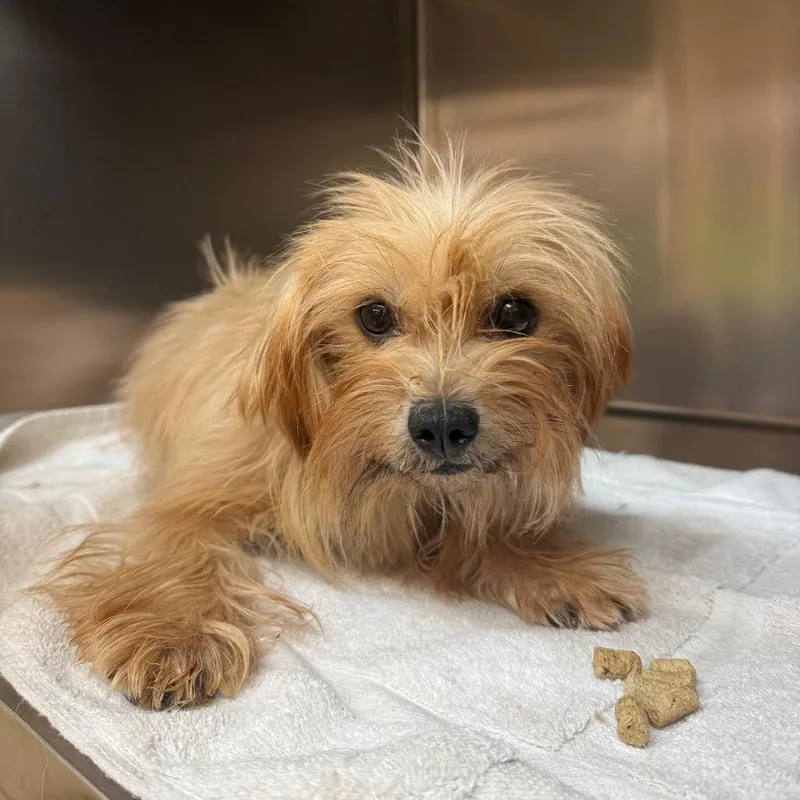
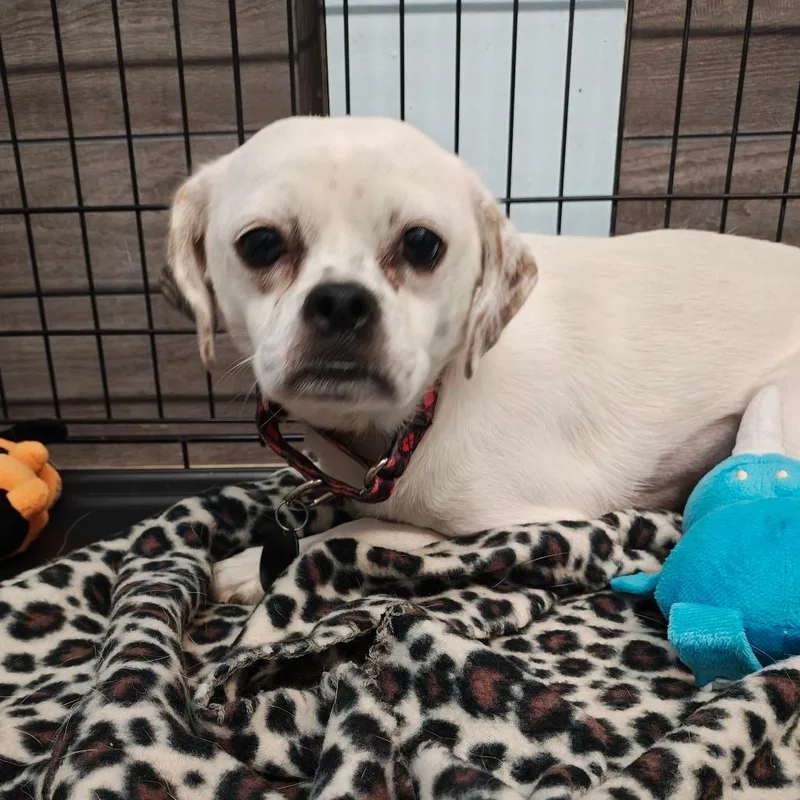
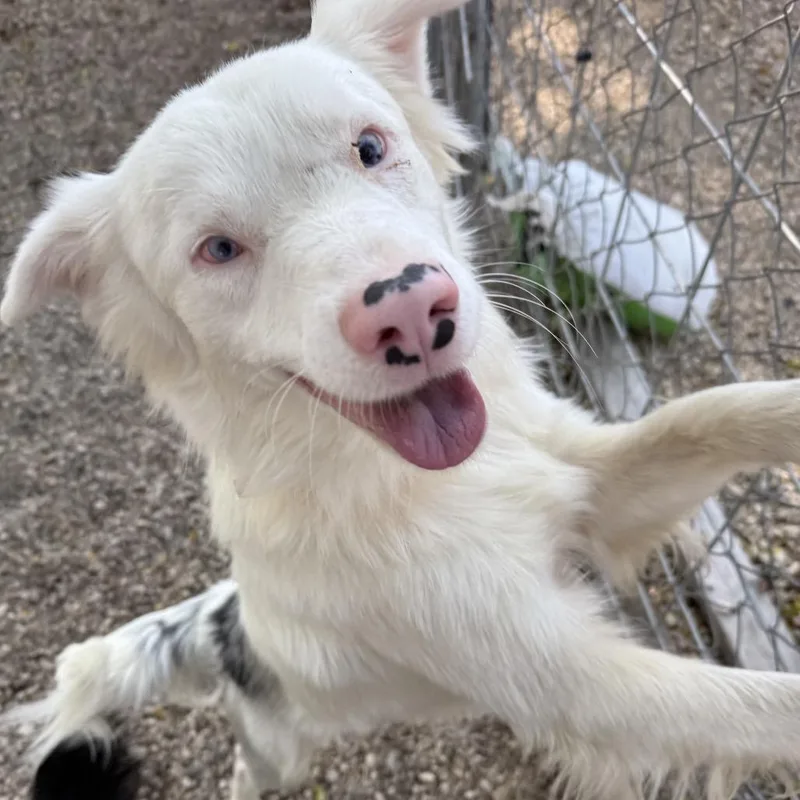
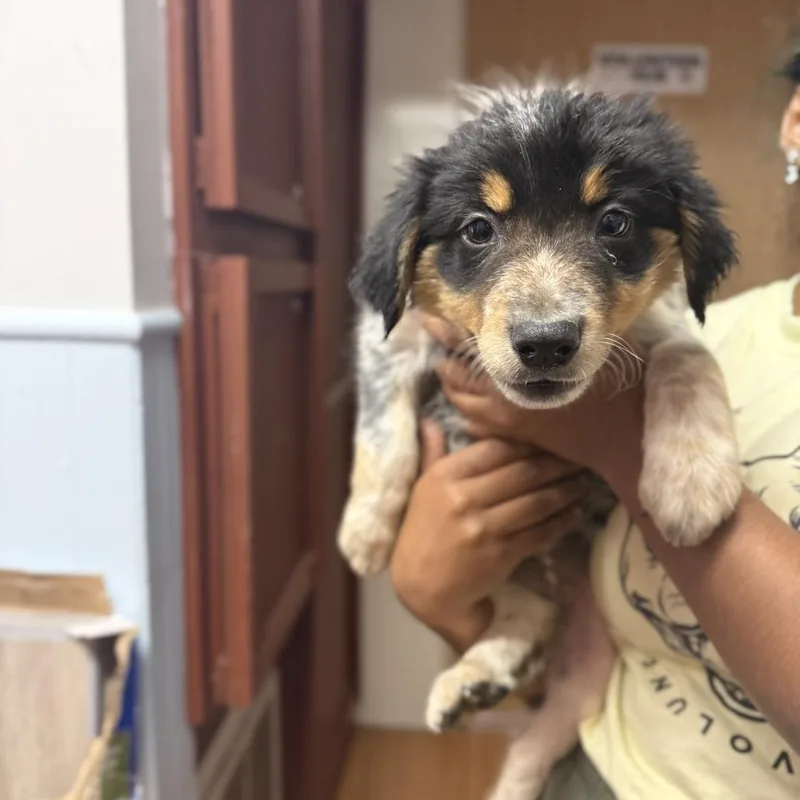
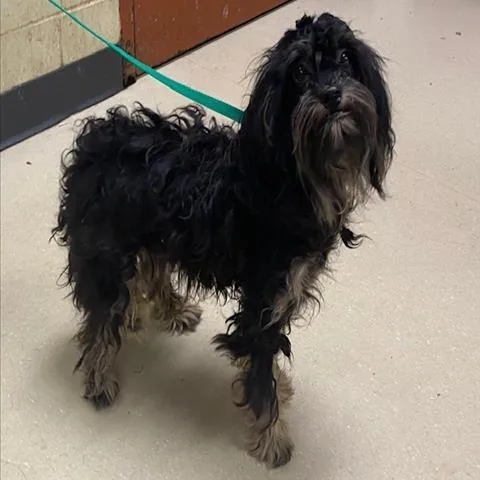
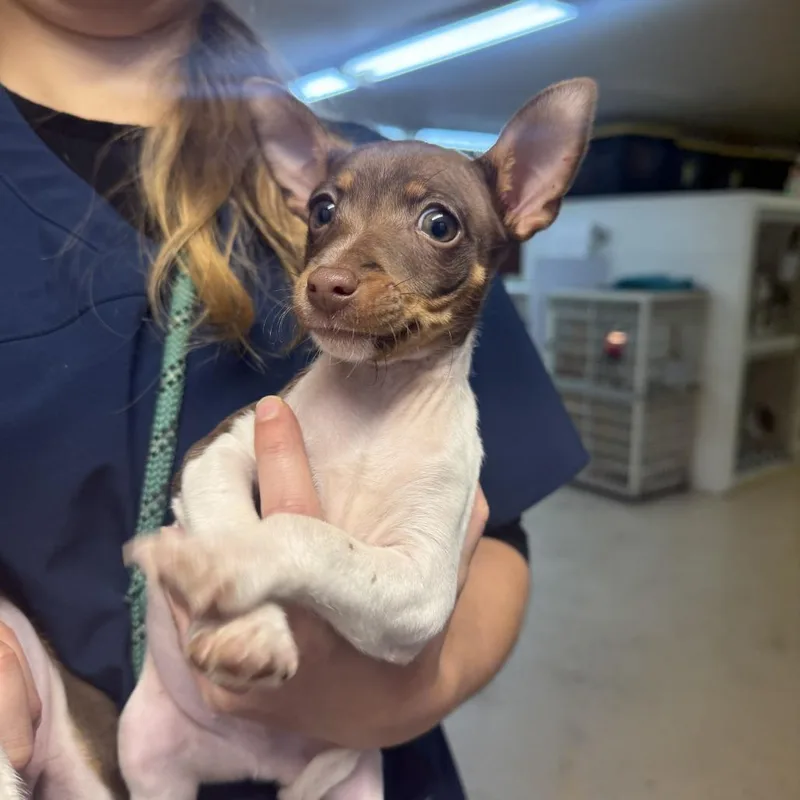
Cattle Dogs for Adoption in Madison, WI

Your guide to finding and caring for a Cattle Dog in Madison

Cattle Dogs suit Madison's outdoorsy streak, as long as their people can keep up. A Schenk-Atwood flat or a Grandview Commons townhome works when the day includes a long walk along the Starkweather Creek path and some real brain work. The label covers heelers and heeler mixes of many sizes, so energy varies, but most are sharp, busy dogs that bore easily. January's subzero stretches mean indoor games on the worst days.

2044 Cattle Dogs available in Madison and nationwide

Fall for a Cattle Dog

While we don't have enough dogs near Madison, keep in mind that many rescues may offer transport.

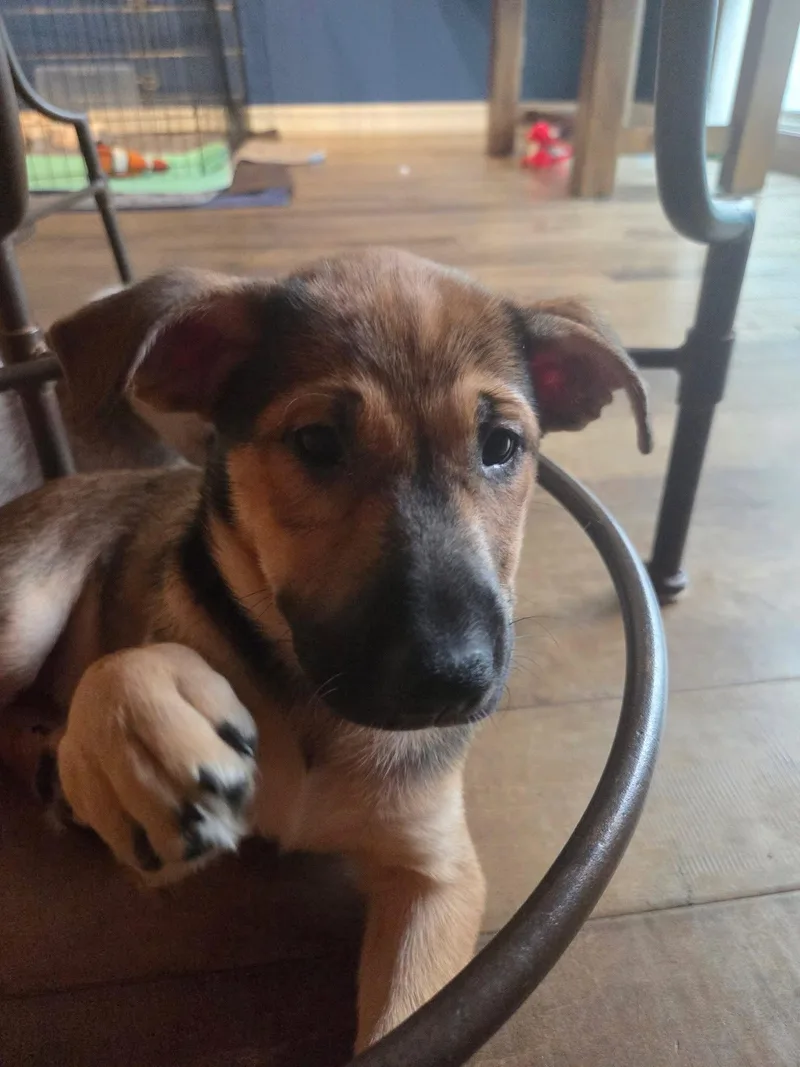
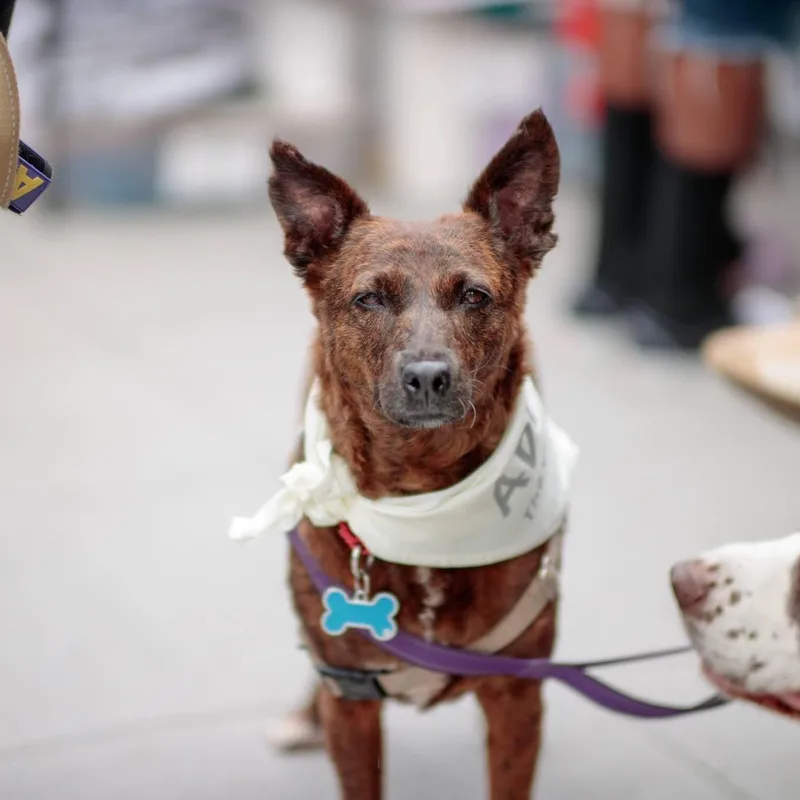
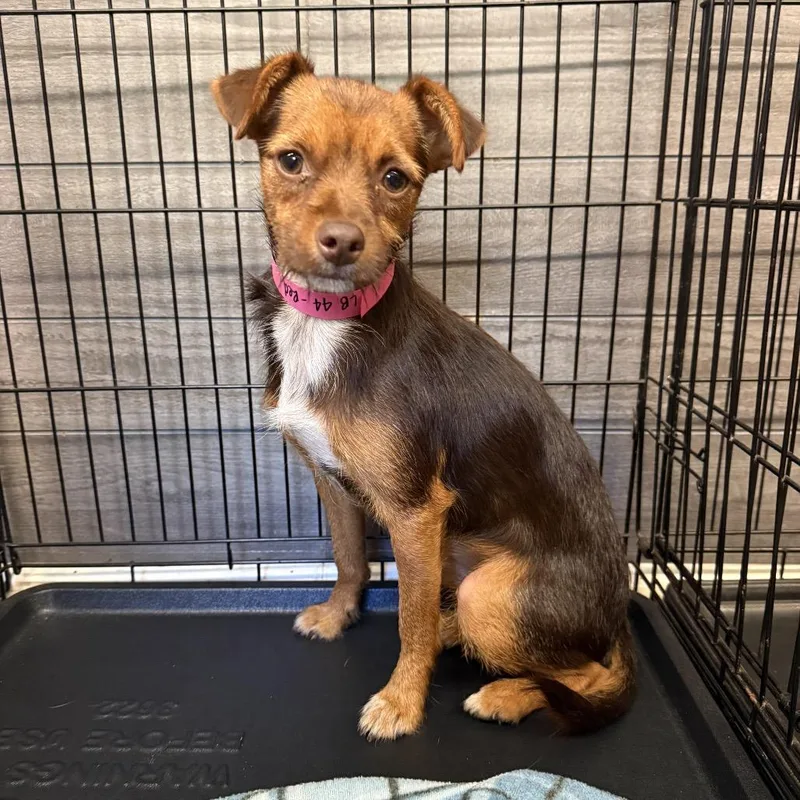
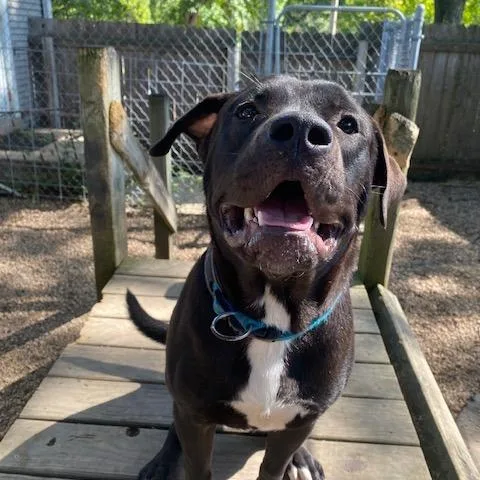
Cattle Dogs Available for Adoption Near Madison

About the Cattle Dog breed

Cattle Dog is a shelter label more than a single breed. Most dogs listed this way are Australian Cattle Dogs, known as Blue or Red Heelers, or mixes with one, though Texas Heelers and crosses with Border Collies or Labs are also included. The Australian Cattle Dog was developed in nineteenth-century Australia to drive cattle over long distances by nipping at their heels.

Expect a medium, muscular dog, usually 30 to 50 pounds, with a short double coat that sheds moderately. Many bond closely with one family, stay reserved with strangers and need a job to do. In Madison, that job can be daily walks, fetch and training games. Because mixes vary in size, coat and energy, a dog's behavior tells you more than the label does.

Weight
30–50 lbs
Height
17–20 in
Lifespan
12–16 yrs
Temperament
Energetic, Loyal, Intelligent, Protective
Group
Herding
Shedding
Moderate

Owning a Cattle Dog in Madison

Having a Cattle Dog in Madison

Heeler-type dogs bring stamina, quick minds and strong opinions. In Madison that makes them a good fit for people who enjoy year-round time outside and like training, and a harder fit for homes where a dog would spend long days alone.

Temperament

Cattle Dogs tend to be loyal, alert and closely attached to their family, often reserved with strangers. Many nip at running kids, bikes or other pets, and some guard their space. On busy Madison sidewalks, steady leash manners and early socialization help. Mixes vary, so watch how each dog reacts to kids, dogs and cats.

Exercise Needs

Plan on at least an hour of vigorous activity daily, plus training or puzzle games. Leashed dogs are welcome in Madison's general parks, and fenced dog parks like Sycamore, Warner and Odana School give room to run, with a dog license and a daily or annual Parks dog permit. Icy winter days call for indoor games.

Health Considerations

Heeler types are often hardy, but deafness, progressive retinal atrophy, lens luxation and hip or elbow problems occur, and their fearless style leads to cruciate tears. Keep a dog lean, and have a veterinarian check hearing and eyes. In Madison, rinse paws after salted winter walks and keep dogs out of scummy lake water in late summer.

Living Space

A heeler can do well in a Madison apartment when daily exercise is reliable, and a fenced yard helps since bored cattle dogs may dig or escape. Dense isthmus flats and newer east-side townhomes both work if the dog gets out every day. Expect a dog that wants to stay near you indoors.

What it costs to own a Cattle Dog in Madison

ExpenseTypical costPer year
Food$35 to $70 per month$420 to $840
Pet insurance$45 to $85 per month$540 to $1,020
Routine vet care$225 to $450 per year$225 to $450
Other*$440 to $1,190 per year$440 to $1,190
Estimated yearly total (after year one)$1,625 to $3,500

Other costs are estimates and vary with size, age and health.

* The Madison dog license, a dental cleaning allowance, flea, tick and heartworm prevention, durable toys and bedding, and light home grooming.

Adopt a Cattle Dog in Madison.

Now that you know more, let’s find you a new best friend. These rescues and shelters below have dogs available in and near Madison.

Rescues and Shelters in or near Madison

Madison's adoption options include a county humane society and foster-based rescues, with new dogs listed as they become available. Here are the rescues & shelters in the Madison area with dogs available for adoption, worth asking whether a Cattle Dog is coming in.

Frequently Asked Questions

Yes, there are no known breed restrictions in Madison, and Cattle Dogs are treated like any other dog. Dogs 5 months and older need a city license with proof of rabies vaccination, and they can't run at large; a first violation brings a $25–$100 fine. Neighboring towns like Fitchburg or Middleton set their own rules.

Sycamore, Warner and Odana School parks each have fenced off-leash areas with small-dog sections, and Picnic Point and the Wingra Creek Bike Path work for leashed walks. Every dog in a city park needs a license plus a daily or annual Parks dog permit. Skip the UW Arboretum, city beaches and Olbrich Botanical Gardens, where dogs aren't allowed.

Yes, a Cattle Dog's double coat handles Madison winters well, though January highs near 27°F, about 52 inches of snow and occasional subzero nights call for adjustments. Shorten walks on the coldest days, wipe paws after salted sidewalks, and swap runs for indoor training games. Short-coated or lean mixes may want a coat.

Yes, many can, if daily exercise is dependable. Heelers are happiest with an hour of vigorous activity plus training, so a flat near paths and dog parks helps. Barking complaints in Madison go to police, so build calm routines and mental work early. Landlords set their own breed and weight limits, so read the lease.

Generally no. Madison Metro allows only service animals or caged pets that fit on your lap, which rules out a medium-sized Cattle Dog, and the same rule covers Rapid Route A. Plan walks from your door, or use a car for trips to dog parks and trailheads.

A Cattle Dog fits Madison if you're active outdoors year-round and enjoy training. The city's paths, leashed-dog access in parks and fenced dog parks help, while long winters and a heeler's need for company are the challenge. If your days are long and sedentary, a Cattle Dog may get bored and loud. Dogs vary, so judge each one's energy.

Only to some outdoor patios, never indoors. Wisconsin allows dogs in exterior dining areas, and Madison patios need a Public Health variance, so each restaurant decides. A Cattle Dog that's reserved with strangers or nips at passersby may do better with calm walks instead. Patio season runs roughly May through September.

Not much: a Cattle Dog's short double coat needs a weekly brush, more during spring and fall shedding. Baths are only needed when the dog is dirty, and salty winter sidewalks call for paw wipes. Grooming stays low-cost and falls within the $440–$1,190 yearly Other range, mostly home brushing and nail care.

Most cattle dogs live about 12 to 16 years, and many Australian Cattle Dogs reach 13 or 14. Mixes can fall anywhere in that range. Keeping a dog lean, active, vaccinated and up to date on veterinary exams supports a long life, though no breed label can promise a particular lifespan for a particular dog.

Expect roughly $35–$70 a month for food, $45–$85 for pet insurance and $225–$450 a year for routine vet care. Other yearly costs, including the Madison dog license, parasite prevention, dental care and supplies, run about $440–$1,190. Costs shift with the dog's size and coat, and a short double coat keeps grooming low.