


White German Shepherd Dogs for Adoption in Seattle, WA

Your guide to finding and caring for a White German Shepherd in Seattle

A White German Shepherd suits Seattle best in a house or roomy apartment near a big park, like Wedgwood or Sand Point. They're working dogs that want a long walk every day, and the Green Lake loop or Magnuson Park's trails give them plenty of room to burn it off. Rain is part of the routine, so expect to towel-dry a thick white coat. They also bond closely, so they do best with people who are home a fair amount.

97 White German Shepherds available in Seattle and nationwide

Give a White German Shepherd a home

While we don't have enough dogs near Seattle, keep in mind that many rescues may offer transport.

White German Shepherds Available for Adoption Near Seattle

About the White German Shepherd breed

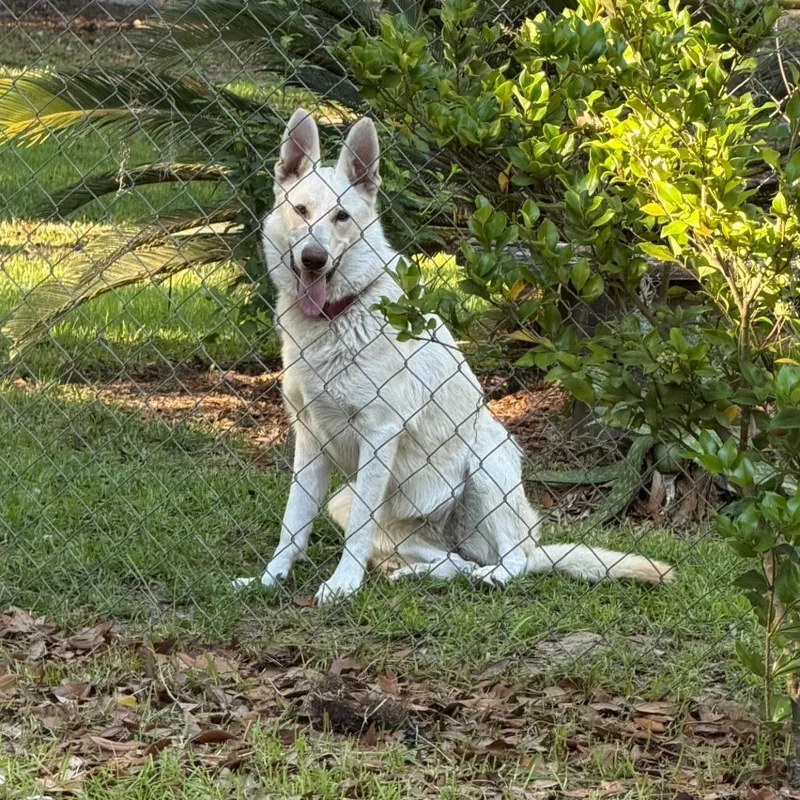
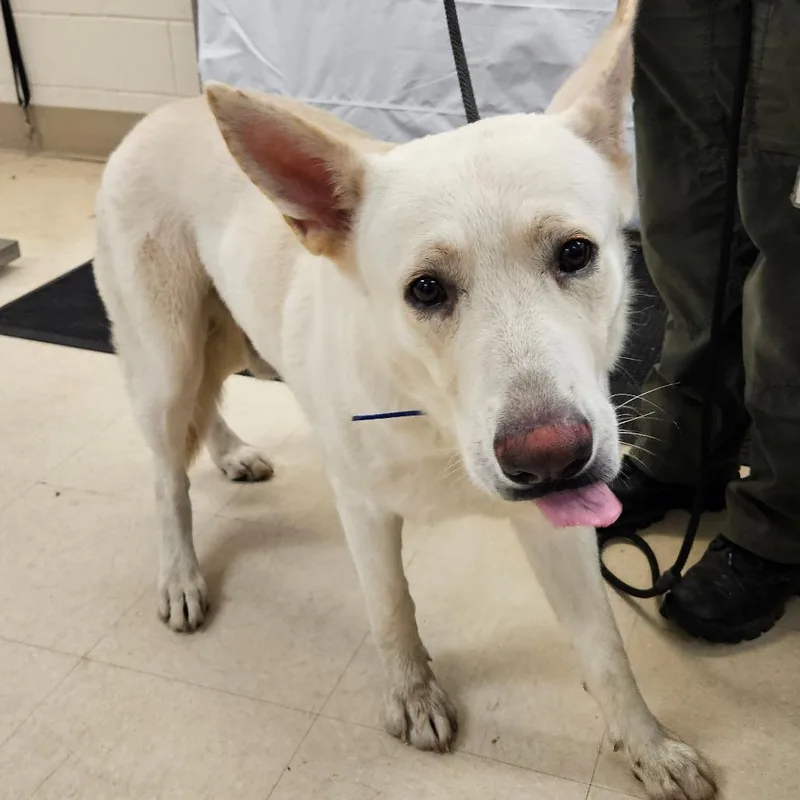
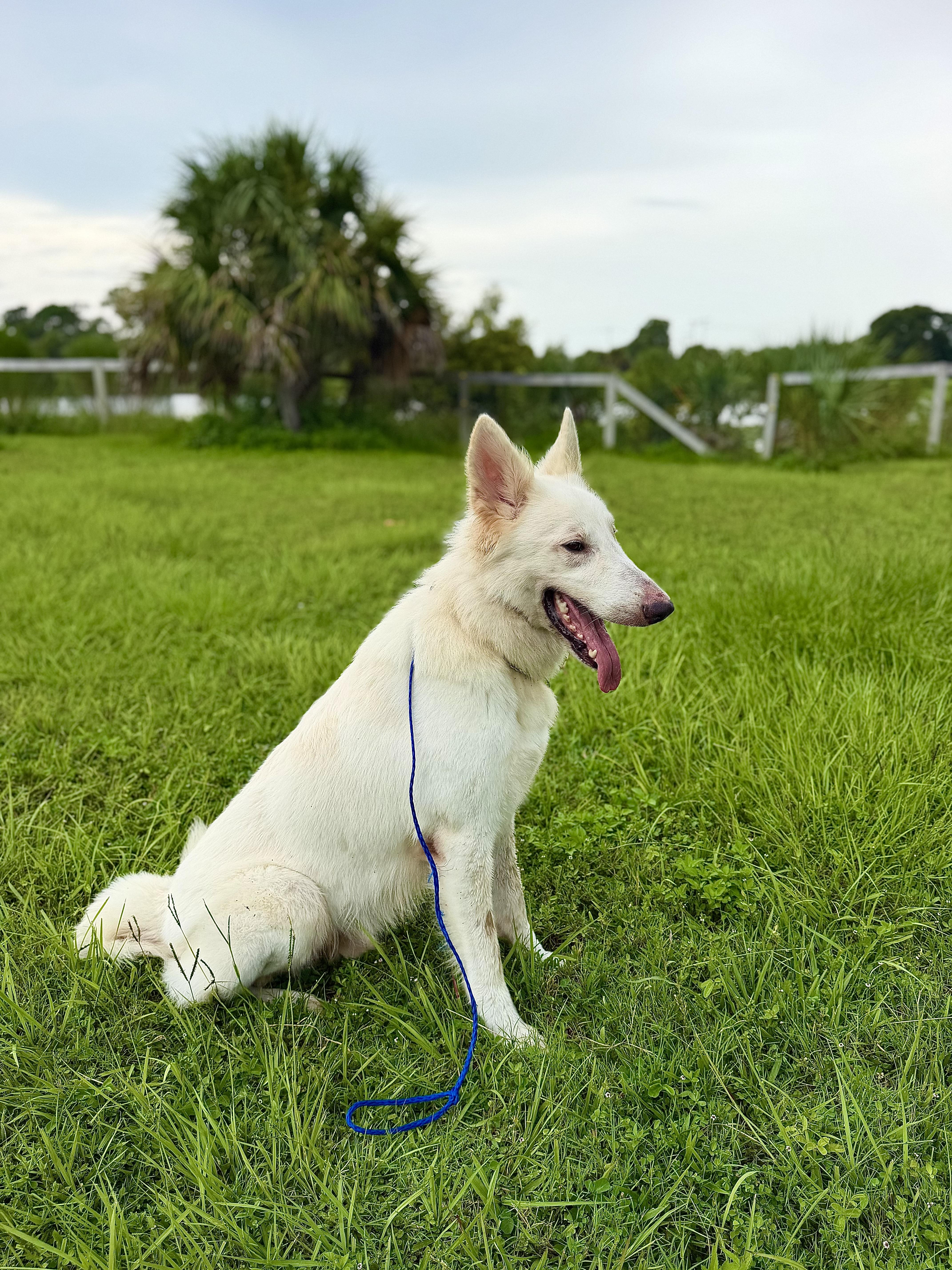
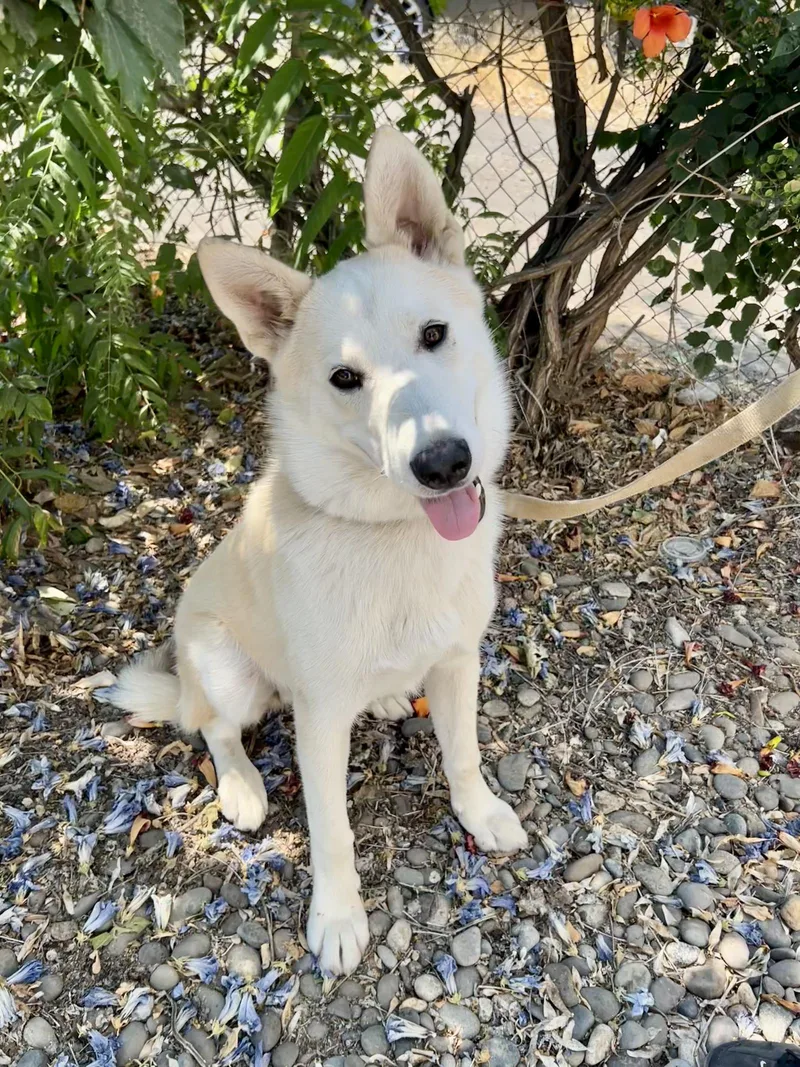
A White German Shepherd is a German Shepherd Dog with an all-white coat caused by a recessive gene, not albinism. These dogs keep dark noses, dark eye rims and brown eyes. White dogs have appeared since the breed's earliest days, though the AKC show standard disqualifies white, and the United Kennel Club recognizes the White Shepherd as its own breed.

Underneath the coat, they're large, athletic and intelligent, usually 60 to 85 pounds, and often reserved with strangers. The double coat sheds heavily all year, and in Seattle's damp weather a white coat shows mud fast. Dogs vary, and a shelter dog's background matters more than coat color, so expect the commitment of any shepherd.

Weight
60–85 lbs
Height
22–26 in
Lifespan
9–13 yrs
Temperament
Loyal, Intelligent, Alert
Group
Herding
Shedding
High

Owning a White German Shepherd in Seattle

Having a White German Shepherd in Seattle

A White German Shepherd brings German Shepherd drive and smarts in a white coat. In Seattle, the big questions are daily exercise, heavy shedding in a rainy climate, and whether your home gives a large dog enough room.

Temperament

White German Shepherds tend to be loyal, alert and closely attached to their people, and many are reserved with strangers. In Seattle, busy sidewalks and apartment hallways make early socialization and calm, reward-based training worthwhile. A shelter dog's history and socialization shape behavior more than coat color, and each dog differs.
Exercise Needs

Plan on vigorous exercise every day, plus mental work like scent games or obedience. Seattle helps: the 2.8-mile Green Lake loop requires a leash, and Magnuson Park has an 8.6-acre off-leash area with lake access. Young dogs should skip repetitive high-impact running while their joints develop.

Health Considerations

Like other German Shepherds, they can face hip and elbow dysplasia, degenerative myelopathy, bloat, allergies and perianal fistulas. White coat color isn't linked to deafness or blindness. Have a veterinarian check the hips and joints early, keep the dog lean, and stay on top of parasite prevention.

Living Space

Seattle's mix of apartments and houses can work for a well-exercised shepherd, but a large dog does best with room to move, ideally near a park. Hills and stairs in areas like Queen Anne become part of every walk. Expect white hair on everything, and a dog that wants to live indoors with you.

What it costs to own a White German Shepherd in Seattle

ExpenseTypical costPer year
Food$55 to $110 per month$660 to $1,320
Pet insurance$65 to $130 per month$780 to $1,560
Routine vet care$250 to $500 per year$250 to $500
Other*$620 to $1,495 per year$620 to $1,495
Estimated yearly total (after year one)$2,310 to $4,875

Other costs are estimates and vary with size, age and health.

* The $45 Seattle license for an altered dog, flea, tick and heartworm prevention, a dental cleaning allowance, toys and bedding, and brushing and baths for a heavy-shedding double coat.

Adopt a White German Shepherd in Seattle.

Now that you know more, let’s find you a new best friend. These rescues and shelters below have dogs available in and near Seattle.

Frequently Asked Questions

Yes, you can own a White German Shepherd in Seattle. The city has no breed bans, and Washington law limits breed-specific rules statewide. You'll need a city dog license, a current rabies vaccination, and a leash whenever you're off your own property. Households are limited to three dogs and cats combined on a typical city lot.

Yes, if the dog gets real exercise every day. Without it, boredom barking and chewing are likely, and noise complaints can follow. A unit near a park such as Green Lake or Magnuson makes daily walks easier, and hilly streets and stairs make some buildings easier than others for a large dog. Regular brushing keeps shed hair manageable.

Yes, on Metro buses. A 60- to 85-pound shepherd rides on the floor with a paid fare, leashed and off the seats, at the driver's discretion. Sound Transit is piloting leashed dogs on Link light rail through spring 2027, so confirm the current rules and fares before you ride.

Yes, they handle Seattle winters well. Temperatures of roughly 38 to 48°F are comfortable for a double coat. The real issues are rain and mud, so towel-dry the coat and paws after walks. A few snow or ice days a year can close hilly streets, so plan indoor exercise for those days.

Discovery Park offers 560 acres of leashed walking in Magnolia, though the Wolf Tree Nature Trail is closed to dogs. Seward Park has a 2.4-mile shoreline path, Lincoln Park has 4.6 miles of paths, and the Burke-Gilman Trail allows long leashed walks. Dogs can't go on city beaches, so save off-leash play for Magnuson Park.

Plan on brushing a few times a week, and daily during the heavy sheds in spring and fall. Seattle's rain adds towel-drying and paw wipes after walks, plus a bath when mud sticks to the white coat. Brushing at home keeps grooming costs modest within the yearly Other costs.

Sometimes, on patios. Washington rules let pet dogs join you outdoors only at restaurants with a health-department-approved plan, and indoor dining rooms generally don't allow pet dogs. Keep your White German Shepherd leashed, off the chairs and out of the indoor area, and expect a large dog to need extra room under the table.

Yes, German Shepherds can be white. A recessive gene that masks the usual coat pigment produces an all-white or cream coat, and white puppies have appeared since the breed's early history. The AKC still registers white German Shepherds but disqualifies them in conformation shows, while the United Kennel Club recognizes them as a separate breed, the White Shepherd.

White German Shepherds are uncommon but not extremely rare. Because the white gene is recessive and the color is disqualified in AKC and German breed shows, white puppies appear only occasionally among German Shepherds. The separately recognized White Shepherd is always white. They do turn up in shelters and shepherd rescues, so adopters patient enough to watch listings can find one.

Expect about $55 to $110 a month for food and $65 to $130 for pet insurance. Routine vet care runs roughly $250 to $500 a year, and other costs such as the license, parasite prevention, dental cleanings, supplies and coat care add $620 to $1,495 a year. Heavy shedding means brushes and baths add up.