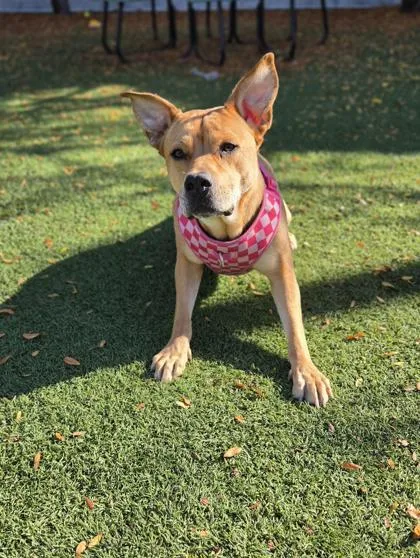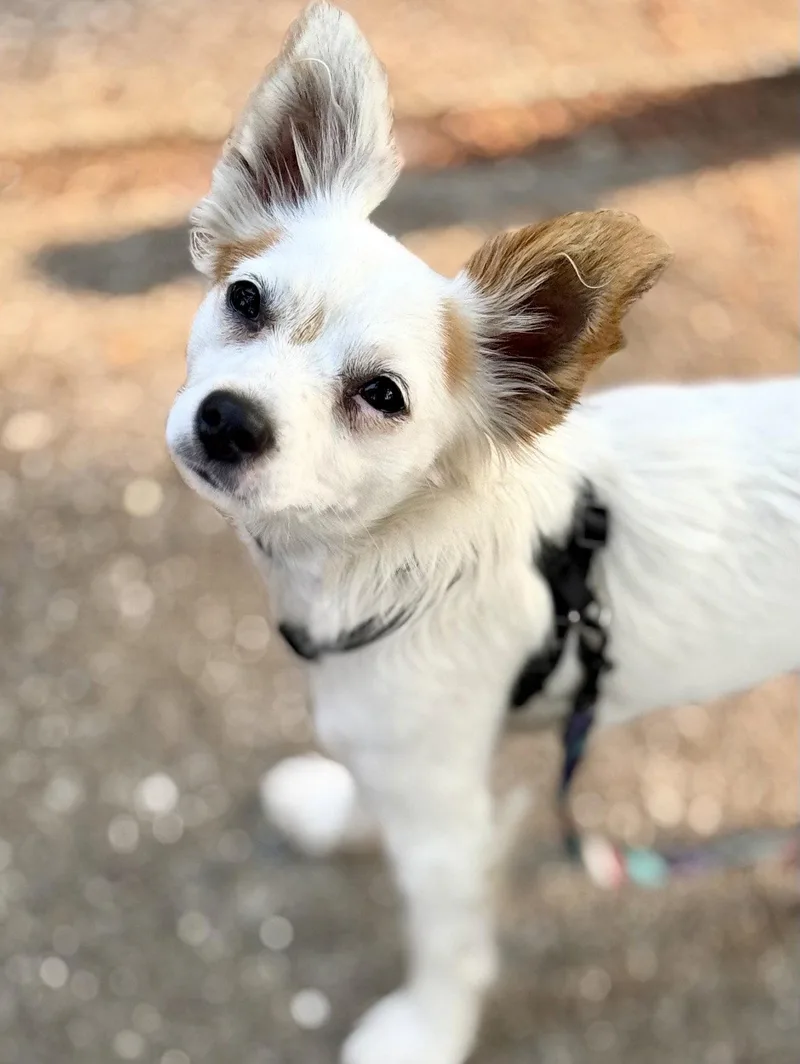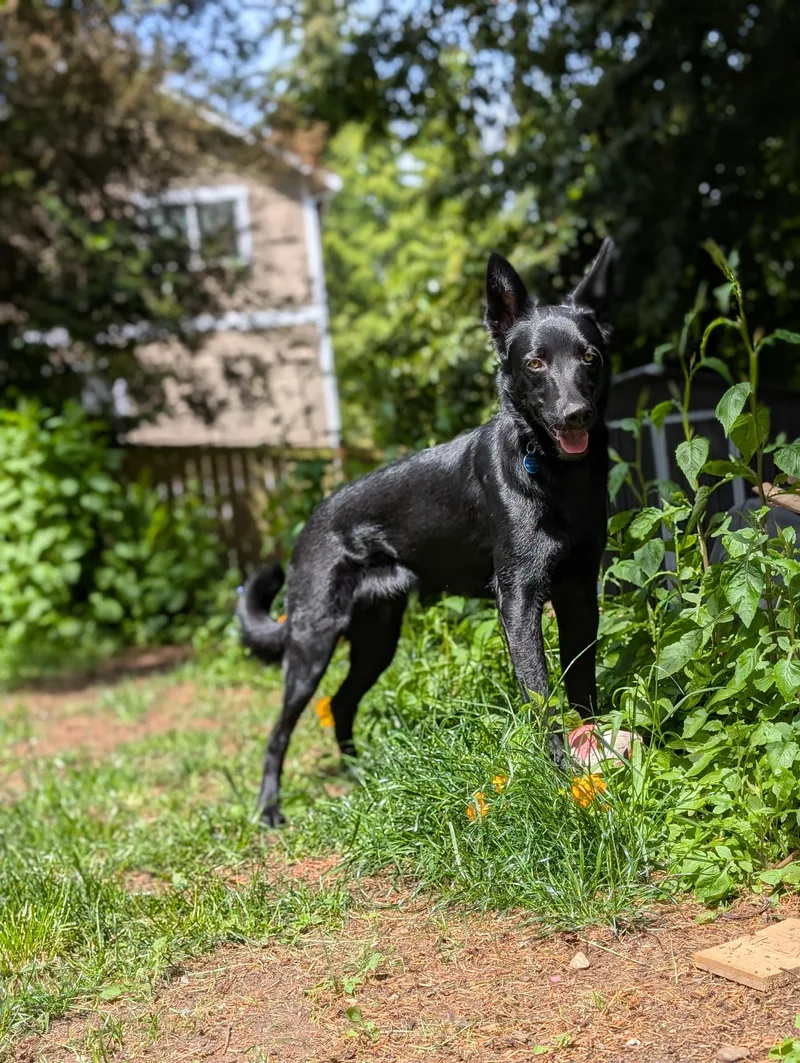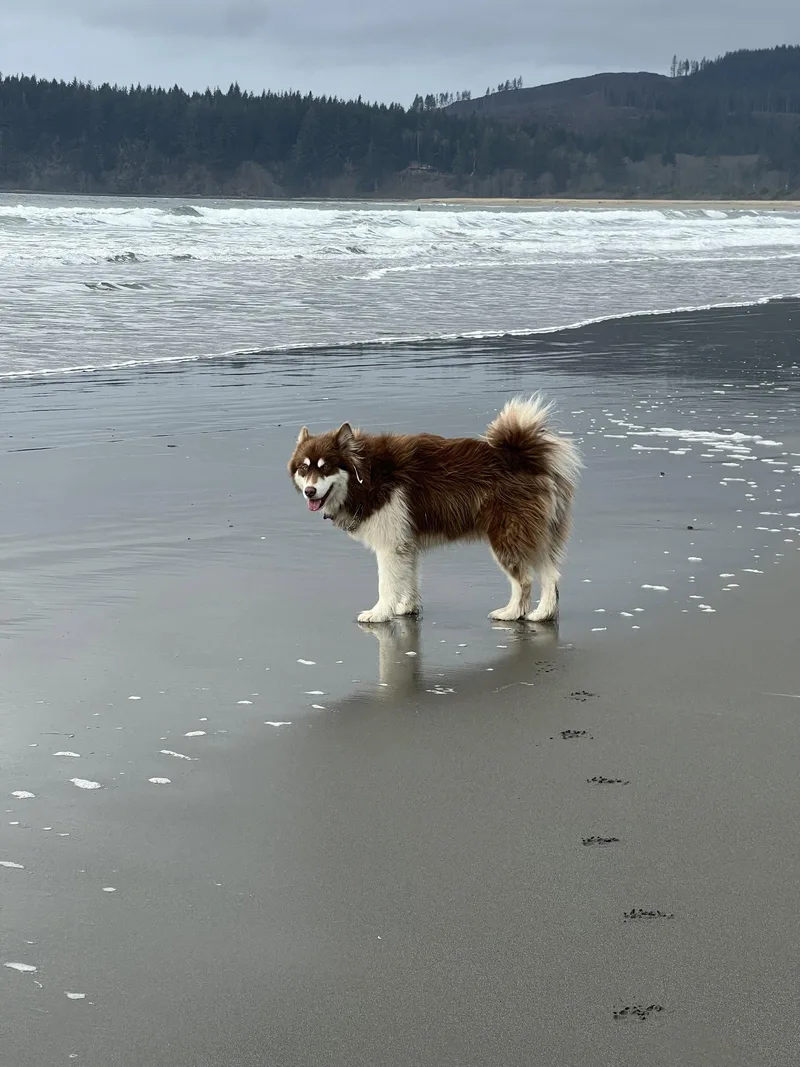
Saluki Dogs for Adoption in Seattle, WA

Your guide to finding and caring for a Saluki in Seattle

Salukis fit Seattle best in a quiet home with a long, leashed walk close by. In Wedgwood or Laurelhurst, a Saluki can nap on a soft bed for most of the day, then cover the trails at Magnuson Park on leash in the evening. They're gentle and reserved, not boisterous, which suits a calm apartment too. What they can't do is run loose on a whim, because that chase instinct kicks in fast. Expect a lean, long-legged dog on a steady routine.

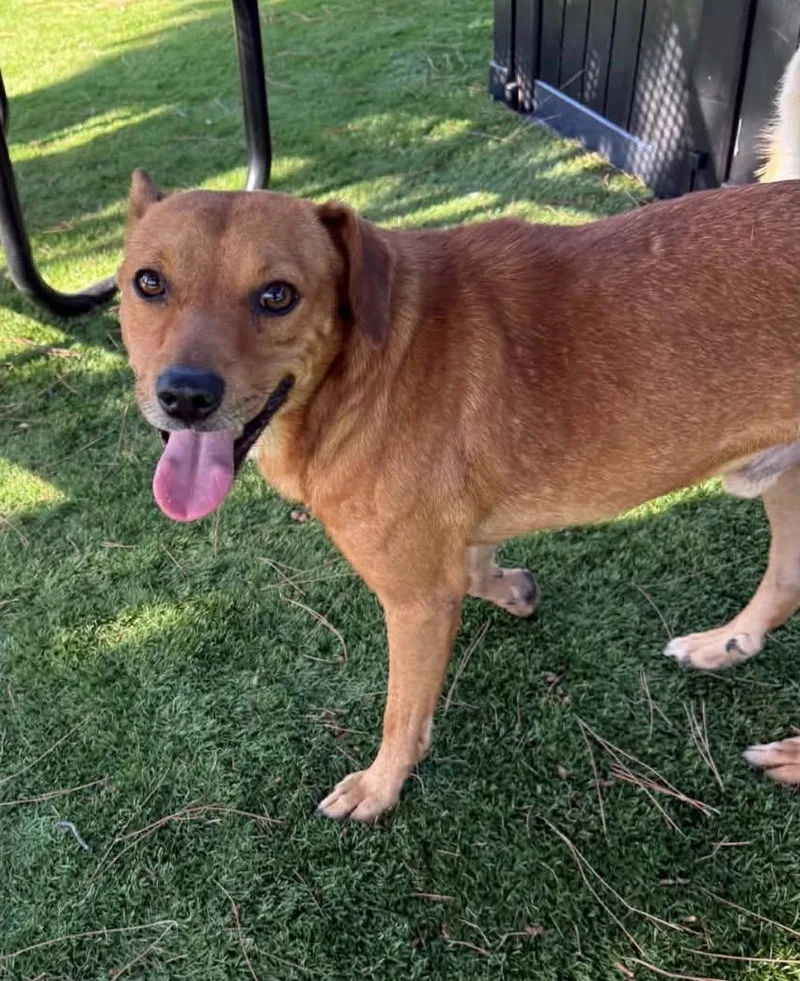
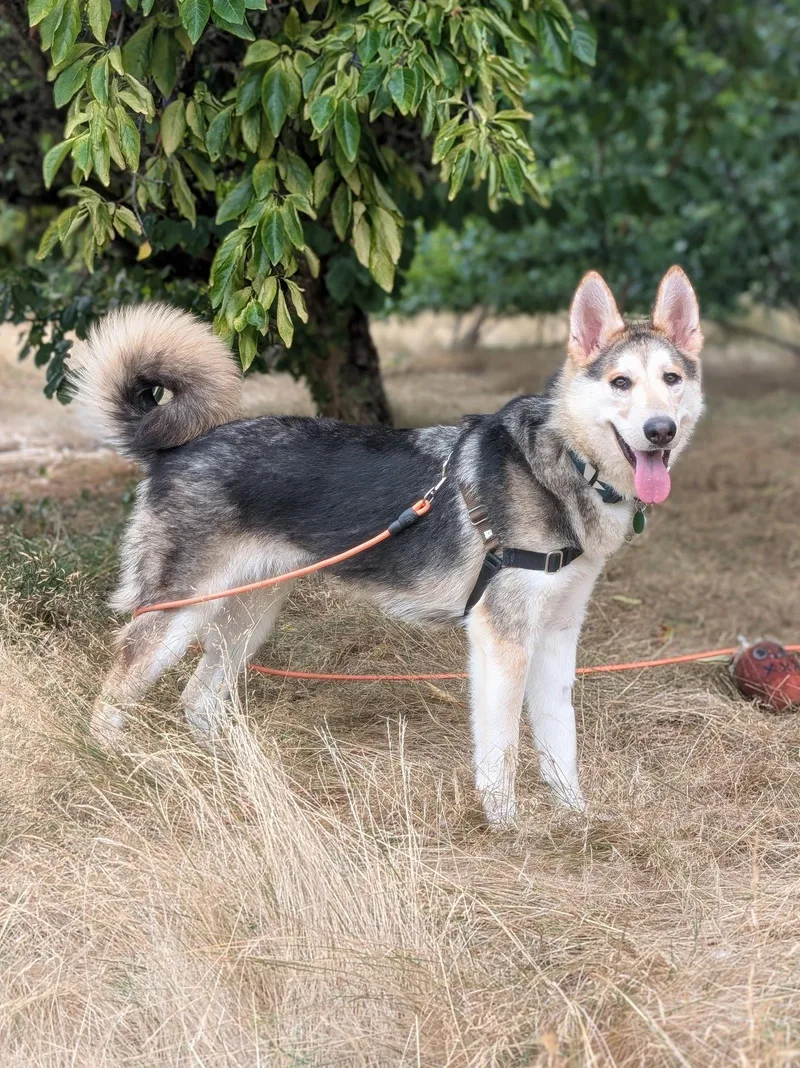
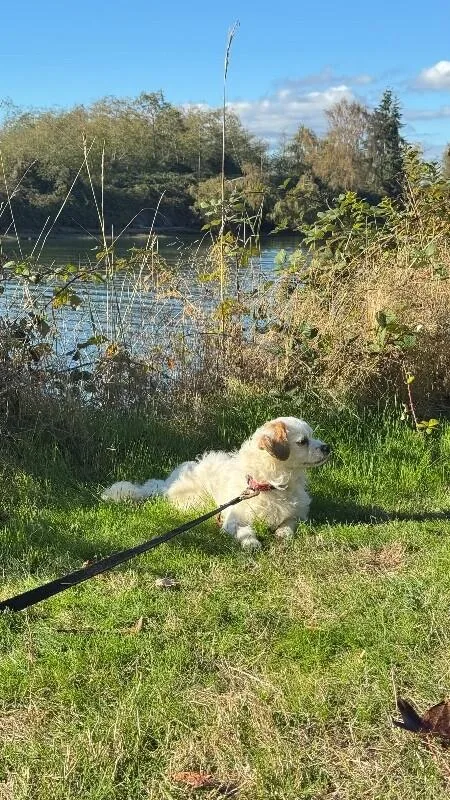
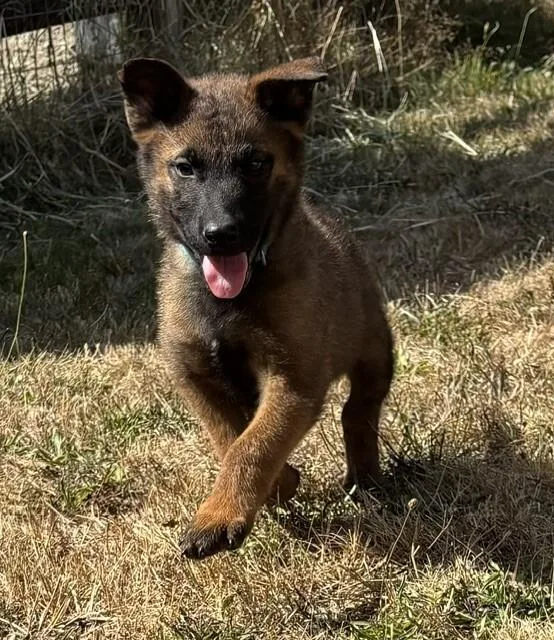
16 Salukis available in Seattle and nationwide

Give a Saluki a home

While we don't have enough dogs near Seattle, keep in mind that many rescues may offer transport.

Salukis Available for Adoption Near Seattle

About the Saluki breed

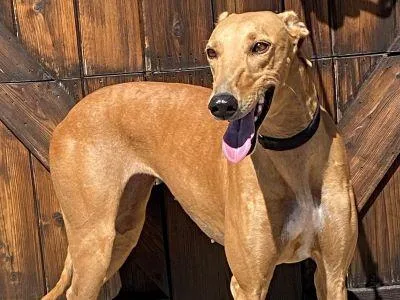
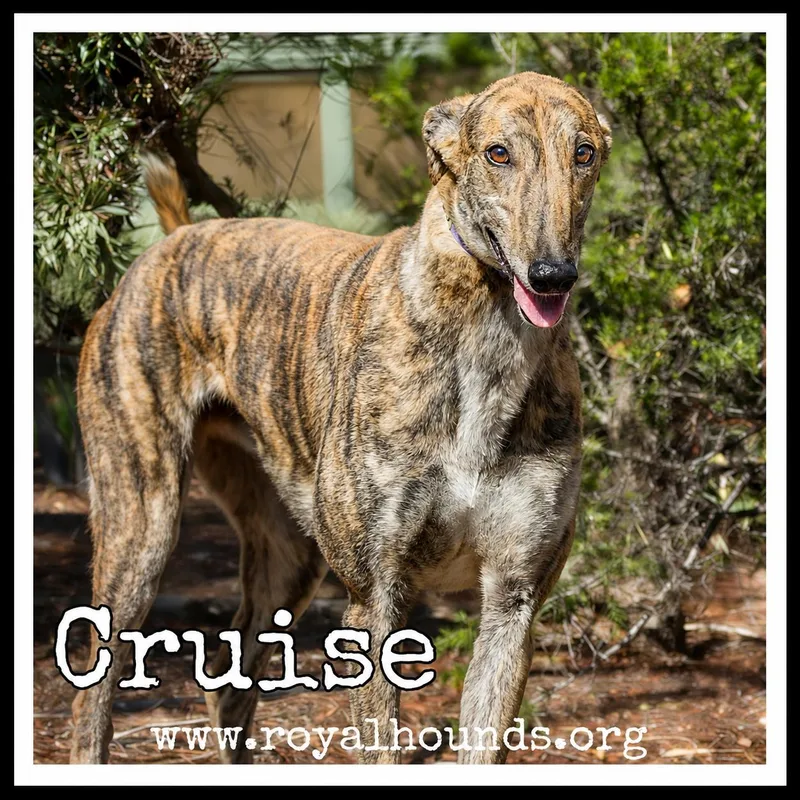
The Saluki is a lean sighthound from the Middle East, kept by nomadic peoples to course gazelle and hare across open country. It comes in a feathered coat with silky fringes on the ears and tail, or a smooth coat, in colors from cream and red to black and tan. The body coat is short and sheds lightly.

Many Salukis are quiet, dignified and affectionate with their own people, though reserved with strangers. In Seattle, the practical questions are room to move and safety on walks. A Saluki's prey drive is intense, so squirrels and crows along a Green Lake path are a real test of the leash. Dogs vary, but most do well with patient, low-pressure training and a calm routine.

Weight
35–65 lbs
Height
23–28 in
Lifespan
12–15 yrs
Temperament
Gentle, Independent, Dignified, Athletic
Group
Hound
Shedding
Low

Owning a Saluki in Seattle

Having a Saluki in Seattle

Three things shape life with a Saluki in Seattle: a strong chase instinct, a lean low-fat body that feels cold and damp, and a need for room to stretch out. Each dog differs, but these are the traits to plan around.

Temperament

Salukis are typically gentle, independent and loyal, often bonding closely with one or two people and staying reserved with visitors. Many are calm indoors and dislike rough or noisy households. A strong prey drive can make cats and small pets unsafe, and shyness is common, so a rescued Saluki may need quiet, patient introductions.
Exercise Needs

Plan on a long daily walk plus a chance to sprint somewhere secure. Seattle requires leashes in every park outside designated off-leash areas, and recall often fails once a Saluki spots prey. Of the city's 16 off-leash areas, use only one that is securely enclosed, and rely on Green Lake's 2.8-mile loop for leashed miles.

Health Considerations

Breed clubs highlight heart disease, cancers such as hemangiosarcoma, and hypothyroidism, and note that healthy Salukis often run low on thyroid values. Like other sighthounds, they have little body fat, so anesthesia needs care, and their thin skin tears easily. Choose a veterinarian familiar with sighthounds and ask them about heart screening.

Living Space

A Saluki can do well in a Seattle apartment or a house if daily exercise is dependable. Since many can clear or squeeze past low fences, a tall, secure yard is ideal. Padded bedding protects bony joints, and a warm coat helps on damp, cool days. Quiet buildings usually suit them better than lively ones.

What it costs to own a Saluki in Seattle

ExpenseTypical costPer year
Food$55 to $110 per month$660 to $1,320
Pet insurance$55 to $110 per month$660 to $1,320
Routine vet care$250 to $500 per year$250 to $500
Other*$570 to $1,595 per year$570 to $1,595
Estimated yearly total (after year one)$2,140 to $4,735

Other costs are estimates and vary with size, age and health.

* The $45 Seattle license for a spayed or neutered dog, flea, tick and heartworm prevention, a dental cleaning allowance, toys and supplies, minimal grooming, and a winter coat and padded bedding for a thin-skinned sighthound.

Adopt a Saluki in Seattle.

Now that you know more, let’s find you a new best friend. These rescues and shelters below have dogs available in and near Seattle.

Frequently Asked Questions

Yes, you can own a Saluki in Seattle. The city has no breed bans, and Washington law limits breed-based rules statewide. You'll need a city license for the dog, a current rabies vaccination, and a leash whenever you're off your own property. A household can have up to three dogs and cats combined on a typical city lot.

Yes, Salukis can ride King County Metro buses, at the driver's discretion. Small dogs ride free on a lap, but a large dog like a Saluki rides on the floor with a paid fare, and animals can't take a seat. Sound Transit is piloting leashed dogs on Link light rail through spring 2027, so rules may change after that.

Seward Park's 2.4-mile path, Lincoln Park's 4.6 miles of paths and the Burke-Gilman Trail are good leashed-walk options for a Saluki. Dogs must be leashed everywhere outside off-leash areas, and beaches are off-limits. Because Salukis chase, run one loose only in an area you know is securely enclosed.

Mostly yes, with some preparation. Seattle's winters are cool and damp rather than freezing, and summers are short and mild, which suits many Salukis. The catch is their thin skin and low body fat, so a fitted rain coat, quick towel-drying and a warm, dry bed matter during the wet months from November through January.

A Saluki fits Seattle if you can offer a calm home, daily leashed walks and safe sprint time. Hilly streets and shared paths are manageable on leash, but squirrels, crows and coyote reports in some green spaces test a Saluki's chase instinct, so use a secure harness and a firm grip. It's less suited to long days alone.

A Saluki needs very little grooming. Brush a smooth coat weekly and feathered ears and tail a few times a week, using soft tools on thin skin. In Seattle's wet climate, the bigger job is towel-drying the coat and paws after walks and clearing mud from the feathering. Home grooming adds only modestly to yearly costs.

Possibly, but only on some patios. In Seattle, dogs can join you outdoors when a restaurant has a health-department-approved plan, and indoor dining rooms generally don't allow pet dogs. A calm Saluki that will lie down beside your chair often handles a patio well, but keep it leashed and off the furniture.

A Saluki is a tall, slender sighthound from the Middle East, bred to chase gazelle and hare by sight across open country. It has long legs, a narrow head, a deep chest and either silky feathering or a smooth coat. Many are gentle, quiet and independent at home, with an intense chase instinct outdoors.

A Saluki can run roughly 40 miles per hour at full speed, and the 1996 Guinness Book of Records listed one at about 42.8 mph. Greyhounds may be quicker over a short sprint, but Salukis are known for holding high speed over longer distances. That speed is why secure fencing and leashes matter so much for this breed.

Budget roughly $2,140 to $4,735 a year for a Saluki in Seattle. Food runs $55 to $110 a month and insurance $55 to $110 a month. Routine vet care is $250 to $500 a year, and other costs, including a coat and padded bedding, run $570 to $1,595 a year.

Find Salukis in Nearby Cities

Expand your search to find Salukis available for adoption near Seattle.