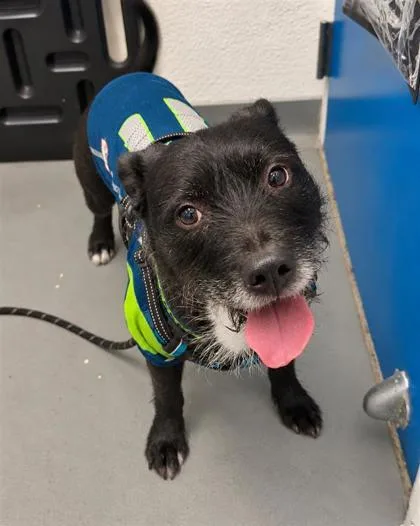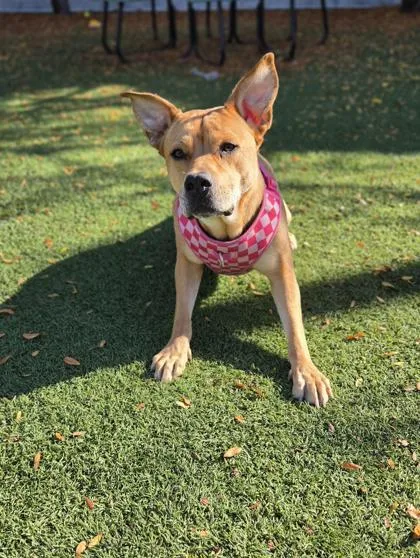



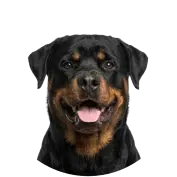
Rottweiler dog

Rottweiler Dogs for Adoption in Seattle, WA

Your guide to finding and caring for a Rottweiler in Seattle

Rottweilers suit Seattle neighborhoods like Wedgwood and Beacon Hill, where single-family streets sit close to green space. A steady, watchful Rottie wants a daily walk and some training, and Magnuson Park's off-leash area or Dr. Jose Rizal Park gives a big dog room to move. Rain falls on about 90 days a year, so keep a towel by the door. These dogs bond closely and do best with people who are home a fair amount.

1428 Rottweilers available in Seattle and nationwide

Give a Rottweiler a home

While we don't have enough dogs near Seattle, keep in mind that many rescues may offer transport.

Rottweilers Available for Adoption Near Seattle

About the Rottweiler breed

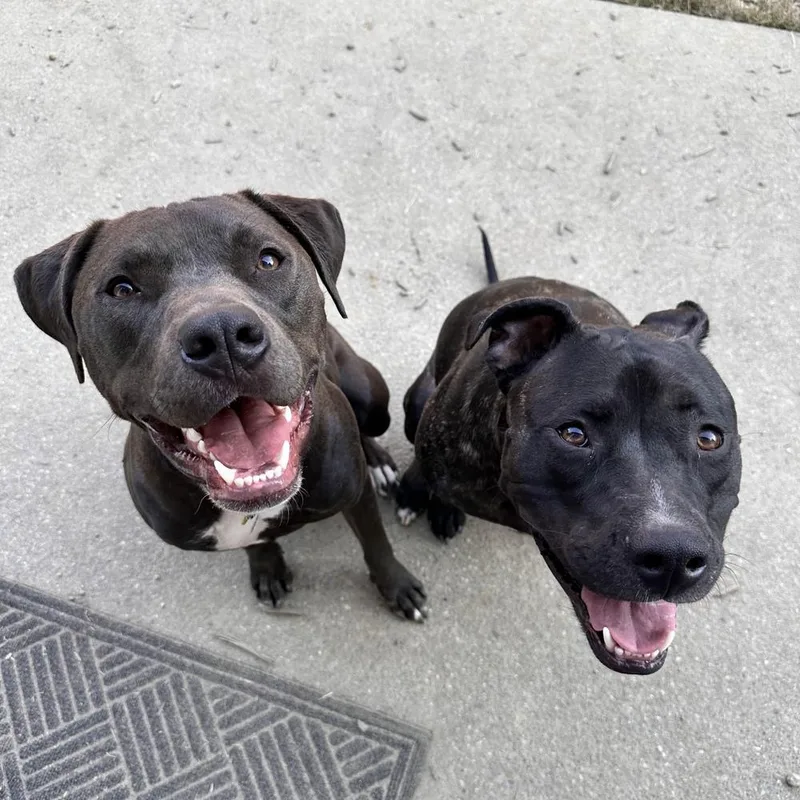
Rottweilers trace back to the German market town of Rottweil, where drover dogs moved cattle to market and pulled butchers' carts. When railways ended that work, the breed turned to police, search and guard duty. The modern Rottweiler is a powerful, compact dog with a short black coat and rust markings, typically 75 to 135 pounds, with males heavier than females.

In a city like Seattle, that working background shows up as a dog that wants a job and a routine. Many are affectionate and playful at home but reserved with strangers, so early socialization and consistent, reward-based training matter on busy sidewalks and trails. Dogs vary a lot, and an adult's temperament is easier to read than a puppy's.

Weight
75–135 lbs
Height
22–27 in
Lifespan
8–11 yrs
Temperament
Confident, Loyal, Protective, Calm
Group
Working
Shedding
Moderate

Owning a Rottweiler in Seattle

Having a Rottweiler in Seattle

Rottweilers pair strength with a steady, watchful nature. In Seattle, the main things to weigh are training and socialization, daily exercise in damp weather, joint and heart health, and whether your home gives a large dog room to settle.

Temperament

Rottweilers are usually calm and self-assured, with a wait-and-see attitude toward strangers. Many are affectionate at home and follow their people from room to room. On crowded Seattle sidewalks, a protective dog needs a controlled leash and calm exposure to new people and dogs. Each dog's history and personality matter more than breed reputation.
Exercise Needs

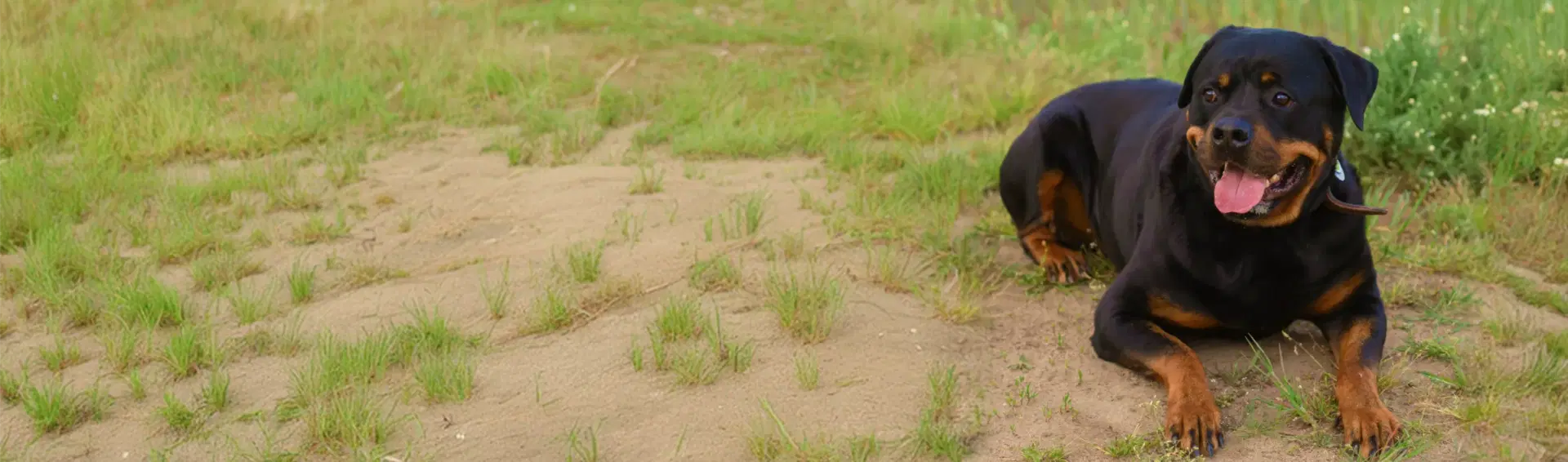
Plan on daily walks plus training or play, since many Rottweilers like having a job. Seattle's 16 city off-leash areas give room to run, but dogs must be licensed and vaccinated to use them. Everywhere else in city parks, keep your Rottie leashed. On rainy days, indoor scent games and obedience practice help.

Health Considerations

Rottweilers are prone to hip and elbow dysplasia, cruciate ligament injuries, heart conditions and several cancers. Keeping your dog lean eases joint strain, which matters on Seattle's hilly streets. After adoption, have a veterinarian check hips, elbows and heart, and keep up regular checkups and rabies vaccination, which Washington requires.

Living Space

A Rottweiler can do well in a house or a roomy apartment if daily exercise is covered. In Seattle's mix of older houses and apartment buildings, easy access matters: a ground-floor unit or an elevator is much simpler with a 100-pound dog. A fenced yard helps but doesn't replace time with the family.

What it costs to own a Rottweiler in Seattle

ExpenseTypical costPer year
Food$55 to $110 per month$660 to $1,320
Pet insurance$65 to $130 per month$780 to $1,560
Routine vet care$250 to $500 per year$250 to $500
Other*$520 to $1,295 per year$520 to $1,295
Estimated yearly total (after year one)$2,210 to $4,675

Other costs are estimates and vary with size, age and health.

* The $45 Seattle license for a spayed or neutered dog, flea, tick and heartworm prevention, dental cleanings, toys and bedding, and basic brushing for a short coat.

Rottweiler dog

Adopt a Rottweiler in Seattle.

Now that you know more, let’s find you a new best friend. These rescues and shelters below currently have Rottweilers available.

Frequently Asked Questions

Yes, you can own a Rottweiler in Seattle. The city has no breed bans, and Washington law limits breed-based rules statewide. You'll need a city dog license, a current rabies vaccination and a leash whenever you're off your property. Households can have up to three dogs and cats combined on a typical lot, so keep that in mind if you already have pets.

Yes, most Rottweilers handle Seattle winters well. Lows around 38°F and highs near 48°F suit a sturdy, short-coated dog, and days that stay below freezing are rare. The bigger issue is wet weather, with about 90 rainy days a year, so towel-dry the coat and paws. Rinse off ice-melt and plan indoor exercise for icy days on the hills.

For a leash-trained Rottweiler, Seward Park's 2.4-mile path, Lincoln Park's 4.6 miles of paths and the Burke-Gilman Trail offer long walks. For off-leash time, Westcrest Park has 8.4 acres and a water fountain. Keep your dog leashed everywhere else and out of beaches. Paths get busy on dry weekends, so practice calm passing first.

Yes, with limits. King County Metro buses allow dogs, but a large Rottweiler can't ride on your lap, so expect to pay a fare and keep your dog on the floor, at the driver's discretion. Sound Transit is piloting leashed dogs on Link light rail through spring 2027. Keep your dog leashed, off seats and under control.

Yes, if the building allows large dogs and you can cover daily exercise. A Rottweiler needs walks and training more than square footage, and a calm dog can settle into a roomy apartment. Landlords can charge pet rent in addition to the capped deposit, so budget for it. Ground-floor or elevator access makes life easier with a 100-pound dog.

A Rottweiler can be a good fit if you're active, home often and happy to train. Daily walks will happen in wet weather, and busy sidewalks call for solid leash manners. These dogs bond closely and don't do well left alone for long stretches. If you're away most days, a different breed may suit your schedule better.

Possibly, but only outdoors. Washington's food code generally bars dogs from restaurants, with an exception for outdoor dining when the restaurant has a health-department-approved plan. Inside dining rooms generally don't allow pet dogs. Because Rottweilers are large and often wary of strangers, choose quieter patios and keep your dog leashed, settled beside your chair and off seats.

A Rottweiler's short, coarse coat needs little grooming: a weekly brush, more often during seasonal shedding. Seattle's wet climate adds the real work, which is towel-drying the coat, paws and belly after walks and checking paws for mud. Most owners handle this at home, so professional grooming costs are minimal and fall under the Other cost line.

We have 1 rescue with Rottweilers available: Seattle Animal Shelter. You can see every rescue with Rottweilers available in the list above these questions, or scroll to the top to see the Rottweilers near Seattle.

Expect roughly $55 to $110 a month for food and $65 to $130 a month for pet insurance. Routine vet care runs about $250 to $500 a year, and other costs such as the license, parasite prevention, dental cleanings and supplies add $520 to $1,295 a year. Large dogs cost more in every category.

Find Rottweilers in Nearby Cities

Expand your search to find Rottweilers available for adoption near Seattle.