Pekingese Dogs for Adoption in Seattle, WA

Your guide to finding and caring for a Pekingese in Seattle

A Pekingese fits Belltown's apartment towers better than most dogs, because a few short walks cover most of its day. Regrade Park's tiny off-leash area is close for a sniff, and Myrtle Edwards Park offers an easy waterfront stroll. Pekes are calm indoors and happy in a compact space, though many would rather be carried past a boisterous dog than meet it. Seattle's drizzle means that long coat comes home damp, so keep a towel by the door.

102 Pekingese available in Seattle and nationwide

A Pekingese is ready for you

While we don't have enough dogs near Seattle, keep in mind that many rescues may offer transport.

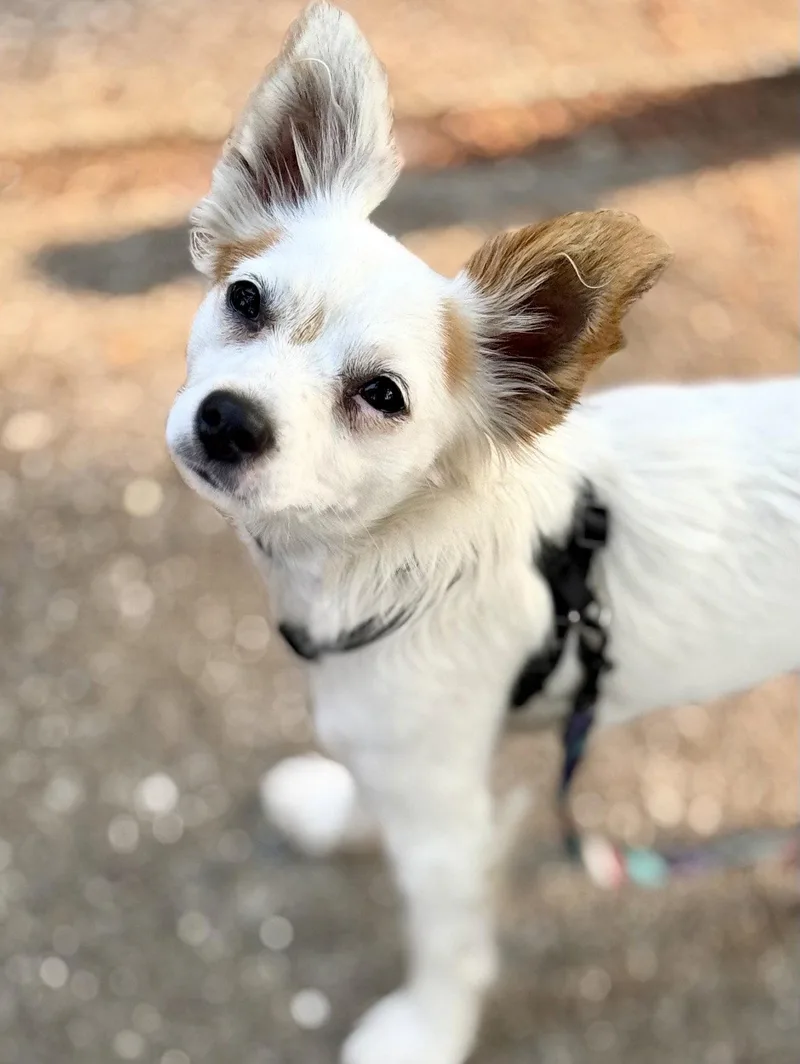
Pekingese Available for Adoption Near Seattle

About the Pekingese breed

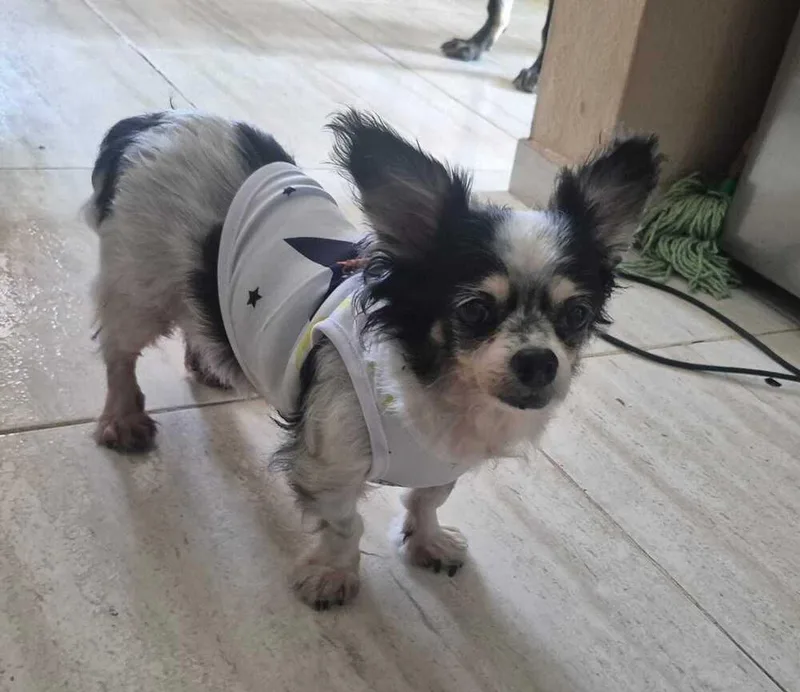
The Pekingese is an ancient toy breed from China, kept by the imperial court and named for Peking, now Beijing. It stands only 6 to 9 inches tall and weighs 7 to 14 pounds, with a heavy front, short legs, a flat face and a long double coat that forms a mane around the neck. Many carry themselves with a confident, opinionated air and bond closely with one or two favorite people.

In Seattle, that coat is the main daily task. It needs brushing at least an hour a week, and wet weather can mat the feathering on the legs, ears and tail quickly. The flat face brings breathing and eye concerns, so a Peke is usually best suited to a calm adult household. Dogs vary, so get to know the dog in front of you rather than relying on the breed's reputation.

Weight
7–14 lbs
Height
6–9 in
Lifespan
12–15 yrs
Temperament
Dignified, Loyal, Independent
Group
Toy
Shedding
Moderate

Owning a Pekingese in Seattle

Having a Pekingese in Seattle

Pekingese are small, calm and devoted to their people, with modest exercise needs that suit Seattle apartments. Their flat faces and long coats call for gentle activity, careful drying after rain and close attention to breathing in every season.

Temperament

Many Pekingese are loyal to a chosen few, reserved with strangers and stubborn about commands they find pointless. In a busy Seattle building, that watchfulness can show up as barking at hallway noise. They usually do best with adults or gentle older children, and some snap when startled or handled roughly. Each dog's personality differs.

Exercise Needs

Expect short walks of around 20 minutes plus gentle indoor play. In Seattle, Green Lake's paved loop is a leashed option, though most Pekes will want only part of it, with rest stops. Stop at any noisy or labored breathing. Rainy days work fine for indoor games and puzzle toys.

Health Considerations

Flat-faced Pekingese can have airway trouble, eye injuries and ulcers, back disc disease and skin-fold infections. Damp Seattle weather can keep face folds and feathering wet, so dry them after walks. Ask a veterinarian to check breathing, eyes, teeth and spine early, and to discuss anesthesia risks before any procedure.

Living Space

A Pekingese is a good match for Seattle's many apartments and condos, since it needs little room. Plan a cool, shaded rest spot for the few hot days. Use ramps or steps to protect its back from furniture jumps, and put its bed away from hallway traffic and slamming doors.

What it costs to own a Pekingese in Seattle

ExpenseTypical costPer year
Food$15 to $35 per month$180 to $420
Pet insurance$35 to $70 per month$420 to $840
Routine vet care$200 to $400 per year$200 to $400
Other*$670 to $1,745 per year$670 to $1,745
Estimated yearly total (after year one)$1,470 to $3,405

Other costs are estimates and vary with size, age and health.

* The $45 Seattle license for a spayed or neutered dog, flea, tick and heartworm prevention, dental care, grooming supplies or trims, skin-fold and eye care, and toys and bedding.

Adopt a Pekingese in Seattle.

Now that you know more, let’s find you a new best friend. These rescues and shelters below currently have Pekingese available.

Frequently Asked Questions

Yes, a Pekingese is usually a good apartment dog because it needs little space and only short walks. Plan a few daily potty trips outside, since elevators and hallways are no problem for a dog this size. Use ramps to keep it off high furniture, and offer a cool rest spot for warm days.

Mostly yes. Seattle's cool, damp weather suits a Pekingese better than heat, with summer highs averaging about 75°F. The main work is drying the coat and paws after rain, since wet feathering mats. Only a few days a year reach 90°F, but on those days and on smoky days, keep your dog indoors and cool.

Magnuson Park has an 8.6-acre off-leash area with a small-dog section, and Woodland Park and Genesee Park have small-dog areas too. For leashed walks, Green Lake's 2.8-mile paved loop has a 5-foot leash limit, and Lincoln Park has 4.6 miles of paths. Dogs aren't allowed on Seattle park beaches, so skip the shoreline.

Yes, on some services. King County Metro buses allow dogs: small dogs ride free on your lap, at the driver's discretion, and can't occupy a seat. Sound Transit is piloting leashed dogs on Link light rail through spring 2027; otherwise pets must be in a small carrier. The Water Taxi and state ferries also allow leashed dogs.

Plan on brushing at least an hour a week, more during seasonal shedding, plus an occasional bath. Seattle's rain means drying the coat, belly and paws after walks to prevent mats. Most owners do this at home, which fits within the roughly $670 to $1,745 yearly Other costs, and a trim is optional.

Sometimes, on patios. Dogs can join you at some Seattle restaurants' outdoor dining areas when the restaurant has a health-department-approved plan, but indoor dining rooms generally don't allow pet dogs. Keep your Peke leashed and off the chairs and tables, and confirm the patio policy before you go.

Yes. Seattle has no breed bans, and Washington law limits them statewide. You'll need a city dog license, a rabies vaccination and a leash whenever you're off your property. A household can have up to three dogs and cats combined on a typical city lot.

Yes, Pekingese shed, and their thick double coat can release a surprising amount of hair, especially during seasonal shedding. Regular brushing, ideally several times a week, removes loose undercoat before it ends up on furniture and prevents mats. Some owners keep a shorter pet trim, which reduces tangles but does not stop shedding.

We have 1 rescue with Pekingese available: Seattle Animal Shelter. You can see every rescue with Pekingese available in the list above these questions, or scroll to the top to see the Pekingese near Seattle.

Plan on roughly $1,500 to $3,400 a year for a Pekingese in Seattle, covering food, insurance, routine vet care and other costs. Food runs $15 to $35 a month and insurance $35 to $70. Routine vet care is $200 to $400 a year, and other costs add $670 to $1,745. Flat-faced breeds can bring higher vet bills.