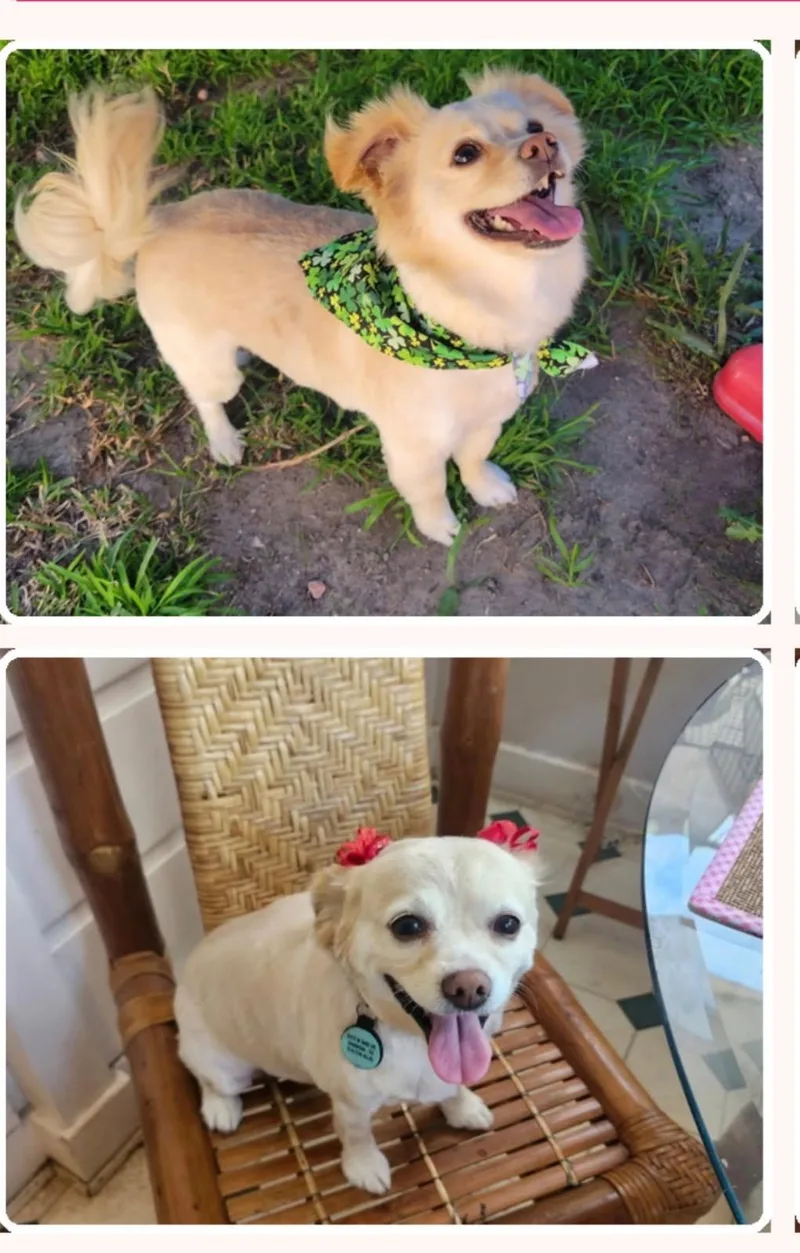
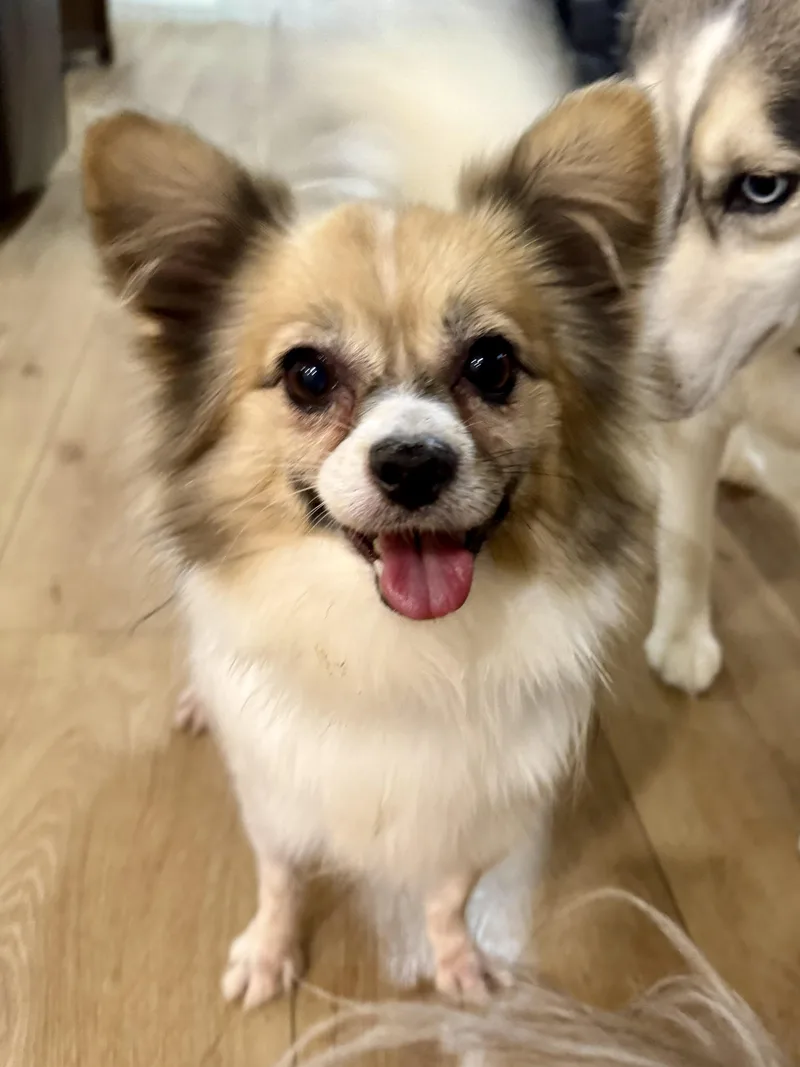
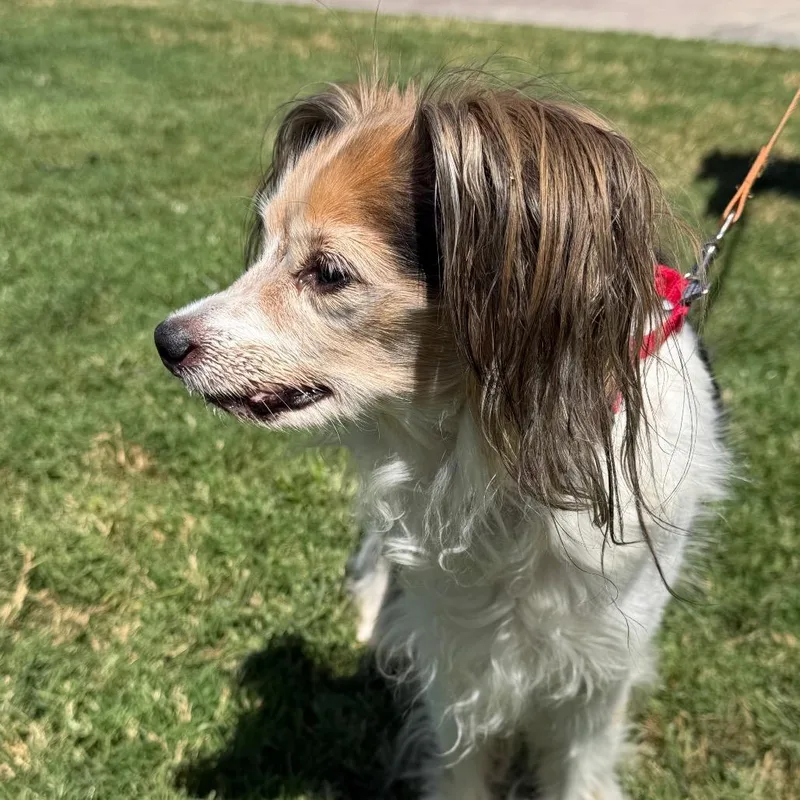
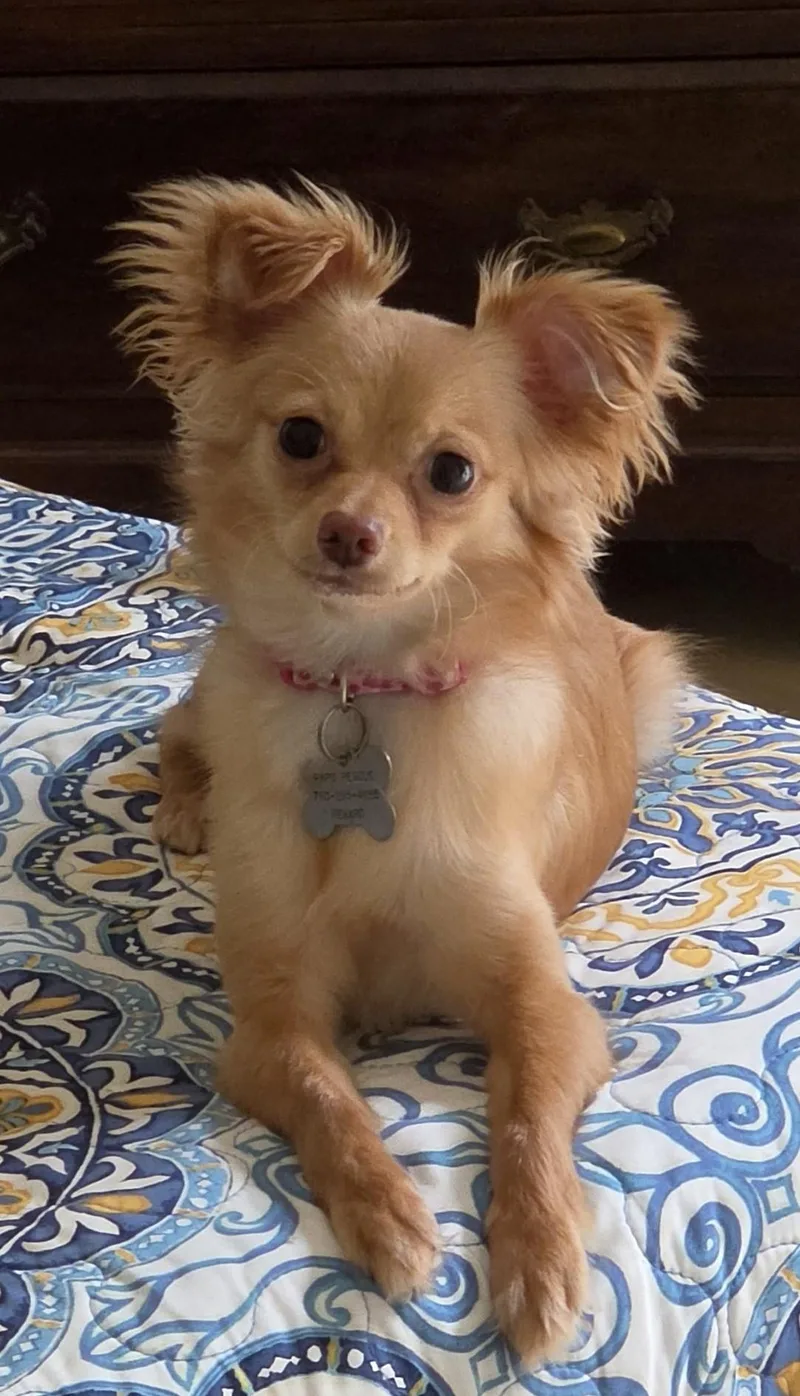
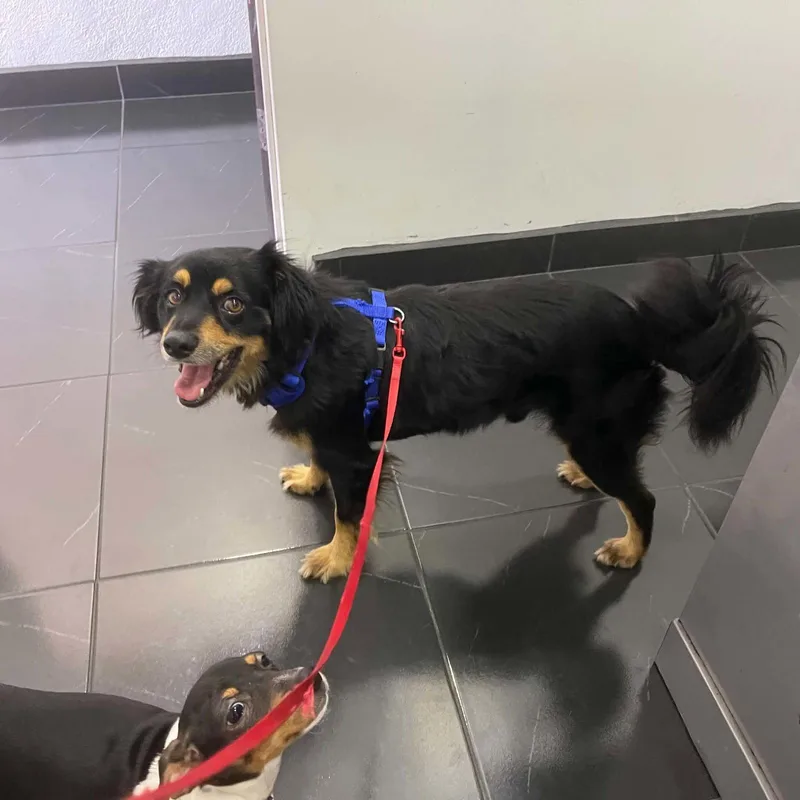
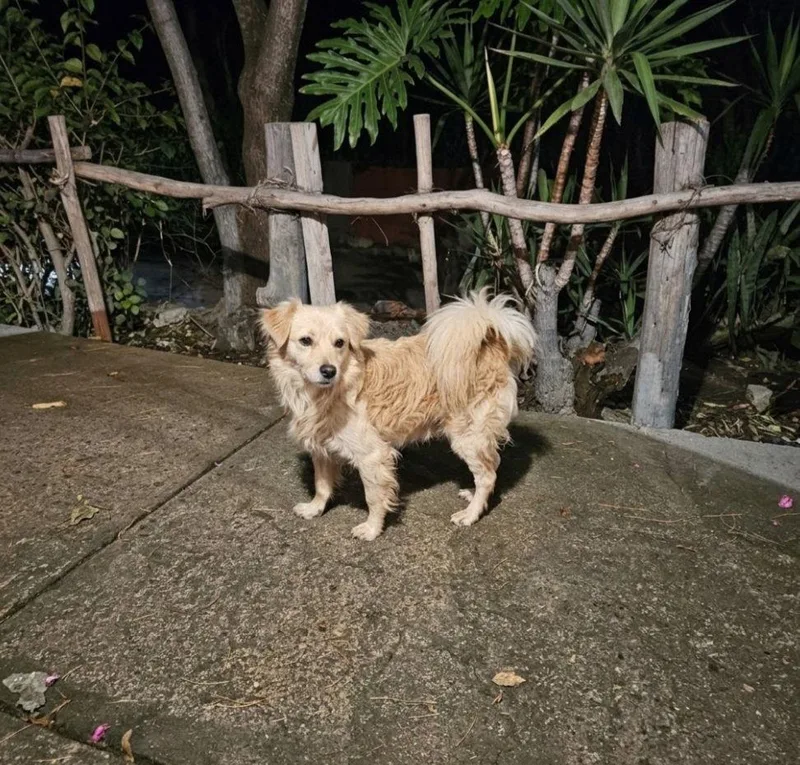
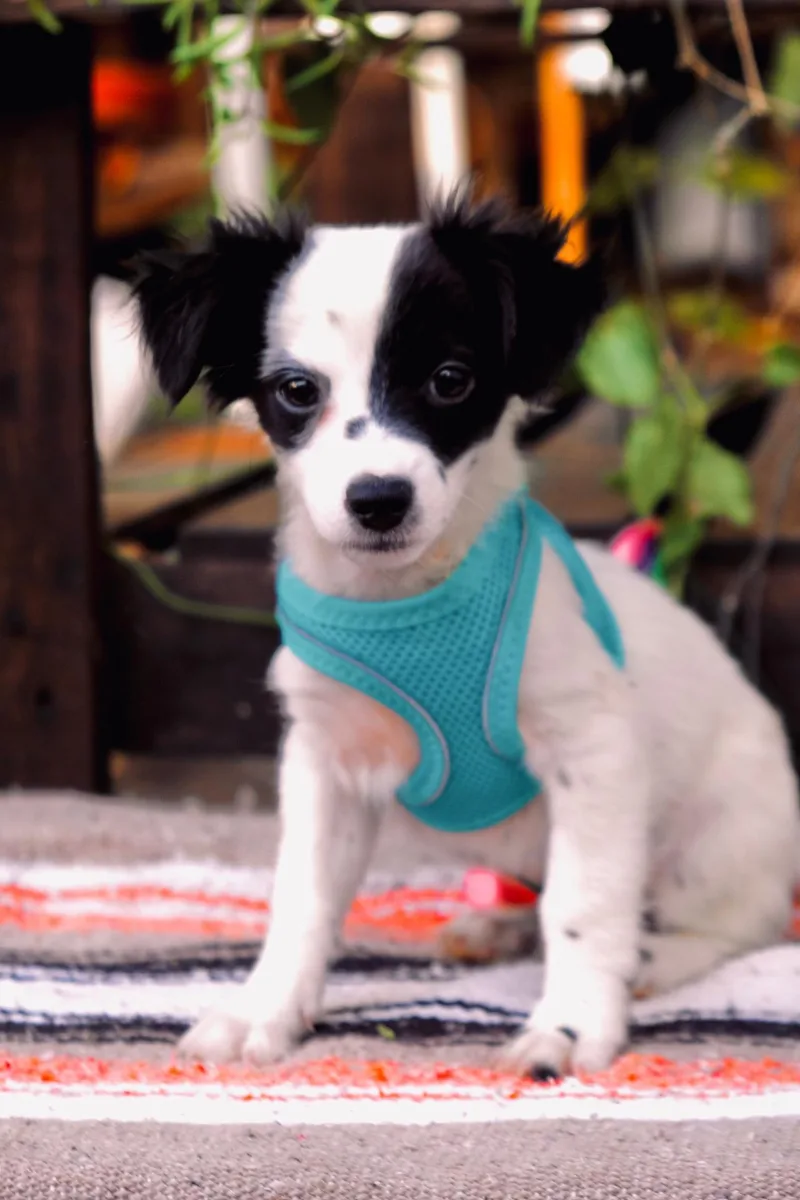
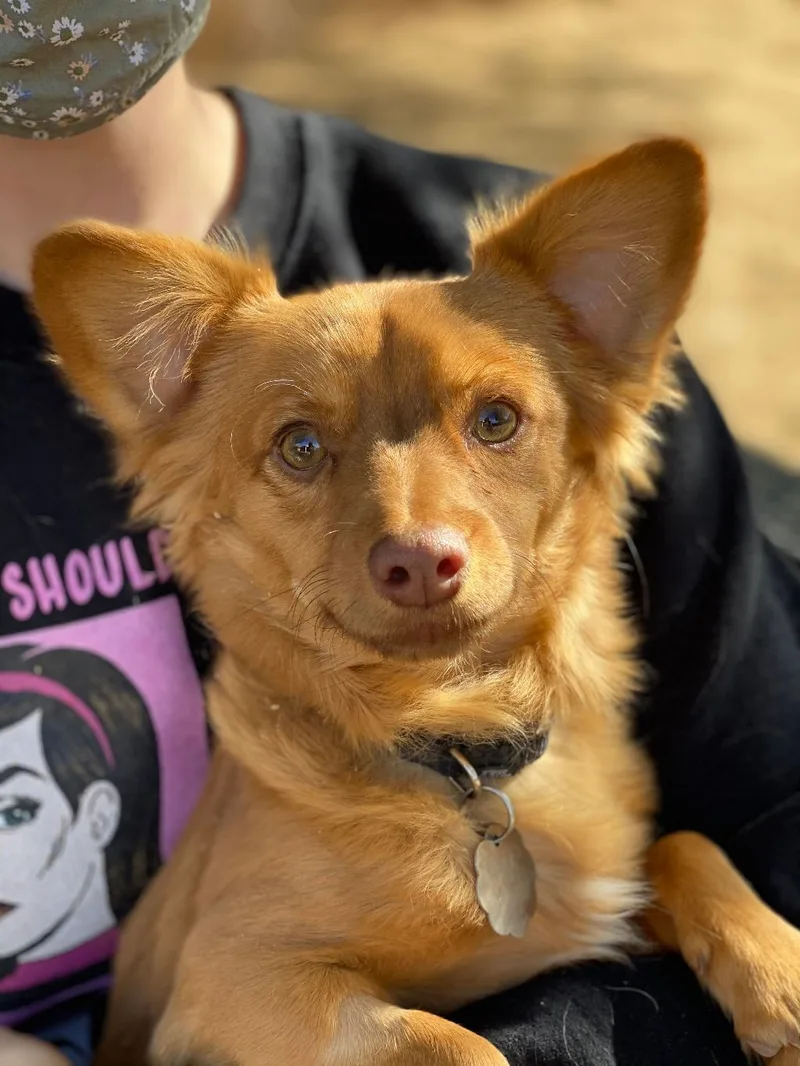
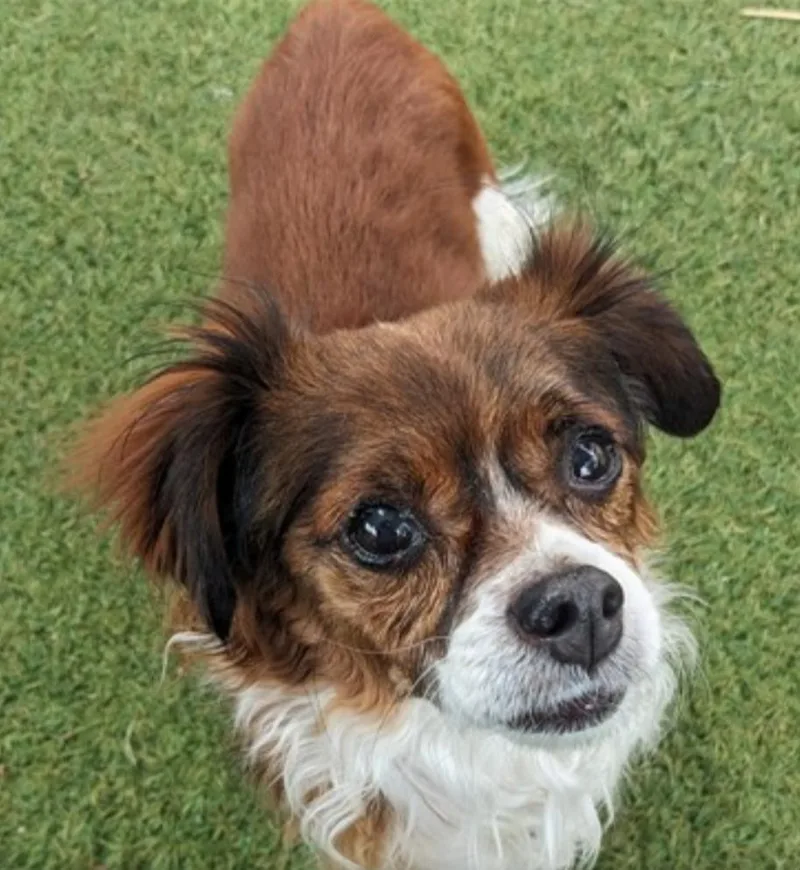
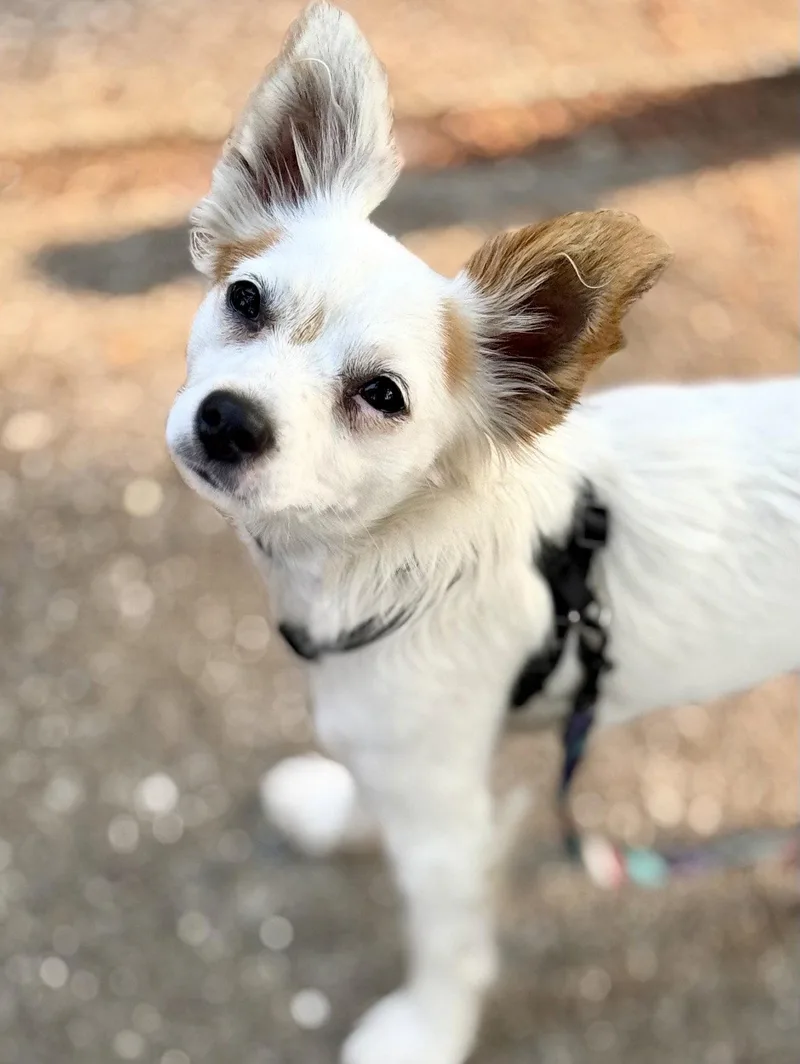
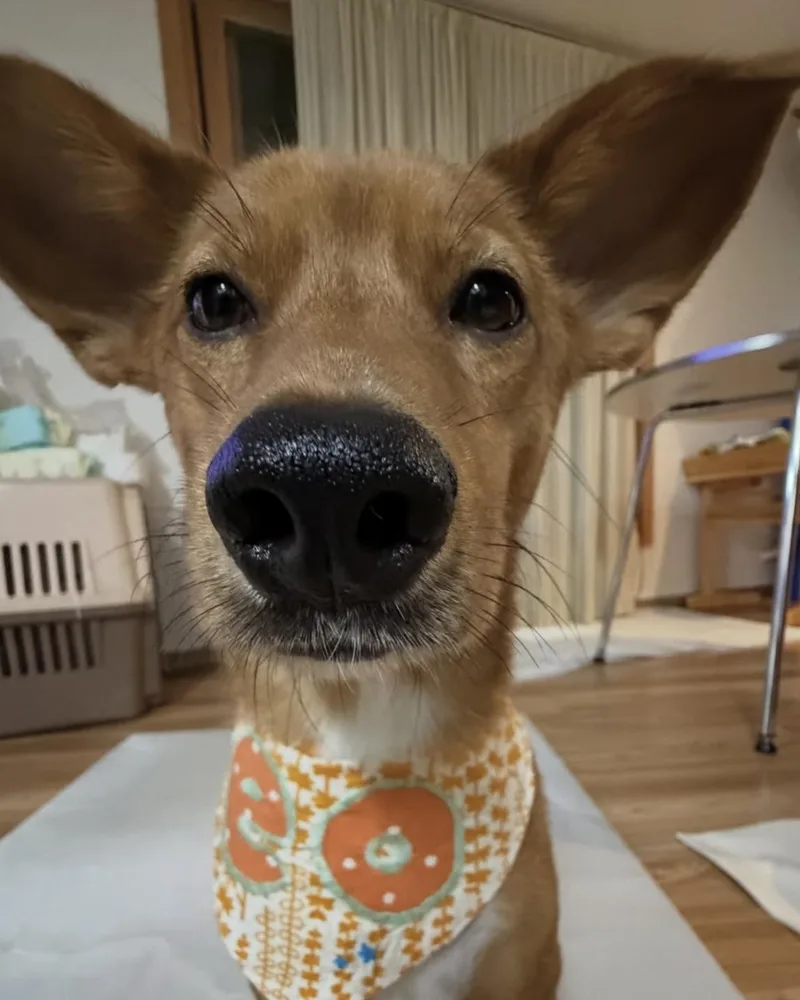
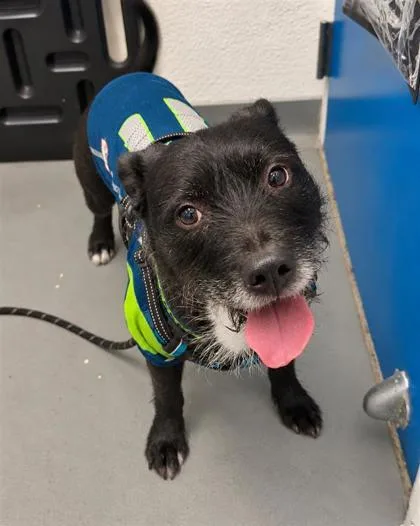
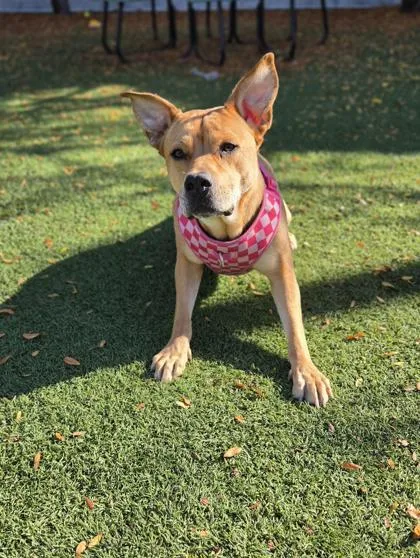
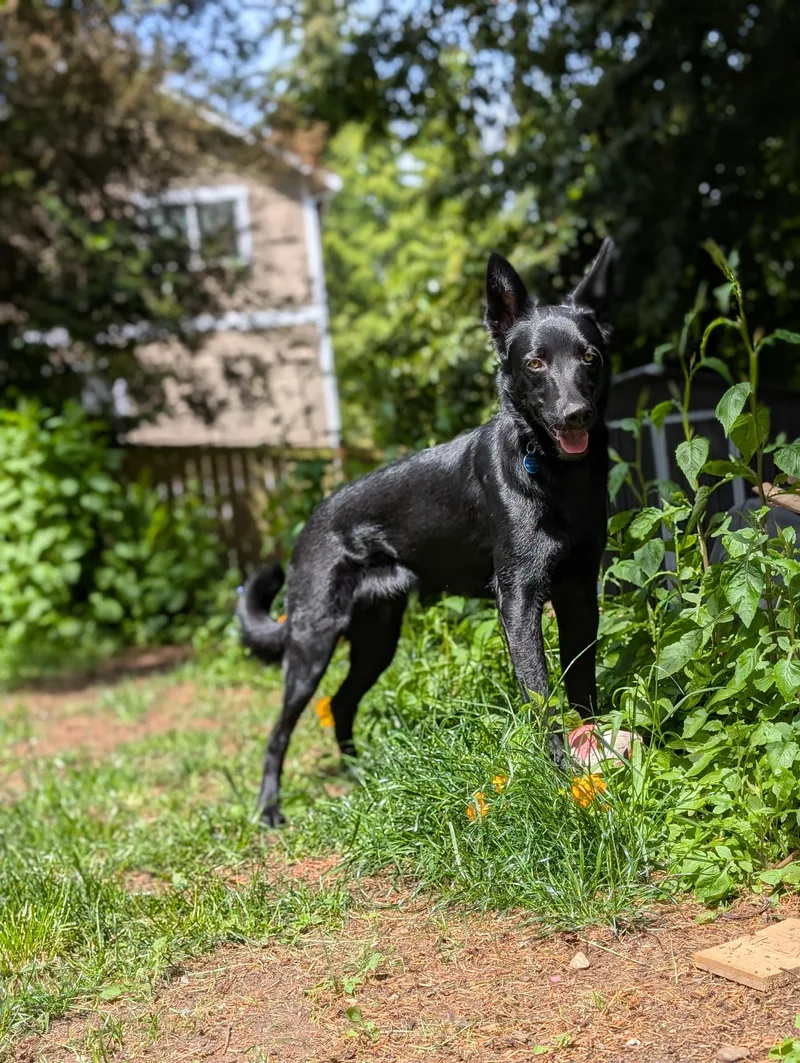
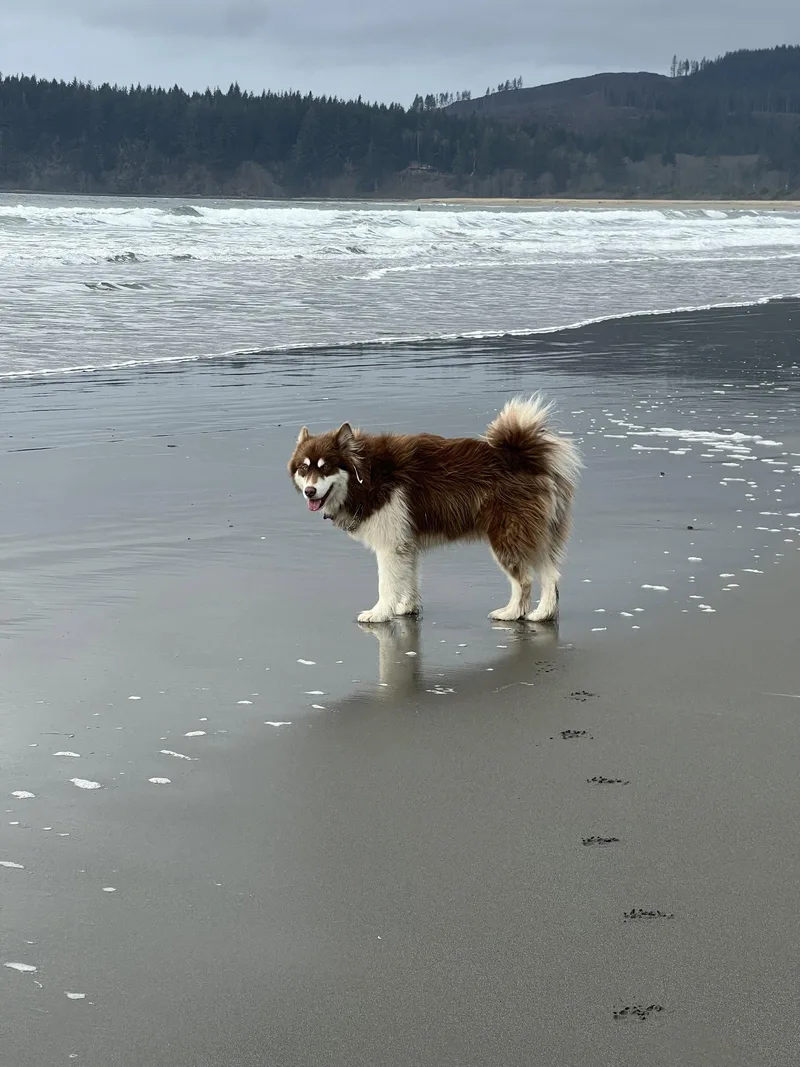
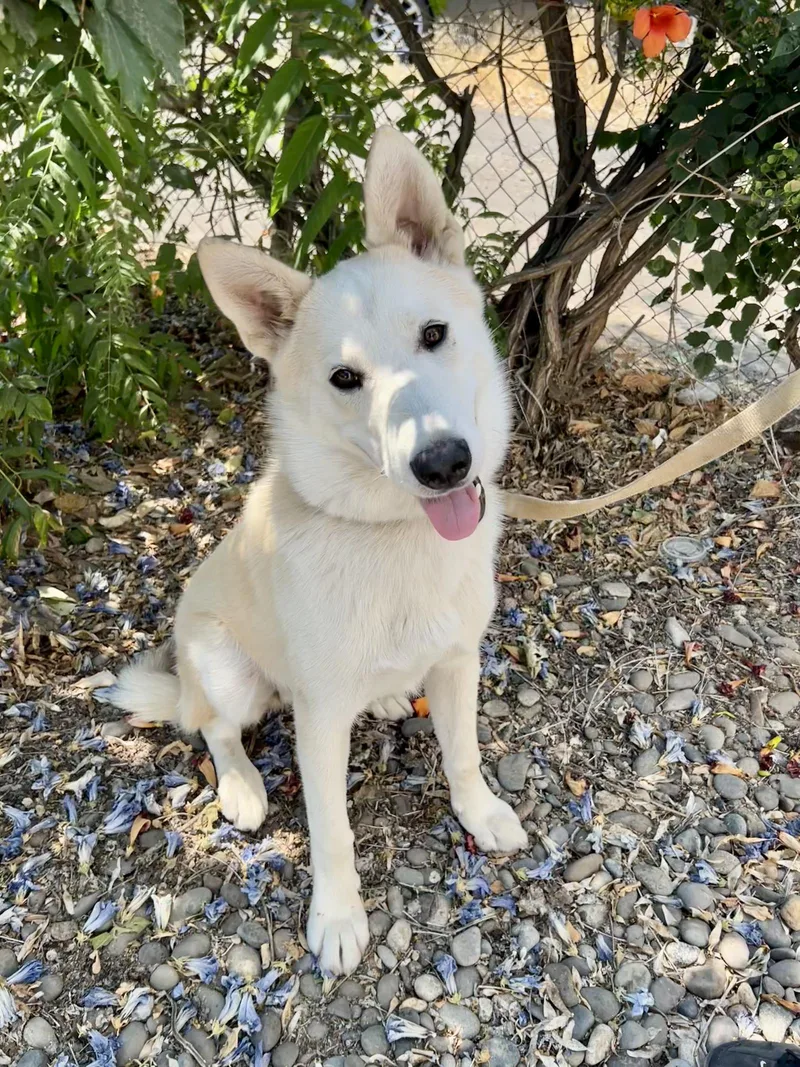
Papillon Dogs for Adoption in Seattle, WA

Your guide to finding and caring for a Papillon in Seattle

Papillons suit Seattle's apartment neighborhoods well, since so much of their exercise happens indoors. In Belltown, a quick walk to the little off-leash area at Regrade Park and a game of fetch down the hallway cover much of a Papillon's day. They're alert, so expect some barking at neighbors in the corridor, and keep a rain jacket by the door for all the wet mornings. A dog under ten pounds is also easy to carry through a busy lobby.

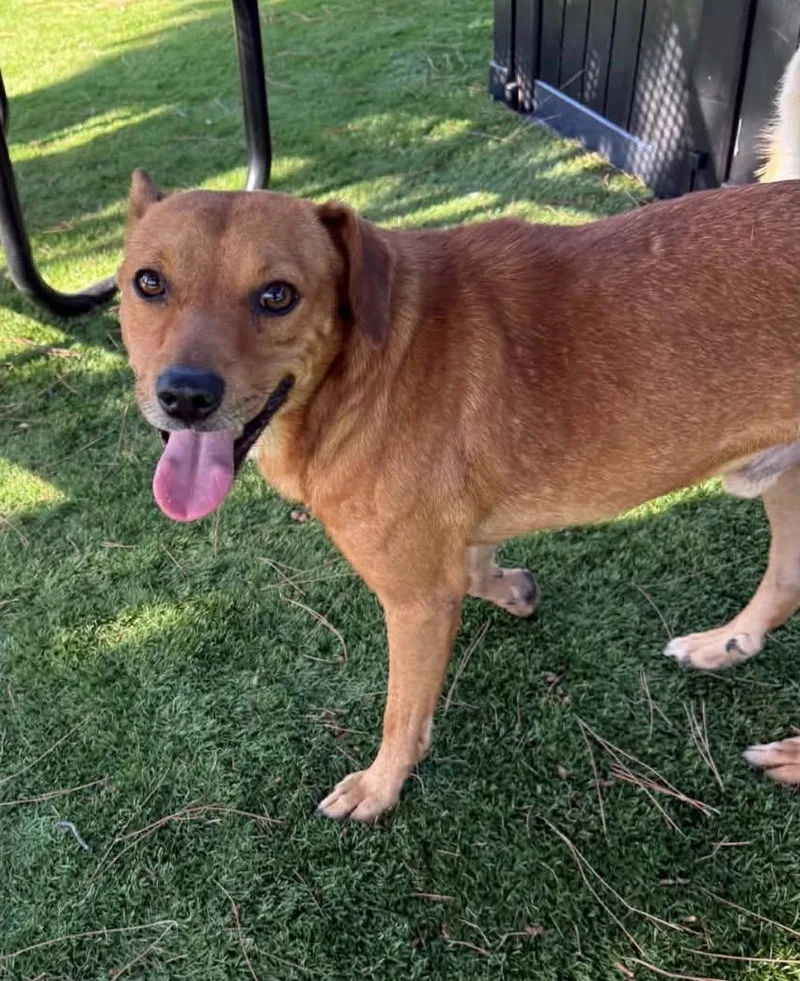
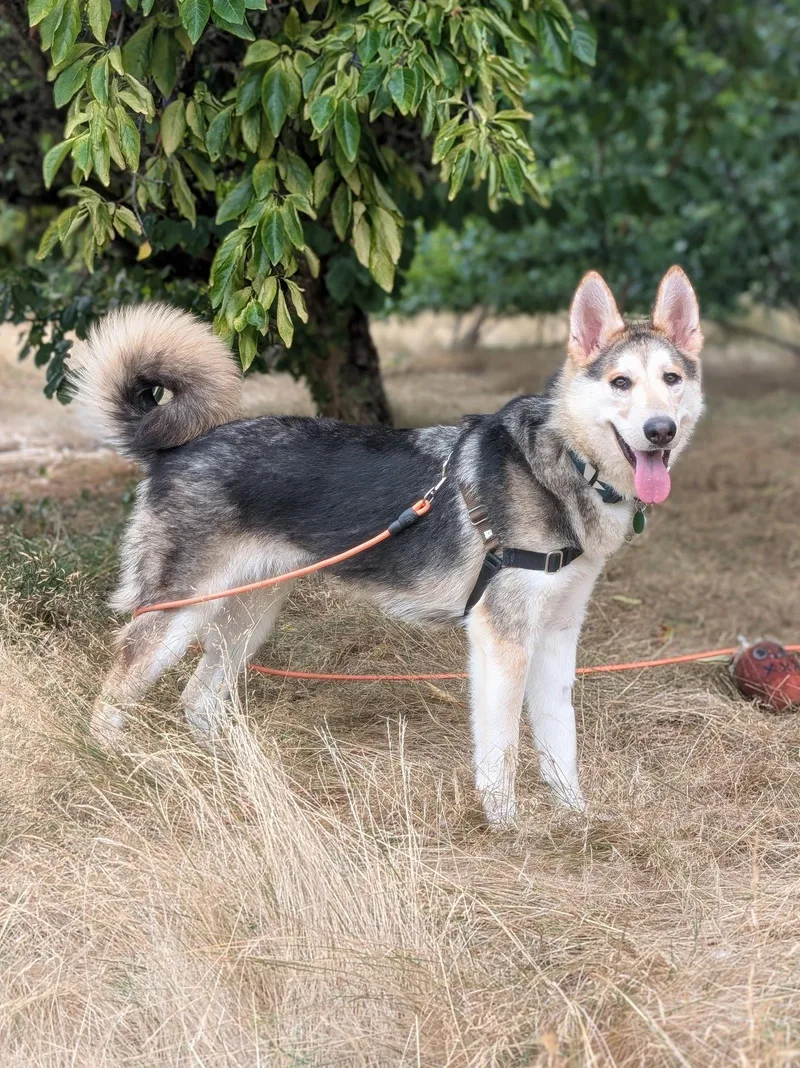
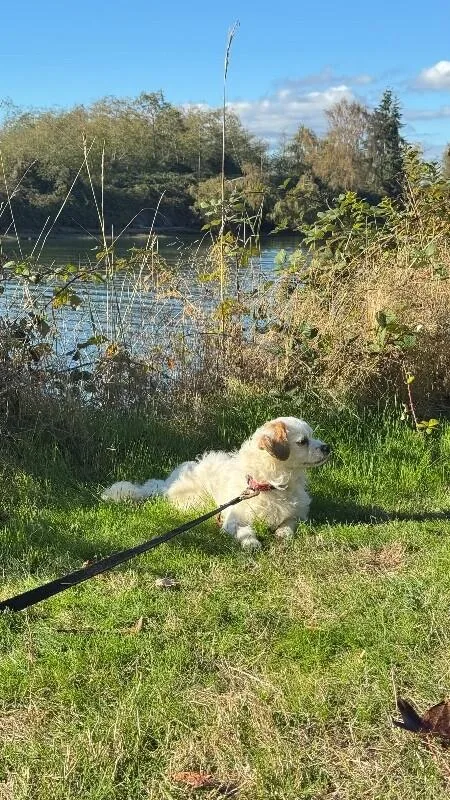
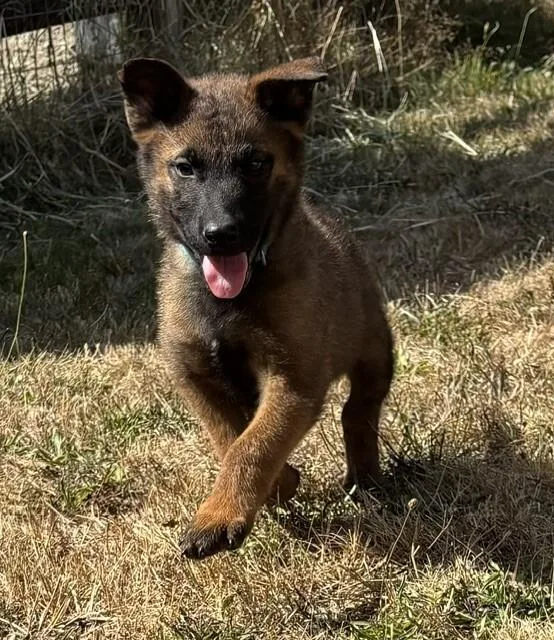
120 Papillons available in Seattle and nationwide

Adopt a Papillon today

While we don't have enough dogs near Seattle, keep in mind that many rescues may offer transport.

Papillons Available for Adoption Near Seattle

About the Papillon breed

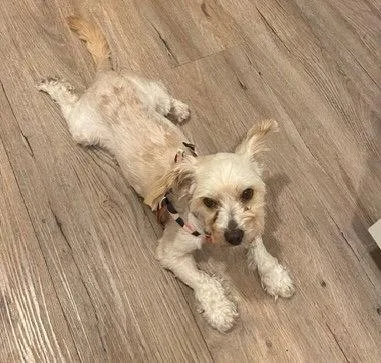
Papillons are toy spaniels from France and Belgium, with a fine-boned build, a plumed tail and a silky single coat, usually white with patches of color. Some have upright, fringed ears, while others, called Phalènes, have drooping ones, and both belong to the same breed. Weighing roughly 5 to 10 pounds, they're easy to carry but far from fragile in spirit.

They're bright, social and more athletic than they look, which fits Seattle's walkable neighborhoods and compact homes. Most want to stay near their people and enjoy learning tricks. They also tend to bark at new sounds and can act bold around bigger dogs, so on busy sidewalks and trails a Papillon does best on a leash with close attention. Each dog's energy and confidence vary.

Weight
5–10 lbs
Height
8–11 in
Lifespan
13–16 yrs
Temperament
Intelligent, Playful, Alert
Group
Toy
Shedding
Moderate

Owning a Papillon in Seattle

Having a Papillon in Seattle

Papillons combine quick learning, plenty of energy and a loud alert bark in a body under ten pounds. In Seattle, that mostly means apartment-friendly routines, rain-ready walks and extra care around larger dogs and steep stairs.

Temperament

Papillons are usually friendly, curious and eager to be involved. They learn fast and often enjoy training games. Many bark at hallway noise or passersby, which is worth planning for in a Seattle apartment building. Some get bold with big dogs, and rough handling can make them snappy, so gentle introductions matter.

Exercise Needs

Plan on daily walks plus indoor play, like fetch down a hallway or puzzle toys. A Papillon can burn off a surprising amount of energy in a small-dog off-leash area, and rainy days are good for trick practice indoors. Mental work helps prevent boredom barking. Expect short outings in a rain jacket rather than long hikes.

Health Considerations

Patellar luxation, dental disease, eye conditions such as progressive retinal atrophy and some heart problems occur in Papillons. Their light bones can break in a jump from a couch. Wet Seattle walks mean drying paws and checking ears, and a veterinarian can check the knees, teeth and heart at the first visit.

Living Space

A Papillon fits Seattle's many apartments, condos and townhomes, since most exercise can happen indoors. Thin walls make barking worth training early. Block gaps in fencing, use ramps or steps for furniture, and keep the dog clear of larger dogs and toddlers in busy buildings and lobbies.

What it costs to own a Papillon in Seattle

ExpenseTypical costPer year
Food$15 to $35 per month$180 to $420
Pet insurance$30 to $60 per month$360 to $720
Routine vet care$200 to $400 per year$200 to $400
Other*$520 to $1,245 per year$520 to $1,245
Estimated yearly total (after year one)$1,260 to $2,785

Other costs are estimates and vary with size, age and health.

* The $45 Seattle dog license for a spayed or neutered dog, flea, tick and heartworm prevention, a dental care allowance, toys and bedding, and light home grooming.

Adopt a Papillon in Seattle.

Now that you know more, let’s find you a new best friend. These rescues and shelters below currently have Papillons available.

Frequently Asked Questions

Yes, a Papillon is one of the better matches for Seattle apartment life, since it weighs under 10 pounds and gets much of its exercise indoors. Daily walks still matter, and teaching a quiet response to hallway noise helps with neighbors. In busy lobbies and elevators, carry the dog so larger dogs can't surprise it.

Yes. Seattle has no breed bans, and Washington law limits them statewide, so a Papillon is treated like any other dog. You'll need a city license, rabies vaccination and a leash off your property. A typical household can have up to three dogs and cats combined, so count your current pets first.

Yes, on Metro buses. Small dogs ride free on your lap, and they can't take a seat or run loose. Sound Transit is piloting leashed dogs on Link light rail through spring 2027, and small pets in carriers are otherwise allowed. A Papillon fits easily in a carrier, which keeps crowded rides calmer.

Green Lake's 2.8-mile paved loop is a popular leashed walk, with a 5-foot maximum leash. Seward Park offers a 2.4-mile shoreline path through forest, and the Burke-Gilman Trail is good for steady walks. Keep a Papillon close around bikes and bigger dogs, and remember that dogs aren't allowed on city beaches.

Mostly yes. Seattle is mild, with winters of about 38 to 48°F and short, cool summers, though rain falls on roughly 90 days a year. A Papillon's single coat offers little insulation, so a jacket and a quick towel-dry help from November through February. Heat is rare, but hot days still call for shade and water.

Comb a Papillon a few times a week, focusing on behind the ears, the legs and the feathered hindquarters, and bathe it every few months. Seattle's wet weather adds towel-drying and paw wiping after walks. The coat has no undercoat, so home grooming is usually enough, though nails grow fast and need regular trims.

Sometimes, on patios. Washington rules generally keep dogs out of food-service areas, but a restaurant with a health-department-approved outdoor dining plan can allow them. Expect to keep your Papillon leashed, off chairs and tables, and out of indoor areas. Not every patio allows dogs, and a dog this small is easy to keep tucked beside you.

For many people, yes. A Papillon suits renters in compact neighborhoods and owners who enjoy rain-jacket walks, training and small-dog park visits. It's a poorer match for homes empty most of the day, since Papillons are social and tend to bark when bored. Each dog's energy and confidence vary, so match the dog's own needs to your routine.

We have 1 rescue with Papillons available: Seattle Animal Shelter. You can see every rescue with Papillons available in the list above these questions, or scroll to the top to see the Papillons near Seattle.

Expect roughly $1,260 to $2,785 a year for a Papillon in Seattle, depending on food, insurance and care. Food runs $15 to $35 a month, insurance $30 to $60, routine vet care $200 to $400 a year, and other costs $520 to $1,245 a year. Small dogs often need extra dental attention.

Find Papillons in Nearby Cities

Expand your search to find Papillons available for adoption near Seattle.