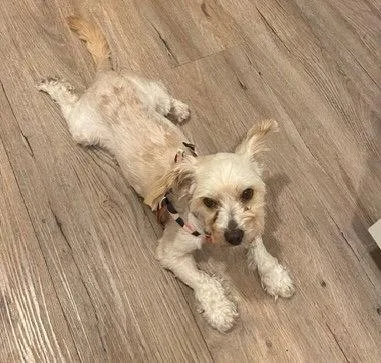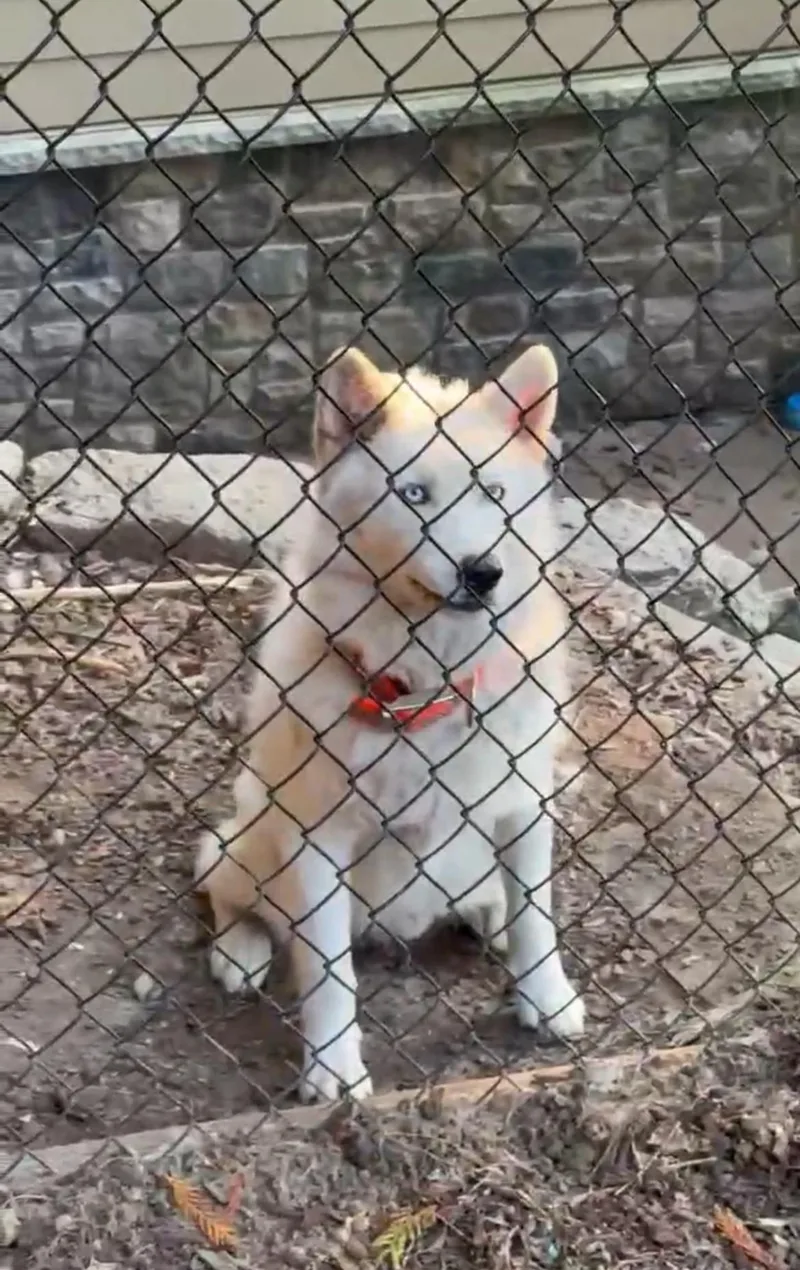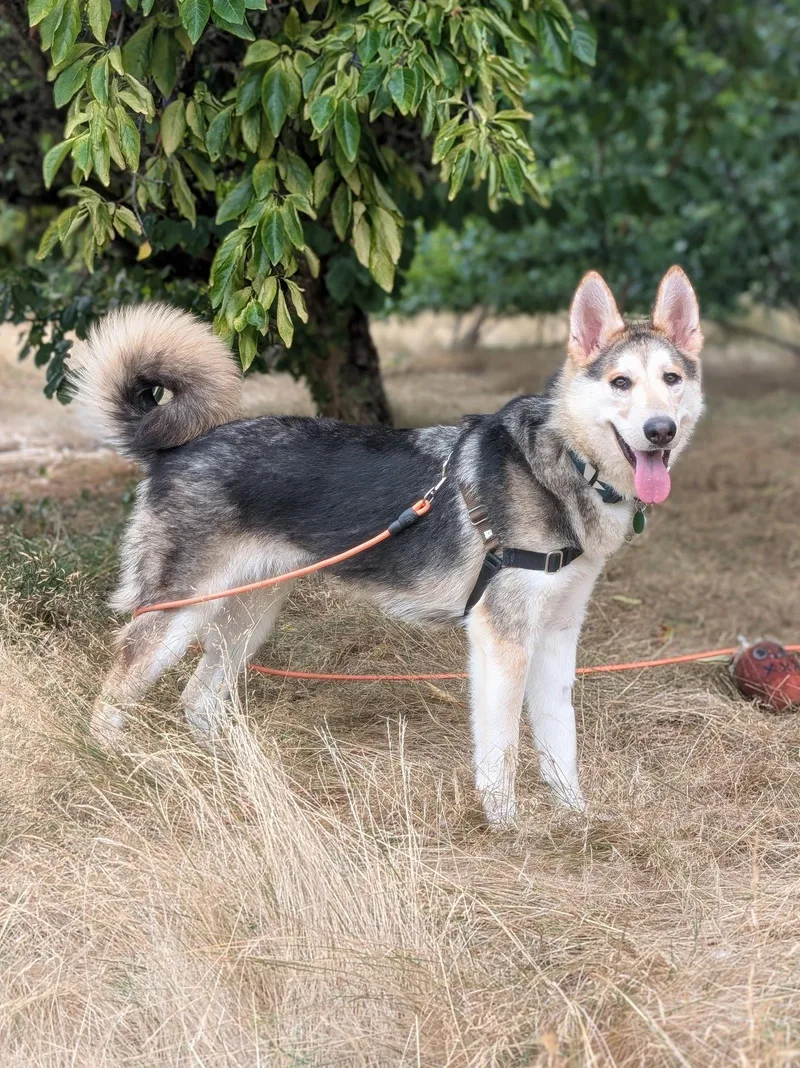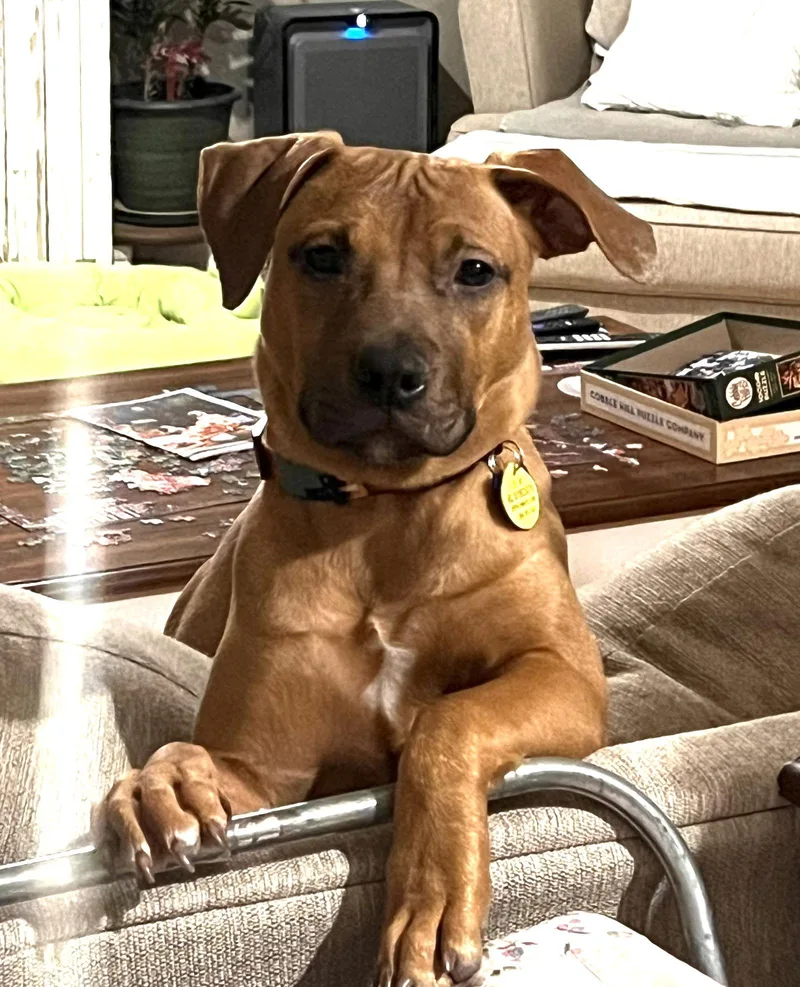
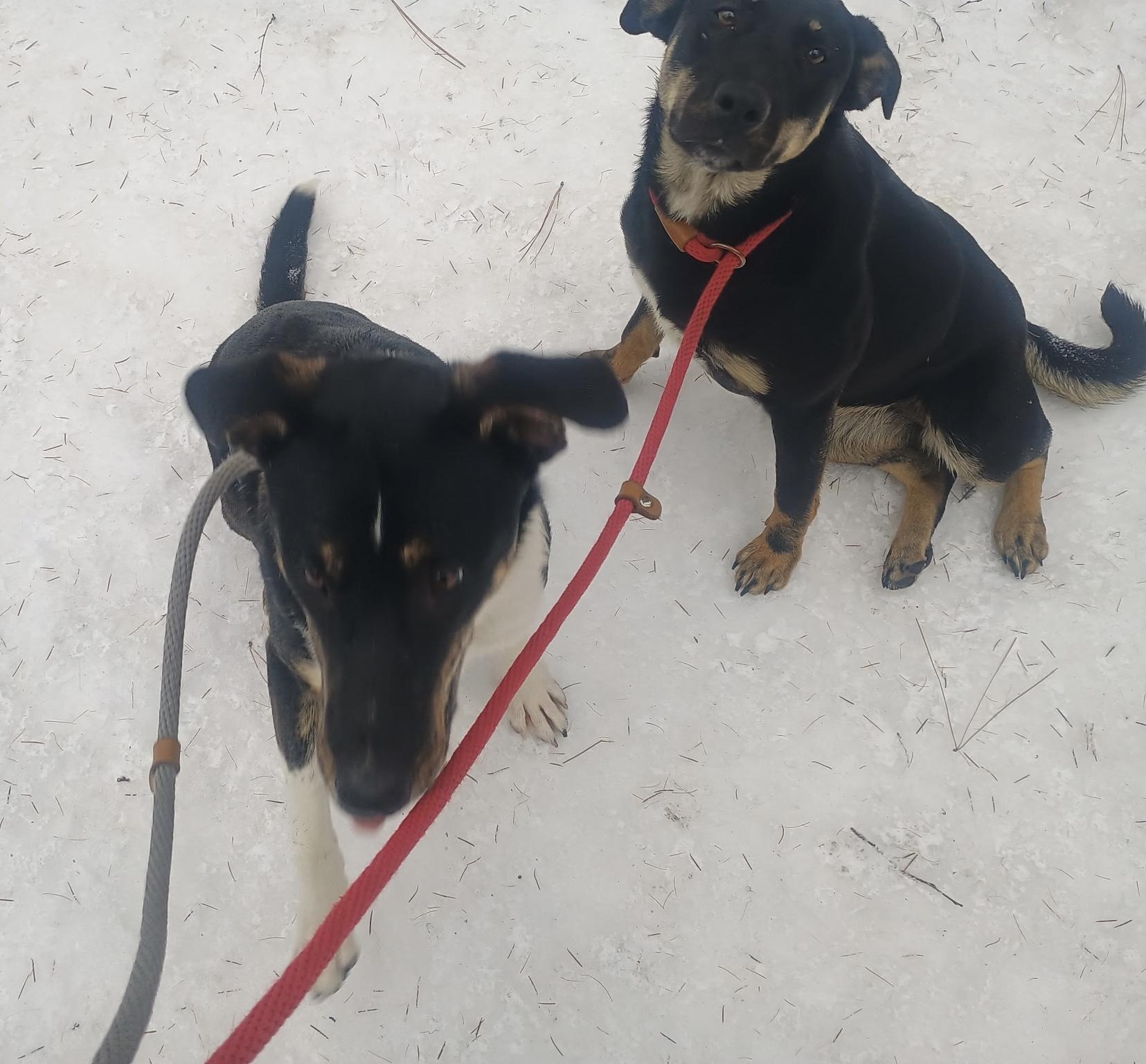
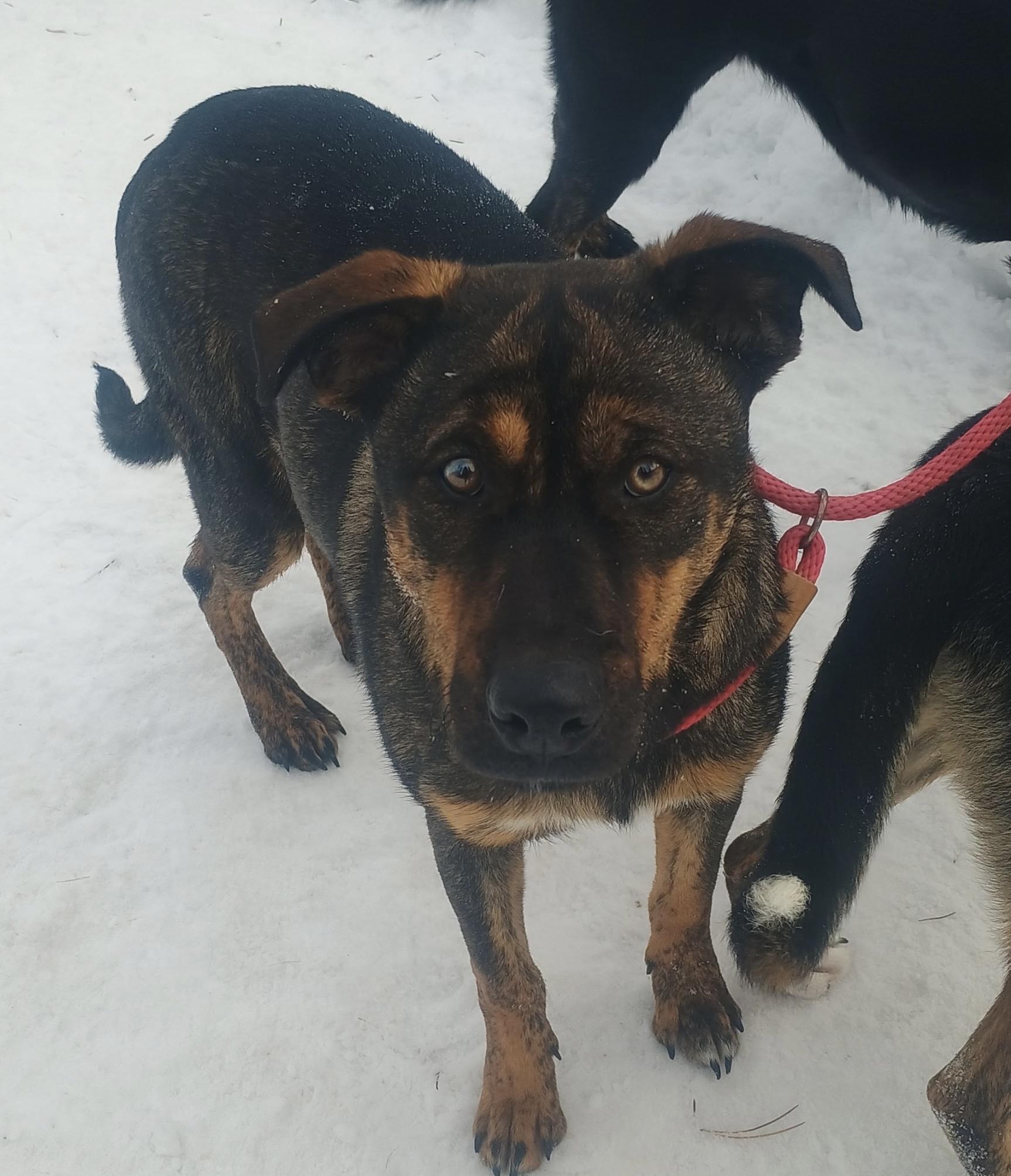
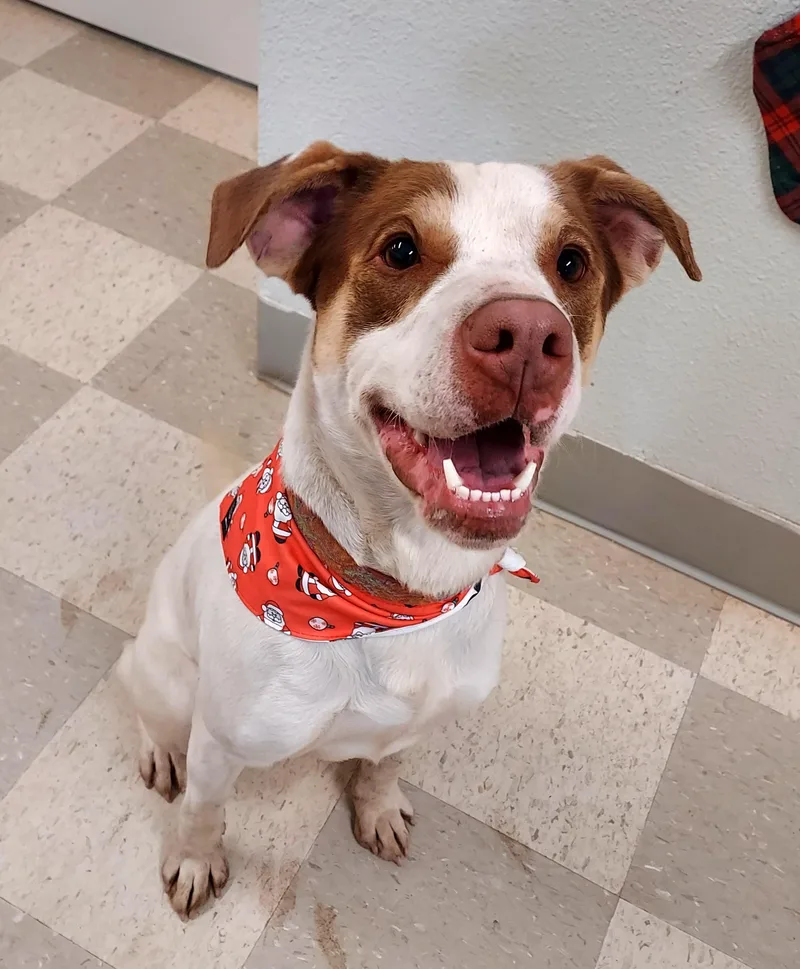
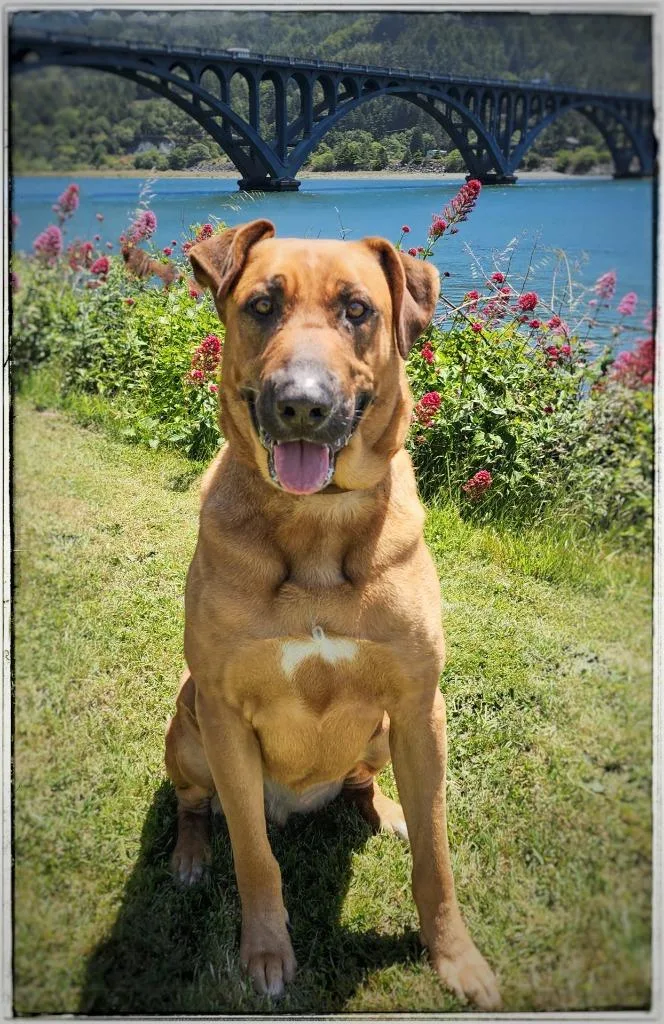
Hound Dogs for Adoption in Seattle, WA

Your guide to finding and caring for a Hound in Seattle

A Hound mix in Seattle will probably spend most walks with its nose to the ground. That suits a Beacon Hill block of Craftsman bungalows, where every fence line and hedge is worth a long sniff, and Jefferson Park gives it room to explore on leash. Hound is a catch-all label, so size and energy vary a lot from dog to dog. Plan on a leash outside the off-leash areas and a voice that might carry through thin apartment walls.

4629 Hounds available in Seattle and nationwide

Your Hound mix is waiting

Hounds Available for Adoption Near Seattle

About the Hound breed

Hound isn't one breed but a family of hunting dogs. Scent hounds like Beagles, Coonhounds and Foxhounds follow trails by nose, while sighthounds like Greyhounds and Whippets chase by sight. On adoption listings, a hound is usually a scent hound mix with long ears, a short coat and a big voice, weighing anywhere from about 20 to 70 pounds.

Most are friendly with people and other dogs, and they tend to be independent thinkers who treat training as a negotiation. Many howl or bay, and a strong scent can pull them off course, so secure fences and leashes matter. Short coats shed moderately, and long ears need regular checking. Because ancestry varies, a dog's size, energy and voice say more than the label does.

Weight
20–70 lbs
Height
13–27 in
Lifespan
10–14 yrs
Temperament
Friendly, Independent, Vocal
Group
Hound
Shedding
Moderate

Owning a Hound in Seattle

Having a Hound in Seattle

Hound covers many breeds and mixes, so these cards describe what most adoptable hounds share: a keen nose or eye for movement, an independent streak and a voice. Ancestry shapes how strongly each shows, and in Seattle, rain and hills add their own twists to daily routines.

Temperament

Many hounds are gentle and sociable, usually getting along with people and other dogs. They can also be stubborn, since they were bred to follow a trail without waiting for direction. Patient, food-based training works better than force. In Seattle's dense neighborhoods, expect some baying or howling, though some hounds stay surprisingly quiet.

Exercise Needs

Most hounds need a daily walk long enough to sniff and explore, and many scent hounds have real stamina. Seattle's 16 off-leash areas, including Magnuson Park on Lake Washington, let a dog roam without a leash. A nose-driven hound is safer leashed on busy routes like Green Lake's 2.8-mile loop. Scent games help on wet days.

Health Considerations

Long, hanging ears trap moisture, and Seattle's damp months make ear infections a real possibility, so dry and check ears after wet walks. Many hounds gain weight easily, and larger ones can develop hip dysplasia. Sighthound types can be sensitive to anesthesia, which a veterinarian can discuss before any procedure.

Living Space

Hounds can live in houses or apartments if they get enough outdoor time, but baying carries through thin walls, which matters in Seattle's many apartment buildings. A securely fenced yard helps, since many hounds dig, climb or follow a scent through gaps. Counter surfing is common, so keep food and trash out of reach.

What it costs to own a Hound in Seattle

ExpenseTypical costPer year
Food$35 to $70 per month$420 to $840
Pet insurance$45 to $85 per month$540 to $1,020
Routine vet care$225 to $450 per year$225 to $450
Other*$470 to $1,195 per year$470 to $1,195
Estimated yearly total (after year one)$1,655 to $3,505

Other costs are estimates and vary with size, age and health.

* The $45 Seattle license for an altered dog, flea, tick and heartworm prevention, a dental cleaning allowance, toys and bedding, and basic brushing and ear care.

Adopt a Hound in Seattle.

Now that you know more, let’s find you a new best friend. These rescues and shelters below have dogs available in and near Seattle.

Frequently Asked Questions

Yes, most Hounds handle Seattle winters well. Temperatures of roughly 38 to 48°F are mild, and freezing days are rare. The bigger challenge is the damp: towel-dry paws, belly and long ears after walks to help prevent ear infections. Short-coated or lean Hounds may like a rain jacket, and a few snowy days a year call for indoor games.

Yes, with some limits. King County Metro buses allow dogs: small dogs ride free on your lap, while larger dogs ride on the floor with a paid fare, at the driver's discretion. Sound Transit is piloting leashed dogs on Link light rail through spring 2027; otherwise pets need a small carrier. Dogs can't take a seat or run loose.

Blue Dog Pond in Mount Baker is fully fenced, a good match for a Hound that follows its nose. Magnuson Park's off-leash area has Lake Washington access, and Westcrest Park is another large option. For leashed sniffing walks, try the Green Lake loop, Seward Park or Discovery Park. Off-leash areas require a licensed, vaccinated dog.

Yes. Seattle has no breed bans, and Washington law limits them statewide, so a Hound is welcome. You'll need a city dog license, a rabies vaccination, and a leash whenever you're off your property. A typical city lot is limited to three dogs and cats combined. State law also restricts tethering, including for any dog under six months.

Often, yes, especially a smaller Beagle-type Hound that gets enough walks. The main concern is noise, since baying travels through thin walls, so a quieter building helps. Small neighborhood off-leash areas like Regrade Park in Belltown or Denny Park in South Lake Union offer quick breaks, but a hound still needs longer sniffing walks daily.

A Hound suits Seattle if you enjoy daily walks in any weather and don't mind a leash-heavy routine. Mild temperatures and plenty of parks help, while rain means towel-drying and ear care. It's a tougher fit if you're away long hours, live beside very close neighbors, or want a dog that reliably comes when called.

Sometimes, on patios. Washington food rules generally keep dogs out of indoor dining rooms, but a restaurant with a health-department-approved plan can welcome dogs outdoors. Expect your Hound to stay leashed, off tables and chairs, and out of the indoor area. Policies vary by restaurant, so don't assume access, and bring a mat to settle a nose-driven dog.

Very little. A Hound's short, dense coat needs a weekly brush to manage moderate shedding, and baths only when muddy. In Seattle's wet climate, the real work is drying: towel paws, belly and ears after rainy walks, and check long ears weekly. Most owners handle this at home, which keeps grooming within the modest Other budget.

A hound dog is a hunting dog bred to track or chase game, either by following a scent or by sight and speed. Beagles, Coonhounds, Bloodhounds and Basset Hounds hunt by nose, while Greyhounds and Salukis are sighthounds. Shelters often label a dog hound when it shows scent hound traits, such as long ears, a strong nose and a baying voice.

Expect roughly $1,650 to $3,500 a year for a hound in Seattle: food at $35 to $70 a month, insurance at $45 to $85 a month, routine vet care at $225 to $450 a year, and other costs at $470 to $1,195 a year. Larger, hungrier hounds sit at the high end.