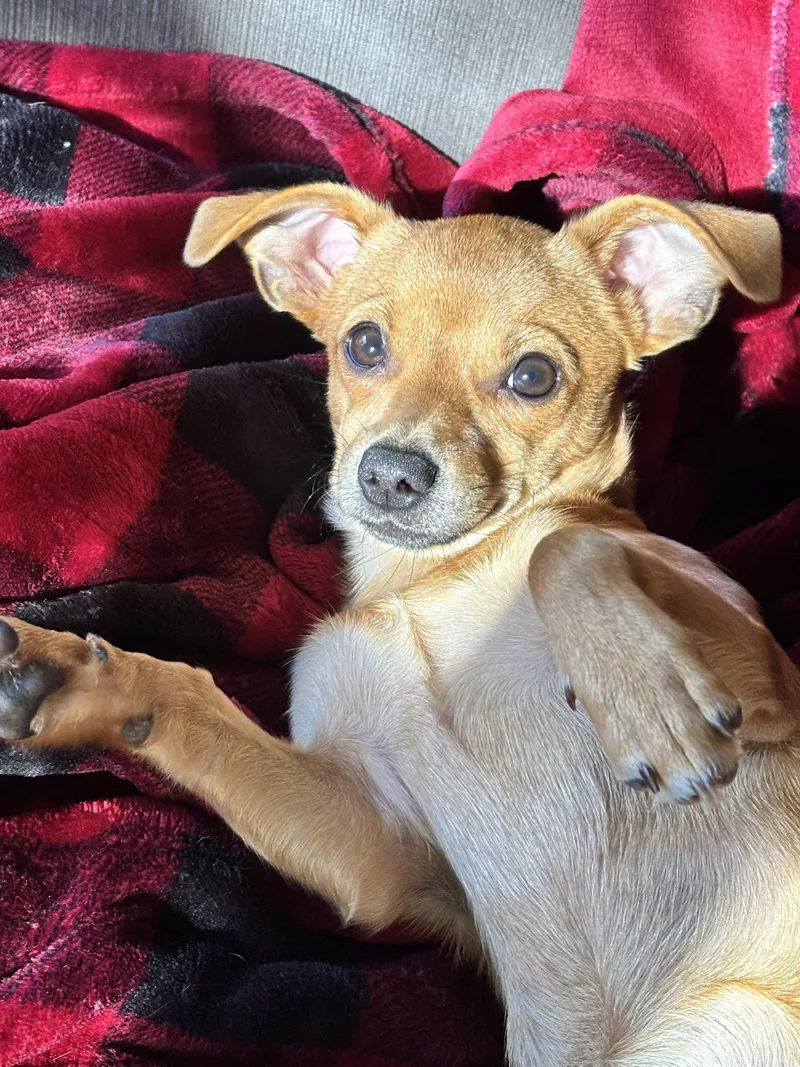
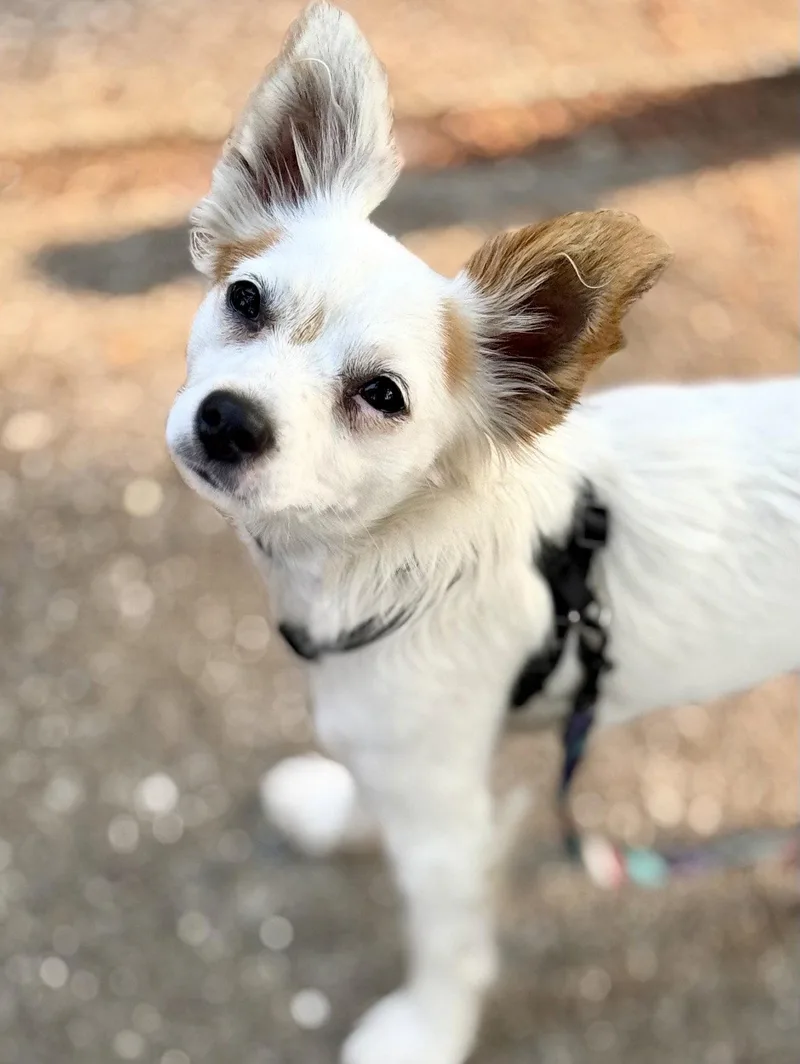
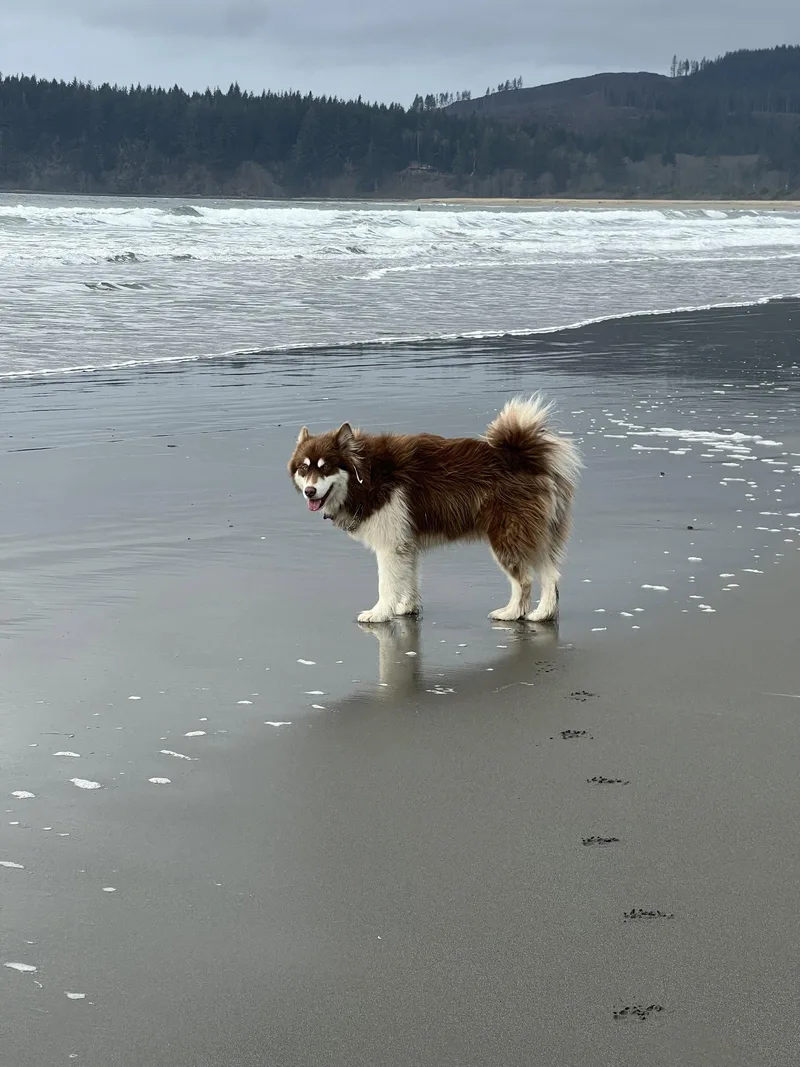
Hamiltonstovare Dogs for Adoption in Seattle, WA

Your guide to finding and caring for a Hamiltonstovare in Seattle

A Hamiltonstovare suits Seattle's quieter residential streets, like those in Wedgwood and Ravenna. This Swedish scent hound is friendly and mellow at home, but it needs a long walk every day and will follow its nose wherever a smell leads. Ravenna and Cowen Parks link toward Green Lake and the Burke-Gilman Trail, which gives it miles of new scents. It's also vocal, so thin apartment walls are worth thinking about before you adopt one.

4950 dogs similar to Hamiltonstovare available in Seattle and nationwide

Say hello to your Hamiltonstovare

Hamiltonstovares and Similar Breeds Available for Adoption Near Seattle

About the Hamiltonstovare breed

The Hamiltonstovare comes from Sweden and is named for Count Adolf Hamilton, founder of the Swedish Kennel Club, who showed the first ones in 1886. It was developed as a scent hound to trail hare and fox alone rather than in a pack, and it bays on the trail so hunters can follow. It's a medium-sized, athletic dog, typically 50 to 60 pounds, with a close-lying coat in black, tan and white.

Many are friendly and even-tempered with people and other dogs, though the nose often wins out over recall. In Seattle, that means a securely fenced yard or a long line on trails, since most parks require a leash. The breed is rare outside Scandinavia, so watch the listings on this page and consider similar hound breeds. Any dog may differ from the breed's usual traits.

Weight
50–60 lbs
Height
19–24 in
Lifespan
10–13 yrs
Temperament
Friendly, Energetic, Independent
Group
Hound
Shedding
Moderate

Owning a Hamiltonstovare in Seattle

Having a Hamiltonstovare in Seattle

A Hamiltonstovare pairs a relaxed home life with the stamina of a dog bred to trail alone. In Seattle, its nose, its voice and its need for daily movement matter more than its size or its easy-care coat.

Temperament

Hamiltonstovares are typically friendly and even-tempered, and many enjoy other dogs, though each dog varies. They can be stubborn and easily distracted, so keep training sessions short and rewarding. That sociable streak helps on busy Seattle sidewalks, but small pets and squirrels may trigger chasing, so introductions need care.

Exercise Needs

Plan on substantial daily exercise: brisk walks, jogging once mature, or sniff-heavy hikes on a long line. Seattle's off-leash areas, like Westcrest Park, give room to run, but this breed's recall needs lifelong practice. On wet days, scent games and tracking puzzles at home help tire the mind as well as the body.

Health Considerations

This is generally a sturdy breed, though little health data exists outside Scandinavia. Hip dysplasia occurs, so keep the dog lean and active, and have a veterinarian check the hips at wellness visits. Drop ears hold moisture, and Seattle's damp months make regular ear checks and drying after walks especially worthwhile.

Living Space

A house with a securely fenced yard suits most Hamiltonstovares, which points to Seattle's single-family neighborhoods. An apartment can work for an adult that gets long daily outings, but baying may carry to neighbors if the dog is bored or left alone for long stretches. This dog should live indoors with the family.

What it costs to own a Hamiltonstovare in Seattle

ExpenseTypical costPer year
Food$35 to $70 per month$420 to $840
Pet insurance$45 to $85 per month$540 to $1,020
Routine vet care$225 to $450 per year$225 to $450
Other*$470 to $1,195 per year$470 to $1,195
Estimated yearly total (after year one)$1,655 to $3,505

Other costs are estimates and vary with size, age and health.

* The $45 Seattle dog license for a spayed or neutered dog, flea, tick and heartworm prevention, a dental cleaning allowance, toys and bedding, and occasional brushing and baths.

Adopt a Hamiltonstovare in Seattle.

Now that you know more, let’s find you a new best friend. These rescues and shelters below have dogs available in and near Seattle.

Frequently Asked Questions

Yes, you can own a Hamiltonstovare in Seattle. The city has no breed bans, and Washington law limits them statewide. Dogs need a city license, a rabies vaccination, and a leash whenever they're off your property. Households are generally limited to three dogs and cats combined on a typical lot, so count any pets you already have.

Yes, an adult Hamiltonstovare can live in a Seattle apartment if it gets long daily outings, though it isn't the easiest match. Bored hounds may bay, and that carries through shared walls, so a ground-floor unit near a park or trail works better than a thin-walled top floor. Landlords can charge pet rent, so budget for it.

The Green Lake loop, Discovery Park and Seward Park suit leashed walks, the Burke-Gilman Trail offers longer conditioning miles, and Magnuson Park has an off-leash area with Lake Washington access. Because this hound follows its nose, use a long line anywhere unfenced. Dogs can't use city park beaches, and Discovery Park's Wolf Tree Nature Trail is closed to dogs.

Yes, Seattle's cool, damp climate suits a Hamiltonstovare's short double coat. Rain falls on roughly 90 days a year, so plan for towel-drying and muddy paws more than for heat or cold. Summers stay mild, though rare heat waves and late-summer smoke call for shorter, earlier walks. The dog should live indoors with the family.

Yes, with limits. King County Metro buses allow dogs: small dogs ride free on a lap, while a 50-to-60-pound dog rides on the floor with a paid fare, at the driver's discretion. Sound Transit is piloting leashed dogs on Link light rail through spring 2027. Keep the dog leashed and off the seats.

Not much. The close-lying coat needs weekly brushing, a bit more in spring as the winter undercoat loosens. In Seattle, the bigger job is drying the dog and its paws after wet walks and checking the drop ears for moisture. Occasional baths or professional grooming fall within the yearly Other budget, roughly $0 to $100.

Sometimes, on patios only. Washington's food code lets dogs join outdoor dining when the restaurant has a health-department-approved plan, and indoor dining rooms generally don't allow pet dogs. Dogs usually must stay leashed, off tables and chairs, and out of the indoor area, so a settled, well-exercised hound does best. Don't count on access everywhere.

It can be, if you enjoy daily walks in drizzle and have a yard or nearby trails. A Hamiltonstovare does less well with long days alone, since bored hounds may bay and chase scents. Active households in residential neighborhoods with fenced yards tend to suit it best, though each dog's personality differs.

Yes, Hamiltonstovares shed, though their short, close-lying coat makes care easy. Expect a moderate amount of hair year-round, with heavier shedding when the coat changes with the seasons. A weekly once-over with a rubber curry brush or hound glove removes most loose hair. They are not hypoallergenic, so people with dog allergies should spend time with one before adopting.

Expect roughly $1,650 to $3,500 a year for a Hamiltonstovare in Seattle. That adds food at $35 to $70 a month, insurance at $45 to $85 a month, routine vet care at $225 to $450 a year, and other costs at $470 to $1,195 a year, including the license and dental care.