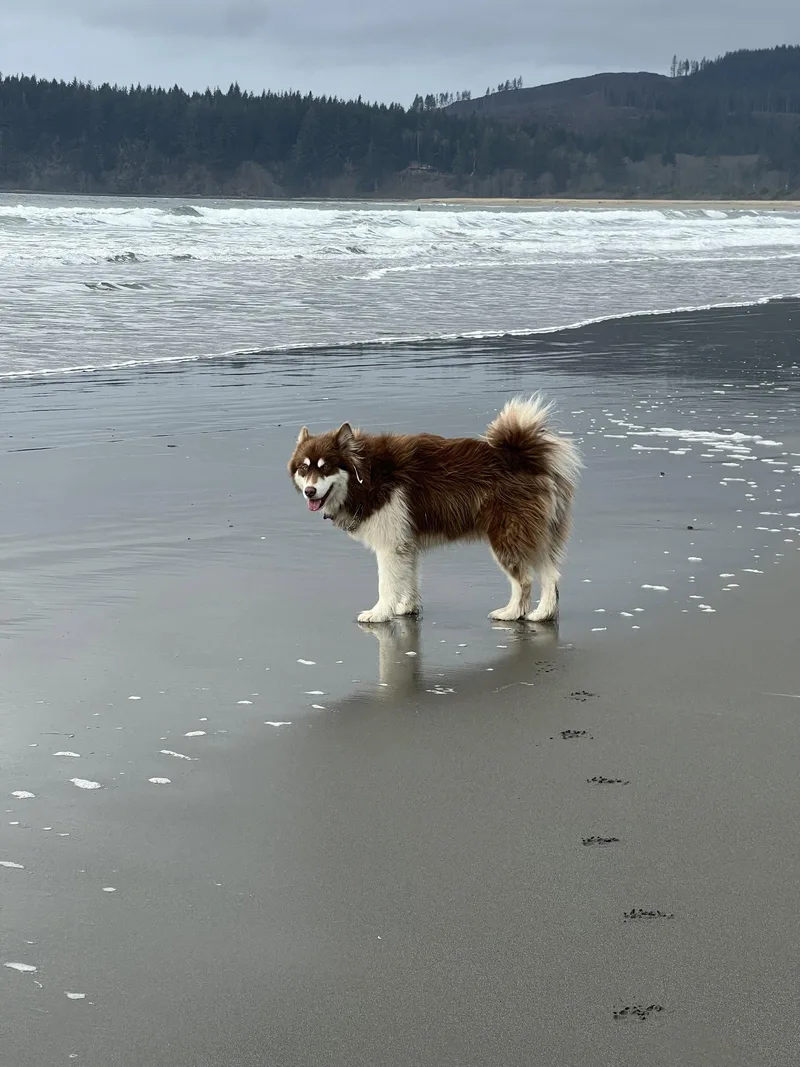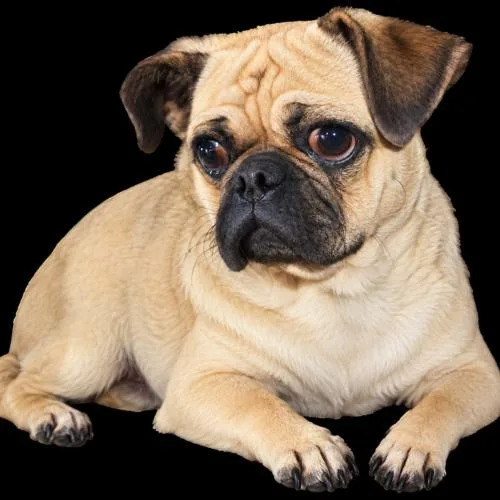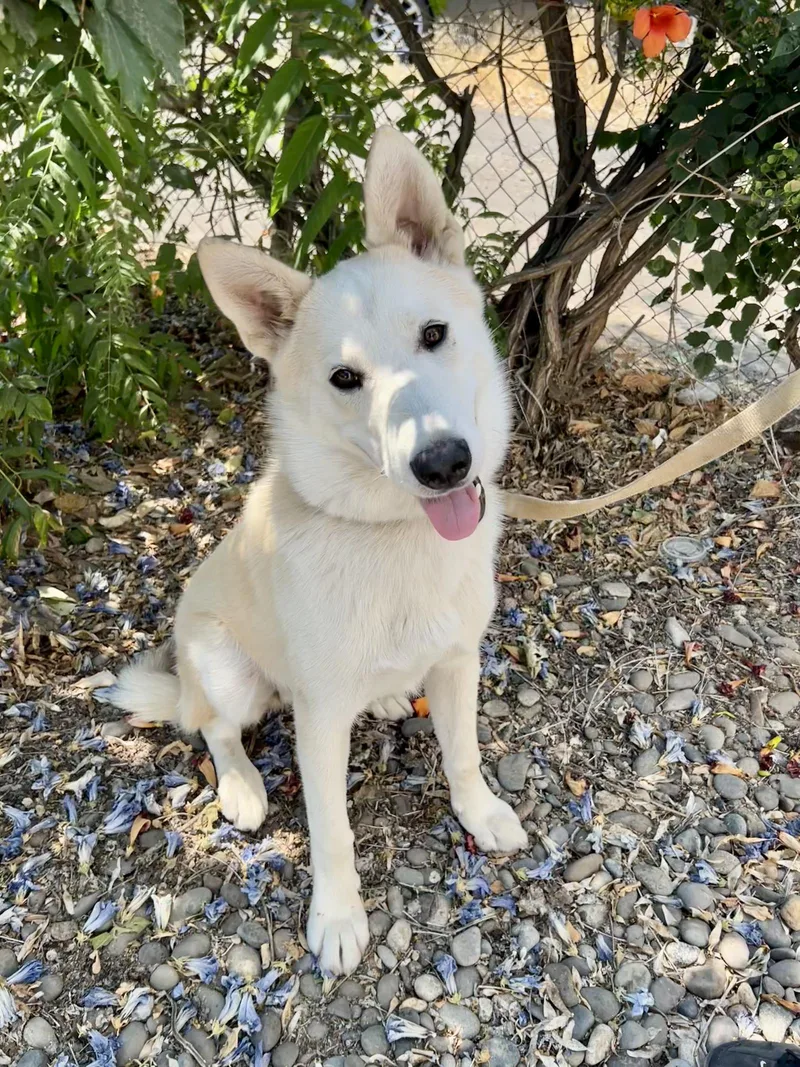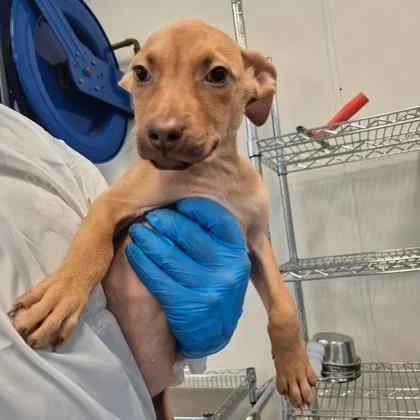
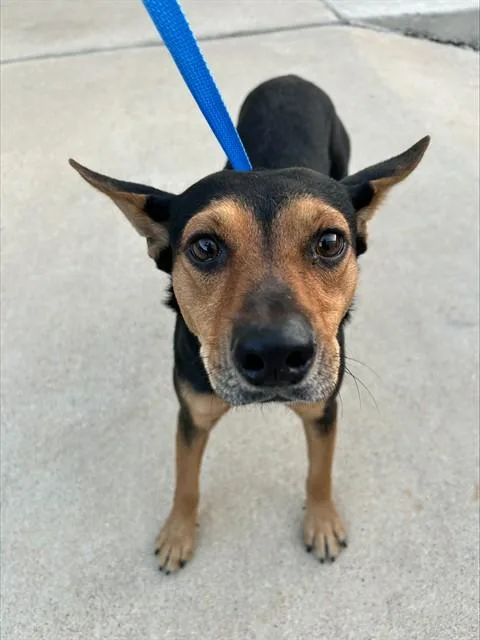
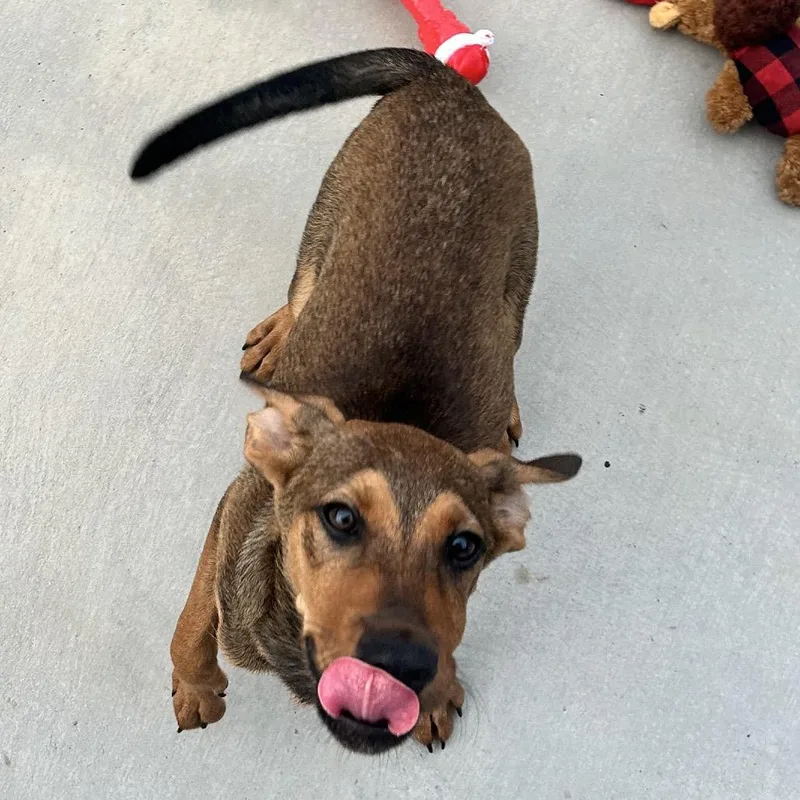
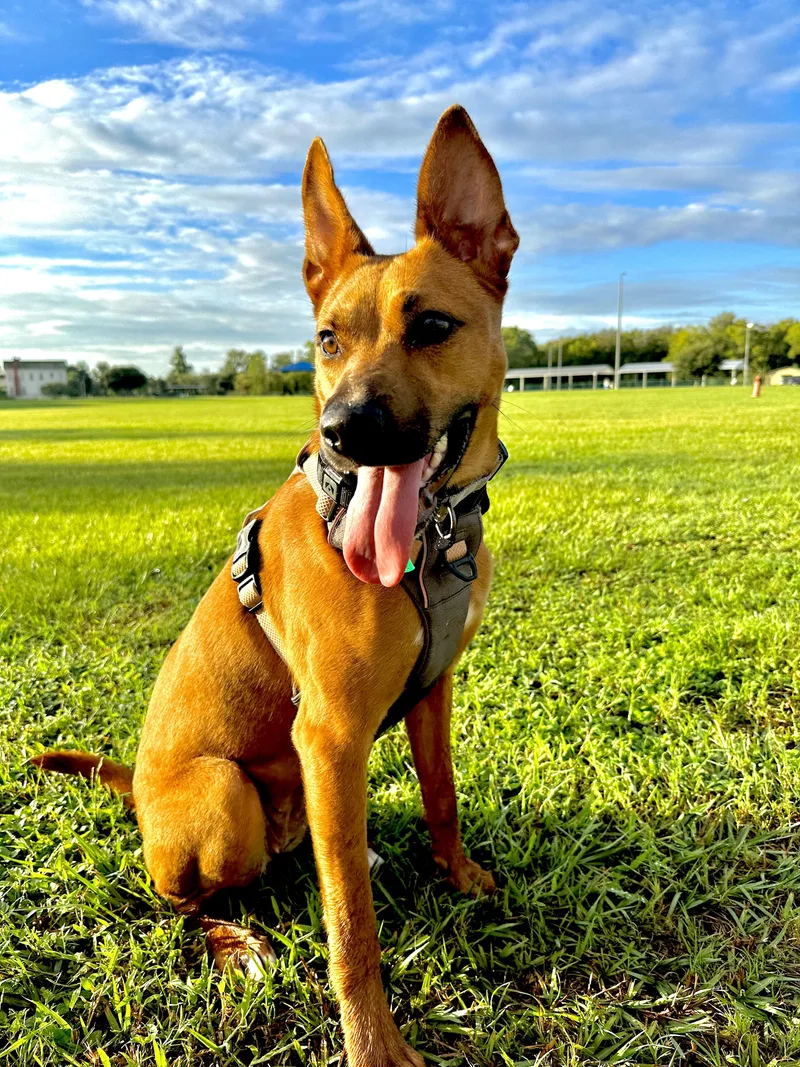
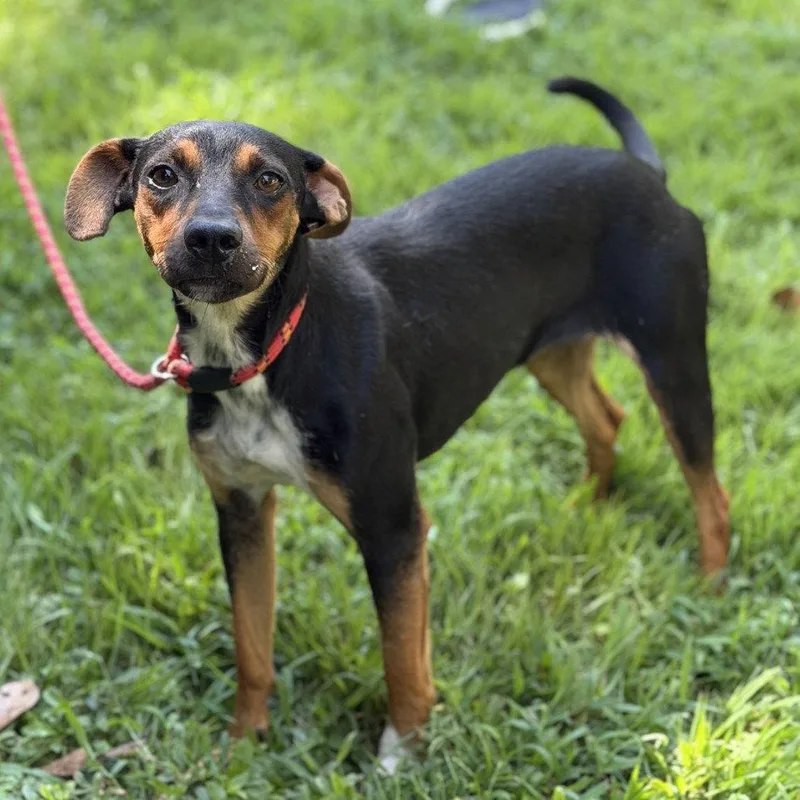
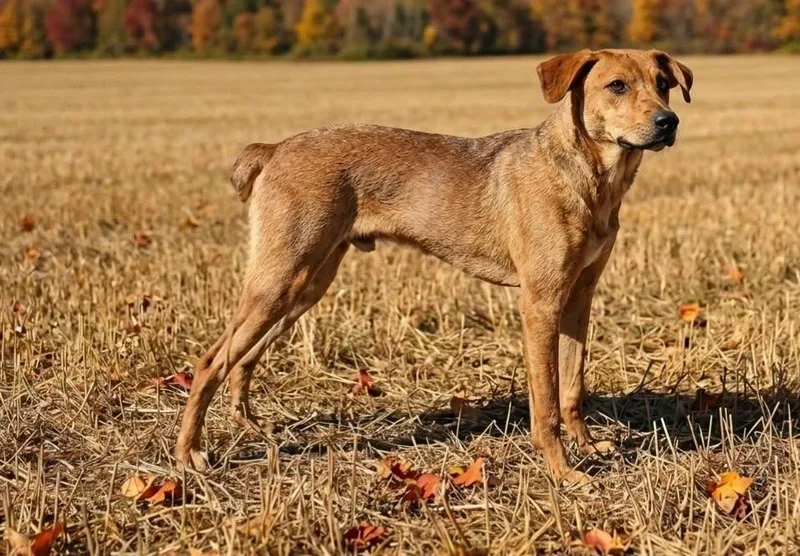
German Pinscher Dogs for Adoption in Seattle, WA

Your guide to finding and caring for a German Pinscher in Seattle

A German Pinscher fits Seattle best when its owner has a daily plan for burning off energy. These medium-sized, short-coated dogs do well in a Beacon Hill bungalow or a Columbia City apartment, as long as there's a brisk walk and a game every day. Dr. Jose Rizal Park's off-leash area, with its downtown views, gives a fast dog room to run. Expect to towel off a wet, thin-coated dog most winter days.

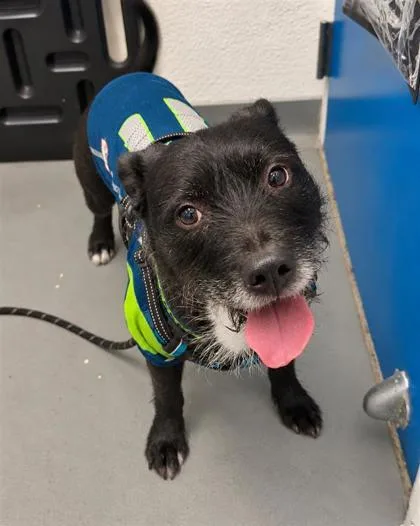
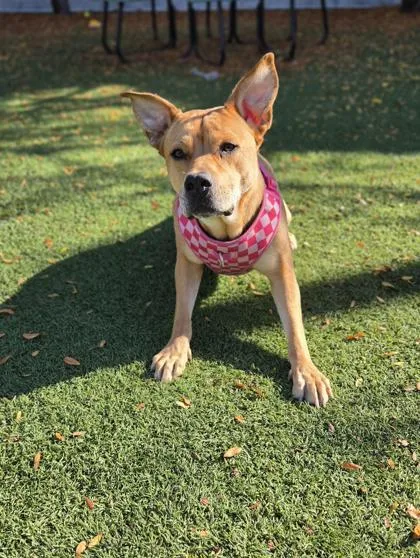
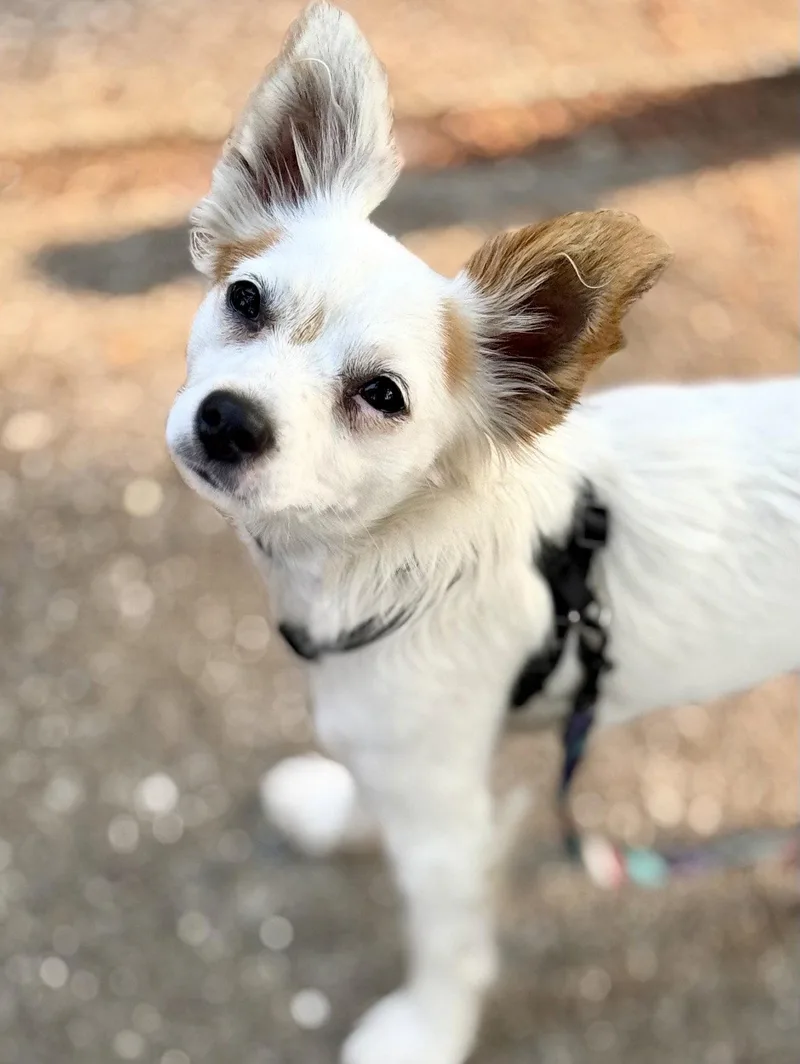
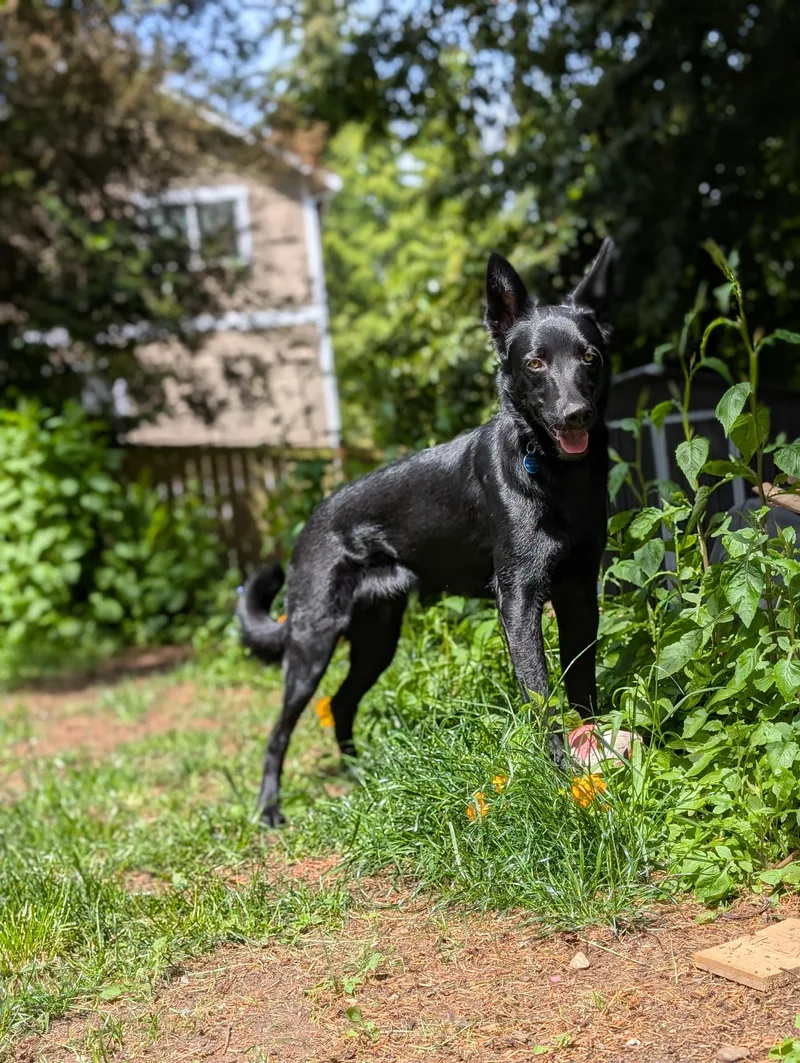
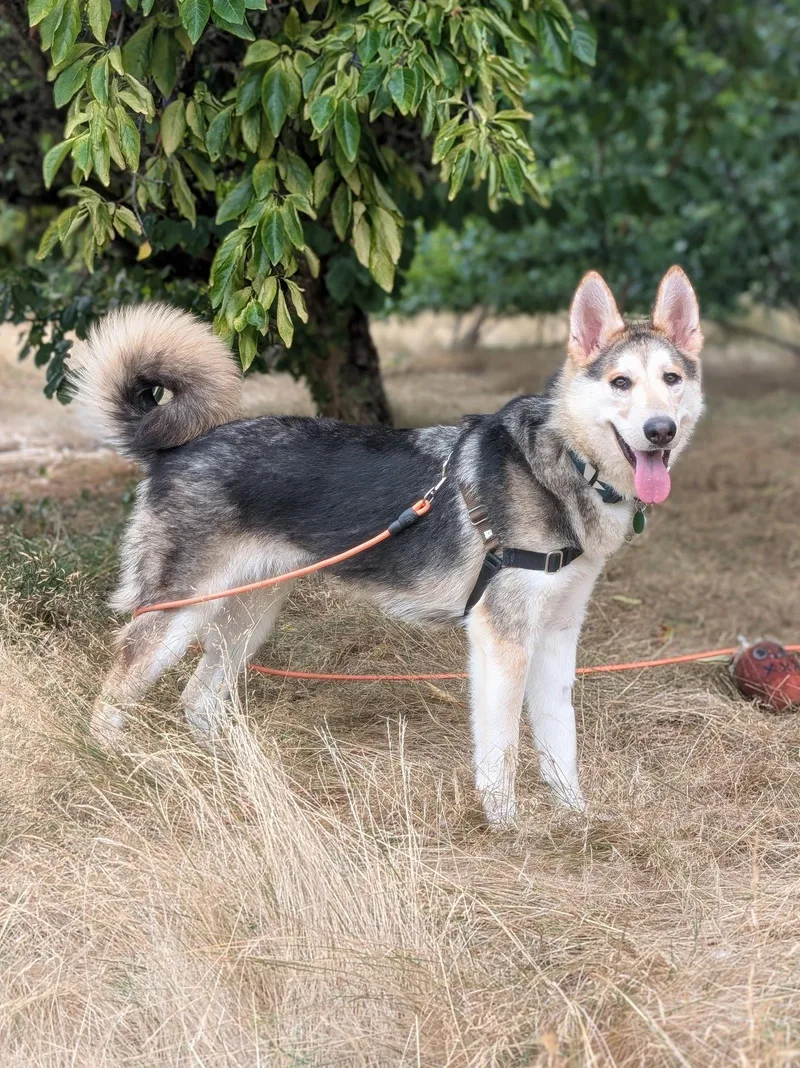
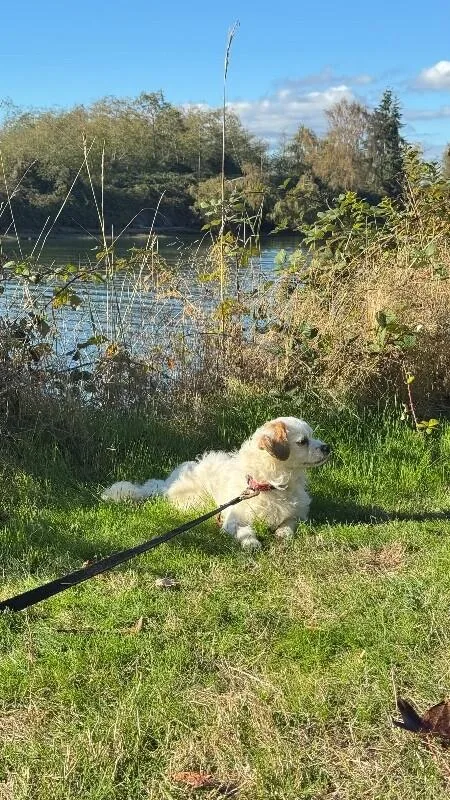
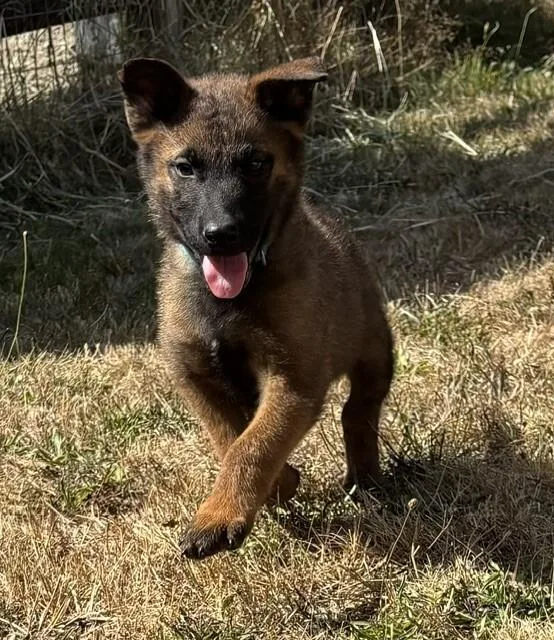
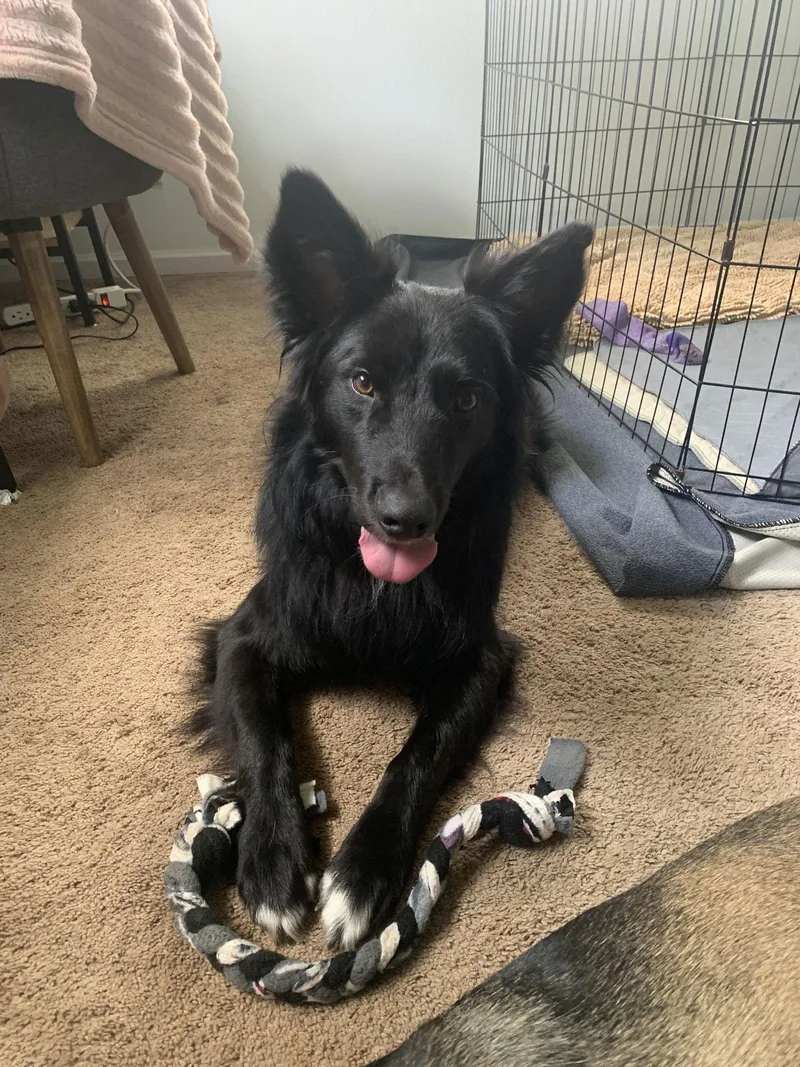
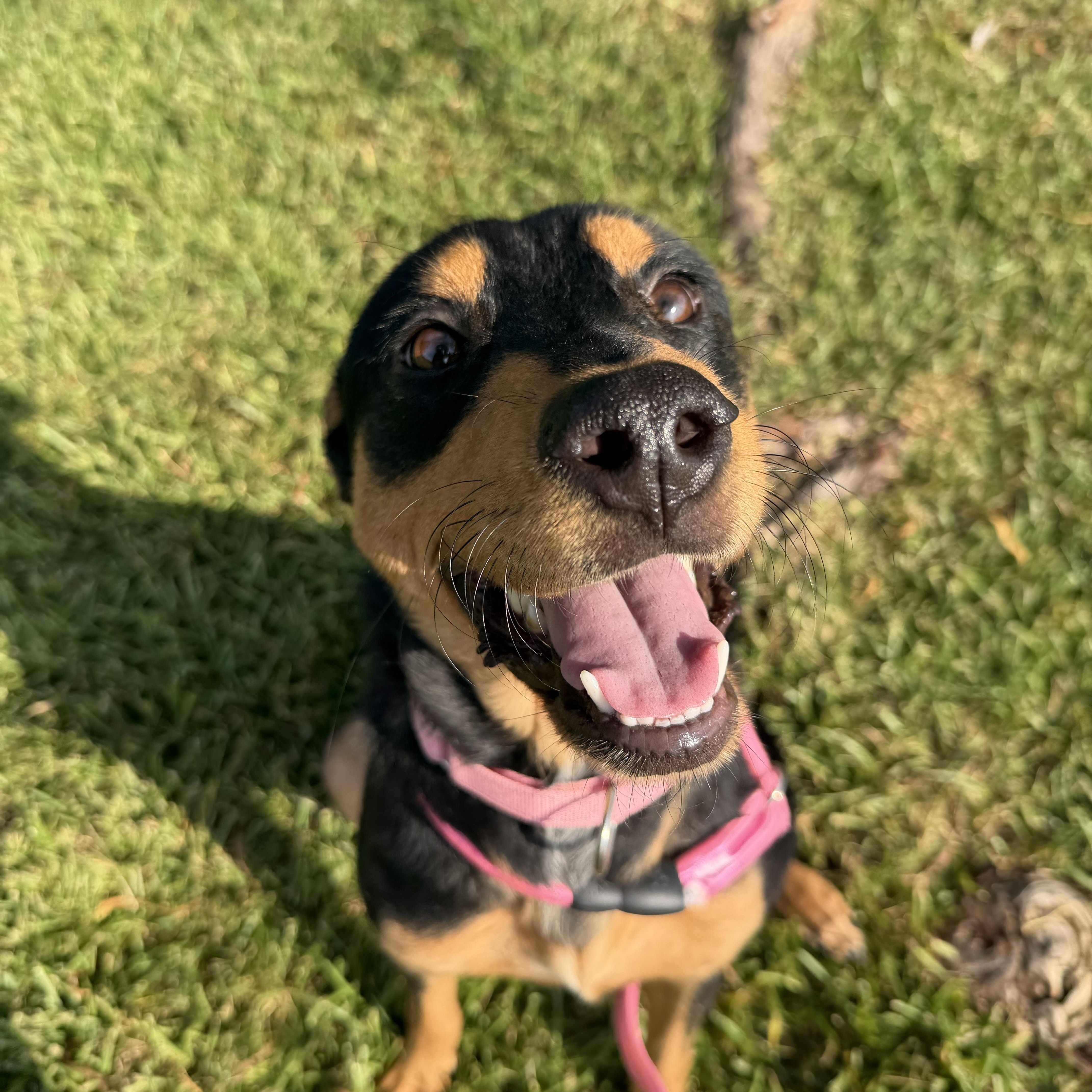
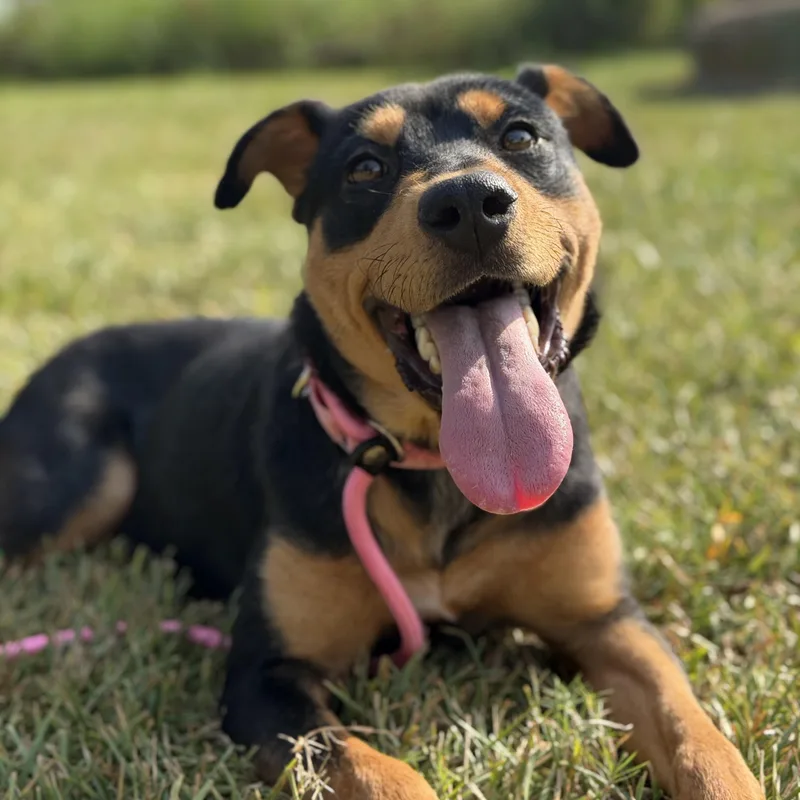
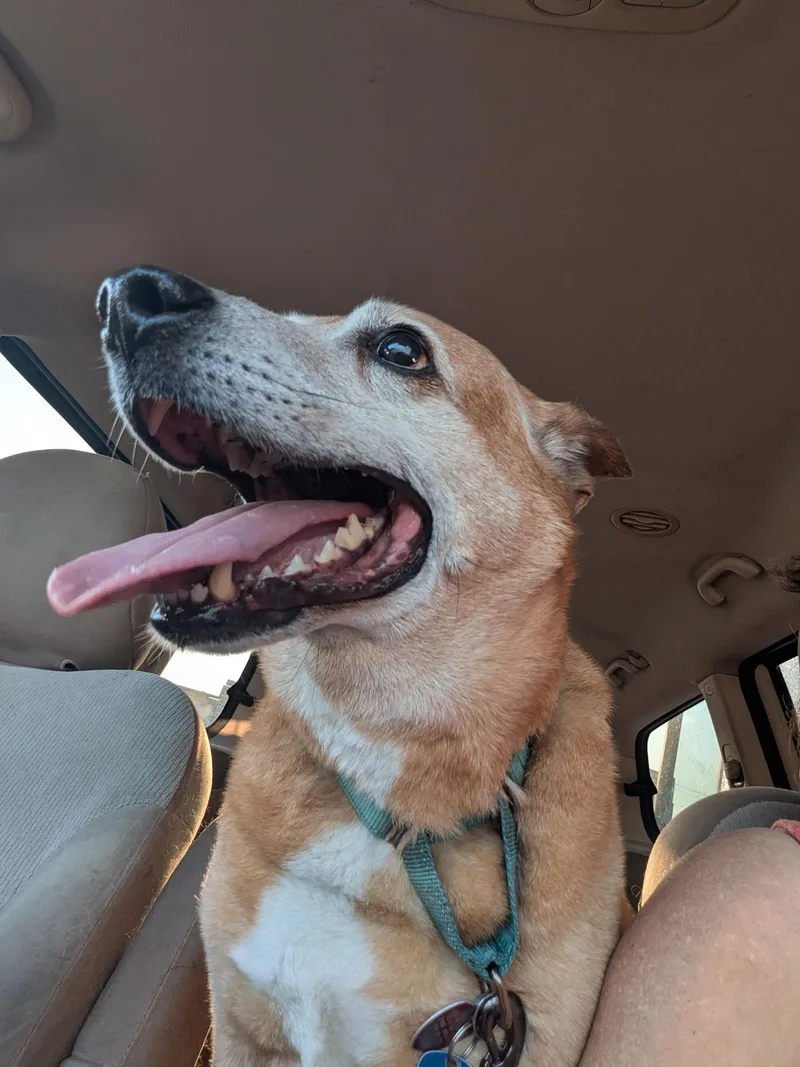
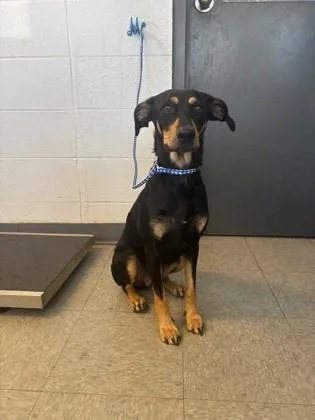
68 German Pinschers available in Seattle and nationwide

Give a German Pinscher a home

While we don't have enough dogs near Seattle, keep in mind that many rescues may offer transport.

German Pinschers Available for Adoption Near Seattle

About the German Pinscher breed

The German Pinscher is a smooth-coated German farm dog, originally kept to catch rats in stables and guard carriages. It's a close relative of the Standard Schnauzer and helped shape the Doberman and the Miniature Pinscher. It nearly vanished after World War II and is still uncommon today.

Expect a square, muscular dog of 25 to 45 pounds with a short, glossy coat in red or black and rust. German Pinschers are alert, quick-witted and loyal, but they're also determined, watchful with strangers and likely to chase small animals. Dogs vary, so a dog's own habits matter more than the breed label. Daily exercise, patient training and weekly brushing cover most of their care.

Weight
25–45 lbs
Height
17–20 in
Lifespan
12–14 yrs
Temperament
Alert, Energetic, Intelligent, Protective
Group
Working
Shedding
Low to Moderate

Owning a German Pinscher in Seattle

Having a German Pinscher in Seattle

In Seattle, a German Pinscher's biggest needs are daily exercise, mental work and a plan for rainy days. Its thin coat and quick reactions shape everything from walks to winter gear, though each dog's energy and sociability can differ.

Temperament

German Pinschers are typically confident, alert and devoted to their people, with a wary streak toward strangers. On busy Seattle sidewalks, early socialization helps them stay relaxed around passing dogs, bikes and strollers. Some are pushy with other dogs, and most notice squirrels and other small animals instantly, so a secure leash matters.

Exercise Needs

Plan on a brisk daily walk plus real running and brain games. Seattle's leashed parks suit loop walks, and the city's 16 off-leash areas give room to run; Magnuson Park's is the only one with water access. Fetch, flirt-pole games and scent work keep a dog busy on rainy days indoors.

Health Considerations

Hip dysplasia, cataracts and von Willebrand's disease, an inherited bleeding disorder, are documented in the breed. A veterinarian can check the hips and eyes and advise on clotting before any surgery. Seattle's damp months make thorough drying after walks a good habit, and regular checkups catch problems early.

Living Space

A German Pinscher can do well in a Seattle apartment or townhome if exercise is reliable. Agile jumpers can clear low fences, so a yard needs tall, secure fencing. The short coat gives little warmth, so this dog lives indoors with the family and may want a rain jacket or sweater.

What it costs to own a German Pinscher in Seattle

ExpenseTypical costPer year
Food$35 to $70 per month$420 to $840
Pet insurance$45 to $85 per month$540 to $1,020
Routine vet care$225 to $450 per year$225 to $450
Other*$470 to $1,195 per year$470 to $1,195
Estimated yearly total (after year one)$1,655 to $3,505

Other costs are estimates and vary with size, age and health.

* The $45 Seattle license for an altered dog, flea, tick and heartworm prevention, a dental cleaning allowance, toys and bedding, and occasional baths and brushing.

Adopt a German Pinscher in Seattle.

Now that you know more, let’s find you a new best friend. These rescues and shelters below have dogs available in and near Seattle.

Frequently Asked Questions

A German Pinscher can fit Seattle well if you're active and home often enough to give daily exercise and training. Hilly streets, rain and plenty of leashed parks suit a fit dog with a jacket. Coyote reports in many parks mean leashing at dawn and dusk, and noise-sensitive dogs may dislike July 4 fireworks. A dog's own personality matters most.

Yes, many German Pinschers adapt to Seattle apartments when daily exercise is reliable. Look for a building near a park or off-leash area, plan indoor games for rainy days, and practice calm greetings, since an alert dog may react to hallway noise. A 25-to-45-pound dog needs a real walk every day, not just a potty trip.

Yes, with some help. Seattle winters are cool and damp, rarely freezing all day, but a German Pinscher's short coat gives little insulation. A dry jacket for walks, towel-drying afterward and sleeping indoors keep the dog comfortable. Plan indoor games for the occasional snow or ice day, when hilly streets get hard to walk.

For long leashed walks, try Discovery Park's 560 acres, though the Wolf Tree Nature Trail is off-limits to dogs. Magnuson Park has more than four miles of trails plus its off-leash area, and the Burke-Gilman Trail suits steady leashed miles. Dogs aren't allowed on city beaches, so skip the shoreline sand.

Yes, on some services. King County Metro buses allow dogs: small dogs ride free on a lap, while larger dogs ride on the floor with a paid fare, at the driver's discretion. Sound Transit is piloting leashed dogs on Link light rail through spring 2027; otherwise only carried pets in small containers are allowed. The Water Taxi takes leashed or crated dogs.

Sometimes, on patios only. Washington's food code lets pet dogs into outdoor dining areas when the restaurant has a health-department-approved plan, and indoor dining rooms generally don't allow them. Not every patio qualifies, so confirm before you sit down. Keep your German Pinscher leashed, off chairs and out of the indoor area.

Very little. Weekly brushing keeps the short coat glossy, with occasional baths. Seattle's wet weather adds a routine of towel-drying the coat, paws and belly after walks. Professional grooming is optional and falls at the low end of the Other costs, which run about $470 to $1,195 a year including the license, parasite prevention and dental care.

Yes, German Pinschers shed, but only lightly to moderately. Their short, smooth coat drops small hairs year-round, with slightly more during seasonal changes. Weekly brushing with a rubber curry or grooming mitt removes most loose hair and keeps the coat shiny. Compared with double-coated breeds, cleanup is easy, though short hairs can still cling to fabric.

German Pinschers are not aggressive by nature, and the breed standard penalizes unprovoked attacks. They are fearless, protective and wary of strangers, though, and some can be pushy or reactive with other dogs. Good socialization from an early age, steady training and enough exercise make a big difference. An adopted adult's history is the best guide to its behavior.

A German Pinscher in Seattle typically costs roughly $1,650 to $3,500 a year across food, insurance, routine vet care and other items. Food runs about $35 to $70 a month and insurance $45 to $85. Routine vet care adds $225 to $450 a year, and other costs $470 to $1,195. Emergencies and illness aren't included.