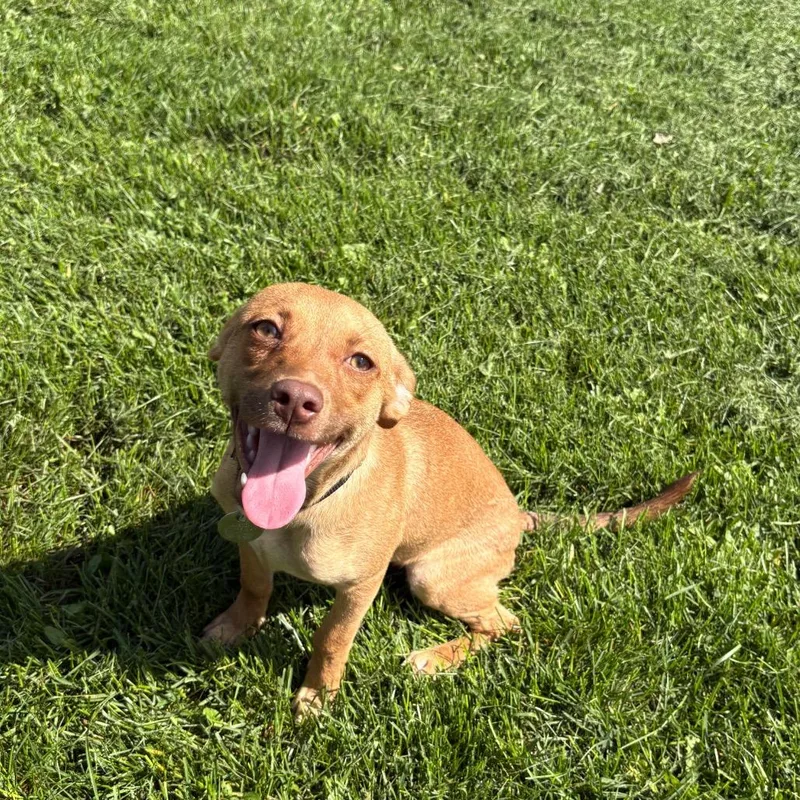
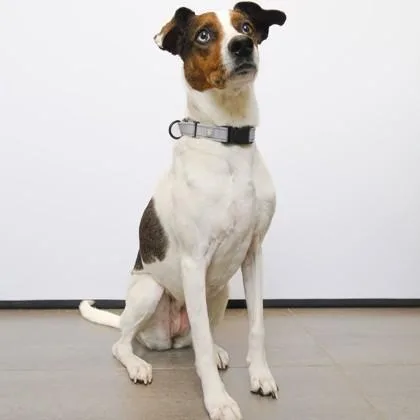
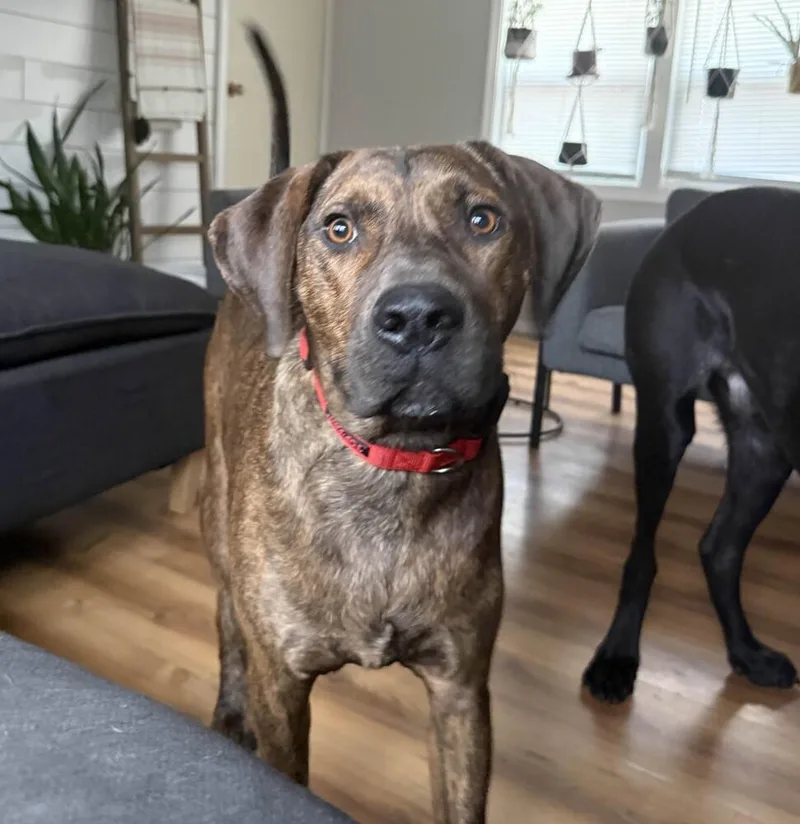
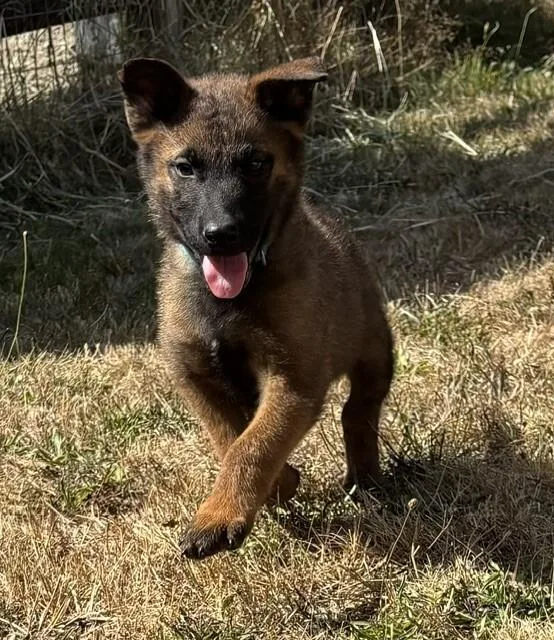
Catahoula Leopard Dogs for Adoption in Seattle, WA

Your guide to finding and caring for a Catahoula Leopard Dog in Seattle

A Catahoula Leopard Dog fits Seattle best in a house with a secure yard, such as the single-family streets of Wedgwood, rather than a Belltown tower. Catahoulas are athletic and watchful, and they need real work, not just a lap around the block. Magnuson Park's off-leash area gives a dog like this room to run beside Lake Washington, and Carkeek Park's forested trails add variety. Expect towel-off evenings in the rainy months.

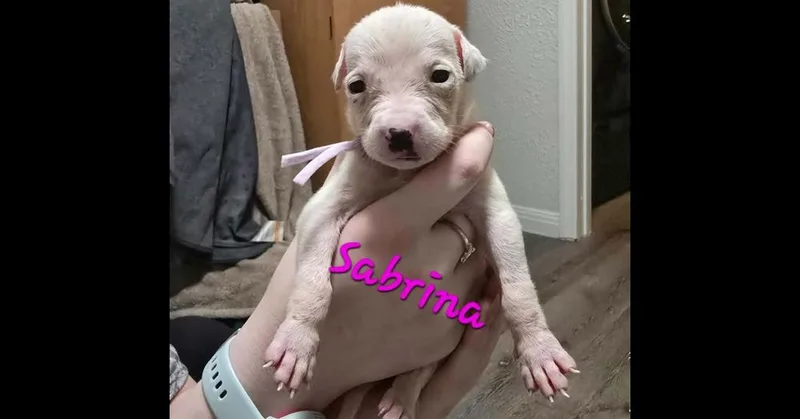
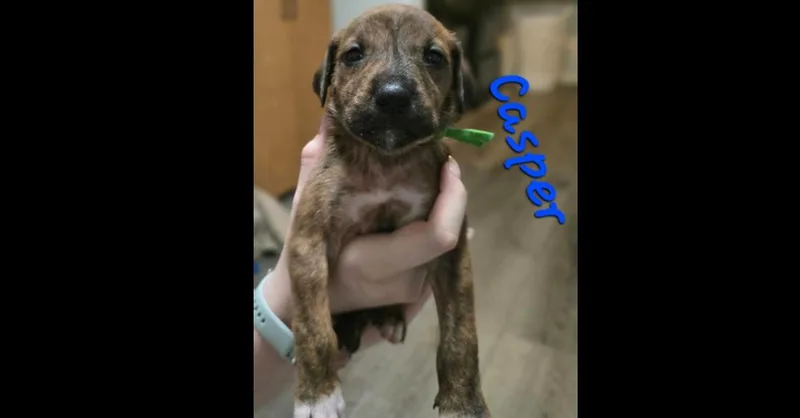
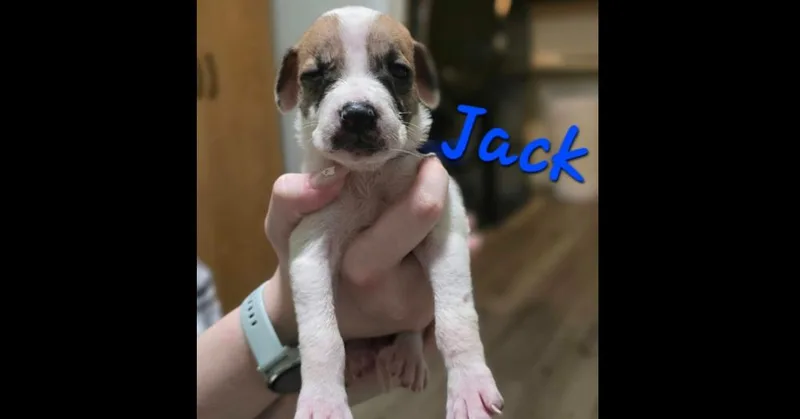
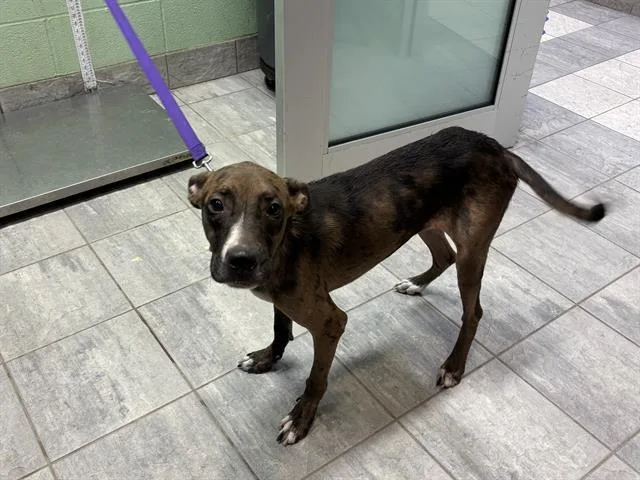
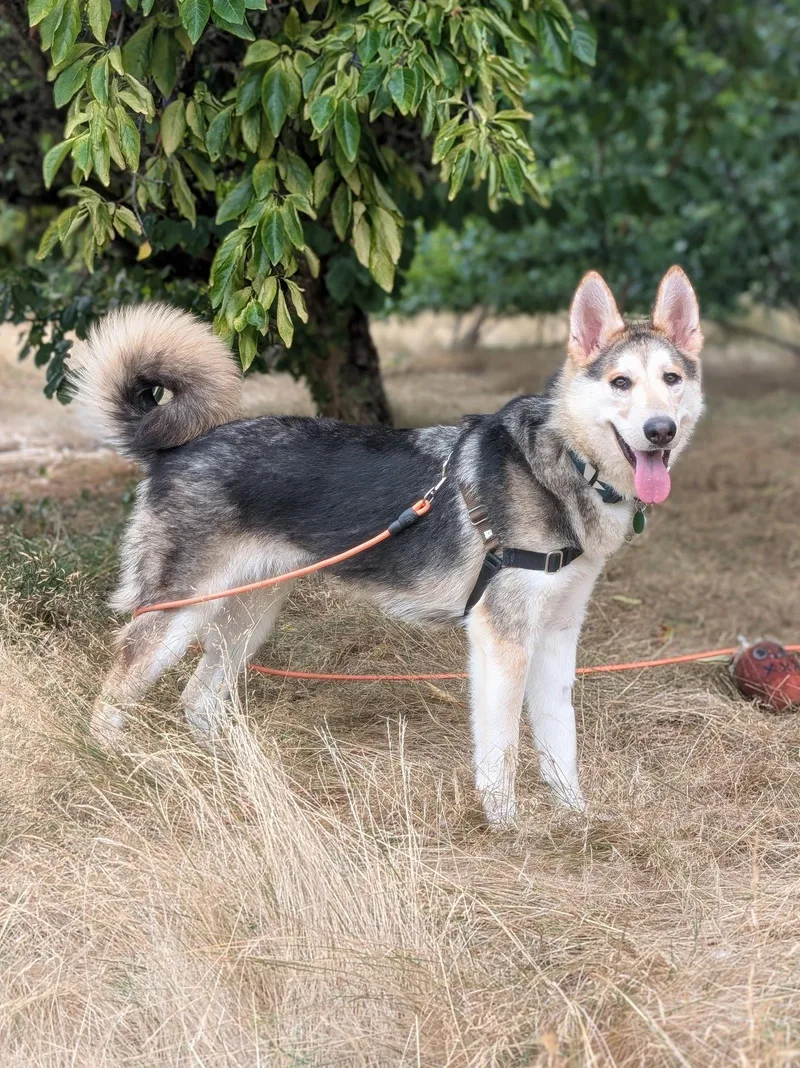
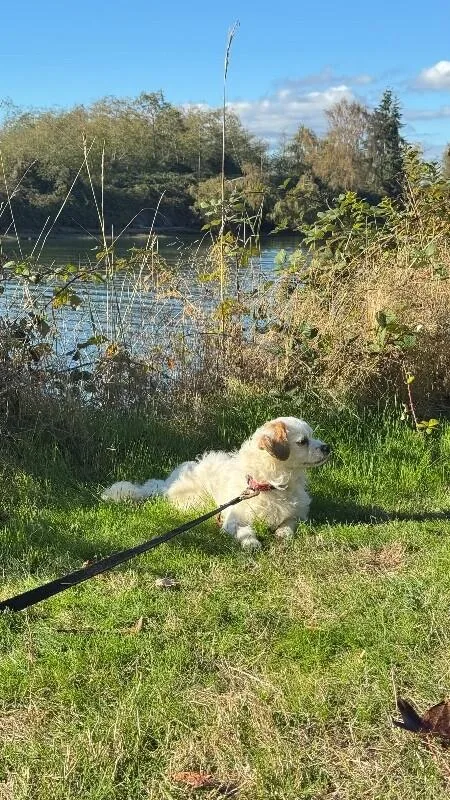
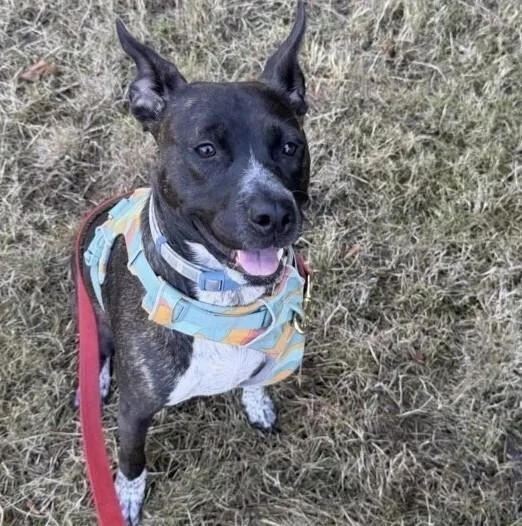
1595 Catahoula Leopard Dogs available in Seattle and nationwide

Give a Catahoula Leopard Dog a home

While we don't have enough dogs near Seattle, keep in mind that many rescues may offer transport.

Catahoula Leopard Dogs Available for Adoption Near Seattle

About the Catahoula Leopard Dog breed

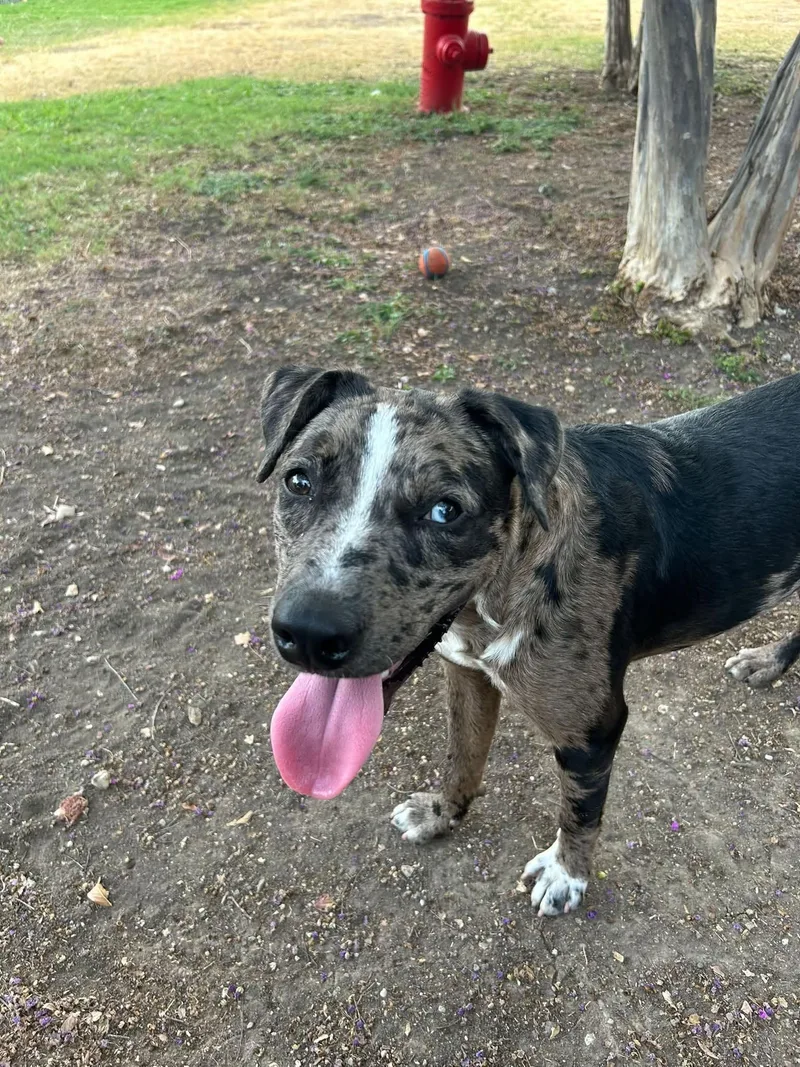
The Catahoula Leopard Dog comes from Louisiana, where it was developed to find and hold feral hogs and to gather semi-wild cattle. Working ability mattered more than looks, so size, build and color vary a lot. Many wear a merle "leopard" coat, sometimes with pale blue or mismatched eyes, but brindle and solid dogs are common as well.

In Seattle, that working background shows up as a need for vigorous daily exercise and a job for the brain. Catahoulas are loyal to their families, often reserved with strangers, and some are picky about other dogs. Many dogs labeled Catahoula are mixes, so a dog's actual behavior and energy matter more than the label. Plan on training and socialization from the first week, with a steady routine at home.

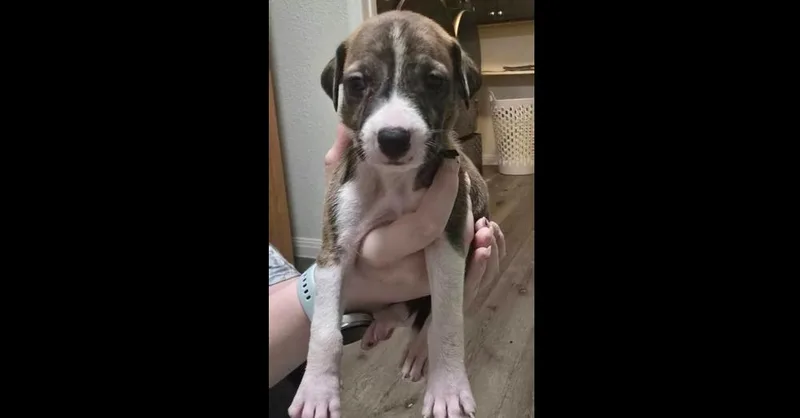
Weight
50–95 lbs
Height
20–26 in
Lifespan
10–14 yrs
Temperament
Energetic, Independent, Protective
Group
Herding
Shedding
Moderate

Owning a Catahoula Leopard Dog in Seattle

Having a Catahoula Leopard Dog in Seattle

Stamina, problem-solving and a watchful streak define the Catahoula, and Seattle's wet weather, hills and off-leash areas shape how those traits play out. Coat pattern matters for health too, since merle coloring carries hearing and eye risks worth knowing before you adopt.

Temperament

Catahoulas are often devoted to their own people and reserved with strangers, which can mean careful introductions in a busy Seattle apartment hallway or on crowded trails. Some are selective with other dogs. Every Catahoula differs, so watch how the dog handles new people, noises and other dogs, and keep training steady and reward-based.

Exercise Needs

Plan on an hour or more of vigorous activity daily. Seattle helps with Magnuson Park's off-leash area, the 2.8-mile Green Lake loop on leash and miles of the Burke-Gilman Trail. Add scent games or puzzle feeders for rainy days, because a bored Catahoula may dig, chew or bark. Leash the dog everywhere outside off-leash areas.

Health Considerations

Deafness and eye defects are linked to merle coloring, especially in dogs with a lot of white, and hip dysplasia occurs too. A veterinarian can check hearing, eyes and hips soon after adoption. In Seattle's wet months, dry the ears and paws after walks, and keep up regular parasite prevention year-round.

Living Space

Many Seattle homes are rentals, and a large, athletic Catahoula can manage in an apartment only with dependable daily exercise. A house with a securely fenced yard is easier, since many Catahoulas jump and dig. The dog should live indoors with the family, not outside, and visitors need slow introductions.

What it costs to own a Catahoula Leopard Dog in Seattle

ExpenseTypical costPer year
Food$55 to $110 per month$660 to $1,320
Pet insurance$55 to $110 per month$660 to $1,320
Routine vet care$250 to $500 per year$250 to $500
Other*$520 to $1,295 per year$520 to $1,295
Estimated yearly total (after year one)$2,090 to $4,435

Other costs are estimates and vary with size, age and health.

* Flea, tick and heartworm prevention, a dental cleaning allowance, the $45 Seattle dog license for an altered dog, toys and bedding, and basic brushing supplies.

Adopt a Catahoula Leopard Dog in Seattle.

Now that you know more, let’s find you a new best friend. These rescues and shelters below currently have Catahoula Leopard Dogs available.

Frequently Asked Questions

Yes, with some rules. King County Metro buses allow dogs: small dogs ride free on a lap, while larger dogs like most Catahoulas ride on the floor with a paid fare, at the driver's discretion. Sound Transit is piloting leashed dogs on Link light rail through spring 2027. Keep the dog leashed, off seats and out of aisles.

Yes, most can. Seattle winters are wet more than cold, and days that stay below freezing are rare. A Catahoula's short coat dries quickly but doesn't insulate much, so a jacket helps on windy, rainy walks. Dry the dog's paws, avoid ice-melt chemicals and have indoor games ready for the occasional snow day on Seattle's hills.

Magnuson Park is the standout: its off-leash area has Lake Washington access, and the park has more than four miles of trails. For leashed hikes, Carkeek Park has about six miles of forested trails, and Seward Park has a 2.4-mile shoreline path. Dogs must be leashed outside off-leash areas and aren't allowed on city beaches.

Yes. Seattle has no breed bans, and Washington law limits breed-based rules. You'll need a city license, a current rabies vaccination and a leash whenever the dog is off your property. State law also limits tethering, and dogs under six months can't be tethered. Renters should read their building's pet policy first.

It's possible, but it's a stretch for many. Seattle landlords can limit pets and charge pet rent, and a large, athletic Catahoula needs hard daily exercise plus mental work. Living near Green Lake or Magnuson Park makes that easier. Without a yard, plan on several long outings a day, and expect a watchful dog that may bark at hallway noise.

It can be, for active people with time for daily outings. Seattle offers trails, off-leash areas and mild temperatures that suit an energetic dog. The challenges are rain and mud, a wary nature around crowded sidewalks and finding housing that welcomes a large dog. Adopters who are away from home for long days may find it hard to keep a Catahoula content.

Sometimes, on patios. Washington's food code lets dogs join you in outdoor dining areas when the restaurant has an approved plan with the health department, but indoor dining rooms generally don't allow pet dogs. Keep the dog leashed, under the table and off chairs, and practice calm settling at home first, since many Catahoulas are wary of passing strangers.

Very little. The short coat needs a weekly brush, a bit more during shedding seasons. Seattle's rain means more towel-drying and paw wiping than brushing, plus regular ear checks and nail trims. Most owners handle this at home, which is why professional grooming stays a small part of the yearly Other costs, with an occasional bath after muddy hikes.

We have 2 rescues with Catahoula Leopard Dogs available: Seattle Animal Shelter and Saving Great Animals WA. You can see every rescue with Catahoula Leopard Dogs available in the list above these questions, or scroll to the top to see the Catahoula Leopard Dogs near Seattle.

Most Catahoula owners in Seattle can expect roughly $2,090 to $4,435 a year in total. That covers food at $55 to $110 a month, insurance at $55 to $110 a month, routine vet care at $250 to $500 a year and other costs of $520 to $1,295 a year.