Black Russian Terrier Dogs for Adoption in Seattle, WA

Your guide to finding and caring for a Black Russian Terrier in Seattle

A Black Russian Terrier fits Seattle best in a house with a fenced yard, like the single-family streets of Wedgwood. These are big, watchful dogs, so a quiet block and a daily outing matter more than a trendy address. Magnuson Park's off-leash area gives a water-loving Black Russian a chance to swim in Lake Washington, and the rainy climate means keeping a towel by the door. Expect a lot of dog: 80 to 130 pounds, with a beard that soaks up everything.

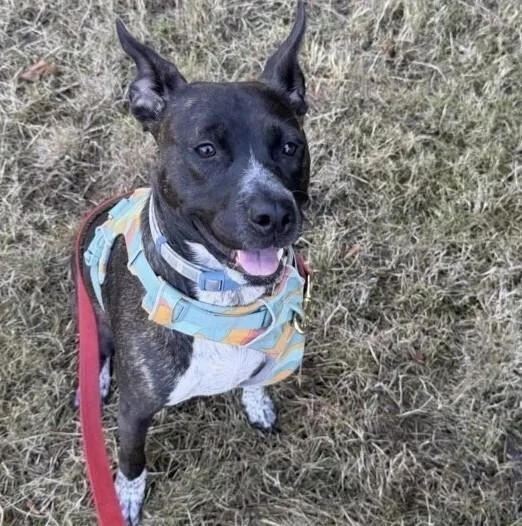
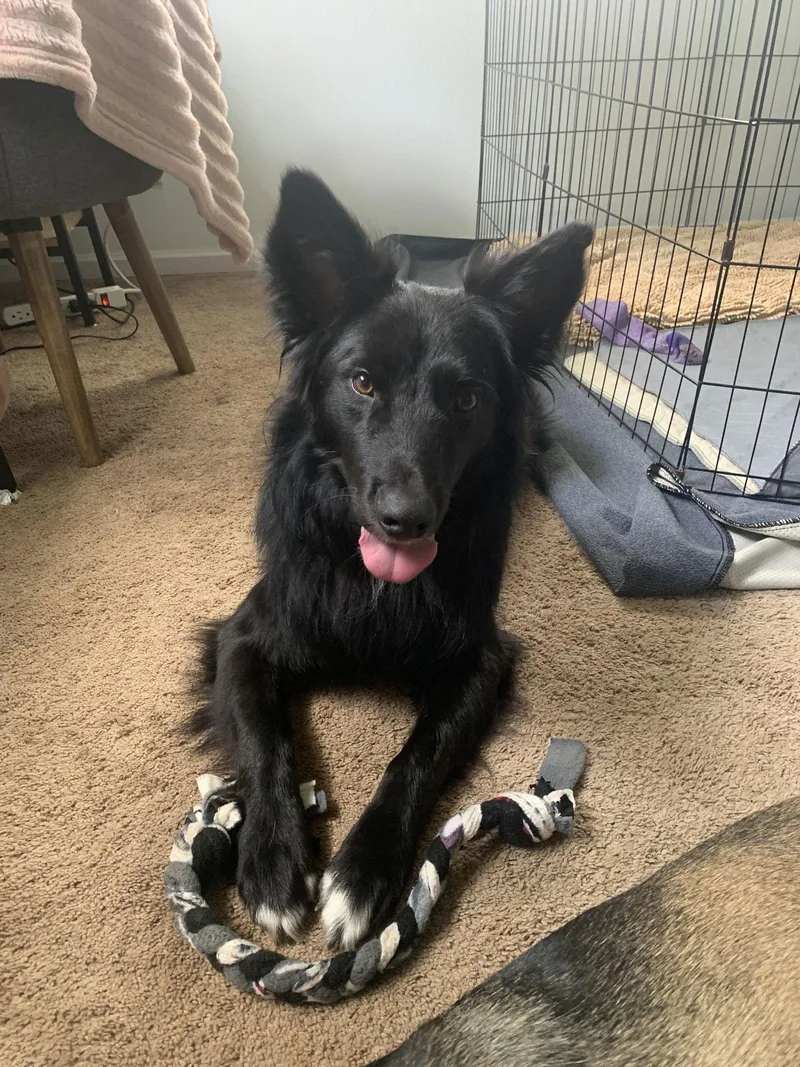
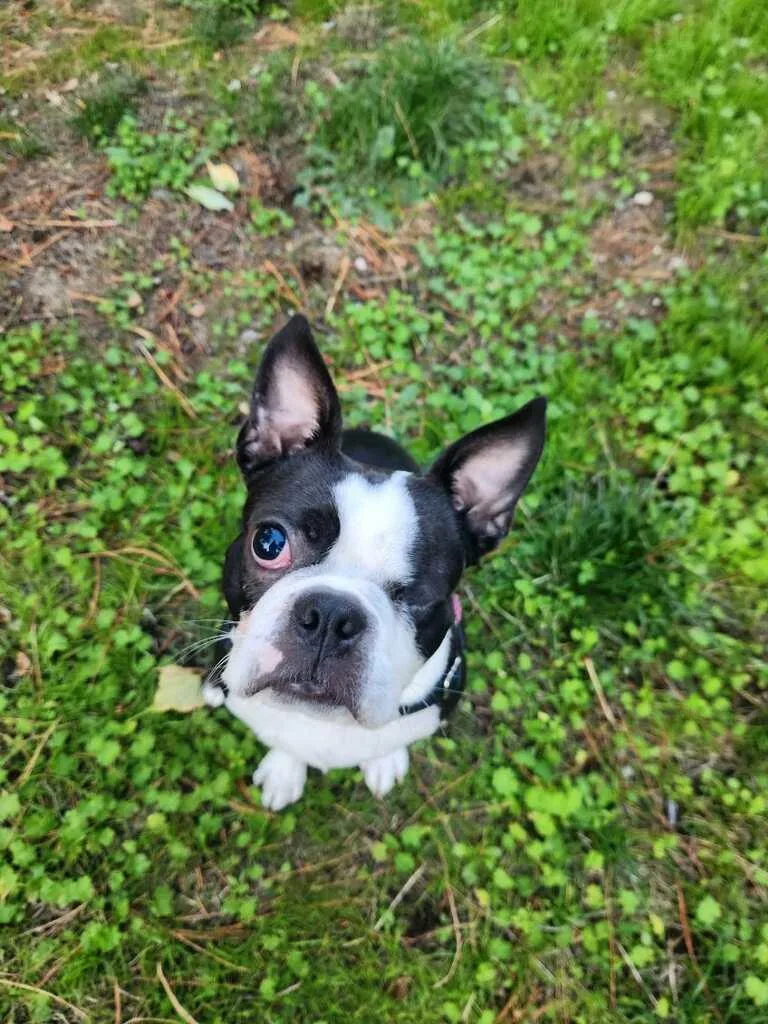
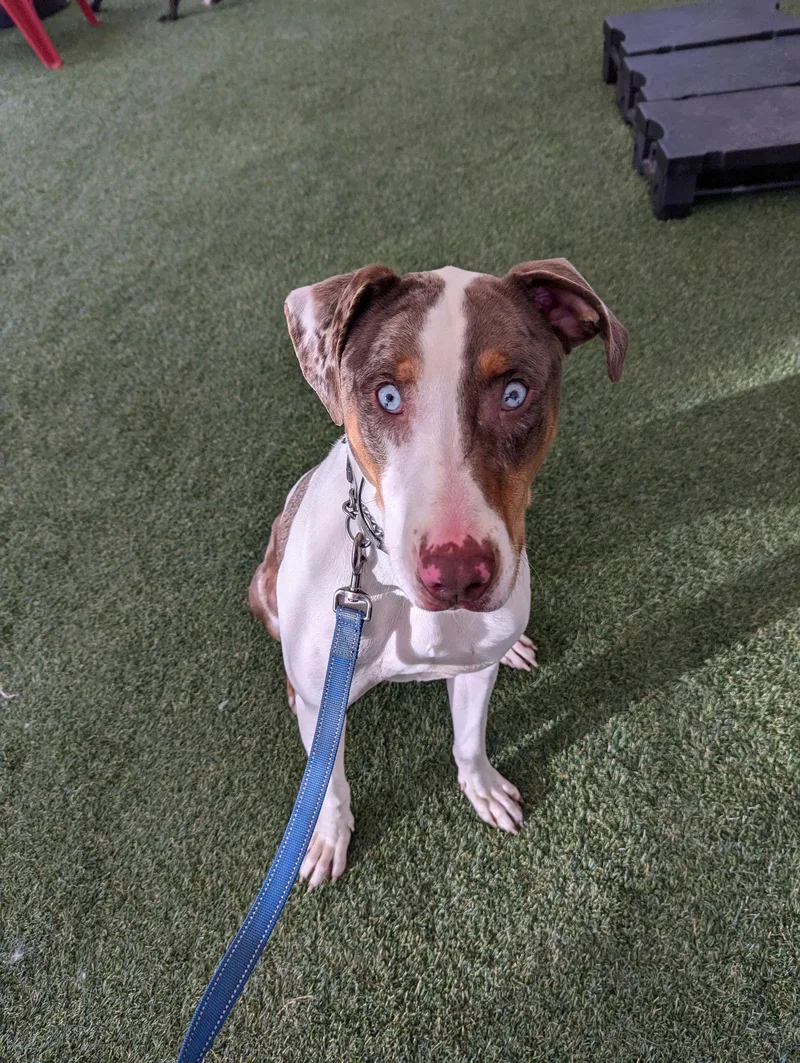
2696 dogs similar to Black Russian Terrier available in Seattle and nationwide

Find your Black Russian Terrier

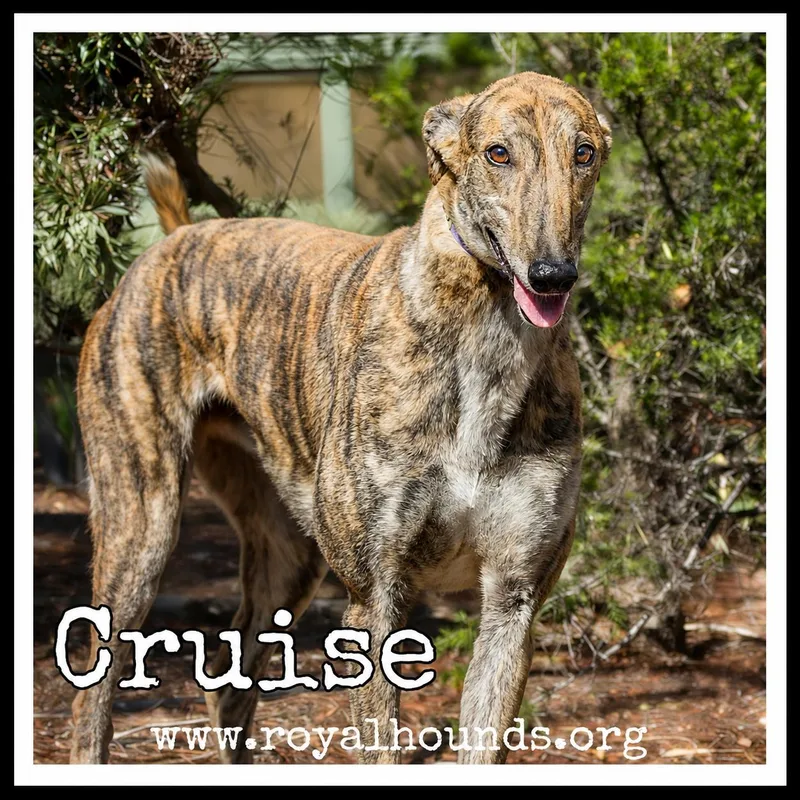
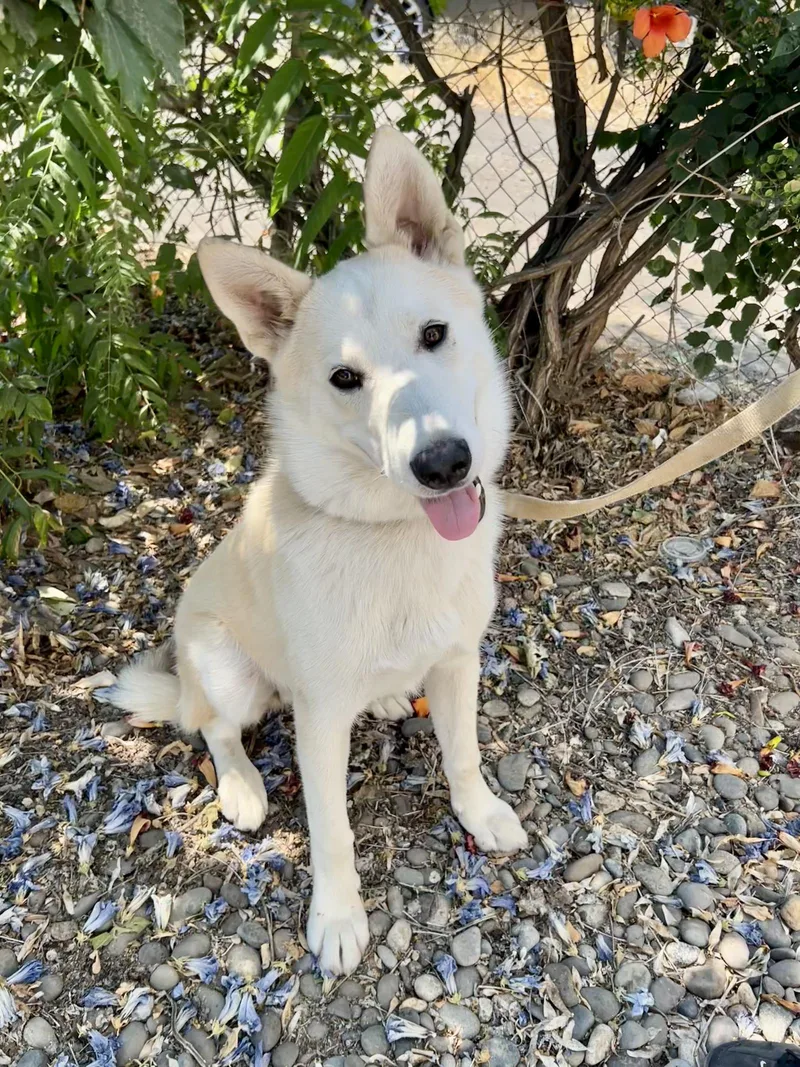
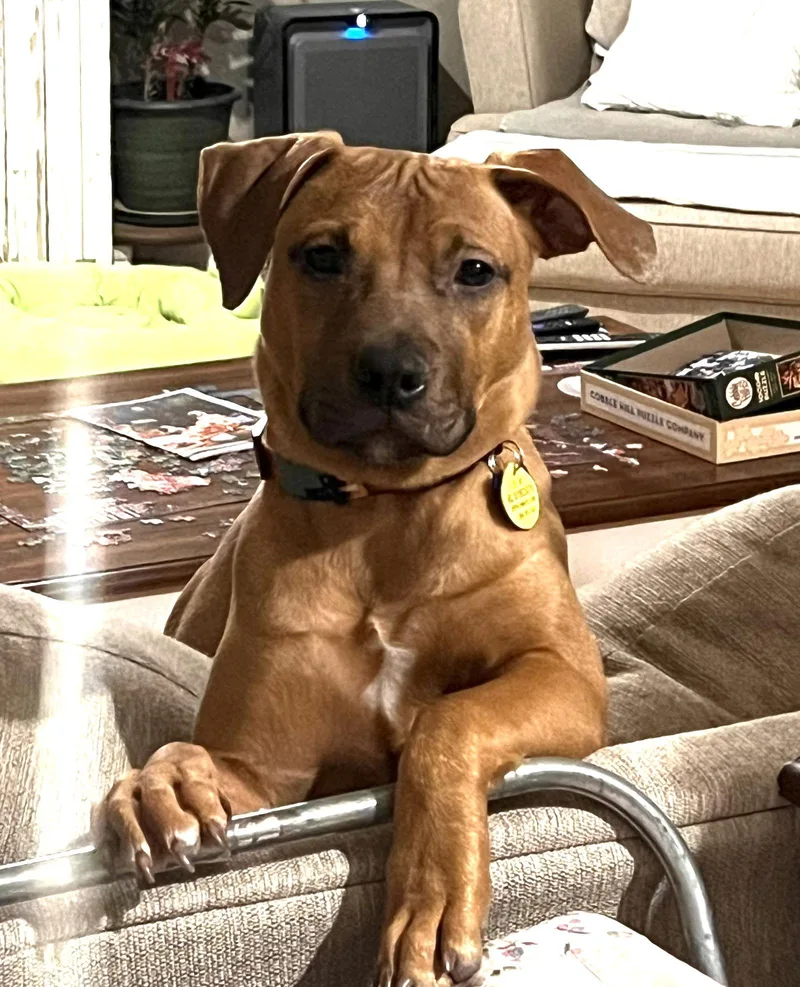
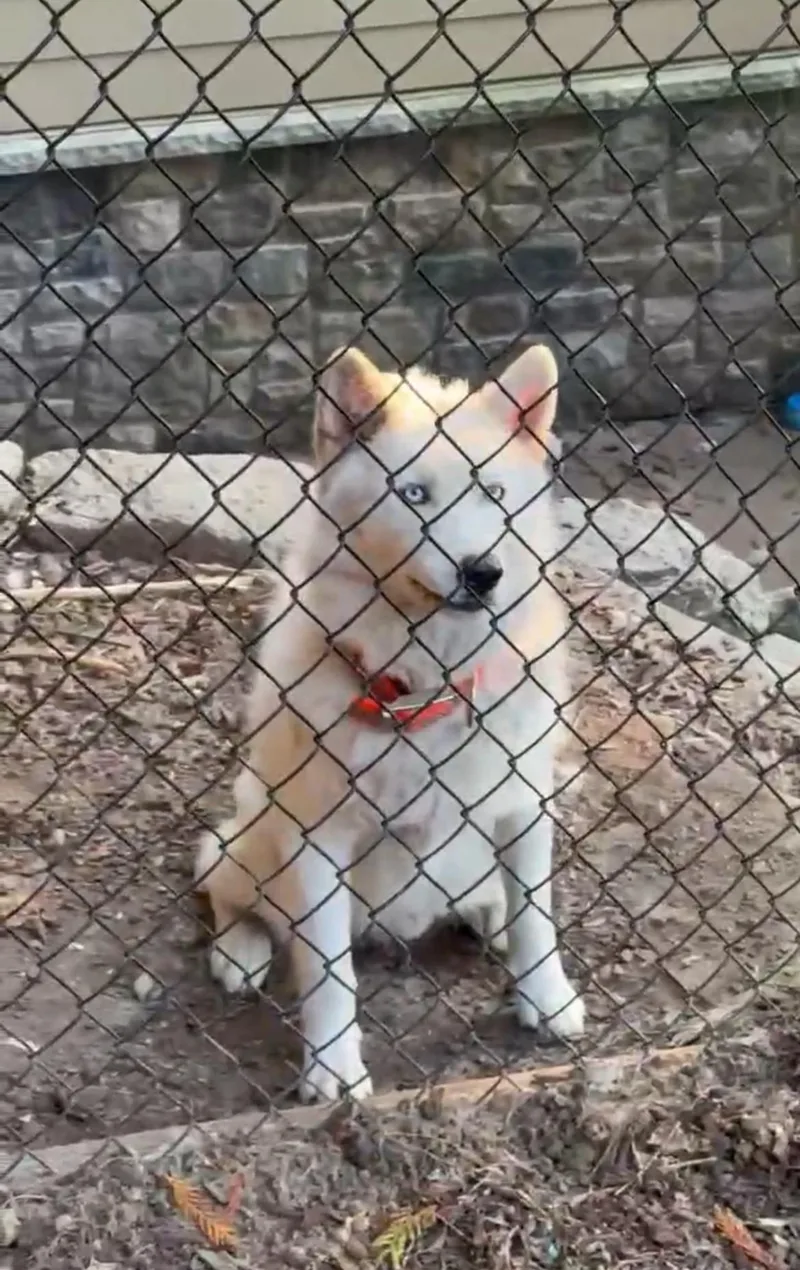
Black Russian Terriers and Similar Breeds Available for Adoption Near Seattle

About the Black Russian Terrier breed

The Black Russian Terrier isn't a true terrier. It was developed in the late 1940s and 1950s at the Soviet Army's Red Star Kennel as a hardy working and guard dog, drawing on about 17 breeds that include the Giant Schnauzer, Airedale, Rottweiler and Newfoundland. The result is a heavy-boned dog with a wavy black double coat, a bearded muzzle and eyebrows that fall over the eyes.

Many Black Russians are calm, confident and devoted to their families, though they tend to stay aloof with strangers. They're intelligent and usually take well to training, but their size and protective streak call for a consistent handler and plenty of socialization. The low-shedding coat still needs regular brushing and professional trims, and dogs vary in how much of the guardian instinct they show.

Weight
80–130 lbs
Height
26–30 in
Lifespan
10–12 yrs
Temperament
Confident, Protective, Loyal
Group
Working
Shedding
Low

Owning a Black Russian Terrier in Seattle

Having a Black Russian Terrier in Seattle

A Black Russian Terrier pairs a guardian's watchfulness with a steady, family-centered nature. In Seattle, its size, training needs and rain-soaked coat shape daily life, so weigh experience and time as carefully as space.

Temperament

Black Russians tend to be calm, self-assured and devoted to their own people, and many are reserved with strangers. On busy Seattle sidewalks and in apartment hallways, that reserve makes early socialization and calm, reward-based training important. Every dog differs, and a rescue dog's own behavior tells you more than breed reputation.

Exercise Needs

Plan on two good walks a day plus play, and many Black Russians enjoy swimming and hiking. Seattle's Green Lake loop is 2.8 miles on a leash, and Magnuson Park's off-leash area offers lake access. Skip hard running around mealtimes because of bloat risk, and give the dog a job, such as training games.

Health Considerations

Black Russians can face hip and elbow dysplasia, progressive retinal atrophy, bladder stones and juvenile laryngeal paralysis, and like other deep-chested giants they're at risk of bloat. A veterinarian can check the joints and overall health after adoption. Keeping the dog lean protects its joints, and Seattle's rain makes drying the beard and coat worthwhile.

Living Space

A house with a securely fenced yard suits most Black Russians, though a calm adult can manage a townhouse or apartment with reliable daily exercise. Expect a big dog taking up floor and sofa space. Seattle's hilly streets and stairs add effort, so a veterinarian's joint check is a smart early step.

What it costs to own a Black Russian Terrier in Seattle

ExpenseTypical costPer year
Food$80 to $160 per month$960 to $1,920
Pet insurance$85 to $170 per month$1,020 to $2,040
Routine vet care$250 to $500 per year$250 to $500
Other*$1,070 to $2,795 per year$1,070 to $2,795
Estimated yearly total (after year one)$3,300 to $7,255

Other costs are estimates and vary with size, age and health.

* The $45 Seattle license for an altered dog, flea, tick and heartworm prevention, a dental cleaning allowance, toys and bedding, professional trims every 6–8 weeks, and joint supplements.

Adopt a Black Russian Terrier in Seattle.

Now that you know more, let’s find you a new best friend. These rescues and shelters below have dogs available in and near Seattle.

Frequently Asked Questions

Yes, Seattle has no breed bans, and Washington law limits breed-based rules statewide. You'll need a city dog license, a current rabies vaccination, and a leash whenever you're off your own property. State law also limits tethering, so a yard needs real fencing rather than a tie-out, and it bars leaving dogs in hot or cold cars.

A calm adult Black Russian can live in a Seattle apartment if daily exercise is reliable, but a giant dog narrows the choices. Look for elevator or ground-floor access, since 80 to 130 pounds is hard to carry up stairs, and a park within easy walking distance for two daily outings. Landlords can limit the number of pets, so read the lease first.

Magnuson Park's off-leash area suits a Black Russian that likes to swim, since it's the only one in the city with water access. Westcrest Park and Dr. Jose Rizal Park give more room to run. For leashed walks, try Green Lake's loop or Discovery Park. Off-leash areas require a licensed, vaccinated dog, and protective dogs do best at quieter hours.

Yes, with limits. King County Metro buses allow dogs: small dogs ride free on a lap, while larger dogs ride on the floor with a paid fare, at the driver's discretion. A Black Russian won't fit on a lap, so expect to pay. Sound Transit is piloting leashed dogs on Link through spring 2027, and the Water Taxi allows leashed dogs.

Mostly yes. Cool, damp weather suits a thick double coat better than heat does, and Seattle sees only a few days a year at 90°F. The challenges are mud, wet beards, the occasional heat wave and smoky late-summer days. Dry the coat after rainy walks, and shift summer exercise to early morning or evening.

Plan on brushing a few times a week and a professional trim about every 6 to 8 weeks. Seattle's rain adds towel-drying the beard, belly and paws after walks, since damp, muddy coats can mat. Professional trims are part of the Other costs in the budget above, which run roughly $1,070 to $2,795 a year alongside prevention and supplements.

Sometimes, on patios only. Washington's food code generally keeps dogs out of restaurants, but a restaurant with a health-department-approved plan can allow pet dogs in outdoor dining areas, usually leashed, off furniture and away from the indoor area. Not every patio qualifies, so don't count on access. A giant dog also needs plenty of room under the table.

Black Russian Terriers can be good family dogs for experienced owners. Many are affectionate, calm and protective with their own families and gentle with children they are raised with. Their size and guarding instincts mean they need training, socialization and supervision around visiting kids. An adult rescue with a known history in a family home can be a strong match.

No, Black Russian Terriers are not truly hypoallergenic, since no dog is free of allergens. Their coat sheds little, so they drop less hair around the house than many breeds, which helps some people with mild allergies. Dander and saliva still cause reactions, so spend time with the specific dog before adopting if anyone has allergies.

Budget roughly $3,300 to $7,250 a year for a Black Russian Terrier in Seattle. That covers food at $80 to $160 a month, insurance at $85 to $170 a month, routine vet care at $250 to $500 a year, and other costs of $1,070 to $2,795 a year, mostly grooming and prevention.