American Eskimo Dogs for Adoption in Seattle, WA

Your guide to finding and caring for an American Eskimo Dog in Seattle

American Eskimo Dogs fit Seattle's walkable, apartment-heavy neighborhoods well, as long as the barking is managed. A toy or miniature Eskie can handle a Wallingford apartment or a Columbia City townhome, and a standard-sized one will enjoy laps around Green Lake. Eskies are alert and will announce every delivery and passerby, so thin walls matter. That white double coat does fine in Seattle's drizzle, though you'll be drying paws and brushing out mud. Eskies want company, so they suit people who are home a lot.

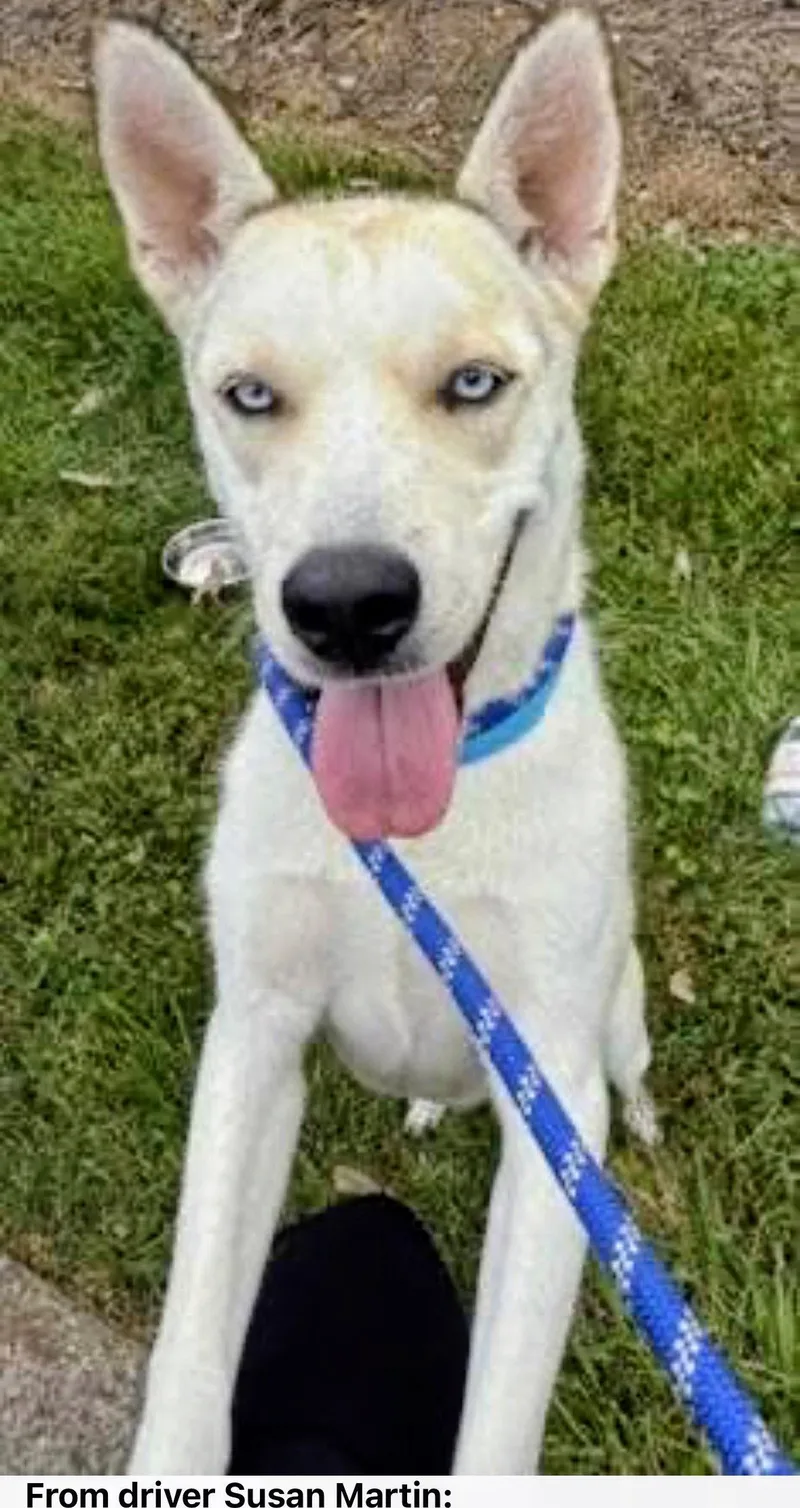
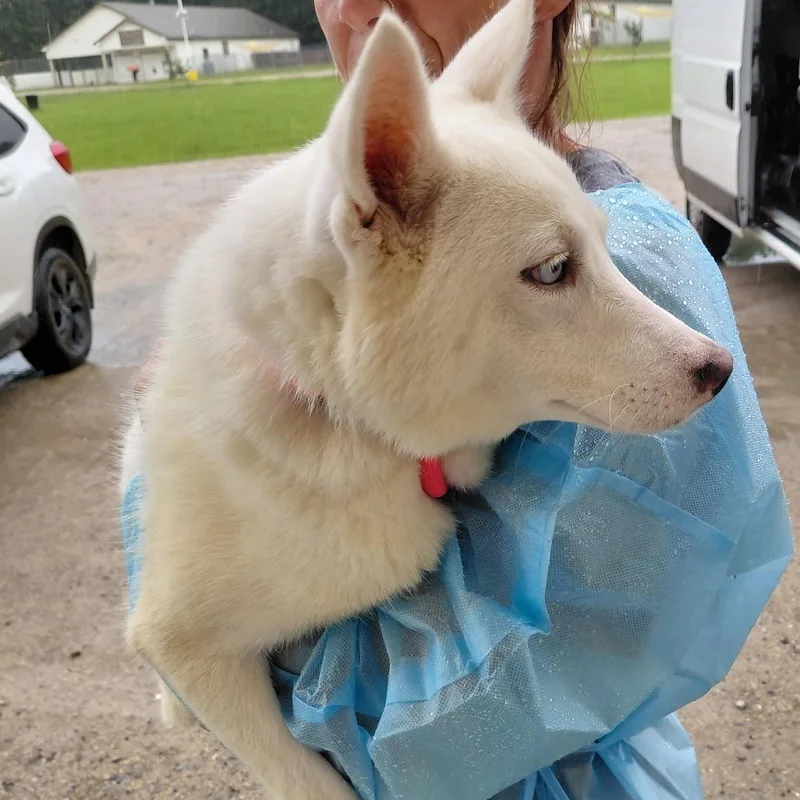
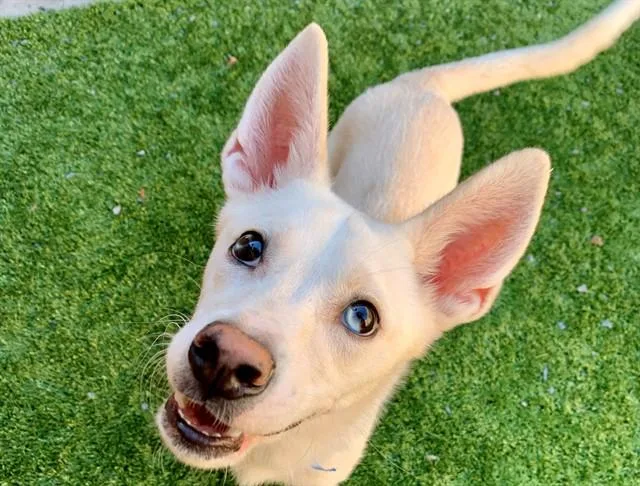
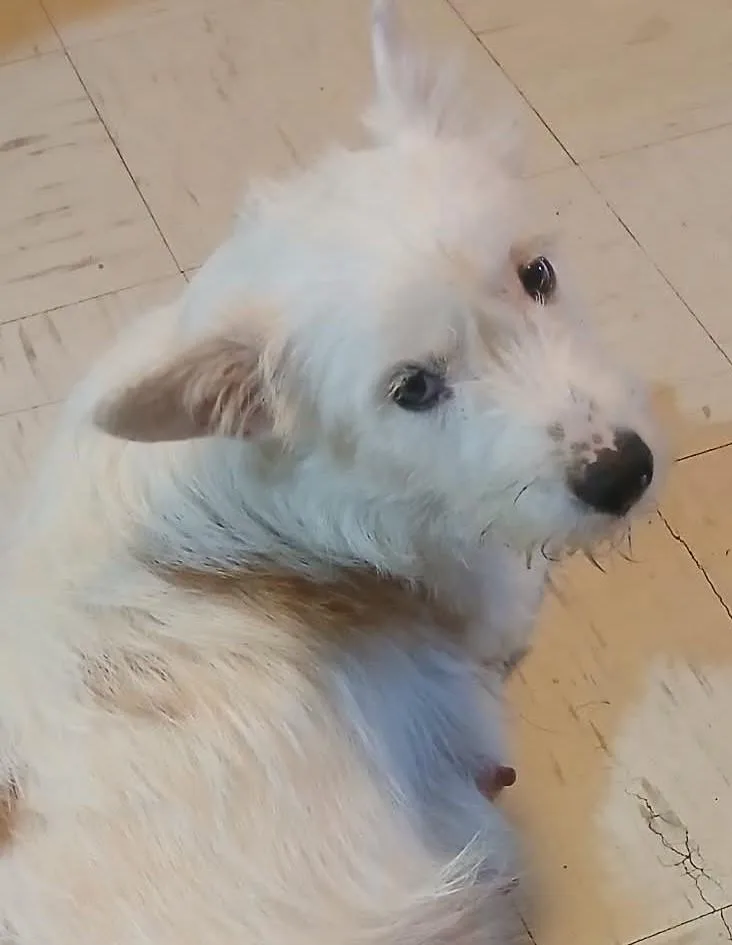
64 American Eskimo Dogs available in Seattle and nationwide

An American Eskimo Dog is ready for you

While we don't have enough dogs near Seattle, keep in mind that many rescues may offer transport.

American Eskimo Dogs Available for Adoption Near Seattle

About the American Eskimo Dog breed

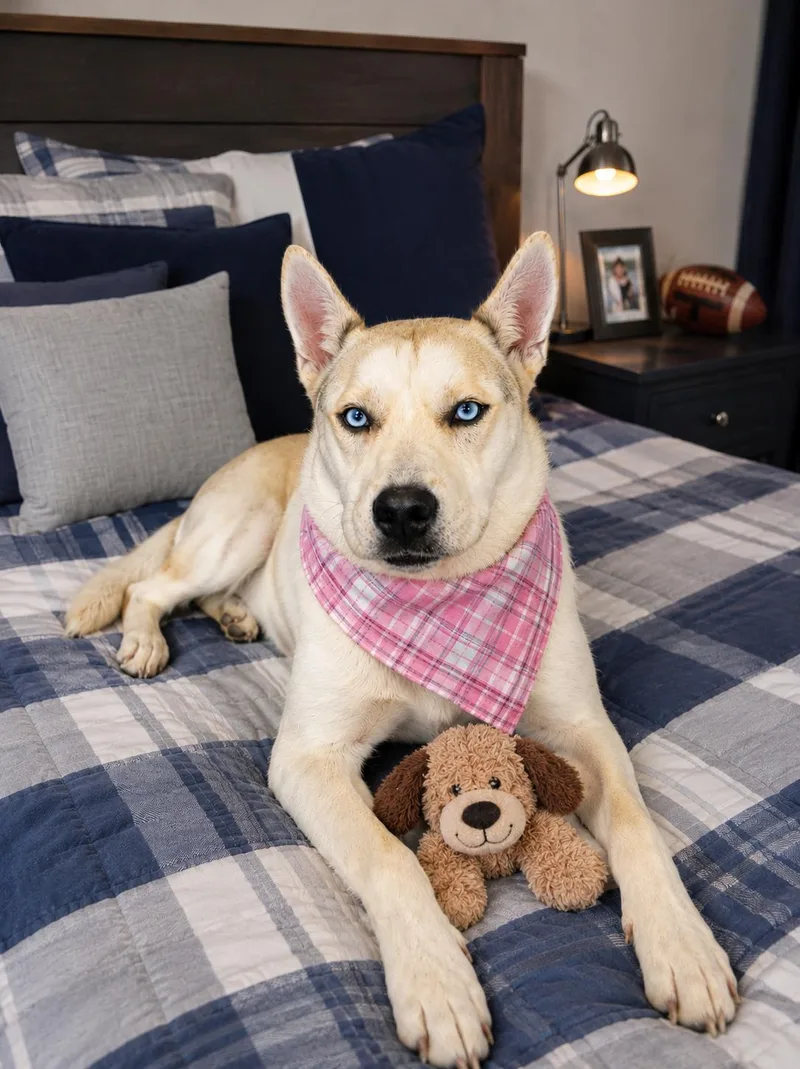
The American Eskimo Dog has nothing to do with Arctic sled dogs. It descends from white German Spitz dogs that immigrants brought to the US in the early 1900s, and the name changed during World War I. Eskies later became circus performers, and that showmanship still shows in how quickly many of them learn tricks. They come in toy, miniature and standard sizes, roughly 6 to 35 pounds.

In Seattle, size is the main thing that shapes daily life. Smaller Eskies fit condos and apartments easily, while standards want more room and more exercise. Expect a thick white double coat that sheds heavily, a watchdog streak that means plenty of barking, and some reserve with strangers. Every Eskie varies, but most thrive on training, routine and company, and they don't enjoy long days alone.

Weight
6–35 lbs
Height
9–19 in
Lifespan
13–15 yrs
Temperament
Intelligent, Alert, Playful, Vocal
Group
Non-Sporting
Shedding
High

Owning an American Eskimo Dog in Seattle

Having an American Eskimo Dog in Seattle

Eskies are smart, showy and devoted, and in Seattle that means plenty of barking at hallway noise, damp-weather coat care and daily mental work. Size matters, since toys and miniatures suit city homes more easily than standards.

Temperament

Eskies are usually bright, playful and attached to their families, and many are reserved with strangers. In a busy Seattle building, that can mean barking at footsteps, elevators and neighbors. Early socialization and positive training help, but each dog differs, so spend time with the dog and watch how it reacts to new people and sounds.

Exercise Needs

Plan on daily walks plus play or training. Seattle gives you options: leashed laps of the Green Lake loop, the Burke-Gilman Trail, or the small-dog off-leash area at Woodland Park. Rainy days still need activity, so keep puzzle toys and trick practice ready. Standards usually need more exercise than toy-sized Eskies.

Health Considerations

Eskies can face progressive retinal atrophy, hip dysplasia, kneecap luxation, juvenile cataracts and diabetes, and smaller dogs may develop Legg-Calvé-Perthes disease. Tear staining and skin allergies also occur. Damp Seattle weather can leave a thick coat wet against the skin, so dry thoroughly and have a veterinarian check eyes, joints and skin at regular visits.

Living Space

Toy and miniature Eskies usually adapt well to Seattle apartments and condos, while a standard often prefers a house with a fenced yard. Barking carries through shared walls, so a steady routine and plenty of exercise help. Eskies do best indoors with their people, not alone for long workdays.

What it costs to own an American Eskimo Dog in Seattle

ExpenseTypical costPer year
Food$20 to $45 per month$240 to $540
Pet insurance$35 to $70 per month$420 to $840
Routine vet care$200 to $400 per year$200 to $400
Other*$520 to $1,295 per year$520 to $1,295
Estimated yearly total (after year one)$1,380 to $3,075

Other costs are estimates and vary with size, age and health.

* The $45 Seattle license for a spayed or neutered dog, a dental cleaning, flea, tick and heartworm prevention, toys and bedding, and brushing supplies and occasional grooming for a heavy-shedding double coat.

Adopt an American Eskimo Dog in Seattle.

Now that you know more, let’s find you a new best friend. These rescues and shelters below have dogs available in and near Seattle.

Frequently Asked Questions

Yes, in most cases. Metro buses allow dogs: small dogs ride free on your lap, while larger dogs ride on the floor with a paid fare, at the driver's discretion. Keep your Eskie leashed and off the seats. Sound Transit is piloting leashed dogs on Link light rail through spring 2027; otherwise pets must travel in small carriers.

Mostly yes. Seattle's cool, damp weather suits an Eskie's double coat, and summers are short and mild. The trade-offs are rain, mud and wet fur, so plan on drying the dog and its paws after walks and brushing regularly. On the rare hot or smoky days, keep outings short and give the dog shade, water and a cool indoor spot.

Woodland Park's small-dog off-leash area and the leashed Green Lake loop sit side by side, making an easy pairing. Magnuson Park offers an off-leash area with lake access and a small-dog section. Discovery Park and the Burke-Gilman Trail suit leashed walks. Dogs must be licensed and vaccinated for off-leash areas, and beaches are off-limits.

Yes. Seattle has no breed bans, and Washington law limits breed-based rules statewide. You'll need a city dog license, a current rabies vaccination, and a leash whenever the dog is off your property. A household can have up to three dogs and cats combined on a typical lot, so count any pets you already have.

Often yes, especially a toy or miniature. Seattle has plenty of apartments, and a small Eskie can do well with daily walks and mental work. Barking is the main hurdle, since Eskies are alert and noise travels through shared walls. Ask your landlord about pet rent and limits on pet numbers before you commit.

It can be, for people who are home often and enjoy being outside in the drizzle. An Eskie wants daily walks, training and company, and handles Seattle's cool weather well. It's a tougher match if you work long hours away or live somewhere noise-sensitive, since Eskies can bark when bored or lonely.

Sometimes, on patios. Dogs can join you at some Seattle restaurants with outdoor seating when the restaurant has a health-department-approved plan, while indoor dining rooms generally don't allow pet dogs. Keep your Eskie leashed and off chairs and tables. A quiet, settled dog does best, since alert Eskies may bark at passersby.

Plan on brushing a few times a week, and daily during heavy shedding. Seattle's rain adds towel-drying and a quick paw wipe after walks, since damp fur can hold mud and mat. Don't shave the coat. Professional grooming and baths fall within the $520 to $1,295 yearly Other costs, and toy-sized Eskies usually cost less.

American Eskimo Dogs typically live about 13 to 15 years, and some reach their late teens. Smaller toy and miniature Eskies often live slightly longer than standards, as is common in dogs. Good nutrition, a healthy weight, dental care and regular veterinary checkups help, and early screening for eye disease and diabetes can catch problems before they become serious.

Budget about $20 to $45 a month for food, $35 to $70 a month for pet insurance, $200 to $400 a year for routine vet care, and roughly $520 to $1,295 a year for other costs like grooming, dental cleaning, parasite prevention and the license. Toy-sized Eskies usually land at the lower end.