Afghan Hound dog

Afghan Hound Dogs for Adoption in Seattle, WA

Your guide to finding and caring for an Afghan Hound in Seattle

Afghan Hounds suit Seattle's quieter neighborhoods, as long as they get room to run. Indoors they're calm and usually quiet, which works in a Wallingford apartment or a Ravenna bungalow. A leashed lap around Green Lake is a pleasant walk, but with that prey drive it won't replace a sprint in a securely fenced space. Adopting one here also means a grooming routine, since the long silky coat and a rainy Seattle fall call for regular drying and brushing.

13 Afghan Hounds available in Seattle and nationwide

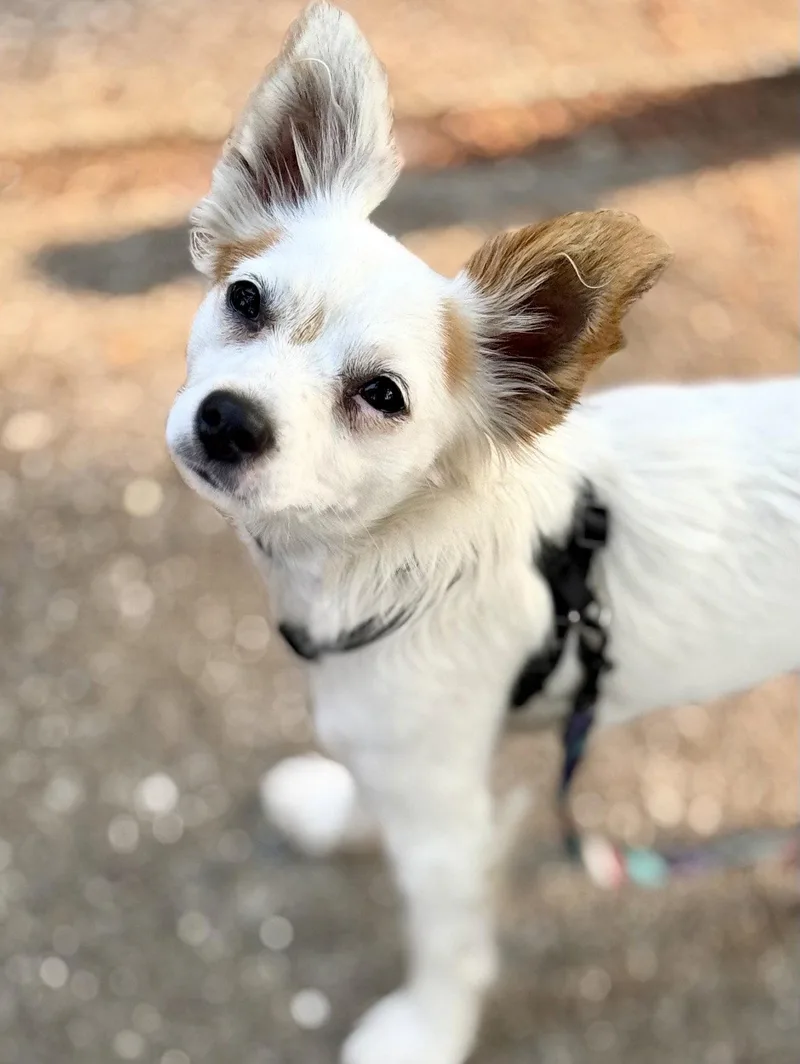
Meet an Afghan Hound who needs you

While we don't have enough dogs near Seattle, keep in mind that many rescues may offer transport.

Afghan Hounds Available for Adoption Near Seattle

About the Afghan Hound breed

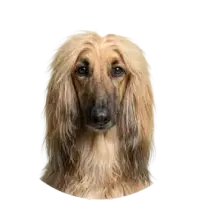
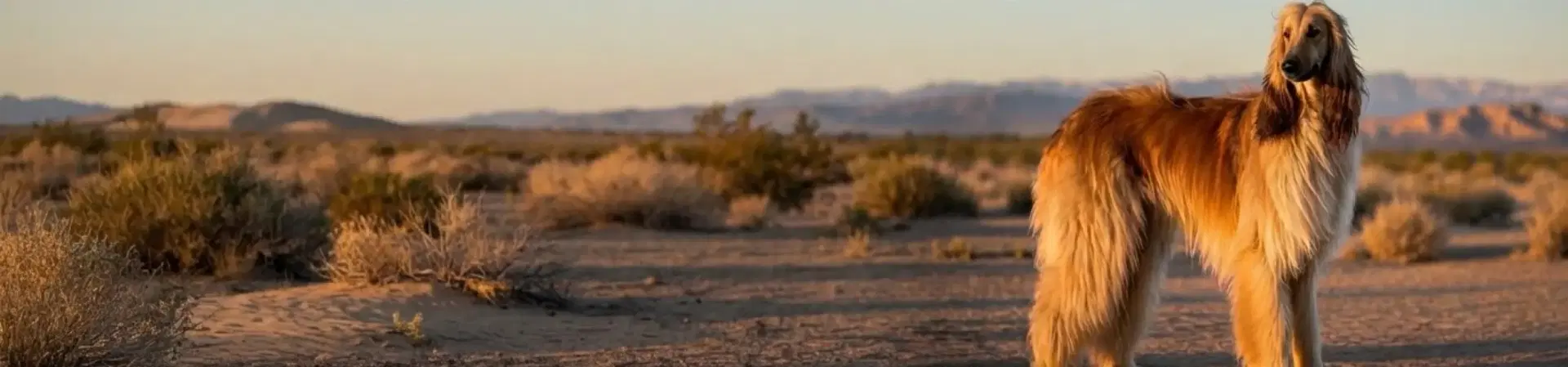
The Afghan Hound is one of the oldest dog breeds, a sighthound from the mountains and deserts of Afghanistan that chased game by sight and speed over rough ground. Its flowing silky coat protected it from harsh cold, and its big padded feet cushioned rocky terrain. Adults are tall and lean, usually 50 to 60 pounds and 24 to 28 inches at the shoulder.

Afghans are dignified and often aloof with strangers, yet affectionate and even clownish with their own people. Strong prey drive and an independent streak mean a squirrel or a neighbor's cat can set off a chase, so a sturdy harness and a secure leash matter on Seattle's busy streets. The coat needs frequent bathing and brushing to prevent painful mats. Each dog's energy and personality will differ.

Weight
50–60 lbs
Height
24–28 in
Lifespan
11–14 yrs
Temperament
Dignified, Independent, Loyal, Playful
Group
Hound
Shedding
Low

Owning an Afghan Hound in Seattle

Having an Afghan Hound in Seattle

Afghan Hounds pair a calm indoor manner with a sighthound's speed. In Seattle, the big questions are where a dog can run safely, how to keep a long coat dry and tangle-free, and whether your housing welcomes a tall dog.

Temperament

Afghan Hounds tend to be dignified and reserved with strangers, then affectionate and silly with their family. Many are sensitive to harsh handling and loud noise, which matters in a city with busy streets and July 4 fireworks. They think for themselves, so gentle, patient training works best. Personalities vary from dog to dog.

Exercise Needs

Plan on daily walks plus regular sprints in a securely fenced space. Seattle has 16 city off-leash areas, but recall is unreliable in this breed, so a fenced one matters, and everywhere else dogs must stay leashed. Many Afghans relax indoors once they've had a good run, even on a drizzly day.

Health Considerations

Afghan Hounds are prone to hip dysplasia, hypothyroidism, allergies, cataracts, some cancers and chylothorax, fluid in the chest. Like other sighthounds, they can be sensitive to anesthesia, so a Seattle veterinarian familiar with sighthounds is worth finding. A veterinarian can check hips, thyroid and eyes and set up a preventive care schedule.

Living Space

Tall and lean, an Afghan Hound can do well in a Seattle apartment when daily exercise is dependable, since it's usually quiet and calm indoors. A house with a tall, secure fence is ideal because Afghans can jump and will chase. Leave room for brushing, bathing and drying the coat.

What it costs to own an Afghan Hound in Seattle

ExpenseTypical costPer year
Food$55 to $110 per month$660 to $1,320
Pet insurance$55 to $110 per month$660 to $1,320
Routine vet care$250 to $500 per year$250 to $500
Other*$970 to $2,395 per year$970 to $2,395
Estimated yearly total (after year one)$2,540 to $5,535

Other costs are estimates and vary with size, age and health.

* The $45 Seattle dog license for a spayed or neutered dog, a dental cleaning allowance, flea, tick and heartworm prevention, toys and bedding, and professional grooming or frequent home bathing for the long silky coat.

Adopt an Afghan Hound in Seattle.

Now that you know more, let’s find you a new best friend. These rescues and shelters below have dogs available in and near Seattle.

Frequently Asked Questions

Yes, Afghan Hounds generally handle Seattle winters well. They were bred for cold mountain country, so cool temperatures aren't the problem; constant dampness is. Dry the coat and paws after walks and brush out moisture before mats form. An occasional snow or ice day can close hilly streets, so keep an indoor exercise plan ready.

Blue Dog Pond near Mount Baker is fully fenced, which suits a dog with unreliable recall. Magnuson Park's off-leash area has Lake Washington access, though many Afghans dislike water. Green Lake's loop works for leashed walks with a leash no longer than five feet. Keep the leash on until you're inside any gate.

Yes, with limits. Metro buses allow dogs: small dogs ride free on a lap, while larger dogs ride on the floor with a paid fare, at the driver's discretion. They can't take a seat or roam loose. Sound Transit is piloting leashed dogs on Link light rail through spring 2027. A calm, well-leashed Afghan fares best.

Yes. Seattle has no breed-specific rules, and Washington law limits breed bans statewide. The main practical cap is three dogs and cats combined on a typical city lot. If you keep your dog in the yard, state law limits tethering, and a tall secure fence works better for a jumper like an Afghan.

Yes, if its running needs are met. Afghans are usually quiet and calm indoors, which neighbors appreciate. The catch is that off-leash areas near dense apartment areas like Belltown or South Lake Union, such as Regrade Park and Denny Park, are tiny, so plan regular trips to a larger fenced space for real sprints.

It can be, for people who don't mind drizzle, are home a fair amount and will keep up with grooming. It's a weaker fit if you want to hike off leash, since Seattle requires leashes outside off-leash areas and Afghan recall is unreliable. Coyotes in larger parks are another reason to keep this prey-driven hound on a leash.

Sometimes, on outdoor patios. Dogs can join you where the restaurant has a health-department-approved plan, which typically means leashed, off tables and chairs, and not walking through the indoor dining room. Inside dining rooms generally don't allow pet dogs. A tall Afghan needs floor room, so choose an uncrowded patio.

Seattle's rain adds work. Dry the coat thoroughly after wet walks, never brush a dry or dirty coat, and bathe first, then brush from the skin out while blow-drying. Check armpits and behind the ears for mats. Professional grooming or frequent home bathing makes up most of the yearly Other costs shown on this page.

Afghan Hounds shed lightly compared with most breeds, losing hair in small amounts rather than heavy seasonal coats. Their long, fine hair tends to tangle into mats instead of falling out, which is why frequent brushing and bathing are essential. Puppies shedding their puppy coat as the adult coat grows in, often between about one and three years, can mat especially quickly.

Expect roughly $55 to $110 a month for food, $55 to $110 a month for pet insurance, $250 to $500 a year for routine vet care, and $970 to $2,395 a year for other costs, mostly grooming, dental care and parasite prevention. Together that's about $2,540 to $5,535 a year.