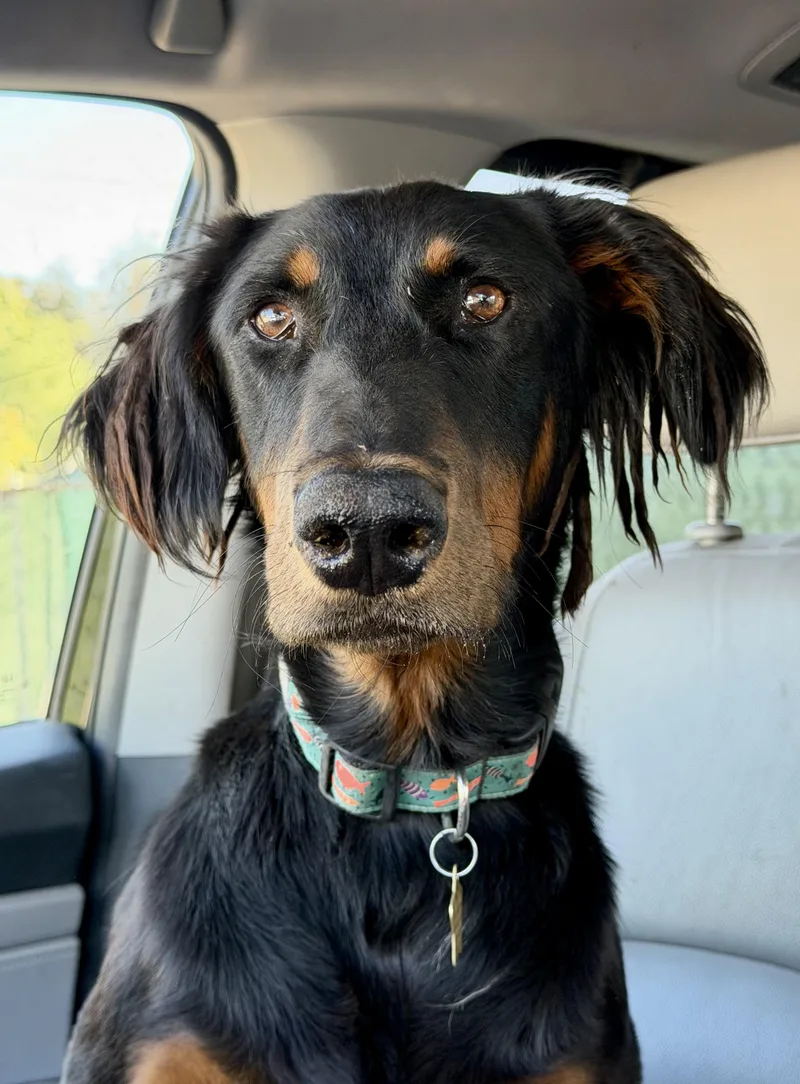
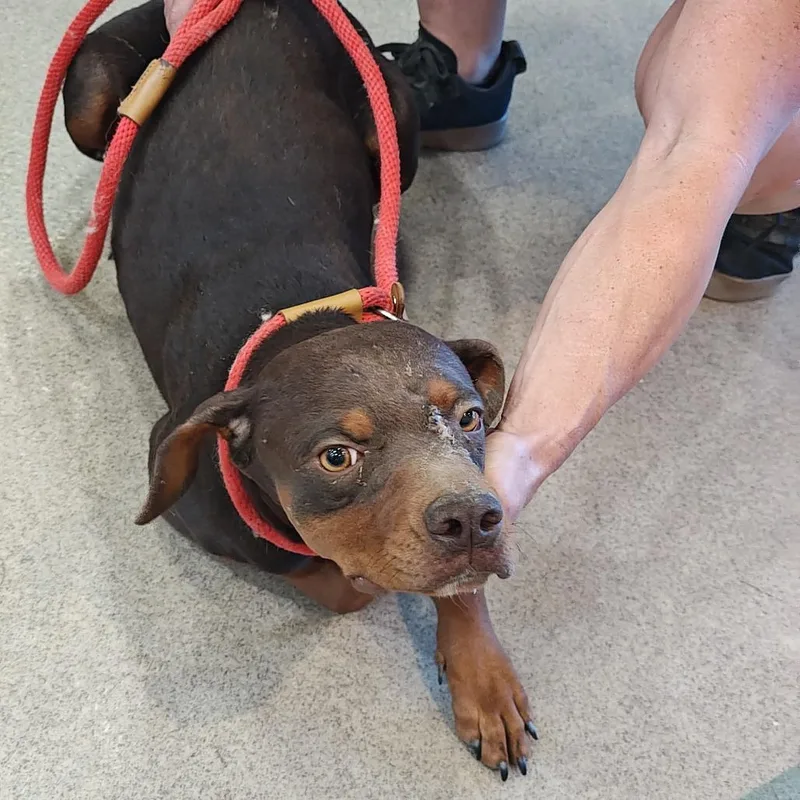
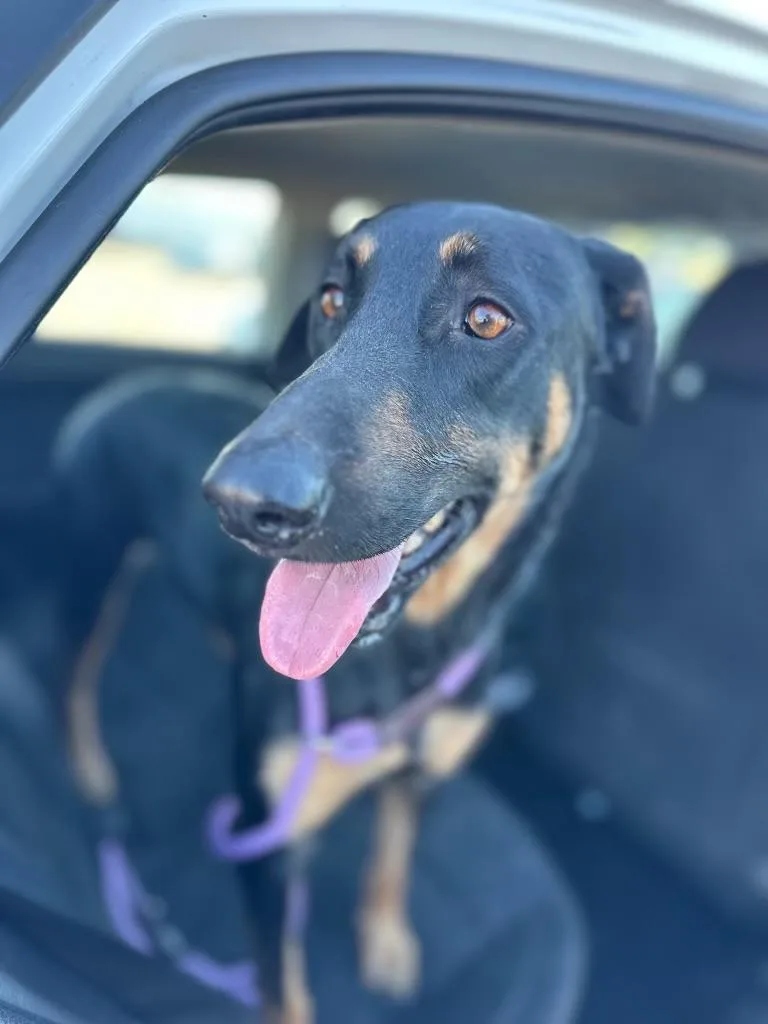
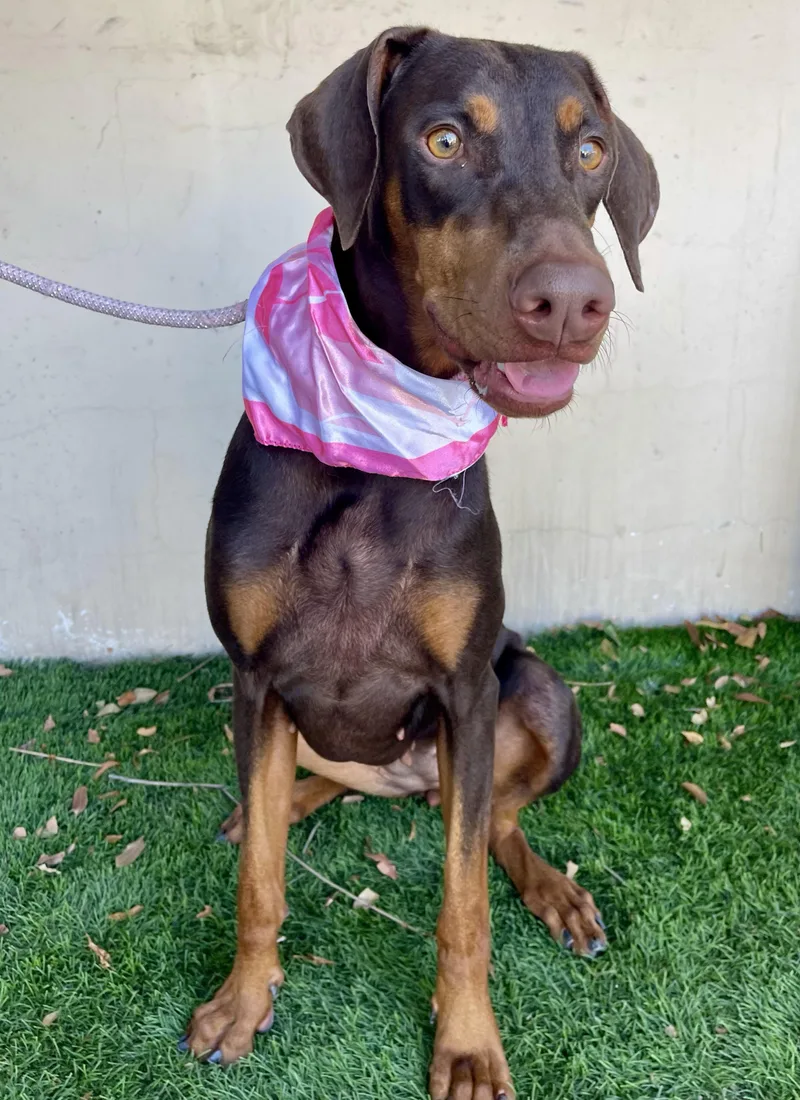
Doberman Pinscher Dogs for Adoption in Newport, WA

Your guide to finding and caring for a Doberman Pinscher in Newport

811 Doberman Pinschers available in Newport and nationwide

Fall for a Doberman Pinscher

While we don't have enough dogs near Newport, keep in mind that many rescues may offer transport.

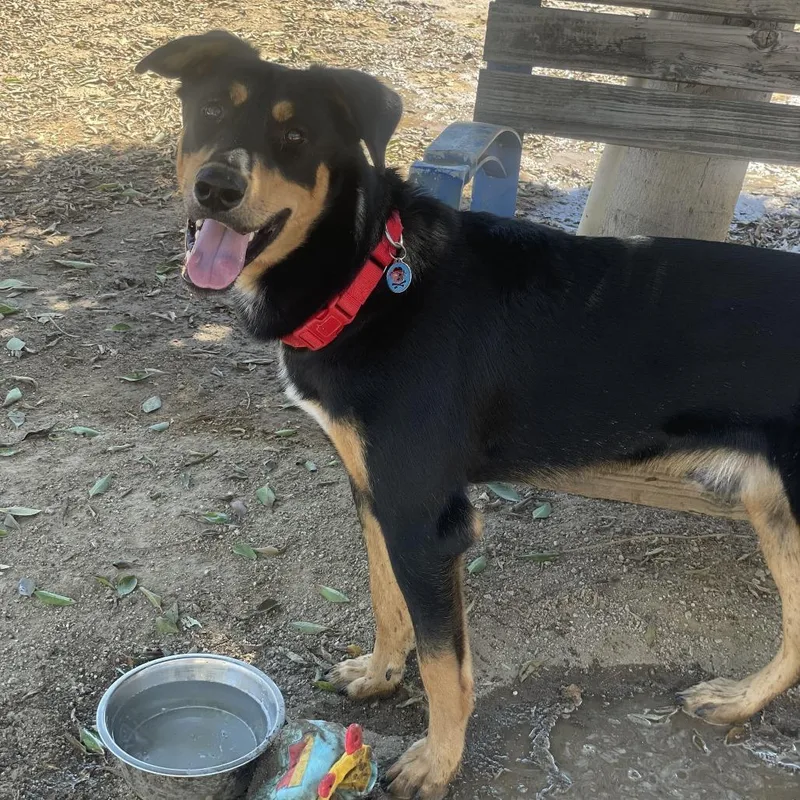
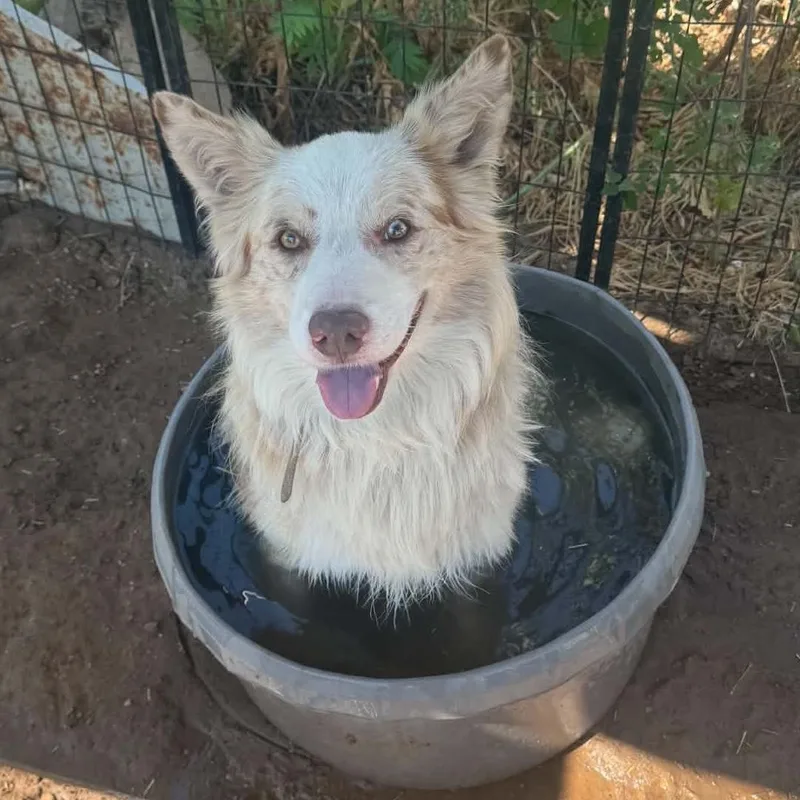
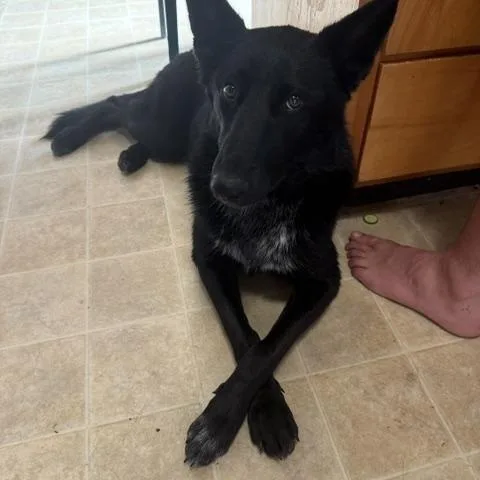
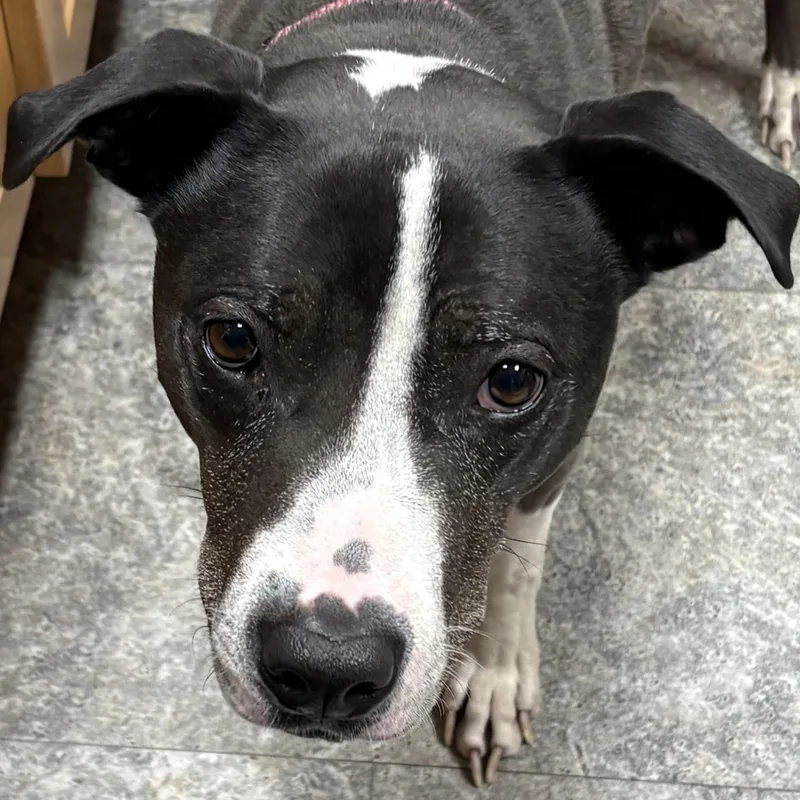
Doberman Pinschers Available for Adoption Near Newport

About the Doberman Pinscher breed

The Doberman Pinscher was developed in Germany in the late 1800s by Louis Dobermann, a tax collector who wanted a capable dog to accompany him on his rounds. The result is a sleek, muscular working dog with a short, glossy coat in black, red, blue or fawn with rust markings. Dobermans have served as police, military and protection dogs, and in the US many still have cropped ears and docked tails, though natural ears and tails are increasingly common.

At home, many Dobermans are affectionate, sensitive dogs that want to be close to their people, sometimes earning the nickname velcro dog. They are typically watchful with strangers and need thoughtful socialization and consistent, reward-based training. Adopters should plan for plenty of daily exercise, mental work and veterinary attention to heart health, since dilated cardiomyopathy is a serious concern in the breed.

Weight
60–100 lbs
Height
24–28 in
Lifespan
10–12 yrs
Temperament
Loyal, Alert, Intelligent, Protective
Group
Working
Shedding
Moderate

Owning a Doberman Pinscher in Newport

Having a Doberman Pinscher in Newport

A Doberman pairs athletic power and a watchful nature with a surprisingly soft, people-focused side. How much exercise, training and companionship one needs, and which inherited health risks to watch, shape whether a particular Doberman fits an adopter's life.

Temperament

Dobermans tend to bond deeply with their families and often follow them from room to room. Many are alert and reserved with strangers, so early socialization and calm, consistent training matter. They are usually sensitive to tone and respond poorly to harsh methods. Individual temperament varies between laid-back companions and intense, driven working-line dogs.

Exercise Needs

Most Dobermans need vigorous daily exercise, such as long brisk walks, jogging once fully grown, fetch or sports like agility, tracking and obedience. Mental work matters as much as running: training sessions, scent games and puzzle feeders help prevent boredom-driven chewing or restlessness. Working-line dogs often need more structure and activity than show-line dogs.

Health Considerations

Dilated cardiomyopathy, a heart muscle disease that can cause sudden death, is the breed's most serious concern, and many vets recommend regular cardiac screening. Von Willebrand disease, wobbler syndrome, hypothyroidism and bloat also occur. Blue and fawn dogs can develop coat-thinning dilution alopecia. Have a veterinarian check the heart when adopting.

Living Space

Dobermans can live in houses or apartments when they get enough daily exercise and companionship, though a securely fenced yard is a real advantage. They are indoor dogs: their short single coat handles cold poorly, and they dislike isolation. Some landlords and insurers restrict the breed, so check housing rules before adopting.

What it costs to own a Doberman Pinscher

ExpenseTypical costPer year
Food$55 to $110 per month$660 to $1,320
Pet insurance$65 to $130 per month$780 to $1,560
Routine vet care$250 to $500 per year$250 to $500
Other*$540 to $1,440 per year$540 to $1,440
Estimated yearly total (after year one)$2,230 to $4,820

Other costs are national averages for Doberman Pinschers; we don't have costs specific to Newport yet.

* Flea, tick and heartworm prevention, a dental cleaning allowance, a dog license, toys and bedding, basic coat care, and a winter coat for a thin single coat; license fees vary by city.

Adopt a Doberman Pinscher in Newport.

Now that you know more, let’s find you a new best friend. These rescues and shelters below currently have Doberman Pinschers available.

Rescues in Newport with Doberman Pinschers Available

Here are the rescues & shelters in the Newport area where you can find Doberman Pinschers and other dogs available for adoption.

Frequently Asked Questions

Yes, Doberman Pinschers shed, though their short coat makes it less noticeable than in double-coated breeds. They lose small, fine hairs year-round, often with slightly heavier shedding in spring and fall. Weekly brushing with a rubber curry or grooming mitt keeps loose hair down and the coat glossy. Patchy hair loss is worth a vet check.

Doberman Pinschers typically live about 10 to 12 years, and some reach their teens. Dilated cardiomyopathy, a heart disease common in the breed, shortens many lives, so regular cardiac screening is often recommended. Keeping a Doberman lean, active and up to date on checkups gives the best chance at a long life.

Dobermans can be excellent family dogs in active households that provide training, exercise and companionship. Many are gentle and protective with their own children. Their size and energy can overwhelm toddlers, and young Dobermans can be mouthy and bouncy. Socialization, supervision and an individual dog's history matter more than breed reputation.

Dobermans were bred as personal protection dogs. Louis Dobermann, a German tax collector in the 1880s, wanted a loyal, alert dog to accompany him while collecting money. The breed later became known for police, military and guard work, and modern Dobermans also do search and rescue, therapy work and dog sports.

Dobermans are widely considered good dogs: intelligent, loyal, trainable and affectionate with their people. They suit owners who can offer daily exercise, structured training and plenty of time together. They can struggle when isolated or under-stimulated, and their size and protectiveness require responsible handling. Matching an individual dog to your lifestyle matters most.

Dobermans are large dogs. Males usually stand 26 to 28 inches at the shoulder and weigh about 75 to 100 pounds, while females stand 24 to 26 inches and weigh about 60 to 90 pounds. European lines are often heavier-boned. Dobermans should look lean and muscular rather than bulky, with a visible waist.

Dobermans are not inherently dangerous, though their size and strength mean any bite can be serious. Research suggests they rarely show aggression toward their owners but can be wary of strangers. Most are affectionate family dogs when well socialized, trained and supervised. Poor socialization, mistreatment or encouragement of guarding raises risk, as with any large dog.

No, Doberman Pinschers are not hypoallergenic. They have a short coat and shed lightly to moderately, but they still produce dander and saliva allergens. Some people with mild allergies find them more manageable than heavy-shedding breeds. Regular brushing, cleaning and air filtration help, but spend time with the dog before adopting.

Most adult Dobermans weigh between about 60 and 100 pounds. Males usually weigh 75 to 100 pounds and females 60 to 90 pounds. A healthy Doberman should have easily felt ribs and a clear tuck at the waist. Because extra weight strains joints and the heart, measured meals and regular weigh-ins help.

We have 1 rescue with Doberman Pinschers available: Western Australian Shepherd Rescue. You can see every rescue with Doberman Pinschers available in the list above these questions, or scroll to the top to see the Doberman Pinschers near Newport.

Find Doberman Pinschers in Nearby Cities

Expand your search to find Doberman Pinschers available for adoption near Newport.