
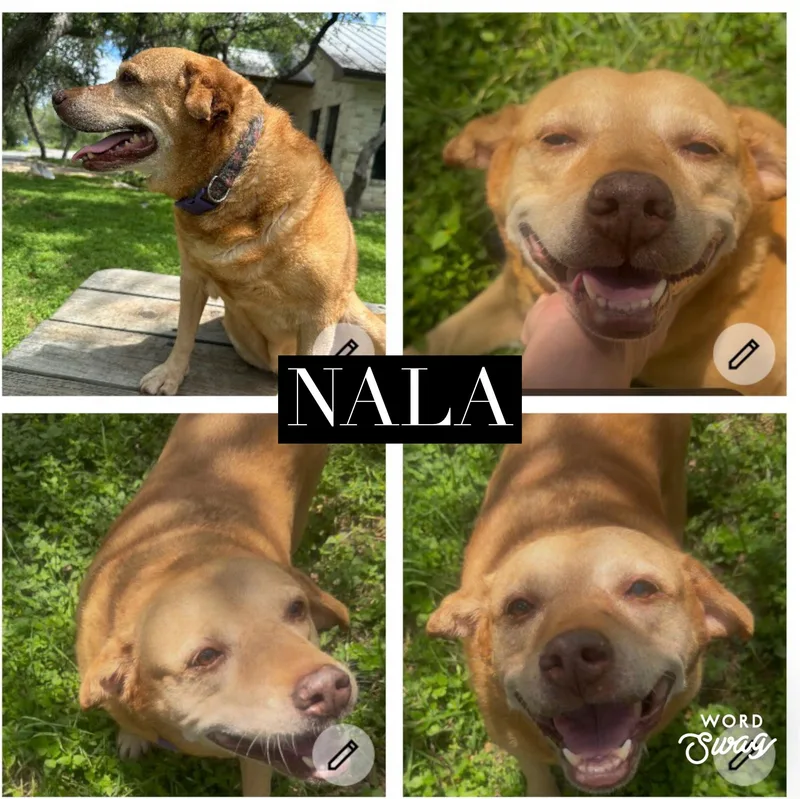
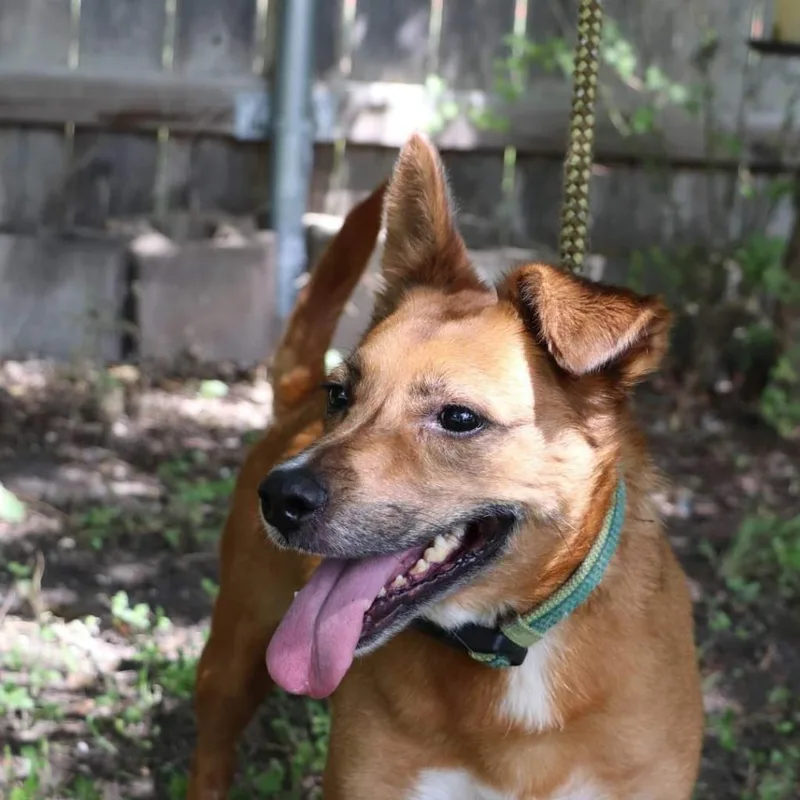
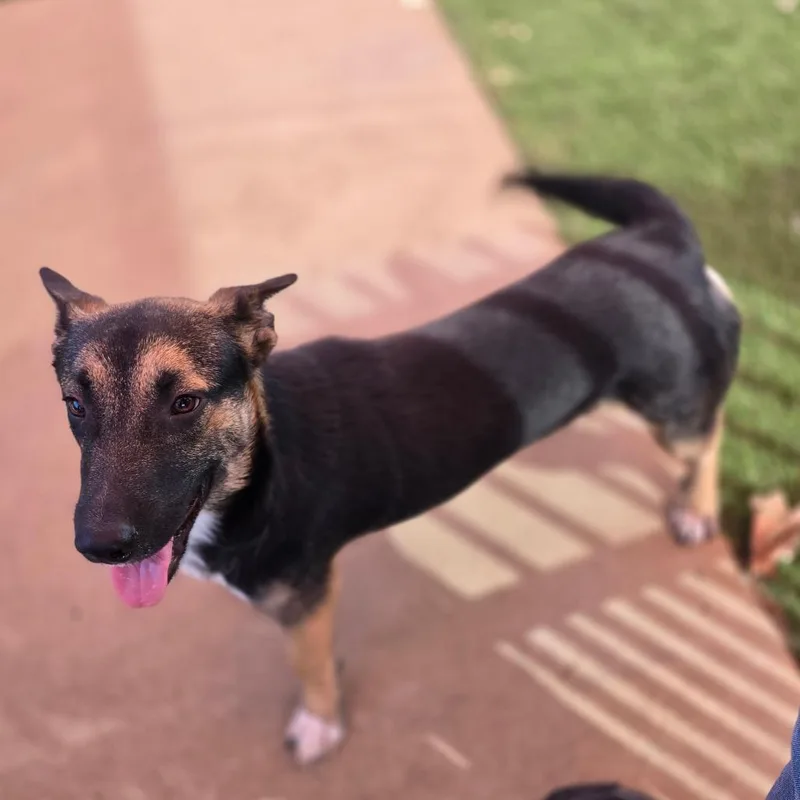
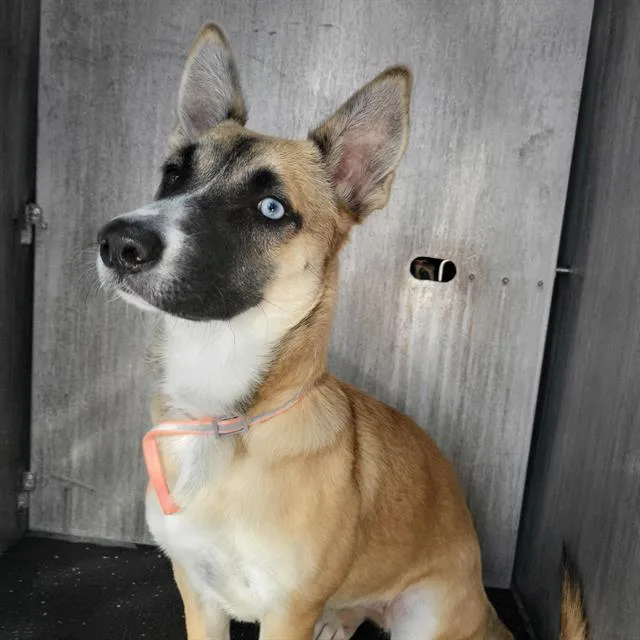
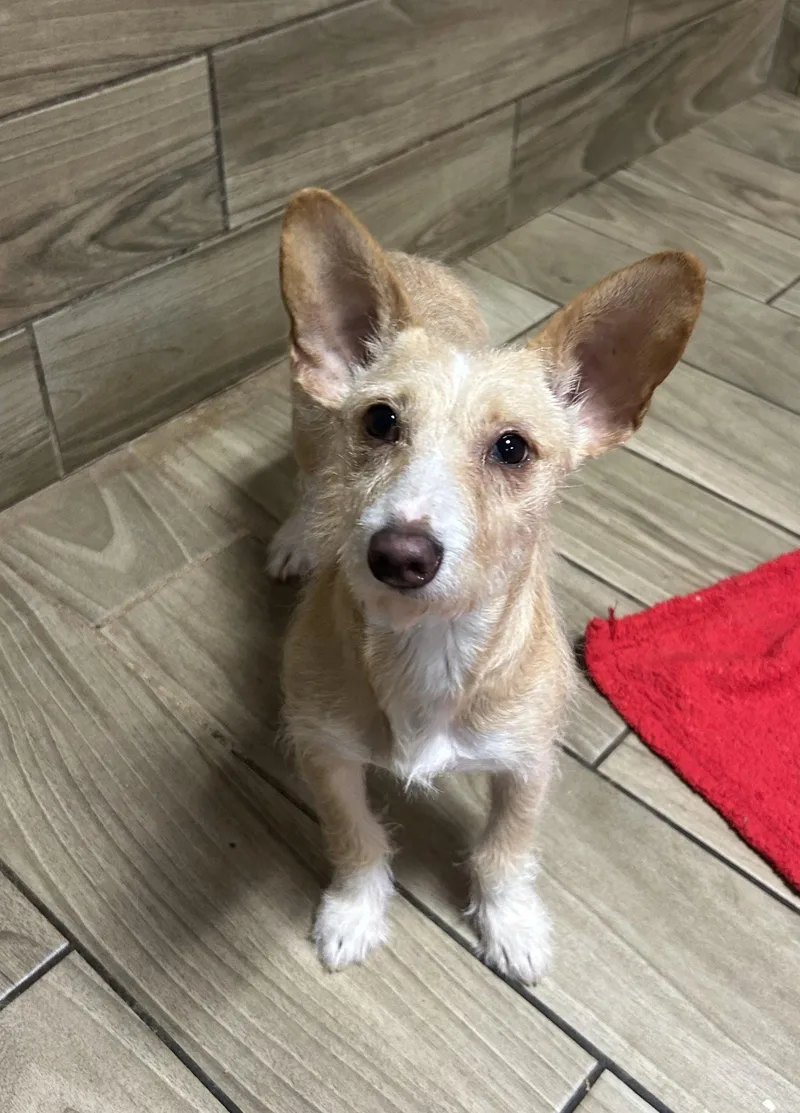
Swedish Vallhund Dogs for Adoption in Burlington, VT

Your guide to finding and caring for a Swedish Vallhund in Burlington

A Swedish Vallhund suits Burlington's compact neighborhoods better than its short legs might suggest. In the Old North End or the Five Sisters, where houses sit close together, this small herder gets plenty to do on a daily loop to Roosevelt Park or a stretch of the bike path. It's also a vocal watchdog, so thin walls and passing neighbors will test its barking. If you're thinking of adopting one in Burlington, plan on training sessions as well as walks.

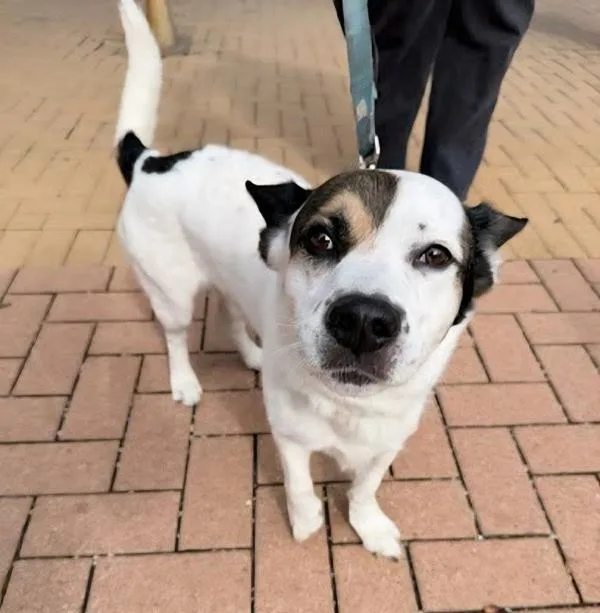
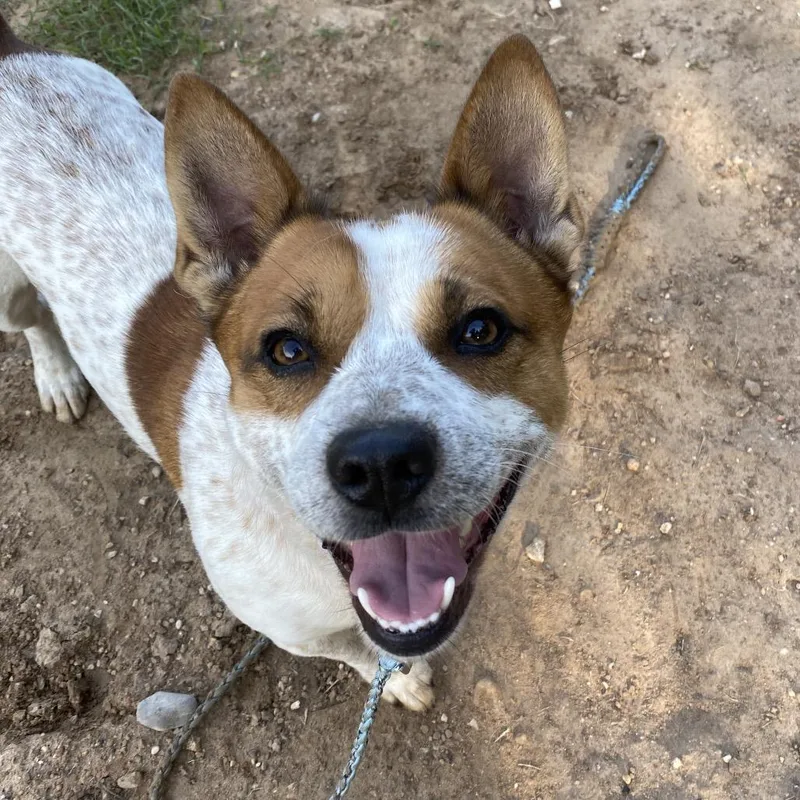
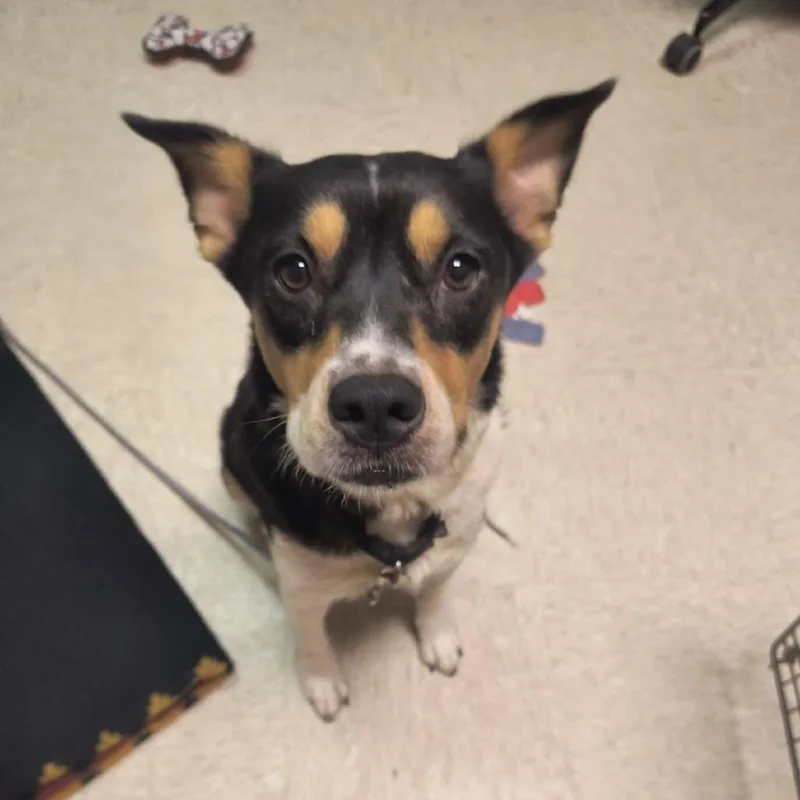
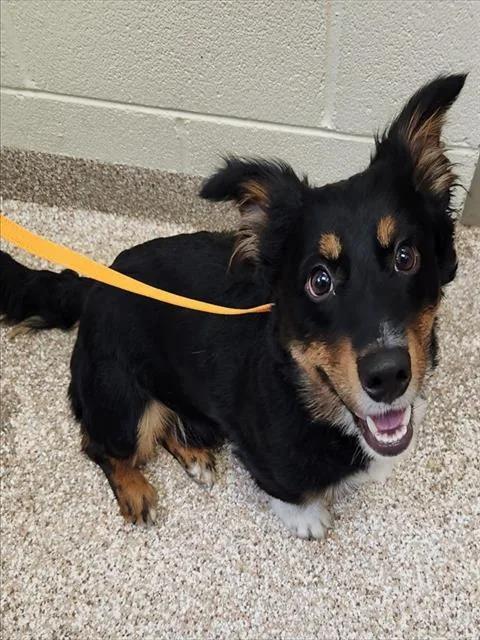
691 dogs similar to Swedish Vallhund available in Burlington and nationwide

Meet your next Swedish Vallhund

While we don't have enough dogs near Burlington, keep in mind that many rescues may offer transport.

Swedish Vallhunds and Similar Breeds Available for Adoption Near Burlington

About the Swedish Vallhund breed

The Swedish Vallhund is an old spitz-type cattle dog from Sweden's Västergötland province, built low and sturdy at roughly 20 to 35 pounds. Farmers used it to herd cattle by nipping at heels, which explains the quick, bold way many Vallhunds still move through a room or a park.

In Burlington, that drive pairs well with a household that likes outdoor time and training. The dense double coat handles Vermont winters comfortably, though it sheds heavily a couple of times a year, so a good brush and a strong vacuum matter. Vallhunds are watchful and often vocal, which is worth weighing if you share walls. Temperament varies from dog to dog, so spend time getting to know each one.

Weight
20–35 lbs
Height
11–14 in
Lifespan
12–15 yrs
Temperament
Alert, Energetic, Friendly
Group
Herding
Shedding
Moderate to High

Owning a Swedish Vallhund in Burlington

Having a Swedish Vallhund in Burlington

Vallhunds combine herding stamina with a small frame and a thick coat. In Burlington, the traits that matter most are activity level, cold-weather comfort, a tendency to bark, and eye health, so each card below looks at how they play out locally.

Temperament

Many Vallhunds are friendly, confident and attached to their families, and they tend to announce visitors before welcoming them. Heel nipping or circling can show up in a herding breed, so teach calm greetings early. In close Burlington housing, reward-based training helps keep alert barking manageable, though every dog's personality differs.

Exercise Needs

Plan on a daily walk plus active play or training. The Burlington Greenway offers about eight leashed miles within the city, and the fenced Waterfront Dog Park gives room to run off-leash. Puzzle toys and short training sessions fill in on snowy or icy days when walks get cut short.

Health Considerations

Retinopathy affects a notable share of Vallhunds and can cause night blindness later in life, and hip or joint problems also appear. A veterinarian can check the eyes and hips after adoption. Keep weight trim to protect the long back. Lyme-carrying ticks are a real concern in Chittenden County, so discuss tick prevention with your vet.

Living Space

A Vallhund's compact size fits Burlington's many rentals, from Downtown condos to converted houses near UVM, as long as exercise needs are met. Barking is the main apartment issue. A fenced yard in the New North End is a bonus. Expect shed hair indoors, especially during the twice-yearly coat blow.

What it costs to own a Swedish Vallhund in Burlington

ExpenseTypical costPer year
Food$20 to $45 per month$240 to $540
Pet insurance$35 to $70 per month$420 to $840
Routine vet care$200 to $400 per year$200 to $400
Other*$490 to $1,290 per year$490 to $1,290
Estimated yearly total (after year one)$1,350 to $3,070

Other costs are estimates and vary with size, age and health.

* The Burlington dog license, flea, tick and heartworm prevention, a dental cleaning allowance, toys and bedding, and extra brushing and baths for heavy seasonal shedding.

Adopt a Swedish Vallhund in Burlington.

Now that you know more, let’s find you a new best friend.

Frequently Asked Questions

Yes, but Green Mountain Transit buses only accept pets in a closed, secured carrier, while service animals are allowed. Burlington has no subway or rail. Many Swedish Vallhunds weigh 20 to 35 pounds, so only the smallest will fit a carrier comfortably. For most, walking, the Greenway or a car is easier for getting around.

Yes, most Swedish Vallhunds handle Burlington winters well thanks to a dense double coat, though dogs vary. About 145 nights a year drop to freezing and snowfall averages 87 inches, so the real challenge is short legs in deep snow. Shovel a path, wipe off road salt, and keep outings short in sub-zero stretches.

Start with Starr Farm Dog Park, about two acres in the New North End beside the bike path, or the fenced Waterfront Dog Park near North Beach. Texaco Beach is also off-leash, but watch for algae closures. Elsewhere, including the Greenway, dogs stay leashed, and off-leash areas allow no more than three dogs per person.

Yes. Burlington's code has no known breed-specific rules, and Vermont has no statewide breed ban. Dangerous-dog rules depend on a dog's behavior, not its breed. There's no household limit on dogs in the city ordinance. State law sets rules for tethered or outdoor dogs, so keep your Vallhund indoors with the family.

Yes, if its exercise needs are met. A Vallhund's size suits most Burlington apartments, from Downtown condos to converted houses near UVM, but alert barking is the sticking point with thin walls. Daily walks, puzzle toys and short training sessions cut the noise. Since excessive, continuous barking can count as a nuisance, teach a quiet cue early.

Yes, for active, outdoorsy people who enjoy training. Burlington offers the Greenway, the lakefront and three off-leash areas, and a Vallhund's coat suits the cold months. It's a weaker match if you're away long hours, dislike barking or can't keep up with heavy shedding. Dogs vary, so judge each dog on its own behavior.

Sometimes, depending on the venue. Vermont has no known state rule on dogs at outdoor dining, so patio policies are up to each restaurant and often seasonal. Leashed dogs are common on Church Street Marketplace. Plan on outdoor seating only, keep your Vallhund leashed and quiet, and bring a mat, since dining rooms generally don't allow pets.

Expect brushing a few times a week, and daily during the heavy sheds each spring and fall. The dense double coat shouldn't be shaved, and a bath every month or two is plenty. In Burlington, wipe paws after salted winter walks. Grooming of about $100 to $300 a year falls within the Other costs.

The Swedish Vallhund is often called the Viking dog, and its breed club and the AKC describe it as known since the time of the Vikings, more than a thousand years ago. Firm archaeological proof is limited, so the link rests largely on tradition. Its resemblance to Welsh Corgis has fueled theories that Viking-era contact spread one breed's ancestors to the other.

Expect roughly $1,350 to $3,070 a year for a Vallhund in Burlington. That covers food at $20 to $45 a month, insurance at $35 to $70 a month, routine vet care at $200 to $400 a year, and $490 to $1,290 in other costs such as prevention, dental care, the license and grooming.