

Lancashire Heeler Dogs for Adoption in Burlington, VT

Your guide to finding and caring for a Lancashire Heeler in Burlington

A Lancashire Heeler fits Burlington's compact housing without being a couch dog. Picture a 10-inch-tall herder trotting the Burlington Greenway from Oakledge toward the Winooski River, or watching from a Five Sisters porch and announcing every passerby. Heelers are chatty, quick learners that like a job, so a daily loop and a puzzle toy go a long way. They're also rare, so if you want to adopt one in Burlington, keep an eye on the listings on this page.

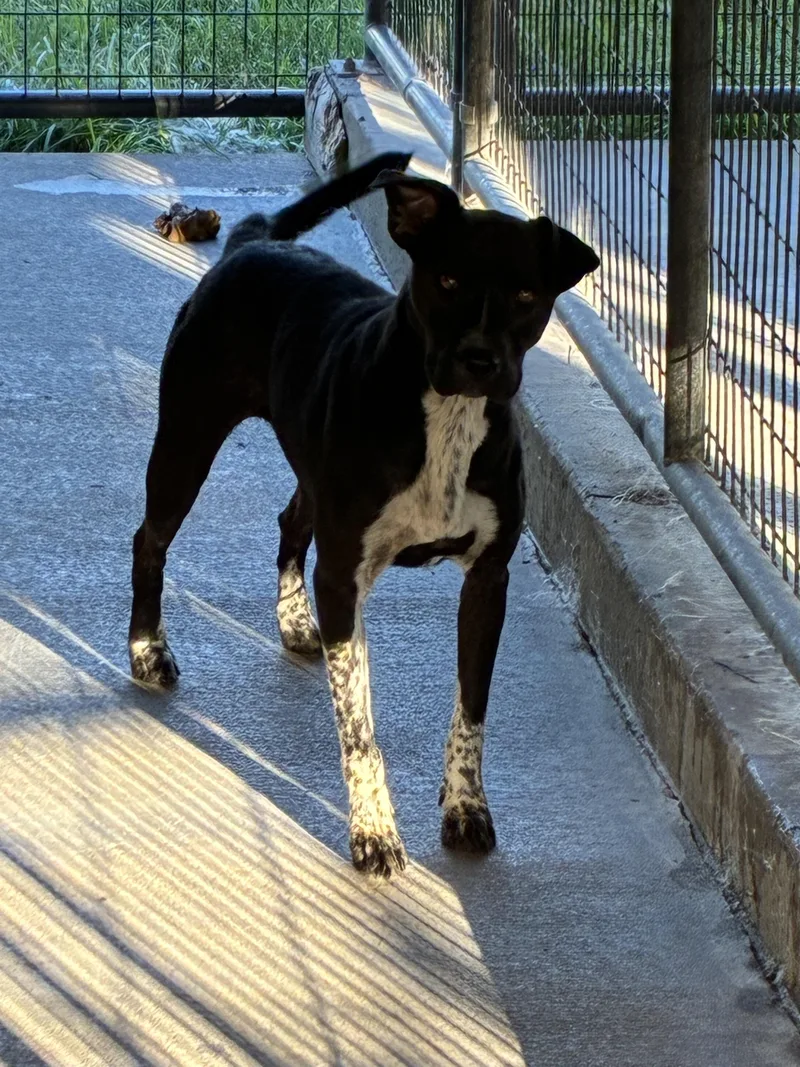
26 Lancashire Heelers available in Burlington and nationwide

Find your forever Lancashire Heeler

While we don't have enough dogs near Burlington, keep in mind that many rescues may offer transport.

Lancashire Heelers Available for Adoption Near Burlington

About the Lancashire Heeler breed

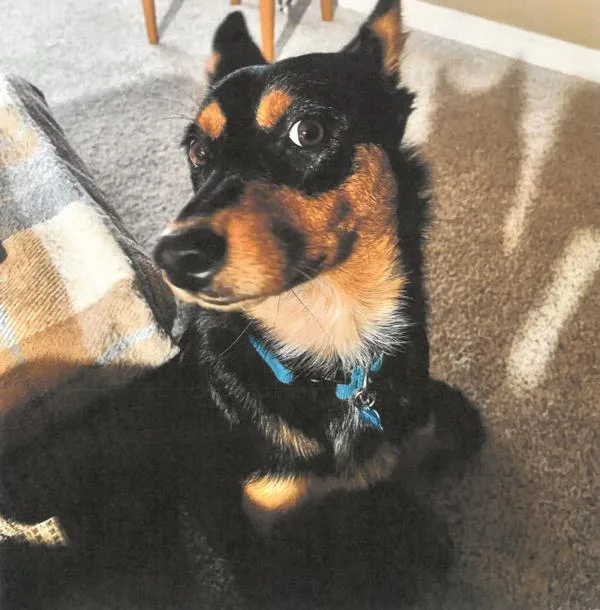
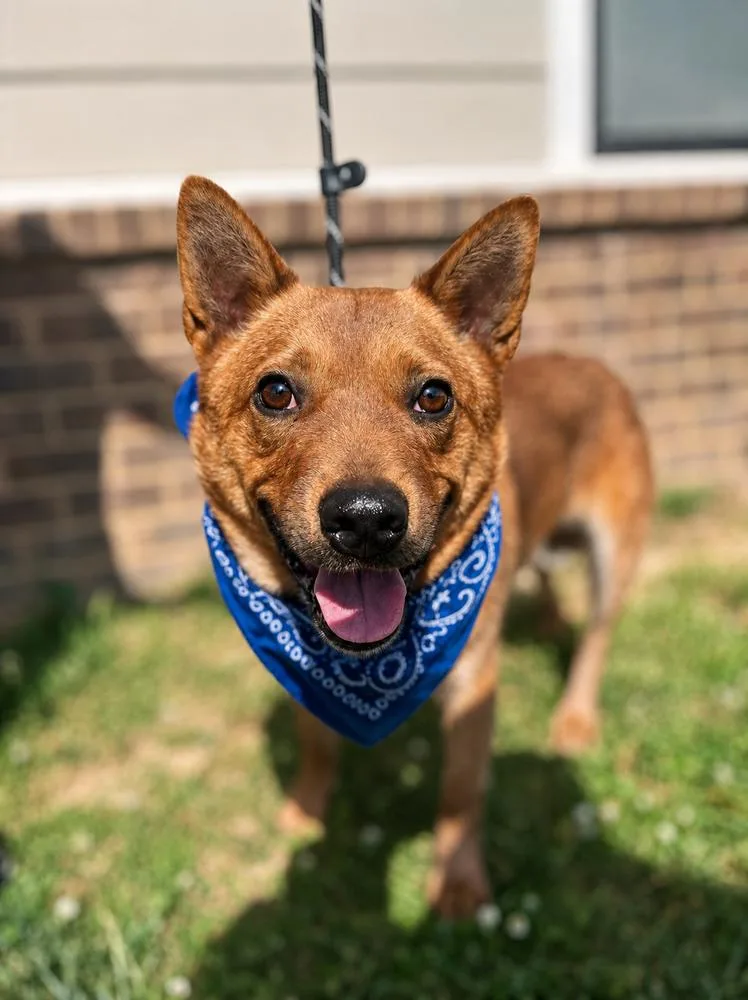
The Lancashire Heeler is a low-slung herding dog from northwest England, usually 9 to 17 pounds, with a smooth, weather-resistant coat in black and tan or liver and tan. It was bred to drive cattle to market and clear barns of rats, and it still has a herder's urge to chase and a terrier's sharp wits.

Many Heelers are cheerful, affectionate and alert, and they tend to be talkative. That can strain thin apartment walls unless barking is managed early. Most live 12 to 16 years, so adopting one is a long commitment. The dense coat copes well with Vermont cold, but every dog varies, and energy, chase drive and reserve with strangers will show up differently from one Heeler to the next.

Weight
9–17 lbs
Height
10–12 in
Lifespan
12–16 yrs
Temperament
Alert, Energetic, Affectionate, Intelligent
Group
Herding
Shedding
Low to Moderate

Owning a Lancashire Heeler in Burlington

Having a Lancashire Heeler in Burlington

A Heeler packs a cattle dog's drive and a terrier's spark into a small, easy-care frame. In Burlington, its energy, noise level and inherited eye conditions matter most, along with how well it handles cold, snowy walks.

Temperament

Lancashire Heelers tend to be devoted to their families and sometimes reserved with strangers. Many are vocal and quick to announce visitors, which is worth knowing in a Burlington building with shared walls. Heel-nipping and chasing can appear, and some chase small pets. Reward-based training and early socialization help, though each dog differs.

Exercise Needs

Most Heelers need a daily walk plus active play such as fetch, tug or a flirt pole. Burlington's Greenway is good for leashed walks, and the fenced Waterfront Dog Park suits off-leash play. Add scent games, training sessions or barn hunt, since a bored Heeler may bark, dig or try to herd the household.

Health Considerations

Heelers are often long-lived, but they can inherit eye conditions such as primary lens luxation, collie eye anomaly and persistent pupillary membranes. DNA and eye screening exist, and a veterinarian can examine a new dog's eyes. Burlington's tick pressure makes year-round prevention and regular dental care and checkups worth planning for.

Living Space

A Heeler's small size suits Burlington's condos, student-era apartments and older Old North End homes, as long as exercise and enrichment are covered. Barking may matter more to neighbors than square footage does. A securely fenced yard, common in the New North End, helps because prey drive can override recall.

What it costs to own a Lancashire Heeler in Burlington

ExpenseTypical costPer year
Food$20 to $45 per month$240 to $540
Pet insurance$35 to $70 per month$420 to $840
Routine vet care$200 to $400 per year$200 to $400
Other*$390 to $1,090 per year$390 to $1,090
Estimated yearly total (after year one)$1,250 to $2,870

Other costs are estimates and vary with size, age and health.

* The Burlington dog license (about $27 a year for a spayed or neutered dog), dental cleanings, flea, tick and heartworm prevention, toys and bedding, winter paw care and light grooming.

Adopt a Lancashire Heeler in Burlington.

Now that you know more, let’s find you a new best friend.

Frequently Asked Questions

Yes, but only in a carrier. Green Mountain Transit buses allow pets only when they can be safely carried in a closed, secured bag or carrier, and service animals are allowed. At 9 to 17 pounds, many Heelers fit a sturdy carrier. Practice at home first, since a chatty, alert Heeler may bark on a crowded bus.

Yes, most can. Burlington sees about 145 freezing nights and roughly 87 inches of snow a year, but the Heeler's weather-resistant coat copes well. Short legs struggle in deep snow, so shovel a path and keep outings brief on the coldest days. Wipe road salt off paws, and consider a coat for seniors or thin dogs.

Starr Farm Dog Park and the fenced Waterfront Dog Park are the best bets for off-leash play, and Texaco Beach is also designated off-leash. The Burlington Greenway is good for leashed walks. Because Heelers can chase, leash up until you're inside the fence. Keep your dog out of discolored lake water, since algae can close swimming.

Yes. Burlington's rules have no known breed restrictions, and dangerous-dog rules are based on behavior, not breed. You'll need an annual license for a dog over six months, proof of rabies vaccination, and a tag or microchip. Heelers are rare, so watch the listings on this page or save a search.

Yes, a Heeler's small size suits apartments, and many Burlington homes are rentals. The challenge is noise: Heelers are alert and talkative, so plan on daily exercise, puzzle toys and early barking training. Winter snow limits long outings, so indoor games such as scent work and short training sessions help burn energy.

It can be, for active people who enjoy walking in all weather. Burlington's Greenway, dog parks and compact neighborhoods suit a small, energetic dog, and its coat handles cold well. A Heeler is a poor fit if you're away long hours or can't tolerate barking and chasing. Each dog's needs vary.

Sometimes, on patios. Patio policies are set by each restaurant and are often seasonal, so look for posted signs before you sit down. Leashed dogs are common on Church Street's pedestrian mall. Indoor dining rooms generally don't allow pet dogs. A calm Heeler on a short leash with a chew toy is easier to host.

Very little. The short, harsh coat needs a weekly brushing, more during spring and fall undercoat sheds. Winter adds paw care: wipe off road salt and trim nails and paw fur so ice doesn't ball up. Most owners groom at home and only occasionally pay for a bath, which fits within the Other costs budget.

A Lancashire Heeler is a small, sturdy herding dog from northwest England, about 10 to 12 inches tall and 9 to 17 pounds, originally used to drive cattle and catch rats on farms. It has a short black-and-tan or liver-and-tan coat, an alert, cheerful personality and plenty of energy. The AKC recognized the breed in 2024.

Plan on roughly $20 to $45 a month for food, $35 to $70 a month for insurance, $200 to $400 a year for routine vet care, and $390 to $1,090 a year for other costs. That works out to about $1,250 to $2,870 a year in total, before any emergencies.