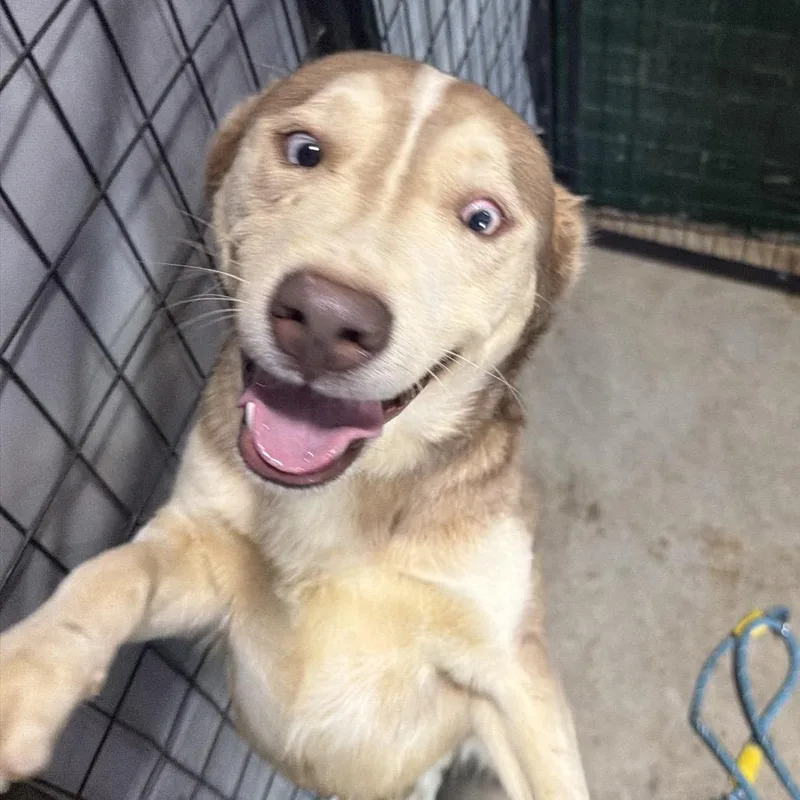
Husky Dogs for Adoption in Burlington, VT

Your guide to finding and caring for a Husky in Burlington

Burlington's long, snowy winters are the kind of weather a husky was built for. A New North End house with a fenced yard puts a husky close to the Burlington Greenway, where a dog with sled-dog stamina can log miles on leash, and Leddy Park is nearby for a change of scenery. Huskies are also loud, shed heavily and escape easily, which makes a good fence worth the trouble. Fenced yards are far easier to find in the New North End than downtown, where condos and apartments dominate.

4369 Huskies available in Burlington and nationwide

Your Husky is waiting

While we don't have enough dogs near Burlington, keep in mind that many rescues may offer transport.

Huskies Available for Adoption Near Burlington

About the Husky breed

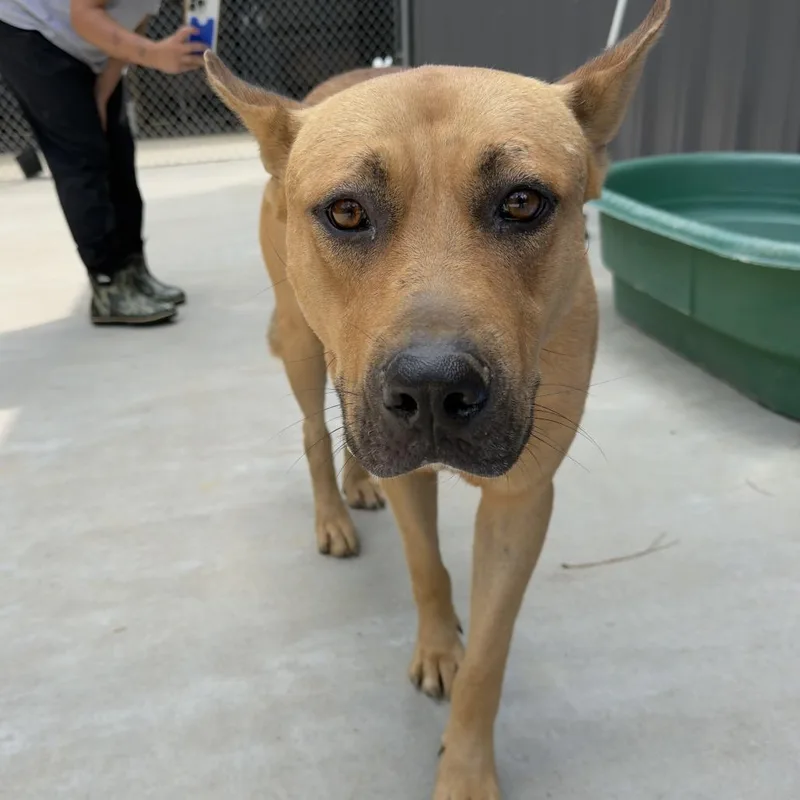
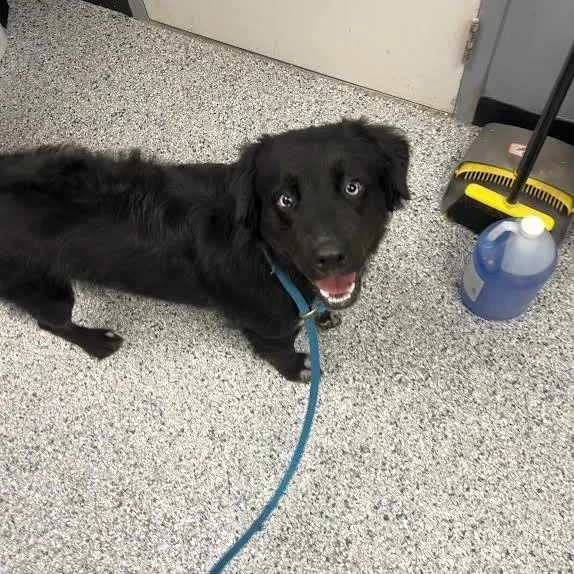
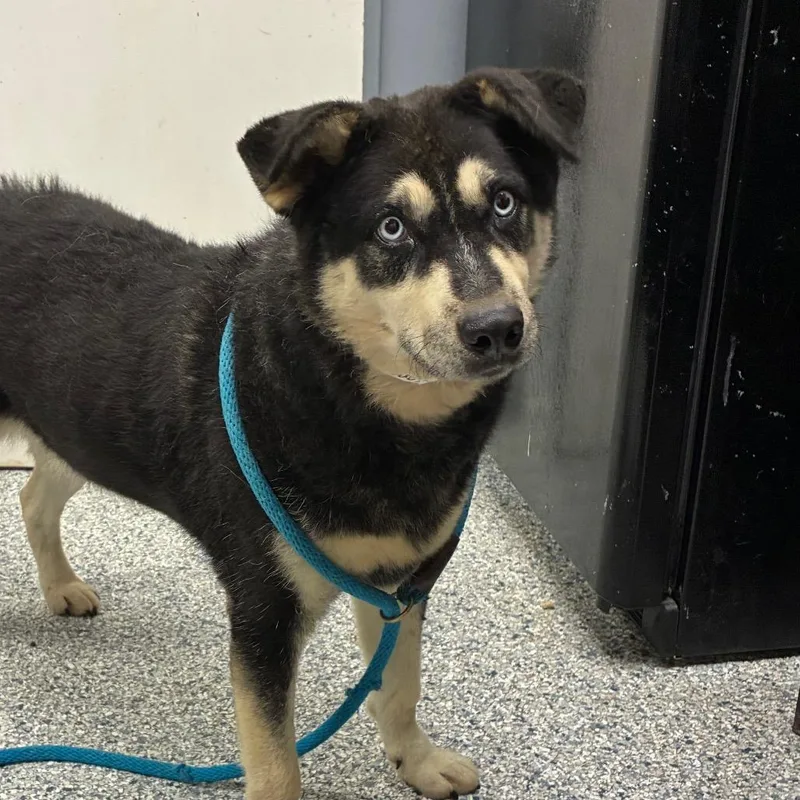
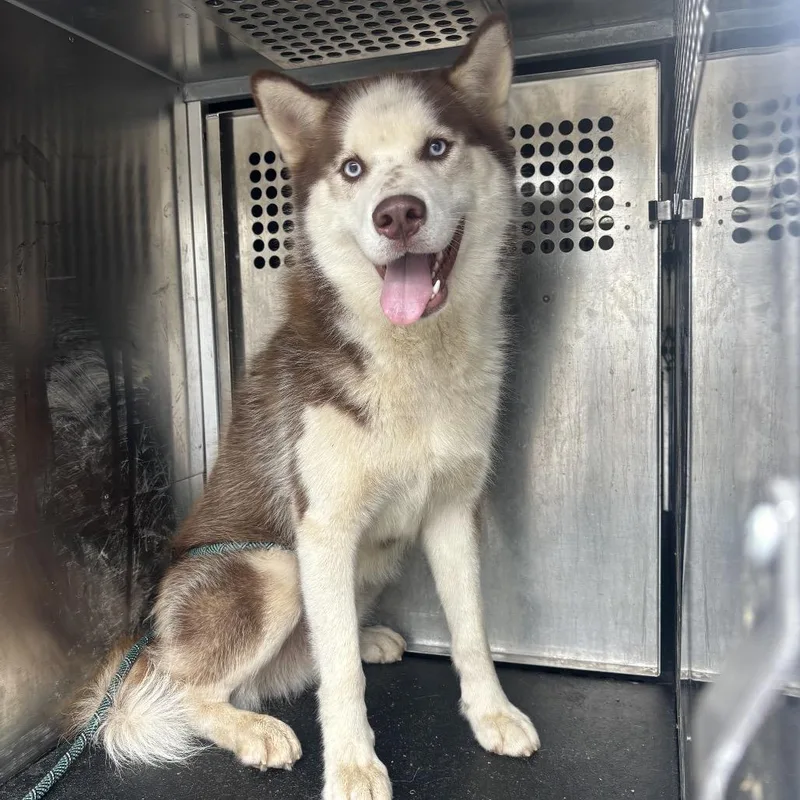
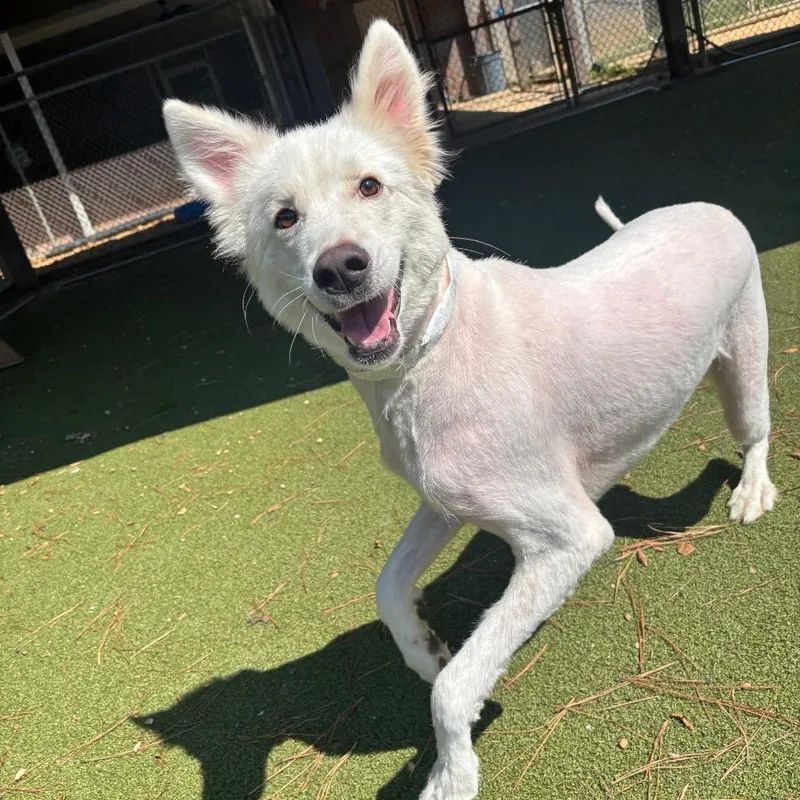
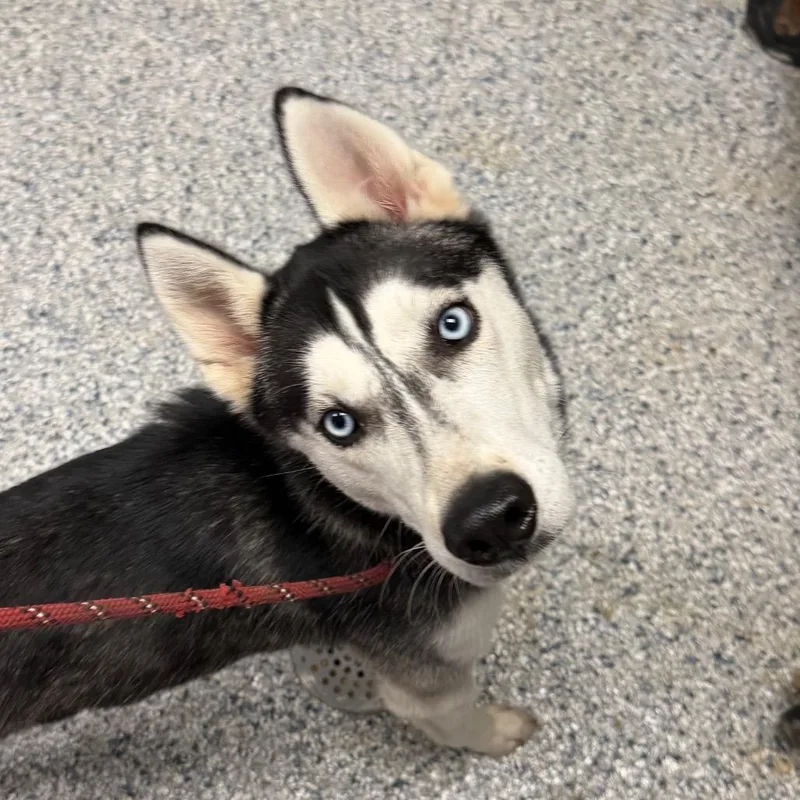
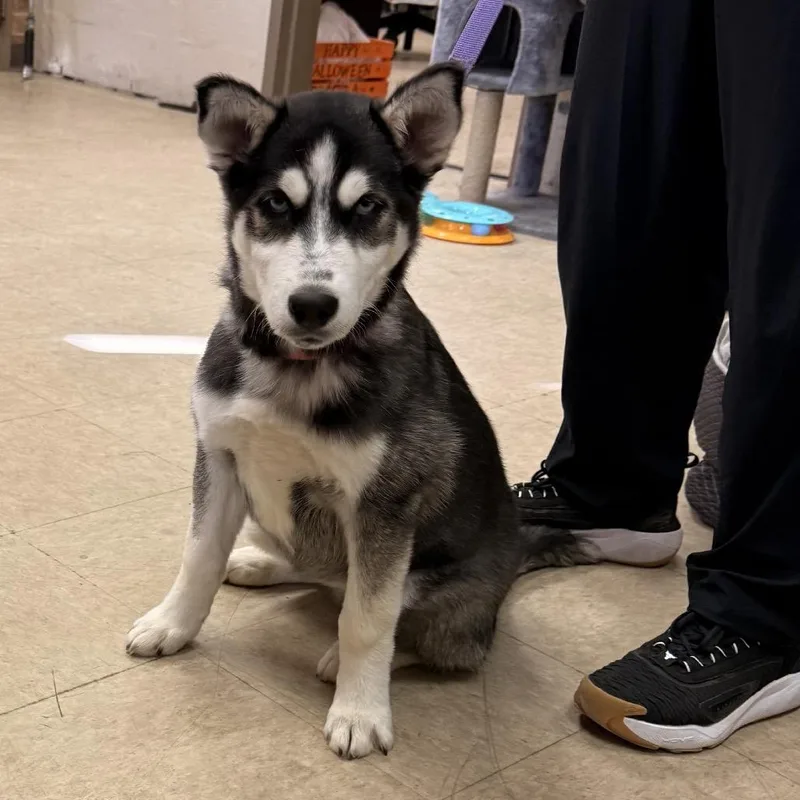
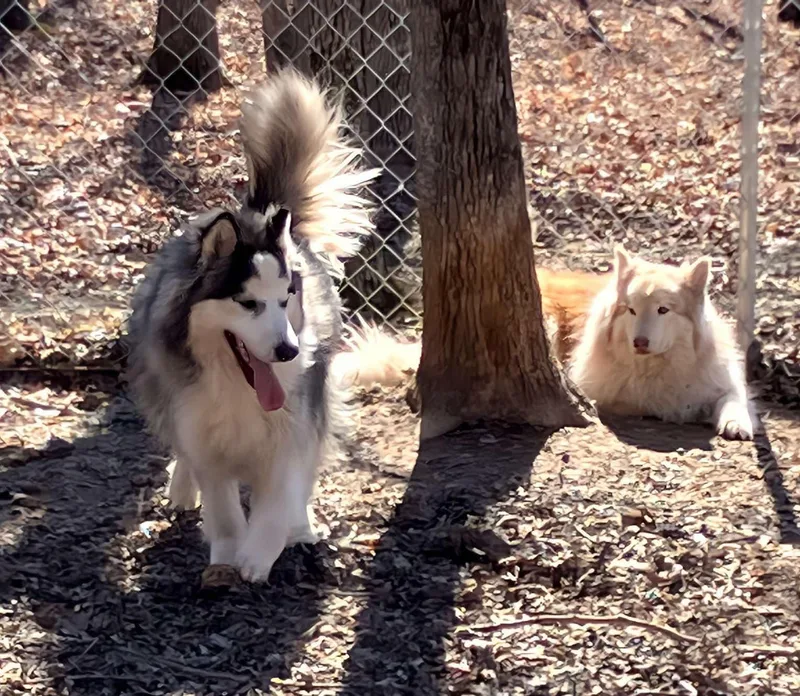
Husky is a catch-all name for northern sled dogs rather than one breed. Most dogs listed under it are Siberian Huskies or Siberian mixes, though some carry Alaskan husky racing lines or a bit of Alaskan Malamute. They share erect triangular ears, a thick double coat, a brush tail and sometimes blue or mismatched eyes.

Most weigh 35 to 70 pounds and were built to run long distances in a team, so they tend to be friendly, playful and independent, with a habit of howling, digging and chasing small animals. In Burlington, that stamina meets leash rules that apply almost everywhere outside three small off-leash areas, so the adopter has to supply the exercise. Dogs vary, and a mix may be calmer or more intense than the label suggests.

Weight
35–70 lbs
Height
20–25 in
Lifespan
11–15 yrs
Temperament
Friendly, Energetic, Independent, Vocal
Group
Working
Shedding
High

Owning a Husky in Burlington

Having a Husky in Burlington

Husky-type dogs bring sled-dog stamina, a thick coat and a self-directed streak. In Burlington that combination suits winter trails and the bike path well, but it also calls for leash discipline, a secure fence and a plan for noise and shedding.

Temperament

Huskies are usually outgoing and gentle with people, which makes them poor guard dogs. Many like other dogs, but a strong prey drive can put cats and small pets at risk. They're smart and independent, and may ignore commands that seem pointless. Dogs in a mix vary widely, so each dog's temperament is worth watching.

Exercise Needs

Most huskies need vigorous exercise every day, such as running, hiking, canicross or pulling sports. In Burlington that usually means leash walks and runs along the Burlington Greenway, since only three small areas allow off-leash dogs. Recall is often unreliable, so use a long leash or a fenced area. Bored huskies dig and howl.

Health Considerations

Husky-types are generally hardy, but eye problems such as juvenile cataracts, corneal dystrophy and progressive retinal atrophy occur, along with zinc-responsive skin disease and some hip dysplasia. Lyme-carrying ticks are common in Chittenden County, so talk with a veterinarian about tick prevention and regular eye and hip checks.

Living Space

A husky can manage in an apartment if exercise is steady, but most do best with a fenced yard at least six feet tall and dug-proofed, the kind found in parts of the New North End and South End. They need to live indoors with family. Expect loose fur, plenty of howling and a dog that craves company.

What it costs to own a Husky in Burlington

ExpenseTypical costPer year
Food$35 to $70 per month$420 to $840
Pet insurance$45 to $85 per month$540 to $1,020
Routine vet care$225 to $450 per year$225 to $450
Other*$540 to $1,390 per year$540 to $1,390
Estimated yearly total (after year one)$1,725 to $3,700

Other costs are estimates and vary with size, age and health.

* The Burlington dog license, flea, tick and heartworm prevention, a dental cleaning, toys and bedding, and brushing or grooming for heavy seasonal shedding.

Adopt a Husky in Burlington.

Now that you know more, let’s find you a new best friend.

Frequently Asked Questions

Yes, for active adopters. Burlington's cold winters, the Burlington Greenway and nearby parks suit a husky's stamina, but only three small areas allow off-leash dogs, so expect to run or walk the dog on leash every day. Fenced yards are easier to find in the New North End than downtown, and loud howling can strain apartment living.

Mostly yes. About 145 nights a year drop to freezing and snowfall averages about 87 inches, which a husky's double coat handles well. Heat is the lesser concern, with only about eight days a year at 90°F or above. On those days, exercise early or late and keep the dog in cool indoor space.

Start with Starr Farm Dog Park in the New North End, the fenced Waterfront Dog Park near North Beach, and the Burlington Greenway for leashed runs. Texaco Beach is also off-leash, but check the city's beach closure tracker for algae first. Carry a leash at all times; off-leash areas allow no more than three dogs per person without a permit.

Yes. No known breed-specific rule in Burlington's city code covers Huskies, and dangerous-dog rules are based on a dog's behavior rather than its breed. You'll need to license the dog annually once it's over six months old, show proof of rabies vaccination, and keep it leashed outside off-leash areas. Vermont law also sets tethering and shelter standards for outdoor dogs.

It can, if the dog gets steady daily exercise and the building tolerates noise. Many Burlington adopters rent, so lease rules on size and deposits matter. The city's nuisance rule covers excessive, continuous howling that disturbs neighbors, so a quieter or ground-floor unit, training and a consistent routine make apartment life far easier for a husky.

Only in a carrier, which rules out most Huskies. Green Mountain Transit buses allow animals only when they fit in a closed, secured bag or carrier, with an exception for service animals. Burlington has no subway or rail, so plan on walking, biking the Greenway or driving to the vet and the trails.

Plan on brushing a few times a week, and daily during the heavy coat blows in spring and fall. Don't shave a husky, since the double coat insulates against both cold and heat. In winter, wipe salt from the paws after walks. A few professional deshedding baths a year fit within the Other costs shown on this page.

A Husky is a northern sled dog type rather than one specific breed. The name most often refers to the Siberian Husky, a recognized AKC breed, but it also covers the Alaskan husky, a mixed racing type, and many husky mixes in shelters. Most are medium-sized, thick-coated, energetic dogs with erect ears and a friendly, independent nature.

Huskies were bred to pull sleds. The Chukchi people of northeastern Siberia developed the ancestors of the Siberian Husky to haul light loads over long distances in teams, and the dogs later became famous in Alaskan sled racing. That purpose explains their stamina, their pack-oriented sociability and their strong urge to run, which still shapes life with a pet husky today.

Expect roughly $35 to $70 a month for food and $45 to $85 for pet insurance, plus $225 to $450 a year for routine vet care and $540 to $1,390 for everything else. That adds up to about $1,700 to $3,700 a year, with larger dogs and heavy coat care at the higher end.