



Hound Dogs for Adoption in Burlington, VT

Your guide to finding and caring for a Hound in Burlington

Hounds are a good match for Burlington's slow, sniff-heavy kind of walk. In the Old North End, where small lots and close sidewalks put a new smell on every block, a hound mix can spend an hour covering a few streets and come home happy. The bike path offers a longer route, and the leash matters there, because a scent can pull a hound off after a squirrel in seconds. Size and voice vary a lot from one hound mix to the next.

4671 Hounds available in Burlington and nationwide

Your Hound mix is waiting

While we don't have enough dogs near Burlington, keep in mind that many rescues may offer transport.

Hounds Available for Adoption Near Burlington

About the Hound breed

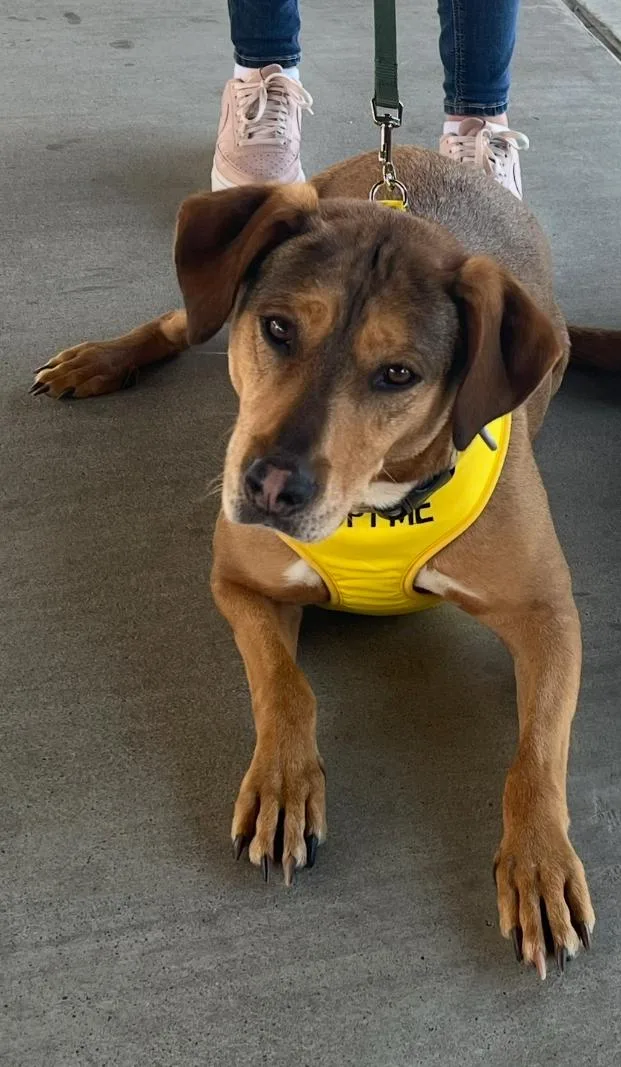
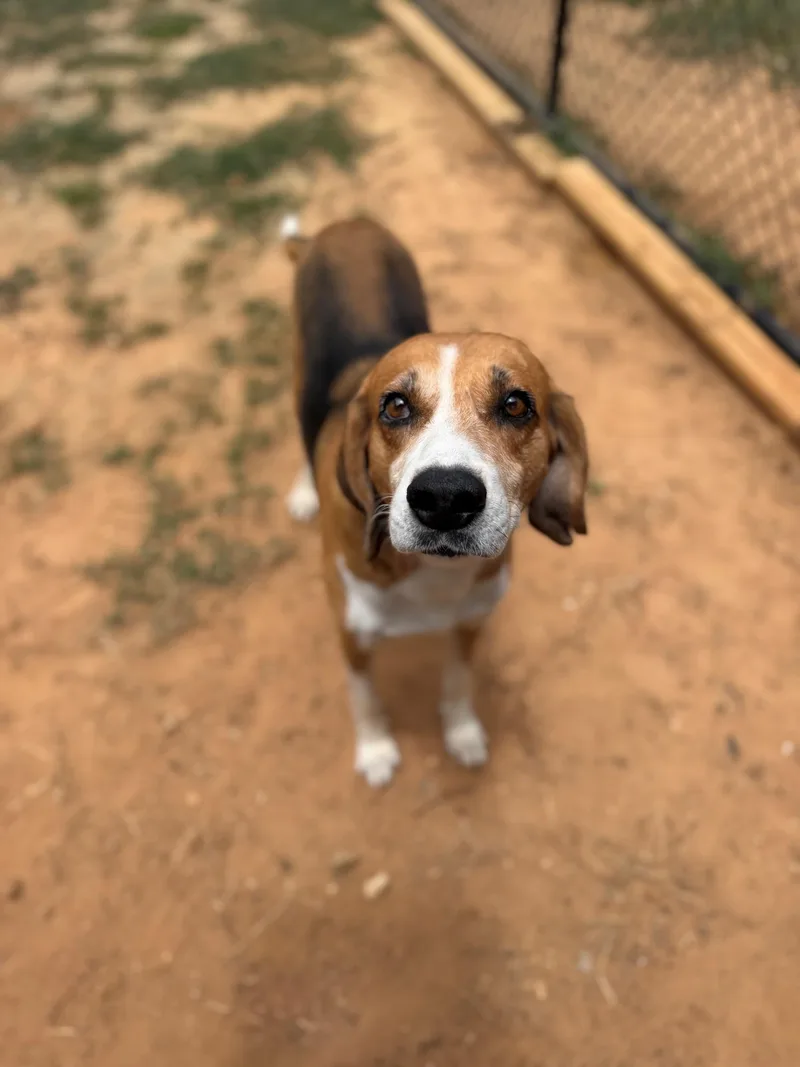
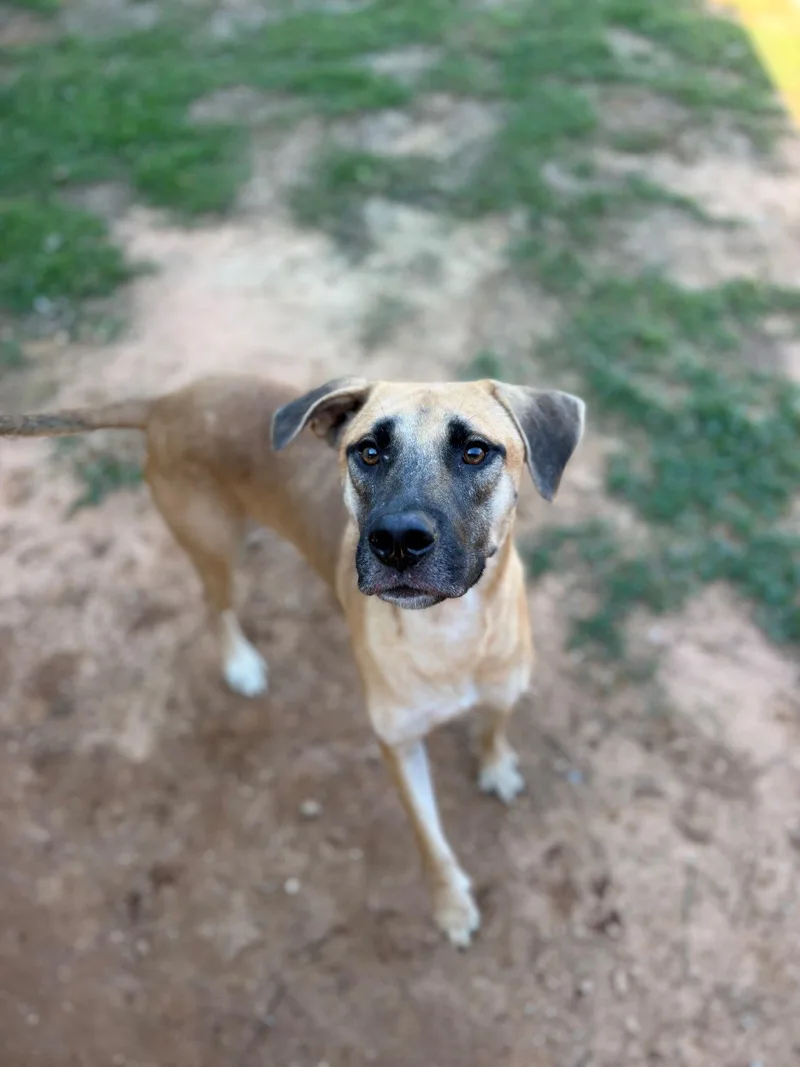
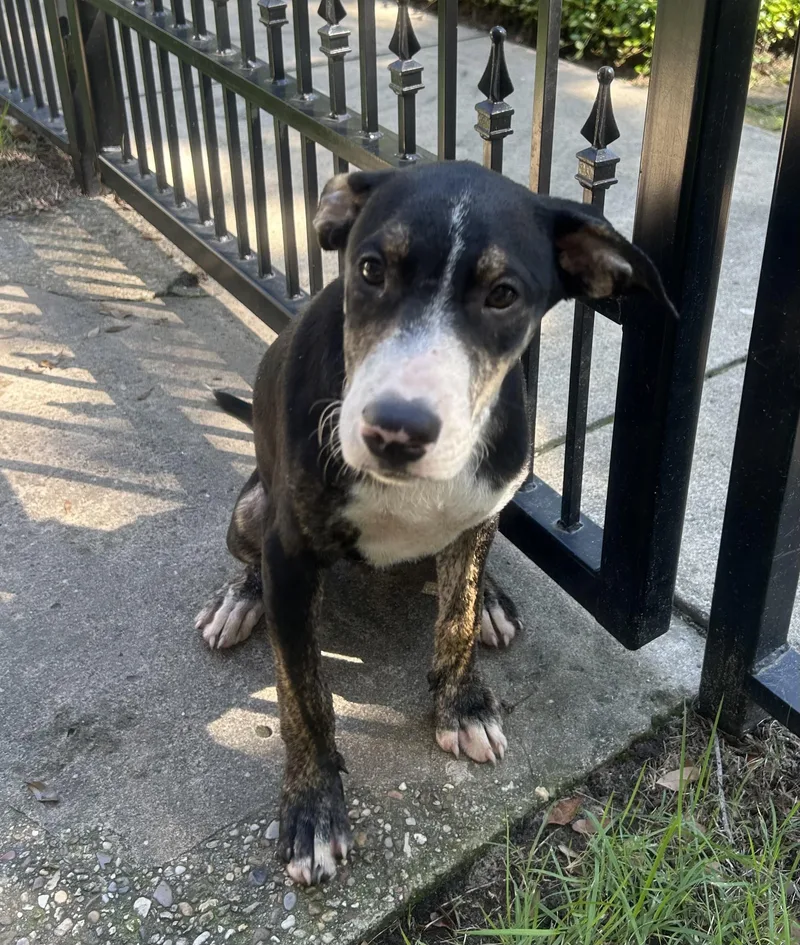
Hound isn't one breed but a family of hunting dogs, and on adoption listings it usually means a scent hound mix with Beagle, Coonhound or Foxhound ancestry. Sighthound types such as Greyhounds and Whippets turn up less often. Most are friendly, easygoing dogs with a short coat, long ears, a strong nose and a voice that carries.

Burlington adds a few practical points. Short coats shed moderately and need little grooming, but they offer little insulation in a Vermont January. Most hounds are sociable and do better with company than with long, empty days. Ancestry changes size, energy and how loudly a dog bays, so a Hound's listing notes tell you more than the label does.

Weight
20–70 lbs
Height
13–27 in
Lifespan
10–14 yrs
Temperament
Friendly, Independent, Vocal
Group
Hound
Shedding
Moderate

Owning a Hound in Burlington

Having a Hound in Burlington

Hound mixes share a strong nose, a loud voice and an independent streak, though ancestry decides how much each shows. In Burlington, leash rules, cold winters and tick-heavy trails shape how those traits play out day to day.

Temperament

Most hounds are friendly and sociable, but stubbornness is common because they were developed to follow a trail without waiting for instructions. Patient, food-based training works better than pressure. Baying and howling are likely, which matters in shared buildings, though some hounds stay surprisingly quiet. Ancestry shapes how strongly any of this shows.

Exercise Needs

Plan on a daily walk long enough to sniff and explore, plus a longer outing on weekends. A strong scent can override recall, so keep a hound leashed on the bike path and in most parks. The Waterfront Dog Park's fenced space gives it room to run. On frozen days, scent games and food puzzles tire a hound indoors.

Health Considerations

Long, hanging ears trap moisture, so dry them after snowy or wet walks and watch for ear infections. Many hounds gain weight easily, and larger types can develop hip dysplasia. Chittenden County has had high Lyme infection rates in ticks, so talk with a veterinarian about tick prevention and do a tick check after trail walks.

Living Space

Hounds can manage in a Downtown condo or an Old North End apartment if they get steady outings, but baying carries through shared walls. In the New North End, where homes often have bigger yards, a secure fence matters because hounds dig, climb and follow scents through gaps. Keep food and trash out of reach.

What it costs to own a Hound in Burlington

ExpenseTypical costPer year
Food$35 to $70 per month$420 to $840
Pet insurance$45 to $85 per month$540 to $1,020
Routine vet care$225 to $450 per year$225 to $450
Other*$440 to $1,190 per year$440 to $1,190
Estimated yearly total (after year one)$1,625 to $3,500

Other costs are estimates and vary with size, age and health.

* Flea, tick and heartworm prevention, a dental cleaning allowance, the Burlington dog license, toys and bedding, and basic brushing and ear care.

Adopt a Hound in Burlington.

Now that you know more, let’s find you a new best friend.

Frequently Asked Questions

Yes. Burlington's animal rules focus on a dog's behavior rather than its breed, and no household limit on dogs is known in city code. A hound kept outdoors must follow Vermont's tethering rules: room to move four times the dog's length, access to shelter, and no choke collars. Hounds also escape easily, so a secure fence or leash matters.

Yes, with preparation. Short-coated hounds feel the cold, so plan on a coat, shorter walks when it's well below freezing, and a towel for salty paws. Vermont law bars keeping a dog that isn't acclimated outdoors in an enclosure below 50°F, so a hound should live indoors. Scent games keep it busy on snowbound days.

Yes, if it gets enough exercise, but noise is the real test. Baying travels through thin walls, and Burlington's nuisance rule covers excessive, continuous barking or howling that disturbs others. A ground-floor unit or one with quiet neighbors helps. Daily sniff walks, puzzle feeders and company during the day reduce howling.

The fenced Waterfront Dog Park suits a hound that bolts after scents, while Starr Farm Dog Park sits beside the bike path in the New North End. Both allow up to three dogs per person. The bike path itself is a good leashed sniffing route, as are the Intervale's trails, though both call for a tick check afterward.

Only if they fit in a carrier. Green Mountain Transit buses allow pets only in a closed, secured carrier, though service animals are allowed. That works for a small Beagle-type mix but not for a 50-pound coonhound mix. Burlington has no subway or rail transit, so plan on walking, the bike path or a car for vet visits.

Brush a Hound about once a week to control moderate shedding, and check and dry the ears after snow, rain or a swim to head off infections. In winter, wipe paws after salted sidewalks. Most owners handle this at home, trimming nails as needed, so professional grooming is rarely a big expense.

Sometimes, on patios. Patio policies are up to each restaurant and are often seasonal, and pet dogs generally aren't allowed in indoor dining rooms. Leashed dogs are a common sight on Church Street Marketplace. A hound that counter-surfs will test your patience at a table, so bring a mat and keep it leashed and settled.

A hound dog is a hunting dog bred to track or chase game, either by following a scent or by sight and speed. Beagles, Coonhounds, Bloodhounds and Basset Hounds hunt by nose, while Greyhounds and Salukis are sighthounds. Shelters often label a dog hound when it shows scent hound traits, such as long ears, a strong nose and a baying voice.

Most adoptable hounds are medium-sized, roughly 20 to 70 pounds and 13 to 27 inches tall at the shoulder. Beagle types sit at the small end, while coonhound types reach the top. Because hound is a label covering many breeds and mixes, the shelter's notes on the individual dog's ancestry and current weight are the best guide.

Expect roughly $35–$70 a month for food and $45–$85 a month for pet insurance, plus $225–$450 a year for routine vet care and $440–$1,190 a year for other costs such as parasite prevention, a dental cleaning and the license. Larger coonhound-type mixes tend to land at the higher end.