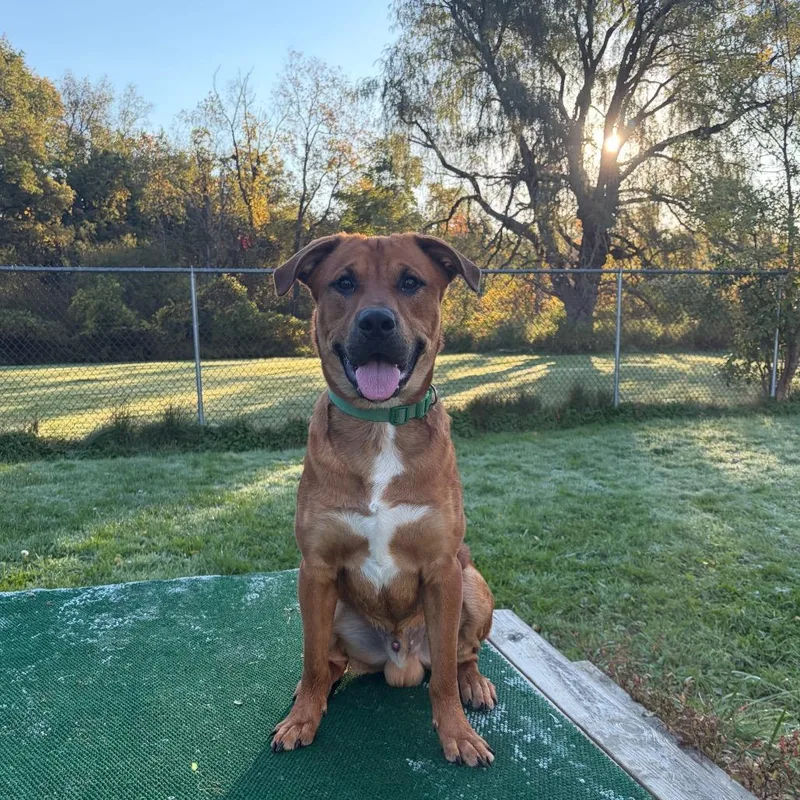
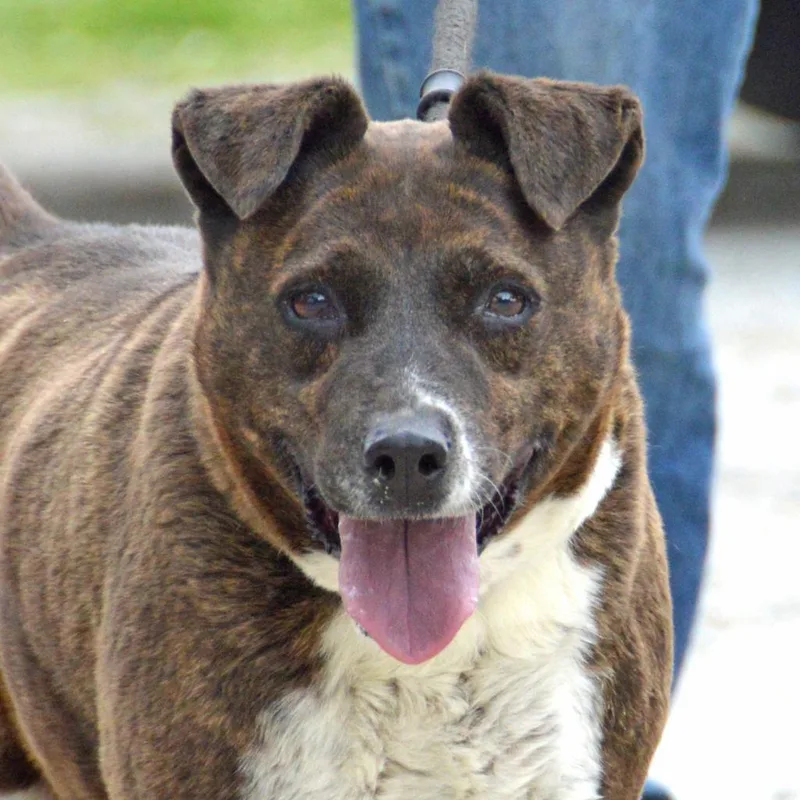
Curly-Coated Retriever Dogs for Adoption in Burlington, VT

Your guide to finding and caring for a Curly-Coated Retriever in Burlington

Curly-Coated Retrievers fit Burlington best with owners who are outside every day. The paved bike path through the New North End gives a tall, tireless dog miles of steady walking, and the Intervale's farm trails add room to sniff on a leash. Curlies love water, so Lake Champlain is tempting, but summer algae blooms mean you'll need to watch where your dog swims. Expect a smart, slightly reserved dog that wants a daily job, like a long game of fetch at Starr Farm.

15109 dogs similar to Curly-Coated Retriever available in Burlington and nationwide

Bring home a Curly-Coated Retriever

Curly-Coated Retrievers and Similar Breeds Available for Adoption Near Burlington

About the Curly-Coated Retriever breed

Curly-Coated Retrievers are among the oldest retriever breeds, developed in England as tireless gun dogs for waterfowl and upland birds. They're the tallest of the retrievers, typically 60 to 95 pounds, with a dense coat of tight, crisp curls that sheds water, in solid black or liver.

Many Curlies are more reserved with strangers and more independent than Labs or Goldens, and they often stay playful for two or three years. With their own family they tend to be affectionate and gentle. In a Vermont household, that means steady training, plenty of exercise and patience with a dog that likes to think things through. Each dog is different.

Weight
60–95 lbs
Height
23–27 in
Lifespan
10–12 yrs
Temperament
Confident, Intelligent, Independent
Group
Sporting
Shedding
Low to Moderate

Owning a Curly-Coated Retriever in Burlington

Having a Curly-Coated Retriever in Burlington

A Curly pairs a working retriever's stamina with a coat built for cold water, which suits Vermont's long winters. Slow maturity, a need for daily exercise and a few inherited health concerns shape daily life, so they're worth understanding before you adopt.

Temperament

Curlies are often devoted and gentle with their families but politely aloof with strangers, so slow introductions on busy downtown sidewalks or at the dog park help. They're smart and independent, and may tire of repetitive drills. Reward-based training and early socialization go a long way, and personalities vary from dog to dog.

Exercise Needs

Plan on vigorous daily exercise: long walks, running, swimming or retrieving. In Burlington that can mean leashed miles on the bike path, or fetch in off-leash areas like Starr Farm and the Waterfront Dog Park. Add scent games or training classes, since a bored Curly will invent its own entertainment.

Health Considerations

Curlies can face hip and elbow dysplasia, exercise-induced collapse, glycogen storage disease type IIIa, an inherited form of progressive retinal atrophy, heart disease and coat loss. Bloat is a risk in deep-chested dogs. Chittenden County's tick pressure makes tick prevention worth discussing with a veterinarian, along with regular checkups.

Living Space

A Curly does best with a securely fenced yard, like many New North End and South End homes offer, though a committed apartment dweller can manage with enough exercise. Routine matters more than square footage. Their size and busy tail need room indoors, and they want to live inside with the family.

What it costs to own a Curly-Coated Retriever in Burlington

ExpenseTypical costPer year
Food$55 to $110 per month$660 to $1,320
Pet insurance$65 to $130 per month$780 to $1,560
Routine vet care$250 to $500 per year$250 to $500
Other*$490 to $1,290 per year$490 to $1,290
Estimated yearly total (after year one)$2,180 to $4,670

Other costs are estimates and vary with size, age and health.

* Flea, tick and heartworm prevention, a dental cleaning allowance, the Burlington dog license (about $27 a year for a spayed or neutered dog), toys and bedding, and light coat care with occasional trims.

Adopt a Curly-Coated Retriever in Burlington.

Now that you know more, let’s find you a new best friend.

Frequently Asked Questions

Yes, you can own a Curly-Coated Retriever in Burlington, and no breed-specific rule is known in the city code. Burlington's dangerous-dog process turns on what a dog actually does, such as biting off its owner's property, so training and socialization matter more than breed. Vermont also requires adequate shelter for dogs kept outdoors.

Yes, most healthy Curly-Coated Retrievers handle Burlington winters well with sensible care, and many enjoy snow. Vermont law requires proper shelter for dogs kept outdoors, and a dog that isn't acclimated shouldn't be kept in an outdoor enclosure below 50°F. Puppies and seniors feel cold sooner, so plan indoor play on the harshest days.

For off-leash play, Starr Farm Dog Park sits beside the bike path in the New North End, and the Waterfront Dog Park is a large fenced space near North Beach. For leashed miles, the Burlington Greenway and the Intervale suit a Curly's stamina. Texaco Beach allows off-leash swimming, but algae can close it in summer.

Yes, if its exercise is covered every day. Downtown, Old North End and University District apartments put Battery Park, Roosevelt Park and the bike path within walking distance. A large Curly needs room for its tail, a landlord who accepts big dogs, and owners who'll manage stairs, ice and long outings, since a bored apartment Curly can get destructive.

Generally no. Green Mountain Transit buses allow pets only in a closed, secured carrier, and a 60-to-95-pound Curly-Coated Retriever won't fit in one. Service animals are allowed. Plan on walking or driving for vet visits and outings, and practice calm car rides early so travel isn't stressful.

A Curly-Coated Retriever fits Burlington if you're outdoors in every season and enjoy bike path walks, snow and lake-adjacent trails. It's a weaker match if you're away for long days, want a dog that greets every stranger or live where daily exercise is hard to arrange. New North End homes with yards make routines easier.

Light but regular. Skip the brush, which frizzes the curls; dampen the coat and work through it with your fingers, with an occasional trim. Burlington's road salt and spring mud mean frequent paw wipes and rinses. Trims fit within the yearly Other costs shown above, and most care can happen at home.

Sometimes, outdoors only. Patio policies are up to each restaurant and are often seasonal, and no statewide rule is known. Leashed dogs are common on Church Street Marketplace, but dogs generally aren't allowed inside dining rooms. Since Curlies can be reserved with strangers, practice settling calmly on a mat before patio outings.

Yes, Curly-Coated Retrievers shed, but usually less than most retrievers for much of the year. Many have one or two heavier seasonal sheds when the curls loosen and drop hair, and intact females may shed more after a heat cycle. Owners generally avoid brushing, which frizzes the curls, and instead dampen the coat and work loose hair out by hand.

Expect roughly $2,180 to $4,670 a year for a Curly, made up of food at $55 to $110 a month, insurance at $65 to $130 a month, routine vet care at $250 to $500 a year and other costs of $490 to $1,290 a year. Emergencies, boarding and training classes cost extra.