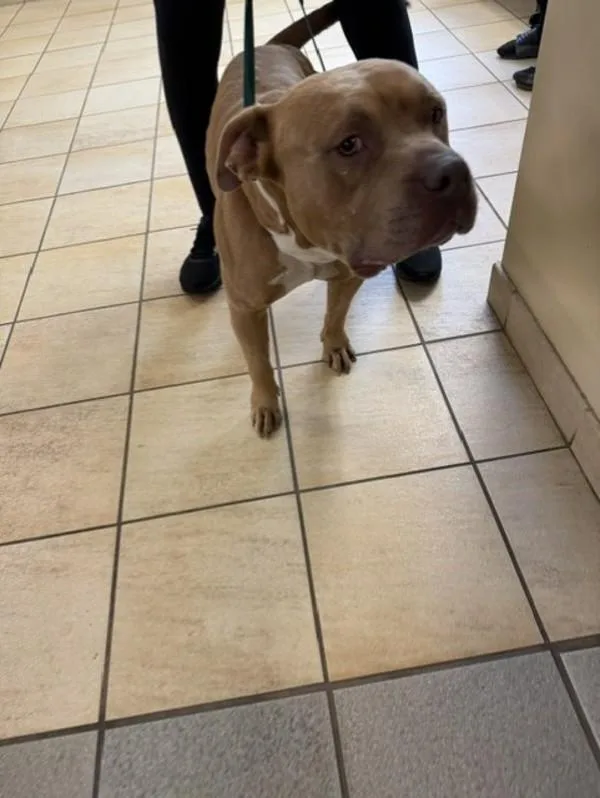
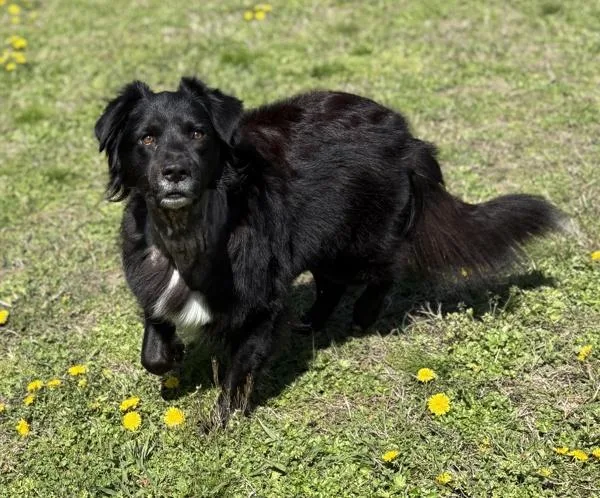
Vizsla Dogs for Adoption in Virginia Beach, VA

Your guide to finding and caring for a Vizsla in Virginia Beach

Vizslas fit Virginia Beach best when their people spend a lot of time outside. A dog this lean and tireless can burn off energy on the trails around Pleasure House Point or loop Mount Trashmore's hills, then settle on the sofa in a Green Run townhouse. What a Vizsla won't tolerate well is a long, lonely workday, since most want to be glued to their person. Summer humidity matters here, so early mornings work best.

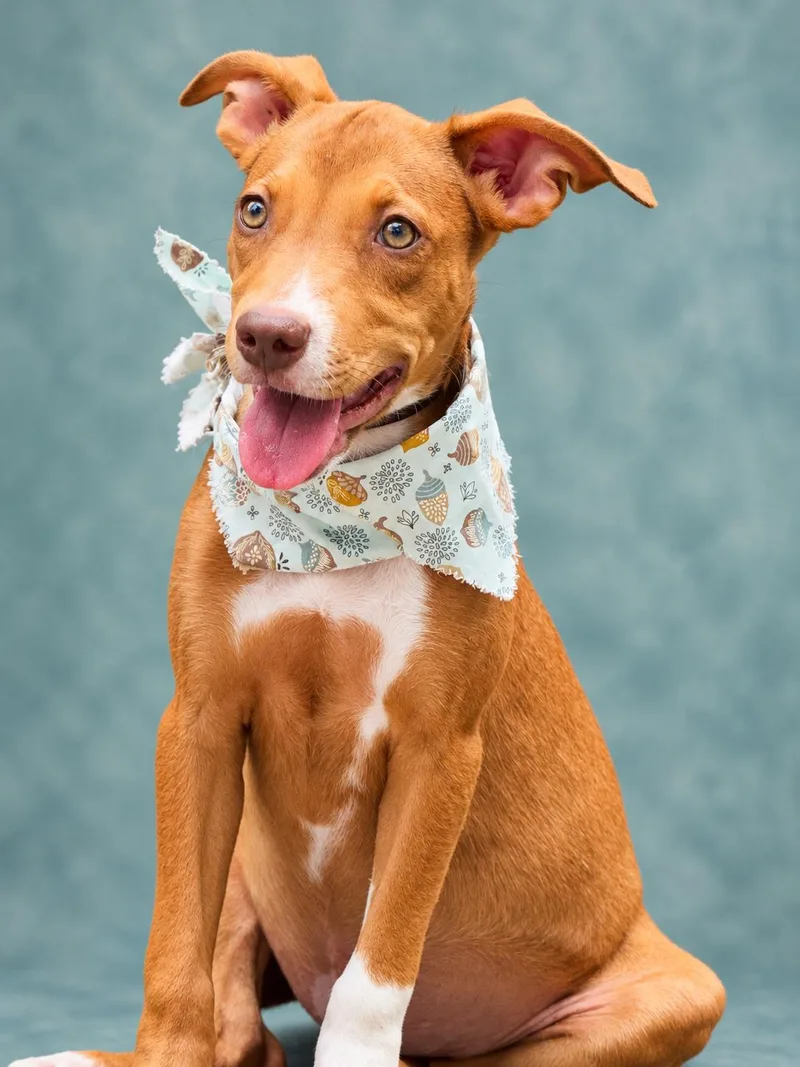
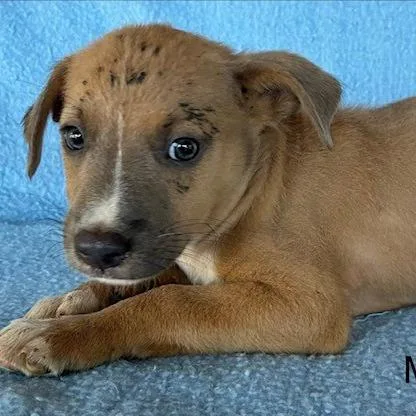
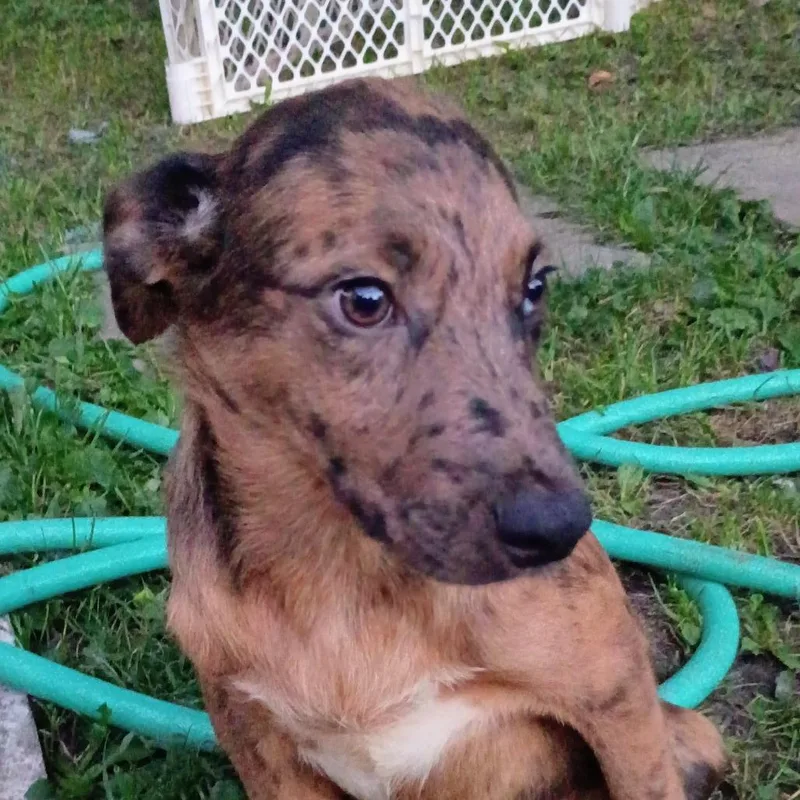
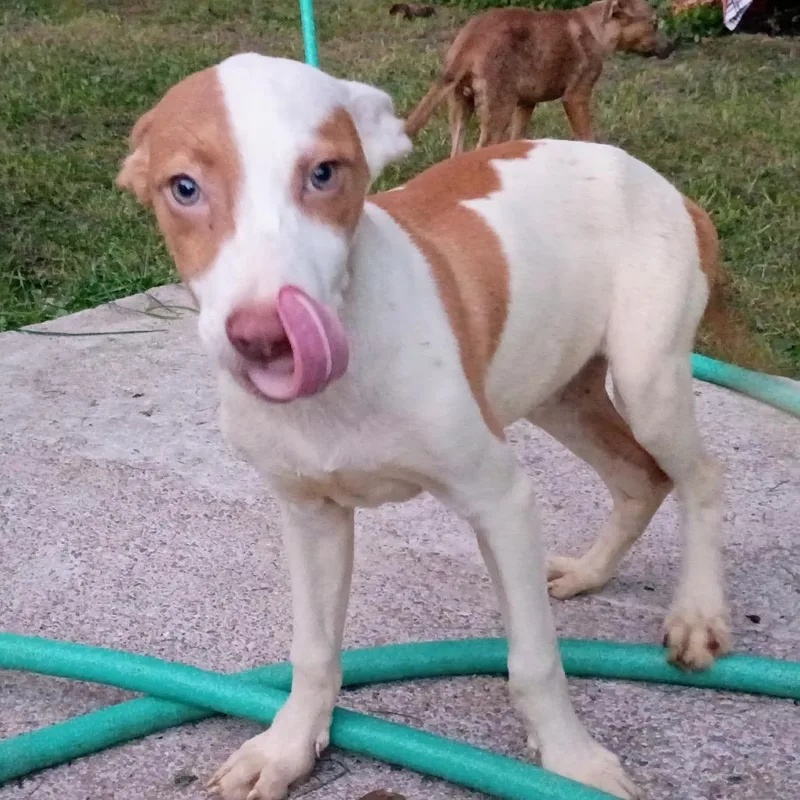
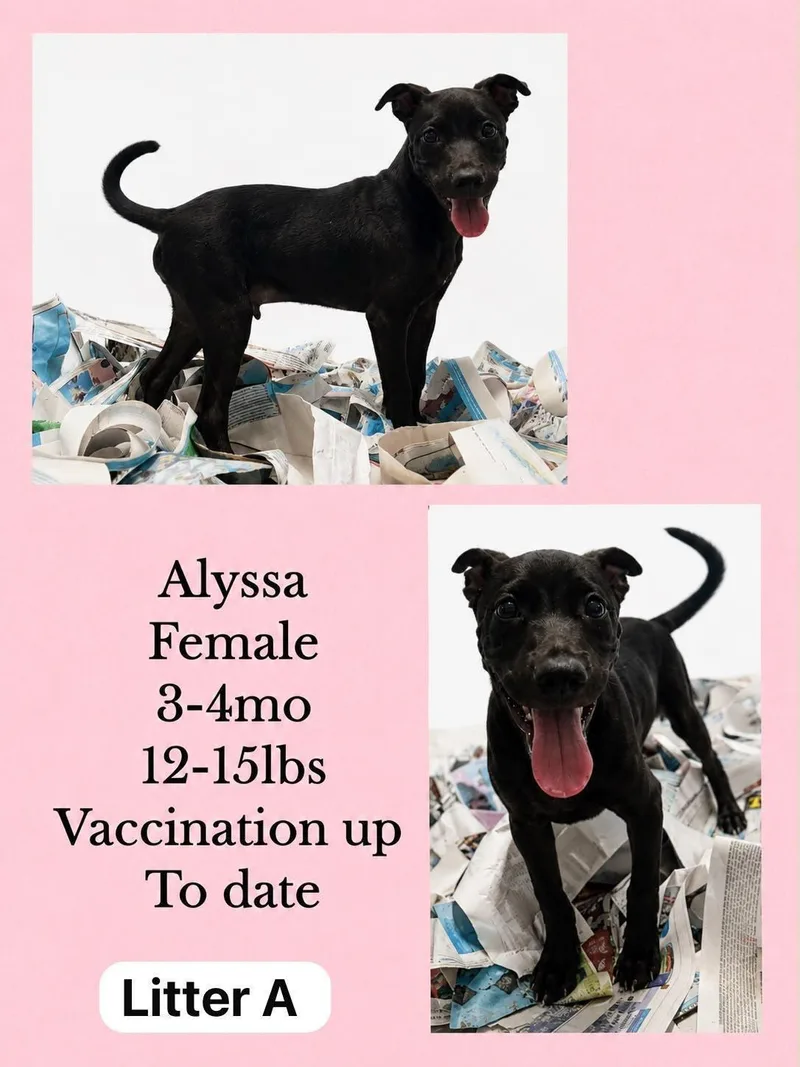
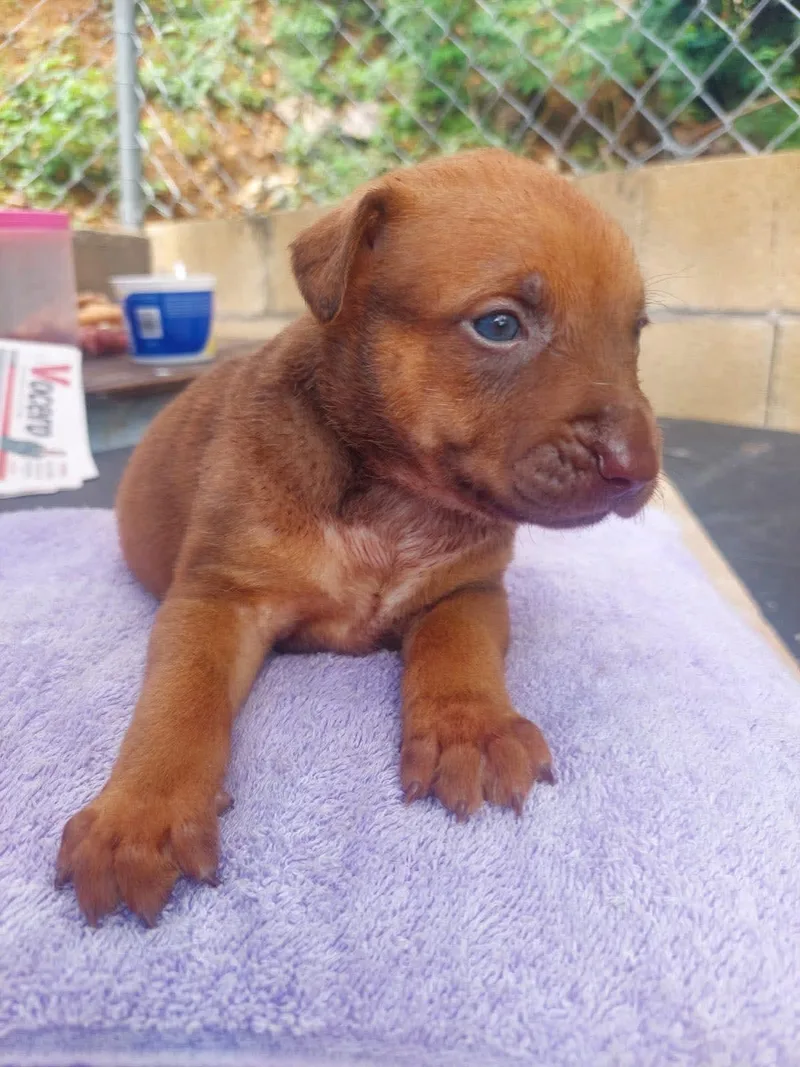
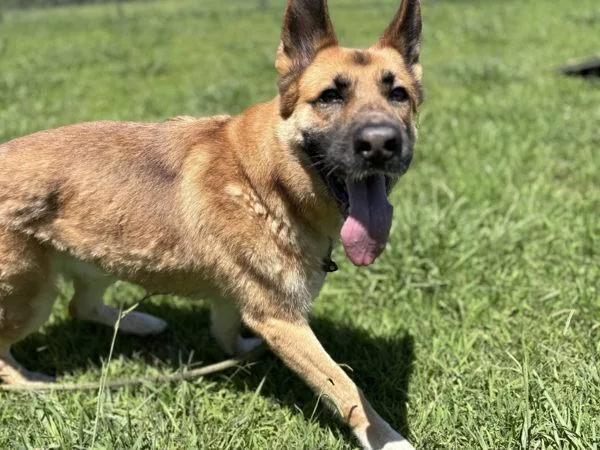
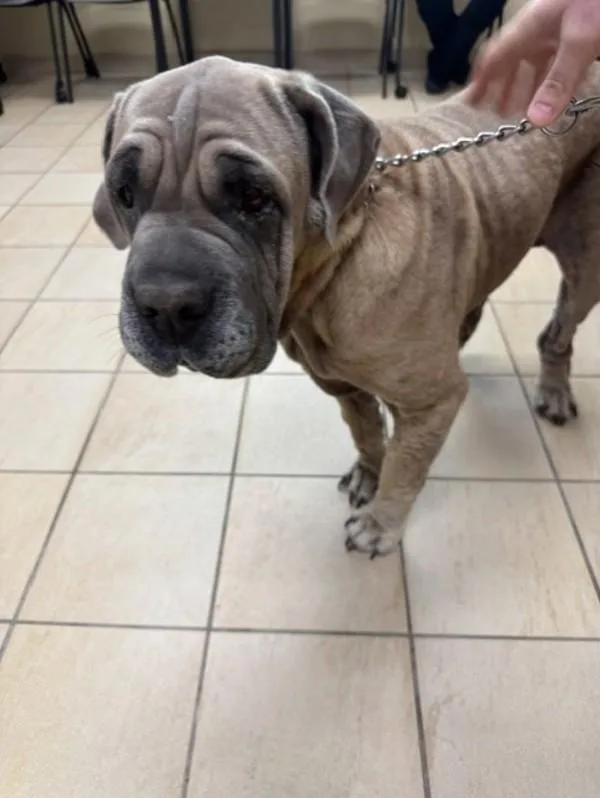
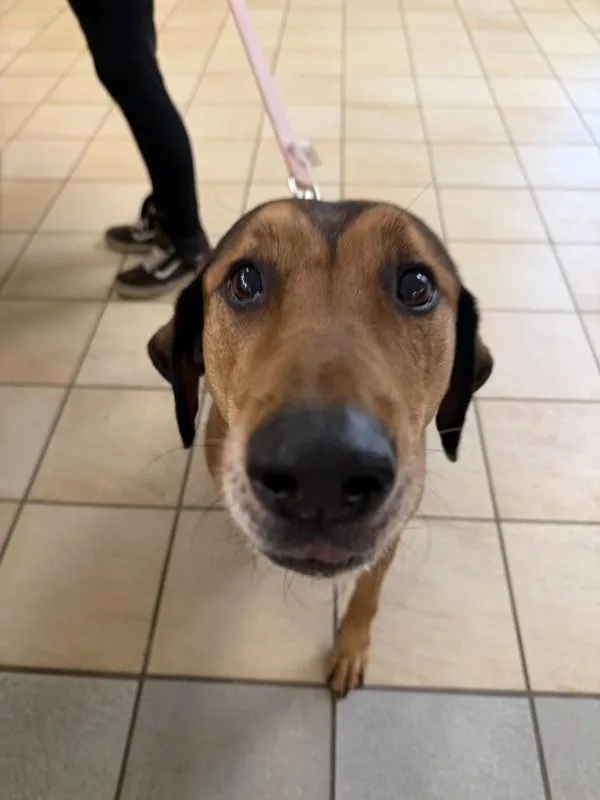
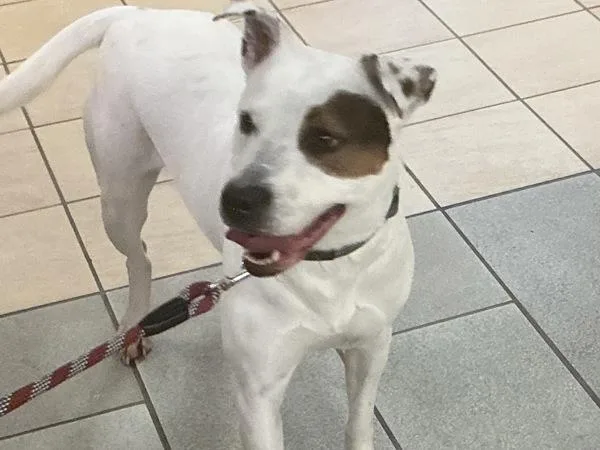
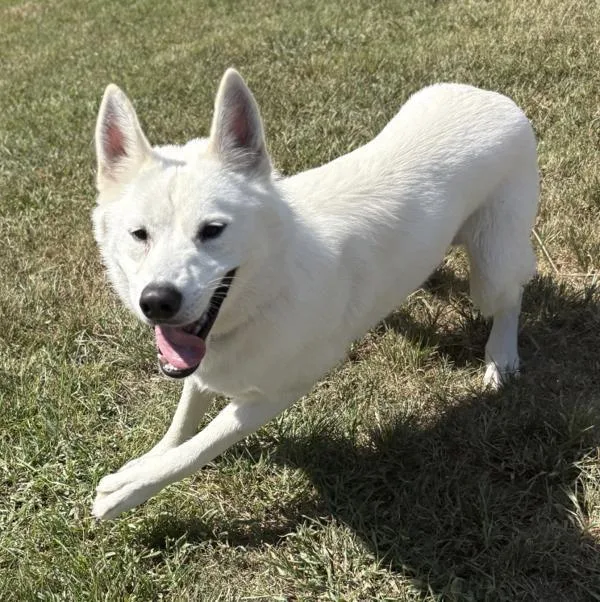
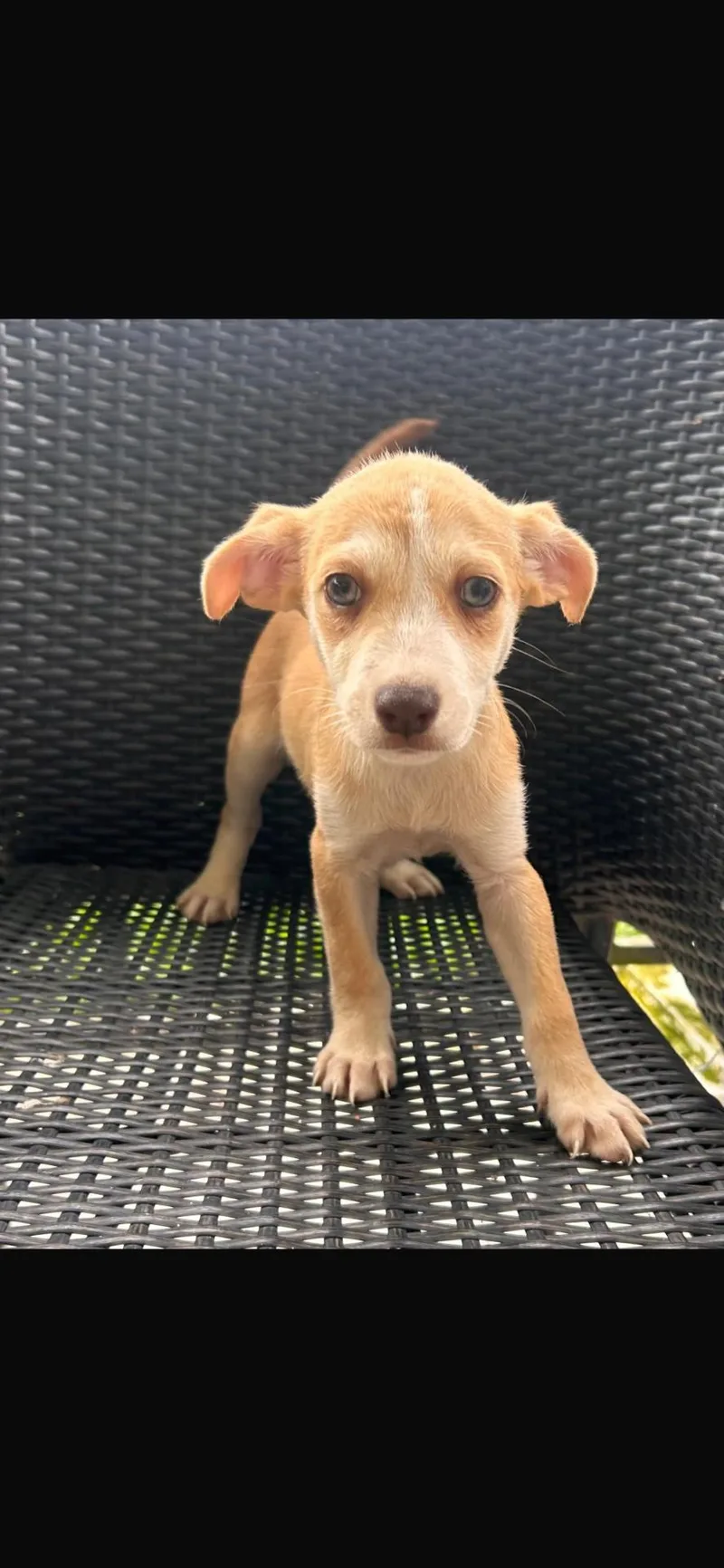
185 Vizslas available in Virginia Beach and nationwide

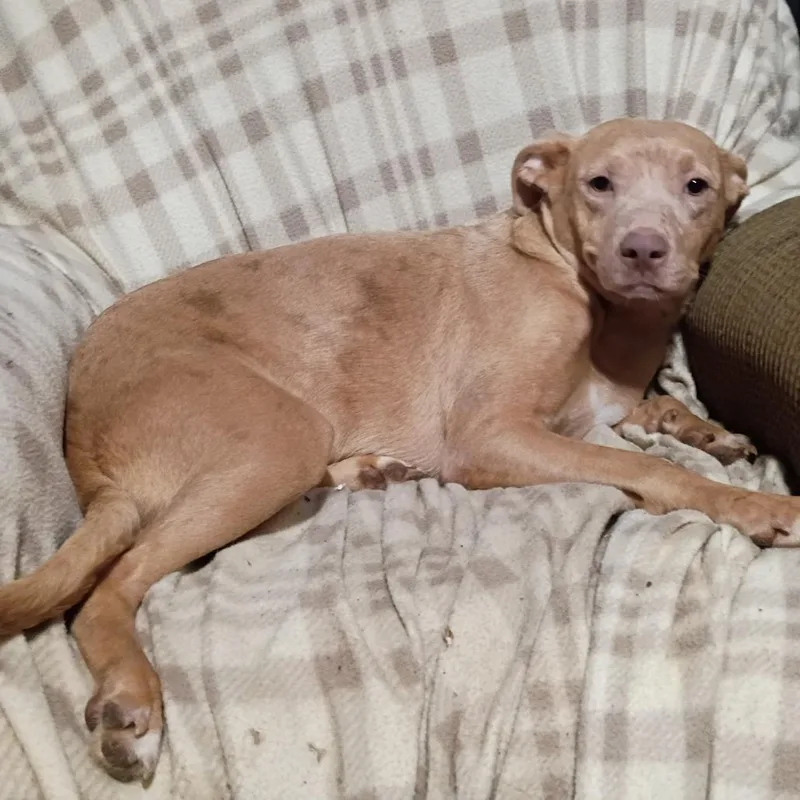
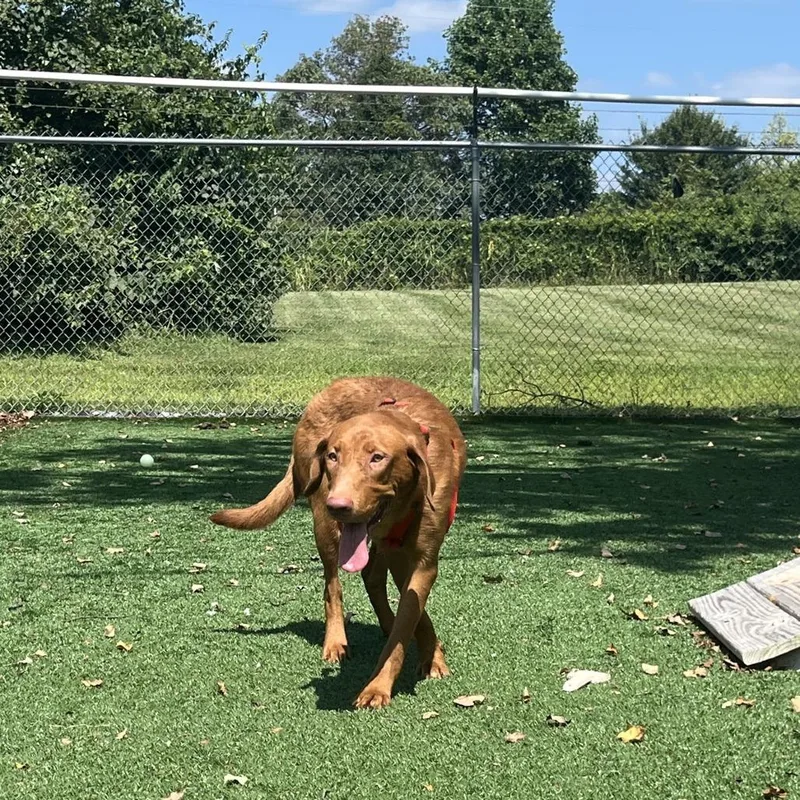
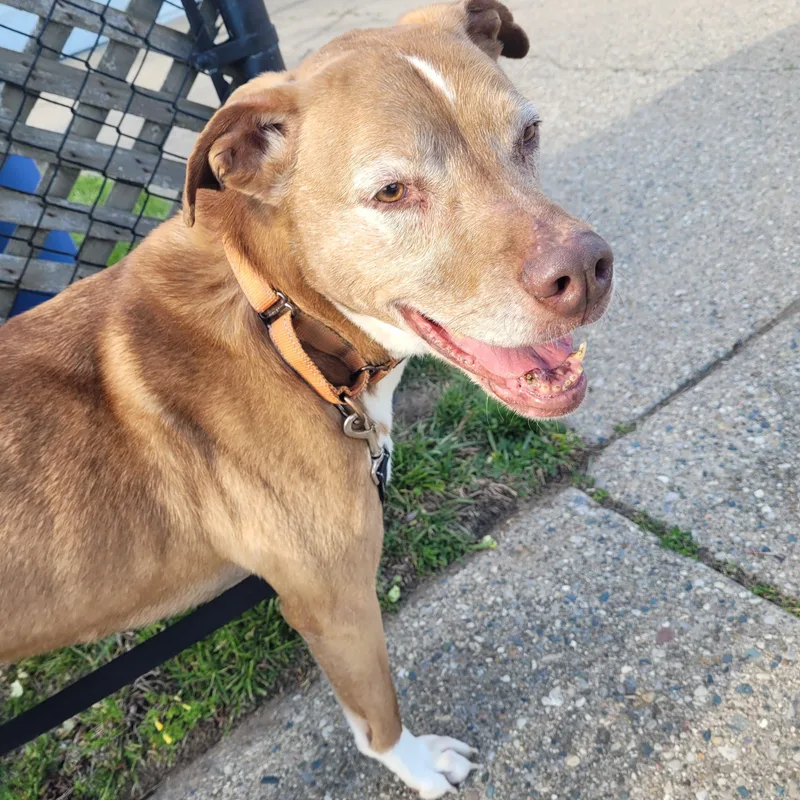
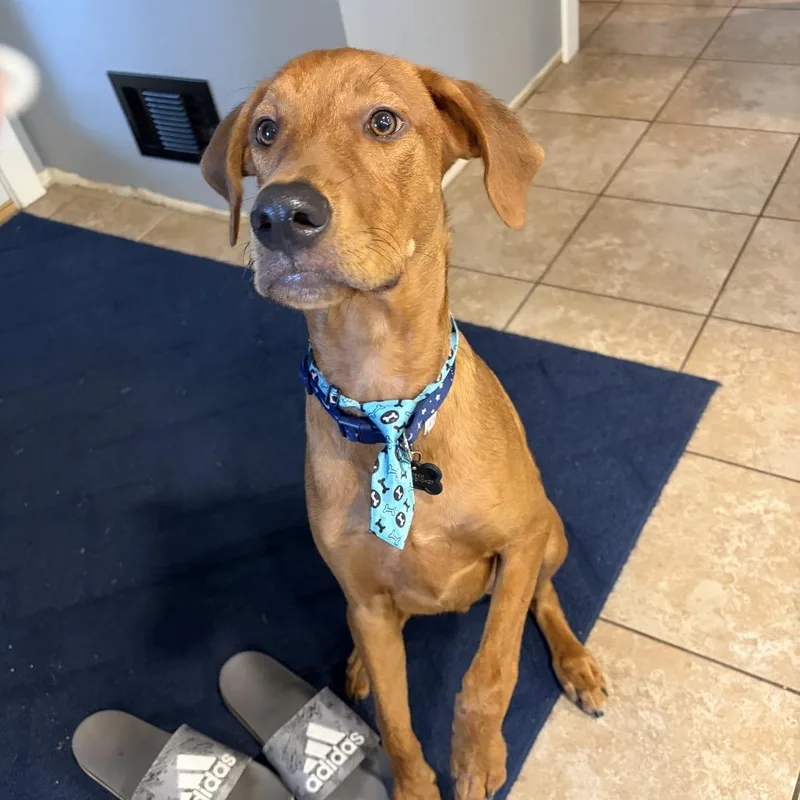
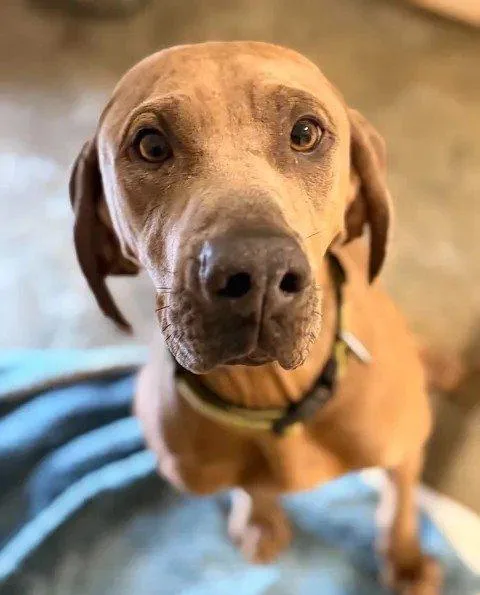
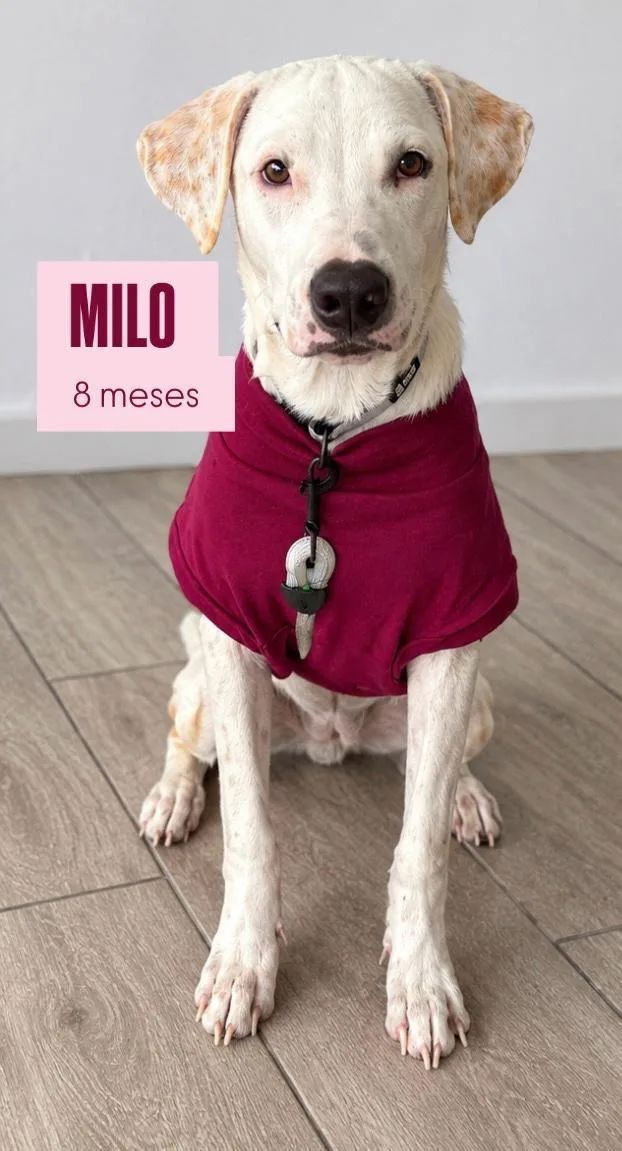
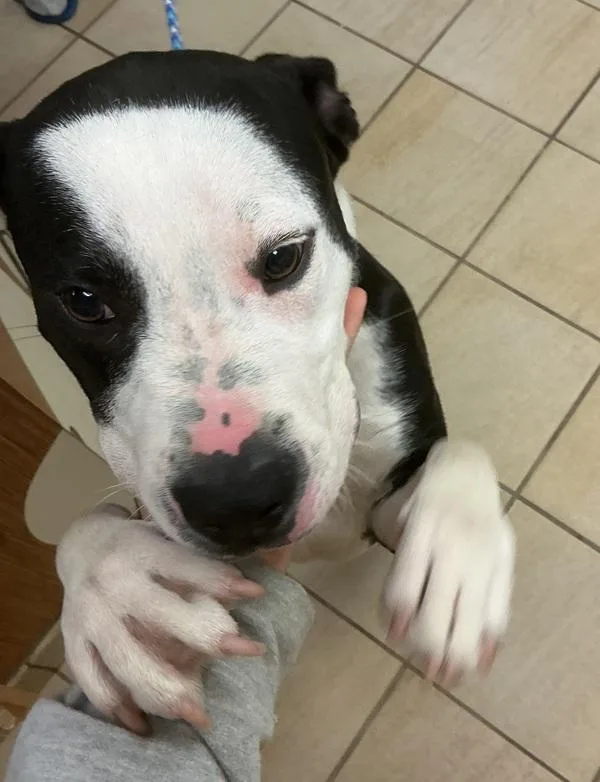
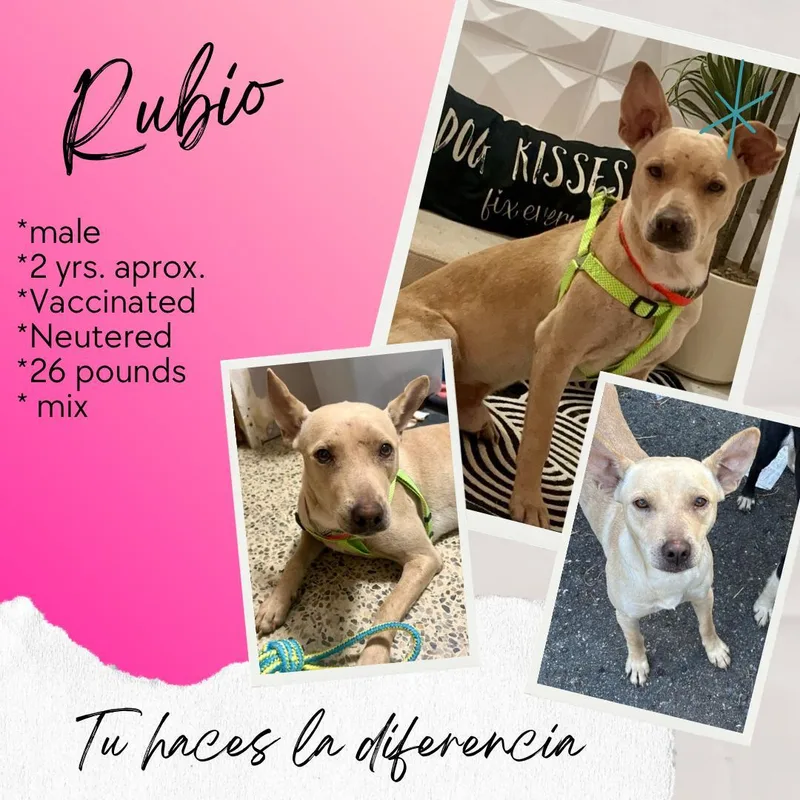
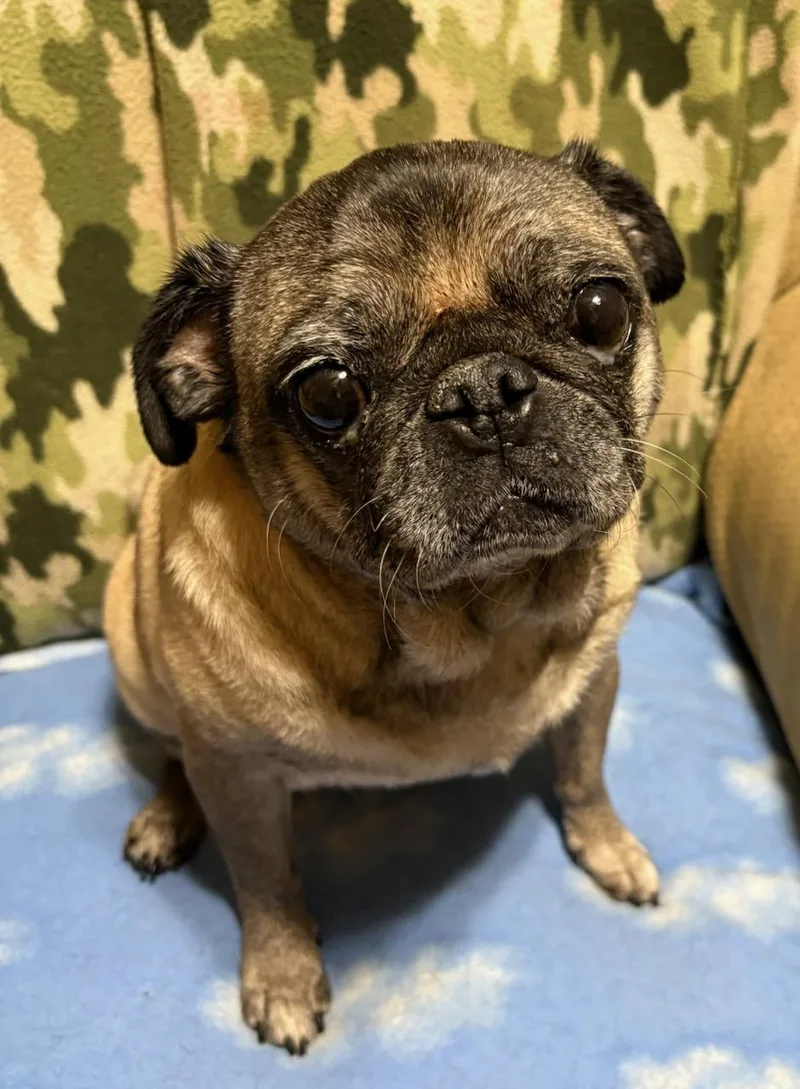
Meet a Vizsla who needs you

While we don't have enough dogs near Virginia Beach, keep in mind that many rescues may offer transport.

Vizslas Available for Adoption Near Virginia Beach

About the Vizsla breed

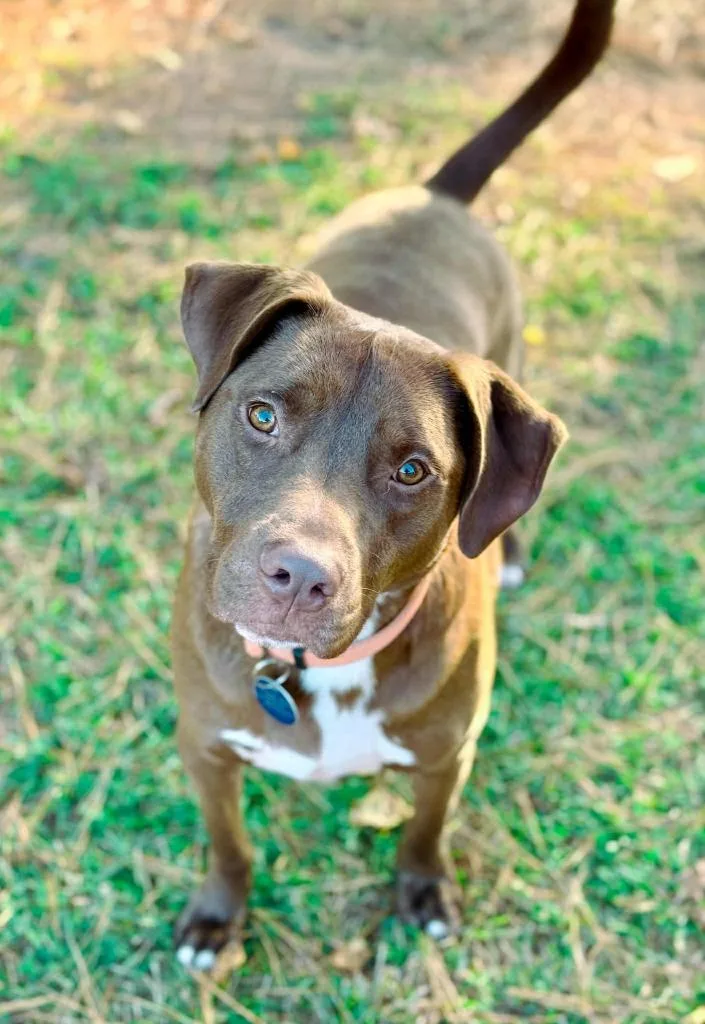
Hungary's national pointer was the hunting partner of the Magyar nobility, valued for working close to the hunter and both pointing and retrieving game. The breed nearly vanished after the World Wars, reached the United States around 1950 and joined the AKC Sporting Group in 1960. Vizslas are lean, medium-size athletes, usually 44 to 60 pounds, with a short golden-rust coat and no woolly undercoat.

Many are gentle, sensitive and deeply affectionate, which is how they earned the nickname velcro dog. In Virginia Beach, that means a dog who wants to come along on every bayfront walk, trail outing and errand. That closeness comes with high energy and a real need for company, and a Vizsla left alone too long or under-exercised can turn anxious, vocal or destructive. Each dog's history and personality vary.

Weight
44–60 lbs
Height
21–24 in
Lifespan
12–14 yrs
Temperament
Affectionate, Energetic, Gentle
Group
Sporting
Shedding
Low to Moderate

Owning a Vizsla in Virginia Beach

Having a Vizsla in Virginia Beach

A Vizsla brings a hunting dog's stamina and a very close attachment to its people. In Virginia Beach, daily exercise, humid summers, a thin winter coat and a few breed health risks shape what a good match looks like.

Temperament

Vizslas are often gentle, sensitive and affectionate, and many shadow their people all day. That suits a household where someone is home often. Some whine or vocalize when lonely, and Virginia Beach can cite owners for nuisance barking, so build calm alone-time habits early. Prey drive varies from dog to dog.

Exercise Needs

Most Vizslas need vigorous daily exercise plus training or scent games. Virginia Beach helps: the sand is open to supervised off-leash running in the off-season for dogs with reliable recall, and Lake Lawson/Lake Smith and Pleasure House Point offer leashed trail miles. In summer, shift runs to early morning or evening.

Health Considerations

Vizslas have documented risks of epilepsy, hip dysplasia, hypothyroidism, sebaceous adenitis and cancers such as hemangiosarcoma and lymphoma. Keep regular veterinary checkups, and ask your vet about year-round flea, tick and heartworm prevention, since Virginia Beach's warm season is long and humid.

Living Space

Vizslas can do well in a Town Center apartment, a Green Run townhouse or a Kempsville house, provided exercise happens every day. A fenced yard is a bonus but doesn't replace walks. These are indoor dogs that want to be on the sofa near you, not left outside alone.

What it costs to own a Vizsla in Virginia Beach

ExpenseTypical costPer year
Adoption fee$400, one time$400 in year one
Food$35 to $70 per month$420 to $840
Pet insurance$45 to $85 per month$540 to $1,020
Routine vet care$225 to $450 per year$225 to $450
Other*$482 to $1,460 per year$482 to $1,460
Estimated yearly total (after year one)$1,667 to $3,770
First-year total (with adoption fee)$2,067 to $4,170

Adoption fee is the fee on Vizsla listings in Virginia Beach on GetBuddy today. Other costs are estimates and vary with size, age and health.

* The $7 to $10 Virginia Beach dog license, flea, tick and heartworm prevention, a dental cleaning allowance, toys and bedding, occasional baths, and a winter coat for a breed with no undercoat.

Adopt a Vizsla in Virginia Beach.

Now that you know more, let’s find you a new best friend. These rescues and shelters below currently have Vizslas available.

Rescues in Virginia Beach with Vizslas Available

Virginia Beach's shelters and rescues care for thousands of lost, stray and surrendered pets every year. Here are the rescues & shelters in the Virginia Beach area where you can find Vizslas and other dogs available for adoption.

Frequently Asked Questions

It can be, if you have the time and energy. Virginia Beach offers year-round outdoor options, from off-season beach runs to wooded trails, and a Vizsla's exercise needs are high. Humid summers and the breed's dislike of long stretches alone are the main challenges. Adopters who work from home or can offer daily company and morning exercise tend to do best.

Marshview Park and Bayville Farms Park have fenced off-leash areas separated by dog size. For longer runs, First Landing State Park has 20 miles of trails, though dogs must stay on a 6-foot leash. City dog parks require a current city license and rabies vaccination. Back Bay National Wildlife Refuge doesn't allow pets at any time.

Yes, with planning. The ocean moderates the heat, but humidity is the real limit, and nights stay warm. Exercise at dawn or after dark, carry water, and check sand and pavement for heat before walking. A Vizsla's short coat can sunburn, especially on pink skin, and a dog should never be left in a parked car.

Yes. There is no known breed-specific rule in Virginia Beach, and Virginia law doesn't allow a dog to be declared dangerous solely because of its breed. Any dog over four months old needs a city license and rabies vaccination, and dogs must be leashed in public. Tethering is limited to one hour a day.

Mostly no. Hampton Roads Transit buses and the VB Wave trolley allow animals only in small cages that don't need their own seat, so a 44 to 60 pound Vizsla can't ride unless it's a service animal. Virginia Beach has no subway, and The Tide light rail runs only in Norfolk. Plan on driving to trails.

Sometimes, on open-air patios. Virginia rules let restaurants admit dogs outdoors if they choose to, with a separate patio entrance, posted signs and a leash. Dogs can't be on chairs or tables and aren't allowed in indoor dining rooms. Look for posted signs at the patio entrance, and bring a Vizsla that settles calmly at your feet.

Very little. A Vizsla's short, smooth coat needs a weekly brush to handle light shedding and a bath only when it gets dirty, so professional grooming is rarely necessary. After beach trips, rinse off salt water and sand, and check the skin for ticks. Trim nails regularly, which keeps grooming costs low.

A Vizsla is a medium-size Hungarian hunting dog bred to point and retrieve game birds. It has a lean, athletic build and a short, golden-rust coat. Vizslas are known for being affectionate, gentle and energetic, and they belong to the AKC Sporting Group. Their tendency to stay glued to their owners earns them the nickname velcro dog.

We have 1 rescue with Vizslas available: Caribbean Paws Adoption Network. You can see every rescue with Vizslas available in the list above these questions, or scroll to the top to see the Vizslas near Virginia Beach.

Expect roughly $1,700 to $3,800 a year for a Vizsla in Virginia Beach. Food runs about $35 to $70 a month and insurance $45 to $85 a month. Routine vet care is $225 to $450 a year, and other costs add $482 to $1,460. Illness and emergencies come on top.

Find Vizslas in Nearby Cities

Expand your search to find Vizslas available for adoption near Virginia Beach.