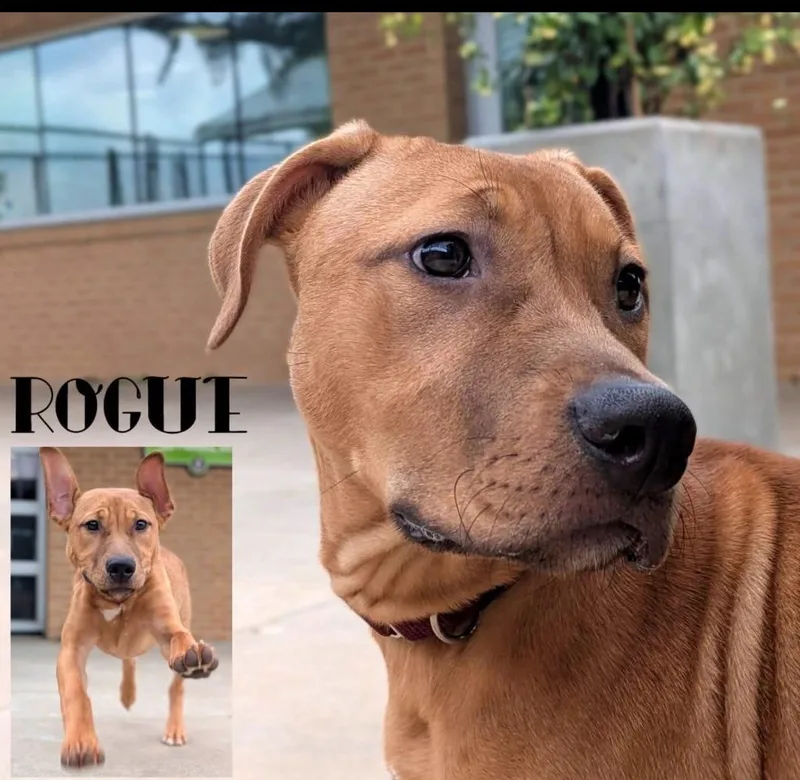
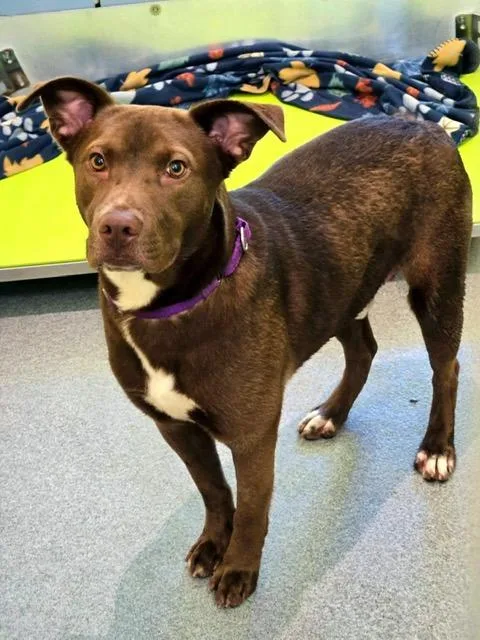
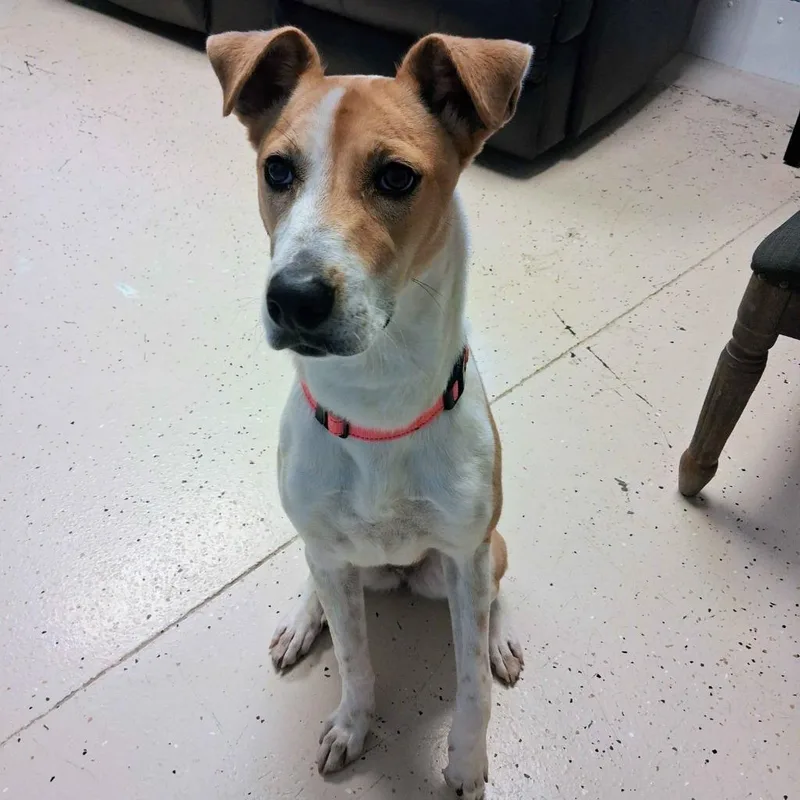
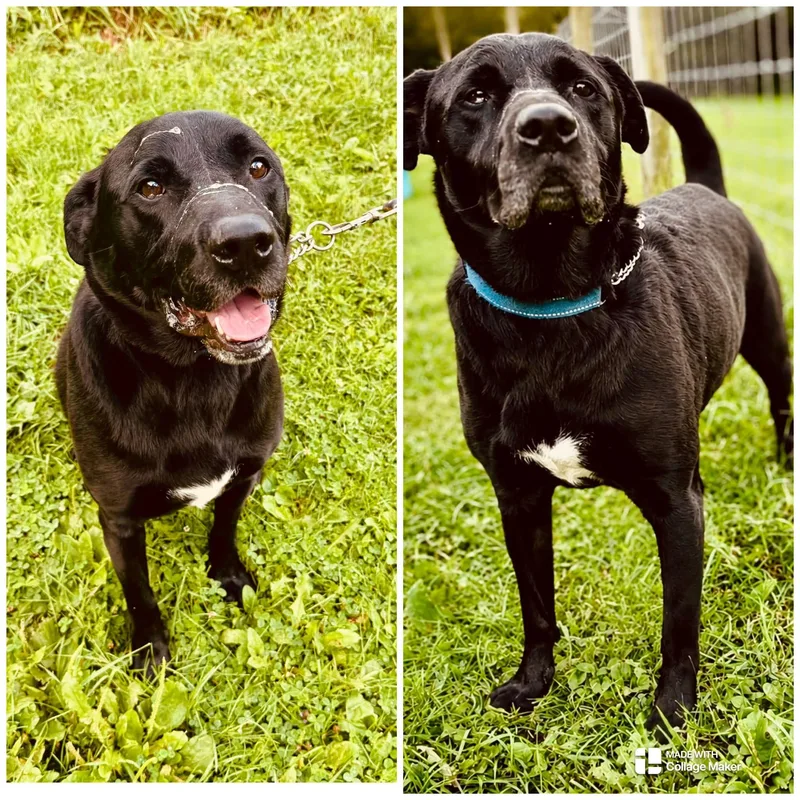
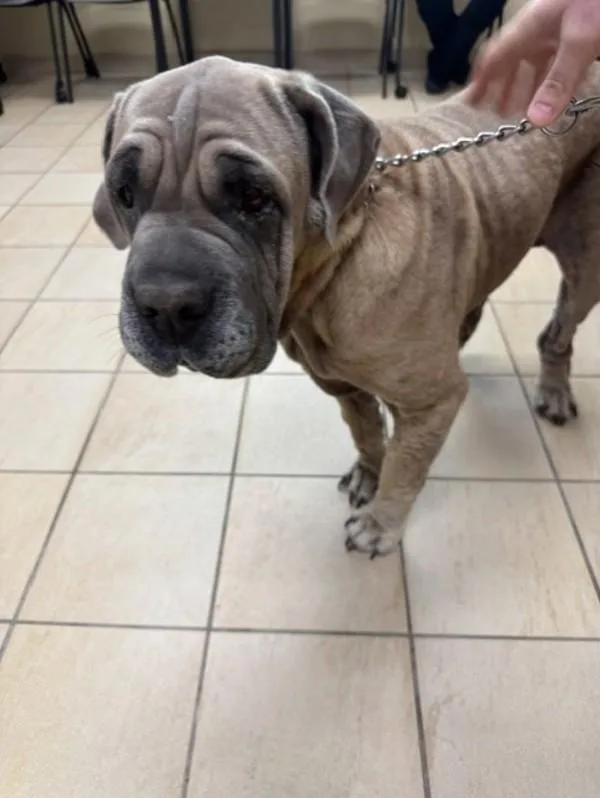
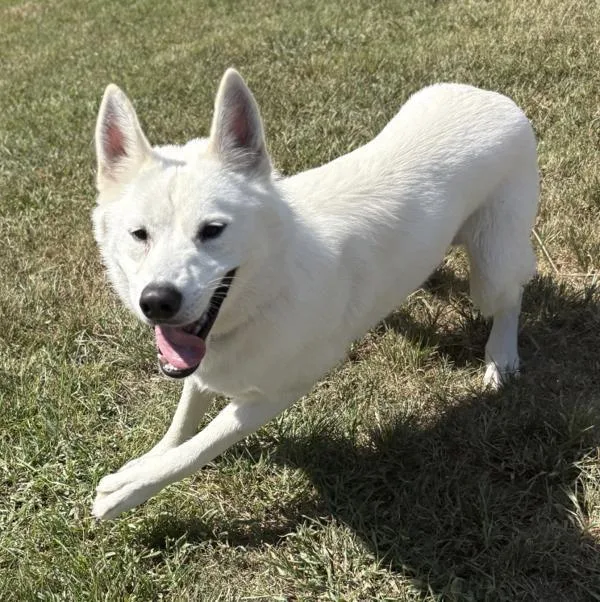
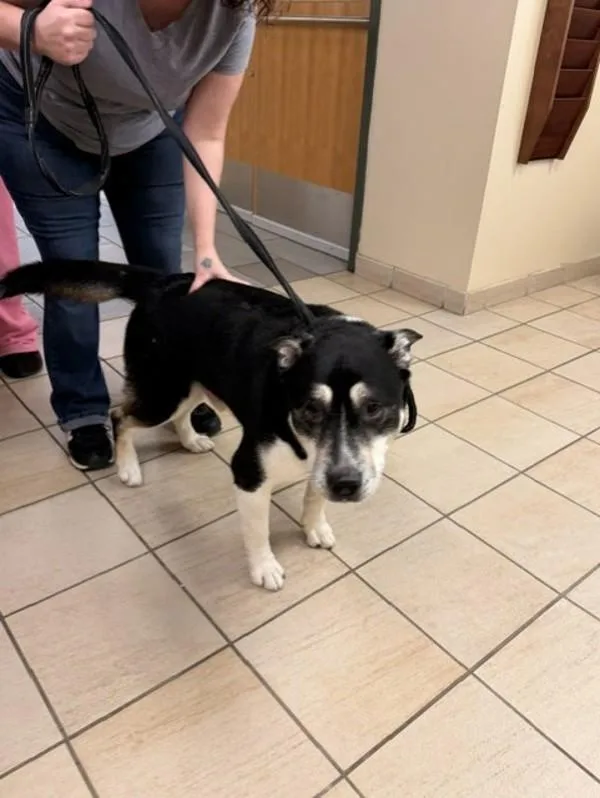
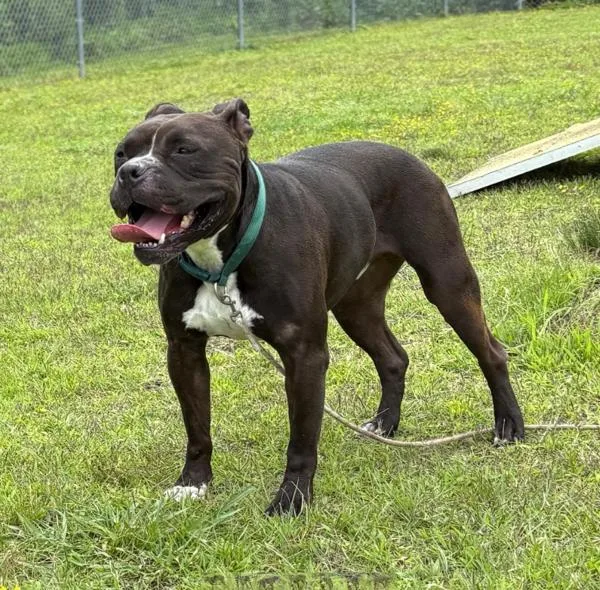
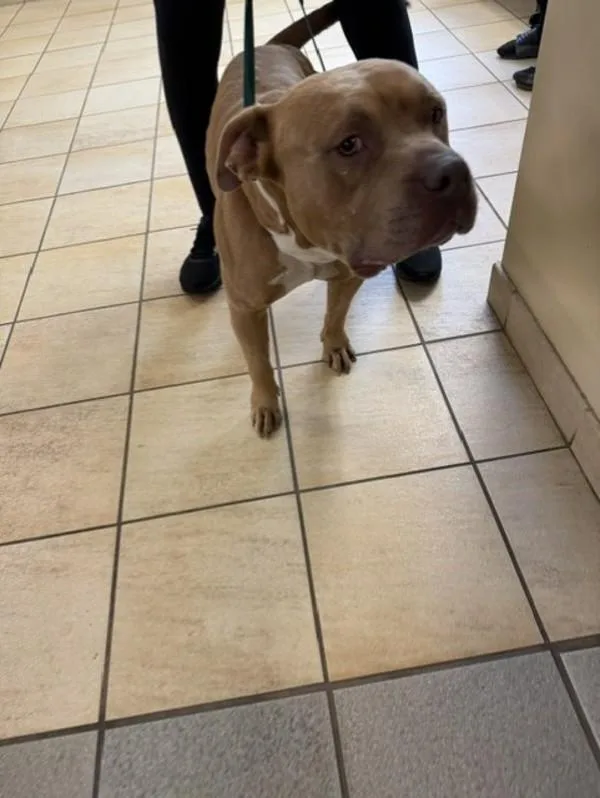
Retriever Dogs for Adoption in Virginia Beach, VA

Your guide to finding and caring for a Retriever in Virginia Beach

A retriever-type dog fits Virginia Beach best if you live near the water or have room to roam, since most of them want to fetch and wade. Kempsville's suburban streets and Bayside's soft trails around Lake Smith give a big, energetic dog space to burn off steam, and the Lynnhaven River shoreline at Pleasure House Point suits a water lover. "Retriever" is a type, not one breed, so size and energy vary. Humid July afternoons are the part to plan around.

882 Retrievers available in Virginia Beach and nationwide

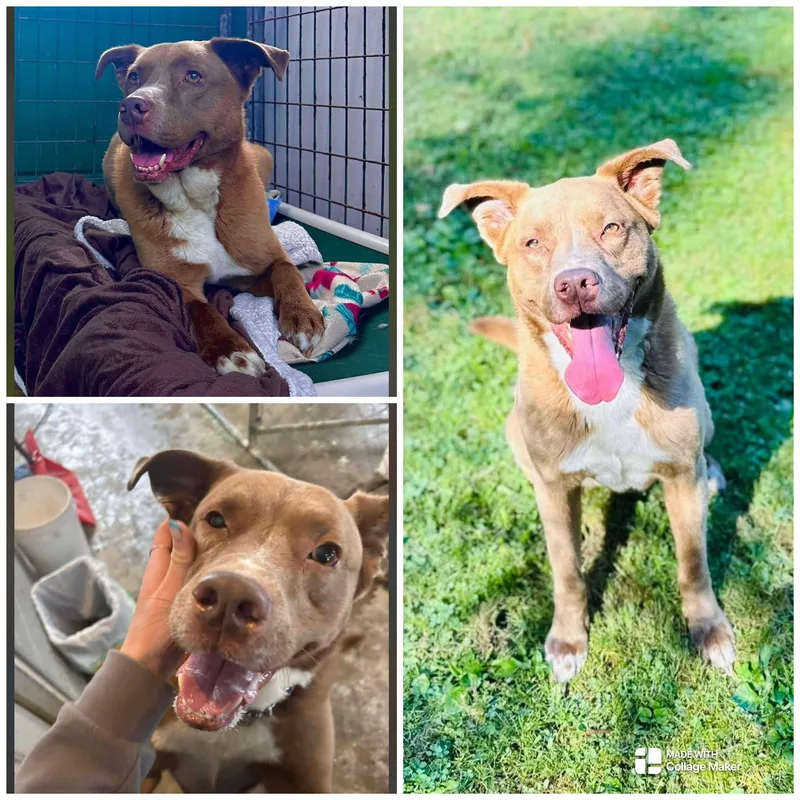
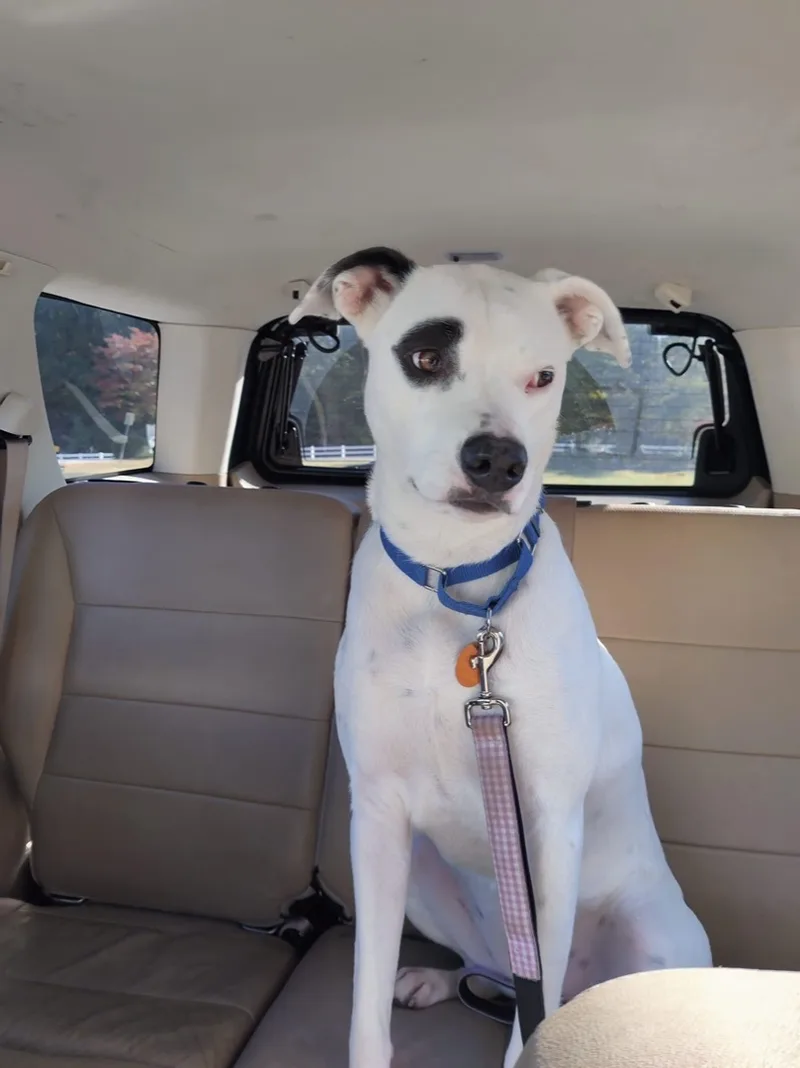
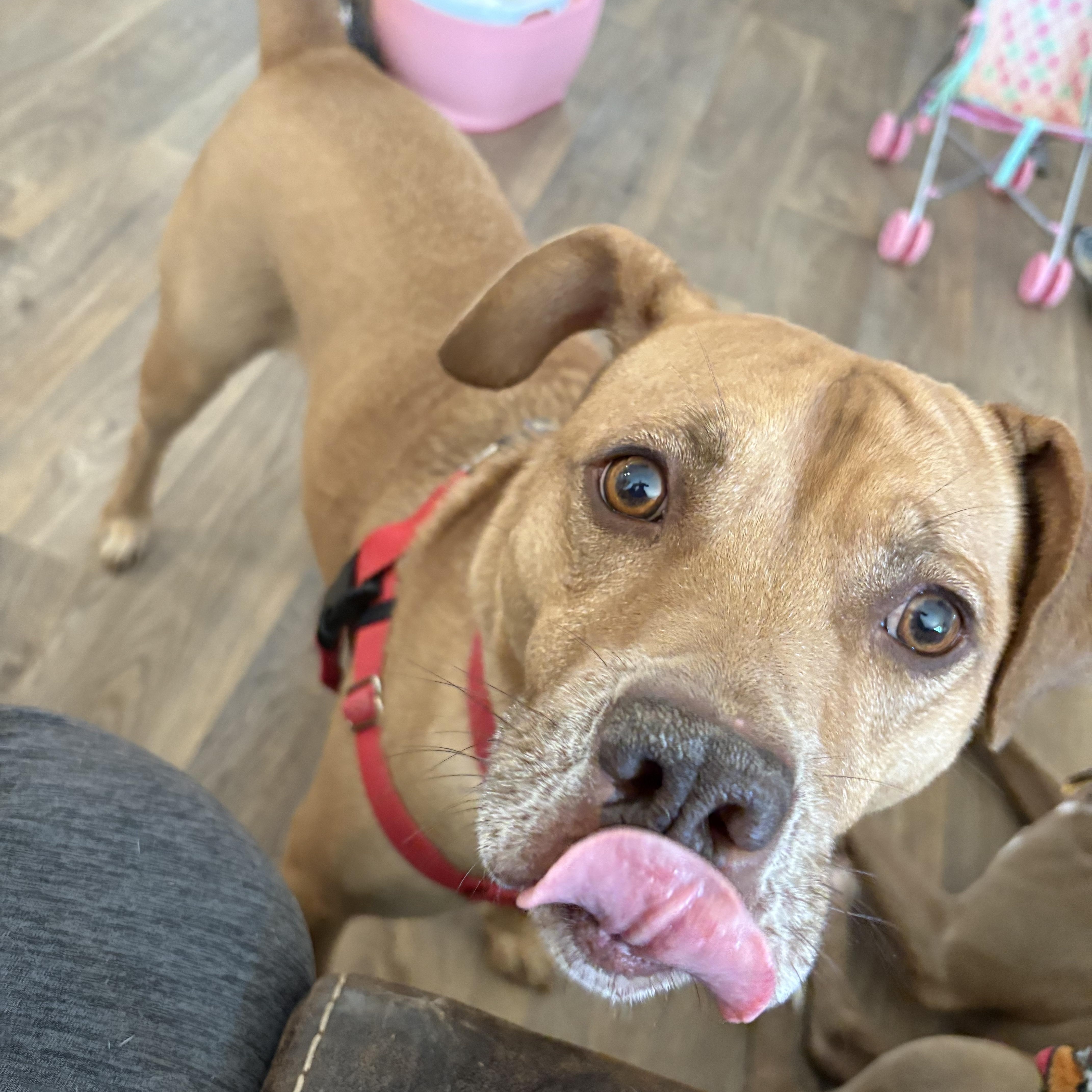
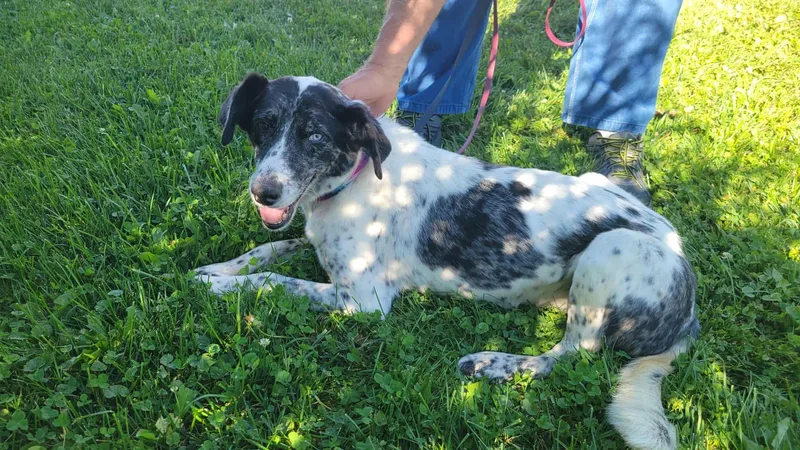
Bring home a Retriever mix

While we don't have enough dogs near Virginia Beach, keep in mind that many rescues may offer transport.

Retrievers Available for Adoption Near Virginia Beach

About the Retriever breed

Retriever is a type of gun dog rather than one breed, and the label covers dogs developed to find shot birds and carry them back gently. In Virginia Beach, a city at the mouth of the Chesapeake Bay, that water-loving heritage feels at home; the Chesapeake Bay Retriever itself comes from the bay's Maryland shores. Most adoptable retriever-type dogs are Labrador or Golden mixes, or dogs with that look and unknown ancestry.

Expect a medium-to-large, sturdy dog, usually 50 to 80 pounds, with a water-resistant double coat that sheds. Many are sociable, food-motivated and eager to work with people, and a long, bouncy adolescence is common. Daily exercise and training keep that energy useful, and since ancestry varies, a dog's age, size and energy tell you more than the label does.


Weight
50–80 lbs
Height
20–25 in
Lifespan
10–14 yrs
Temperament
Friendly, Outgoing, Active
Group
Sporting
Shedding
Moderate to High

Owning a Retriever in Virginia Beach

Having a Retriever in Virginia Beach

These cards describe tendencies common in retriever-type dogs, with Virginia Beach in mind: plenty of stamina, a love of fetch and water, and a coat that sheds. Age and mix change how strongly each one shows.

Temperament

Most retriever-type dogs are friendly and people-focused, which suits a city of busy sidewalks, beach walks and close neighbors. Young dogs can be mouthy, jumpy and slow to settle, and some are too exuberant for toddlers. Reward-based training usually works well. How a dog behaves depends on age and history, not the label alone.

Exercise Needs

Plan on an hour or more of activity a day. Virginia Beach offers fenced dog parks, leashed trail walks and, outside summer, beaches where dogs may be off leash with reliable recall. Fetch, scent games and short training sessions tire the mind too. Without that outlet, many chew, dig or bark for attention.

Health Considerations

Hip and elbow dysplasia, cruciate injuries, ear infections, skin allergies and weight gain are common across retriever types, and some carry inherited eye disease or a higher cancer risk. Swimmers need their ears dried after wading, since humid air favors ear and skin trouble. Keep the dog lean and keep up regular vet checkups.

Living Space

A retriever-type dog can live in a house or an apartment if exercise is reliable, though a fenced yard makes play easier. These dogs want to be indoors with their people, not left alone outside. Expect shed hair on the floor, a sweeping tail at table height and a dog who carries off your shoes.

What it costs to own a Retriever in Virginia Beach

ExpenseTypical costPer year
Food$55 to $110 per month$660 to $1,320
Pet insurance$55 to $110 per month$660 to $1,320
Routine vet care$250 to $500 per year$250 to $500
Other*$582 to $1,457 per year$582 to $1,457
Estimated yearly total (after year one)$2,152 to $4,597

Other costs are estimates and vary with size, age and health.

* The $7 Virginia Beach license for a spayed or neutered dog, flea, tick and heartworm prevention, a dental cleaning allowance, toys and bedding, and brushing and baths for a shedding coat.

Adopt a Retriever in Virginia Beach.

Now that you know more, let’s find you a new best friend. These rescues and shelters below have dogs available in and near Virginia Beach.

Rescues and Shelters in or near Virginia Beach

Virginia Beach's rescue community includes a city shelter and nonprofit groups that place dogs of all sizes and ages. Here are the rescues & shelters in the Virginia Beach area with dogs available for adoption, worth asking whether a Retriever is coming in.

Frequently Asked Questions

Retriever-type dogs do well at Bayville Farms Park, with three fenced areas and an agility course, and Marshview Park, with four fenced areas and 100 wooded acres. Pleasure House Point has trails along the Lynnhaven River, and First Landing State Park offers 20 miles of trails for dogs on a 6-foot leash. Dog parks require a city license and rabies vaccine.

Yes. No known Virginia Beach rule restricts retriever-type dogs, and Virginia law bars labeling a dog dangerous solely because of its breed. Once the dog is four months old, you'll need a city license and rabies vaccine. Keep the dog leashed in public, and tether it no more than an hour a day. More than four adult dogs needs a kennel permit.

Yes, with care. Virginia Beach averages about a month of 90°F days a year, and humid nights near 70°F make midday exercise the main limit. Walk at dawn or dusk, bring water, offer shade, and rinse off salt after swimming. A retriever's thick coat holds heat, so slow down at the first sign of heavy panting.

Yes, if the dog gets daily exercise and the lease allows its size. Town Center is mostly mid- and high-rise apartments, while Green Run mixes townhouses with apartment communities. Plan a long walk or a fenced dog park trip every day, because a bored retriever tends to bark and chew, and the city can cite owners for nuisance barking.

Usually not. HRT buses and the VB Wave trolley allow animals only in small cages that don't need a separate seat, so a 50-to-80-pound retriever can't ride unless it's a service animal. The Tide light rail runs only in Norfolk and also admits only service animals. For most outings with a retriever, plan to drive.

Sometimes, on outdoor patios. Virginia law lets restaurants admit dogs to open-air patios with a separate entrance and posted signs, but each restaurant decides whether to allow it. Dogs must stay leashed, off chairs and tables, and under an adult's control. Pet dogs aren't allowed in indoor dining rooms, so plan on patio seating only.

Plan on brushing a few times a week, daily during spring and fall shedding, plus a bath every month or two. After beach days, rinse off salt and sand and dry the ears well. Don't shave the double coat, which helps insulate against heat. Brushing and baths are counted in the yearly Other costs.

Often, for active households. Beach walks, trails and fenced dog parks give a retriever plenty of outlets, and mild winters keep routines going year-round. The tradeoffs are humid summers, heavy shedding and storm season: know your evacuation zone and have a carrier and pet-friendly plan ready before a hurricane.

Most retriever-type dogs live about 10 to 14 years, with some reaching 15. Retriever is a type label rather than one breed, so mixes and different retriever breeds vary. Keeping a retriever lean, staying current on veterinary checkups all support a longer, more comfortable life.

A retriever-type dog typically costs $55 to $110 a month for food and $55 to $110 a month for insurance, plus $250 to $500 a year for routine vet care. Other yearly costs, including prevention, dental care, supplies, grooming and the city license, run about $582 to $1,457.

Find Retrievers in Nearby Cities

Expand your search to find Retrievers available for adoption near Virginia Beach.