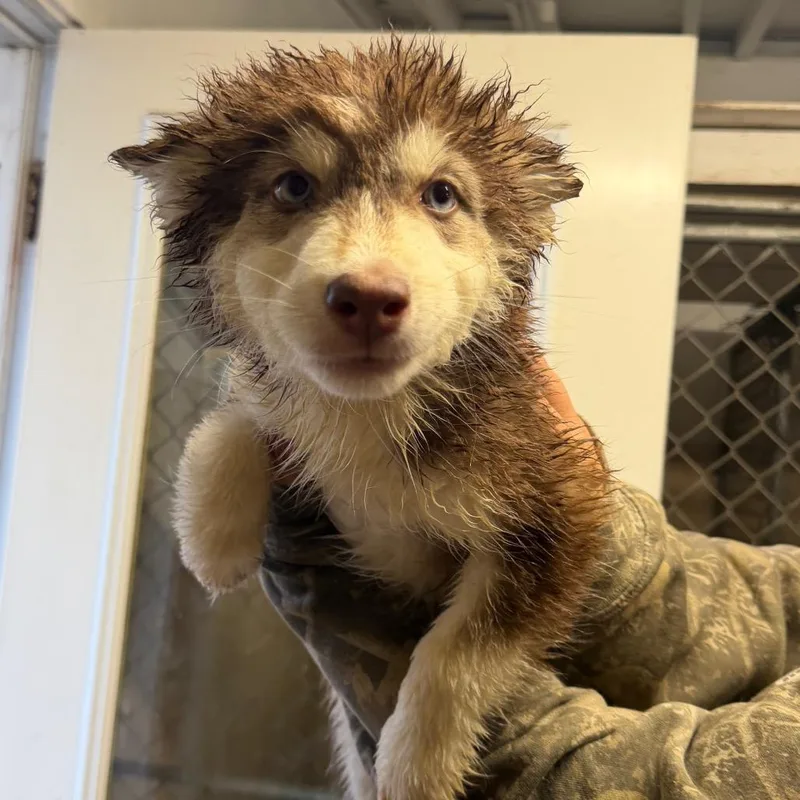
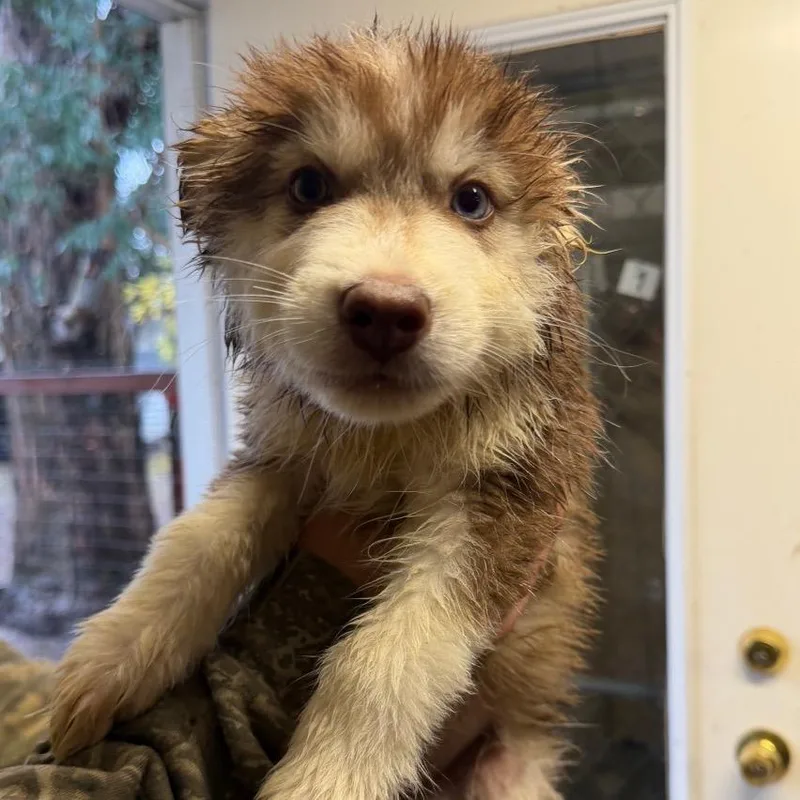
Klee Kai Dogs for Adoption in Virginia Beach, VA

Your guide to finding and caring for a Klee Kai in Virginia Beach

Klee Kai suit Virginia Beach best when someone is home for a long walk every day. Green Run mixes townhouses and single-family homes, and a yard works if the fence is tall enough to stop a climber. In a Town Center apartment, the dog's husky-style chatter can carry through shared walls. Klee Kai are often reserved with new people, so the elevator and hallway become part of their socialization. Their double coat copes with humid summers only with shade and air conditioning.

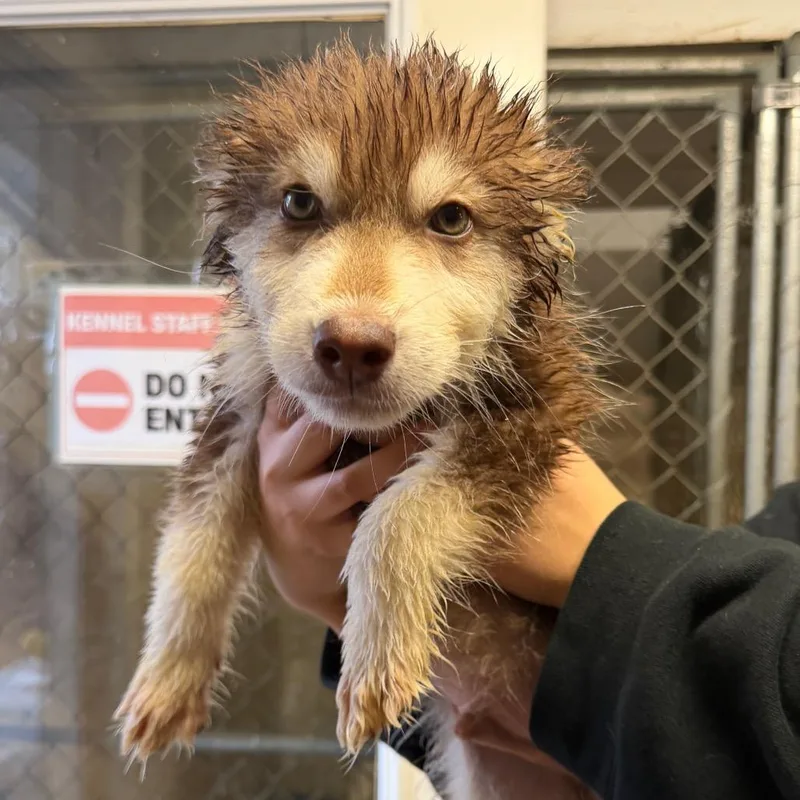
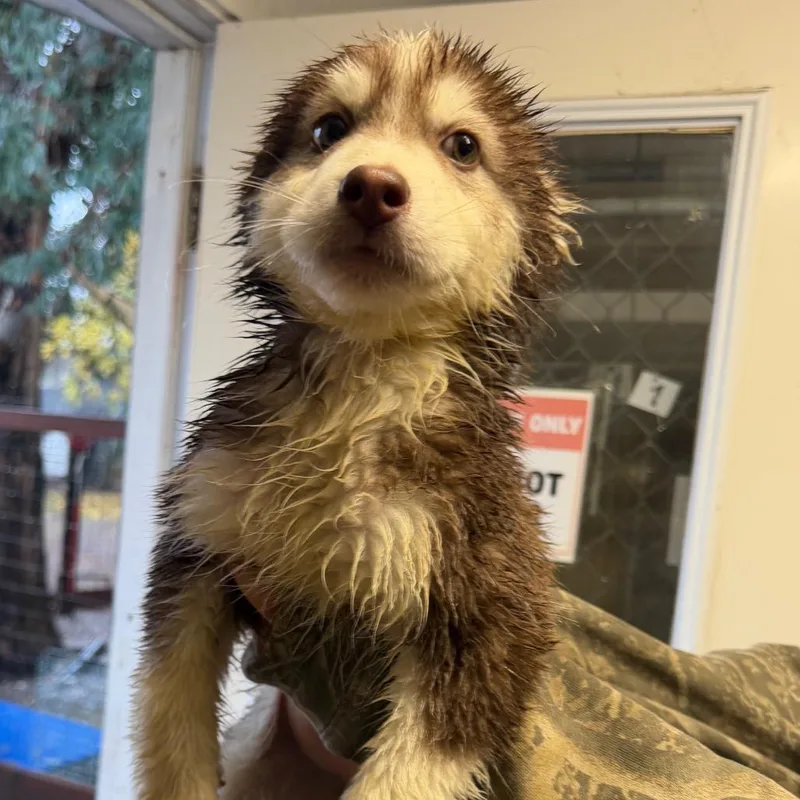
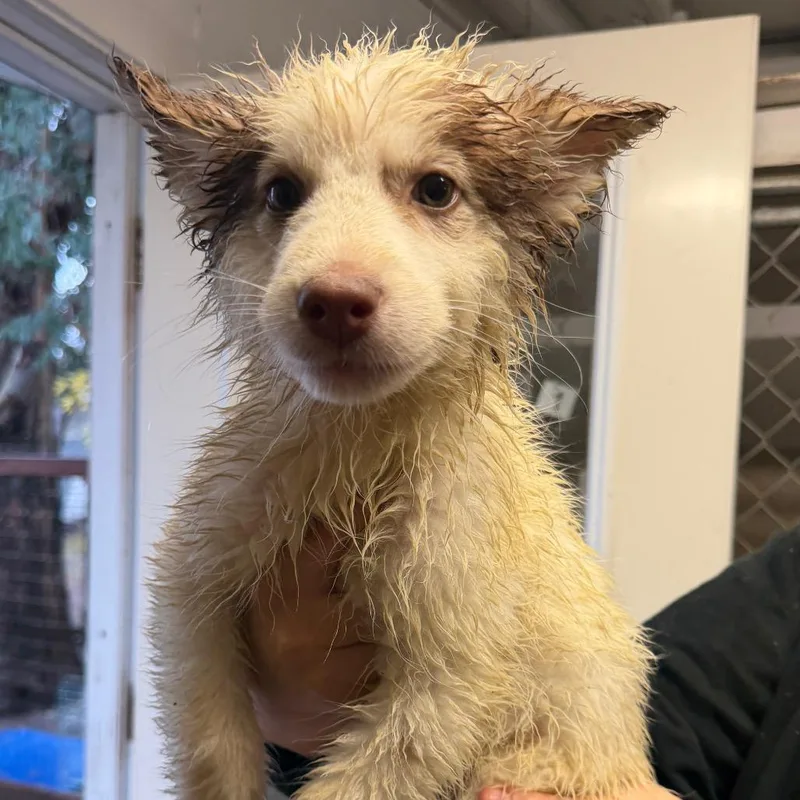
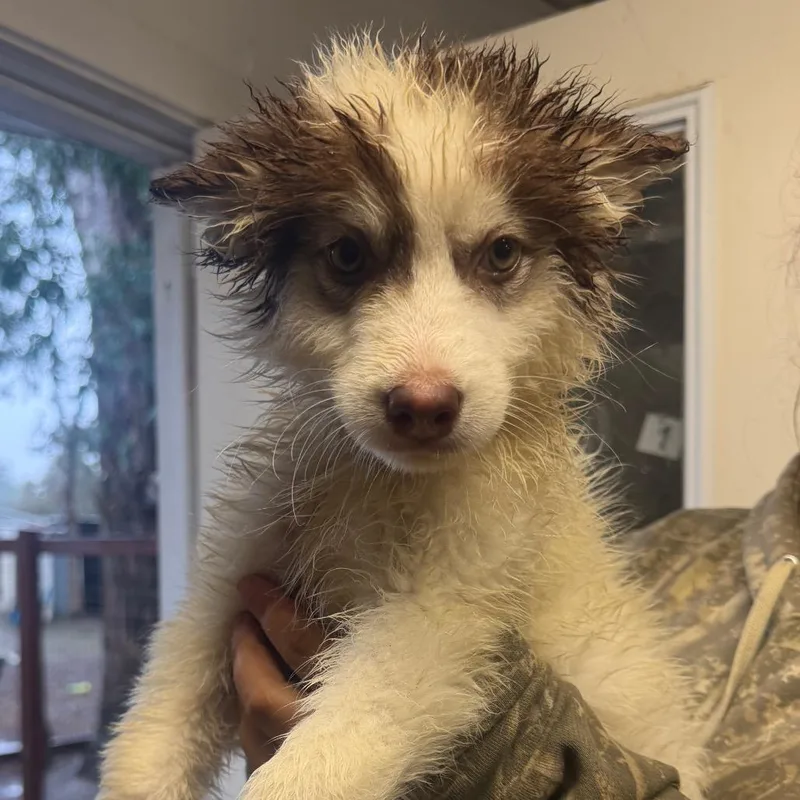
17 Klee Kais available in Virginia Beach and nationwide

Your Klee Kai is waiting

While we don't have enough dogs near Virginia Beach, keep in mind that many rescues may offer transport.

Klee Kais Available for Adoption Near Virginia Beach

About the Klee Kai breed

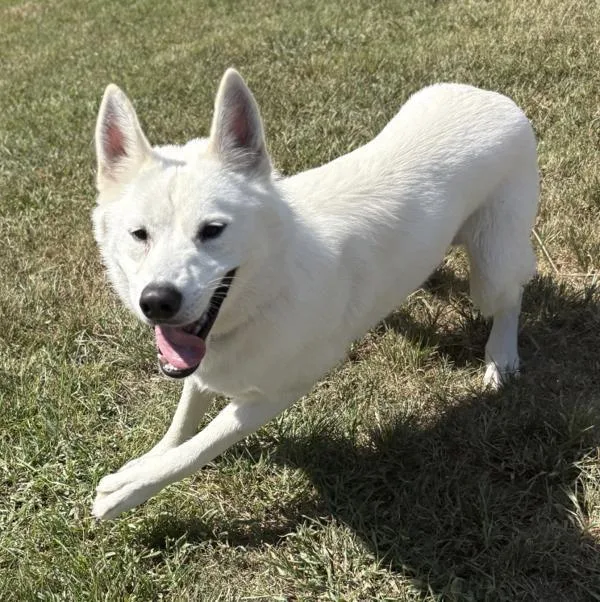
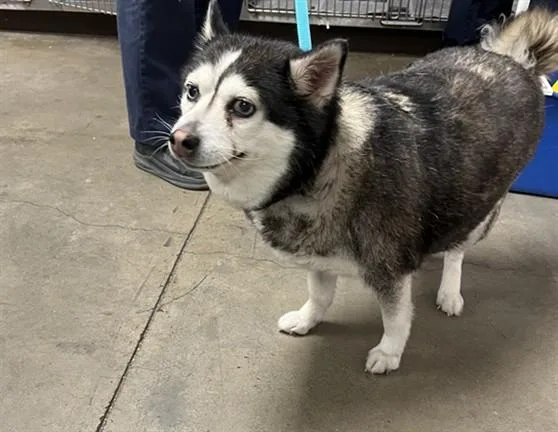
The Alaskan Klee Kai was developed in Alaska in the 1970s as a companion-sized take on the Alaskan Husky. It looks like a miniature Siberian Husky, with a facial mask, erect ears, a curled tail and a double coat, and it comes in toy, miniature and standard sizes from about 6 to 22 pounds. The American Kennel Club added it to its Miscellaneous Class in 2025.

Klee Kai are bright, alert and often devoted to their own people, but many are wary with strangers. They're vocal, quick on their feet and inclined to chase small animals. The coat sheds moderately year-round and heavily a couple of times a year, so regular brushing matters. Dogs vary, and early socialization and steady training shape how each one turns out. In Virginia Beach, secure fencing and a reliable leash matter most.

Weight
6–22 lbs
Height
12–17 in
Lifespan
12–16 yrs
Temperament
Alert, Curious, Intelligent, Energetic
Group
Miscellaneous
Shedding
Moderate to High

Owning a Klee Kai in Virginia Beach

Having a Klee Kai in Virginia Beach

A Klee Kai brings husky-style energy, a thick double coat and a talkative streak to Virginia Beach, where humid summers and storm season shape daily routines. Exercise, cooling and a solid plan for bad weather matter more than the miniature-husky looks.

Temperament

Klee Kai tend to be affectionate with family and reserved with strangers, though every dog differs. Busy sidewalks and apartment hallways in Virginia Beach offer steady chances to practice calm greetings with treats. Many are vocal, with husky-style howls, and the city can cite owners for nuisance barking, so work on quiet cues early.

Exercise Needs

Plan on a brisk walk or run every day, plus play and puzzle toys. Marshview Park's wooded trails and fenced dog areas suit an energetic dog. Klee Kai jump well and chase squirrels, so off-leash time belongs inside a fence. In summer, walk early or after the sun drops.

Health Considerations

Breed concerns include juvenile cataracts, liver disease, heart problems, thyroid issues, slipping kneecaps and factor VII deficiency, an inherited clotting disorder with a DNA test. A veterinarian can check eyes, heart and kneecaps and advise on testing before surgery. Keep heartworm, flea and tick prevention going through Virginia Beach's long warm season.

Living Space

A Klee Kai's compact size suits Virginia Beach condos and townhouses as long as it gets daily exercise. Its chatter can test thin walls. A yard needs tall, dig-proof fencing, since these dogs climb and jump well, and a fence is a safer choice than a tie-out.

What it costs to own a Klee Kai in Virginia Beach

ExpenseTypical costPer year
Food$20 to $45 per month$240 to $540
Pet insurance$35 to $70 per month$420 to $840
Routine vet care$200 to $400 per year$200 to $400
Other*$482 to $1,260 per year$482 to $1,260
Estimated yearly total (after year one)$1,342 to $3,040

Other costs are estimates and vary with size, age and health.

* The $7 to $10 Virginia Beach dog license, flea, tick and heartworm prevention, a dental cleaning allowance, toys and bedding, and extra brushing and occasional deshedding baths when the double coat sheds out.

Adopt a Klee Kai in Virginia Beach.

Now that you know more, let’s find you a new best friend. These rescues and shelters below have dogs available in and near Virginia Beach.

Rescues and Shelters in or near Virginia Beach

Virginia Beach's rescue community includes a city shelter and a nonprofit SPCA, both placing dogs and cats with adopters. Here are the rescues & shelters in the Virginia Beach area with dogs available for adoption, worth asking whether a Klee Kai is coming in.

Frequently Asked Questions

Often, for active owners. Virginia Beach offers fenced dog parks, trails and off-season beach walks, and its winters are mild for a double coat. The trade-offs are humid summers, storm season and shared walls if you rent. A Klee Kai that gets daily exercise, shade and early socialization can do well, though dogs differ.

Yes. No breed-specific rule is known in Virginia Beach, and Virginia law doesn't allow a dog to be declared dangerous solely because of its breed; those findings depend on behavior. Households with more than four adult dogs need a kennel permit from Zoning. Otherwise, a Klee Kai follows the same license, rabies and leash rules as any dog.

Mount Trashmore Park, Pleasure House Point Natural Area and Lake Lawson/Lake Smith Natural Area are good leashed options, with hills, river-side trails and about 1.5 miles of soft trails. Keep the leash short, since Klee Kai chase wildlife, and coyotes and cottonmouths live in parts of the city. Back Bay National Wildlife Refuge doesn't allow pets.

Mostly yes. The double coat handles mild winters easily, so the main limits are humid summers and hurricane season, not cold. Plan on air conditioning, early or late walks and an evacuation plan with a carrier. City emergency shelters generally don't accept pets unless a pet-friendly shelter opens, so line up a backup place to stay.

Only if the dog is small enough for a carrier. Hampton Roads Transit buses and the VB Wave trolley allow animals only in small cages that don't need a separate seat, so a toy Klee Kai may fit but a larger one won't. The Tide light rail runs only in Norfolk and admits service animals only.

Sometimes, on patios. Virginia rules let restaurants admit dogs to open-air patios with a separate entrance and posted signs, but it's each restaurant's choice. Dogs must stay leashed or in a carrier and off chairs and tables. Indoor dining rooms are off-limits to pet dogs, and a reserved Klee Kai may be happier on a quiet patio.

Expect brushing a few times a week, and daily during the heavy sheds in spring and fall. The coat rarely needs trimming, and shaving it removes its insulation. After beach days, rinse off salt and sand, and protect white-furred or pink-skinned dogs from sun. Any occasional professional deshedding bath falls within the Other costs shown on this page.

Alaskan Klee Kai come in three sizes: toy dogs stand up to 13 inches at the shoulder, miniatures over 13 to 15 inches, and standards over 15 to 17 inches. Weights typically run from under 10 pounds for toys to about 16 to 22 pounds for standards. Even within a litter, puppies can grow into different size varieties.

An Alaskan Klee Kai is a small, husky-like companion dog developed in Alaska in the 1970s from Alaskan Husky, Siberian Husky, Schipperke and American Eskimo Dog lines. It has a facial mask, erect ears, a curled tail and a double coat, and comes in three sizes. Many are energetic, intelligent and vocal, and often reserved with strangers.

Most Klee Kai owners in Virginia Beach can expect roughly $1,340 to $3,040 a year. That covers food at $20 to $45 a month, pet insurance at $35 to $70 a month, routine vet care at $200 to $400 a year, and other costs of $482 to $1,260 a year.