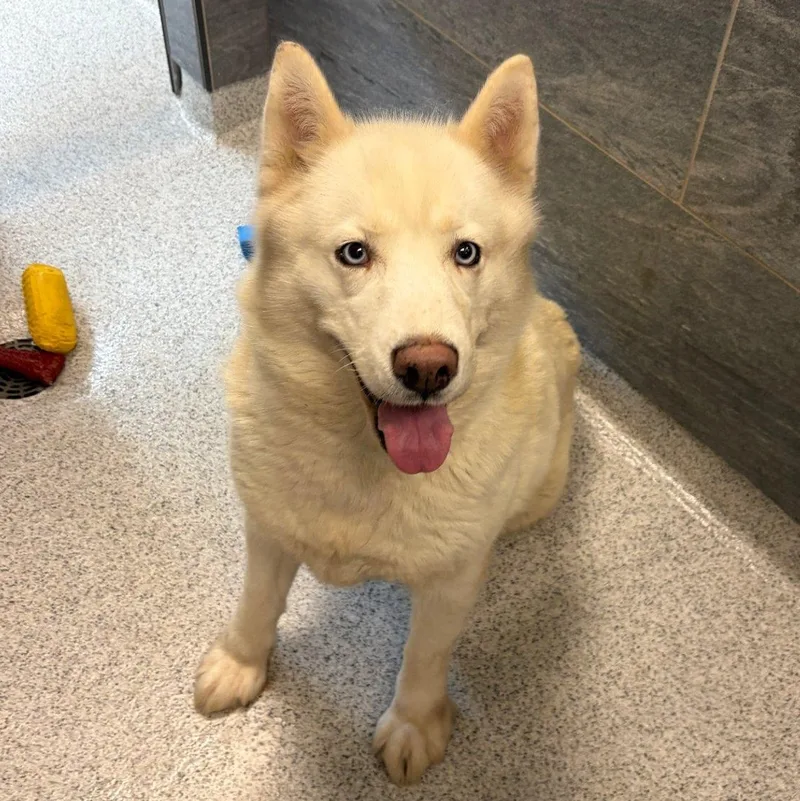
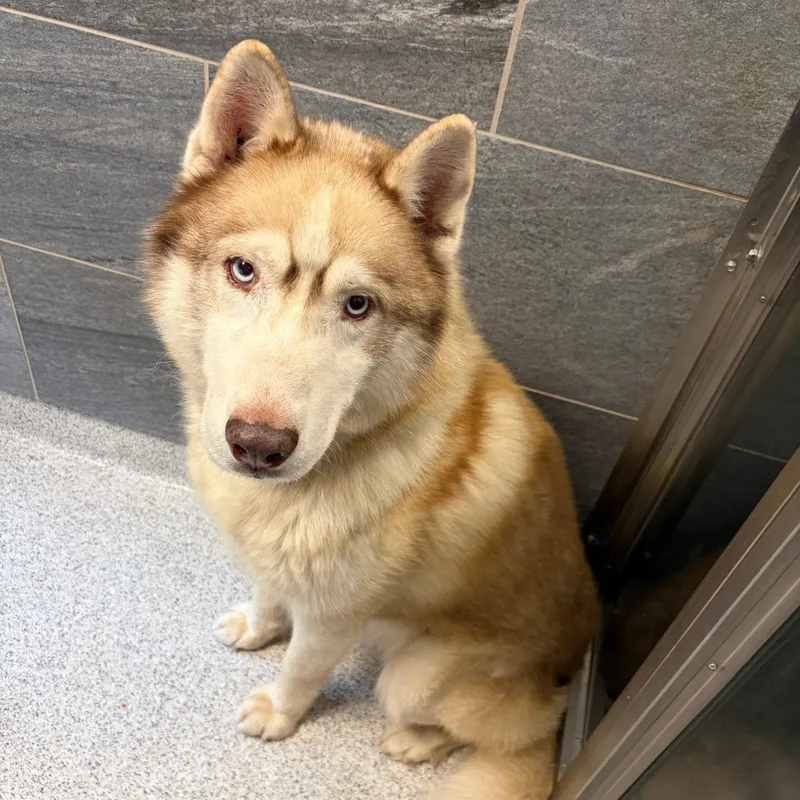
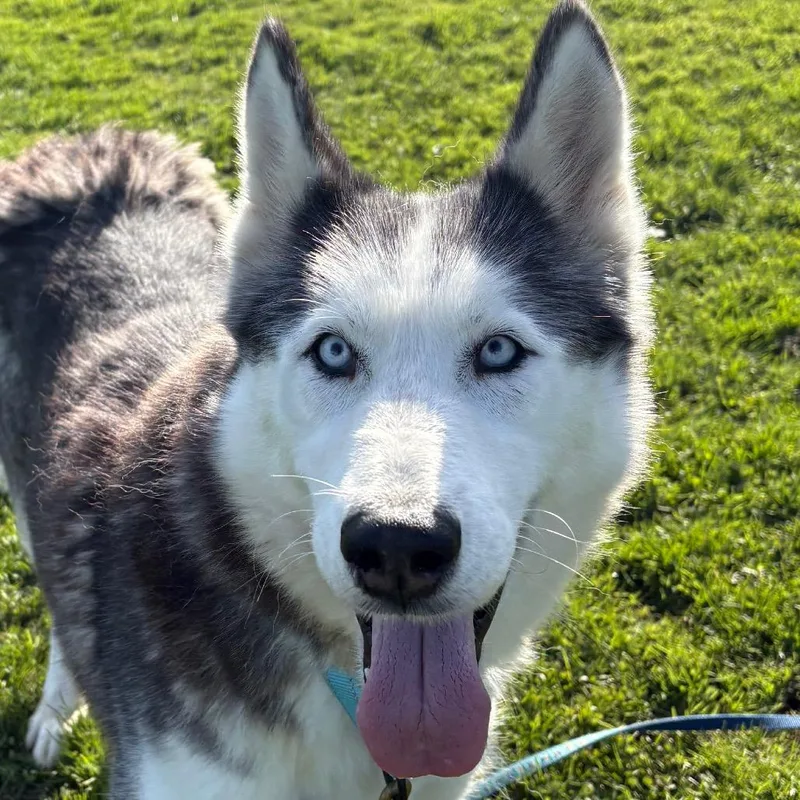
Husky Dogs for Adoption in Virginia Beach, VA

Your guide to finding and caring for a Husky in Virginia Beach

A husky in Virginia Beach needs a real run every day, and the city has room for one. Mount Trashmore's multi-use paths and hills suit a dog with sled-dog stamina, and Green Run's single-family streets and greenbelt make a fenced yard easier to find than in a high-rise. The catch is humidity: a thick double coat and 70-degree summer nights don't mix, so runs happen at dawn and the air conditioning stays on. Huskies here suit active adopters who are home often.

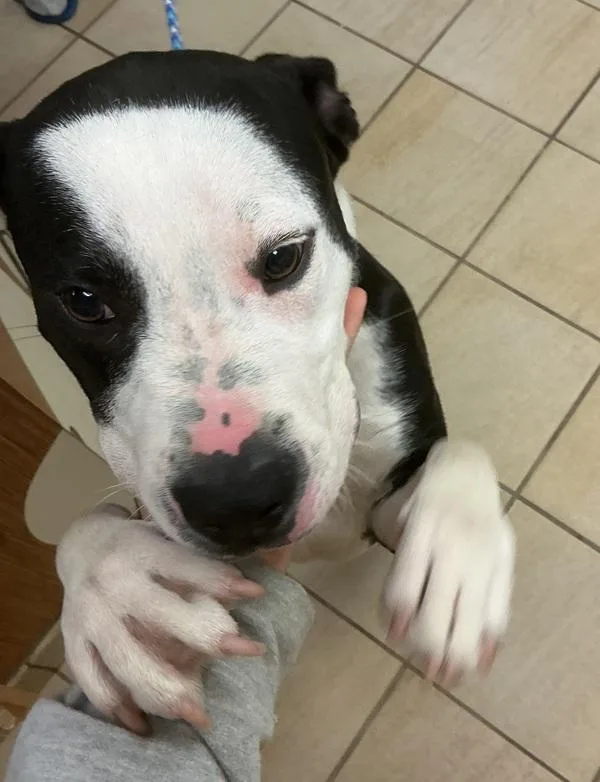
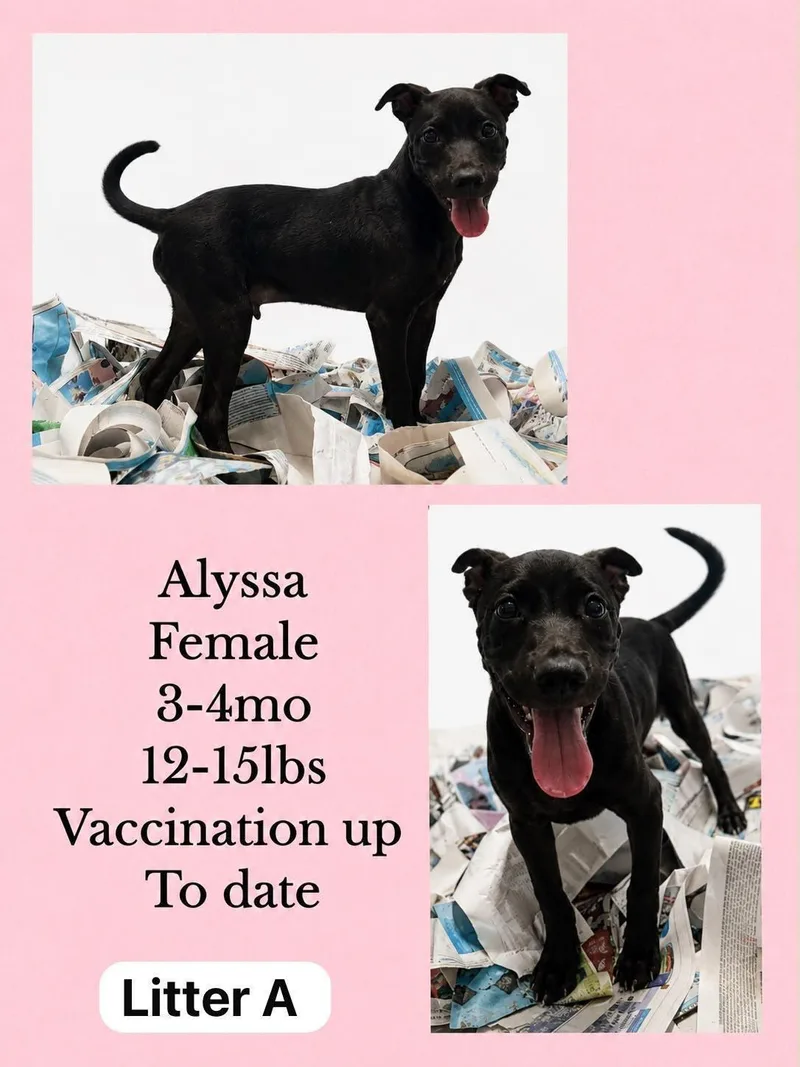
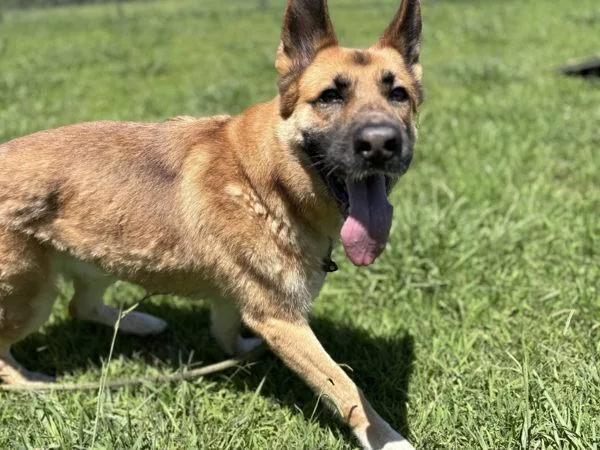
4369 Huskies available in Virginia Beach and nationwide

Your Husky is waiting

Huskies Available for Adoption Near Virginia Beach

About the Husky breed

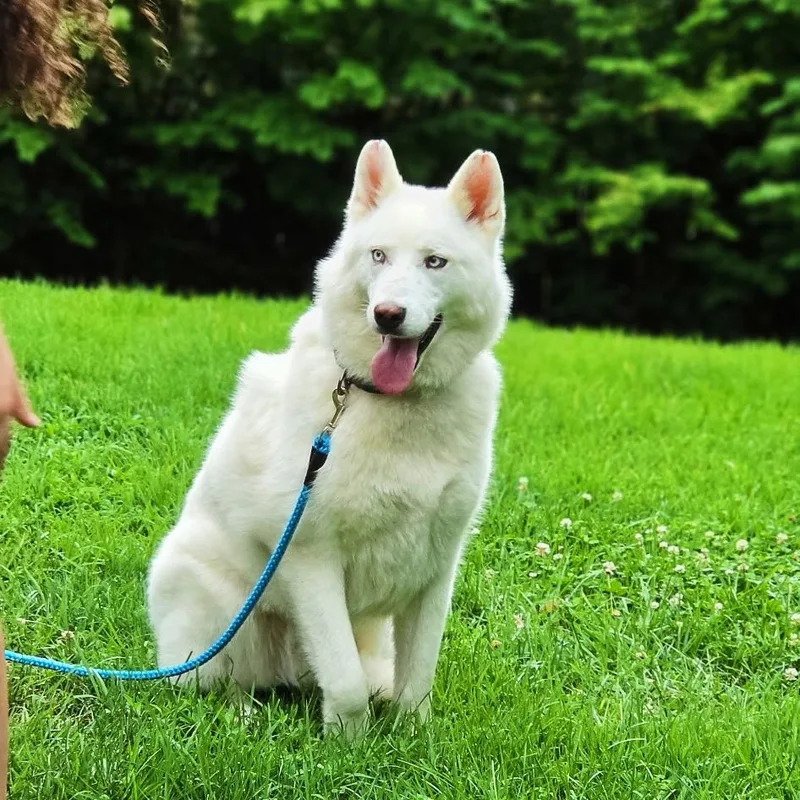
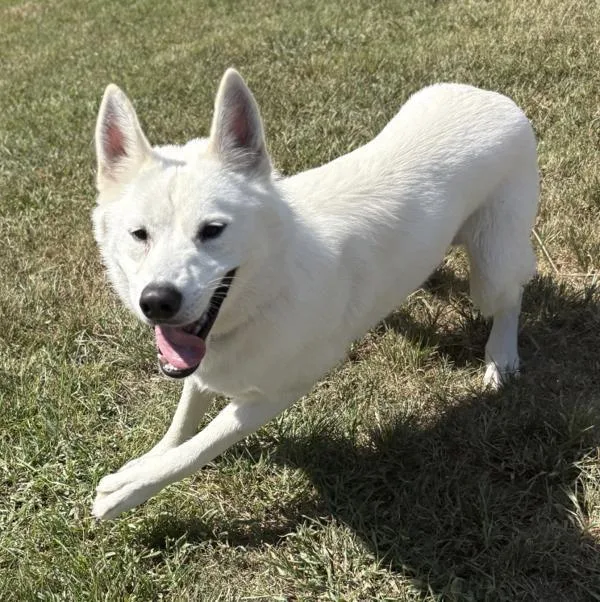
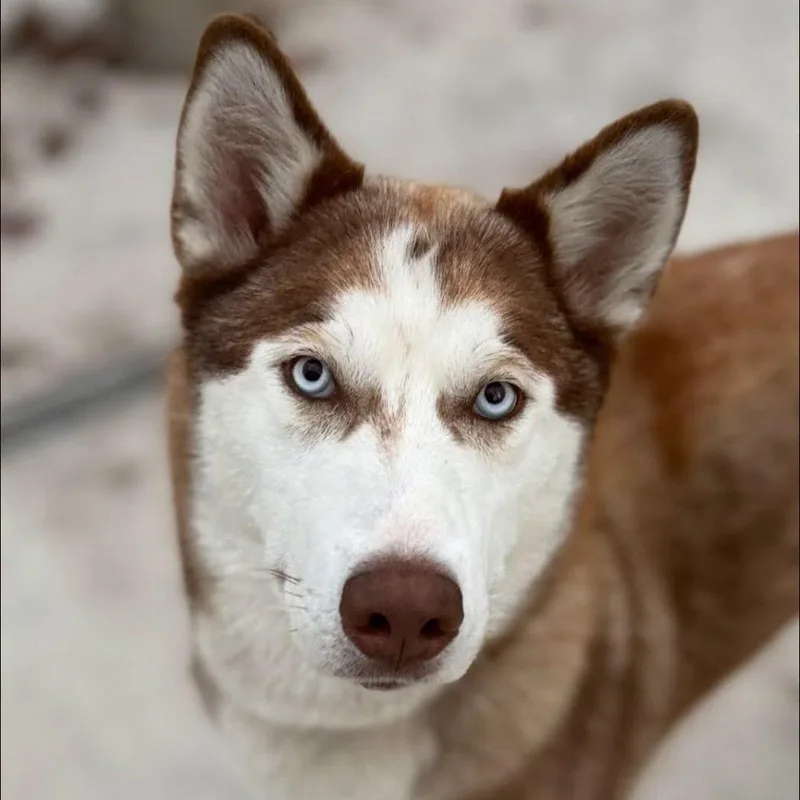
Husky is a catch-all name for northern sled dogs. In Virginia Beach it most often means a Siberian Husky or a Siberian mix, though some are Alaskan huskies, a mixed racing type, or have Alaskan Malamute in them. They share erect triangular ears, a thick double coat, a brush tail and sometimes striking blue or mismatched eyes.

Most weigh roughly 35 to 70 pounds and were built to run long distances in a team. Many are friendly, social and playful, but also independent, vocal and prone to digging, chasing small animals and slipping out of yards. Expect heavy shedding and plenty of howling and talking. Dogs vary, especially in mixes, so judge the dog in front of you rather than the label, and plan for secure fencing and a daily exercise routine.

Weight
35–70 lbs
Height
20–25 in
Lifespan
11–15 yrs
Temperament
Friendly, Energetic, Independent, Vocal
Group
Working
Shedding
High

Owning a Husky in Virginia Beach

Having a Husky in Virginia Beach

A husky-type dog brings sled-dog stamina and a coat made for cold, which is a mismatch with Virginia Beach summers. Daily exercise, a secure yard and heat management matter more here than almost anything else. Mixes vary, so ancestry is only a rough guide.

Temperament

Huskies are usually outgoing and gentle with people, so they make poor guard dogs but friendly neighbors on busy Virginia Beach sidewalks. Many like other dogs, though a strong prey drive can be risky around cats and small pets. They're smart but independent and may ignore cues that seem pointless. Mixes vary widely, so judge each dog on its own behavior.

Exercise Needs

Most huskies need vigorous daily exercise, such as running, hiking or canicross, plus puzzle toys and training for the brain. Cool mornings and evenings work best in Virginia Beach. Off-leash recall is often unreliable, so stick to leashed runs or secure fenced areas, even where the rules allow some off-leash time.

Health Considerations

Husky types are generally hardy, but Siberians can inherit eye problems such as juvenile cataracts and progressive retinal atrophy, plus zinc-responsive skin disease and, in some dogs, hip dysplasia. Heat is the bigger local risk, since humid summers can bring on heat exhaustion fast. Plan on regular vet checkups, including eye and hip checks, and steady heartworm, flea and tick prevention.

Living Space

A husky can live in an apartment if daily exercise is dependable, but most do better in a house with a fenced yard at least six feet high and dig-proofed. They should live indoors with the family. Expect fur everywhere, plenty of howling that thin walls will carry, and an air conditioner that runs all summer.

What it costs to own a Husky in Virginia Beach

ExpenseTypical costPer year
Food$35 to $70 per month$420 to $840
Pet insurance$45 to $85 per month$540 to $1,020
Routine vet care$225 to $450 per year$225 to $450
Other*$532 to $1,360 per year$532 to $1,360
Estimated yearly total (after year one)$1,717 to $3,670

Other costs are estimates and vary with size, age and health.

* The $7 to $10 Virginia Beach dog license, flea, tick and heartworm prevention, a dental cleaning allowance, toys and bedding, and brushing or grooming for heavy seasonal shedding.

Adopt a Husky in Virginia Beach.

Now that you know more, let’s find you a new best friend. These rescues and shelters below have dogs available in and near Virginia Beach.

Rescues and Shelters in or near Virginia Beach

Virginia Beach's rescue community includes a city shelter and nonprofit groups, and the pets they list change often. Here are the rescues & shelters in the Virginia Beach area with dogs available for adoption, worth asking whether a Husky is coming in.

Frequently Asked Questions

Yes, with precautions, though summer is the hardest season for Huskies here. About a month of 90°F days a year, plus humid nights near 70°F, means heat exhaustion can develop quickly. Walk at sunrise or after dark, keep fresh water and shade handy, and keep the dog in air conditioning. Skip midday beach trips, since hot sand can burn paw pads.

Lake Lawson/Lake Smith Natural Area and Pleasure House Point Natural Area offer leashed trail walks, and First Landing State Park adds about 20 miles of trails with a six-foot leash limit. From after Labor Day to the Friday before Memorial Day, dogs may be off leash on the sand with reliable recall, which many Huskies lack.

Yes, you can. No breed-specific rule is known in Virginia Beach, and Virginia law says no dog can be found dangerous solely because of its breed. Households with more than four adult dogs need a kennel permit from Zoning. Since Huskies are known escape artists, a secure fence matters, because a dog loose off the property breaks the leash rules.

Yes, if the lease allows it and daily exercise is realistic. Town Center's mid- and high-rise buildings are tight for a dog this energetic, while townhouses and apartment communities in places like Green Run offer more room and nearby green space. Confirm the pet policy in writing, and expect howling to carry through shared walls.

Mostly no. Hampton Roads Transit buses and the VB Wave trolley allow animals only in small cages that don't need their own seat, so a full-size Husky can't ride unless it's a service animal. Service animals are welcome on all HRT services. The Tide light rail runs only in Norfolk and also admits only service animals, so plan on driving.

Sometimes, on open-air patios only. Virginia rules let restaurants admit dogs outdoors if the area has its own entrance, posted signs and a leash or carrier, and dogs can't sit on chairs or tables. Each restaurant decides whether to participate, and dogs aren't allowed in indoor dining rooms. A friendly Husky still needs a reliable settle on the floor.

A Husky needs brushing a few times a week, and daily during the heavy spring and fall coat blows. In Virginia Beach's humid heat, avoid shaving the double coat, since it helps protect against heat and sun. Rinse salt water and sand off after beach trips. Grooming costs are part of the yearly Other costs shown in the cost table.

A Husky is a northern sled dog type rather than one specific breed. The name most often refers to the Siberian Husky, a recognized AKC breed, but it also covers the Alaskan husky, a mixed racing type, and many husky mixes in shelters. Most are medium-sized, thick-coated, energetic dogs with erect ears and a friendly, independent nature.

Huskies were bred to pull sleds. The Chukchi people of northeastern Siberia developed the ancestors of the Siberian Husky to haul light loads over long distances in teams, and the dogs later became famous in Alaskan sled racing. That purpose explains their stamina, their pack-oriented sociability and their strong urge to run, which still shapes life with a pet husky today.

Expect roughly $1,700 to $3,700 a year for a husky in Virginia Beach, depending on food, insurance and the dog's size. That covers food at $35 to $70 a month, insurance at $45 to $85 a month, routine vet care at $225 to $450 a year, and other costs at $532 to $1,360 a year. Emergencies and one-time supplies are extra.