Dogue de Bordeaux Dogs for Adoption in Virginia Beach, VA

Your guide to finding and caring for a Dogue de Bordeaux in Virginia Beach

A Dogue de Bordeaux suits the single-family streets of Lago Mar better than a crowded walk-up. These big, calm dogs are happy with a couple of moderate walks a day and a lot of lounging beside their people. Humid summers are the catch, since a short-faced giant overheats fast, so air conditioning matters more than yard size. Expect drool, steady shedding, and a loyal shadow who's watchful with visitors at the door.

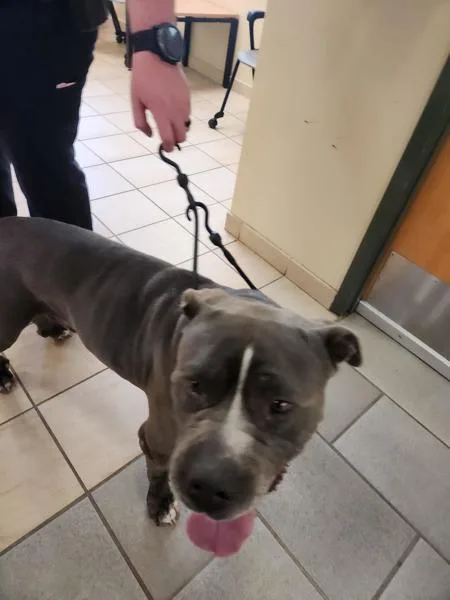
27 Dogue de Bordeaux available in Virginia Beach and nationwide

Find your forever Dogue de Bordeaux

While we don't have enough dogs near Virginia Beach, keep in mind that many rescues may offer transport.

Dogue de Bordeaux Available for Adoption Near Virginia Beach

About the Dogue de Bordeaux breed

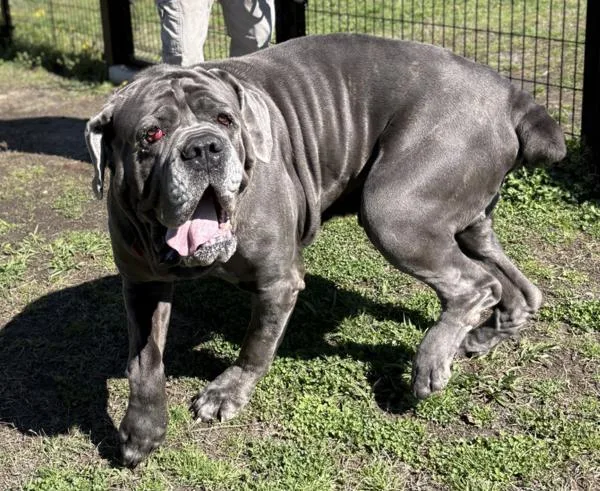
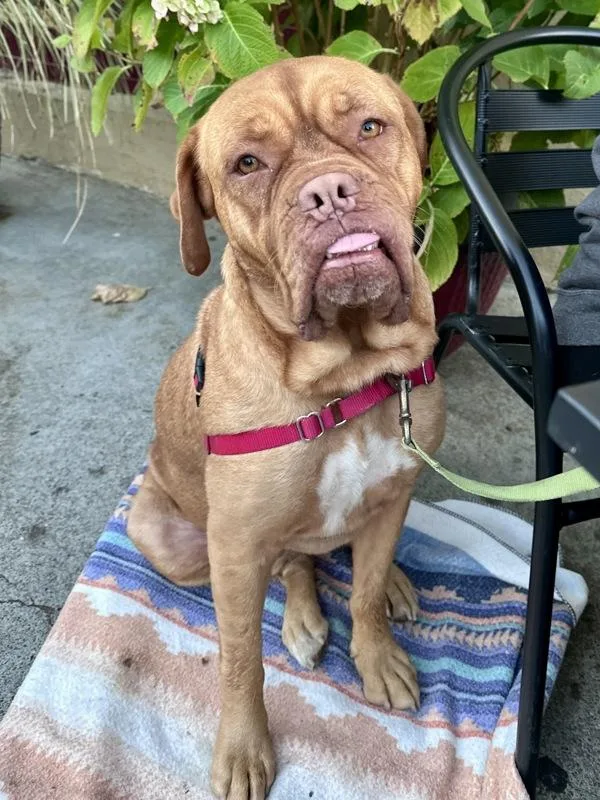
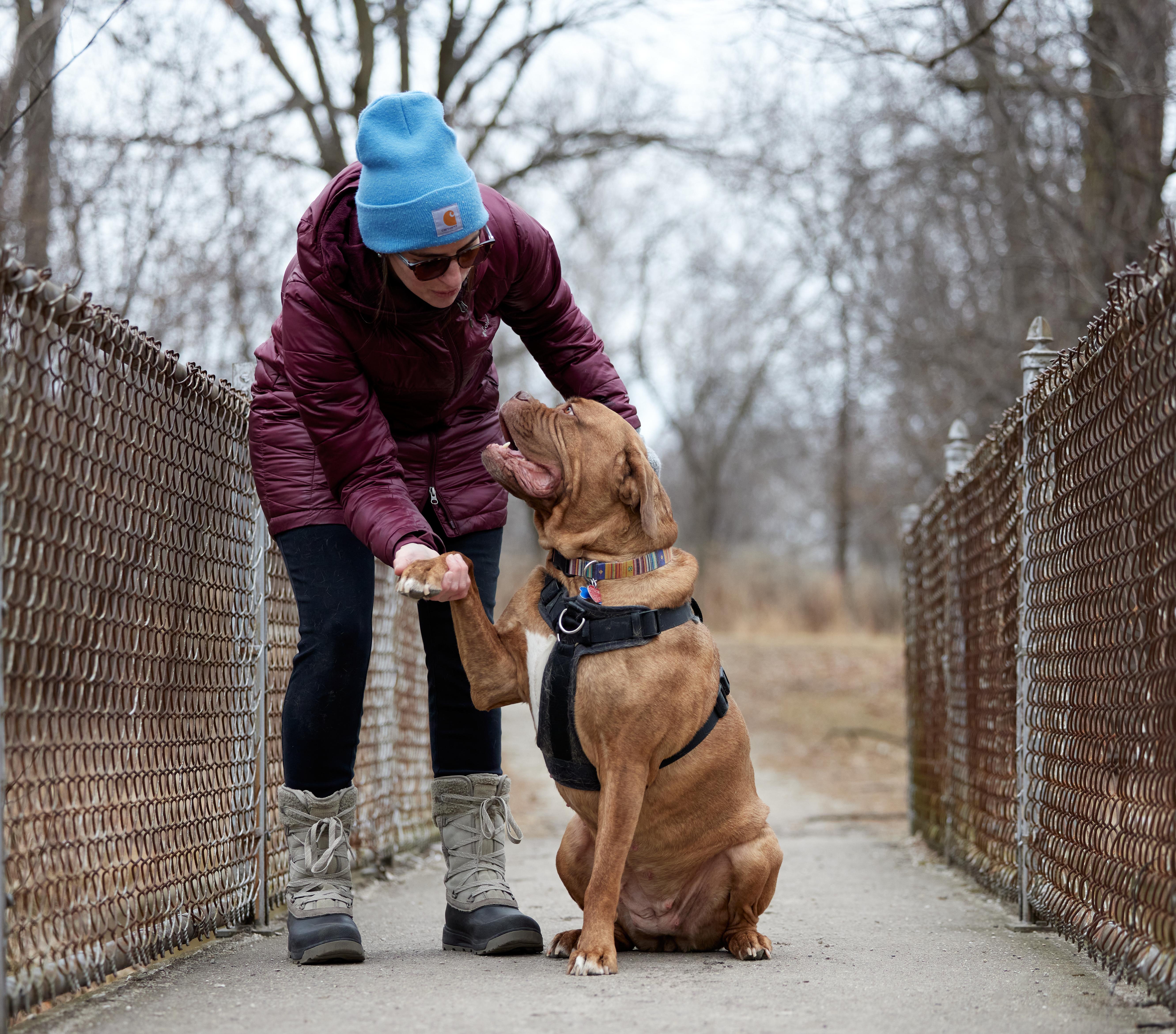
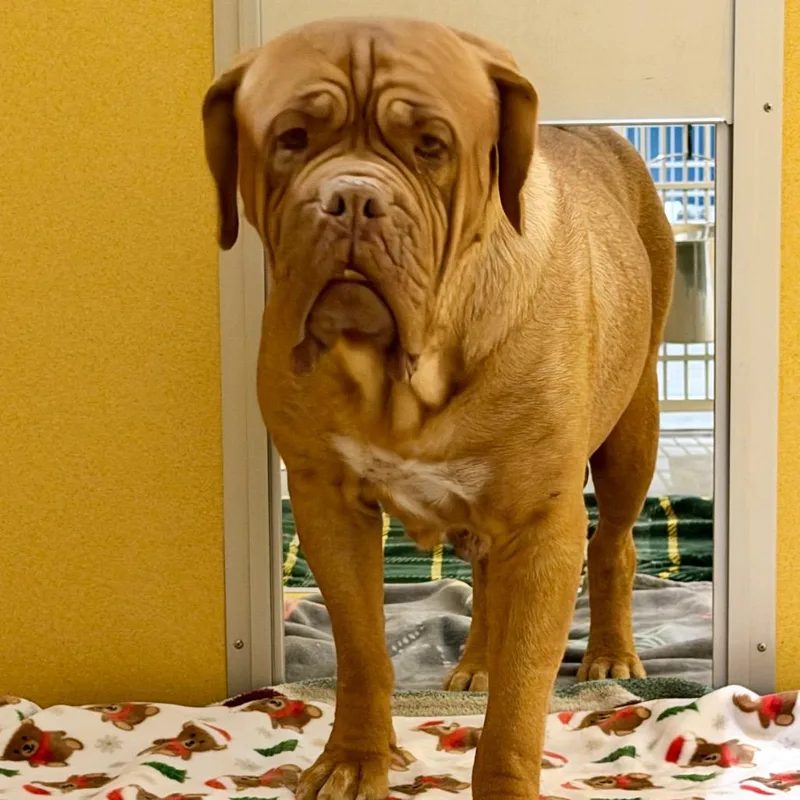
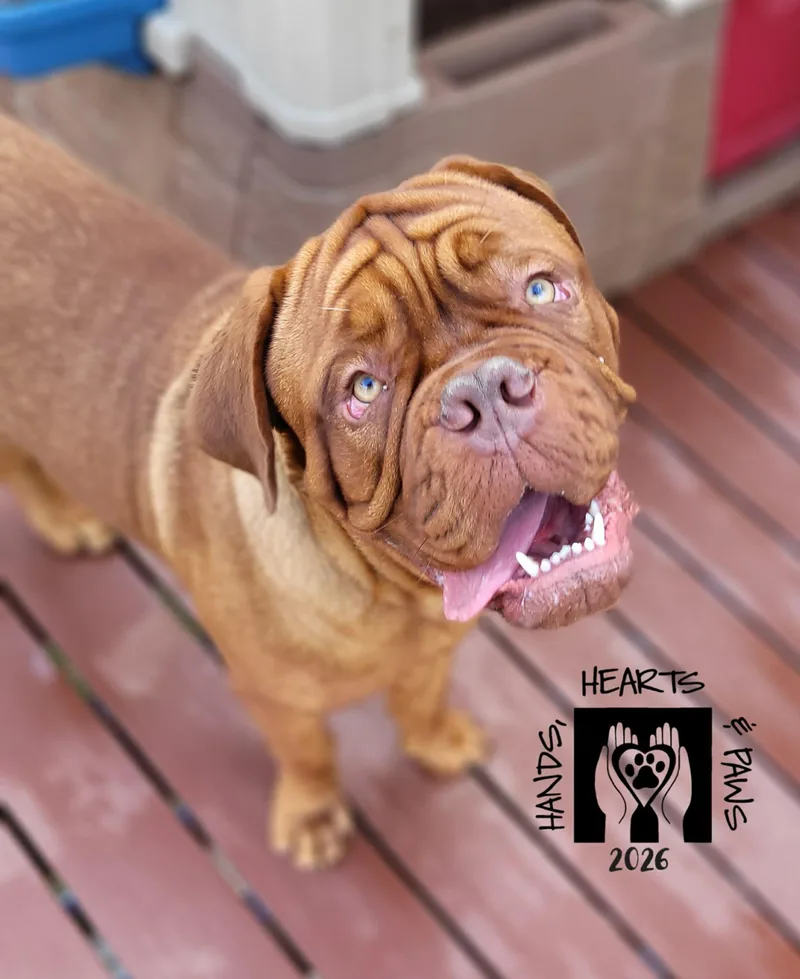
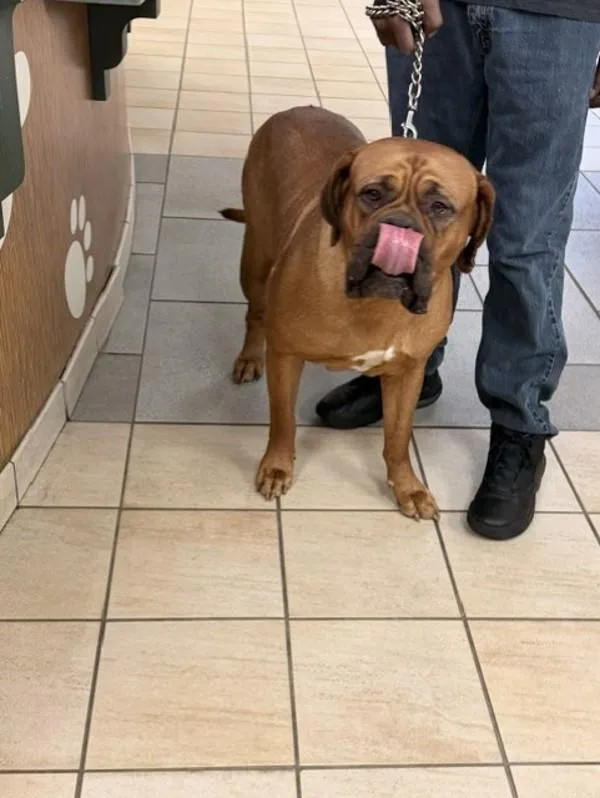
Often called the French Mastiff, the Dogue de Bordeaux is one of France's oldest breeds, long used around Bordeaux as a guardian, drover and estate dog. It has a short fawn to mahogany coat, loose wrinkled skin and one of the largest heads, proportionally, of any dog. Most adults weigh somewhere between 99 and 145 pounds.

Many Dogues are calm, sensitive and devoted to their families, yet watchful with strangers and strong enough to need early, gentle, consistent training. In Virginia Beach, that means leashed walks on busy sidewalks and a plan for guests. Adopters should expect heavy drooling, moderate to high shedding, heat sensitivity, giant-dog expenses and a lifespan that's often under ten years.

Weight
99–145 lbs
Height
23–27 in
Lifespan
5–9 yrs
Temperament
Protective, Loyal, Calm, Devoted
Group
Working
Shedding
Moderate to High

Owning a Dogue de Bordeaux in Virginia Beach

Having a Dogue de Bordeaux in Virginia Beach

Calm indoors and powerful outdoors, the Dogue needs moderate exercise, a cool home and early training. In Virginia Beach, humid summers, leash rules and giant-dog costs shape daily life more than energy level does.

Temperament

Dogues tend to be affectionate and devoted at home, but they're watchful with strangers and can be wary of unfamiliar dogs. Sensitive by nature, they respond best to calm, reward-based guidance. Early socialization to Virginia Beach sidewalks, neighbors and busy beach-area crowds helps a Dogue stay confident rather than overprotective. Each dog's personality varies.
Exercise Needs

Adults usually need moderate daily exercise: a couple of leashed walks, short play sessions and some training. Off-season beach sand allows off-leash time only with close supervision and reliable recall, so many Dogues are safer on a leash. Walk early or late in warm months, and keep puppies to low-impact activity until about 18 months.

Health Considerations

Dogues face heart disease such as aortic stenosis, cancer, bloat, hip and elbow dysplasia, and breathing trouble linked to the short face. Skin folds need regular cleaning, and lifespan is often under ten years. Have a veterinarian check the heart, joints and airway early, and keep rabies vaccination current, which Virginia Beach licensing requires.

Living Space

A Dogue needs room to stretch out, air conditioning and few stairs. A house, townhouse or ground-floor unit suits it better than a walk-up. It's calm indoors but heavy, with drool to match. A fenced yard helps, though the dog should live inside with its family.

What it costs to own a Dogue de Bordeaux in Virginia Beach

ExpenseTypical costPer year
Food$80 to $160 per month$960 to $1,920
Pet insurance$85 to $170 per month$1,020 to $2,040
Routine vet care$250 to $500 per year$250 to $500
Other*$582 to $1,660 per year$582 to $1,660
Estimated yearly total (after year one)$2,812 to $6,120

Other costs are estimates and vary with size, age and health.

* The Virginia Beach dog license ($7 a year for a spayed or neutered dog), giant-size flea, tick and heartworm prevention, a dental cleaning, sturdy toys and bedding, basic coat care, and skin-fold care and joint supplements.

Adopt a Dogue de Bordeaux in Virginia Beach.

Now that you know more, let’s find you a new best friend. These rescues and shelters below have dogs available in and near Virginia Beach.

Rescues and Shelters in or near Virginia Beach

Virginia Beach's city shelter and local rescues care for thousands of lost, stray and surrendered pets every year. Here are the rescues & shelters in the Virginia Beach area with dogs available for adoption, worth asking whether a Dogue de Bordeaux is coming in.

Frequently Asked Questions

Yes, you can own a Dogue de Bordeaux in Virginia Beach. No breed-specific rule is known, and Virginia law bars calling a dog dangerous solely because of its breed. Once the dog is four months old, you'll need a city license and rabies vaccination, a leash in public, and no tethering beyond one hour in 24. Check your lease or HOA for size limits.

It can be, if you have a cool home, time for moderate walks and patience for early training. Winters are mild, but summers call for air conditioning and dawn or evening outings. A house or ground-floor home works better than a walk-up. Hurricane season also means planning an evacuation with a dog of 100 pounds or more.

Yes, with careful management. Virginia Beach gets about a month of 90°F days a year, mostly in July and August, plus humid nights near 70°F, which is hard on a short-faced giant. Exercise at dawn or after dark, keep the home air conditioned, and watch for noisy breathing. Virginia law also bars tethering a dog outside at 85°F or higher.

Marshview Park and Bayville Farms Park are strong picks. Marshview has four fenced areas for different-sized dogs, and Bayville Farms has separate fenced areas for large dogs. Both are free, and users need a current city license and rabies vaccination. For trails, First Landing State Park has 20 miles for dogs on leashes of 6 feet or shorter.

Yes, if the building allows it and the unit suits a giant dog. Many landlords limit size or breed, so confirm the lease has no weight limits before you apply. Virginia caps security deposits, pet deposits included, at two months' rent. Look for a ground-floor unit or an elevator and reliable air conditioning, since a Dogue is calm but heavy.

A Dogue's short coat needs little brushing, but its skin needs attention. Clean facial wrinkles weekly or even daily, since humid Virginia Beach summers let moisture linger in the folds, and bathe about every four weeks. A rubber curry handles year-round shedding. After beach trips, rinse off salt and sand. Basic coat and skin-fold care are part of the Other cost line.

No, a Dogue de Bordeaux can't ride Hampton Roads Transit buses or the VB Wave trolley unless it's a service animal. Pets are allowed only in small cages that don't need a separate seat, which rules out a dog of 99 pounds or more. Virginia Beach has no subway, and The Tide light rail in Norfolk admits only service animals.

Sometimes, on outdoor patios only. Virginia rules let restaurants admit dogs to open-air patios with a separate entrance and posted signs, but each restaurant decides, and dogs aren't allowed indoors. The dog must stay leashed, off chairs and benches, and under an adult's control. A large, drooly Dogue needs patio room, so bring water and choose a quiet time.

A Dogue de Bordeaux is not inherently dangerous, but it is a powerful guardian breed whose size and protective instincts demand responsible handling. Most are gentle and affectionate with their families. Poor socialization, rough training or weak containment raise the risk of problems with strangers or other dogs. Early training and an experienced owner make a big difference.

Budget roughly $80 to $160 a month for food, $85 to $170 a month for insurance, $250 to $500 a year for routine vet care, and $582 to $1,660 a year for other costs like prevention, dental care and skin-fold care. That totals about $2,800 to $6,100 a year, before emergencies.