Curly-Coated Retriever Dogs for Adoption in Virginia Beach, VA

Your guide to finding and caring for a Curly-Coated Retriever in Virginia Beach

Curly-Coated Retrievers suit Virginia Beach because so much of daily life here revolves around water. The tight, water-shedding coat copes well with a damp walk through Great Neck, and the tall, athletic frame wants room to move, which Kempsville's suburban streets offer more easily than a Town Center high-rise. Curlies think for themselves, though, so recall takes work. That matters, because off-season beach sand is only off leash for dogs with reliable voice command, and a Curly will test it.

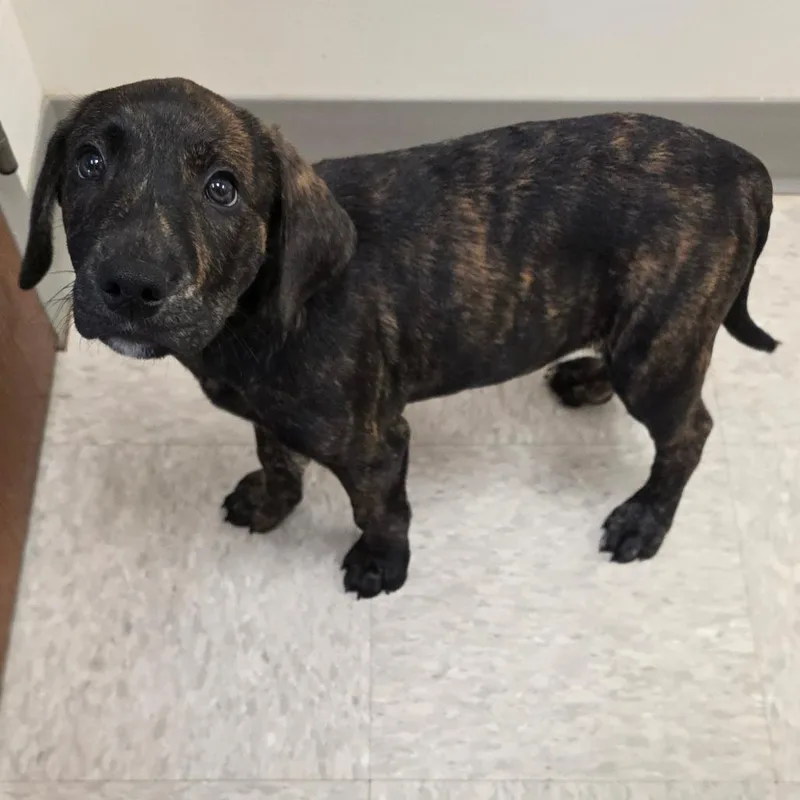
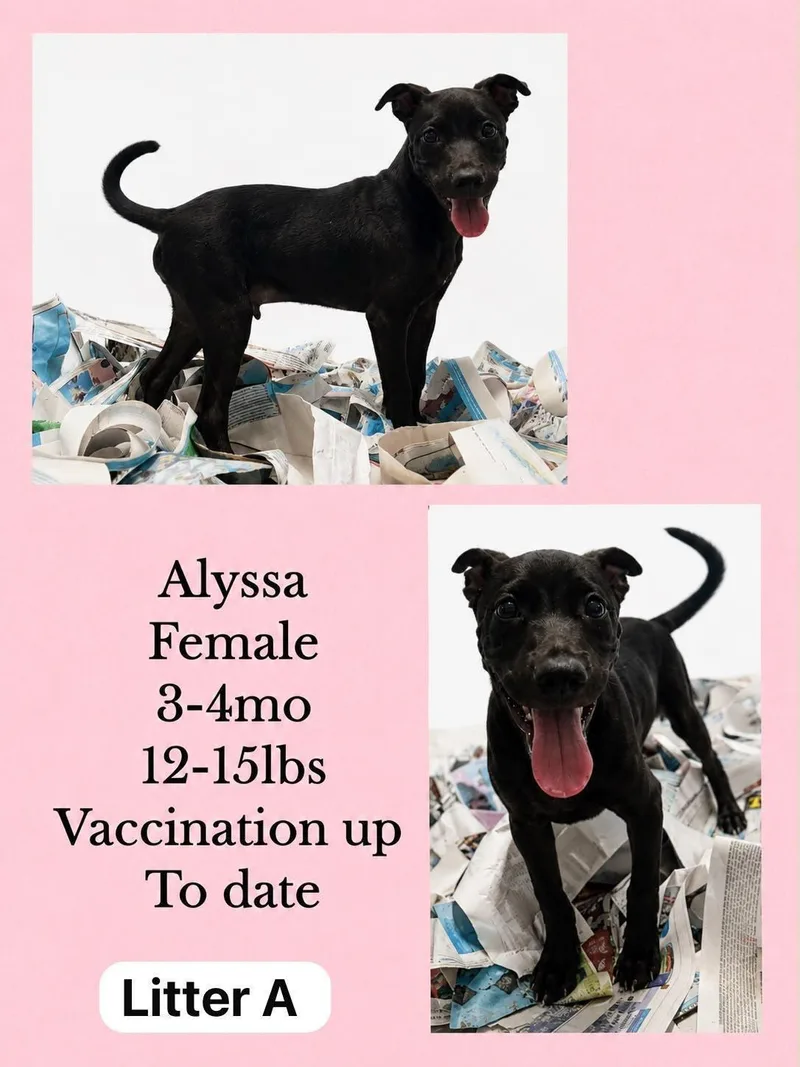
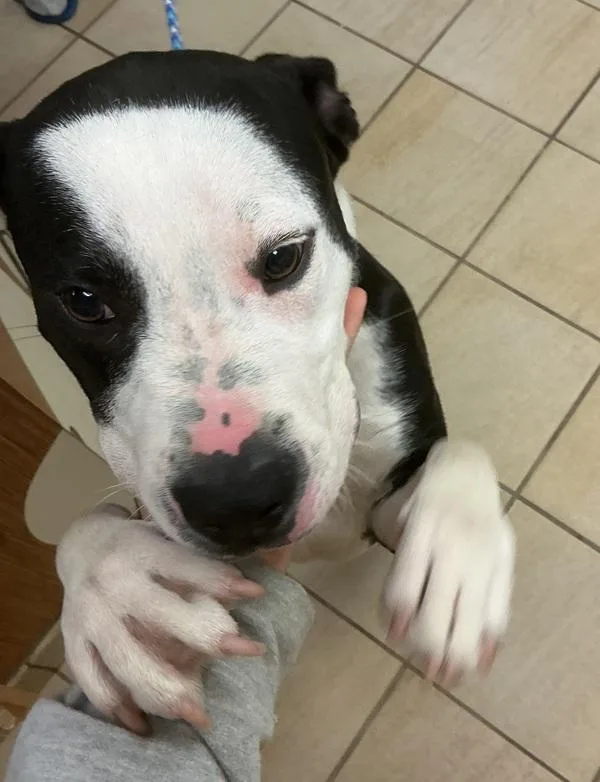
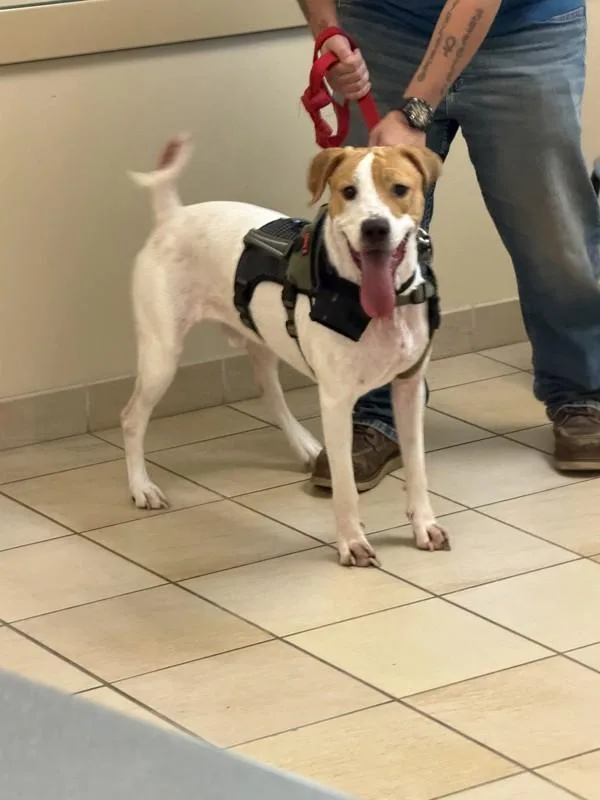
15109 dogs similar to Curly-Coated Retriever available in Virginia Beach and nationwide

Bring home a Curly-Coated Retriever

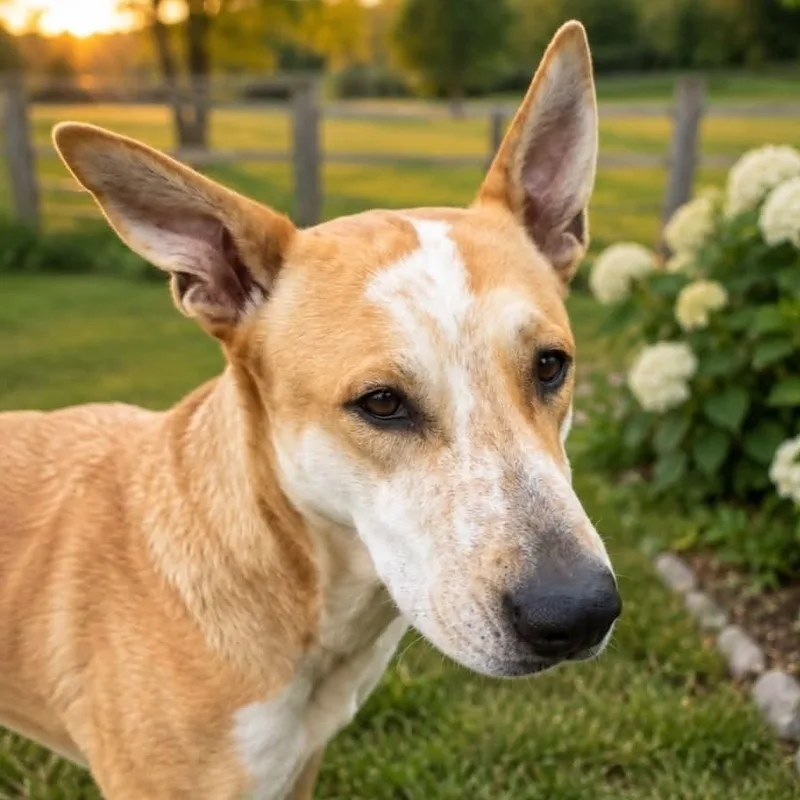
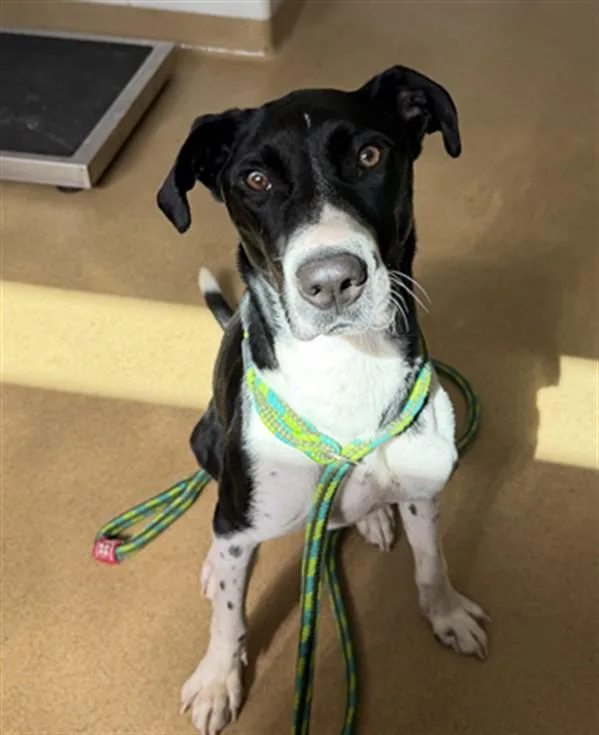
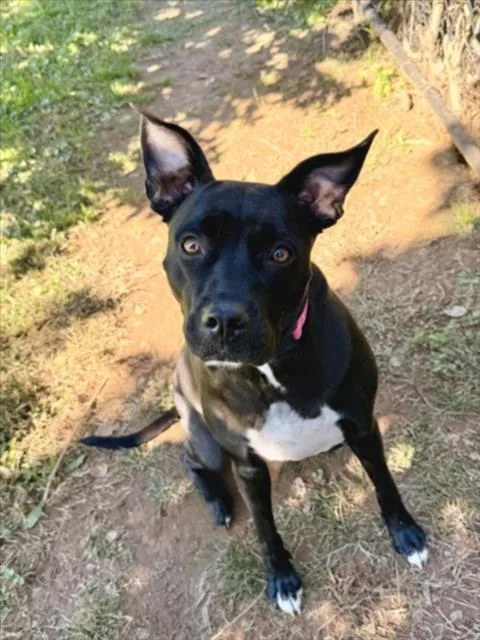
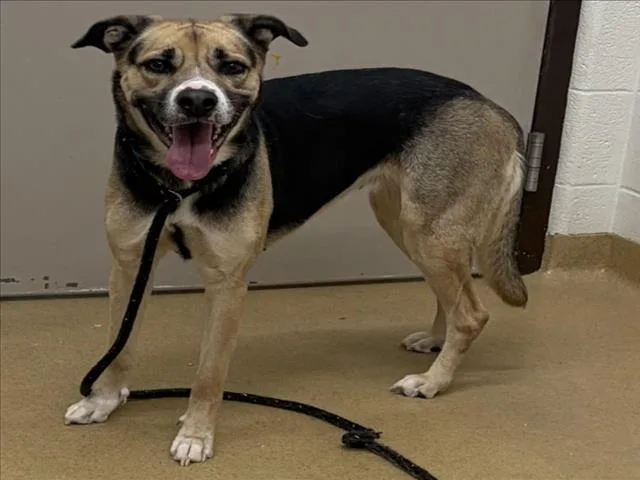
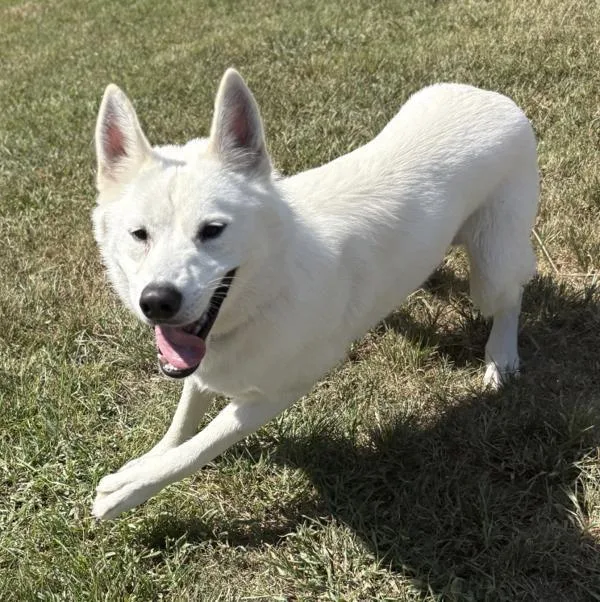
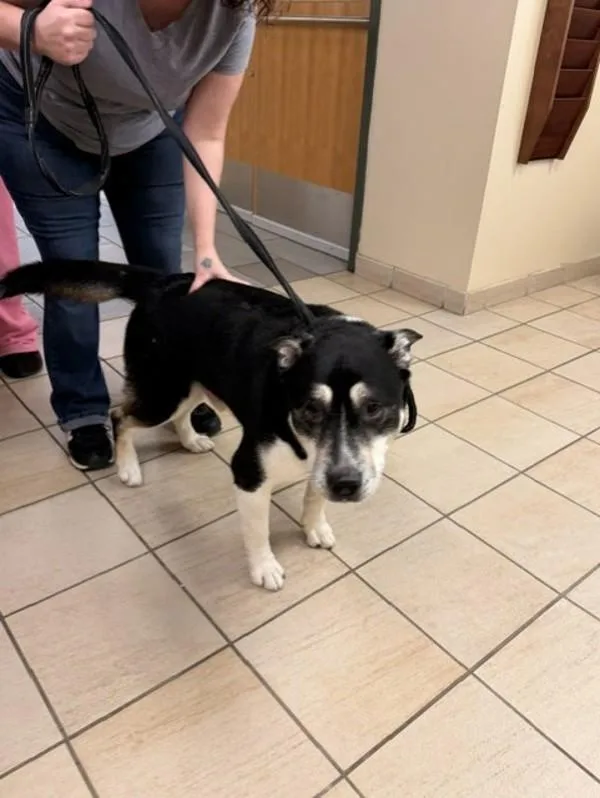
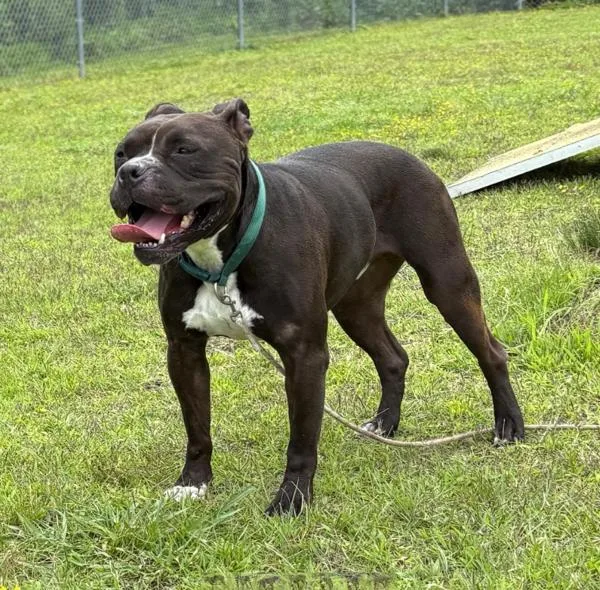
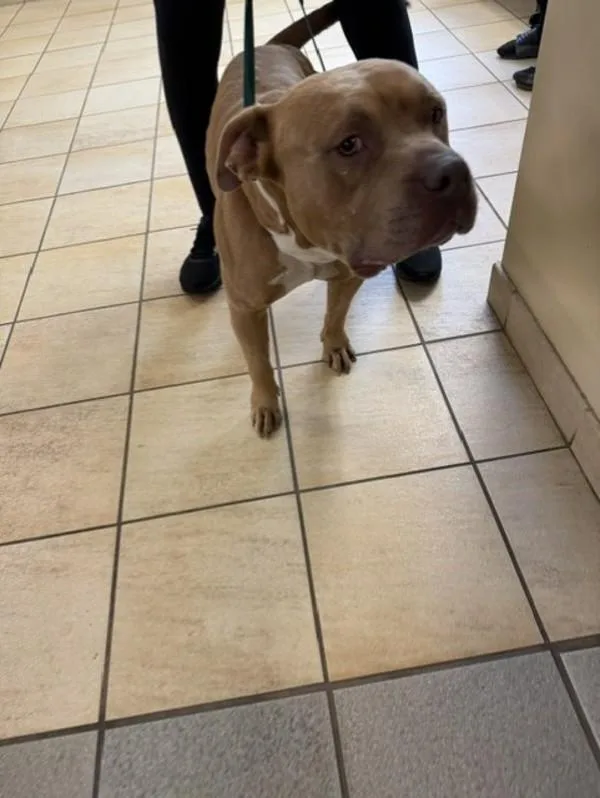
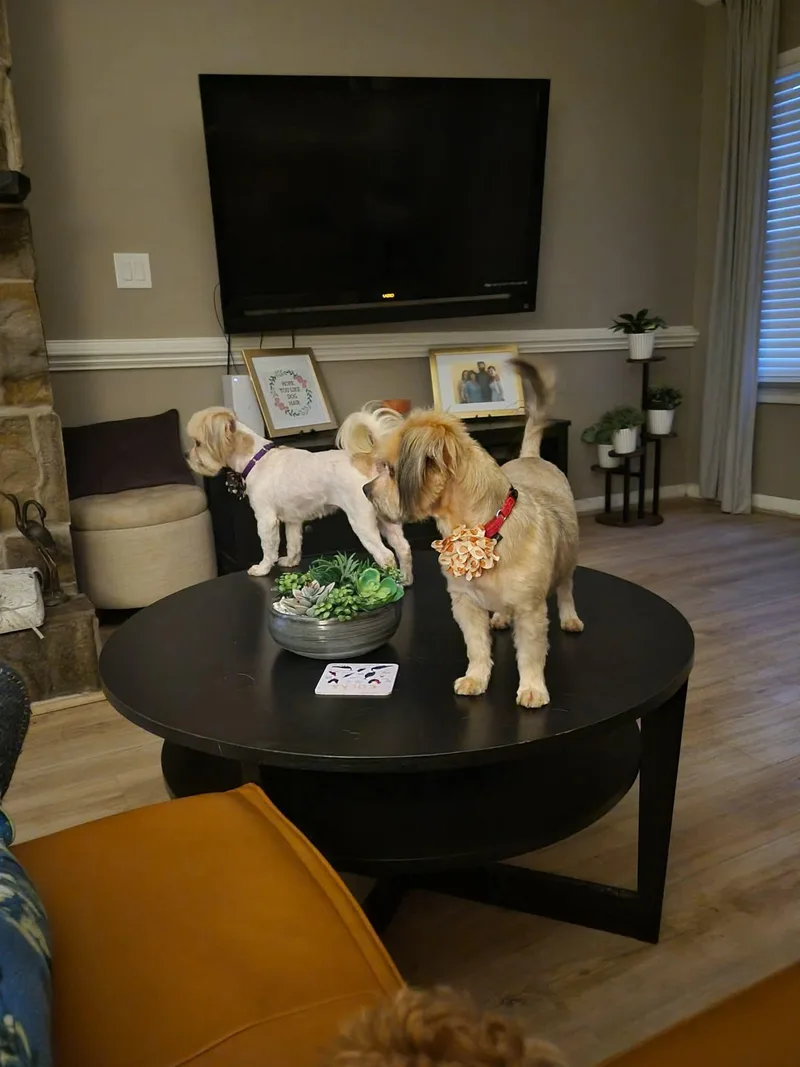
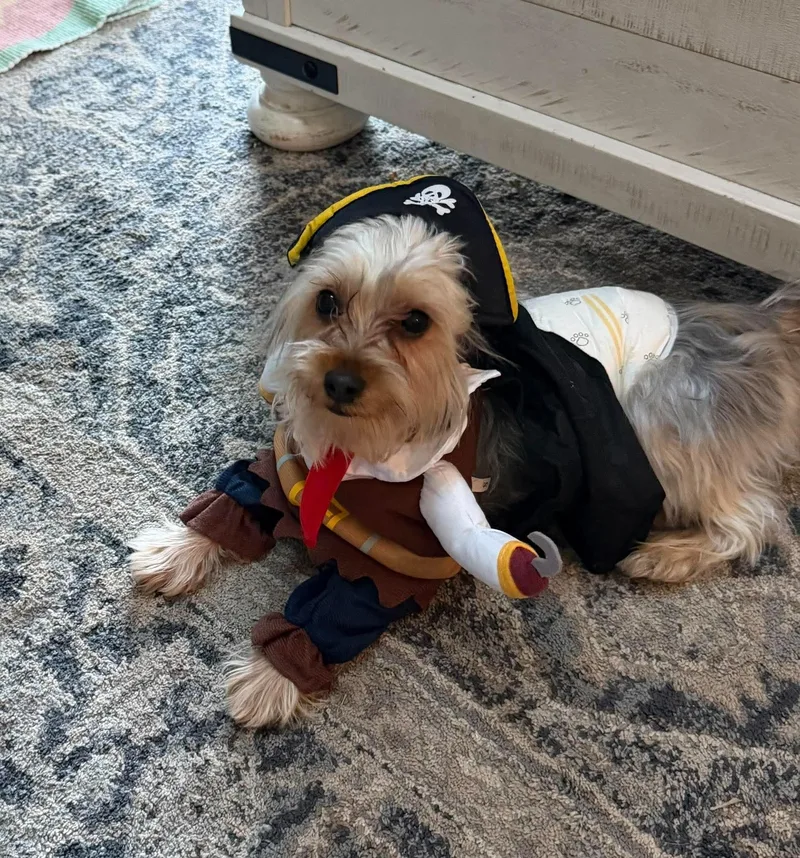
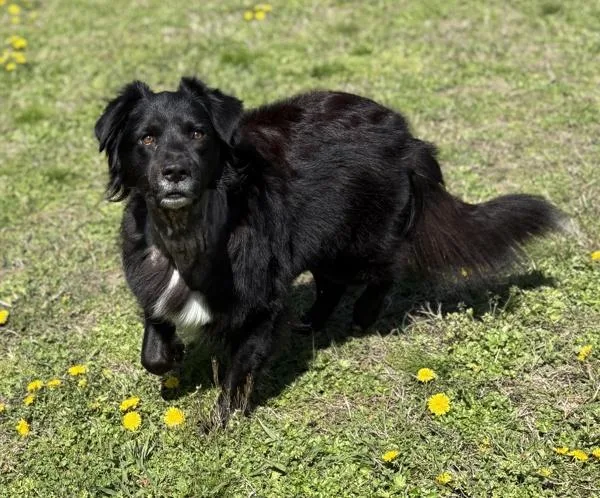
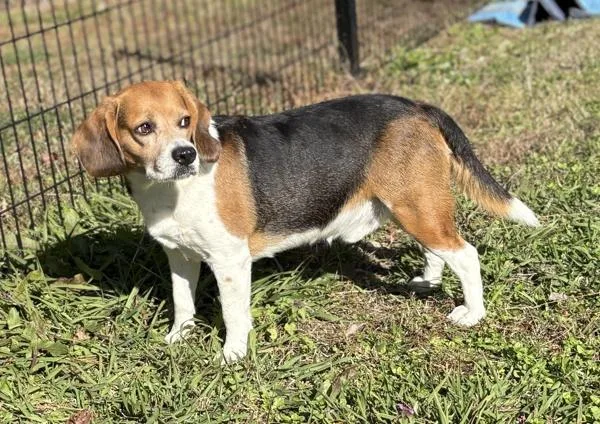
Curly-Coated Retrievers and Similar Breeds Available for Adoption Near Virginia Beach

About the Curly-Coated Retriever breed

The Curly-Coated Retriever is one of the oldest retriever breeds, developed in England as a tireless gun dog for waterfowl and upland birds. It's the tallest of the retrievers, usually 23 to 27 inches and 60 to 95 pounds, with a dense mass of tight, crisp curls over the body and a smooth face and front legs. Coats are solid black or liver, and shedding is low to moderate, with heavier sheds once or twice a year.

Curlies are often more reserved with strangers and more independent than Labs or Goldens. With family they tend to be affectionate and gentle, and many stay playful for two or three years. They're uncommon, so a Curly in Virginia Beach suits an active household ready for daily exercise, steady training and a dog with opinions.

Weight
60–95 lbs
Height
23–27 in
Lifespan
10–12 yrs
Temperament
Confident, Intelligent, Independent
Group
Sporting
Shedding
Low to Moderate

Owning a Curly-Coated Retriever in Virginia Beach

Having a Curly-Coated Retriever in Virginia Beach

A Curly pairs a working retriever's stamina with a coat built for wet weather. In Virginia Beach that means plenty of outdoor options, but also humid summers, storm-season planning and a need for secure fencing or a firm leash near open water.

Temperament

Curlies are devoted and gentle with their own people but often politely aloof with strangers, so busy spots like the Boardwalk in the off-season call for gradual socialization. They're clever and independent and may tune out repetitive drills. Reward-based training helps, and personalities vary from dog to dog.

Exercise Needs

Plan on vigorous daily exercise: long walks, running, retrieving or swimming. Virginia Beach has fenced dog areas at Marshview Park and Bayville Farms Park, plus leashed trails at First Landing State Park. Add scent games or obedience work, because a bored Curly tends to invent its own entertainment.

Health Considerations

Curlies can face hip and elbow dysplasia, exercise-induced collapse, glycogen storage disease, an inherited eye disease, heart problems and coat loss. Bloat is a risk in deep-chested dogs. A veterinarian can check hips, eyes and heart, and keeping rabies vaccination and heartworm and tick prevention current matters near coastal wildlife.

Living Space

A Curly does best with a securely fenced yard, though a committed apartment dweller can manage with daily exercise. In Virginia Beach, rental weight limits are worth checking first. A 60 to 95 pound dog with an active tail needs floor room indoors and prefers living with the family, not in a kennel.

What it costs to own a Curly-Coated Retriever in Virginia Beach

ExpenseTypical costPer year
Food$55 to $110 per month$660 to $1,320
Pet insurance$65 to $130 per month$780 to $1,560
Routine vet care$250 to $500 per year$250 to $500
Other*$482 to $1,260 per year$482 to $1,260
Estimated yearly total (after year one)$2,172 to $4,640

Other costs are estimates and vary with size, age and health.

* The $7 to $10 Virginia Beach dog license, flea, tick and heartworm prevention, a dental cleaning allowance, toys and bedding, and light coat care with occasional trims.

Adopt a Curly-Coated Retriever in Virginia Beach.

Now that you know more, let’s find you a new best friend. These rescues and shelters below have dogs available in and near Virginia Beach.

Rescues and Shelters in or near Virginia Beach

Virginia Beach's rescue community includes a city shelter and a nonprofit SPCA, both caring for dogs of every age. Here are the rescues & shelters in the Virginia Beach area with dogs available for adoption, worth asking whether a Curly-Coated Retriever is coming in.

Frequently Asked Questions

Yes. No breed-specific rule is known in Virginia Beach, and Virginia law bars labeling a dog dangerous solely because of its breed. Beyond the standard license, rabies and leash rules, keeping more than four adult dogs requires a kennel permit from Zoning. A Curly's independence makes training and a secure fence the practical priorities.

Yes, if the owner commits to daily exercise, though a house with a yard is easier. Apartments range from Town Center high-rises to Green Run's townhouse and garden-apartment communities, and weight limits vary, so confirm the lease allows a dog of 60 to 95 pounds. Long walks and mental games keep a Curly from getting noisy or destructive.

First Landing State Park has about 20 miles of trails and allows dogs on a 6-foot leash. Pleasure House Point and Mount Trashmore work for leashed walks, though Mount Trashmore's lakes ban wading, which a water-loving Curly won't appreciate. Watch for coyotes and, in the south, cottonmouths, and skip Back Bay refuge, which bans pets.

Yes, with sensible timing. Summers reach about 85°F with 68°F nights, and humidity is the main limit, so walk early or late and keep water and shade handy. A Curly's dense dark coat can hold heat, and hot sand can burn paws. Never leave a dog in a car, and rinse off salt water after swims.

Not on most routes. Hampton Roads Transit buses and the VB Wave trolley allow animals only in small cages that don't need a separate seat, and a Curly won't fit in one. Service animals are welcome on all HRT services. The Tide light rail runs only in Norfolk and also admits only service animals, so plan on car trips.

Sometimes, on patios only. Virginia rules let restaurants admit dogs to open-air patios with a separate entrance and a posted sign, but each restaurant chooses whether to allow it. Dogs must stay leashed and off chairs and tables. Indoor dining rooms are off limits to pet dogs, so a reserved Curly does best with a quiet spot and a mat.

Very little brushing: a Curly's tight curls frizz when brushed, so dampen the coat and work through it with your fingers. Expect occasional trims and heavier sheds once or twice a year. After beach days, rinse off salt water and sand. Light coat care fits inside the Other costs, roughly $482 to $1,260 a year.

Yes, Curly-Coated Retrievers shed, but usually less than most retrievers for much of the year. Many have one or two heavier seasonal sheds when the curls loosen and drop hair, and intact females may shed more after a heat cycle. Owners generally avoid brushing, which frizzes the curls, and instead dampen the coat and work loose hair out by hand.

Yes, Curly-Coated Retrievers are rare in the United States. They have been recognized by the American Kennel Club since 1924 yet rank among the least registered breeds, landing around 168th in recent popularity lists. That rarity means few appear in shelters, so adopters often check breed-specific rescues and set up alerts on adoption listings to hear when one becomes available.

Expect roughly $55 to $110 a month for food, $65 to $130 a month for insurance, $250 to $500 a year for routine vet care and $482 to $1,260 a year for other costs. Together that's about $2,200 to $4,600 a year, before emergencies or boarding.