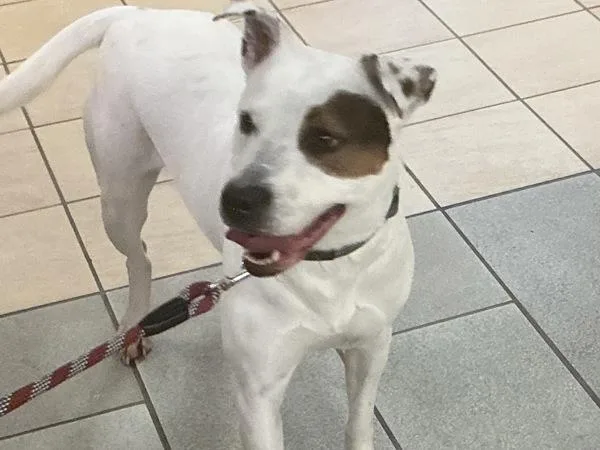
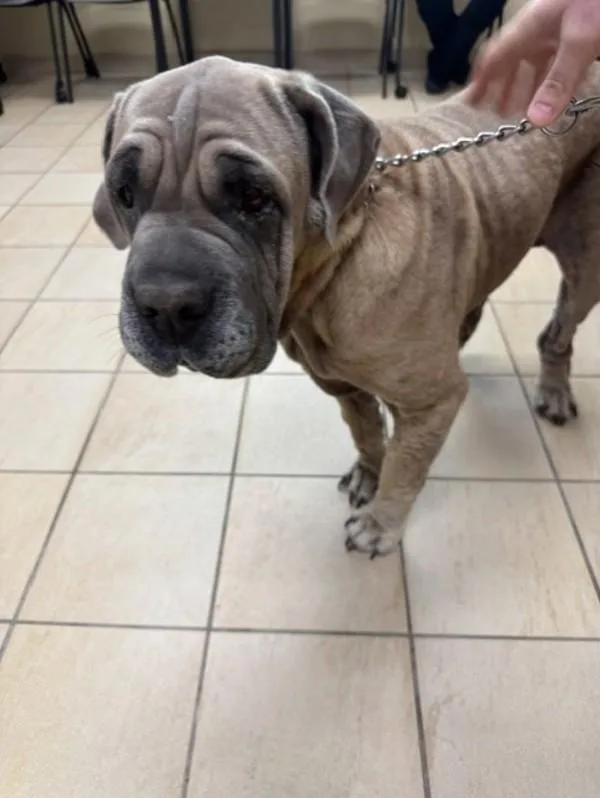
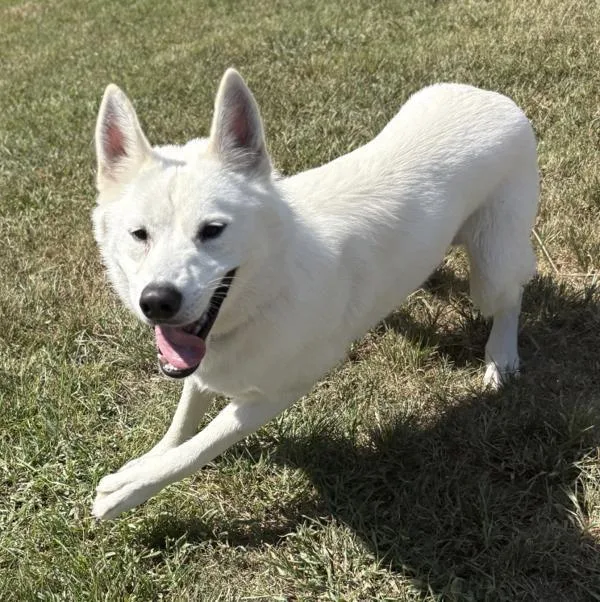
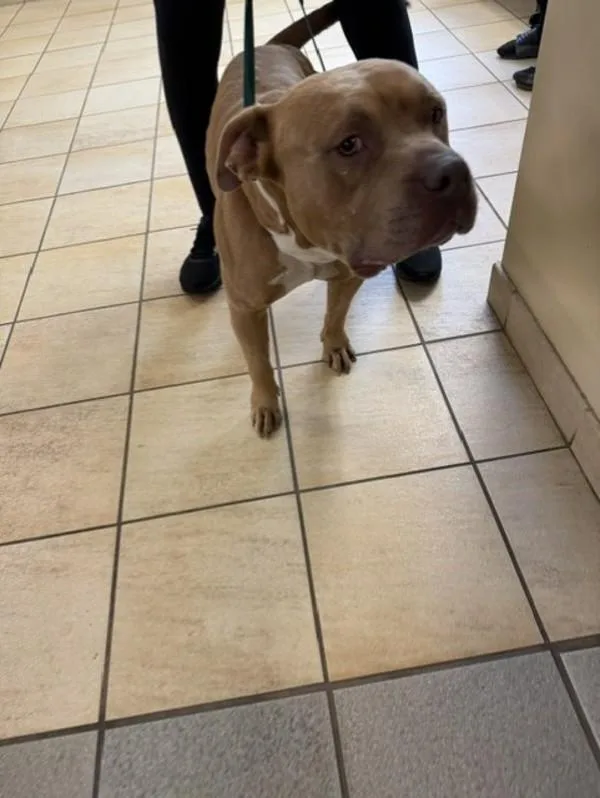
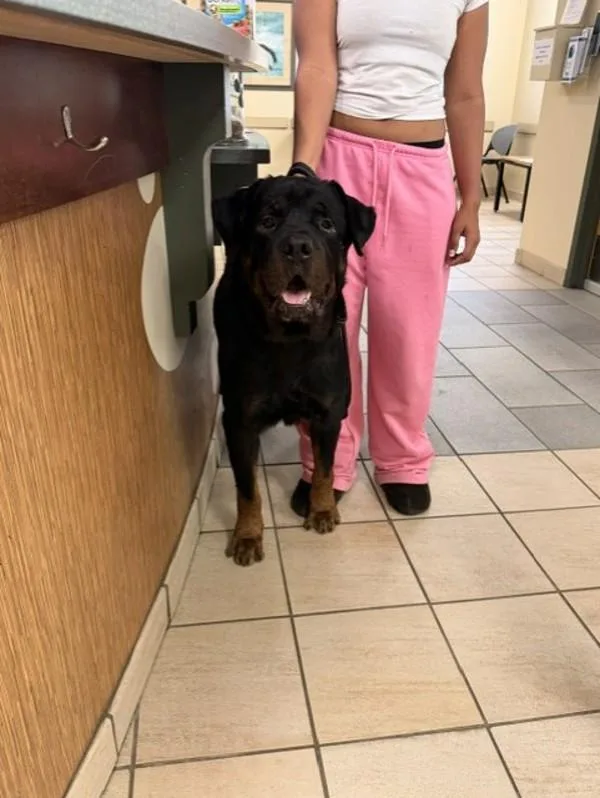
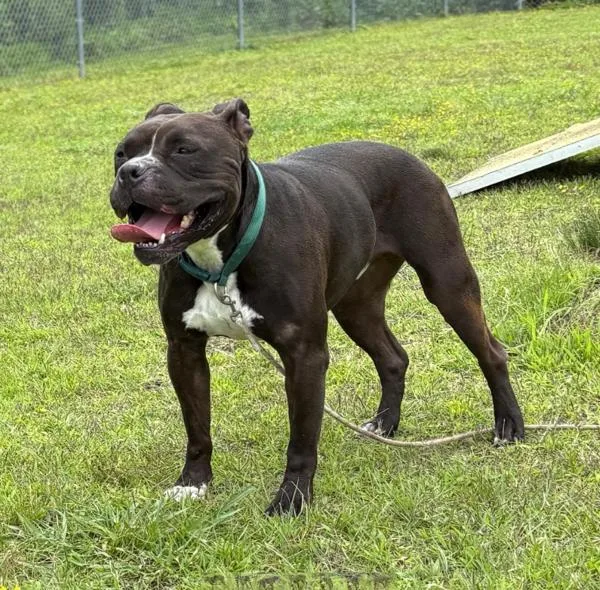
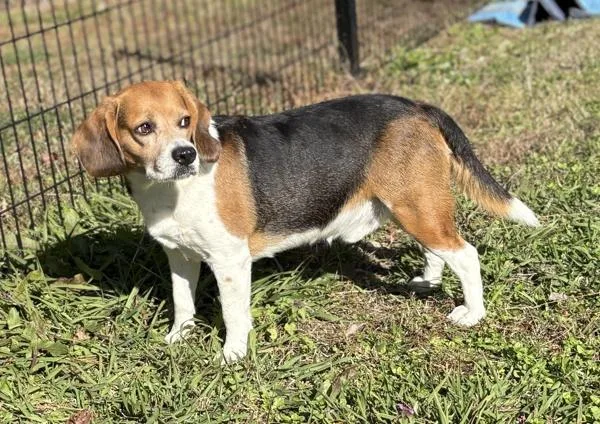
Appenzell Mountain Dogs for Adoption in Virginia Beach, VA

Your guide to finding and caring for an Appenzell Mountain Dog in Virginia Beach

Appenzell Mountain Dogs fit best in Virginia Beach's single-family neighborhoods, like Kempsville, where a busy herding dog has room to move. They're rare in the US, so expect a tricolor dog with a tail curled over its back to turn heads on your walks. Woodstock Park has a fenced dog area nearby, and Bayville Farms Park adds an agility course that suits a smart, athletic breed. These dogs want a job every day, and a bored one will bark at the whole street.

207 dogs similar to Appenzell Mountain Dog available in Virginia Beach and nationwide

Your Appenzell Mountain Dog is waiting

While we don't have enough dogs near Virginia Beach, keep in mind that many rescues may offer transport.

Appenzell Mountain Dogs and Similar Breeds Available for Adoption Near Virginia Beach

About the Appenzell Mountain Dog breed

The Appenzell Mountain Dog, called the Appenzeller Sennenhund in Switzerland, is one of four tricolor Swiss mountain breeds. In the Appenzell region it drove cattle, guarded farms and sometimes pulled carts. It's medium-sized and muscular, usually 48 to 70 pounds and 19 to 22 inches tall, with a short, dense double coat in black or brown with white and rust markings.

Appenzellers are lively, alert and quick to sound the alarm, often reserved with strangers and devoted to their own people. Their working history means they want daily exercise, training and a task, which is why they suit active, experienced owners. They shed moderately, more heavily twice a year, and often live 12 to 15 years. Like any breed, dogs vary, and each dog's own personality matters more than the label.

Weight
48–70 lbs
Height
19–22 in
Lifespan
12–15 yrs
Temperament
Lively, Alert, Energetic, Confident
Group
Herding
Shedding
Moderate

Owning an Appenzell Mountain Dog in Virginia Beach

Having an Appenzell Mountain Dog in Virginia Beach

Picture a farm herder in a suburban setting: stamina, alertness and loyalty on one side, a need for daily work and structure on the other. The match works best for active households with time to train and a plan for busy days.

Temperament

Appenzellers are usually lively, confident and watchful, and they bark at anything unusual. Many are reserved with strangers but affectionate with family. Herding instinct can show up as chasing or nipping at running kids and pets. In busy Virginia Beach neighborhoods, early socialization and reward-based training help a dog learn when to settle.

Exercise Needs

Plan on vigorous exercise every day: long walks, running games, agility work or hikes. Add training sessions and puzzle toys, since a bored Appenzeller often turns noisy or destructive. In Virginia Beach, a fenced dog park, neighborhood loops and the off-season beach with reliable recall can fill the week.

Health Considerations

Appenzellers are generally hardy, though health data are limited because the breed is small in number. Hip and elbow dysplasia and some eye conditions have been reported, so a veterinarian can check the joints and eyes early. Keep the dog lean, and keep flea, tick and heartworm prevention current through the long warm season.

Living Space

A securely fenced yard suits Appenzellers best, and Green Run's single-family streets or rural Pungo south of the Green Line offer more room than a high-rise. Apartments can work with dependable daily exercise, but a watchful dog's barking can strain close neighbors. This breed prefers living indoors with its family.

What it costs to own an Appenzell Mountain Dog in Virginia Beach

ExpenseTypical costPer year
Food$35 to $70 per month$420 to $840
Pet insurance$45 to $85 per month$540 to $1,020
Routine vet care$225 to $450 per year$225 to $450
Other*$532 to $1,360 per year$532 to $1,360
Estimated yearly total (after year one)$1,717 to $3,670

Other costs are estimates and vary with size, age and health.

* The Virginia Beach dog license, flea, tick and heartworm prevention, a yearly dental cleaning, toys and bedding, and brushing or occasional grooming for a shedding double coat.

Adopt an Appenzell Mountain Dog in Virginia Beach.

Now that you know more, let’s find you a new best friend. These rescues and shelters below have dogs available in and near Virginia Beach.

Rescues and Shelters in or near Virginia Beach

Virginia Beach's shelters and rescues list adoptable dogs here, and the selection changes often, so check back for new arrivals. Here are the rescues & shelters in the Virginia Beach area with dogs available for adoption, worth asking whether an Appenzell Mountain Dog is coming in.

Frequently Asked Questions

Yes. No known Virginia Beach rule restricts the breed, and Virginia law says a dog can't be declared dangerous solely because of its breed. Owners are responsible for behavior, so leash control and training matter, especially with a watchful herding breed that may chase or nip. Households with more than four adult dogs need a kennel permit from Zoning.

It can be, for active households with a yard or a firm routine of vigorous daily exercise. Mild winters and long trail-friendly seasons suit a working breed, while summer humidity limits midday activity. Barking, wariness of strangers and a need for training mean it usually suits experienced owners better than first-timers, though each dog differs.

It's possible but demanding. Apartment life works only with reliable daily exercise and training, and a dog that barks at hallway noise may draw complaints under the city's barking rule. A Green Run townhouse with a small yard may fit better than a Town Center high-rise. Confirm the lease allows a dog of 48 to 70 pounds.

Mount Trashmore's hills and paths give a good leashed workout, and Pleasure House Point and Lake Lawson/Lake Smith have walking trails. In summer, North End, Croatan and Sandbridge sand allows dogs only before 10 a.m. and after 6 p.m., and Rudee Loop to 42nd Street bars them. Back Bay National Wildlife Refuge doesn't allow pets.

Yes, with adjustments. Roughly a month of days each year reaches 90°F, and humid nights stay near 70°F, so a double-coated Appenzeller needs air conditioning, shade and fresh water. Save hard runs for early morning or after dark, and watch for heavy panting, drooling or lethargy, which can signal heat exhaustion.

Generally no. Hampton Roads Transit buses and the VB Wave trolley allow animals only in small cages that don't need a separate seat, which rules out a medium dog like an Appenzeller. Service animals are welcome. The Tide light rail runs only in Norfolk and also admits only service animals, so plan on driving to parks and trails.

Only to some outdoor patios. Virginia rules let restaurants admit dogs in open-air areas with a separate entrance and posted signs, but each restaurant decides whether to opt in. Dogs must stay leashed and off chairs and tables, and indoor dining rooms are off-limits. A watchful breed needs to settle calmly on the floor.

Weekly brushing is usually enough, rising to several times a week during the heavy spring and fall sheds. The short double coat needs baths only when dirty. After beach trips, rinse off salt and sand and check paws for heat damage. Occasional professional baths or deshedding sessions are covered in the Other costs above.

Expect roughly $1,700 to $3,700 a year for an Appenzeller in Virginia Beach, based on food at $35 to $70 a month, insurance at $45 to $85 a month, routine vet care of $225 to $450 a year, and $532 to $1,360 in other costs. Emergencies and training classes would add to that.