
American Hairless Terrier Dogs for Adoption in Virginia Beach, VA

Your guide to finding and caring for an American Hairless Terrier in Virginia Beach

American Hairless Terriers are a natural size for the townhouses and garden apartments around Green Run and Kempsville in Virginia Beach. A 12-to-28-pound dog is easy to carry up stairs and happy with a loop through the neighborhood's green belts, plus fetch in the living room. They're alert, so expect barking at delivery trucks. The bare skin is the part to plan for: from spring through September, dog-safe sunscreen or a light shirt belongs by the door with the leash.

9752 dogs similar to American Hairless Terrier available in Virginia Beach and nationwide

Find your American Hairless Terrier

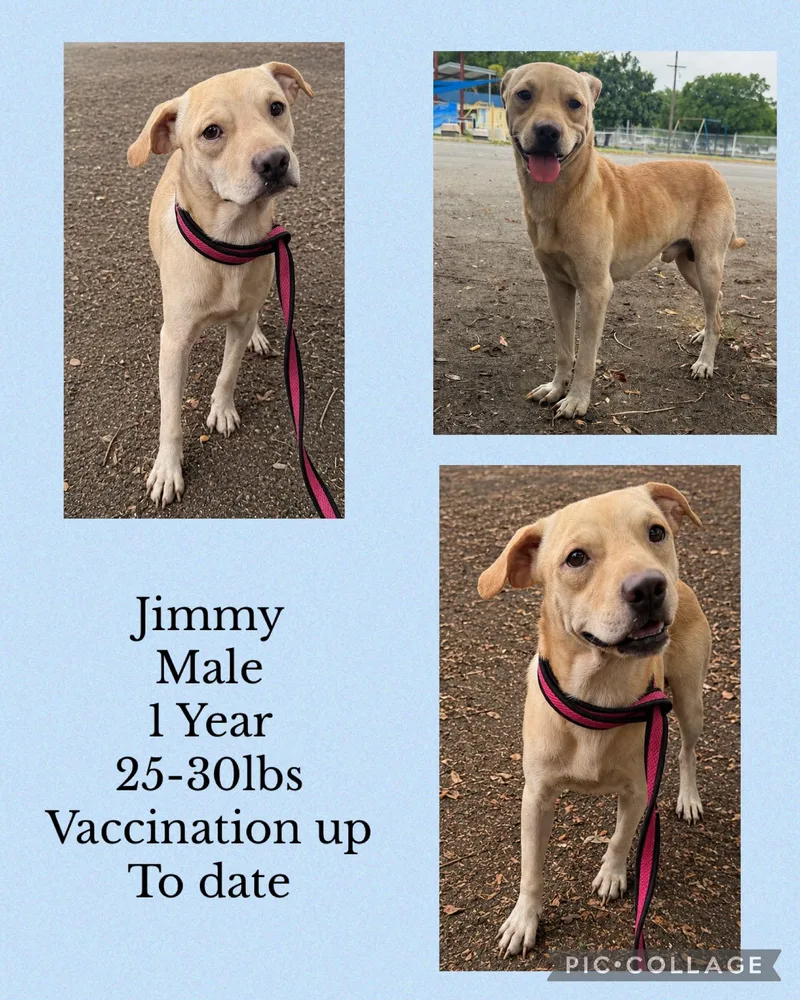
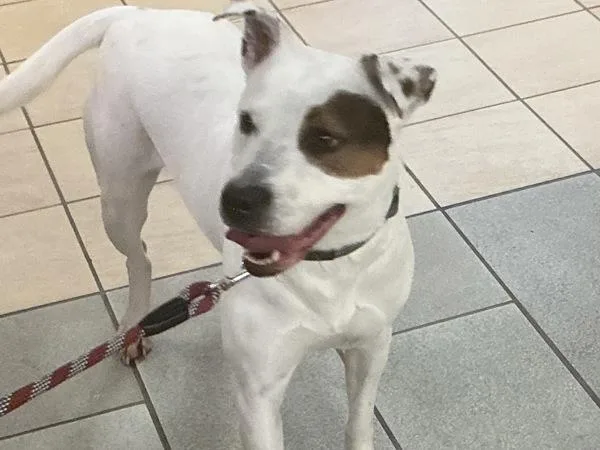
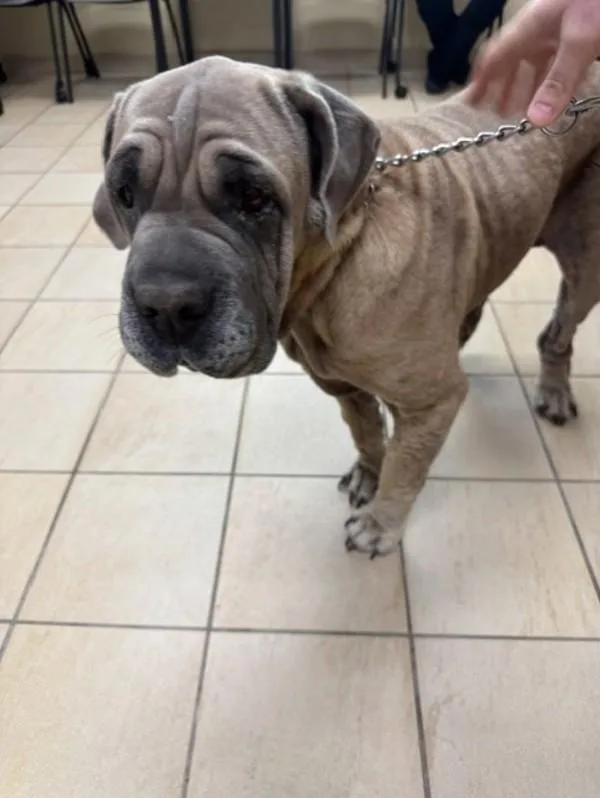
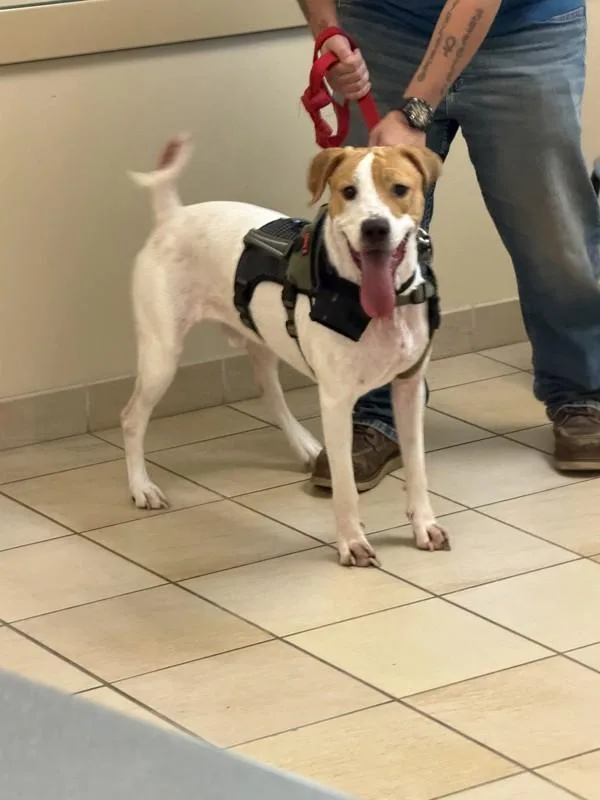
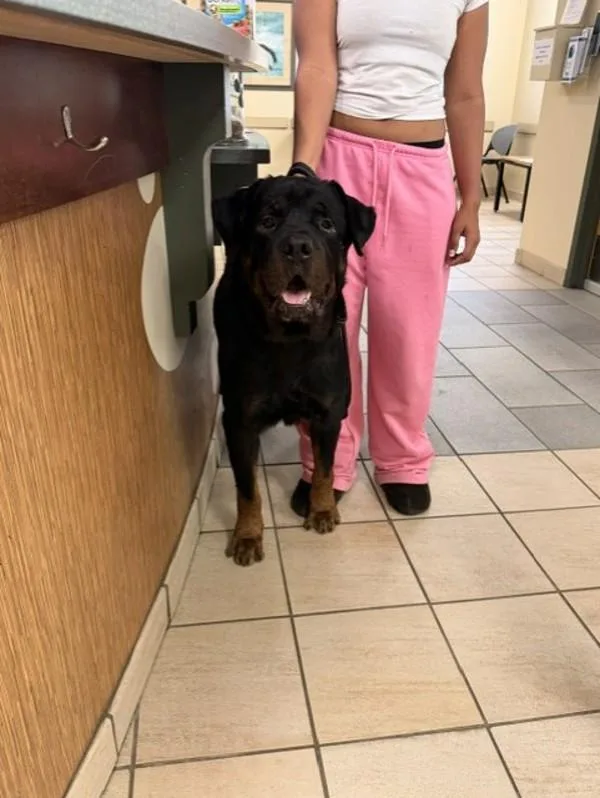
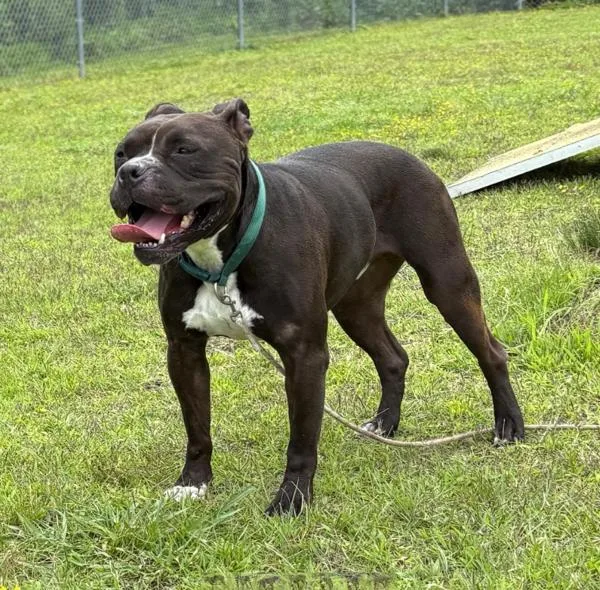
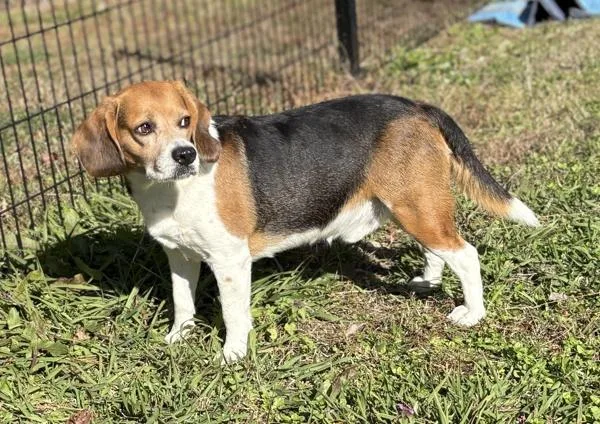
American Hairless Terriers and Similar Breeds Available for Adoption Near Virginia Beach

About the American Hairless Terrier breed

The American Hairless Terrier is the only hairless breed developed in the United States. It began in 1972 in Louisiana, when a hairless puppy named Josephine was born into a litter of coated Rat Terriers, and the AKC recognized the breed in 2016. Puppies are born with fuzz that falls out within weeks, and a coated variety has a short, smooth coat. Adults usually weigh 12 to 28 pounds.

Their ratting ancestry shows up as curiosity, quick feet and a love of chasing and digging. In Virginia Beach, that means a secure fence or leash around park squirrels, and close supervision outdoors, since coyotes are reported across the city. Many are affectionate and quick to learn with reward-based training, and skin care replaces brushing: baths, moisturizer and sun protection.

Weight
12–28 lbs
Height
12–16 in
Lifespan
13–16 yrs
Temperament
Energetic, Alert, Curious, Intelligent
Group
Terrier
Shedding
Low

Owning an American Hairless Terrier in Virginia Beach

Having an American Hairless Terrier in Virginia Beach

Terrier energy, a small frame and skin that needs protection from sun and cold define this breed. In Virginia Beach, that adds up to short, frequent outings, a warm indoor routine and a plan for humid summers.

Temperament

Many American Hairless Terriers are affectionate, playful and closely tied to their families, and they often do well with respectful children. They tend to bark at new sounds and may chase squirrels or cats, which matters on busy Virginia Beach sidewalks. Most respond to reward-based training, though terrier independence shows up, and each dog's history and comfort with other pets vary.

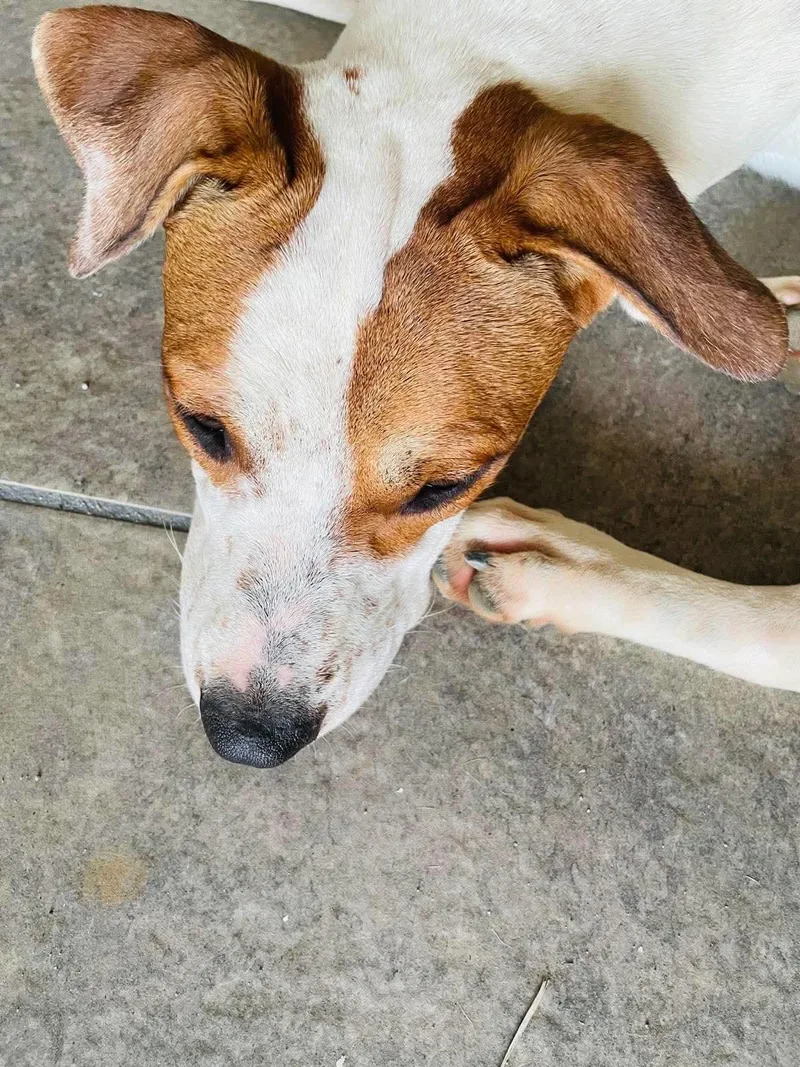
Exercise Needs

Plan on daily walks plus active play like fetch, tug or sniffing games. Marshview Park's fenced dog areas and Bayville Farms Park's separate fenced areas and agility course give a safe place to run; a current city license and rabies vaccine are required. Short training sessions and puzzle feeders help a busy mind on indoor days.

Health Considerations

Bare skin can sunburn, dry out, scrape or develop blocked pores, so routine skin checks and gentle baths matter. Patellar luxation, Legg-Calvé-Perthes disease and allergies are reported in the breed. Hot beach sand can burn paw pads, and a rinse afterward removes salt and sand. A veterinarian can check joints, skin and teeth at regular visits.

Living Space

The small size suits Virginia Beach's apartments, condos and townhouses, including the mid-rise and high-rise buildings around Town Center, as long as exercise needs are met. A hairless dog can't live outdoors, so it needs a warm indoor spot and limited time in harsh sun or cold. A secure fence helps, since many chase small animals or dig under gaps.

What it costs to own an American Hairless Terrier in Virginia Beach

ExpenseTypical costPer year
Food$20 to $45 per month$240 to $540
Pet insurance$35 to $70 per month$420 to $840
Routine vet care$200 to $400 per year$200 to $400
Other*$432 to $1,360 per year$432 to $1,360
Estimated yearly total (after year one)$1,292 to $3,140

Other costs are estimates and vary with size, age and health.

* The $7 to $10 yearly Virginia Beach dog license, flea, tick and heartworm prevention, a dental cleaning allowance, toys and bedding, baths and skin care, and sunscreen, shirts and sweaters for hairless dogs.

Adopt an American Hairless Terrier in Virginia Beach.

Now that you know more, let’s find you a new best friend. These rescues and shelters below have dogs available in and near Virginia Beach.

Rescues and Shelters in or near Virginia Beach

Virginia Beach's city shelter and nonprofit rescues list their adoptable dogs here, so you can browse current listings in one place. Here are the rescues & shelters in the Virginia Beach area with dogs available for adoption, worth asking whether an American Hairless Terrier is coming in.

Frequently Asked Questions

Yes, for people who enjoy short daily outings and don't mind a skin-care routine. Mild winters, off-season beach walks and fenced dog parks suit a small, active terrier, and apartments work too. It's a harder fit if you're away long hours or can't manage sunscreen, sweaters and a warm indoor spot. Each dog's energy and sensitivity vary.

Yes, the small size suits apartments and condos, including Town Center's mid-rise and high-rise buildings. Expect barking at hallway noise, though: Virginia Beach can cite owners whose dogs bark loudly, continuously or at untimely hours, so training and daily exercise matter. Plan regular potty trips, a warm bed inside, and play sessions that burn off terrier energy.

Yes, with precautions. Summers are humid, with about a month of 90°F days, and sunburn is a real risk for bare skin. Use dog-safe sunscreen or a light shirt, walk early or late, offer water and shade, and never leave the dog in a parked car. Indoor air conditioning keeps rest comfortable.

Salem Woods and Woodstock parks have fenced dog areas on the Kempsville side, and users need a current city license and rabies vaccination. For leashed walks, Mount Trashmore's multi-use paths and First Landing State Park's trails (six-foot leash) work well; choose cooler hours and pack sun protection. Back Bay National Wildlife Refuge doesn't allow pets.

Very little coat care, but regular skin care. Gentle baths with a mild shampoo, plus moisturizer if skin dries out, keep pores clear. Humid summers and beach trips mean rinsing off salt and sand. Coated dogs need only occasional brushing. Baths and skin care fall within the Other costs in the table above.

Yes. Virginia Beach has no known breed-specific restrictions, and Virginia law bars calling a dog dangerous solely because of its breed. Dogs four months and older need a city license and a current rabies vaccine. A household with more than four adult dogs needs a kennel permit from Zoning.

Sometimes, on open-air patios only. Virginia rules let restaurants admit dogs outdoors if the patio has a separate entrance and posted signs, but each restaurant chooses whether to allow them. Dogs must stay leashed or in a carrier and off chairs and tables. Indoor dining rooms are generally off limits to pet dogs.

Only in a small cage. HRT buses and the VB Wave trolley allow animals in small cages that don't need a separate seat, which many 12-to-28-pound terriers will outgrow. Service animals are welcome on all services. The Tide light rail runs only in Norfolk and admits only service animals, and Virginia Beach has no subway.

No dog is completely hypoallergenic, but the hairless American Hairless Terrier sheds almost no hair, and many people with mild dog allergies tolerate it well. Allergens also come from dander, saliva and urine, so reactions still vary by person. The coated variety sheds a short coat. Spending time with a specific dog before adopting is the safest test.

Expect roughly $1,292 to $3,140 a year. That covers food at $20 to $45 a month, insurance at $35 to $70 a month, routine vet care at $200 to $400 a year, and $432 to $1,360 a year in other costs such as prevention, dental care, skin care and sun or cold gear.