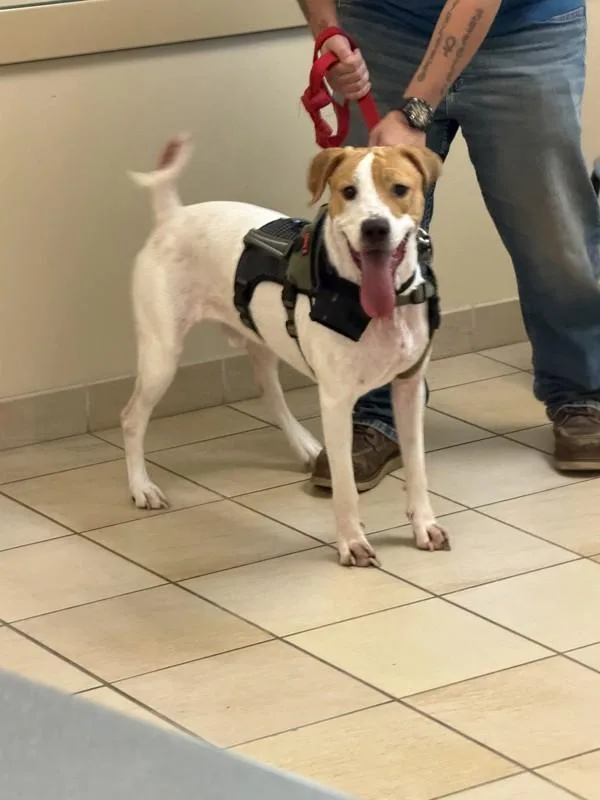
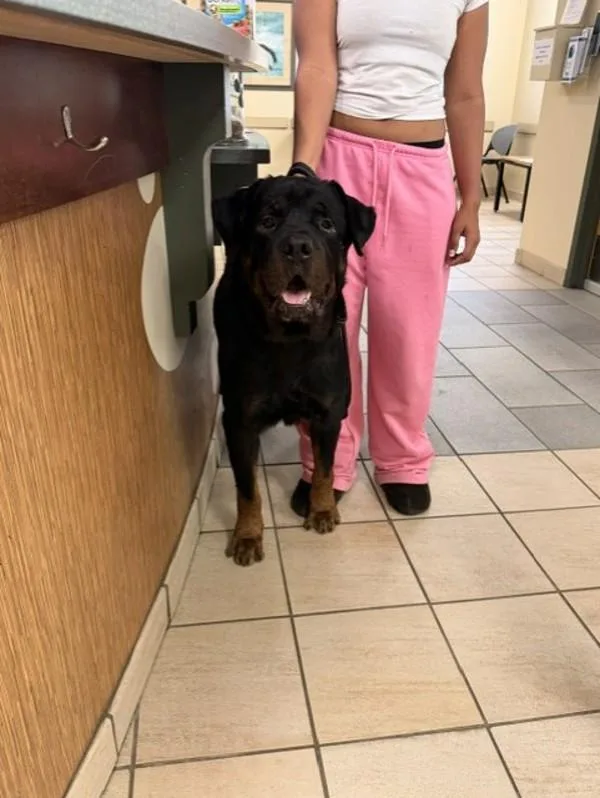
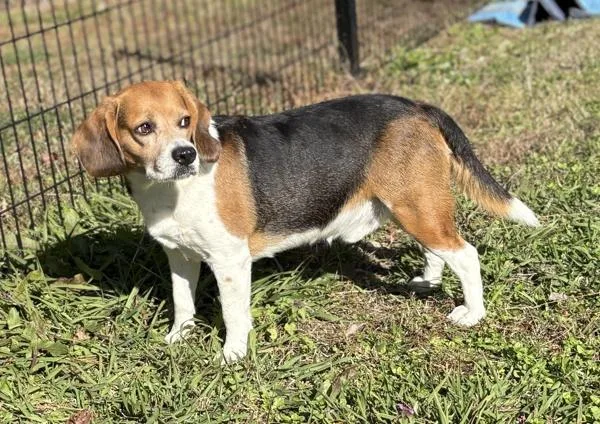
American Bully Dogs for Adoption in Virginia Beach, VA

Your guide to finding and caring for an American Bully in Virginia Beach

American Bullies fit the suburban side of Virginia Beach, especially around Green Run and Kempsville. Those areas are full of townhouses and single-family homes, and Green Run alone has about 200 acres of green-belt land. That suits a muscular, people-loving dog that wants a daily walk and a spot on the couch. Bullies are heavy and heat-sensitive, so July humidity shapes their routine. In Virginia Beach, a home that welcomes bully-type dogs matters as much as the dog's size.

934 American Bullies available in Virginia Beach and nationwide

Fall for an American Bully

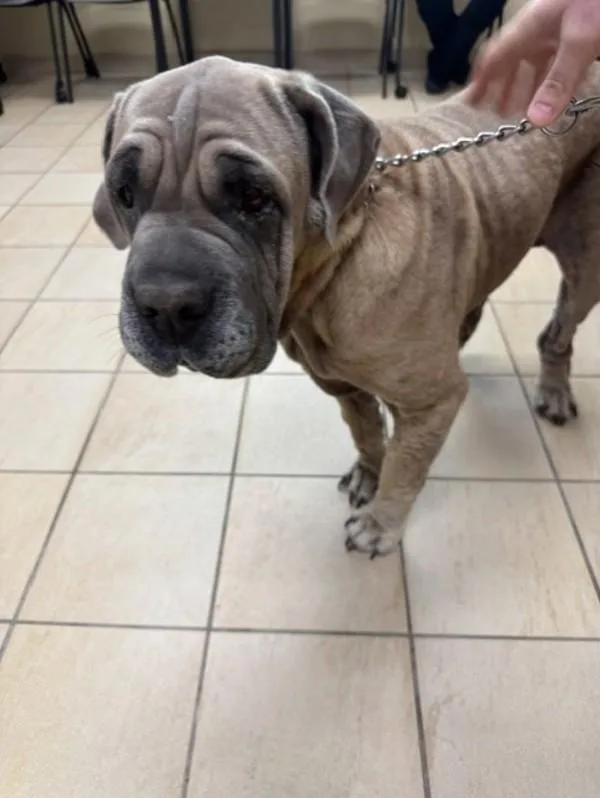
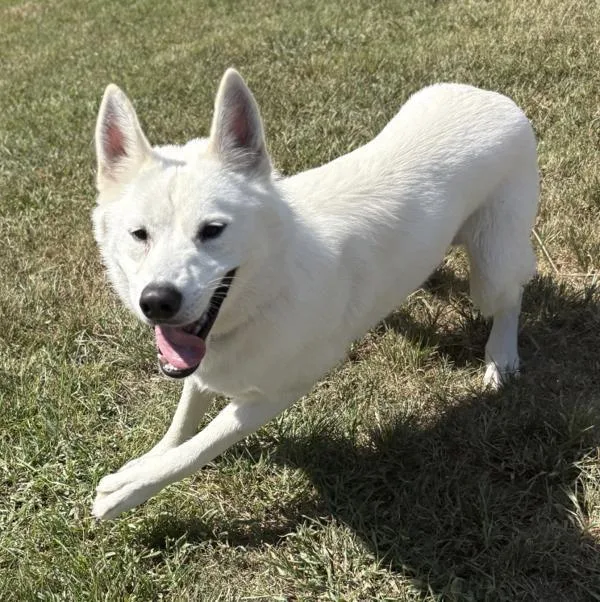
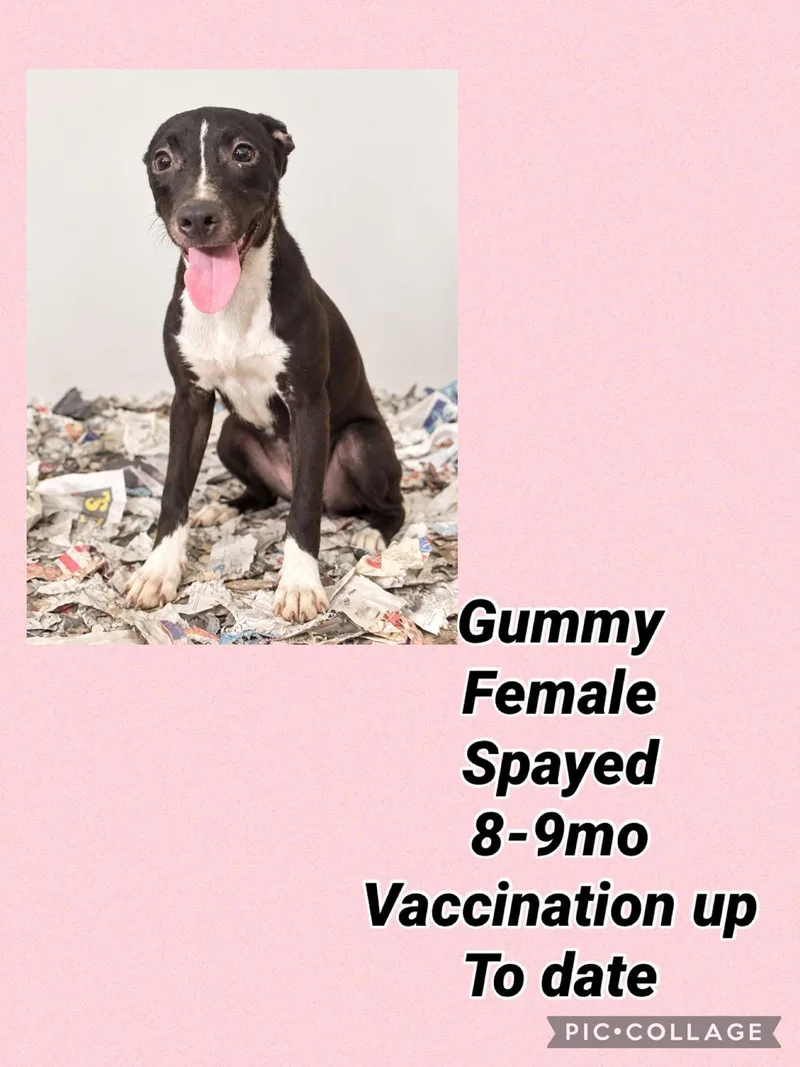
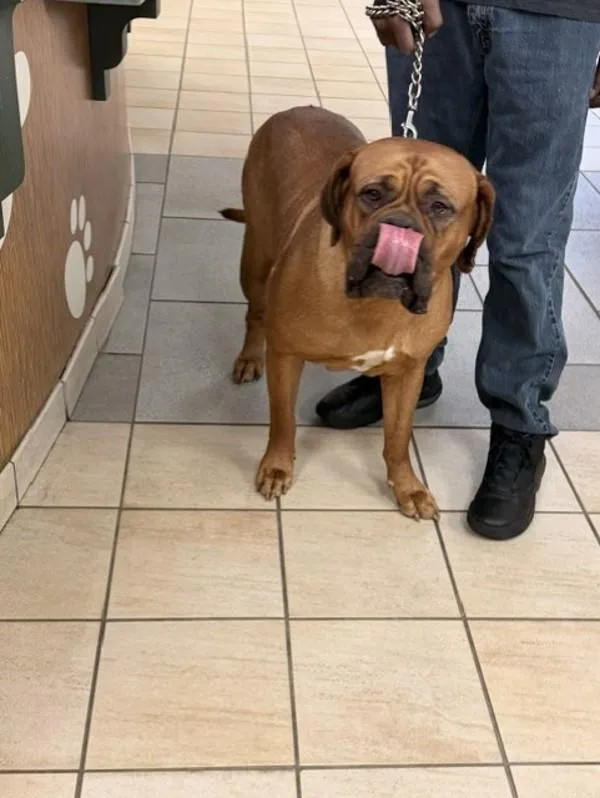
American Bullies Available for Adoption Near Virginia Beach

About the American Bully breed

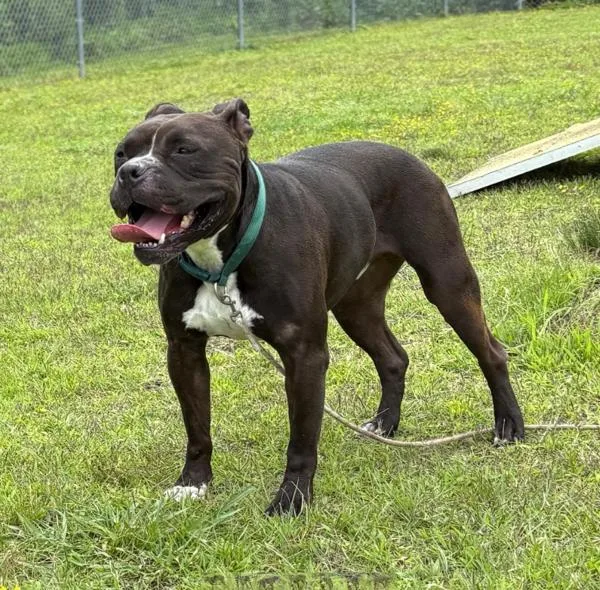
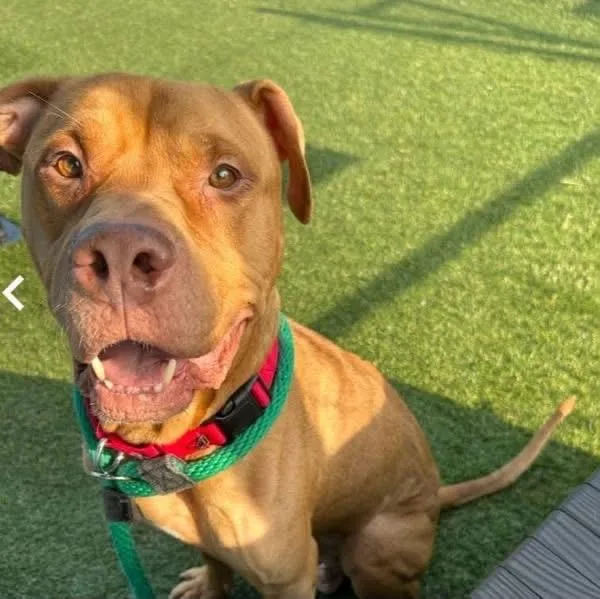
The American Bully was developed in the United States in the 1980s and 1990s, mostly from the American Pit Bull Terrier, with American Staffordshire Terrier and bulldog breeds mixed in. The aim was a companion with a heavier, more muscular build and a steady, people-focused nature. The United Kennel Club recognizes the breed, and sizes run from compact Pockets to large XLs.

Many Bullies are affectionate and eager to please, but their strength means leash manners and early training matter, and tolerance of other dogs varies. In Virginia Beach, where leashes are required in every city park and summers are humid, a Bully does best with steady routines, a cool place indoors and a lean body weight. The short coat needs little upkeep.

Weight
40–110 lbs
Height
13–23 in
Lifespan
10–13 yrs
Temperament
Affectionate, Loyal, Confident
Group
Terrier
Shedding
Low to Moderate

Owning an American Bully in Virginia Beach

Having an American Bully in Virginia Beach

Size varies widely among American Bullies, from compact Pockets to heavy XLs, and that range affects stamina, heat tolerance and how much room a dog needs. In Virginia Beach, humidity, leash rules and housing policies are the main local factors to weigh.

Temperament

Many American Bullies are affectionate, loyal and eager to please, and the breed was developed as a companion. Tolerance of other dogs varies, so introduce new dogs gradually, especially at Virginia Beach's fenced dog parks. Training and socialization shape behavior far more than looks do.

Exercise Needs

Most Bullies need moderate daily exercise: a couple of brisk walks, short play sessions and mental work like tug or food puzzles. In Virginia Beach, schedule summer outings for early morning or evening, and use the Boardwalk after Labor Day or a fenced dog park. Heavier, shorter-muzzled dogs tire faster.

Health Considerations

Hip and elbow dysplasia, skin allergies and the inherited skin condition ichthyosis are documented in the breed, and heavily built or short-muzzled dogs can struggle with heat and breathing. A veterinarian can check joints, skin and weight, and keeping a Bully lean protects its joints.

Living Space

A Bully can do well in a townhouse, apartment or house if it gets daily exercise and company. Many are calm indoors. Heavier dogs need a cool indoor spot through Virginia Beach summers, and a secure fence helps, since outdoor tethering is tightly limited by city and state rules.

What it costs to own an American Bully in Virginia Beach

ExpenseTypical costPer year
Food$55 to $110 per month$660 to $1,320
Pet insurance$65 to $130 per month$780 to $1,560
Routine vet care$250 to $500 per year$250 to $500
Other*$482 to $1,260 per year$482 to $1,260
Estimated yearly total (after year one)$2,172 to $4,640

Other costs are estimates and vary with size, age and health.

* The Virginia Beach dog license ($7 a year for a spayed or neutered dog, $10 if not), flea, tick and heartworm prevention, a dental cleaning allowance, durable toys and bedding, and light coat care.

Adopt an American Bully in Virginia Beach.

Now that you know more, let’s find you a new best friend. These rescues and shelters below have dogs available in and near Virginia Beach.

Rescues and Shelters in or near Virginia Beach

Virginia Beach's city shelter and nonprofit rescues care for thousands of lost, stray and surrendered pets each year. Here are the rescues & shelters in the Virginia Beach area with dogs available for adoption, worth asking whether an American Bully is coming in.

Frequently Asked Questions

Yes. No known Virginia Beach rule bans or restricts American Bullies, and Virginia law says a dog can't be declared dangerous solely because of its breed. You'll need a city license and rabies vaccine once the dog is four months old, plus a leash in public. Landlords and insurers set their own breed rules, so confirm yours.

Yes, if the building accepts the breed and the dog gets daily exercise. Many Bullies are calm indoors, but owners can be cited for nuisance barking, so exercise and training help keep neighbors happy. Look for a cool unit for humid summers and an easy route outside, and confirm breed and weight limits in the lease first.

Marshview Park has four fenced dog areas and about 100 wooded acres with asphalt trails, while Bayville Farms Park adds three fenced areas and an agility course. Pleasure House Point and First Landing State Park suit leashed walks. Dog park users need a current license and rabies vaccine, and Bullies unsure around other dogs may prefer trails.

They can with precautions. Summer brings about a month of 90°F days and humid nights near 70°F, which is tough on heavy, short-muzzled dogs. Exercise at dawn or dusk, provide shade, water and a cool indoor rest spot, and avoid hot sand and boardwalk surfaces. Heavy panting, drooling or weakness calls for prompt veterinary care.

Usually not. Hampton Roads Transit buses and the VB Wave trolley allow animals only in small cages that don't need a separate seat, so a full-size Bully doesn't qualify. Service animals are welcome. The Tide light rail runs only in Norfolk and allows only service animals, so most Bully owners rely on a car.

Sometimes, on outdoor patios. Virginia rules let restaurants admit dogs to open-air areas with a separate entrance and posted signs, but it's each restaurant's choice. Dogs must stay leashed and off chairs and tables, and indoor dining rooms are off-limits except for service animals. A calm, well-practiced Bully makes patio visits easier.

Very little. The short coat needs weekly brushing and a bath when dirty, with an extra rinse after beach days to remove salt and sand. Watch for allergy itching in humid months. White or pink-skinned dogs can sunburn, so use dog-safe sunscreen. Grooming costs are small, usually under $100 a year within the Other line.

An American Bully is a muscular companion dog breed developed in the United States in the 1980s and 1990s, mainly from the American Pit Bull Terrier with American Staffordshire Terrier and bulldog breeds added. It has a broad head, heavy bone and a short coat. Bullies come in several sizes and are usually affectionate, loyal family dogs.

American Bullies vary by variety. Pockets stand about 13 to 17 inches at the shoulder, Standards and Classics about 16 to 20 inches, and XLs about 19 to 23 inches. Weight ranges widely, roughly 40 to over 100 pounds, depending on height and build. Many adoptable Bullies fall between 50 and 90 pounds.

Expect roughly $2,170 to $4,640 a year in all. Food runs $55 to $110 a month, pet insurance $65 to $130 a month, and routine vet care $250 to $500 a year. Other costs, such as the license, prevention, dental care and supplies, add about $482 to $1,260 a year.