Akbash dog

Akbash Dogs for Adoption in West Valley City, UT

Your guide to finding and caring for an Akbash in West Valley City

An Akbash suits West Valley City best when it has a fenced yard and a quiet routine. Most households here own their homes, and on streets in Chesterfield or East Granger a tall fence is the main thing between a roaming guardian and Redwood Road traffic. Akbash dogs are calm with their family but watchful, so they patrol the yard and bark at night. A leashed loop around Decker Lake gives one a break from guard duty.

56 Akbashes available in West Valley City and nationwide

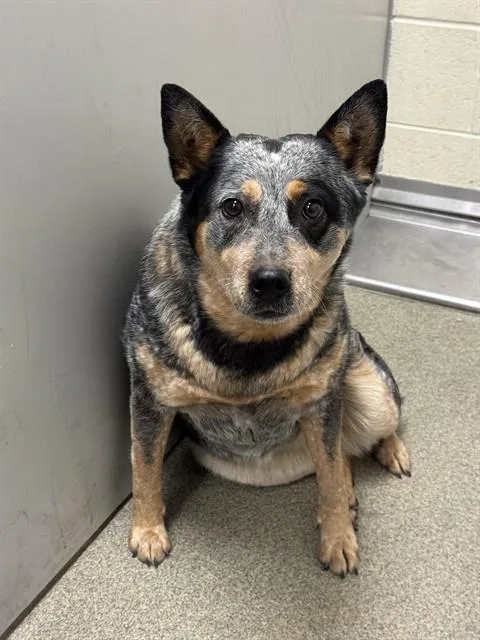
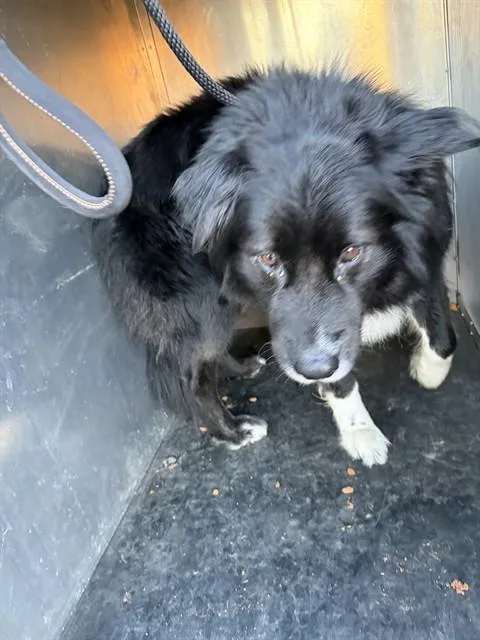
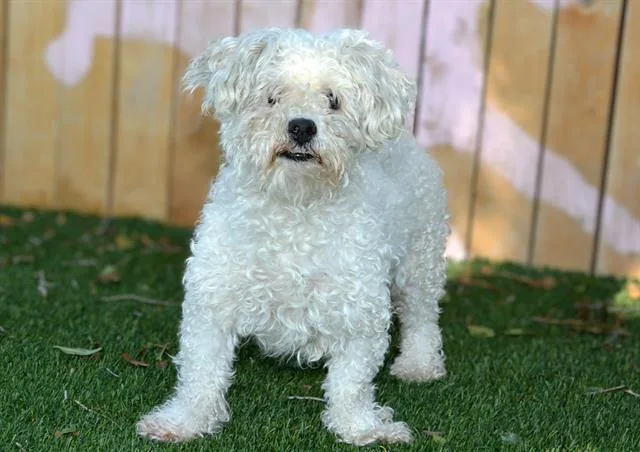
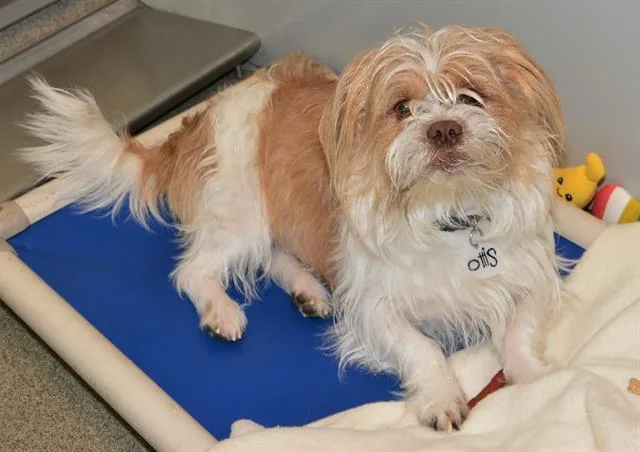
Meet your next Akbash

While we don't have enough dogs near West Valley City, keep in mind that many rescues may offer transport.

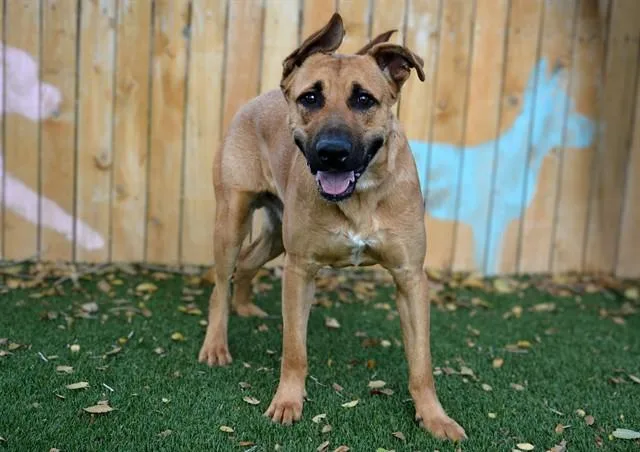
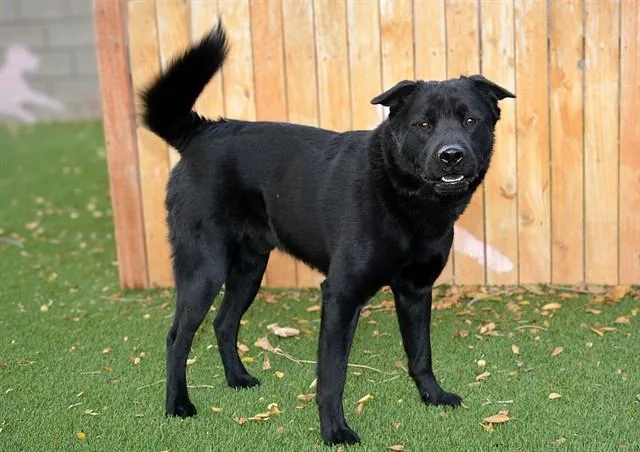
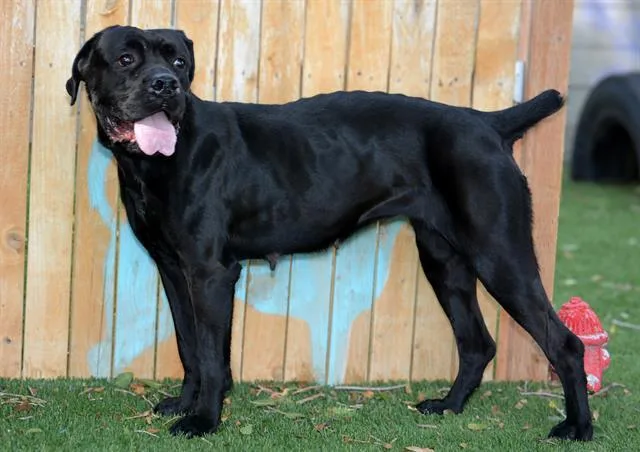
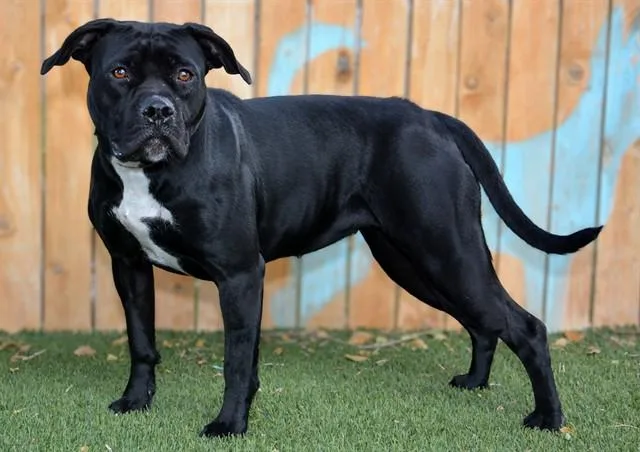
Akbashes Available for Adoption Near West Valley City

About the Akbash breed

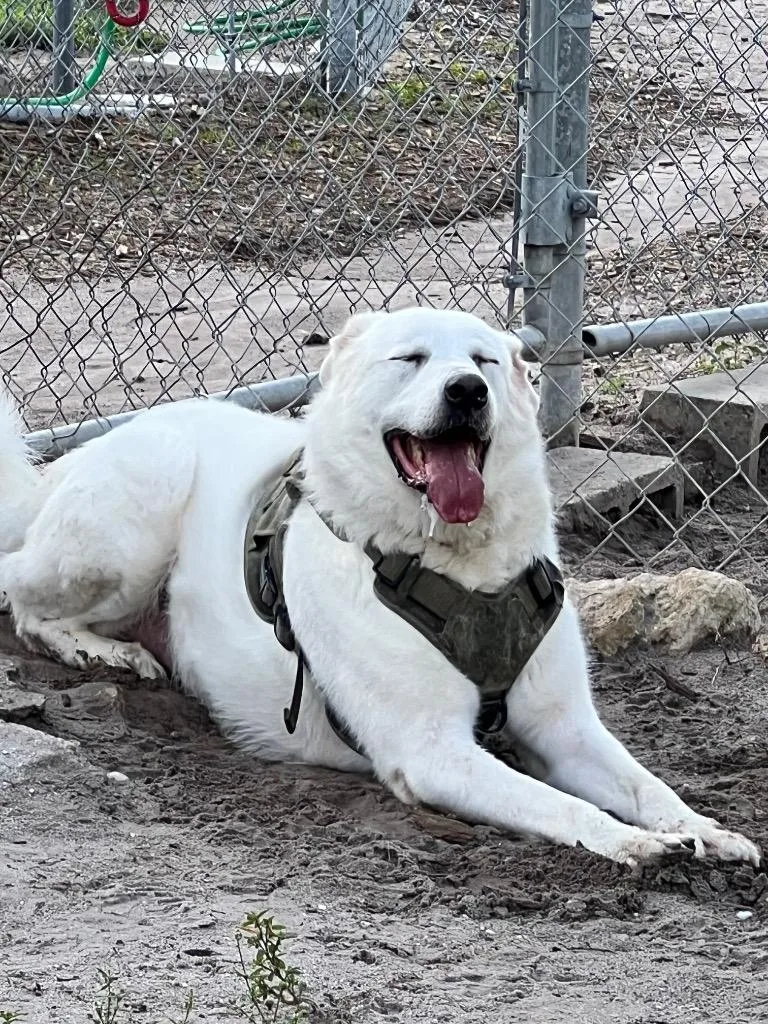
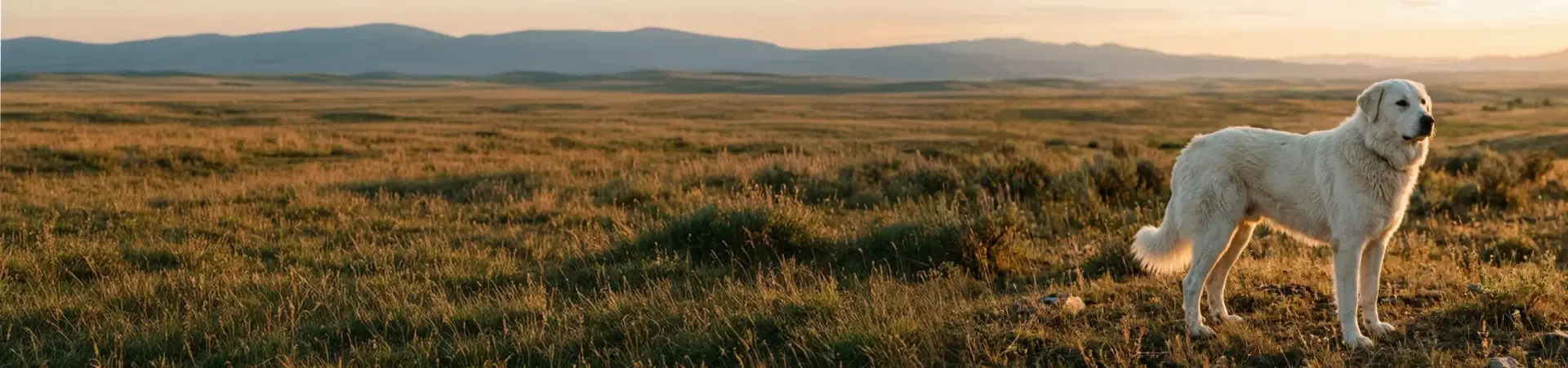
The Akbash is a white livestock guardian from western Turkey, where shepherds relied on it to live with their flocks and drive off wolves. Its name, akbaş, means white head, and the pale coat helps a shepherd tell the dog from a predator in poor light. Americans began importing Akbash dogs in the 1970s, and a USDA predator control program put them to work. Tall, lean and long-legged, they blend mastiff power with sighthound speed.

Many are calm, quiet and gentle with their own family, yet aloof toward strangers and unfamiliar dogs. They think for themselves and mature slowly, often taking two to three years. Here that means secure fencing, early socialization and a plan for the heavy undercoat shed each year, plus an owner who enjoys a guardian breed's independence.

Weight
75–140 lbs
Height
27–34 in
Lifespan
10–12 yrs
Temperament
Protective, Calm, Independent, Loyal
Group
Working
Shedding
Moderate to High

Owning an Akbash in West Valley City

Having an Akbash in West Valley City

An Akbash is a working guardian first, so independence, watchfulness and night barking shape daily life more than its gentle manner at home. In West Valley City, fencing, neighbors and the seasons matter most.

Temperament

Akbash dogs are usually calm and quietly affectionate with their family, yet suspicious of strangers and quick to confront unfamiliar dogs. They think independently, so training takes patience and consistency. Dogs vary, but early, ongoing socialization helps a family Akbash handle visitors, busy sidewalks and the neighbors' dogs around West Valley City.

Exercise Needs

Expect moderate daily exercise: long leashed walks plus time patrolling a secure yard. Decker Lake Park's 1.2-mile paved loop works well on a six-foot leash. Akbash dogs are fast and may roam, so keep off-leash time to fully fenced spaces, since the city has no official dog park. Puppies should avoid heavy, repetitive exercise.

Health Considerations

Akbash dogs are generally hardy, but giant breeds can develop hip dysplasia, bloat, osteochondritis dissecans and hypothyroidism. Some guardian breeds are sensitive to anesthesia, so mention the breed before any procedure. Keep the dog lean, learn the signs of bloat, and have a veterinarian check the hips after adoption. Rabies vaccination is required for a city license.

Living Space

An Akbash is poorly suited to apartments and does best with a tall, secure yard. West Valley City is mostly owner-occupied homes, which helps, but night barking can carry to close neighbors. Family Akbash dogs still need indoor time with their people, because a big yard is no substitute for company.

What it costs to own an Akbash in West Valley City

ExpenseTypical costPer year
Food$80 to $160 per month$960 to $1,920
Pet insurance$85 to $170 per month$1,020 to $2,040
Routine vet care$250 to $500 per year$250 to $500
Other*$680 to $1,862 per year$680 to $1,862
Estimated yearly total (after year one)$2,910 to $6,322

Other costs are estimates and vary with size, age and health.

* The $5 to $12 West Valley City dog license for a sterilized dog, flea, tick and heartworm prevention, dental cleanings, brushing supplies for the heavy undercoat shed, joint supplements, and durable toys and bedding.

Akbash dog

Adopt an Akbash in West Valley City.

Now that you know more, let’s find you a new best friend. These rescues and shelters below currently have Akbashes available.

Rescues in West Valley City with Akbashes Available

West Valley City runs its own no-kill shelter, and rescues across the area also list dogs waiting for homes. Here are the rescues & shelters in the West Valley City area where you can find Akbashes and other dogs available for adoption.

Frequently Asked Questions

Only if the dog fits in a carrier. UTA buses and TRAX trains allow pets only when securely contained in a cage, kennel, carrier or container, and staff won't help with it. A giant Akbash, typically 75 to 140 pounds, can't realistically fit, so plan on car travel. Service animals are the exception.

Usually yes, with care. Summer highs reach about 90°F and July averages 94°F, but the heat is dry and nights cool into the mid-60s. Provide shade and water, walk at dawn or dusk, and never leave an Akbash in a parked car. The thick double coat copes more easily with winter.

Decker Lake Park is the best fit: a 1.2-mile paved loop on the Crosstown Trail where leashed dogs are welcome, though not in the water. The Jordan River Parkway also allows leashed dogs. With no official city dog park, an Akbash needs a six-foot leash outside secure fenced yards, since it's fast and may wander.

Yes. Utah bans breed-specific rules, so West Valley City can't restrict Akbash dogs by breed. You'll need a yearly license and rabies vaccination, and households are limited to two dogs. Secure fencing matters, since owners are strictly liable for a dog that runs at large.

It's possible but rarely a good match. Akbash dogs bark at night and need room to patrol, which strains apartment life and close neighbors. The two-dog limit applies to renters too. A house with a tall, secure fence suits the breed much better; if renting, get weight limits and pet rules in writing first.

It can be, for an owner with a securely fenced yard and patience for night barking. Barking at inconvenient times can lead to citations of up to $100, $200 and $400, so early training and a settled routine matter. People away all day or in small rentals may struggle.

No. City code bars animals from places where food is sold or displayed, such as restaurants and grocery stores, with an exception for service animals. Salt Lake County approves some dog patios, but that doesn't guarantee access here. A leashed walk at Decker Lake Park is a better outing for a large, wary guardian.

Mostly brushing: weekly through the year, and daily during the heavy annual undercoat shed. Snowy winters and muddy springs can leave long-coated dogs with clumps on the feathering. Most owners brush at home, and occasional professional grooming fits within the Other costs of roughly $680 to $1,862 a year.

We have 1 rescue with Akbashes available: West Valley/Taylorsville Animal Shelter. You can see every rescue with Akbashes available in the list above these questions, or scroll to the top to see the Akbashes near West Valley City.

Plan on roughly $2,900 to $6,300 a year for an Akbash, covering food, insurance, routine vet care and other costs such as prevention, dental care, grooming and joint support. Food runs $80 to $160 a month and insurance $85 to $170. Emergencies such as bloat surgery are extra.

Find Akbashes in Nearby Cities

Expand your search to find Akbashes available for adoption near West Valley City.