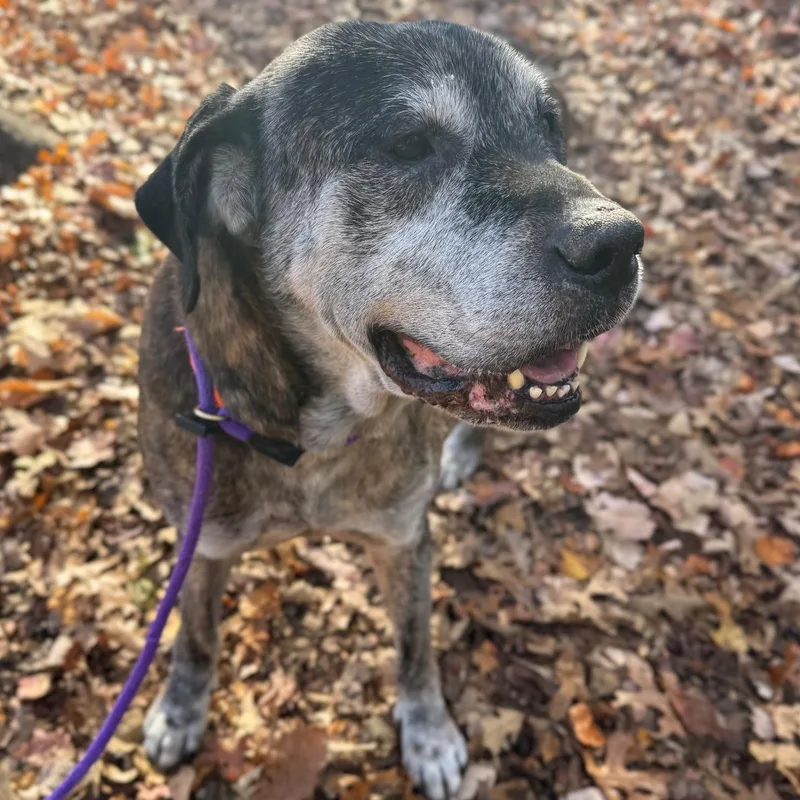
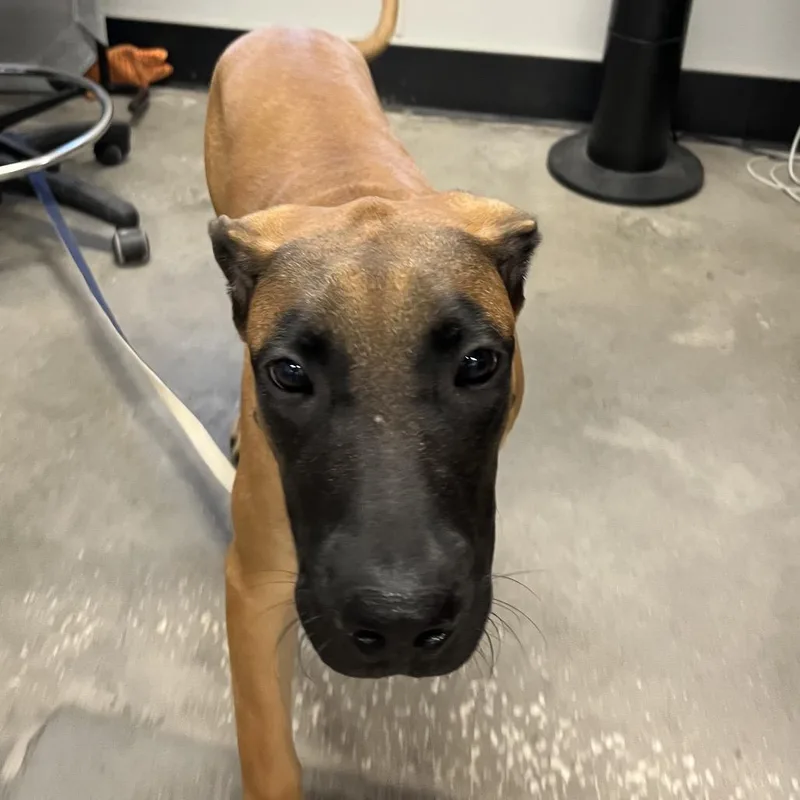
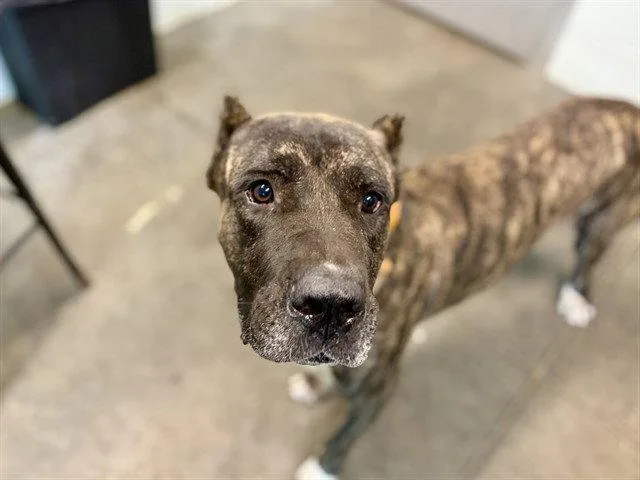
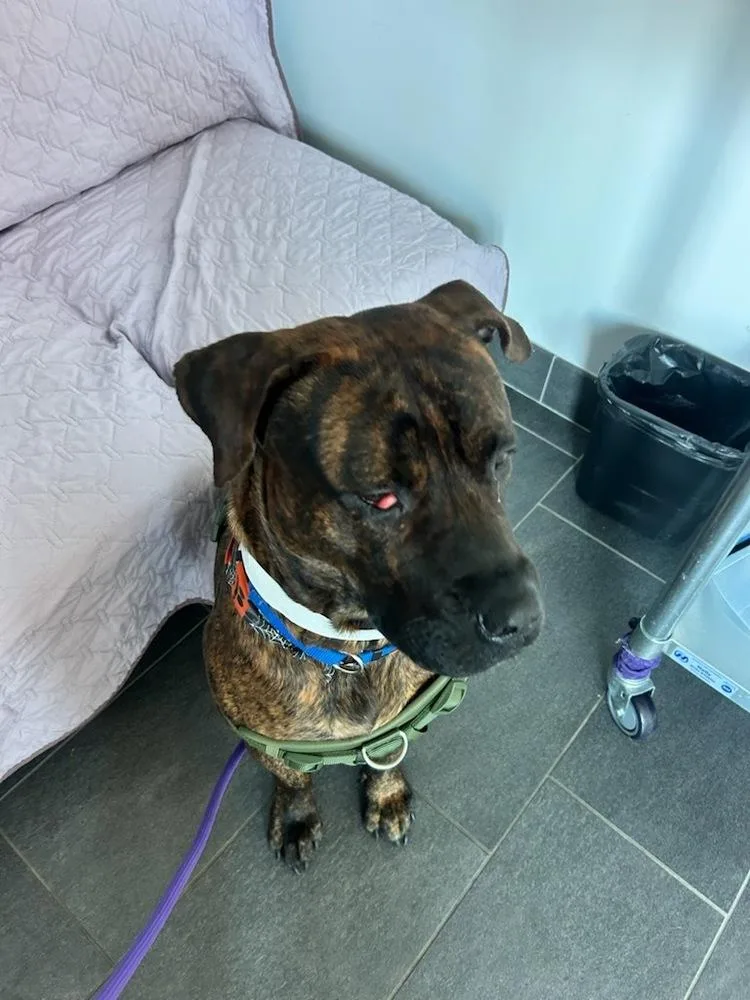
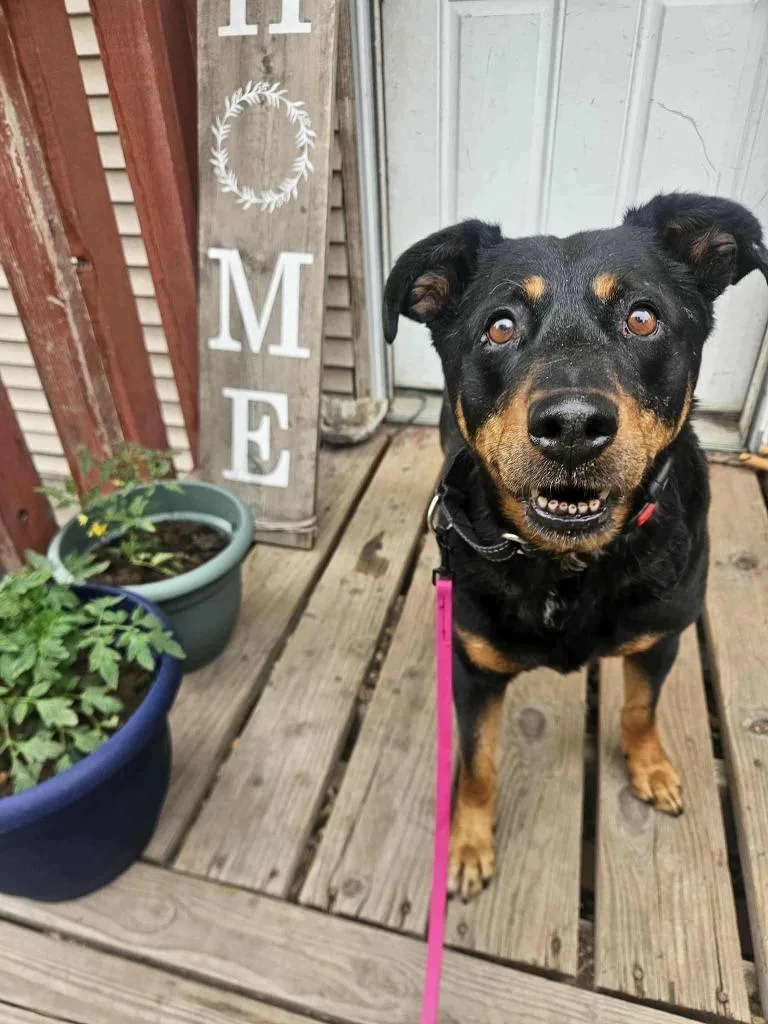
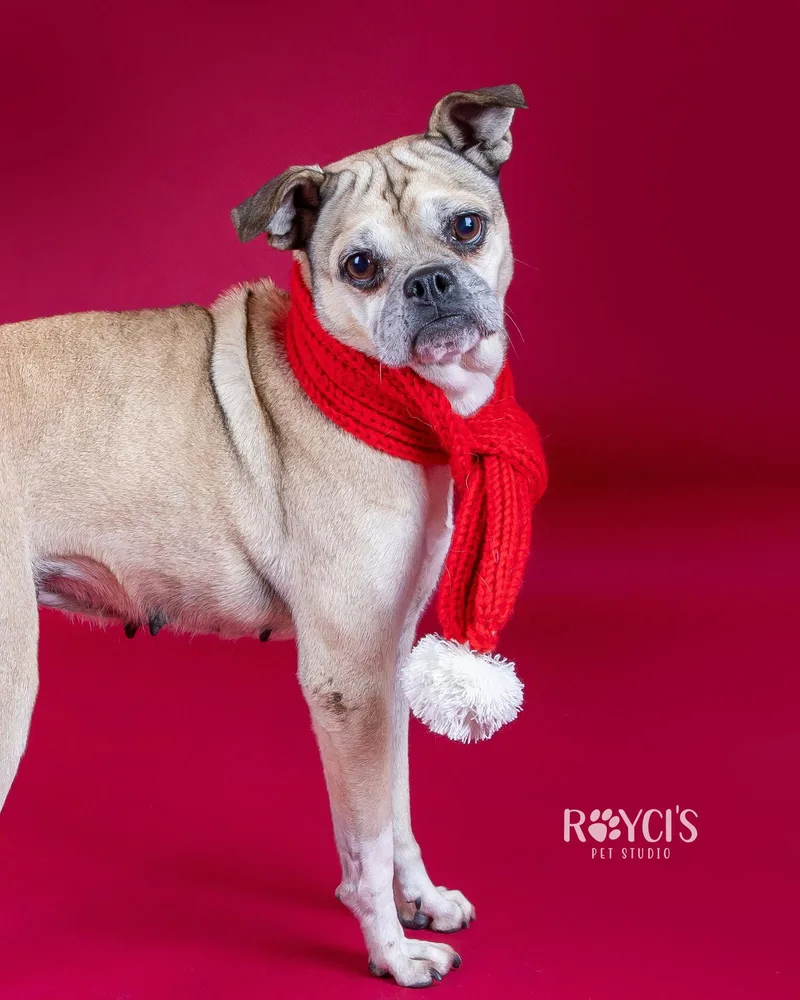
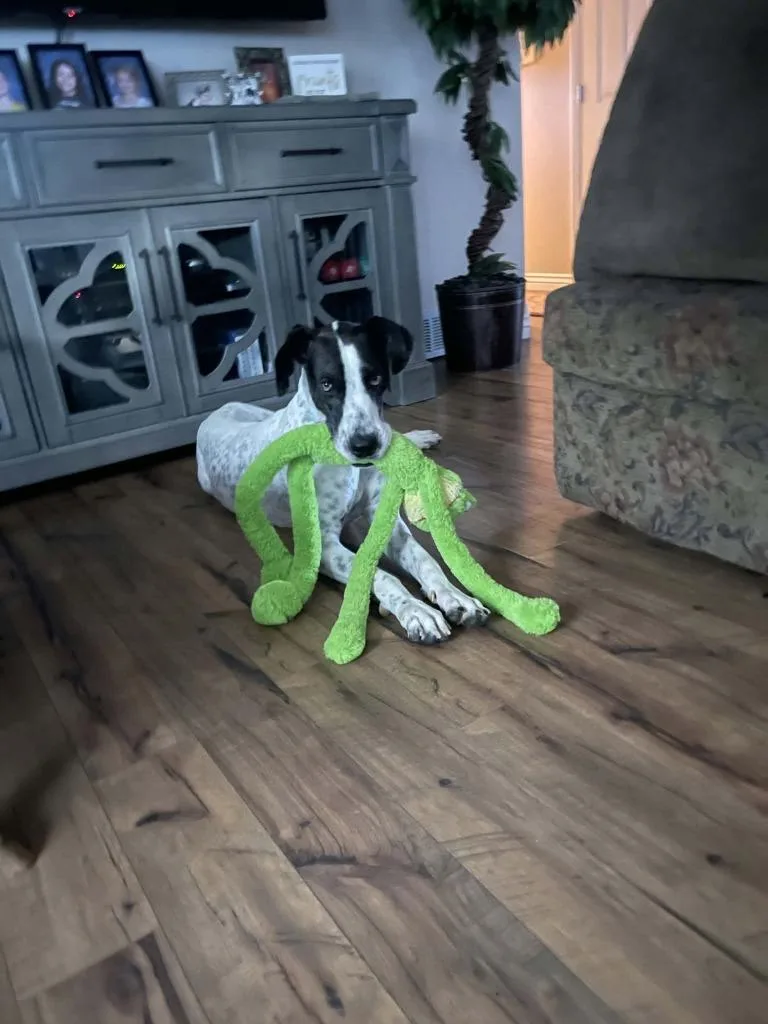
Presa Canario Dogs for Adoption in Salt Lake City, UT

Your guide to finding and caring for a Presa Canario in SLC

A Presa Canario fits Salt Lake City best in a house with a secure fence, like the small brick homes on larger lots in Rose Park or Glendale. These are heavy, powerful guardian dogs, and a fenced yard makes daily management much easier than a shared stairwell would. Leashed walks work best early or late in the day, when July heat eases. Presas suit experienced adopters willing to commit to training and socialization for the dog's whole life, so a quiet west-side block with a solid gate is a good place to start.

56 Presa Canarios available in Salt Lake City and nationwide

A Presa Canario is ready for you

While we don't have enough dogs near Salt Lake City, keep in mind that many rescues may offer transport.

Presa Canarios Available for Adoption Near Salt Lake City

About the Presa Canario breed

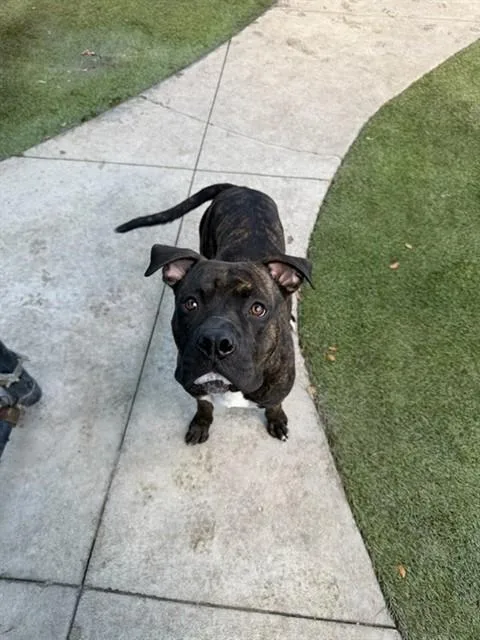
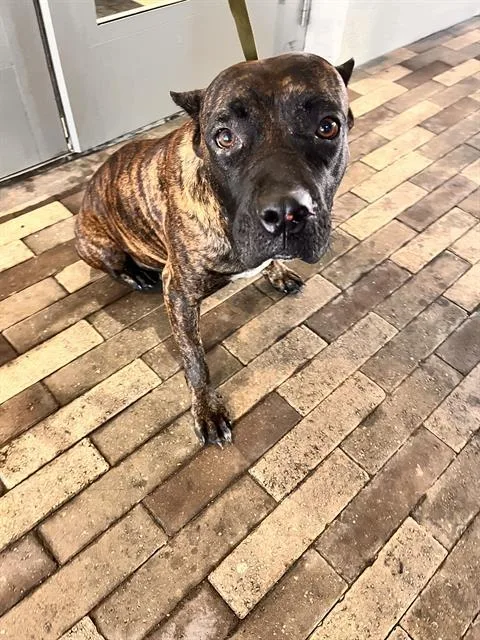
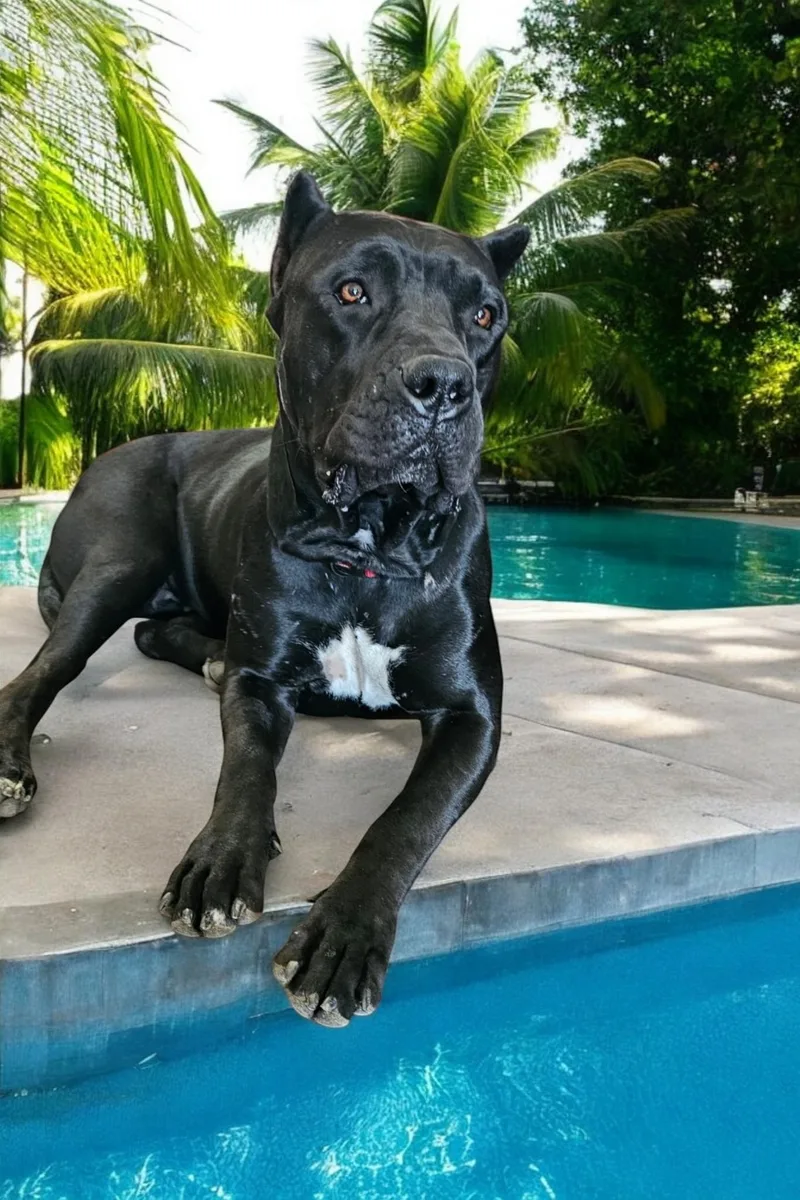
Farmers on Tenerife and Gran Canaria developed the Presa Canario to guard property and to catch and hold cattle, and the name roughly means Canarian catch dog. The breed nearly disappeared in the mid-twentieth century before being revived, and the American Kennel Club lists it in its Foundation Stock Service rather than giving it full recognition. Presas are massive, muscular mastiffs with a broad, square head and a short, coarse coat, usually fawn, brindle or black.

Many Presas are steady and devoted with their own family, but a strong guarding instinct and suspicion of strangers are typical, and some dislike other dogs, especially of the same sex. In SLC, that means secure fencing, leashed outings and consistent reward-based training. Dogs of this breed vary, and many adoptable ones are mixes, so each dog's own behavior matters more than the label.

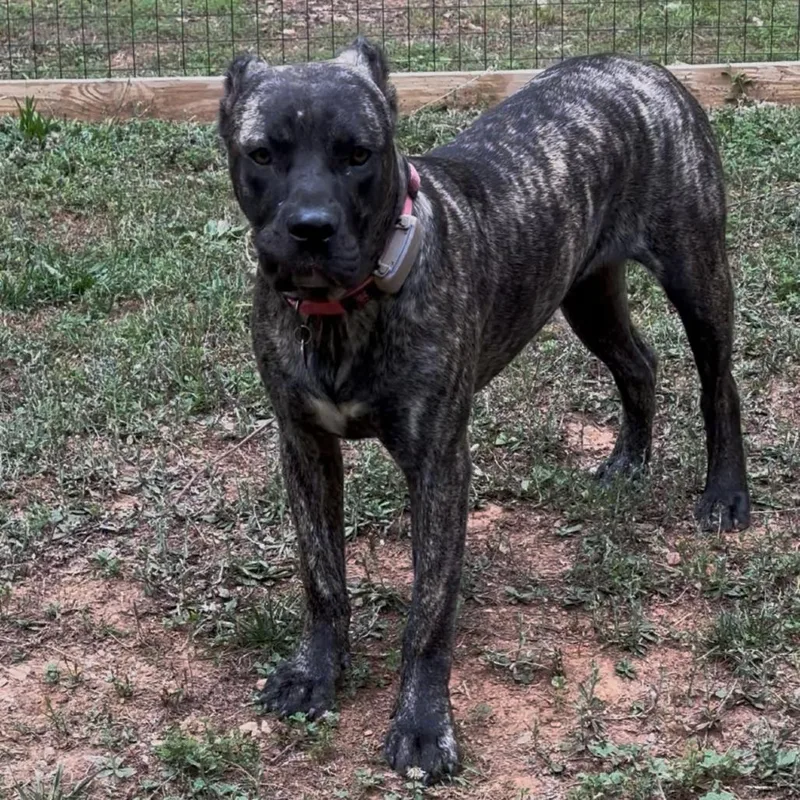
Weight
85–130 lbs
Height
22–26 in
Lifespan
8–11 yrs
Temperament
Protective, Confident, Loyal
Group
Working
Shedding
Moderate

Owning a Presa Canario in Salt Lake City

Having a Presa Canario in SLC

Power and a guarding instinct define the Presa Canario, and both matter in a city of shared sidewalks, trailheads and neighbors. Expect to manage visitors, other dogs and handling with care, whatever a particular dog's personality turns out to be.

Temperament

Presas are often calm and affectionate with their own household while staying wary of strangers, and many guard their territory unprompted. Some get along with other dogs, but intolerance of unfamiliar dogs, especially of the same sex, is a known breed concern. Early socialization helps, but it doesn't replace careful management on every walk.

Exercise Needs

Most Presas need long daily walks, structured play and training rather than marathon runs. In SLC, a leashed loop around Liberty Park or a Jordan River Parkway stretch gives variety, and scent games or obedience practice at home add mental work. Skip hard exercise in summer heat, and go easy on a young dog's joints.

Health Considerations

Presas can face hip and elbow dysplasia, dilated cardiomyopathy, epilepsy, demodectic mange and bloat, a stomach emergency in deep-chested dogs. Their lifespan can be shorter than many breeds'. Keep the dog lean, feed smaller meals, avoid hard exercise right after eating, and ask a veterinarian about heart and joint checks early.

Living Space

A house with a securely fenced yard usually suits a Presa best, and containment matters more than square footage. Elevators, shared hallways and busy sidewalks can be hard to manage with a large guarding dog, so an apartment works only with a calm dog and careful routines. Plan for the dog to live indoors with the family.

What it costs to own a Presa Canario in Salt Lake City

ExpenseTypical costPer year
Food$55 to $110 per month$660 to $1,320
Pet insurance$65 to $130 per month$780 to $1,560
Routine vet care$250 to $500 per year$250 to $500
Other*$500 to $1,300 per year$500 to $1,300
Estimated yearly total (after year one)$2,190 to $4,680

Other costs are estimates and vary with size, age and health.

* The Salt Lake City dog license, flea, tick and heartworm prevention, a dental cleaning allowance, durable toys and a large bed, and minimal grooming for the short coat.

Adopt a Presa Canario in Salt Lake City.

Now that you know more, let’s find you a new best friend. These rescues and shelters below have dogs available in and near Salt Lake City.

Frequently Asked Questions

Generally no. UTA buses, TRAX trains and FrontRunner allow pets only when they're securely contained in a cage, kennel, carrier or container, and drivers can't help carry it. A Presa Canario is far too large for a carrier, so only a service animal could ride. Plan on car trips, or a rideshare that allows large dogs.

They can with careful management. SLC has about 62 days a year at 90°F or higher, and July highs average 94°F, which is hard on a heavy, heat-sensitive mastiff. Walk at dawn or after dark, provide shade, water and cool indoor rest, and never leave the dog in a parked car.

Leashed routes suit this breed best. Liberty Park has three walking loops and welcomes leashed dogs, and the Jordan River Parkway cuts through west-side neighborhoods. The Foothills Natural Area is leash-only, with coyotes and cougars about. Dogs aren't allowed in Big and Little Cottonwood, Parleys or upper City Creek canyons, because they supply drinking water.

Yes. Utah law prohibits municipalities from adopting or enforcing breed-specific rules, so SLC can't ban Presa Canarios. You'll still need a dog license, with proof of rabies vaccination, by the time the dog is 5 months old. A dog designated dangerous would need a permit and a muzzle off the property.

It's possible but harder than a house with a fenced yard. About 56% of SLC households rent, and many buildings limit breed or size, so get approval in writing first. Shared hallways, elevators and stairwells need calm, practiced handling, and a dog that guards its space may struggle with close neighbors.

Only to certain patios. In Salt Lake County, dogs can join you only at restaurants approved by the Health Department, which post an Approved Dog Patio sticker. The dog must be leashed and wear a current license and rabies tag, and can't eat food or treats there. A guarding dog needs to stay calm around strangers.

Very little. The short, coarse coat needs a weekly brush with a rubber curry tool to handle steady shedding, plus a bath when dirty. In SLC's dry climate, check the skin for dryness and wipe paws after winter walks. Nail trims and routine grooming fall under the Other cost line.

A Presa Canario is a large, powerful mastiff breed from Spain's Canary Islands, developed to guard farms and to catch and hold cattle. Presas have a broad, square head, a short coarse coat in fawn, brindle or black, and a muscular body. Many are devoted to family and wary of strangers, so they need experienced, consistent handling.

Presa Canarios can be dangerous in the wrong circumstances because they are powerful, territorial guardians, and poorly managed dogs have caused serious attacks. Many Presa Canarios are stable and gentle with their family. Risk depends heavily on genetics, socialization, training and containment. They are best matched with experienced owners who manage visitors and other dogs carefully.

Expect roughly $55 to $110 a month for food, $65 to $130 for pet insurance, $250 to $500 a year for routine vet care, and $500 to $1,300 a year for other costs. That adds up to about $2,200 to $4,700 a year. Large-breed food and the breed's orthopedic and heart risks drive most of the spending.