Hamiltonstovare Dogs for Adoption in Salt Lake City, UT

Your guide to finding and caring for a Hamiltonstovare in SLC

A Hamiltonstovare suits Salt Lake City best with a fenced yard and a long walk every day. Rose Park's post-war houses sit on larger lots, and the Jordan River Parkway runs through the west side, so a medium-sized scent hound has room to sniff and stretch. Hamiltonstovares are friendly and even-tempered, but the nose leads, so a secure fence matters more than square footage. This is a rare breed in the US, so most SLC neighbors will be meeting their first one.

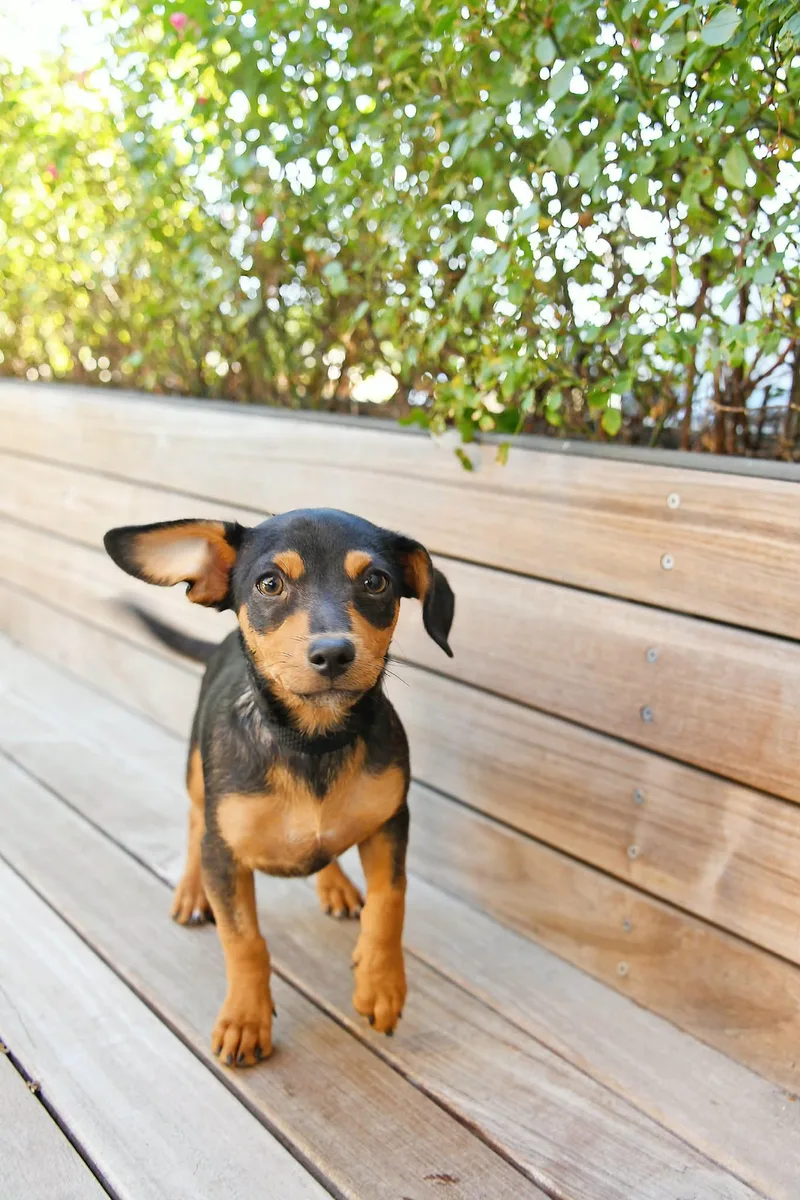
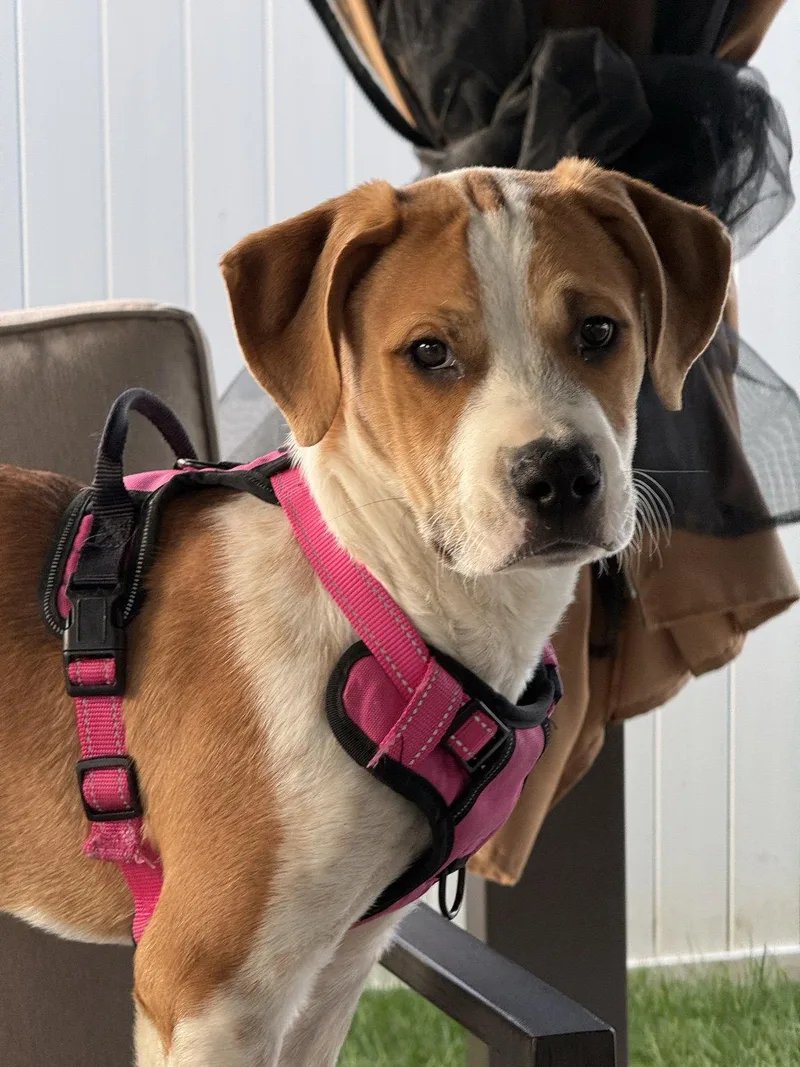
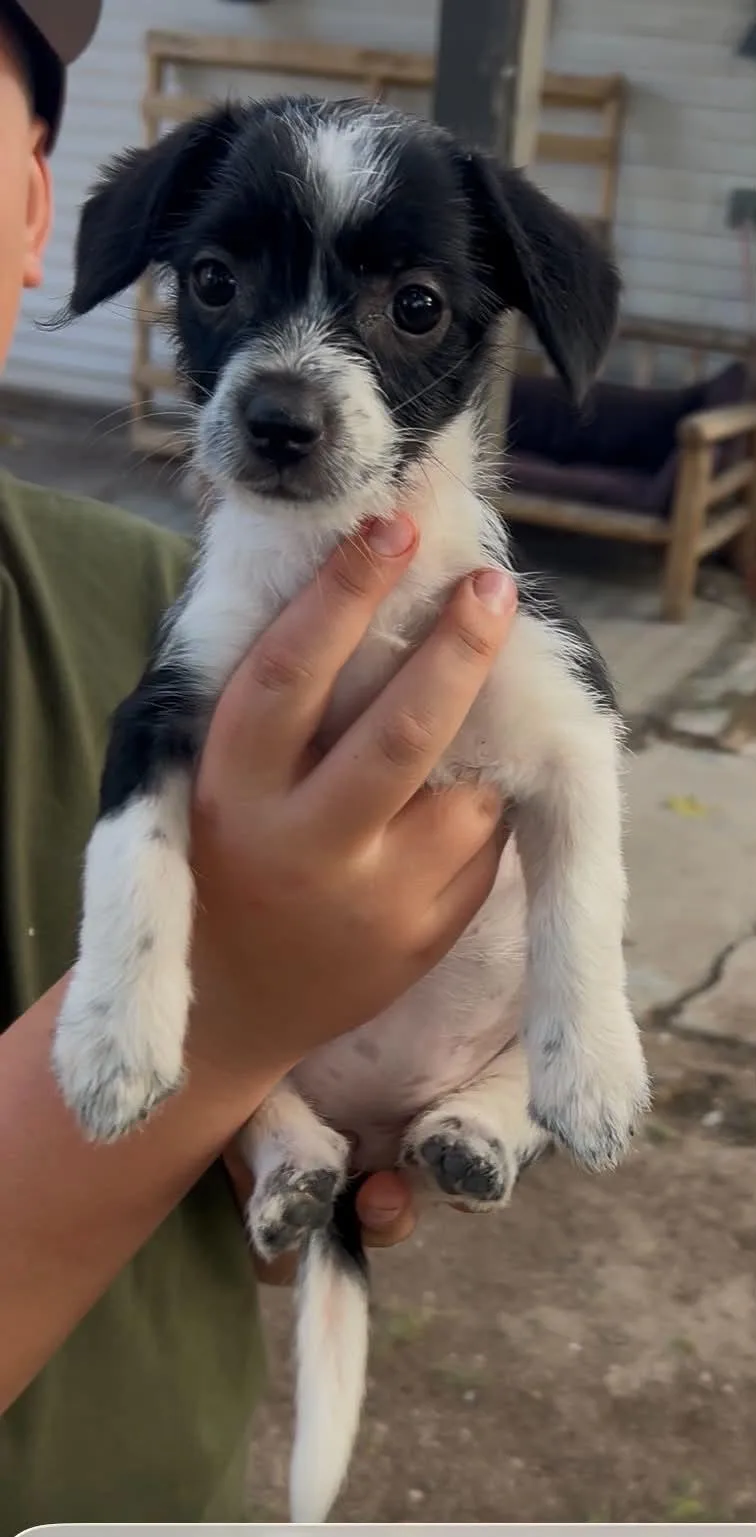
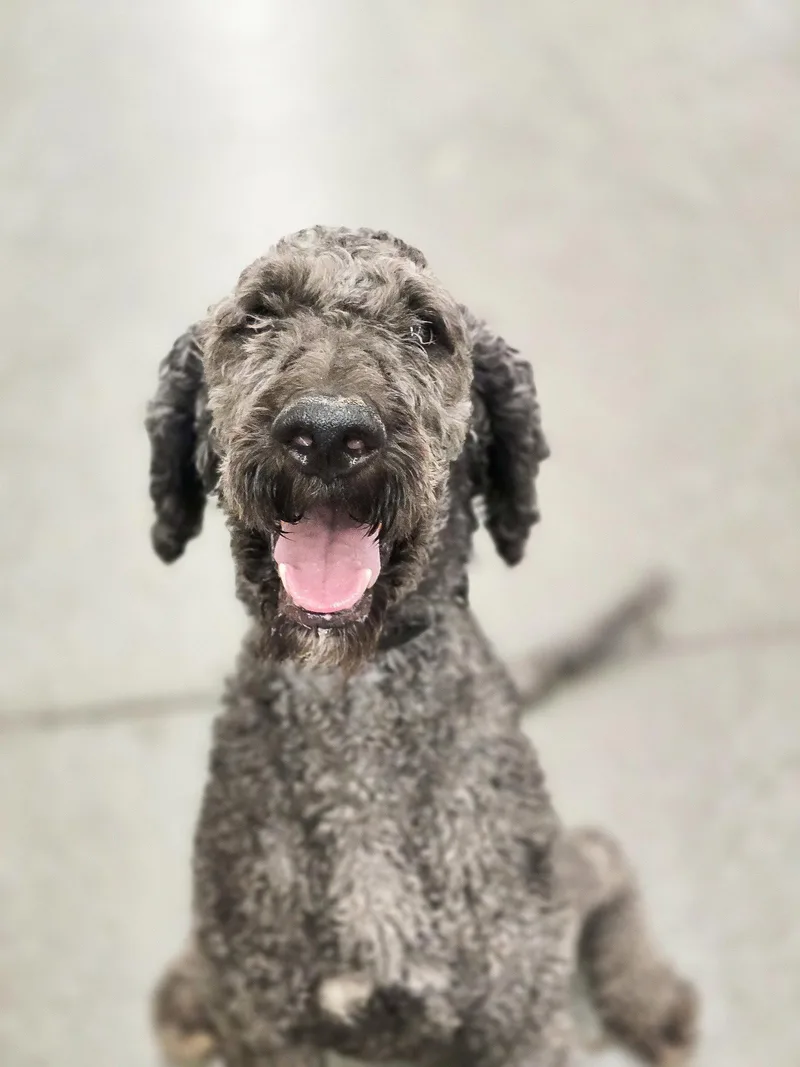
7881 dogs similar to Hamiltonstovare available in Salt Lake City and nationwide

Say hello to your Hamiltonstovare

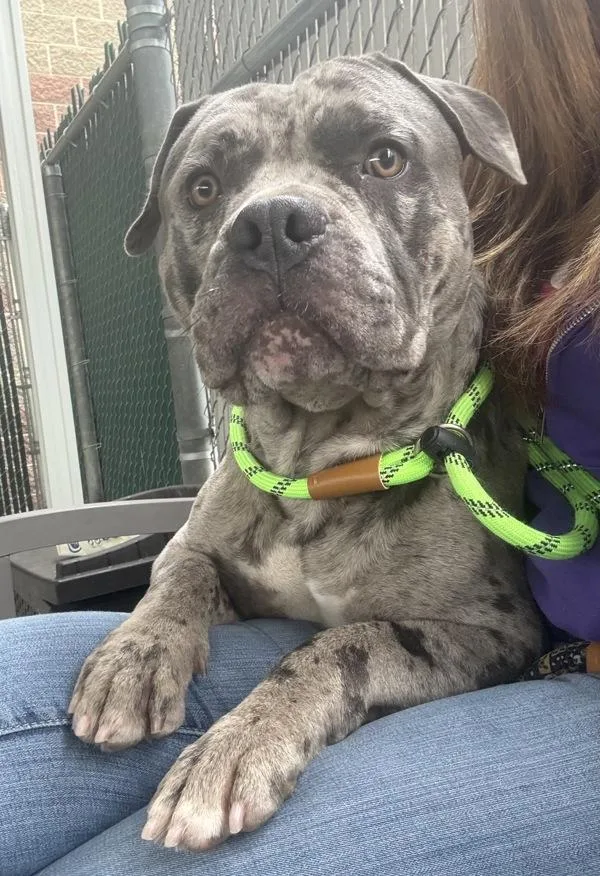
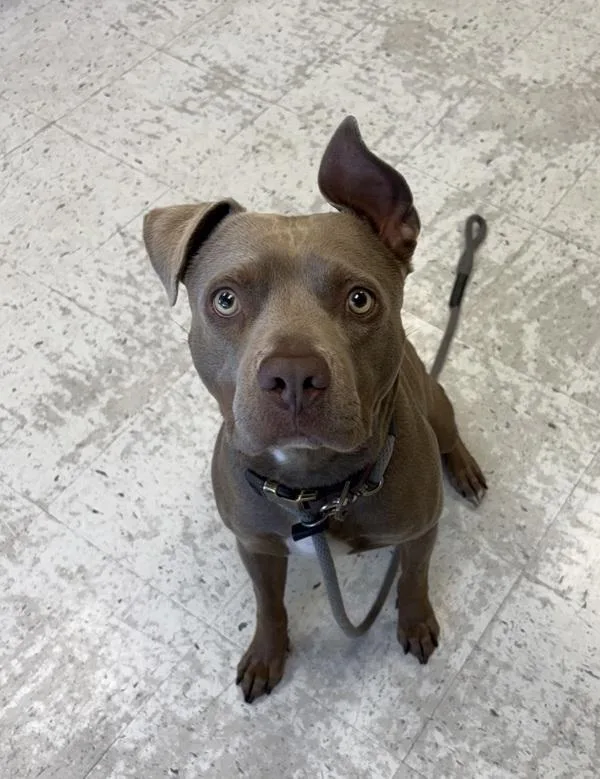
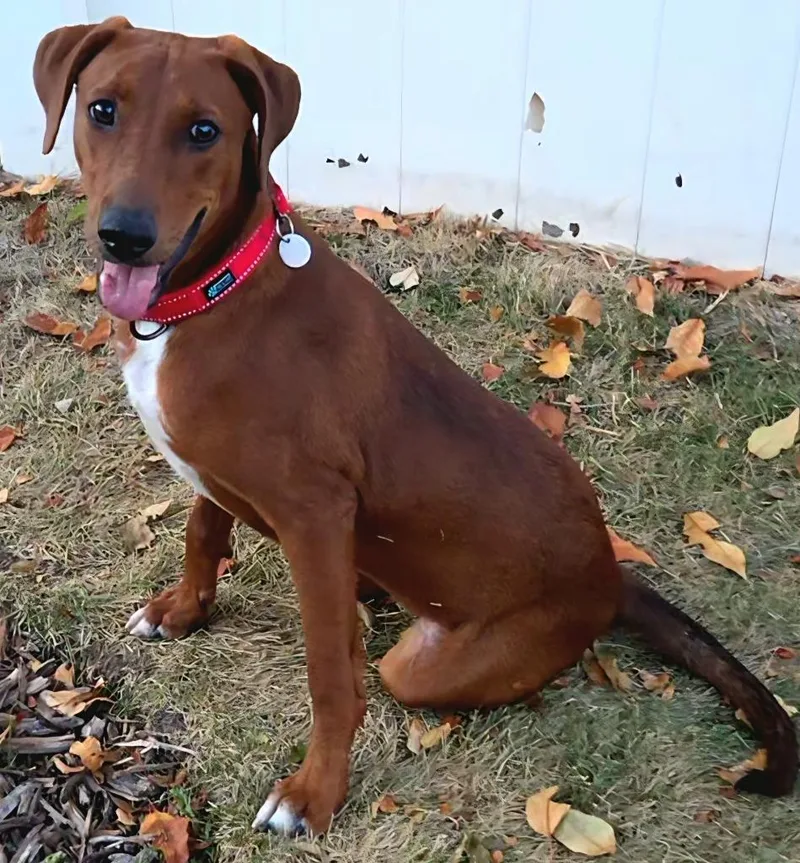
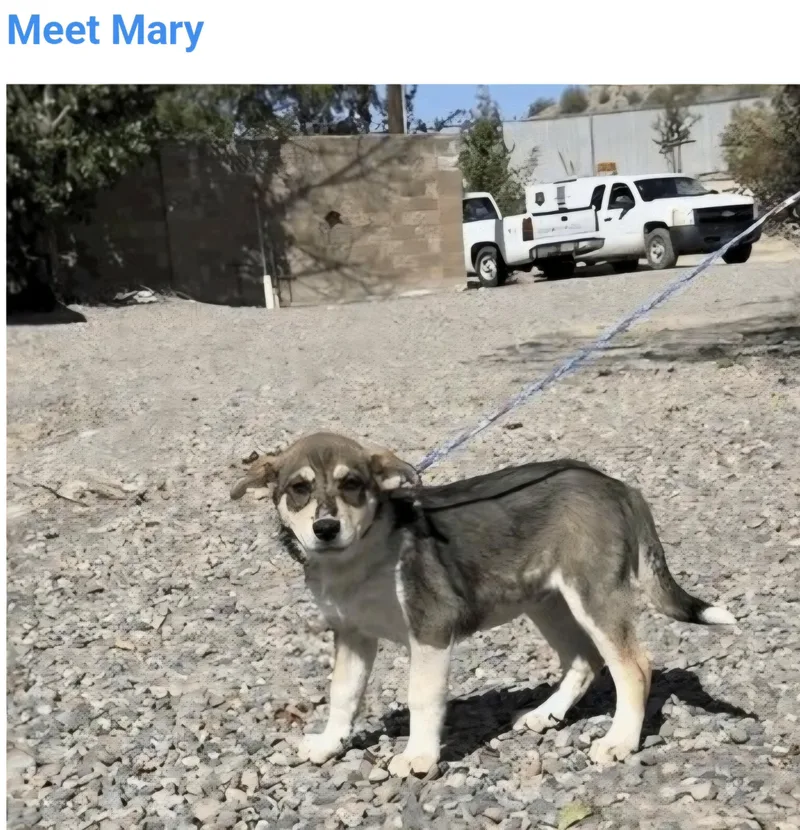
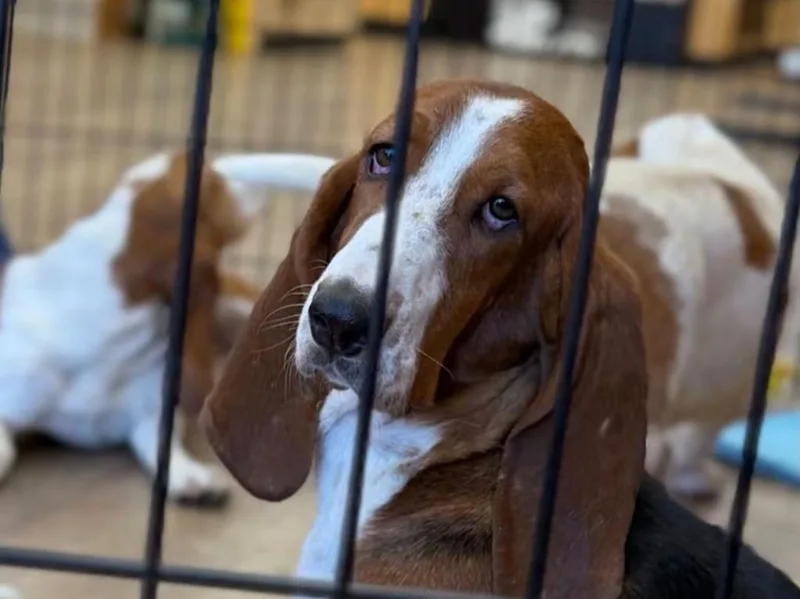
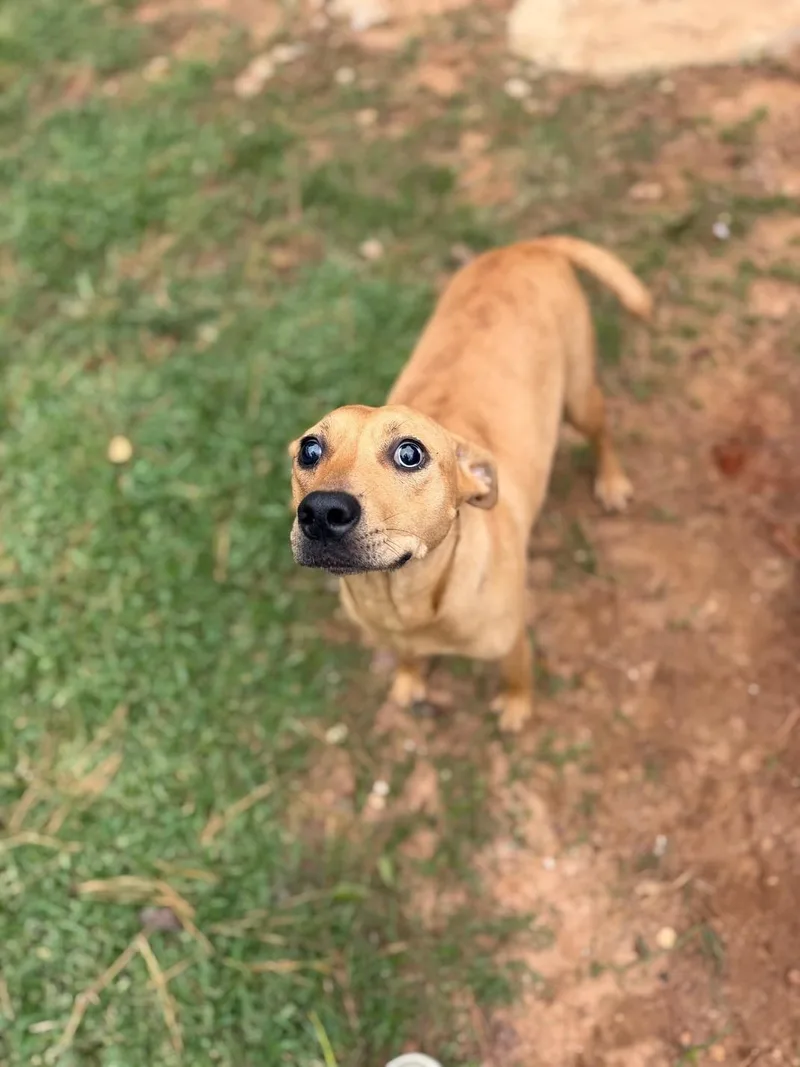
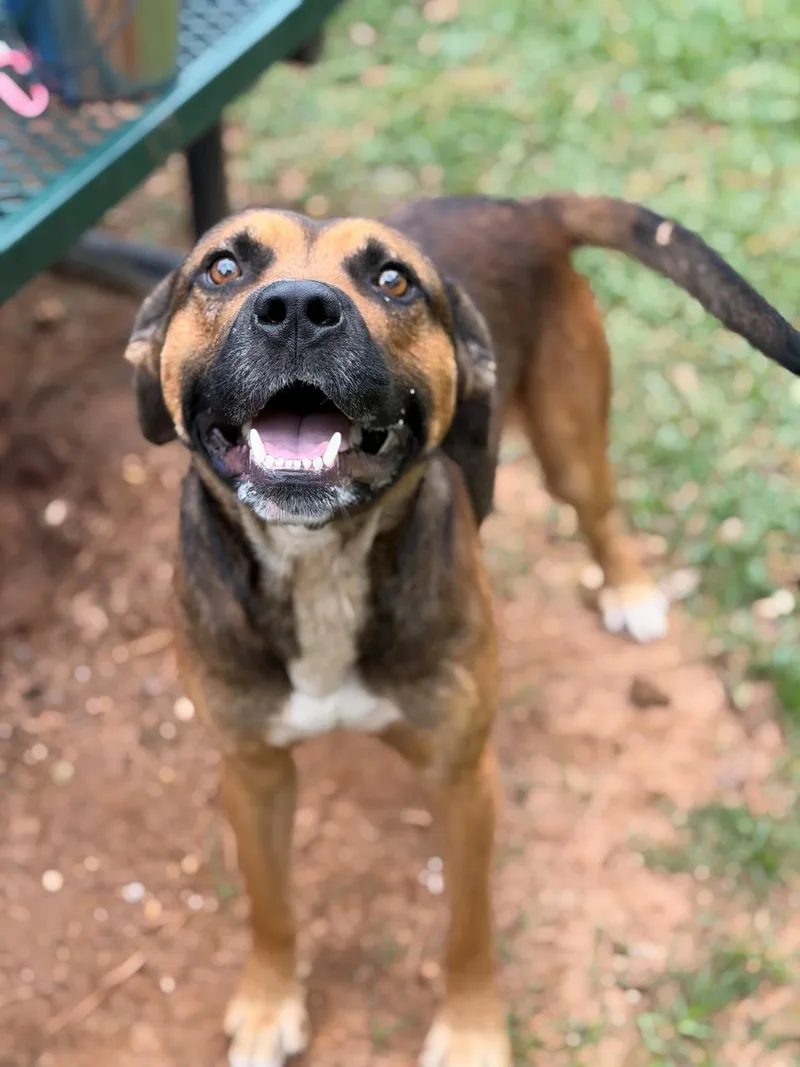
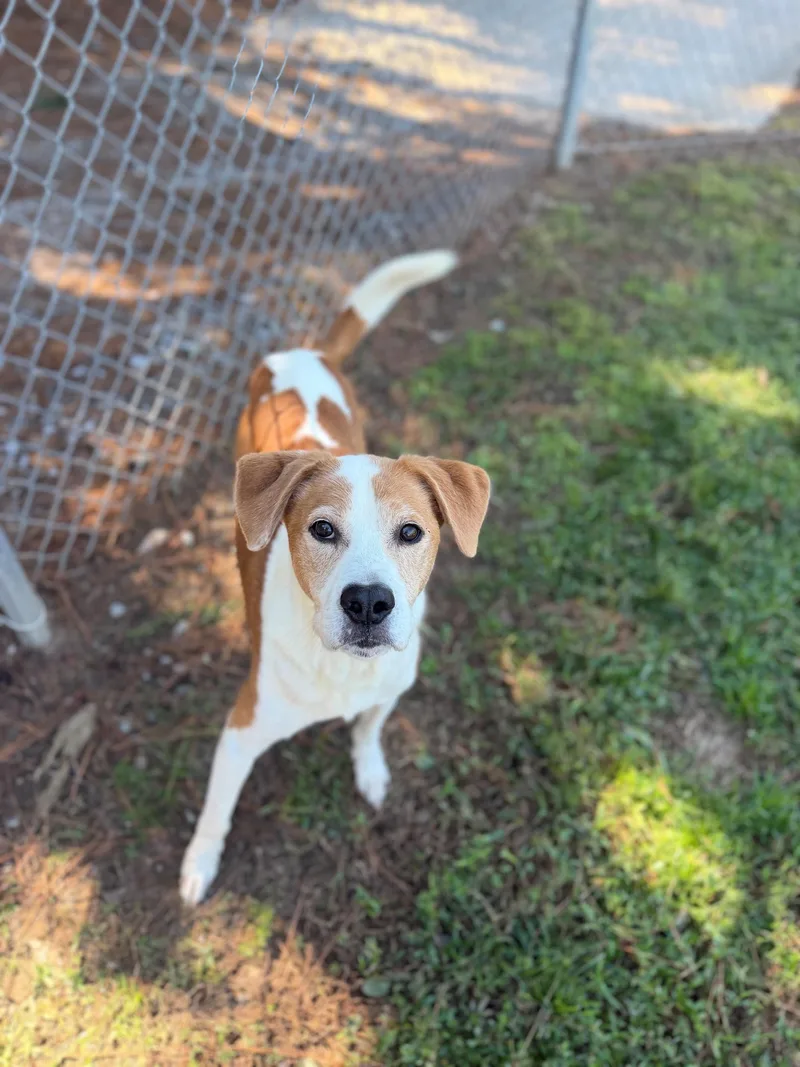
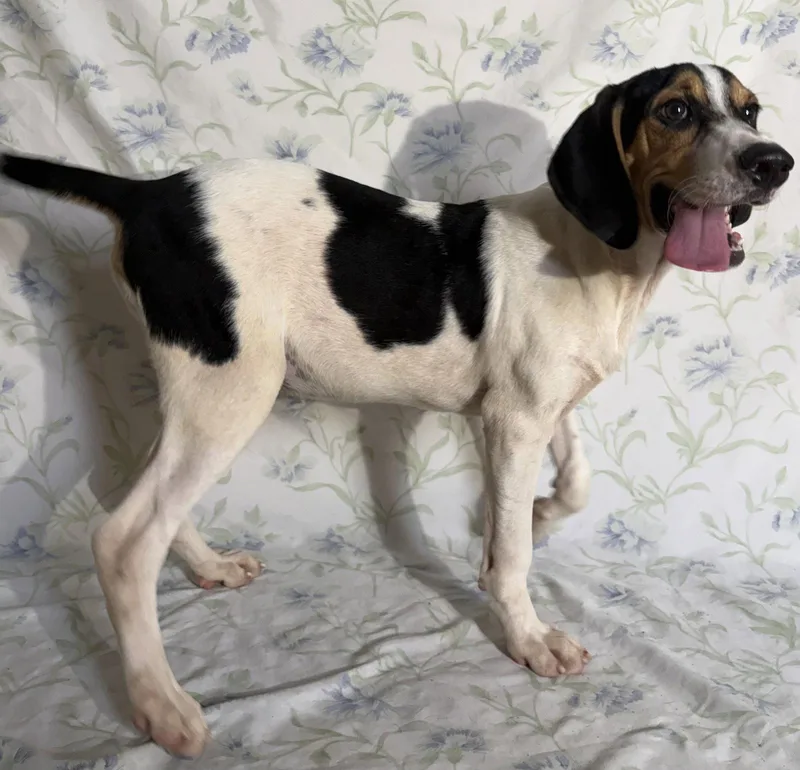
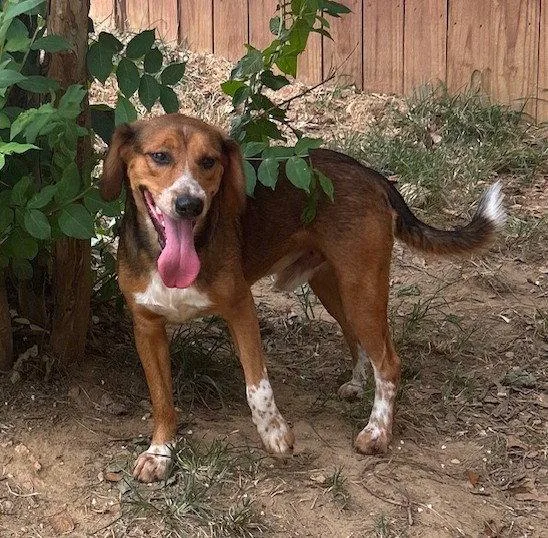
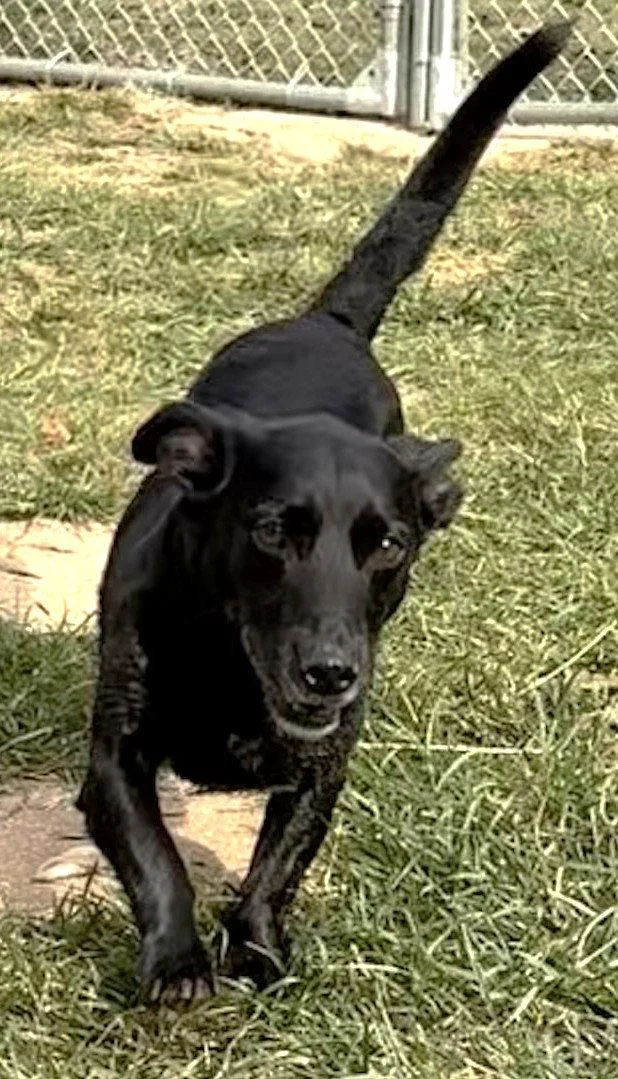
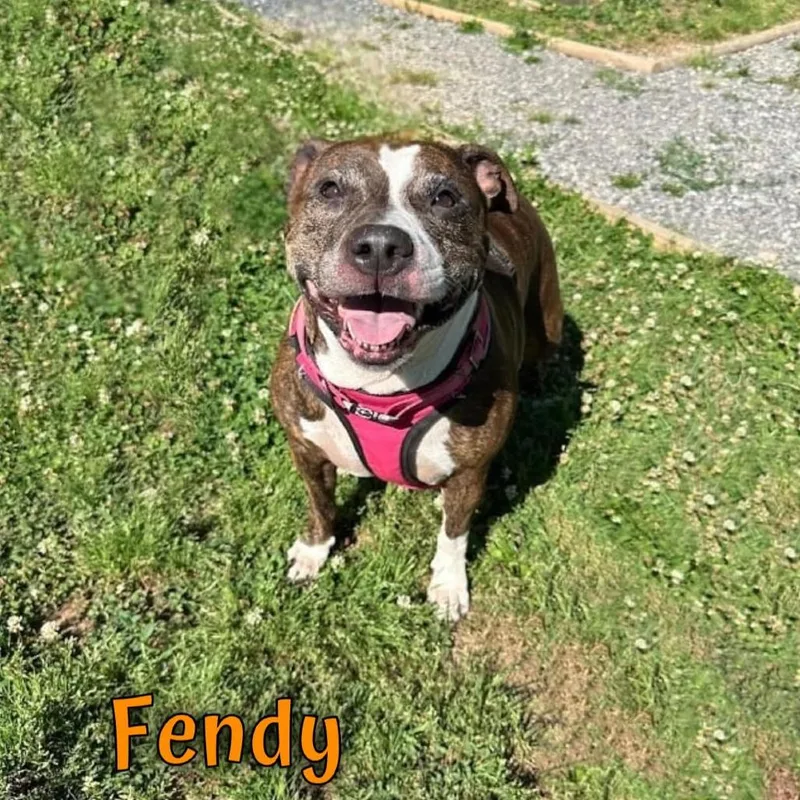
Hamiltonstovares and Similar Breeds Available for Adoption Near Salt Lake City

About the Hamiltonstovare breed

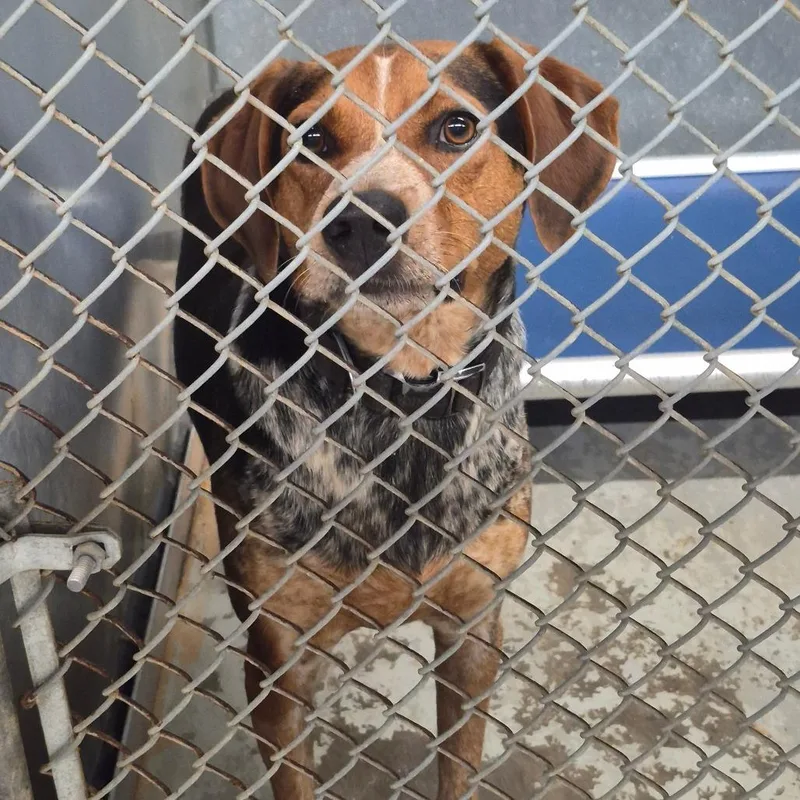
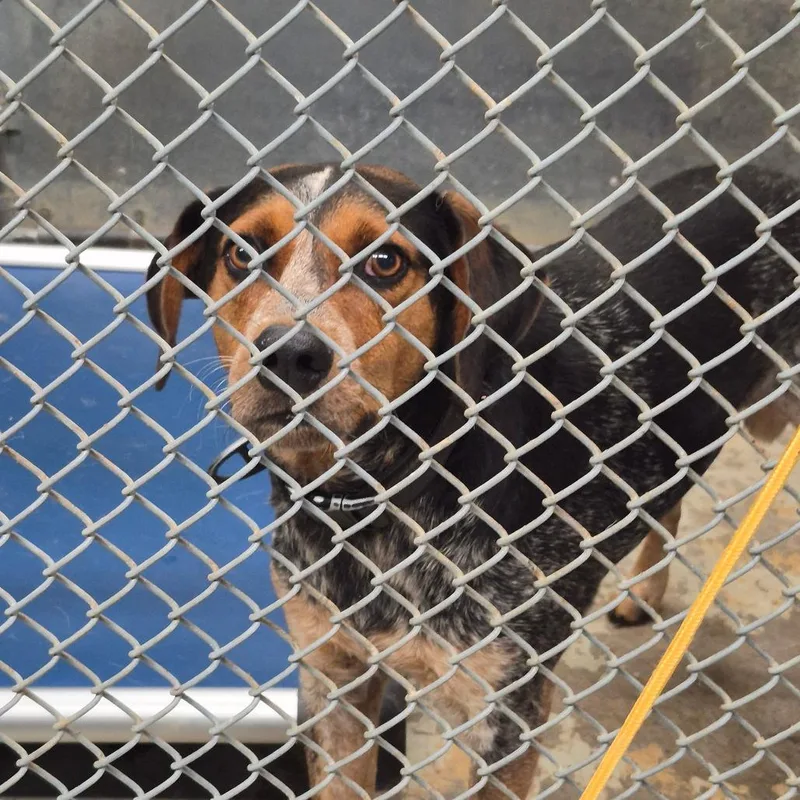
The Hamiltonstovare is a Swedish scent hound named for Count Adolf Hamilton, founder of the Swedish Kennel Club, who showed the first examples in 1886. It was developed to trail hare and fox alone, giving tongue so hunters could follow, and it has the athletic, medium-sized build and tricolor coat of black, tan and white to match.

In SLC, that history shows up in daily routines. Many Hamiltonstovares are sociable and steady with people and other dogs, yet a fresh scent can erase recall, which matters on Foothills trails where leashes are required. They need daily exercise, patient training and a well-fenced yard. Because the breed is rare outside Scandinavia, adopters may also meet hound mixes with similar traits.

Weight
50–60 lbs
Height
19–24 in
Lifespan
10–13 yrs
Temperament
Friendly, Energetic, Independent
Group
Hound
Shedding
Moderate

Owning a Hamiltonstovare in Salt Lake City

Having a Hamiltonstovare in SLC

A Hamiltonstovare pairs a relaxed home manner with the stamina of a dog bred to hunt alone. In Salt Lake City, its nose, its voice and its need for daily movement will shape routines more than its medium size or easy coat.

Temperament

Hamiltonstovares tend to be friendly, even-tempered and fond of their families, and many enjoy other dogs. Like most scent hounds, they can be stubborn and easily distracted, so short, rewarding training sessions work well. Dogs vary, and small pets may trigger chasing. Busy SLC sidewalks usually suit a sociable dog, but go slowly with introductions.
Exercise Needs

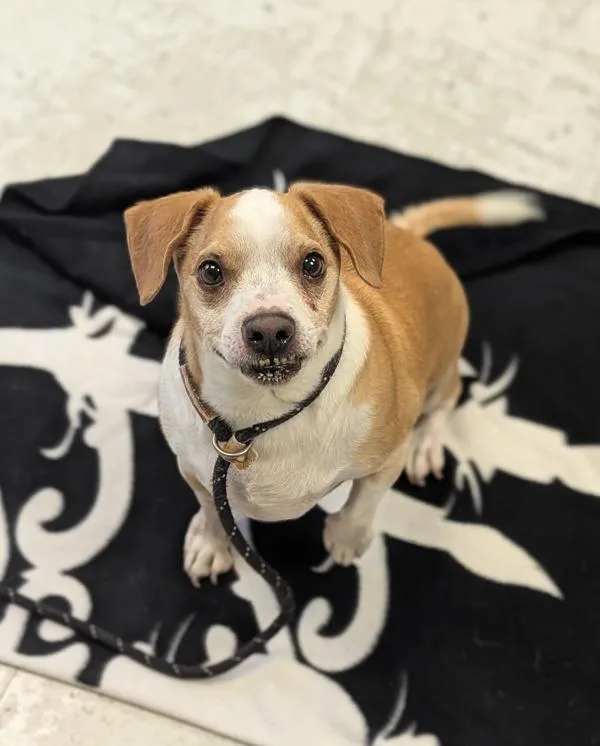
Plan on substantial daily activity: long walks, jogging once mature, or sniff-based games. Salt Lake City's off-leash areas, such as Fairmont Park in Sugar House or Rotary Glen on the East Bench, may suit a dog with solid recall. A hound that follows its nose is safer on a leash anywhere that isn't securely fenced.

Health Considerations

Hip dysplasia occurs in the breed, and drop ears need regular checks for infection. Data outside Scandinavia is limited, but the Hamiltonstovare is generally considered sturdy. Keeping the dog lean supports its joints, which matters for a hound that loves long hikes. A veterinarian can check hips, ears and weight at routine wellness visits.

Living Space

A securely fenced yard suits most Hamiltonstovares, though an adult that gets long daily outings can manage in an apartment. Baying can carry through shared walls when a dog is bored or alone, which matters in SLC apartment buildings, so a steady routine helps. The dog should live indoors with the family.

What it costs to own a Hamiltonstovare in Salt Lake City

ExpenseTypical costPer year
Food$35 to $70 per month$420 to $840
Pet insurance$45 to $85 per month$540 to $1,020
Routine vet care$225 to $450 per year$225 to $450
Other*$440 to $1,190 per year$440 to $1,190
Estimated yearly total (after year one)$1,625 to $3,500

Other costs are estimates and vary with size, age and health.

* The Salt Lake City dog license, flea, tick and heartworm prevention, a dental cleaning allowance, toys and bedding, and occasional brushing and baths.

Adopt a Hamiltonstovare in Salt Lake City.

Now that you know more, let’s find you a new best friend. These rescues and shelters below have dogs available in and near Salt Lake City.

Frequently Asked Questions

Generally not, because UTA lets pets ride buses, TRAX trains and FrontRunner only when they're securely contained in a cage, kennel, carrier or container, and staff can't help carry it. A Hamiltonstovare weighs about 50 to 60 pounds, so it won't fit in most carriers. Service animals are the exception. Plan on driving or walking.

Yes, most can, since the breed's dense coat suits cold weather. Dogs vary, though, and a Hamiltonstovare should sleep indoors rather than in a yard during SLC's freezing nights. Short daily outings are fine in snow; for long ones, add a coat. When inversion smog settles in, swap the long walk for indoor scent games.

Because a Hamiltonstovare follows its nose, leashed routes are the safest picks, such as Liberty Park's loops and the Foothills trails, where dogs must stay on trail. The Jordan River Parkway is another place to take a dog. Fairmont Park in Sugar House and Rotary Glen on the East Bench have city off-leash areas for dogs with reliable recall.

Yes. Utah law bars cities from adopting breed-specific rules, so SLC can't restrict dogs by breed. You will need to license your dog, and a current license brings a free microchip in Salt Lake County, a handy backup for a scent hound that might slip its collar or follow a scent.

It can, if the dog is an adult that gets long daily outings and isn't left alone for long stretches. Baying is the main risk in shared buildings, so a steady routine and mental games help. Because rentals are common in SLC, confirm pet deposits and any breed or weight limits in writing before signing a lease.

Only to patios approved by the Salt Lake County Health Department, which display an Approved Dog Patio sticker. The dog must stay leashed, wear a collar with its current license and rabies tag, and enter without passing through the dining room. Water is fine, but no food or treats. A hound that settles quickly will do best.

Very little. The harsh, close-lying coat needs brushing about weekly, plus occasional baths. SLC's dry air can leave skin flaky, so don't over-bathe, and the cold winters don't call for trims. Check the drop ears regularly. Grooming costs fall under the Other line of the cost table, which budgets for occasional brushing and baths.

Yes, Hamiltonstovares shed, though their short, close-lying coat makes care easy. Expect a moderate amount of hair year-round, with heavier shedding when the coat changes with the seasons. A weekly once-over with a rubber curry brush or hound glove removes most loose hair. They are not hypoallergenic, so people with dog allergies should spend time with one before adopting.

Hamiltonstovares can be loud, but they are not usually constant barkers at home. The breed was developed to give tongue, baying as it follows a scent so hunters can track it, and that voice comes out when a dog catches an interesting trail or grows bored. Plenty of exercise, scent games and company keep household noise lower.

Budget roughly $1,600 to $3,500 a year for a Hamiltonstovare in SLC, combining food at $35–$70 a month, insurance at $45–$85 a month, routine vet care at $225–$450 a year and other costs at $440–$1,190 a year. Emergencies and one-time supplies are extra.