Black Russian Terrier Dogs for Adoption in Salt Lake City, UT

Your guide to finding and caring for a Black Russian Terrier in SLC

A Black Russian Terrier does best in Salt Lake City with room to spread out, like Rose Park, where the mid-century brick houses sit on larger lots. At 80 to 130 pounds, these dogs fill a small apartment quickly. A daily loop at Rosewood Park's off-leash area or along the Jordan River Parkway covers the exercise they need. They're loyal to their families and reserved with strangers, so a fenced yard on a quiet street suits them well.

2696 dogs similar to Black Russian Terrier available in Salt Lake City and nationwide

Find your Black Russian Terrier

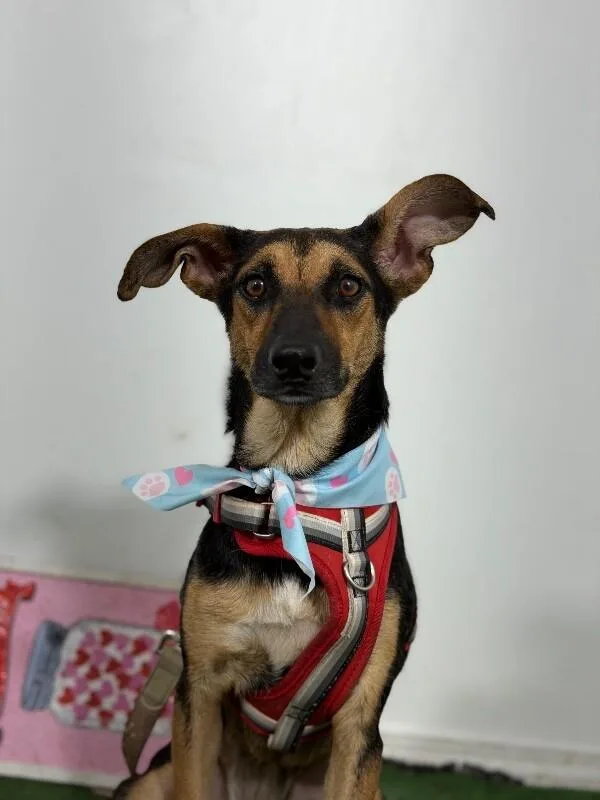
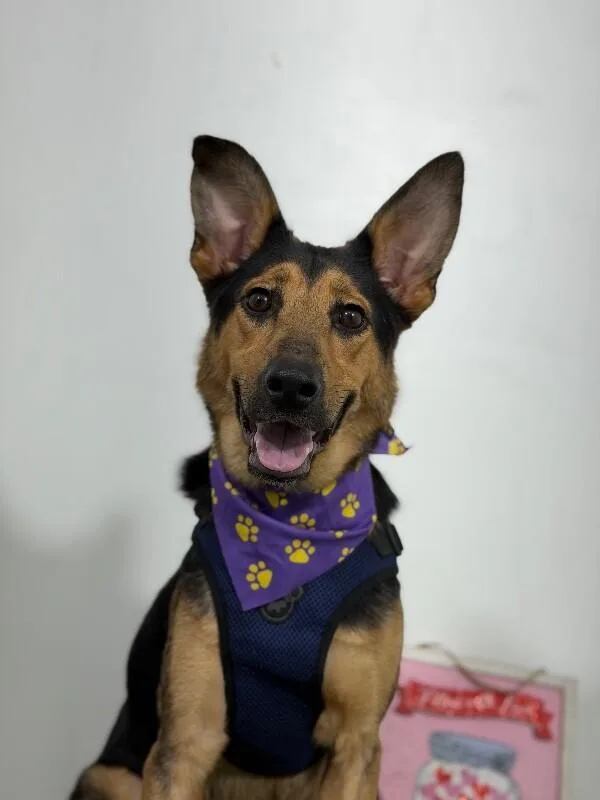
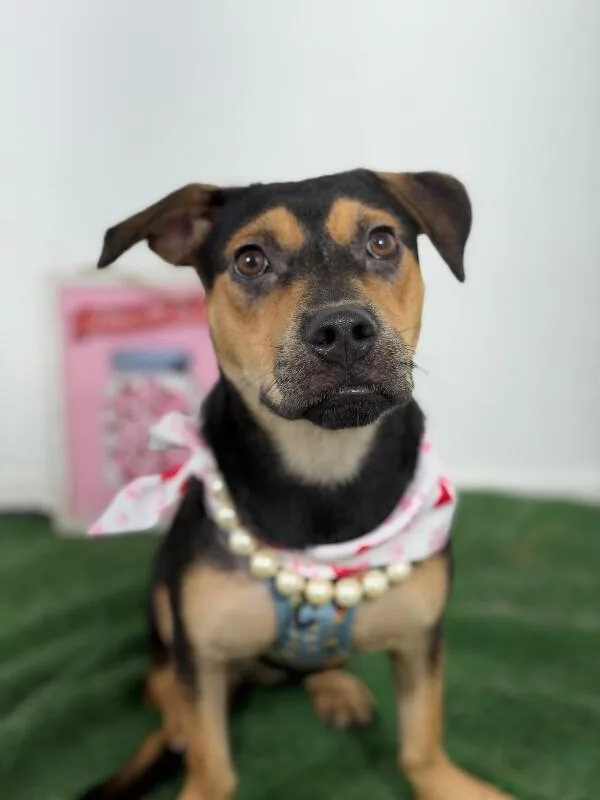
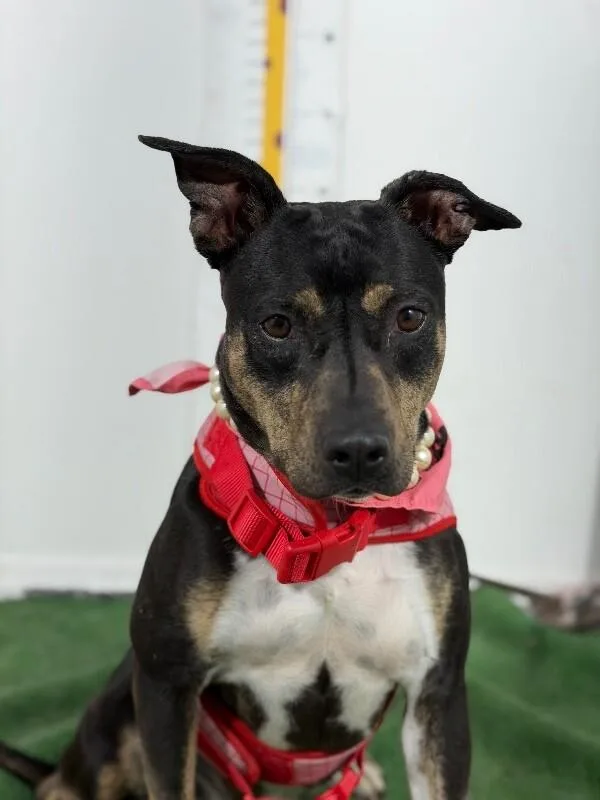
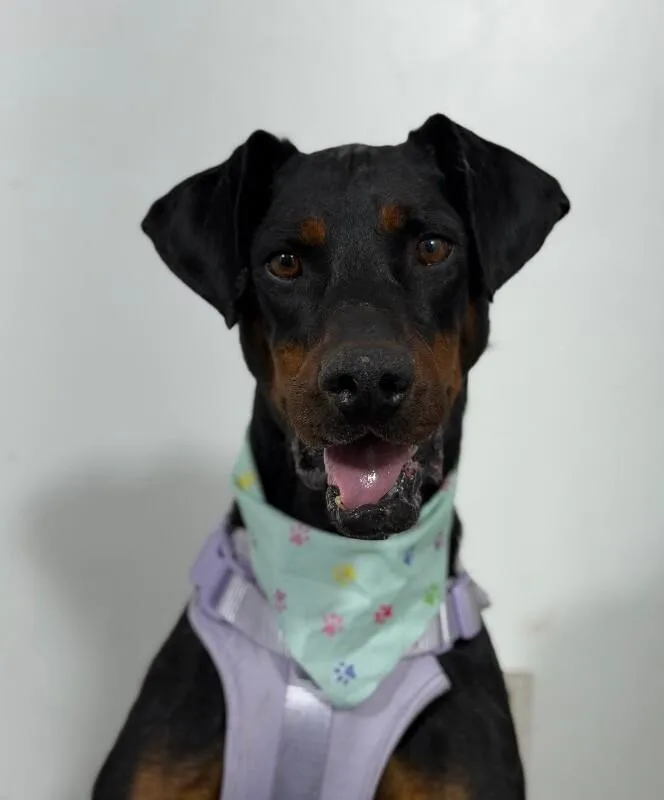
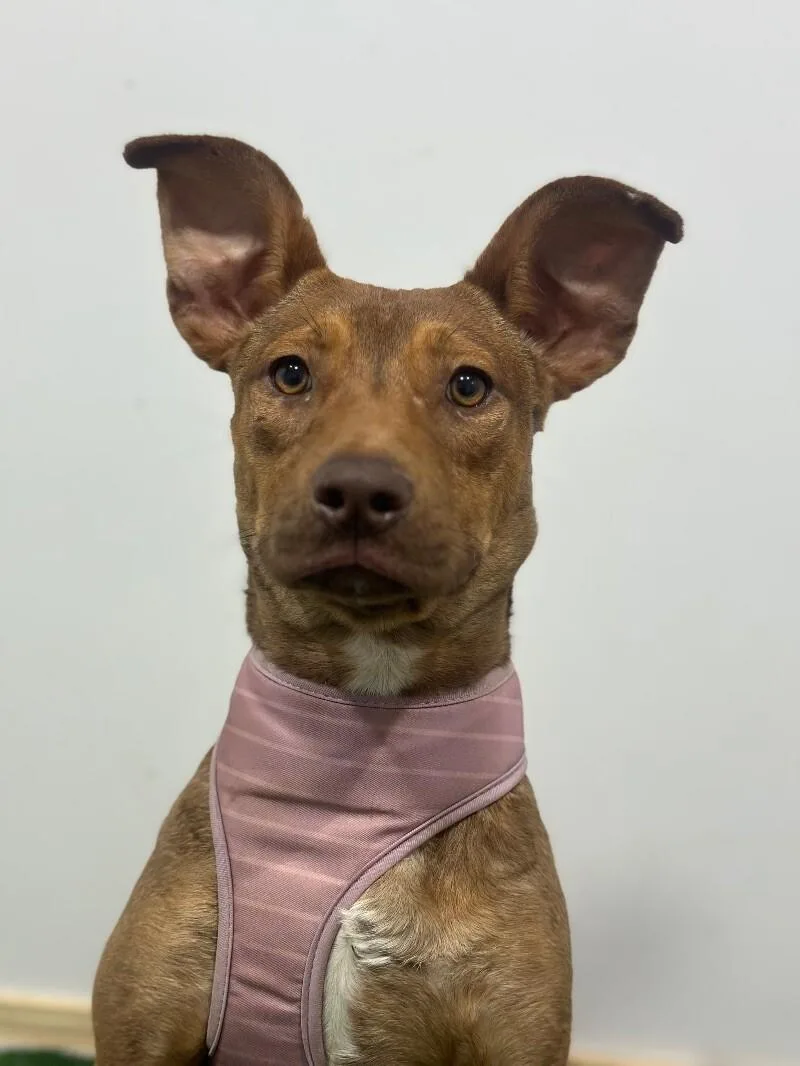
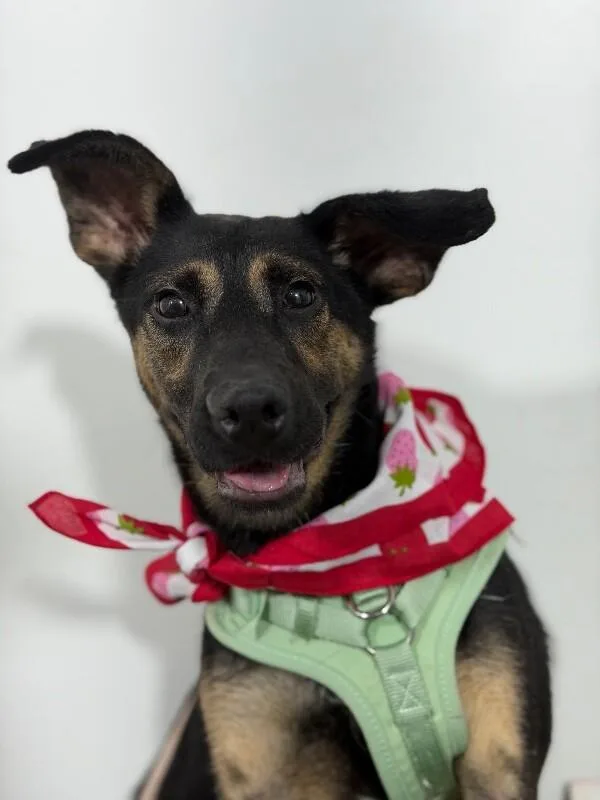
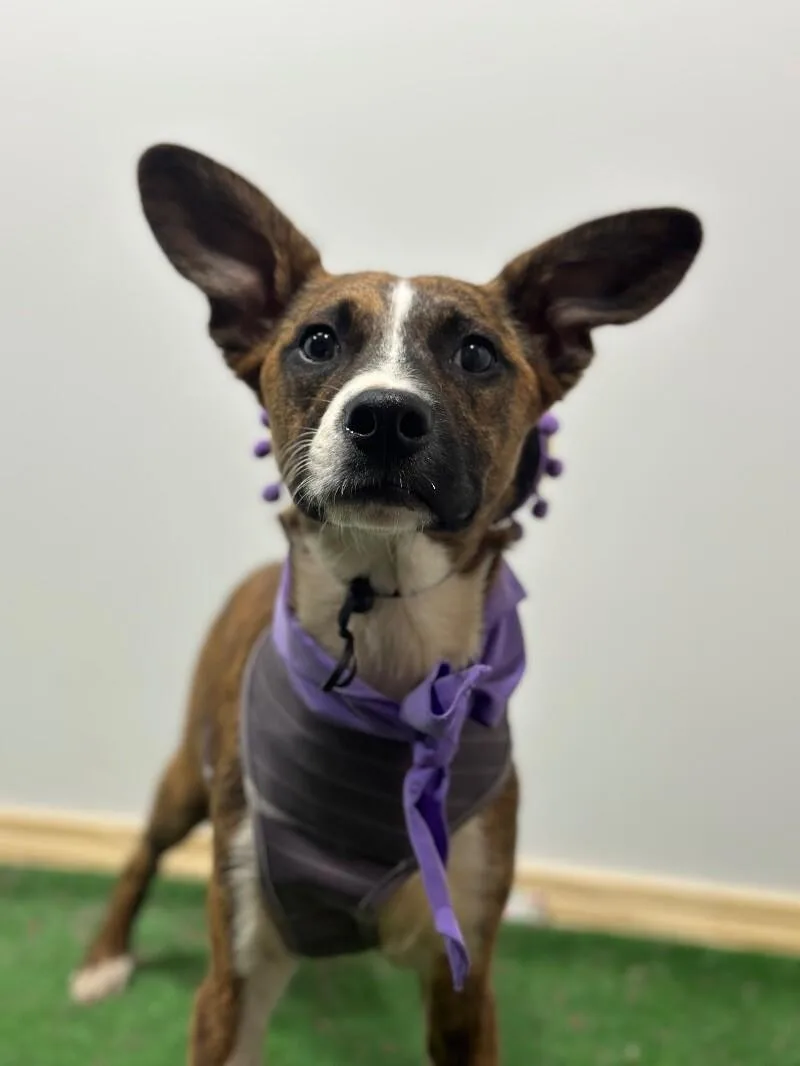
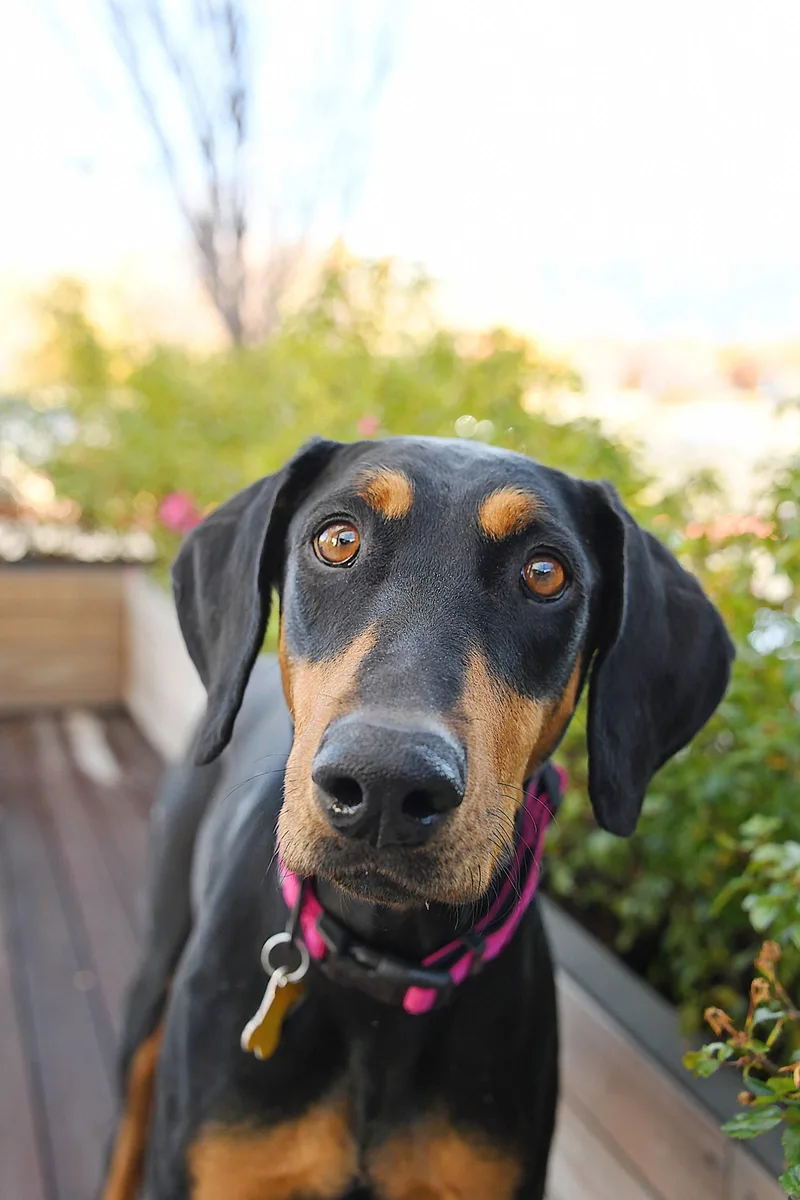
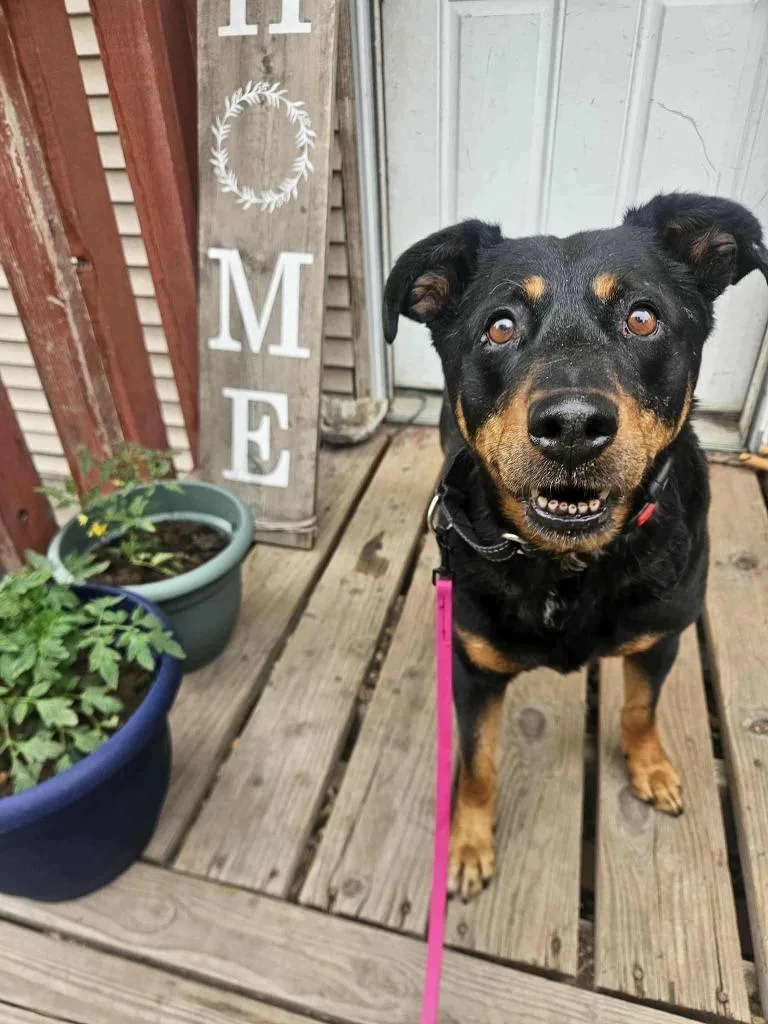
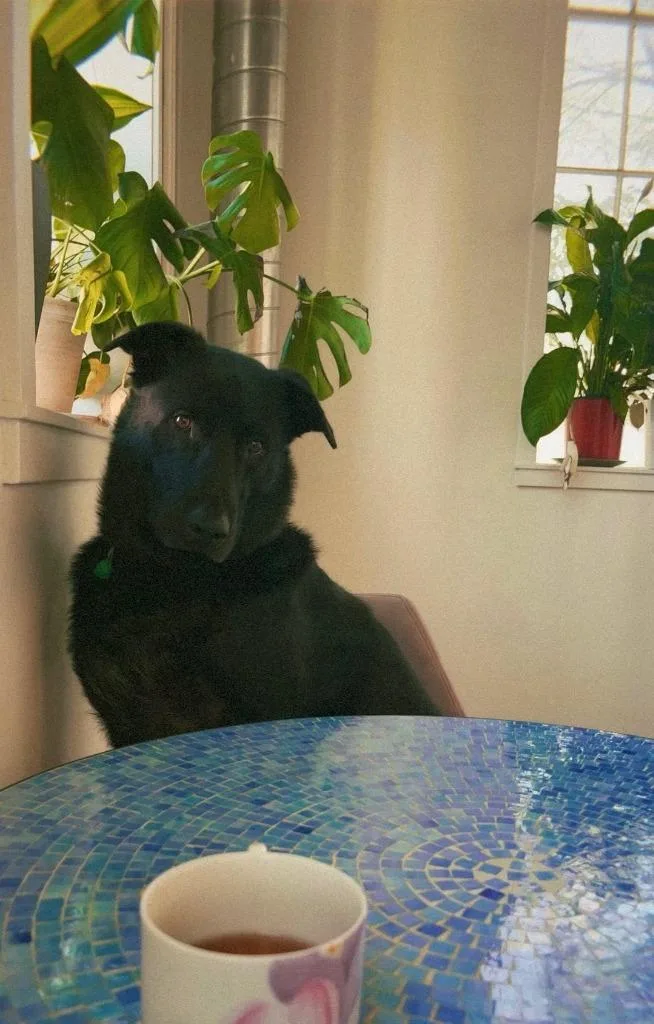
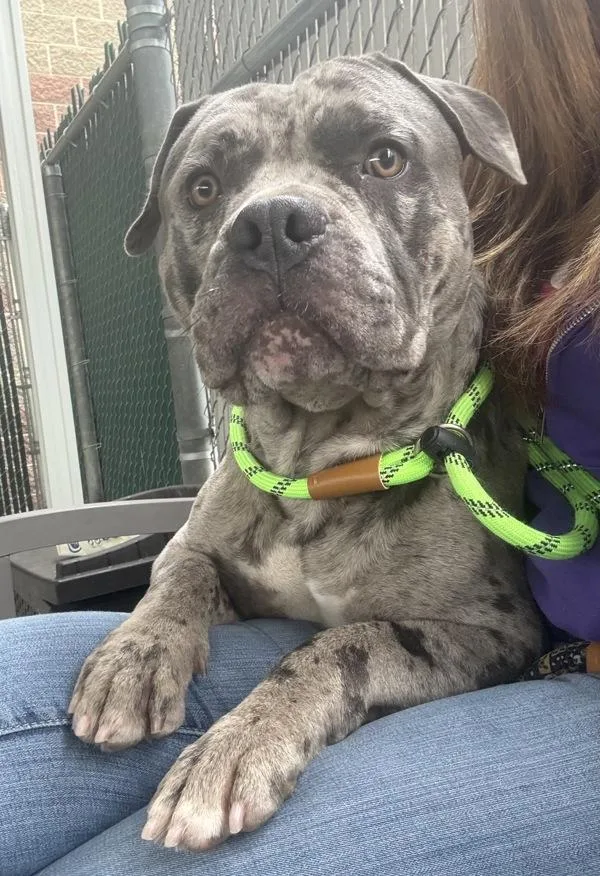
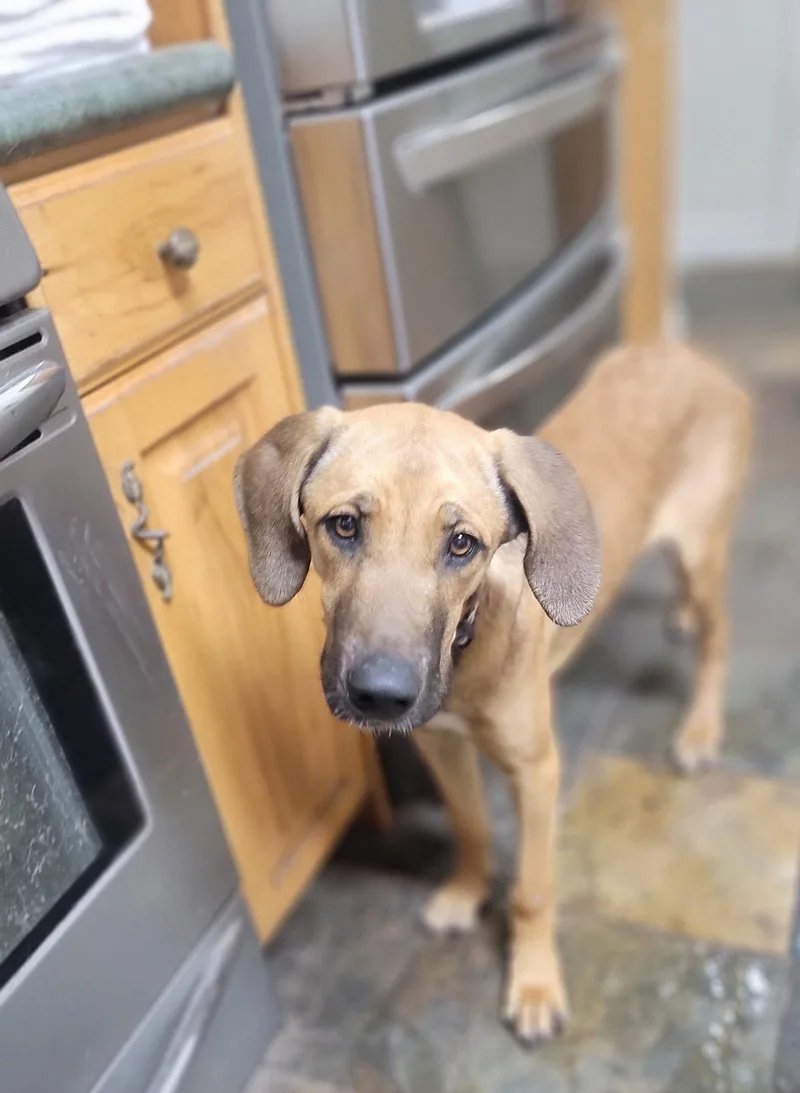
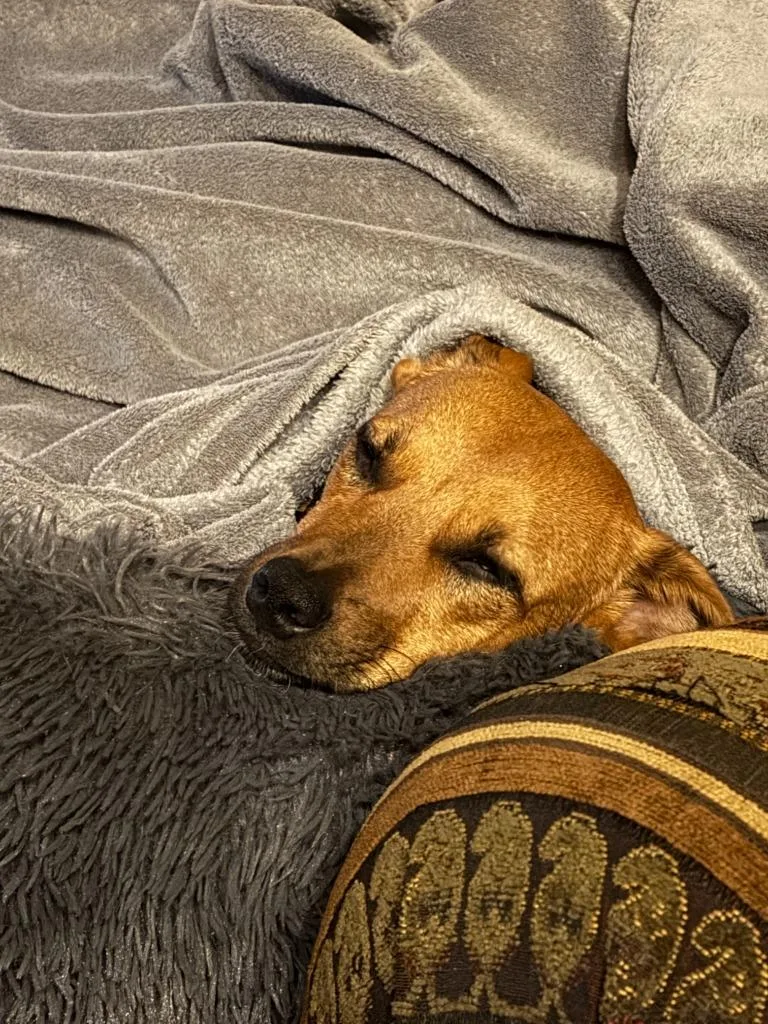
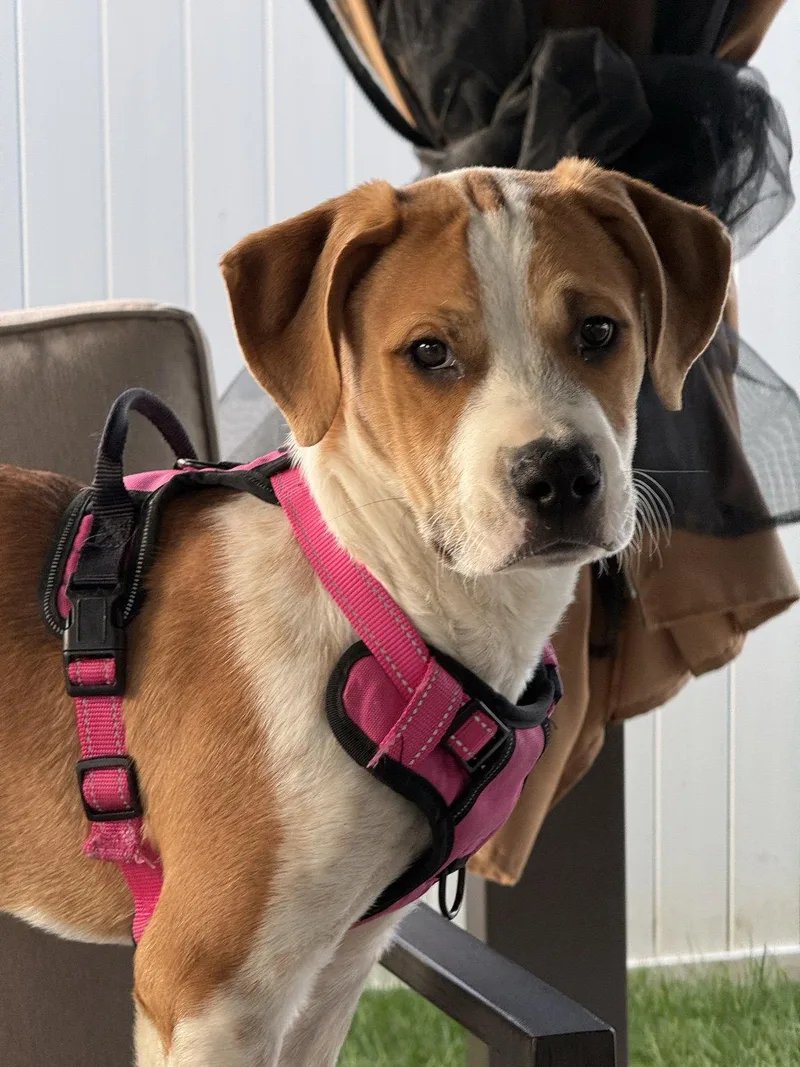
Black Russian Terriers and Similar Breeds Available for Adoption Near Salt Lake City

About the Black Russian Terrier breed

Despite the name, the Black Russian Terrier isn't a true terrier. The Soviet Army's Red Star Kennel developed it in the late 1940s and 1950s as a hardy working dog, drawing on about 17 breeds including the Giant Schnauzer, Airedale, Rottweiler and Newfoundland. The AKC added it to the Working Group in 2004. The result is a heavy-boned dog with a wavy black double coat, a bearded muzzle and eyebrows that fall over the eyes.

Many are calm, confident and deeply loyal at home while staying aloof with strangers, a reflection of their guarding roots. They're intelligent and trainable, but their size and protective instincts call for a consistent, experienced handler. The low-shedding coat still needs brushing a few times a week and professional trims, and in Salt Lake City the beard will pick up snow, mud and water.

Weight
80–130 lbs
Height
26–30 in
Lifespan
10–12 yrs
Temperament
Confident, Protective, Loyal
Group
Working
Shedding
Low

Owning a Black Russian Terrier in Salt Lake City

Having a Black Russian Terrier in SLC

This is a guardian breed with a steady, family-centered nature and a coat that needs real upkeep. In Salt Lake City, size, training time and grooming routine matter as much as space, and every dog's needs differ.

Temperament

Black Russian Terriers tend to be calm and devoted, and many are reserved with strangers. That can suit a house better than a busy apartment corridor, where constant footsteps and neighbors may keep a watchful dog on alert. Early socialization on city sidewalks and in parks, plus consistent reward-based training, helps. Each dog differs, whatever the breed's reputation.

Exercise Needs

Plan on at least two good walks a day plus play. Salt Lake City helps: the Jordan River Parkway, Liberty Park's loops and the city's off-leash areas all give a big dog room to move. Avoid hard running around mealtimes because of bloat risk, and add training games or dog sports, since a bored Black Russian may turn destructive.

Health Considerations

Hip and elbow dysplasia, progressive retinal atrophy, bladder stones from hyperuricosuria, laryngeal paralysis and bloat are the main concerns. Have a veterinarian check the joints and keep the dog lean, since icy winter sidewalks are hard on sore hips. Schedule regular checkups and learn the early signs of bloat.

Living Space

A house with a securely fenced yard usually suits a Black Russian best. A calm adult can manage an apartment with reliable daily exercise, but expect a large dog that takes up floor and sofa space. The thick black coat makes heat a concern, so plan for a cool indoor spot in summer.

What it costs to own a Black Russian Terrier in Salt Lake City

ExpenseTypical costPer year
Food$80 to $160 per month$960 to $1,920
Pet insurance$85 to $170 per month$1,020 to $2,040
Routine vet care$250 to $500 per year$250 to $500
Other*$1,050 to $2,800 per year$1,050 to $2,800
Estimated yearly total (after year one)$3,280 to $7,260

Other costs are estimates and vary with size, age and health.

* The Salt Lake County dog license ($25 if spayed or neutered, $50 if not), flea, tick and heartworm prevention, a dental cleaning allowance, toys and bedding, professional trims every 6–8 weeks, and joint supplements.

Adopt a Black Russian Terrier in Salt Lake City.

Now that you know more, let’s find you a new best friend. These rescues and shelters below have dogs available in and near Salt Lake City.

Frequently Asked Questions

Yes. Utah law bars cities from enacting breed-specific rules, so Salt Lake City can't restrict Black Russian Terriers by breed. Rules focus on behavior instead: a dog designated dangerous needs a permit and must be muzzled off the owner's property. A dog license is required, and landlords may still set their own limits.

A calm adult can, but it takes effort for a dog of 80 to 130 pounds. Look for a building without weight caps, ideally with ground-floor or elevator access, and plan on two real walks a day. Expect the dog to take up serious floor space, and keep it cool indoors during July heat.

Fairmont Park in Sugar House, Lindsey Gardens in the Avenues and the Freedom Trail near Memory Grove all have off-leash areas, which suit a well-trained Black Russian with reliable recall. Liberty Park's loops work well for leashed walks. Mill Creek Canyon's trails, just outside the city, allow off-leash dogs on odd-numbered days.

Yes, with care. Summers are hot and dry, and a thick black coat absorbs heat, so walk at dawn or after sunset, when nights cool into the 60s. Keep shade and water available, avoid hot pavement at midday, and never leave the dog in a parked car. Watch for heavy panting or thick drool.

Usually not. UTA buses, TRAX and FrontRunner allow pets only if they're securely contained in a cage, kennel, carrier or container, and staff won't help carry it. A Black Russian won't fit in one, so plan on driving. Service animals can ride and must stay under control at the rider's feet.

Only to approved patios. In Salt Lake County, dogs can join you at restaurants with a Health Department dog-patio permit, shown by an Approved Dog Patio sticker. The dog must stay leashed with a collar carrying current license and rabies tags, and can have water but no food or treats. A giant dog needs a roomy spot.

Plan on brushing a few times a week and a professional trim every 6 to 8 weeks, which can run $450 to $1,200 a year. Salt Lake City's dry air and cold winters are easy on the coat, but spring mud and winter snow cling to the beard and legs, so wipe up after outings and comb out mats.

Black Russian Terriers can be good family dogs for experienced owners. Many are affectionate, calm and protective with their own families and gentle with children they are raised with. Their size and guarding instincts mean they need training, socialization and supervision around visiting kids. An adult rescue with a known history in a family home can be a strong match.

No, Black Russian Terriers are not truly hypoallergenic, since no dog is free of allergens. Their coat sheds little, so they drop less hair around the house than many breeds, which helps some people with mild allergies. Dander and saliva still cause reactions, so spend time with the specific dog before adopting if anyone has allergies.

Expect roughly $3,300 to $7,300 a year for a Black Russian Terrier in Salt Lake City. Food runs $80 to $160 a month and insurance $85 to $170 a month, with $250 to $500 for routine vet care and $1,050 to $2,800 for licensing, grooming, prevention and other extras. Joint or bladder-stone care can add more.