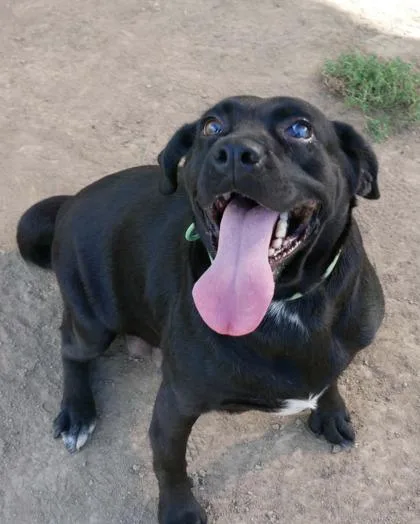
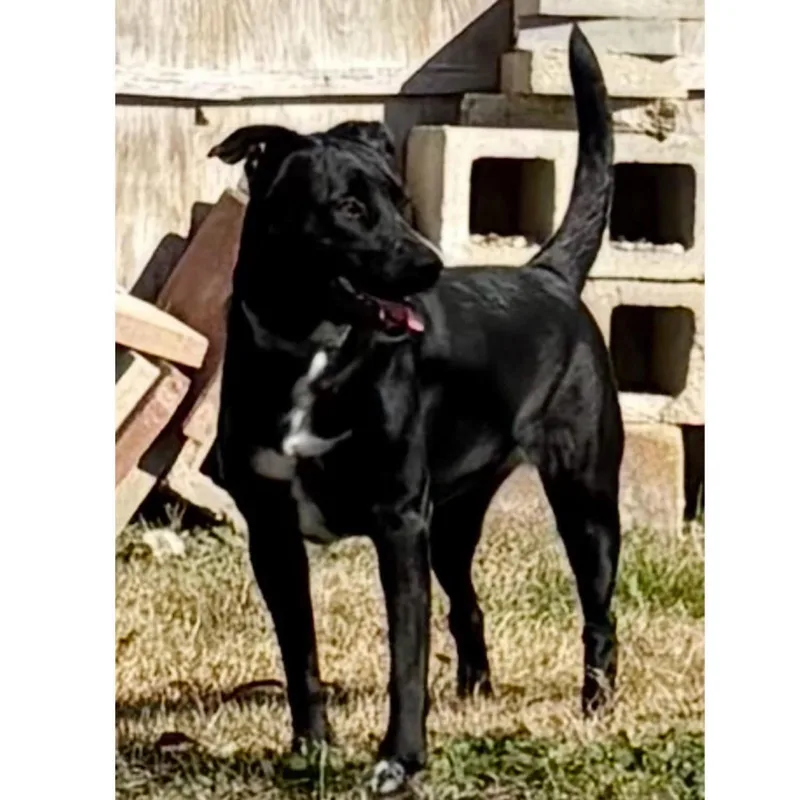
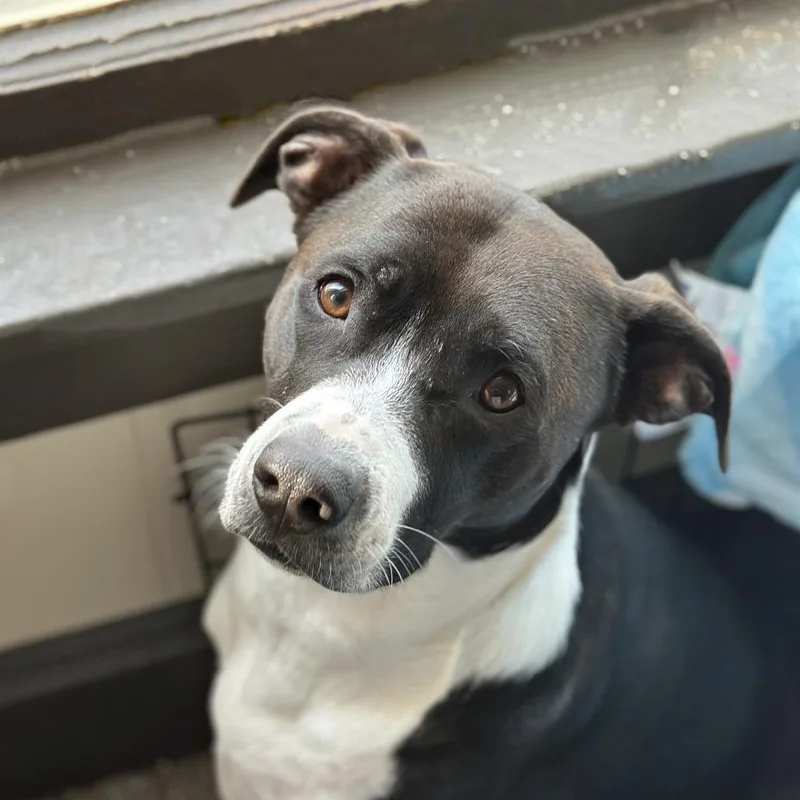
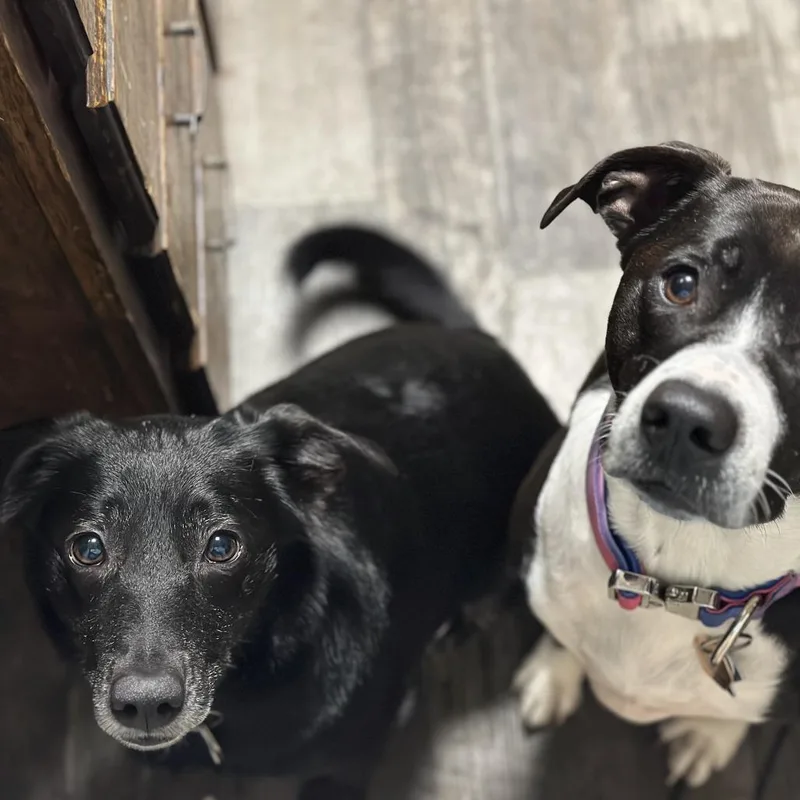
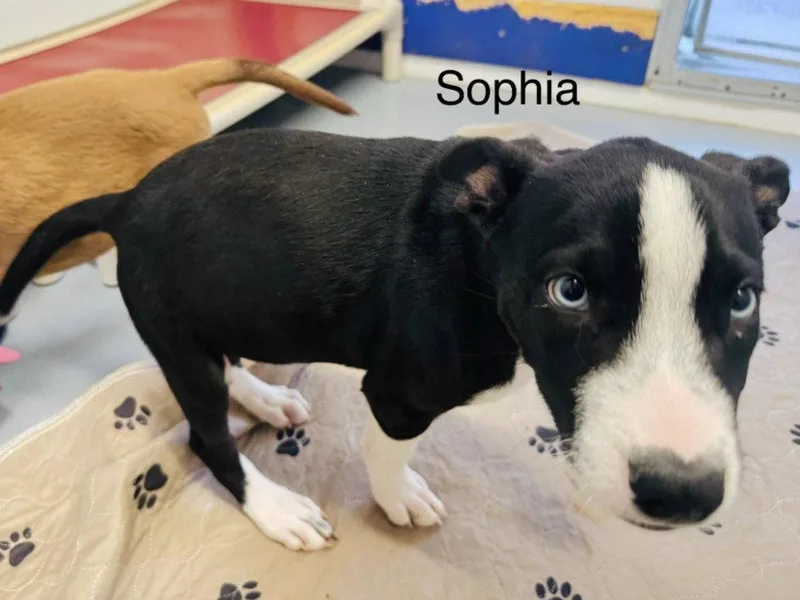
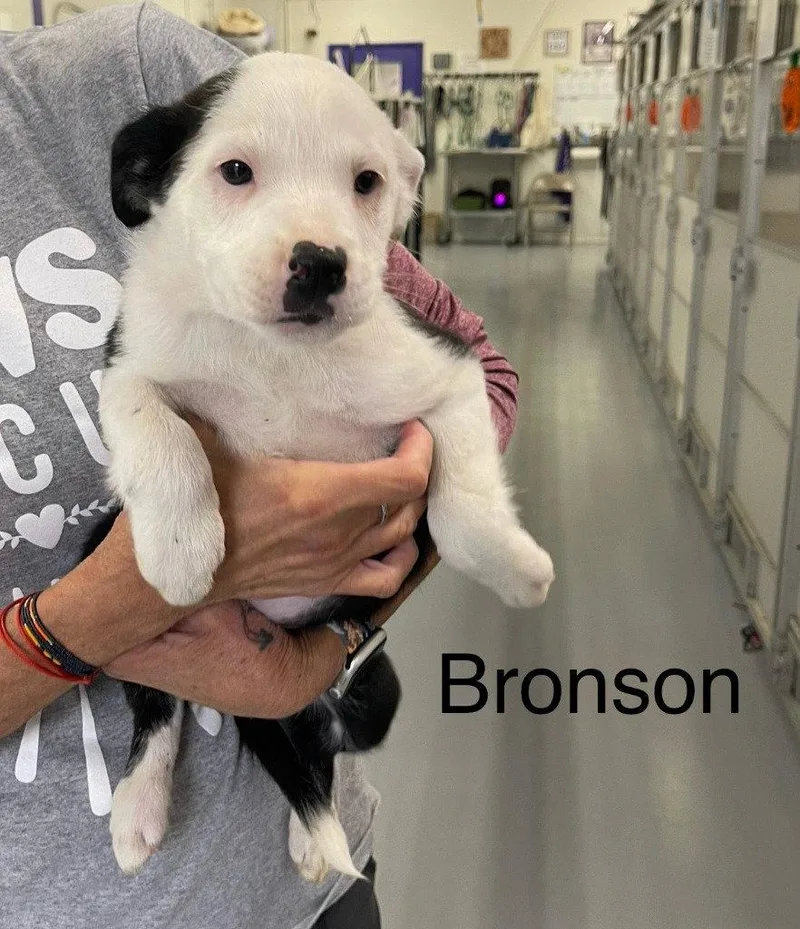
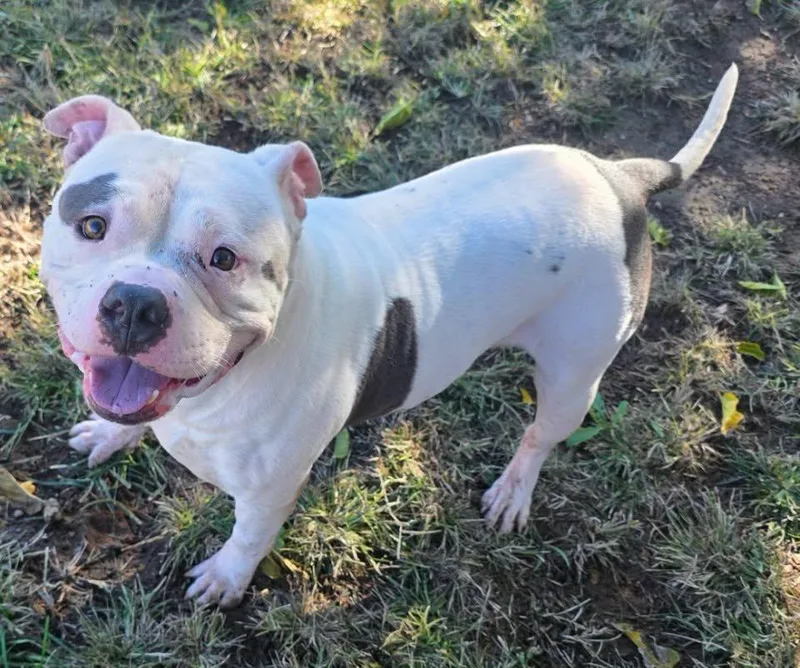
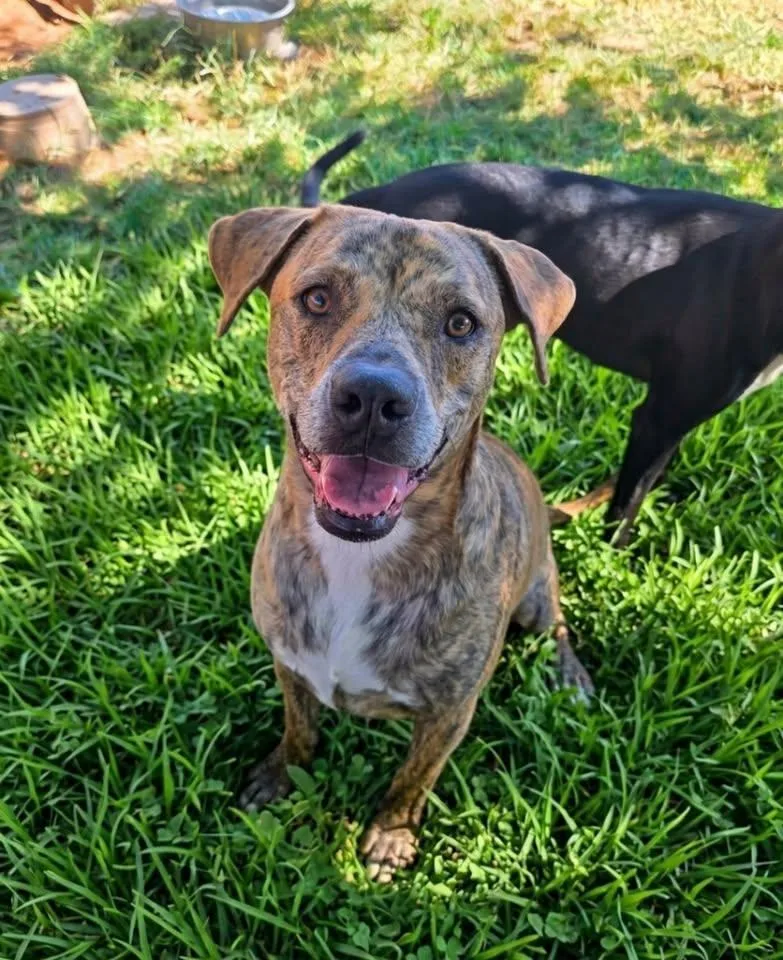
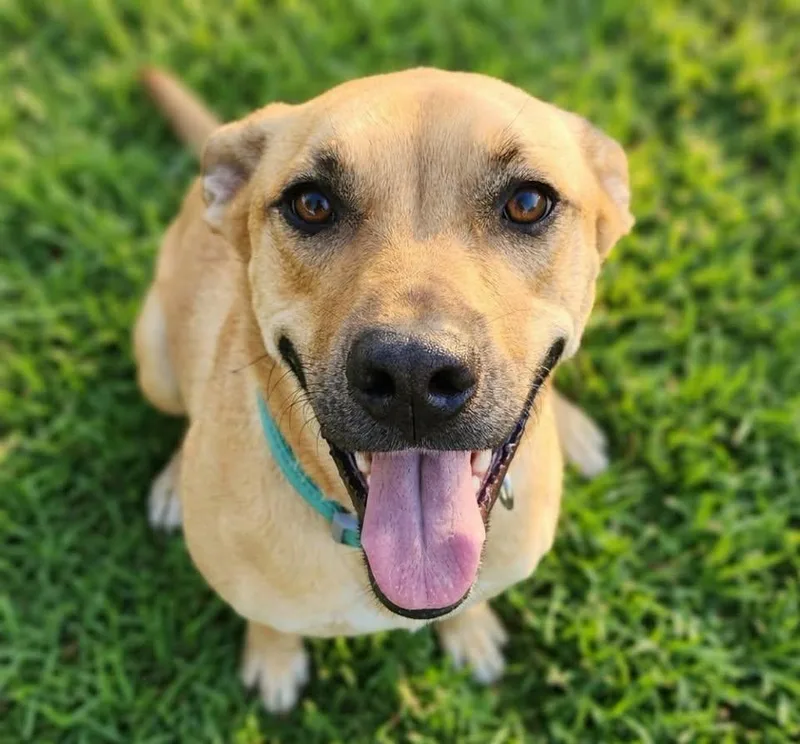
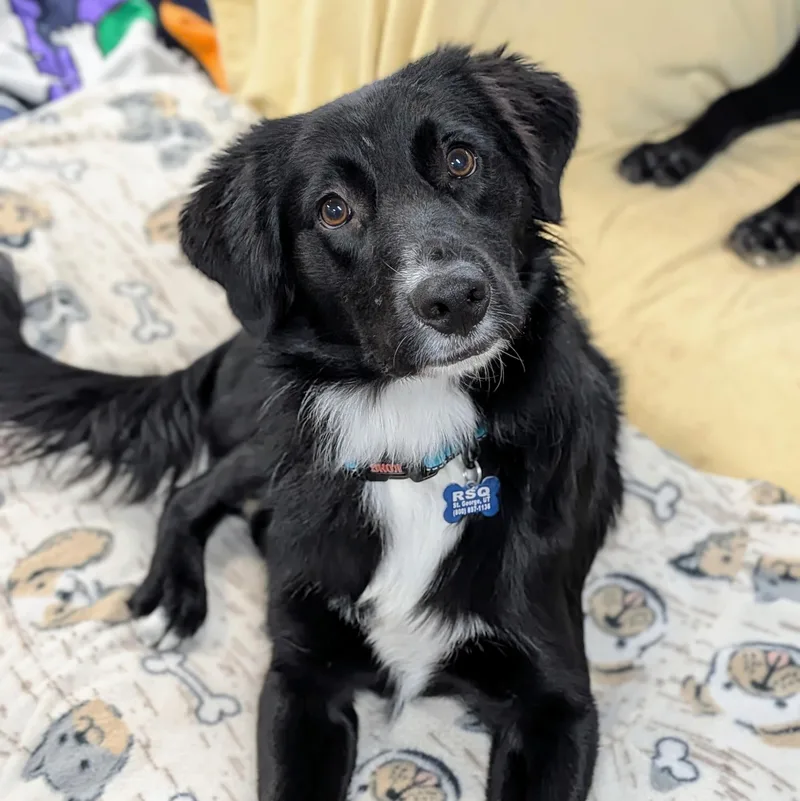
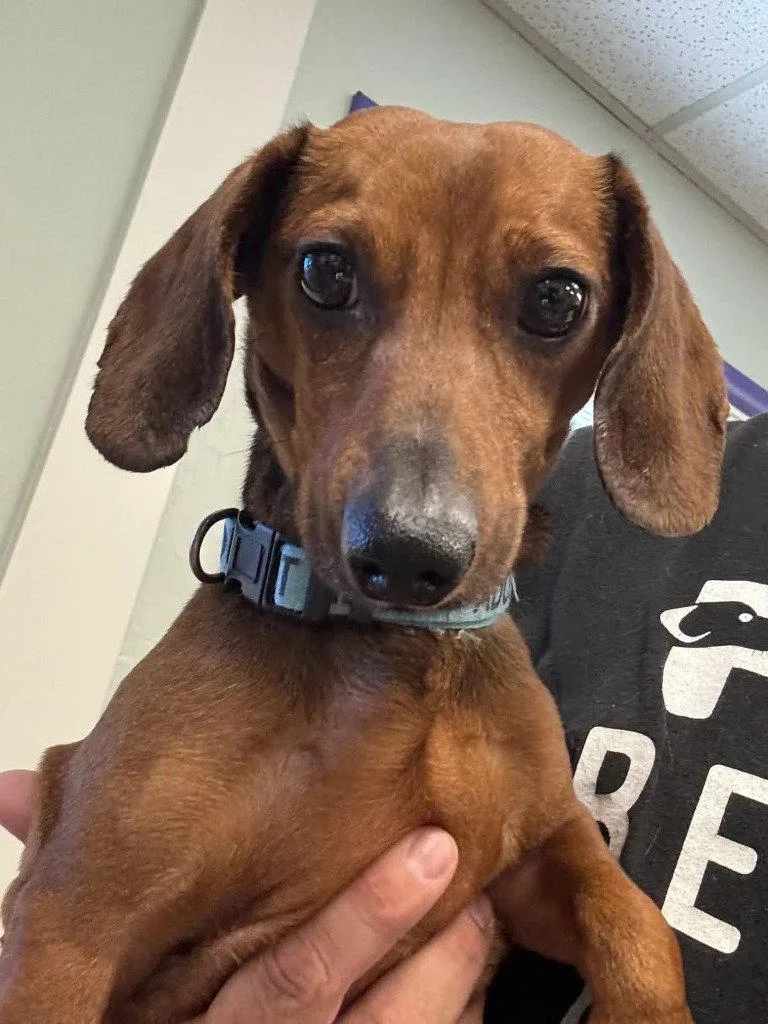
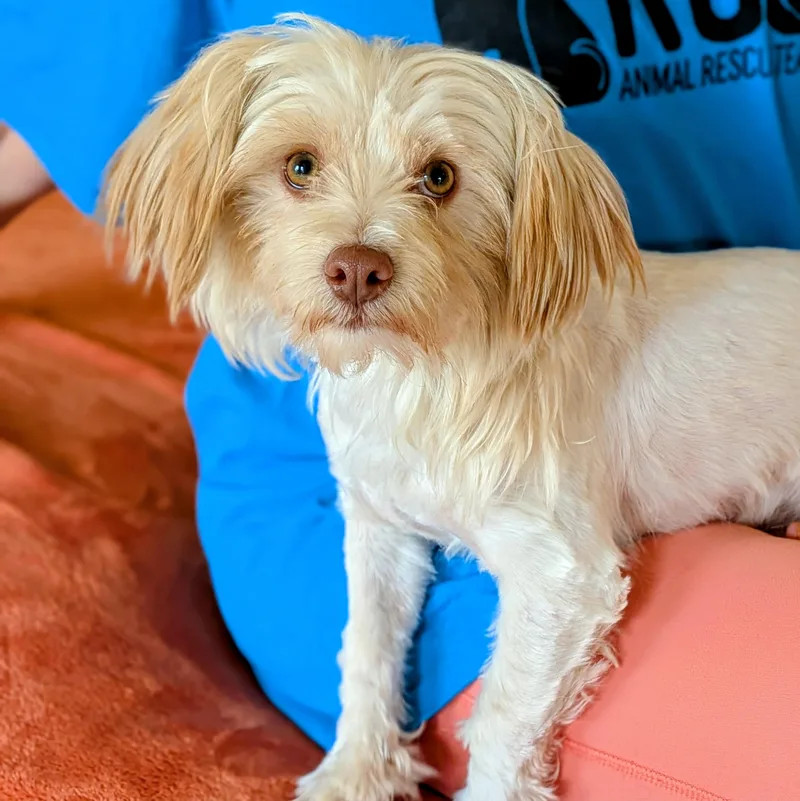
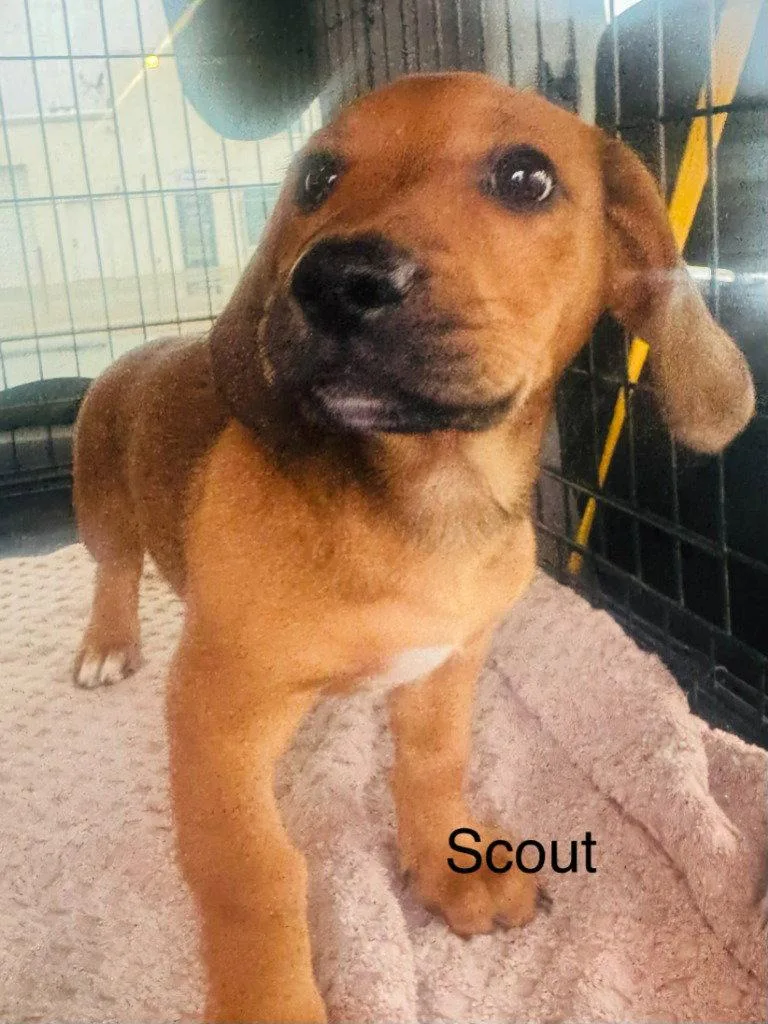
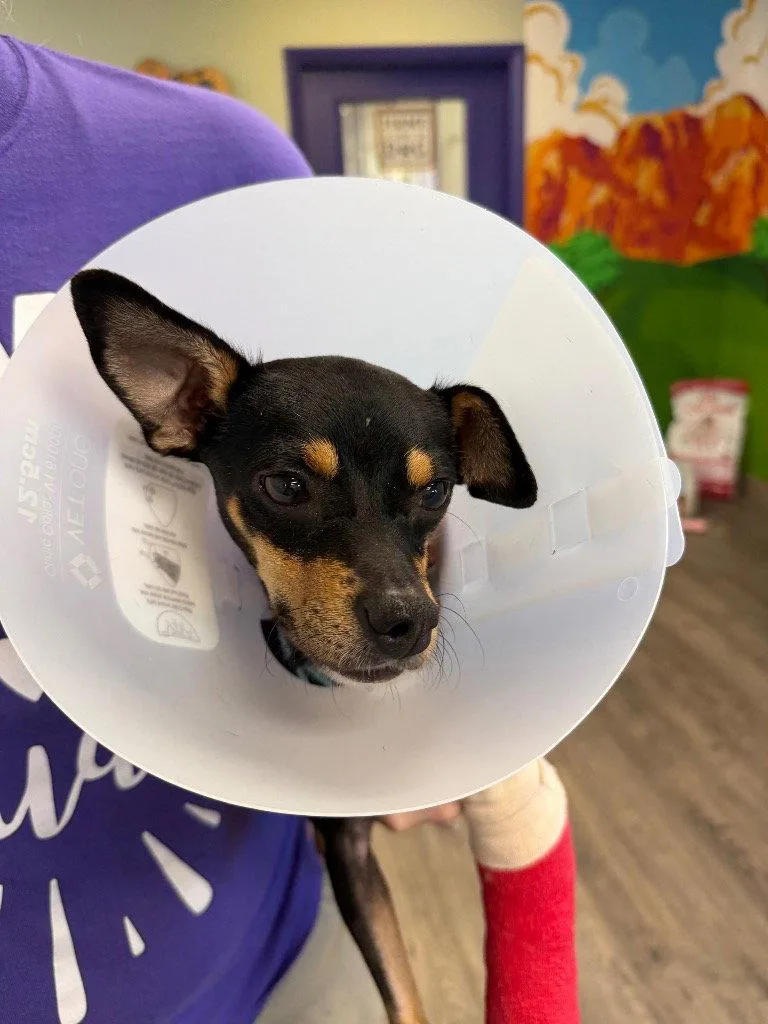
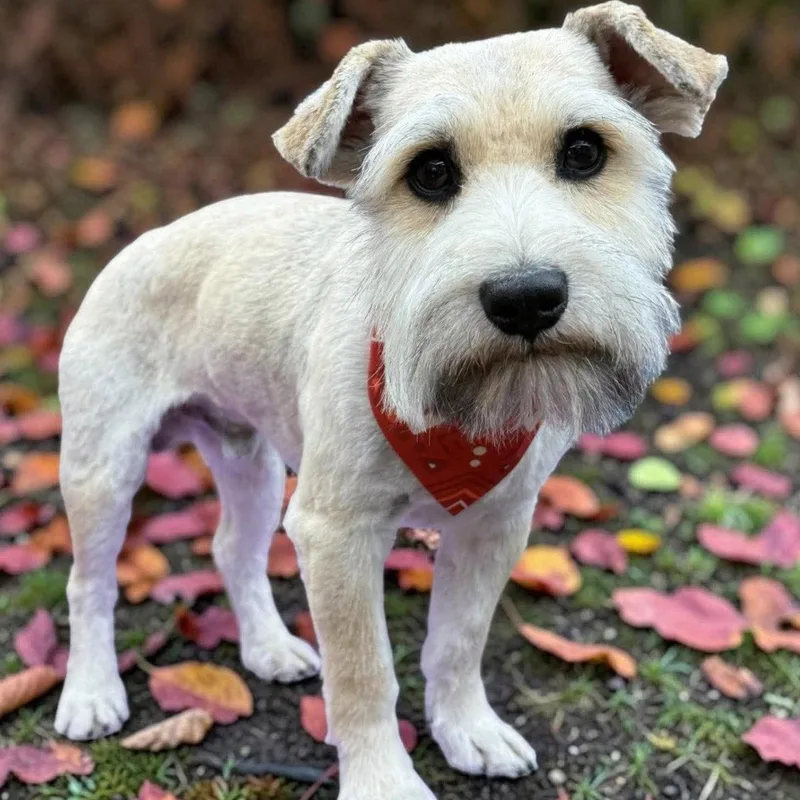
Black Labrador Retriever Dogs for Adoption in St. George, UT

Your guide to finding and caring for a Black Labrador Retriever in St. George

Black Labs suit St. George's outdoor side, with one catch: that dark coat soaks up the sun. A lap around the streets of Little Valley or a fenced run at Firehouse Park in Dixie Downs works best at sunrise, when a Lab's energy is high and the pavement is still cool. By midday most are happy flopped on a cool floor indoors. If you're thinking of adopting one here, plan your days around early mornings and evenings.

3262 Black Labrador Retrievers available in St. George and nationwide

Find your Black Labrador Retriever

While we don't have enough dogs near St. George, keep in mind that many rescues may offer transport.

Black Labrador Retrievers Available for Adoption Near St. George

About the Black Labrador Retriever breed

A black Lab is a Labrador Retriever in the breed's original color, not a separate breed. Descended from the St. John's water dogs of Newfoundland and refined in Britain as gun dogs, Labs are sturdy, broad-headed dogs with an otter tail and a dense, water-resistant double coat, usually 55 to 80 pounds.

Color doesn't change personality. Labs are typically friendly, food-motivated and eager to please, and they mature slowly through a bouncy adolescence. Field-bred dogs tend to be leaner and more driven than show-bred ones. In St. George, that means a high-stamina dog living in a desert, so expect to schedule exercise around the heat, measure meals and brush often during shedding season.

Weight
55–80 lbs
Height
21–25 in
Lifespan
10–14 yrs
Temperament
Friendly, Outgoing, Active
Group
Sporting
Shedding
Moderate to High

Owning a Black Labrador Retriever in St. George

Having a Black Labrador Retriever in St. George

Energy, appetite and shedding shape life with a black Lab more than coat color does. In St. George, the dark coat and a long hot season add one more thing to plan around: when and where the dog exercises. Each dog's age and drive vary.

Temperament

Black Labs tend to be friendly and affectionate with family, guests and other dogs, which helps in busy neighborhoods and at fenced dog parks. Young dogs can be mouthy and boisterous. Food motivation makes reward-based training work well. A dog's history and socialization say more about behavior than breed or color.

Exercise Needs

Most grown black Labs need an hour or more of active exercise daily. In St. George, that usually means walks, fetch or scent games at sunrise or after dark in summer, with indoor training sessions for midday. Keep a leash on at trailheads, and skip river or reservoir swims in warm months.

Health Considerations

Labs can face hip and elbow dysplasia, cruciate ligament tears, exercise-induced collapse, progressive retinal atrophy, ear infections and skin allergies. Obesity is common, so measure meals. Heat adds risk, since overheating and collapse can look alike. A veterinarian can check joints and advise on safe activity levels.

Living Space

A black Lab can live in an apartment or a house with a yard, provided daily exercise is covered. A fenced yard helps only if it has shade and water, since bare patios can scorch in summer. Expect shed hair, a sweeping tail and a dog that wants to be indoors with the family.

What it costs to own a Black Labrador Retriever in St. George

ExpenseTypical costPer year
Food$55 to $110 per month$660 to $1,320
Pet insurance$65 to $130 per month$780 to $1,560
Routine vet care$250 to $500 per year$250 to $500
Other*$585 to $1,470 per year$585 to $1,470
Estimated yearly total (after year one)$2,275 to $4,850

Other costs are estimates and vary with size, age and health.

* The $10 to $20 St. George dog license, flea, tick and heartworm prevention, a dental cleaning allowance, toys and bedding, and brushing and baths for heavy seasonal shedding.

Adopt a Black Labrador Retriever in St. George.

Now that you know more, let’s find you a new best friend. These rescues and shelters below currently have Black Labrador Retrievers available.

Rescues in St. George with Black Labrador Retrievers Available

These rescues and shelters serve the St. George area and care for dogs of every size, including Lab types. Here are the rescues & shelters in the St. George area where you can find Black Labrador Retrievers and other dogs available for adoption.

Frequently Asked Questions

Yes, with planning. A black Lab's dark coat absorbs heat, and 90-degree days run from May into September, so walks belong at dawn or after dark. Keep outings short, provide shade and water, and use indoor games at midday. Shaving a double coat isn't recommended, since it helps insulate against heat.

Yes. Utah law voids breed-specific rules, so no St. George ordinance can restrict Labs. Dogs four months and older need a City license, and the city allows two dogs per household, with exceptions for larger lots. Owners are held responsible for loose dogs, so keep your Lab leashed outside fenced areas.

J.C. Snow Park and Firehouse Park both have fenced off-leash dog areas, and J.C. Snow Park separates large dogs from small or shy ones, which suits a Lab. Elsewhere, keep your dog leashed. Snow Canyon State Park allows leashed dogs on only a few routes, so confirm your route before heading out.

Yes, if the exercise happens. A Lab can be content in an apartment after a long early walk and some indoor play, but a 55-to-80-pound dog needs lease approval and may run into weight limits. In summer, find a shaded spot for potty breaks, since pavement and balconies heat up quickly.

It can be, for active people who don't mind early mornings. St. George offers fenced dog parks, mild winters and outdoor scenery, but summer heat and leash-only trails limit midday activity. Labs also want company, so they do best with owners home often. Each dog's age and energy vary, so match them to your schedule.

St. George has SunTran city buses, which run Monday through Saturday, but no rail or subway. A pet policy isn't published, though service animals are welcome, so don't assume a large dog like a Lab can ride. Check SunTran's current rules before boarding, and plan to drive for most outings.

Possibly outdoors, but don't count on it. Utah's food rules generally keep pets out of dining areas unless a local health department grants an exception, and patio policies vary by restaurant. Ask before you sit down, and never leave a Lab in a parked car, even briefly, in summer heat.

Expect weekly brushing most of the year and near-daily brushing during spring and fall shedding. Bathe only when the dog is dirty or smelly, since overbathing dries skin in the desert air. Brushing at home keeps costs down, and grooming fits within the yearly Other costs shown on this page.

We have 2 rescues with Black Labrador Retrievers available: St. George Animal Shelter and RSQ. You can see every rescue with Black Labrador Retrievers available in the list above these questions, or scroll to the top to see the Black Labrador Retrievers near St. George.

Plan on roughly $2,275 to $4,850 a year for a black Lab: food about $660 to $1,320, insurance $780 to $1,560, routine vet care $250 to $500, and $585 to $1,470 for everything else, including care for heavy shedding. Emergency care and boarding aren't included.