Greater Swiss Mountain Dogs for Adoption in Tyler, TX

Your guide to finding and caring for a Greater Swiss Mountain Dog in Tyler

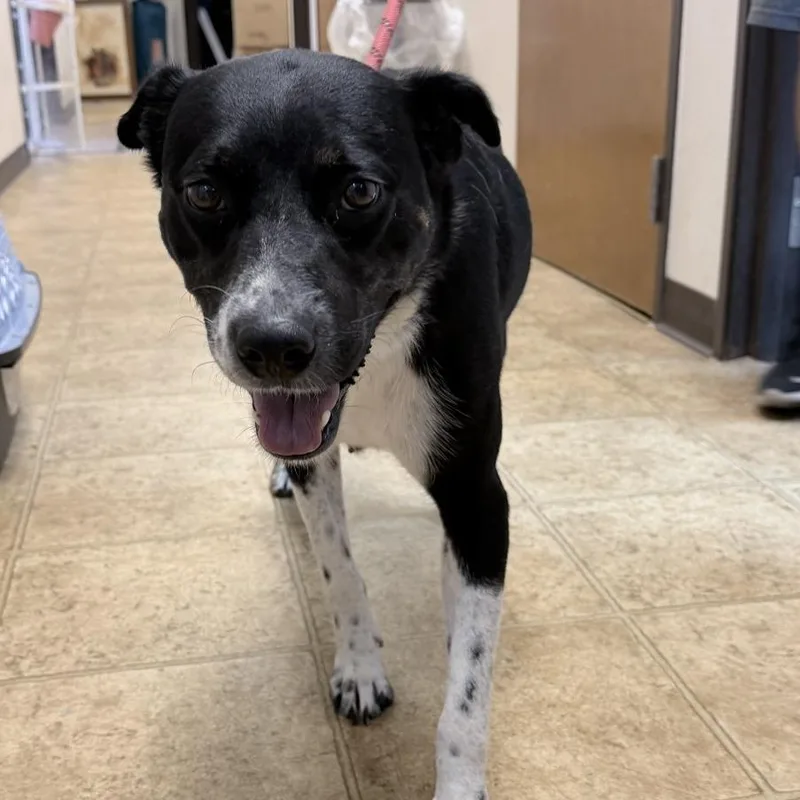
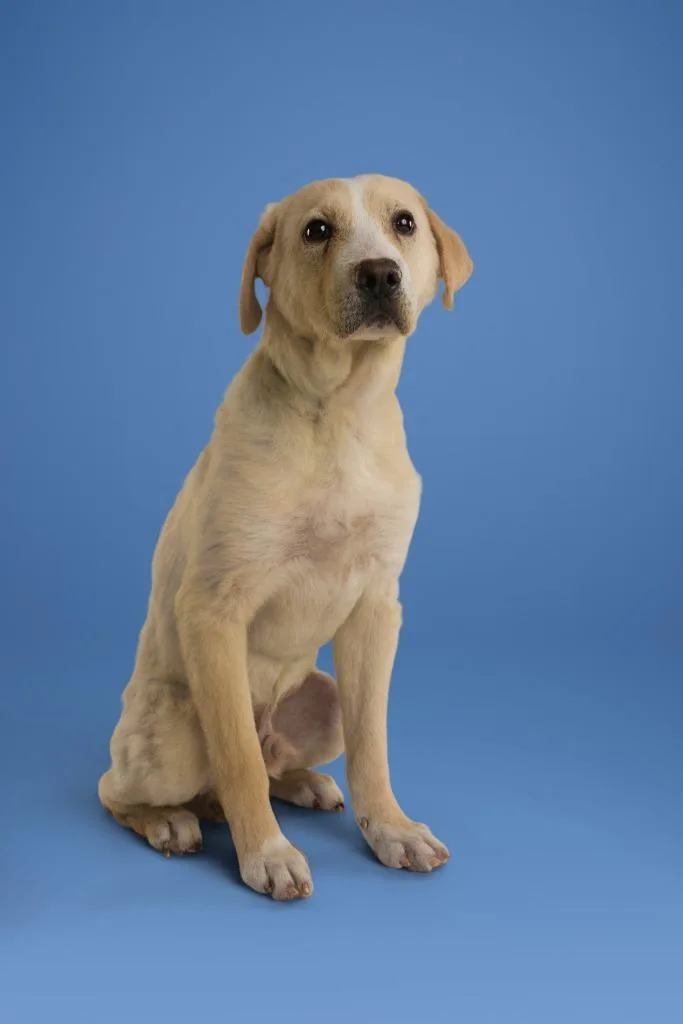
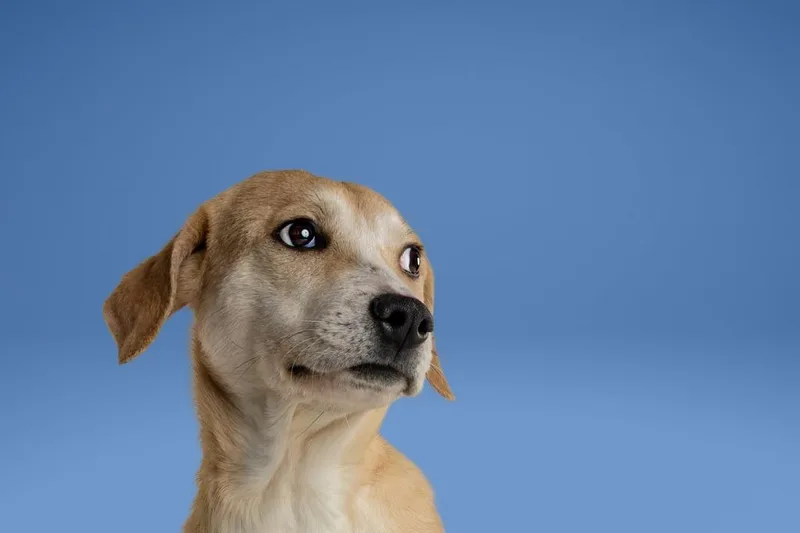
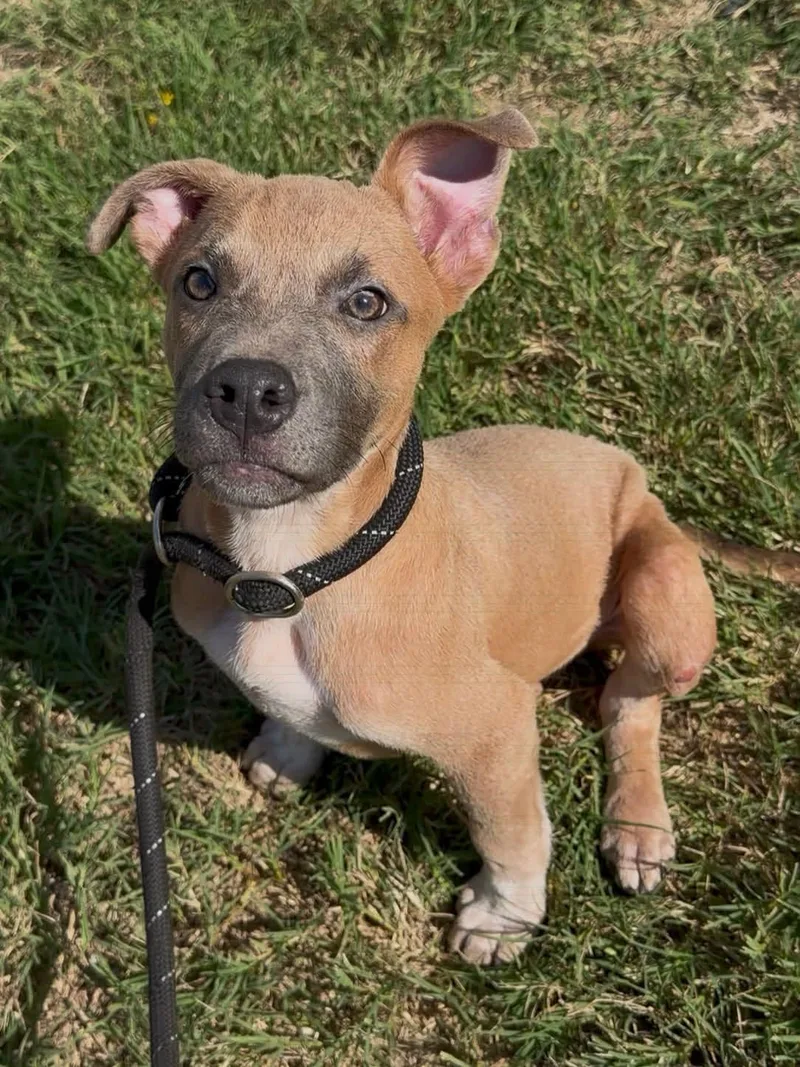
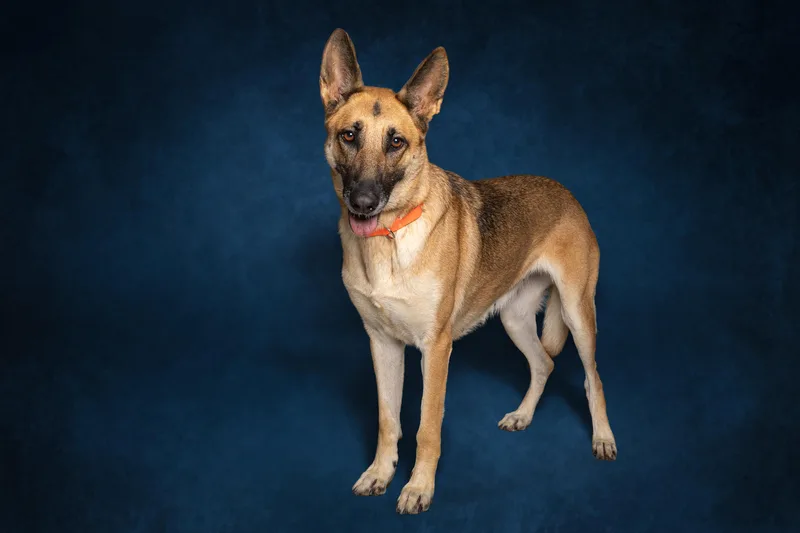
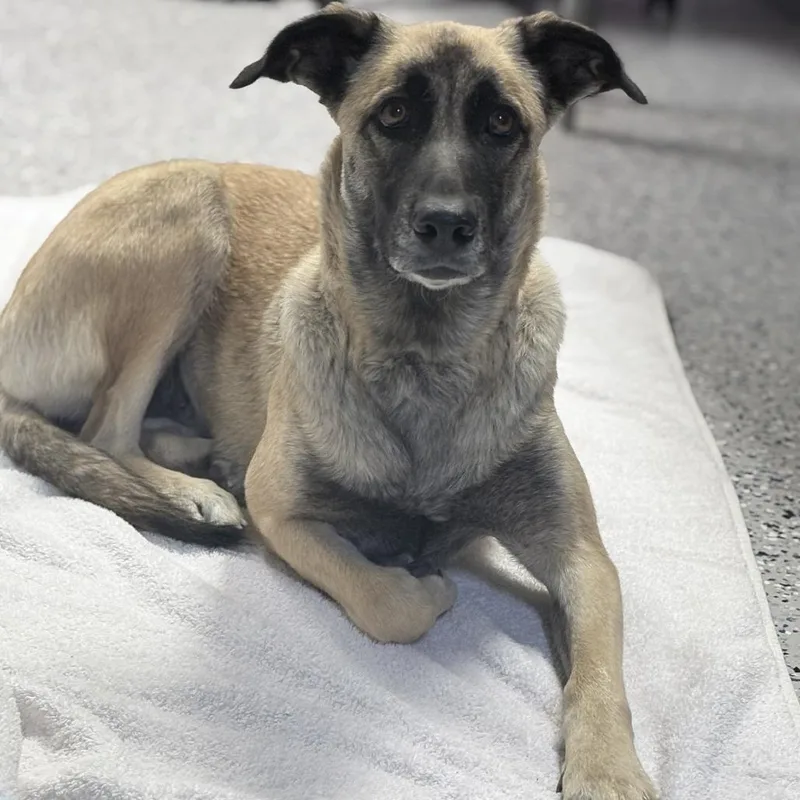
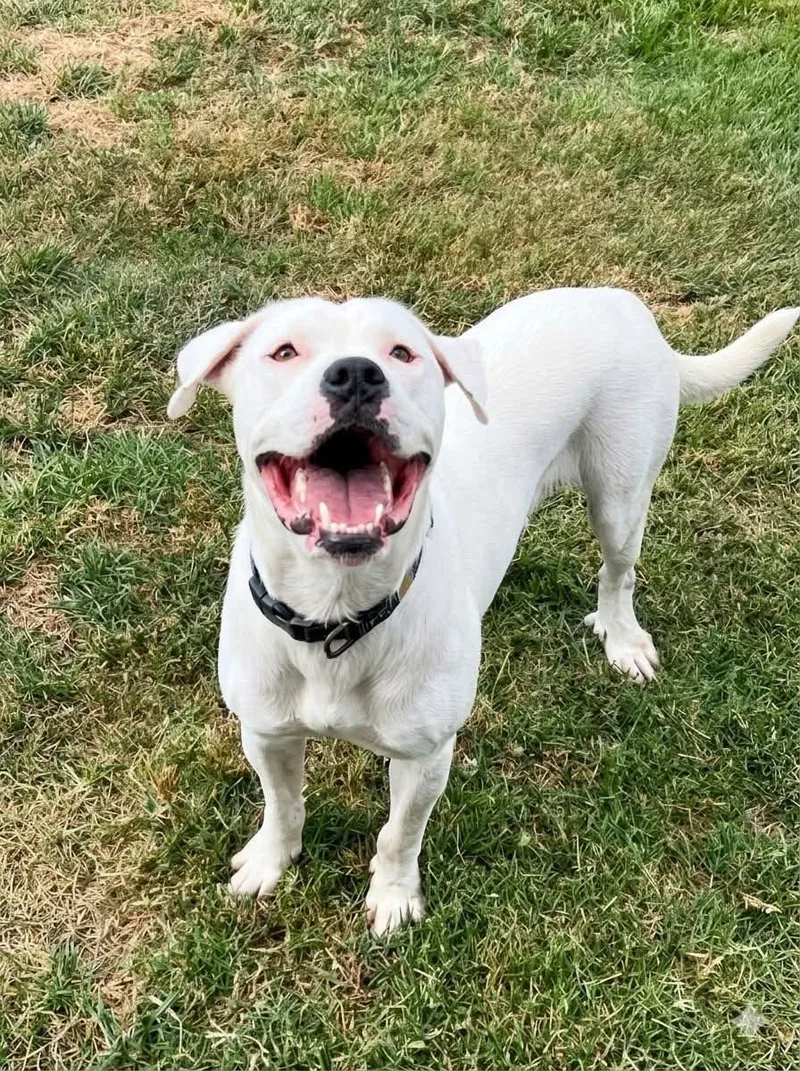
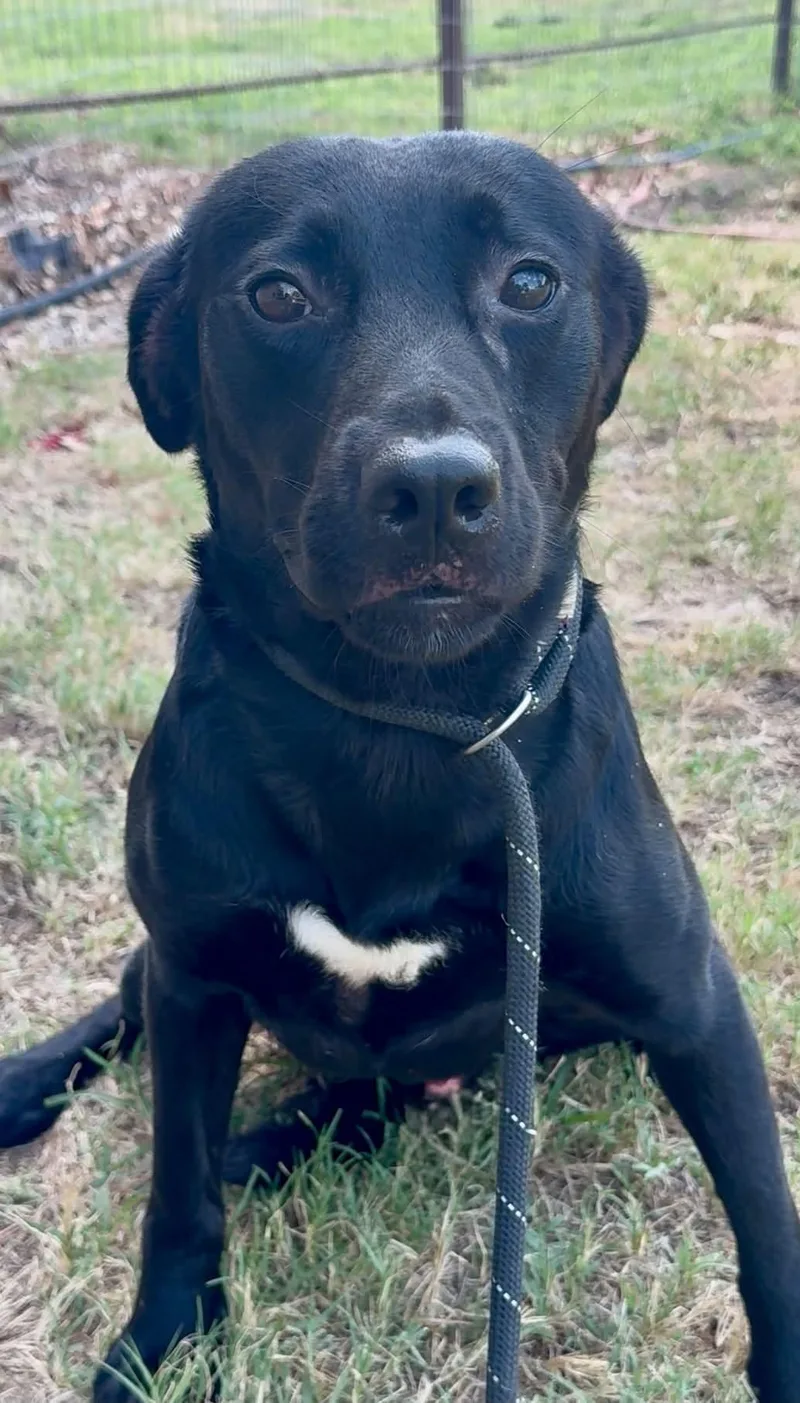
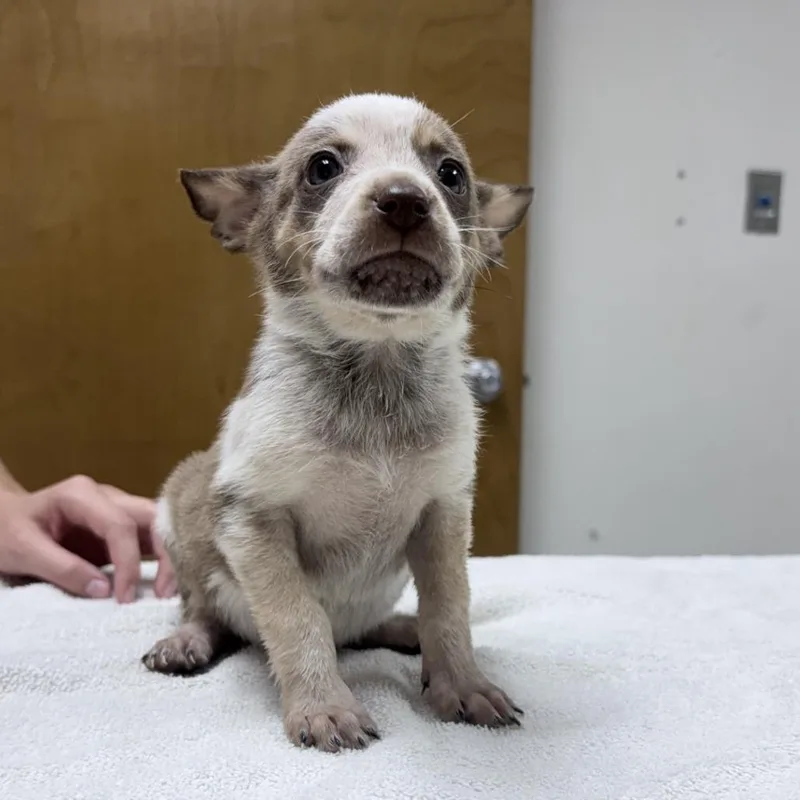
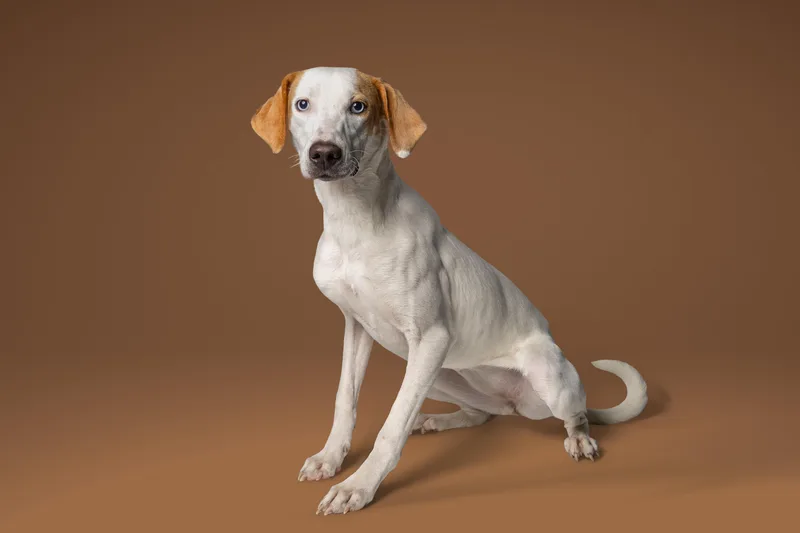
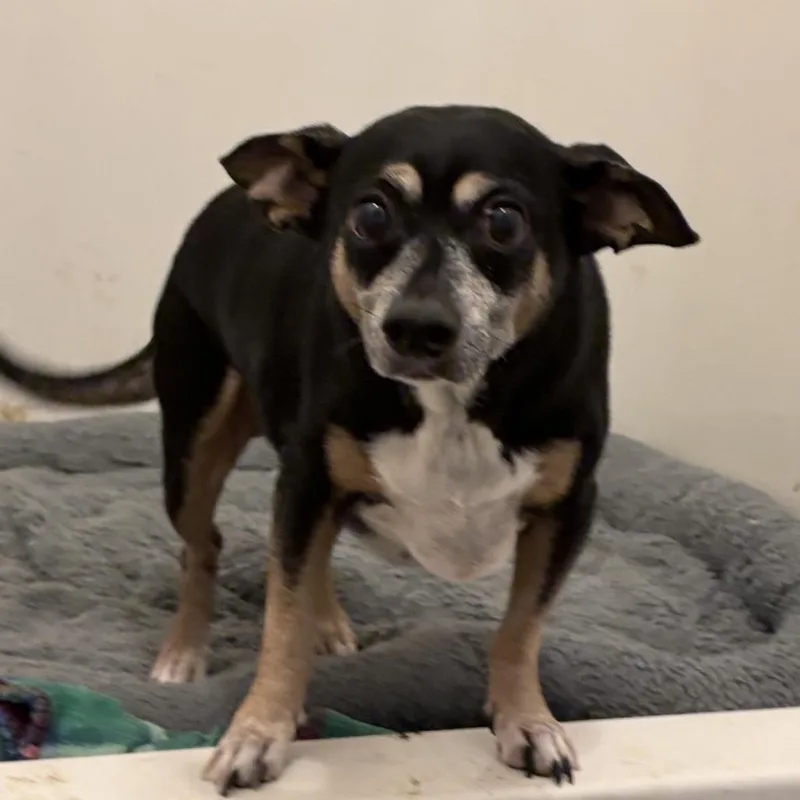
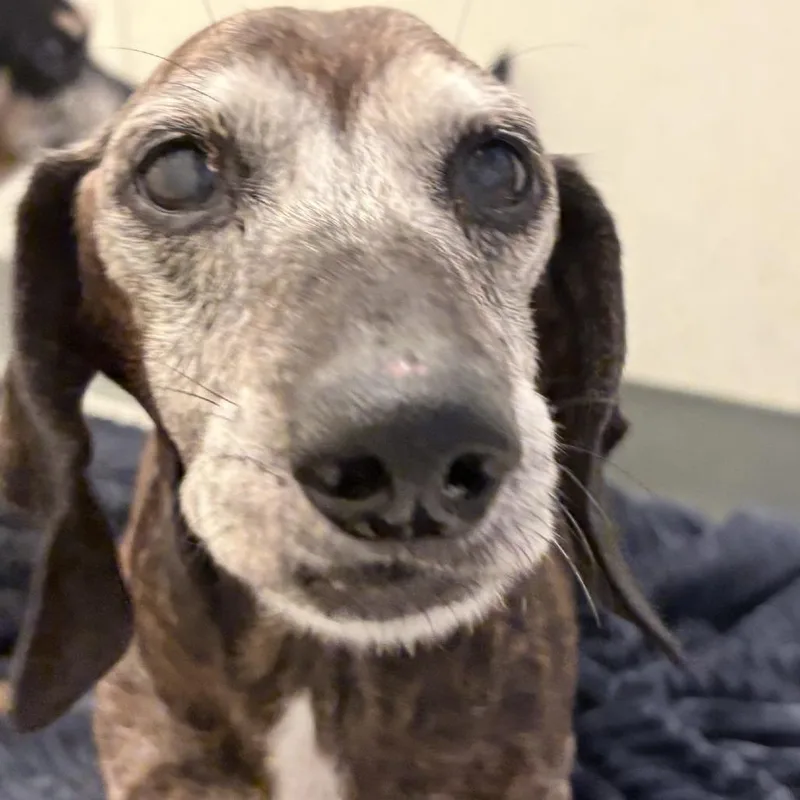
11 Greater Swiss Mountain Dogs available in Tyler and nationwide

Bring home a Greater Swiss Mountain Dog

While we don't have enough dogs near Tyler, keep in mind that many rescues may offer transport.

Greater Swiss Mountain Dogs Available for Adoption Near Tyler

About the Greater Swiss Mountain Dog breed

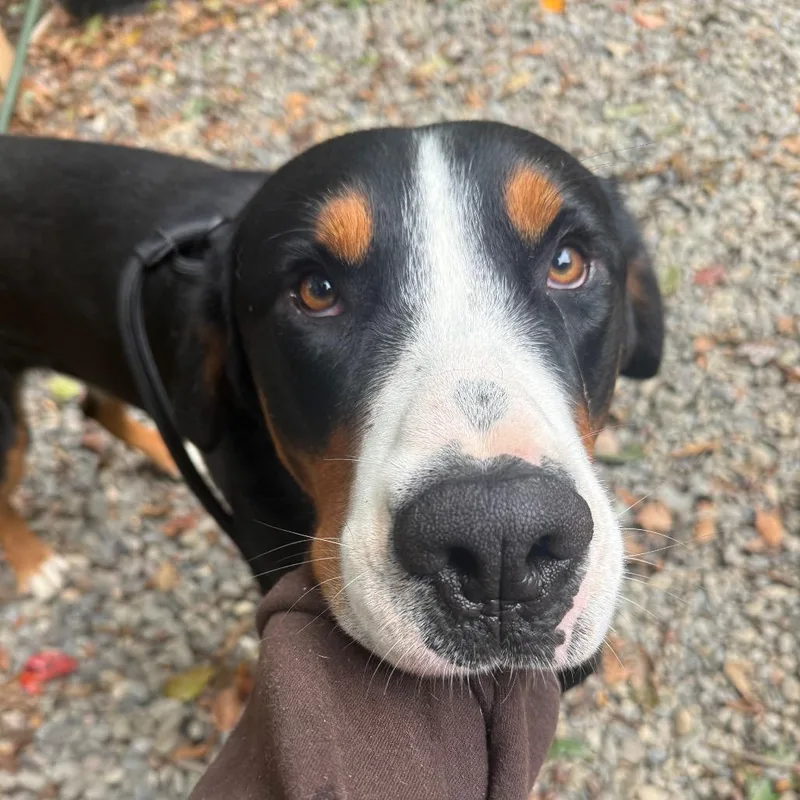
Swiss farmers once called this breed the poor man's horse, because a single Greater Swiss Mountain Dog could pull a milk cart, drive cattle to market and watch the farmyard. The largest of the four Swiss mountain breeds nearly vanished as machines replaced draft dogs, until enthusiasts revived it in the early 1900s. Swissies are heavy-boned and powerful, often weighing well over 100 pounds, with a dense black coat marked in rust and white.

Many Swissies are confident, faithful and gentle with their families, and alert enough to bark at anything unusual. They mature slowly, can be strong-willed and pull hard on the leash, so early training is essential. Their size brings real costs and health risks, including bloat and splenic torsion, along with a shorter lifespan than smaller dogs. Adopters with space, time and a taste for steady outdoor activity often find them devoted companions.

Weight
80–140 lbs
Height
23–29 in
Lifespan
8–11 yrs
Temperament
Loyal, Confident, Alert
Group
Working
Shedding
Moderate to High

Owning a Greater Swiss Mountain Dog in Tyler

Having a Greater Swiss Mountain Dog in Tyler

A Greater Swiss Mountain Dog brings a working farm dog's strength and vigilance to family life. Its size, slow maturity, seasonal shedding and specific health risks shape daily care far more than its calm, steady reputation suggests.

Temperament

Swissies tend to be bold, faithful and devoted, often gentle with their own people and watchful with strangers. Many bark to announce visitors. Some are strong-willed or dog-selective, particularly with dogs of the same sex, so socialization and patient, reward-based training matter from day one. Adolescence can last until two or three years old.

Exercise Needs

Most Swissies need moderate daily exercise such as long walks, hikes, play in a fenced yard or carting and draft work. Training games and sniffing outings supply mental stimulation. They are not built for long-distance running, and many struggle in heat, so exercise in cooler hours. Young dogs need gentle, regular activity while their joints mature.

Health Considerations

As a giant breed, the Swissy faces hip and elbow dysplasia, bloat and splenic torsion, a twisting of the spleen that needs emergency care. Epilepsy, eyelid and eyelash problems, hypothyroidism and urinary incontinence also occur. Many owners learn to recognize lick fits, episodes of frantic licking linked to stomach upset. Regular checkups and weight control help.

Living Space

A home with room to move and a securely fenced yard suits a Swissy best, though a calm adult can adapt to smaller spaces if exercised daily. Stairs, slick floors and tight corners can be hard on big joints. Expect lots of hair, a big tail sweeping coffee tables, and a dog that wants to live indoors with its people.

What it costs to own a Greater Swiss Mountain Dog

ExpenseTypical costPer year
Food$80 to $160 per month$960 to $1,920
Pet insurance$85 to $170 per month$1,020 to $2,040
Routine vet care$250 to $500 per year$250 to $500
Other*$690 to $1,890 per year$690 to $1,890
Estimated yearly total (after year one)$2,920 to $6,350

Other costs are national averages for Greater Swiss Mountain Dogs; we don't have costs specific to Tyler yet.

* Flea, tick and heartworm prevention at giant-dog doses, a dental cleaning allowance, a dog license, large bedding and toys, brushing for heavy seasonal shedding and joint supplements; license fees vary by city.

Adopt a Greater Swiss Mountain Dog in Tyler.

Now that you know more, let’s find you a new best friend. These rescues and shelters below currently have Greater Swiss Mountain Dogs available.

Rescues in Tyler with Greater Swiss Mountain Dogs Available

Here are the rescues & shelters in the Tyler area where you can find Greater Swiss Mountain Dogs and other dogs available for adoption.

Frequently Asked Questions

Yes, Greater Swiss Mountain Dogs shed, and often heavily. Their dense double coat drops hair year-round and sheds much more during seasonal coat changes, usually twice a year. Brushing several times a week, and daily during heavy sheds, keeps loose hair under control. Expect hair on floors and furniture, and plan for a good vacuum.

Yes, Greater Swiss Mountain Dogs can be very good family pets for households with space and time. Many are gentle, loyal and patient with their own children, and they enjoy being part of family activities. Their size, strength and slow maturity mean training and supervision are essential, especially around toddlers who can be knocked over during play.

Greater Swiss Mountain Dogs make good watchdogs, since many are alert, vigilant and bark deeply at unfamiliar people or sounds. Their size alone deters most visitors. They were bred as farm guardians and drovers rather than attack dogs, so most are protective without being aggressive. Socialization helps them distinguish real threats from everyday guests.

Yes, Greater Swiss Mountain Dogs can be excellent pets for owners prepared for a giant, strong-willed dog. Many are affectionate, steady and devoted to their families. The trade-offs include heavy shedding, a big food bill, a shorter lifespan and health risks like bloat. They also need early training so their strength stays manageable as they grow.

No, Greater Swiss Mountain Dogs are not hypoallergenic. Their double coat sheds heavily, especially in seasonal coat blows, spreading hair and dander throughout the home. No dog breed is truly allergen-free, and Swissies are a poor match for most allergy sufferers. Spending time with a particular dog before adopting helps you gauge your own reaction.

Yes, Greater Swiss Mountain Dogs are smart, capable working dogs that learn household routines and tasks well. They were bred to make decisions on the farm, so they can also be independent and stubborn. Training works best with patience, food rewards and consistency. They often excel at carting, drafting and obedience once motivated.

Greater Swiss Mountain Dogs drool very little compared with other large mountain breeds. Their breed standard describes them as dry-mouthed, with only slightly developed flews. Some may drip a bit after drinking, eating or in hot weather. Heavy, sudden drooling is unusual for the breed and can signal nausea, dental pain or bloat, so contact a veterinarian promptly.

Greater Swiss Mountain Dogs are giant dogs. Males stand about 25.5 to 28.5 inches at the shoulder and females about 23.5 to 27 inches. Most adults weigh roughly 80 to 140 pounds, with males usually much heavier. They are heavy-boned and slightly longer than tall, so they take up plenty of space in a car or room.

Greater Swiss Mountain Dogs typically live about 8 to 11 years, which is common for giant breeds but shorter than smaller dogs. Some breed surveys have reported even lower average ages. Keeping a Swissy lean, watching for bloat and splenic torsion, and maintaining regular checkups help support the healthiest possible life.

We have 1 rescue with Greater Swiss Mountain Dogs available: Nicholas Pet Haven. You can see every rescue with Greater Swiss Mountain Dogs available in the list above these questions, or scroll to the top to see the Greater Swiss Mountain Dogs near Tyler.