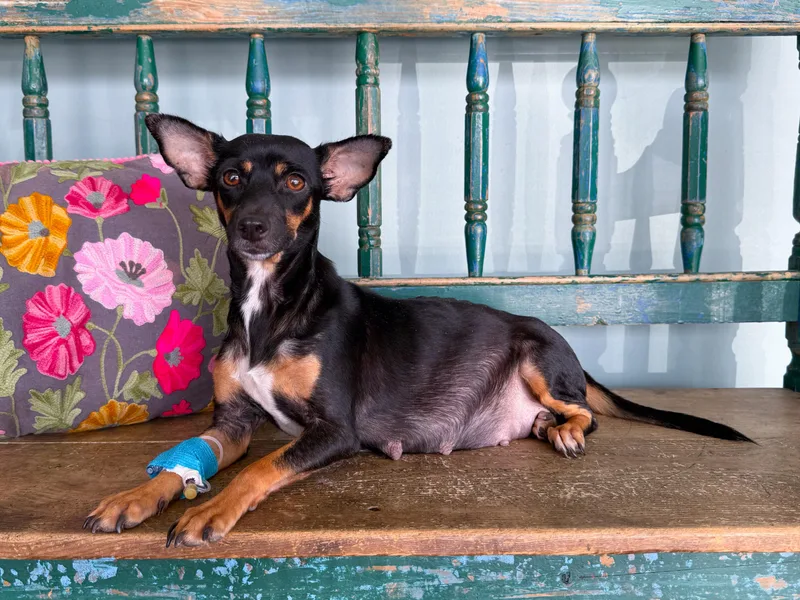
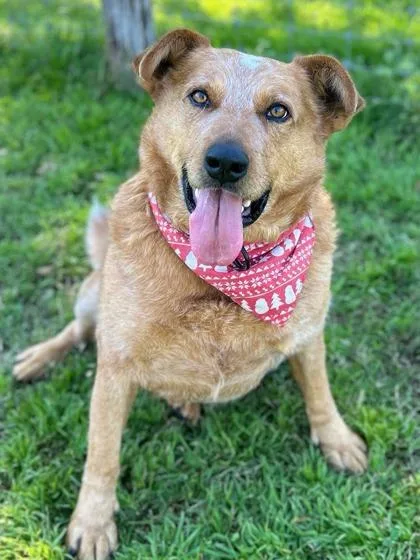
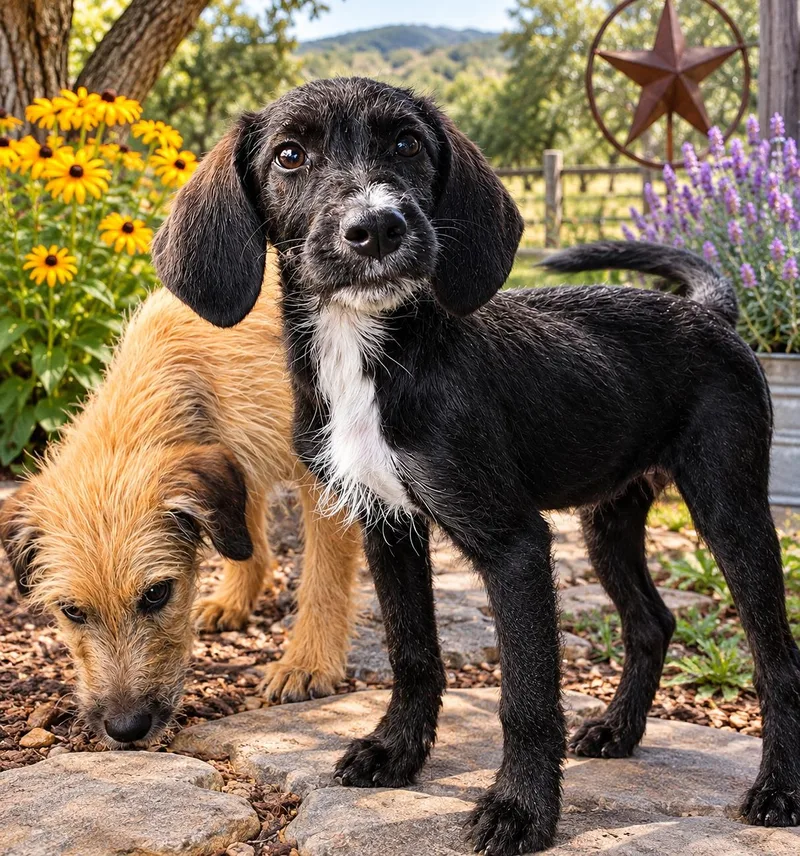
Black Labrador Retriever Dogs for Adoption in San Antonio, TX

Your guide to finding and caring for a Black Labrador Retriever in San Antonio

A black Lab fits San Antonio best when the day includes a long walk before the heat builds. In Stone Oak, a fenced yard gives a Lab room to run, and the trails at Phil Hardberger Park suit a dog that wants a real workout. Black coats soak up the Texas sun, so mornings and evenings become the Lab's outdoor hours. Most Labs want company, so a household that's home for a good part of the day is a natural match.

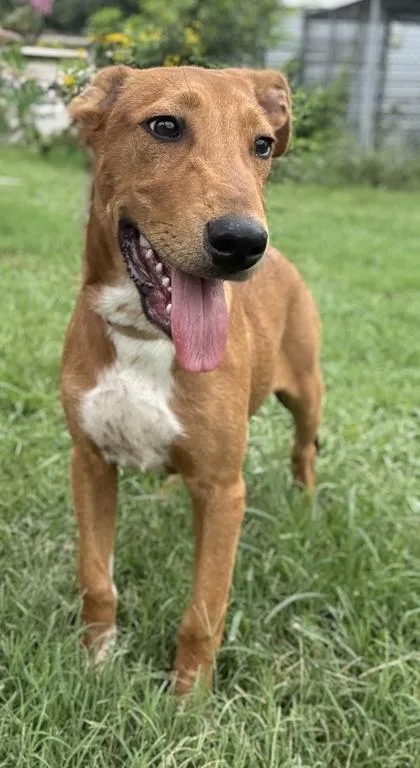
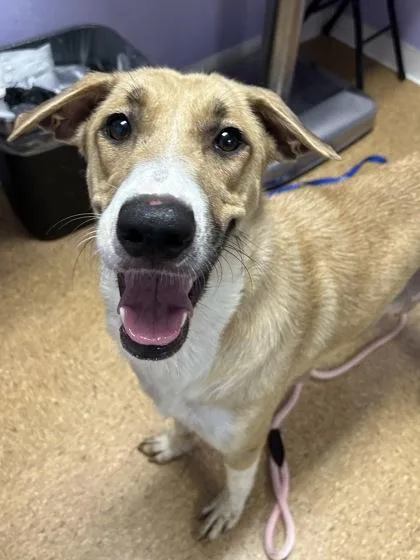
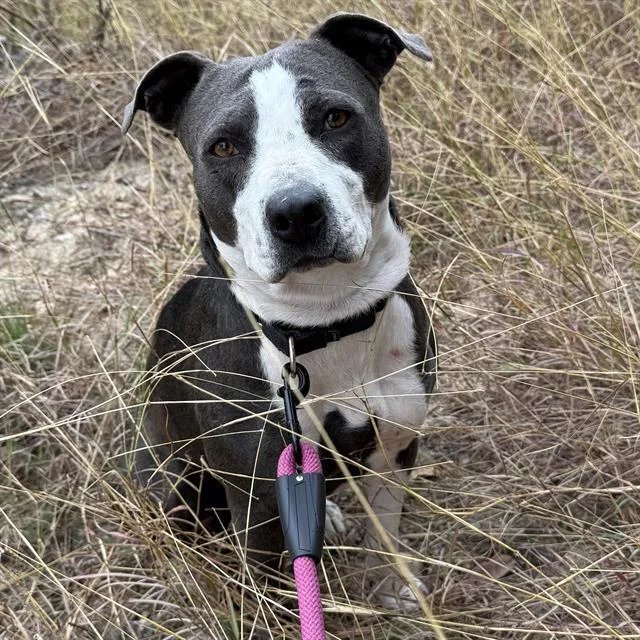
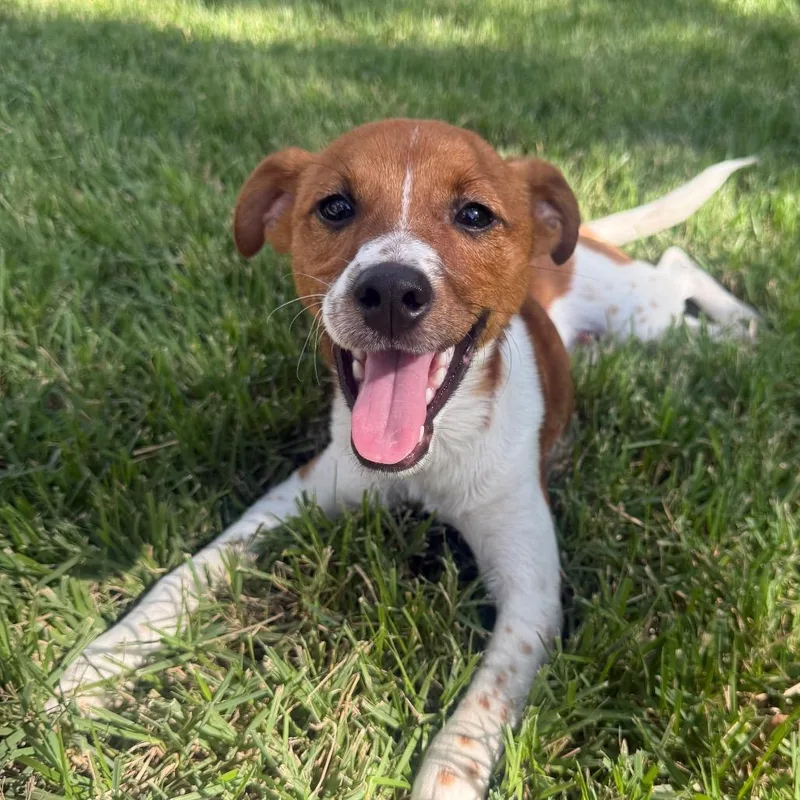
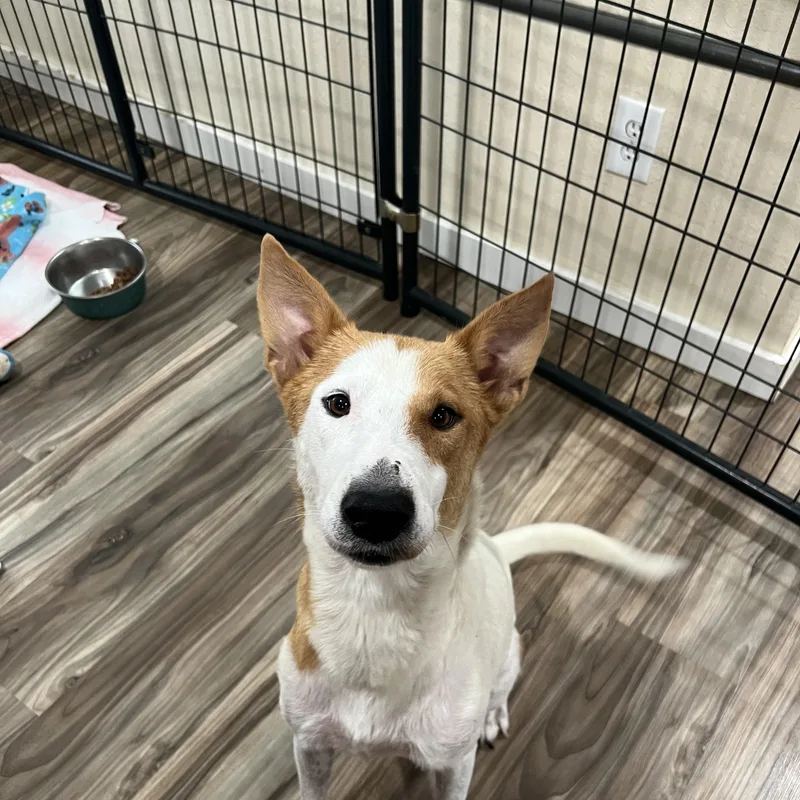
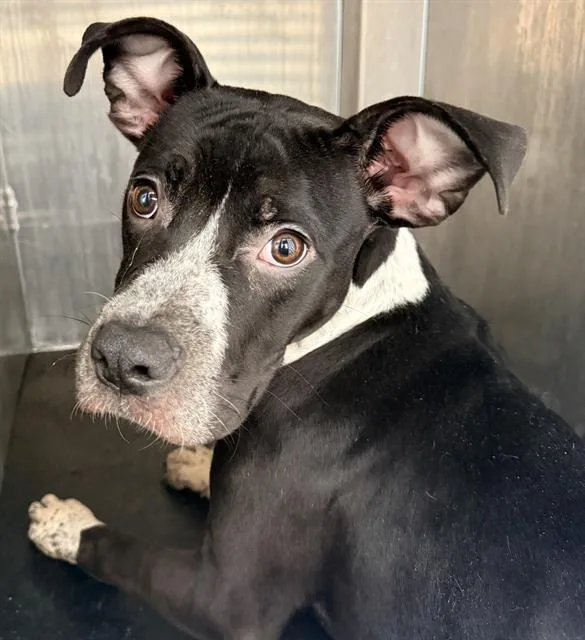
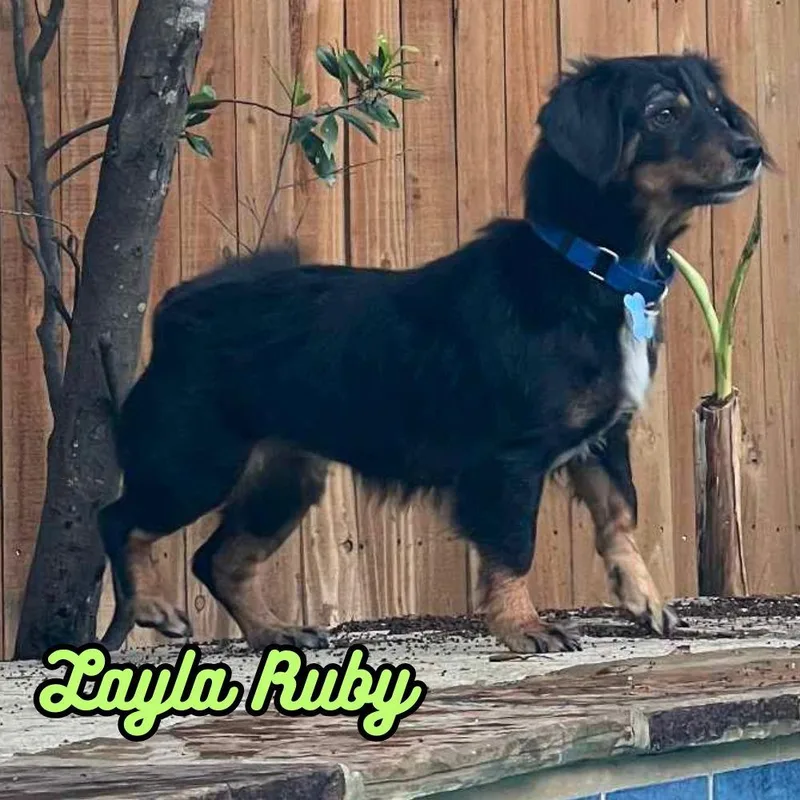
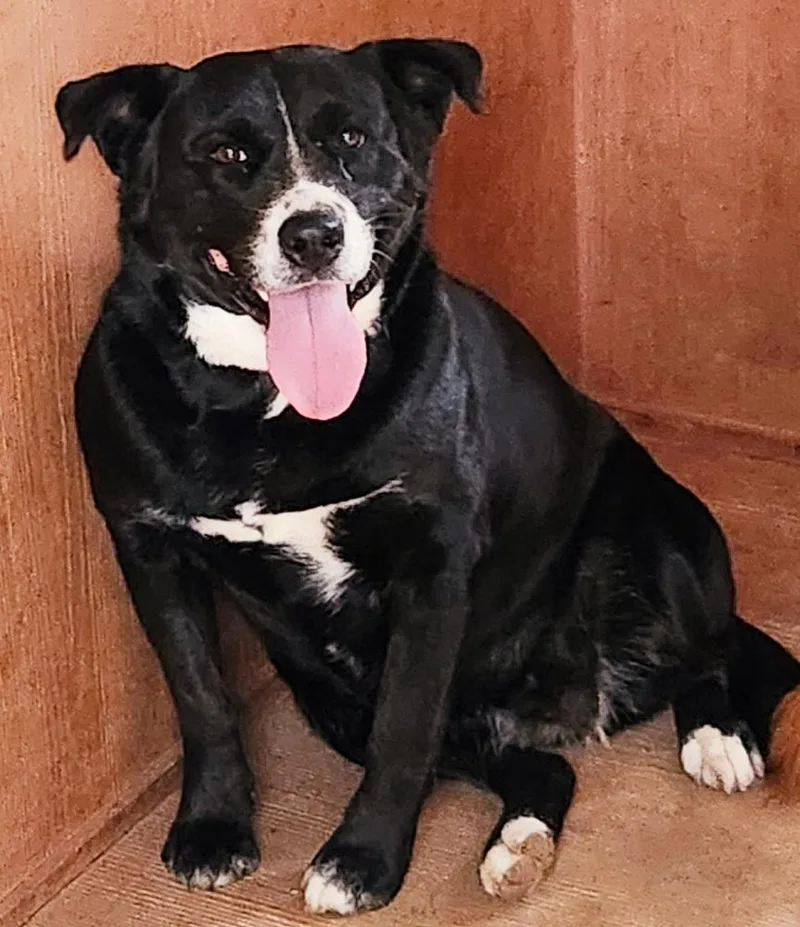
13 Black Labrador Retrievers available for adoption in San Antonio

Find your Black Labrador Retriever

Black Labrador Retrievers Available for Adoption in San Antonio

About the Black Labrador Retriever breed

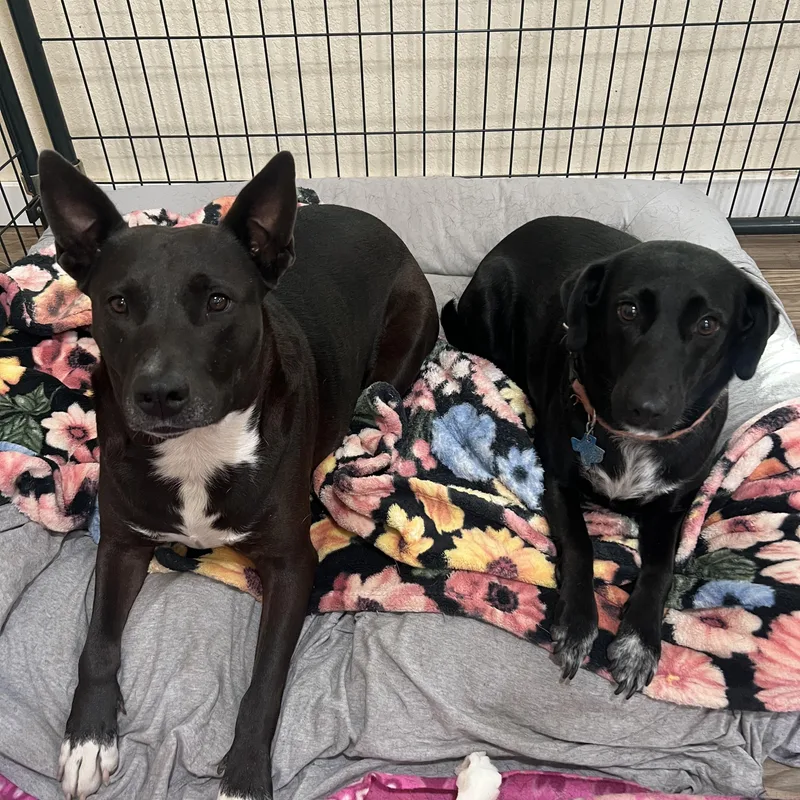
Black is the Lab's original color, not a separate breed. The breed descends from the St. John's water dogs of Newfoundland and was refined in Britain as a gun dog, which explains the otter tail, the dense water-resistant double coat and the love of retrieving. A small white chest spot is normal, and the muzzle grays with age.

That double coat sheds all year and heavily when seasons change, and the dark color holds heat, which matters in Texas. Expect a friendly, food-driven dog that matures slowly and needs consistent training and measured portions. Field-bred Labs are often leaner and more driven than show-bred ones, so energy levels vary from dog to dog.

Weight
55–80 lbs
Height
21–25 in
Lifespan
10–14 yrs
Temperament
Friendly, Outgoing, Active
Group
Sporting
Shedding
Moderate to High

Owning a Black Labrador Retriever in San Antonio

Having a Black Labrador Retriever in San Antonio

Black Labs pair steady stamina with a sociable streak, but in San Antonio the daily plan revolves around heat, shade and early outings. Age, background and drive vary from dog to dog, so match the Lab's energy to your routine.

Temperament

Black Labs tend to be friendly and eager to please, which suits a city of busy dog parks and shared sidewalks. Young dogs can be mouthy and bouncy, and many dislike long stretches alone. Food-based rewards make training easier. A Lab's history and socialization matter more than breed reputation or coat color.

Exercise Needs

A young adult Lab usually needs an hour or more of activity a day, split between early morning and evening in warm months. San Antonio has 21 city off-leash dog parks, and Phil Hardberger Park adds miles of trails. Greenway trails can be muddy or closed after heavy rain, so keep a backup route.

Health Considerations

Labs can face hip and elbow dysplasia, cruciate tears, exercise-induced collapse, ear infections and obesity. In San Antonio's long hot season, a dark-coated Lab is also at risk of heat stress, so learn the signs: heavy panting, drooling, vomiting and lethargy. A veterinarian can check the joints and set a healthy weight target.

Living Space

A Lab can do well in an apartment near the Medical Center or a house in Monte Vista, as long as daily exercise happens. A fenced yard helps but needs real shade, and the dog still needs cool indoor rest. Dark coats absorb heat. Expect shed hair and a sweeping tail.

What it costs to own a Black Labrador Retriever in San Antonio

ExpenseTypical costPer year
Adoption fee$150 to $600, one time$150 to $600 in year one
Food$55 to $110 per month$660 to $1,320
Pet insurance$65 to $130 per month$780 to $1,560
Routine vet care$250 to $500 per year$250 to $500
Other*$575 to $1,450 per year$575 to $1,450
Estimated yearly total (after year one)$2,265 to $4,830
First-year total (with adoption fee)$2,415 to $5,430

Adoption fee is the range of fees on Black Labrador Retriever listings in San Antonio on GetBuddy today. Other costs are estimates and vary with size, age and health.

* Flea, tick and heartworm prevention, a dental cleaning allowance, toys and bedding, and brushing and baths for heavy shedding, with no annual San Antonio dog license fee.

Adopt a Black Labrador Retriever in San Antonio.

Now that you know more, let’s find you a new best friend. These rescues and shelters below currently have Black Labrador Retrievers available.

Rescues in San Antonio with Black Labrador Retrievers Available

San Antonio's city shelter and nonprofit rescues include spay/neuter, vaccines and a microchip in their adoption fees. Here are the rescues & shelters in the San Antonio area where you can find Black Labrador Retrievers and other dogs available for adoption.

Frequently Asked Questions

Yes, with planning. Black Labs can handle San Antonio summers, but the season is long and nights stay warm. Dark coats absorb heat, so exercise at dawn or after dark, carry water, and keep the Lab indoors on heat advisory days. Local law requires shade for any outdoor pet, and a parked car is never a safe place.

Usually not. VIA is a bus system with no rail, and pets may ride only in an enclosed carrier. Only service animals ride without one. A full-grown Lab at 55 to 80 pounds won't fit a carrier, so plan on walking to nearby errands or driving to farther destinations.

Phil Hardberger Park is a strong start, with two off-leash dog parks and miles of trails. City dog parks allow two dogs per handler and require dogs to be four months or older and fully vaccinated. Greenway trails are open sunrise to sunset, and the mission grounds welcome leashed dogs but not inside the churches.

Yes. San Antonio has no breed bans, and Texas law only lets cities add dangerous-dog rules that aren't breed-specific. You'll need to microchip and register the dog, put an ID tag on it outdoors, and have rabies shots done by 16 weeks. The household limit is five dogs without an excess animal permit.

Yes, if the exercise gets done. A Lab won't mind smaller quarters when it gets vigorous daily outings and company, though boredom shows up as chewing and barking. In summer, a balcony is too hot for long stretches, so early and late walks matter. Confirm any weight limit in your lease before applying.

Sometimes, on outdoor patios only. Texas law lets a restaurant choose to allow dogs in outdoor dining areas if the dog is leashed, enters directly from outside and stays off seats and tables. Dogs are never allowed inside. Many River Walk patios welcome dogs, but each business sets its own policy, so look for a posted sign.

Plan on weekly brushing most of the year and daily brushing during heavy sheds, often in spring and fall. Baths are only occasional. Don't shave the double coat, since it helps protect against sun and heat. Home brushing costs little, and occasional baths fall under the yearly Other costs. Check paw pads after hot pavement.

It can be, if you're active and can exercise early or late in the day. The city's dog parks, greenways and mild winters give Labs plenty of outlets, and most enjoy company. Labs vary, but it's a tougher fit for homes that are empty for long hours or can't offer shade and cool indoor rest in summer.

We have 8 rescues with Black Labrador Retrievers available, including Helotes Humane Society, Footbridge Foundation and Tejas Rescued Pet Adoptions. You can see every rescue with Black Labrador Retrievers available in the list above these questions, or scroll to the top to see the Black Labrador Retrievers in San Antonio.

A black Lab in San Antonio typically costs about $55–$110 a month for food and $65–$130 a month for insurance, plus $250–$500 a year for routine vet care and $575–$1,450 a year for other costs. Together that's roughly $2,265–$4,830 a year, with no annual city license fee.