Nova Scotia Duck Tolling Retriever Dogs for Adoption in Mission, TX

Your guide to finding and caring for a Nova Scotia Duck Tolling Retriever in Mission

575 dogs similar to Nova Scotia Duck Tolling Retriever available in Mission and nationwide

Your Toller is waiting

While we don't have enough dogs near Mission, keep in mind that many rescues may offer transport.

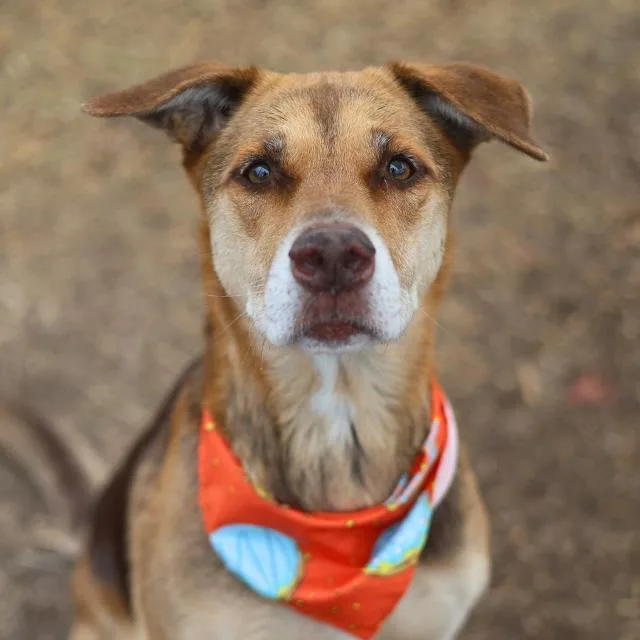
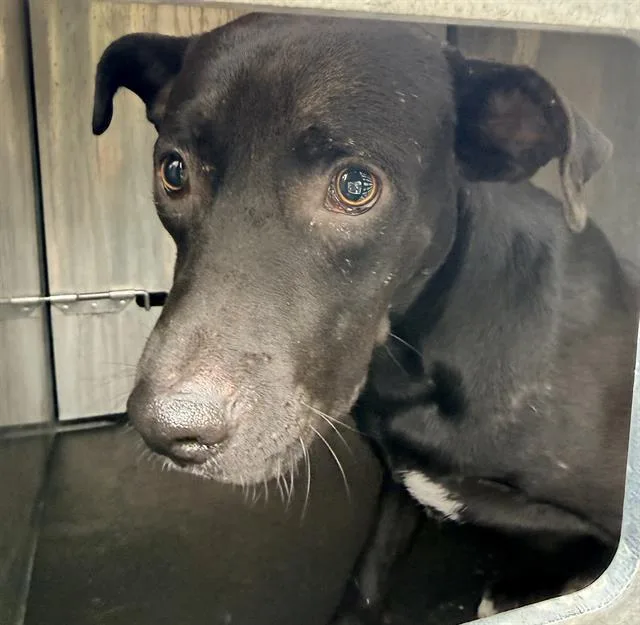
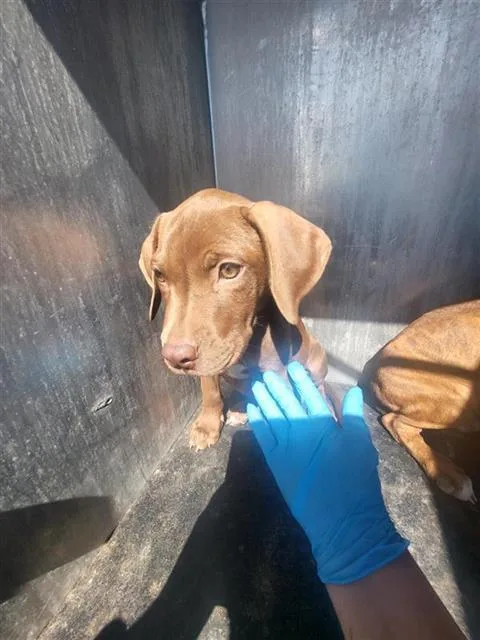
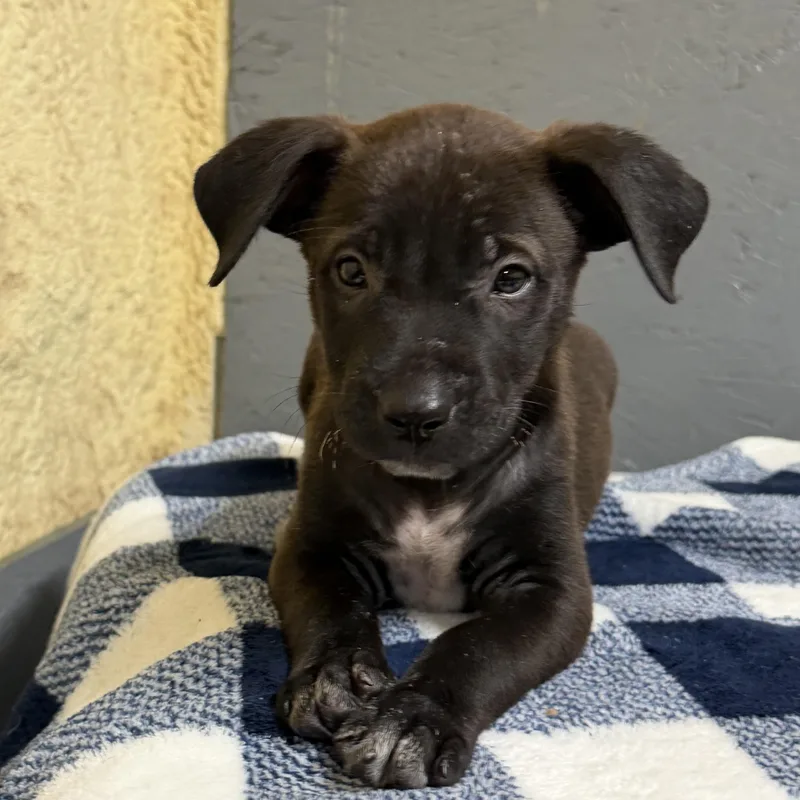
Nova Scotia Duck Tolling Retrievers and Similar Breeds Available for Adoption Near Mission

About the Nova Scotia Duck Tolling Retriever breed

The smallest of the retrievers comes from Yarmouth County, Nova Scotia, where hunters used it to lure ducks within range by romping along the shoreline, a technique called tolling, then retrieve the birds from cold water. Tollers are compact, agile medium-sized dogs with a water-repellent double coat in shades of red, usually with white on the chest, feet, tail tip or face, and a heavily feathered tail.

Many Tollers are bright, playful and intensely focused on work, with a near-endless desire to retrieve. They are affectionate with family but can be reserved with strangers, and they are known for the toller scream, a high-pitched sound of excitement. This is a demanding companion that needs daily vigorous exercise, training and a job to do, and it rewards active adopters who enjoy dog sports, swimming or hiking.

Weight
35–50 lbs
Height
17–21 in
Lifespan
12–14 yrs
Temperament
Energetic, Intelligent, Playful, Alert
Group
Sporting
Shedding
Moderate to High

Owning a Nova Scotia Duck Tolling Retriever in Mission

Having a Nova Scotia Duck Tolling Retriever in Mission

A Toller pairs a retriever's drive with the quick wits and stamina of a working dog in a mid-sized, weatherproof body. Its energy, voice, shedding and a few breed-linked health conditions shape whether it suits an adopter's lifestyle and experience.

Temperament

Tollers tend to be lively, affectionate and eager to play with their families, and many are patient with respectful children. They can be cautious or reserved in new situations without being shy. Their alertness and vocal excitement, including the famous scream, surprise some owners. Individual dogs vary, so an adult's history with guests and other animals helps.

Exercise Needs

Most Tollers need vigorous daily exercise such as running, swimming, long fetch sessions or hiking, plus training that engages their minds. Dog sports like agility, dock diving, obedience and field work suit them well. Without enough outlets, many become noisy, restless or destructive. Their stamina usually lasts well into middle age.

Health Considerations

The breed has a documented predisposition to autoimmune conditions, including hypothyroidism, Addison's disease and immune-mediated inflammatory problems, along with progressive retinal atrophy and some inherited eye and neurological conditions. Many are healthy, but have a veterinarian check the hips and eyes. Report lethargy, joint pain or appetite changes to a veterinarian promptly.

Living Space

A Toller fits a house with a fenced yard and an active family best, though a dedicated owner in a smaller home can meet its needs with long daily outings. Space matters less than exercise and training. Their voice can be an issue in shared walls, and their coat leaves red hair on floors and furniture.

What it costs to own a Nova Scotia Duck Tolling Retriever

ExpenseTypical costPer year
Food$35 to $70 per month$420 to $840
Pet insurance$55 to $100 per month$660 to $1,200
Routine vet care$225 to $450 per year$225 to $450
Other*$540 to $1,390 per year$540 to $1,390
Estimated yearly total (after year one)$1,845 to $3,880

Other costs are national averages for Nova Scotia Duck Tolling Retrievers; we don't have costs specific to Mission yet.

* Flea, tick and heartworm prevention, a dental cleaning allowance, a dog license, toys, bedding and retrieving gear, and regular brushing for a double coat that sheds heavily in season.

Adopt a Nova Scotia Duck Tolling Retriever in Mission.

Now that you know more, let’s find you a new best friend. These rescues and shelters below currently have Nova Scotia Duck Tolling Retrievers available.

Rescues in Mission with Nova Scotia Duck Tolling Retrievers Available

Here are the rescues & shelters in the Mission area where you can find Nova Scotia Duck Tolling Retrievers and other dogs available for adoption.

Frequently Asked Questions

A Toller is the common nickname for the Nova Scotia Duck Tolling Retriever, a medium-sized sporting dog from Nova Scotia, Canada. It is the smallest retriever, with a red, water-repellent double coat and usually some white markings. Tollers are energetic, smart and playful, bred both to lure ducks toward hunters and to retrieve them from water.

Duck tolling is a hunting technique in which a dog plays along the shoreline, usually chasing a stick or ball thrown by a hidden hunter. The dog's lively movement and white-tipped tail draw curious ducks and geese closer to investigate. Once the birds come within range, the hunter shoots, and the dog then retrieves them from the water.

Yes, Nova Scotia Duck Tolling Retrievers shed quite a bit. Their double coat drops hair year-round and sheds heavily during seasonal coat changes, often once or twice a year, when the soft undercoat comes out in tufts. Brushing several times a week, and daily during shedding season, keeps it manageable. Red hair shows on most floors and furniture.

To adopt a Toller, check the Tollers and the shelters and rescues listed on this page. Tollers are uncommon in shelters, so set alerts and be patient. Expect an application, a home visit and an adoption fee, often around $150 to $500. Retriever and sporting dog rescues may list Toller mixes.

Nova Scotia Duck Tolling Retrievers are medium-sized dogs, standing about 17 to 21 inches at the shoulder. Most weigh between 35 and 50 pounds, with males usually larger and heavier than females. They are compact and muscular, slightly longer than tall, and noticeably smaller than Golden or Labrador Retrievers despite a similar retrieving purpose.

No, Nova Scotia Duck Tolling Retrievers are not hypoallergenic. Their dense double coat sheds steadily and heavily in season, spreading dander and hair around the home. No dog is completely allergen-free, since proteins in skin flakes and saliva cause reactions. People with allergies should spend time with a Toller before adopting to see how they respond.

Many Tollers are affectionate and enjoy cuddling with their family after a day of activity, though they are generally less clingy than some companion breeds. Their energy means they often want to play before they settle. Some are reserved with strangers but very loving at home. A tired, exercised Toller is far more likely to curl up beside you.

Tollers can be good family dogs for active households, and the breed standard describes them as affectionate and patient with children. They thrive with families who exercise them daily and involve them in activities. Their energy, mouthiness when young and vocal excitement can overwhelm very young kids. Supervision and training help, and an adult's known history is valuable.

Yes, Nova Scotia Duck Tolling Retrievers are fairly uncommon in the United States, though they have grown more popular since American Kennel Club recognition. They rank around the middle of AKC popularity lists but are rarely seen in shelters. Toller-specific rescue programs and retriever rescues are the best places to look, and mixes sometimes appear.

We have 1 rescue with Nova Scotia Duck Tolling Retrievers available: Cinderella Pet Rescue, Inc.. You can see every rescue with Nova Scotia Duck Tolling Retrievers available in the list above these questions.