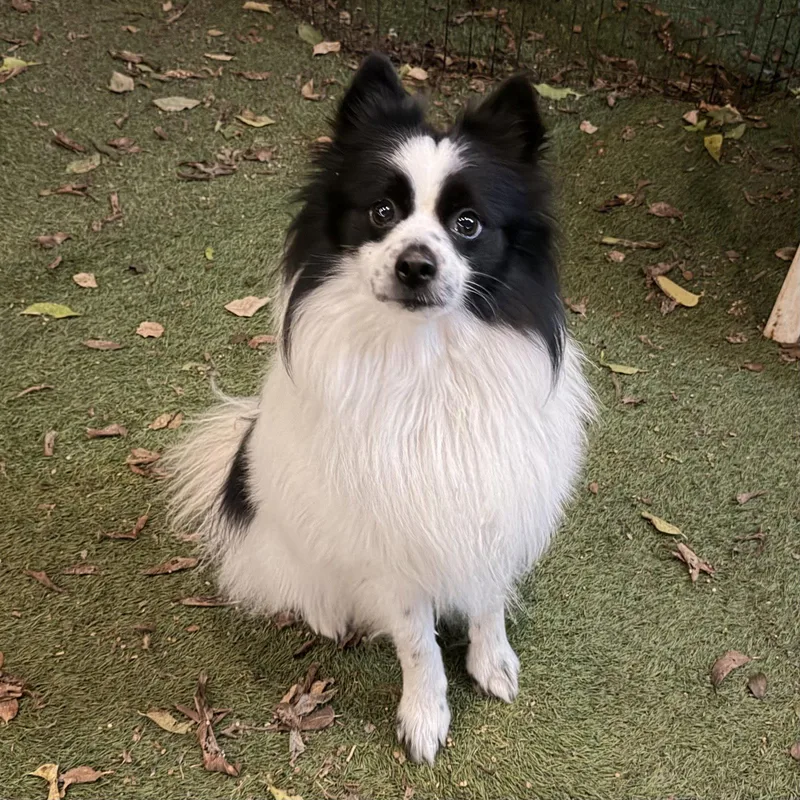
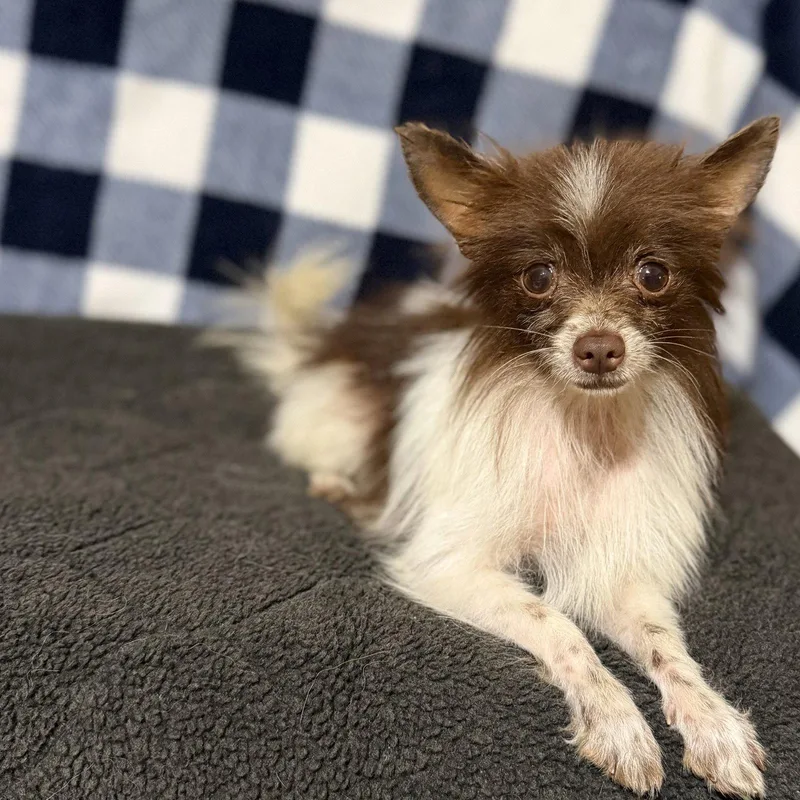
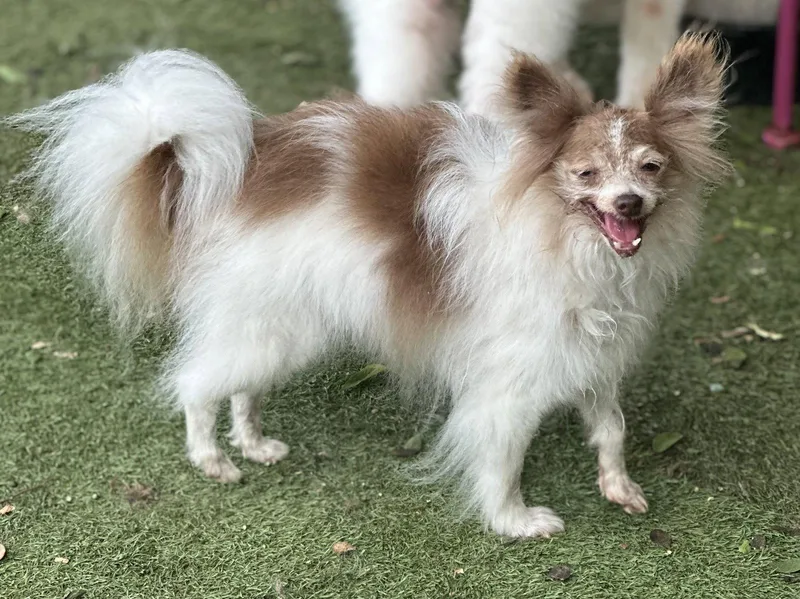
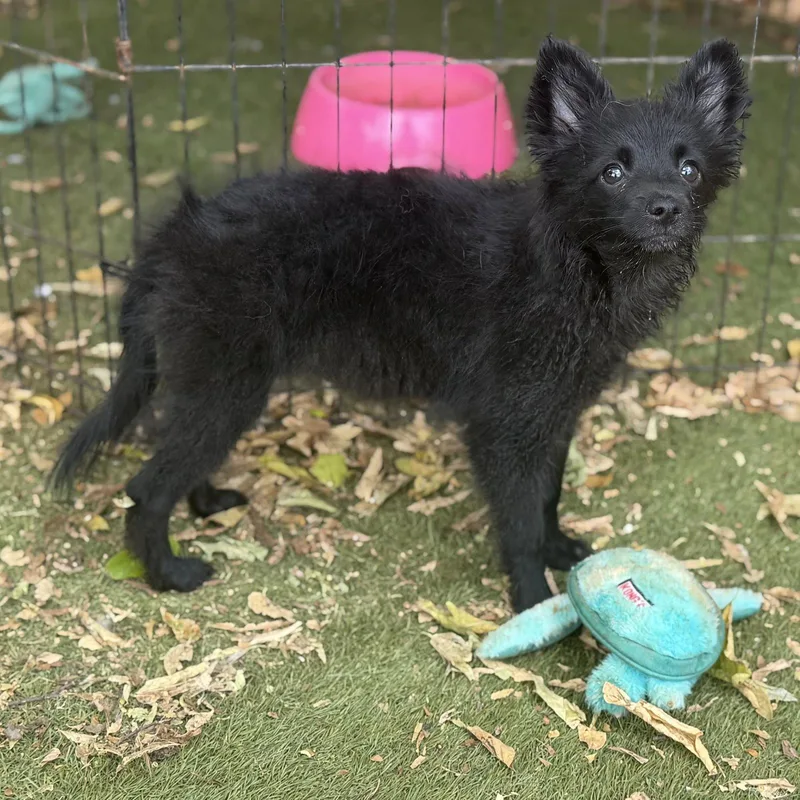
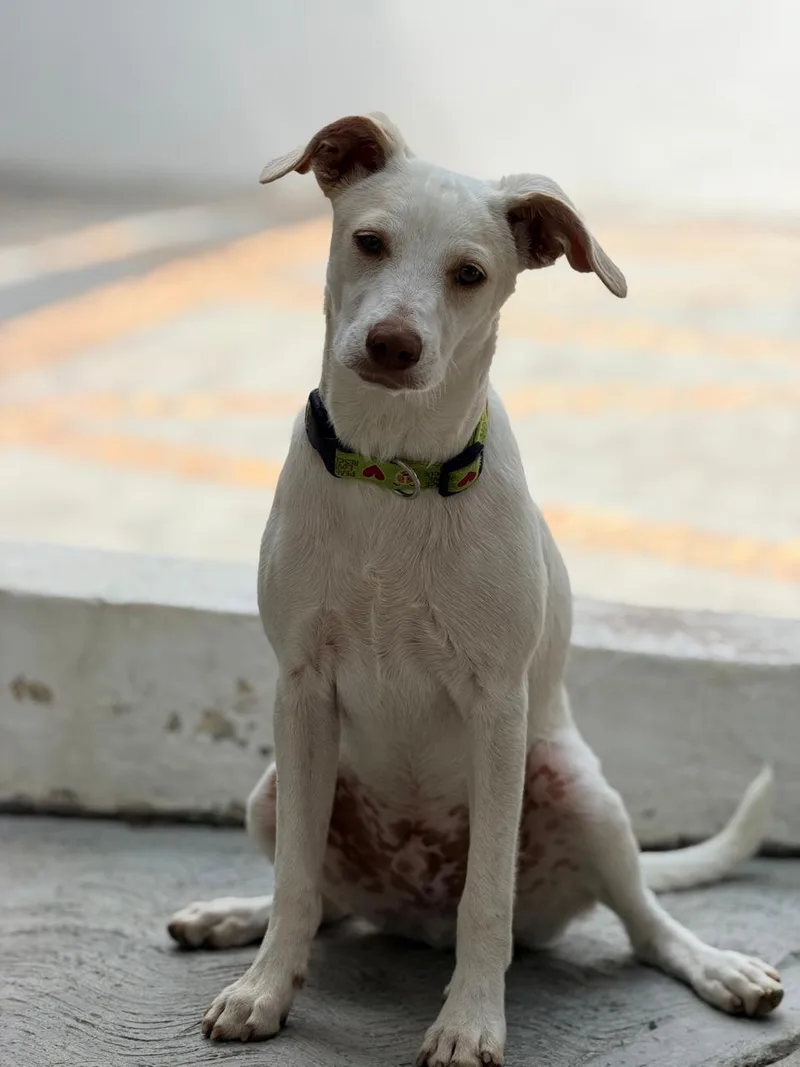
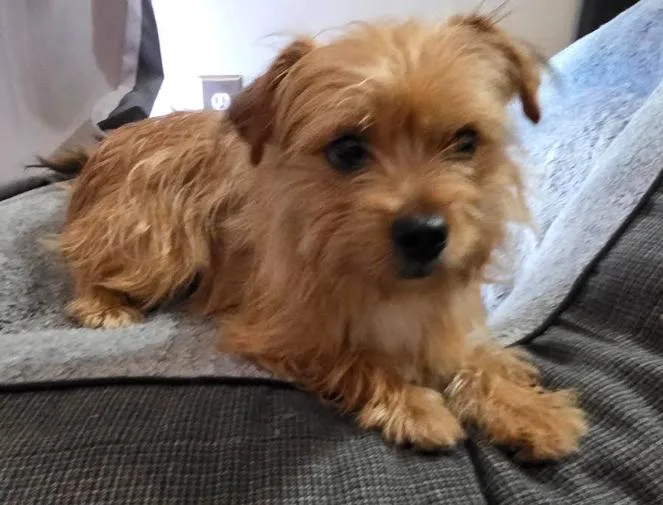
Pomeranian dog

Pomeranian Dogs for Adoption in Manvel, TX

Your guide to finding and caring for a Pomeranian in Manvel

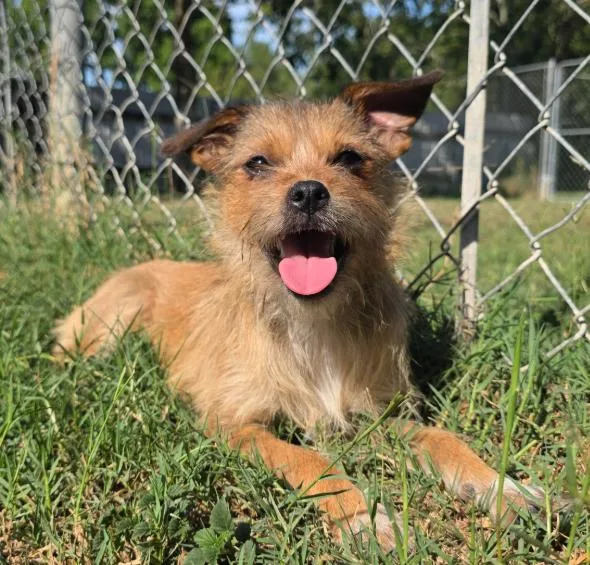
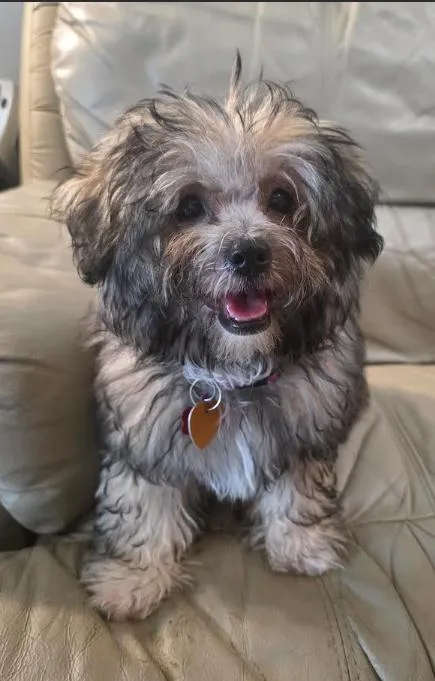
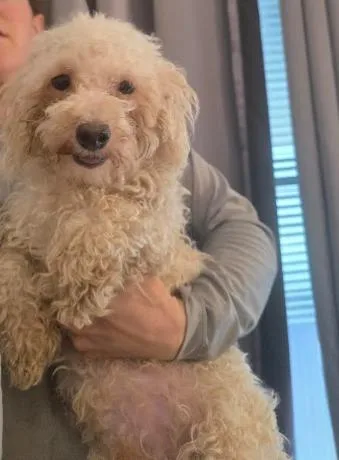
469 Pomeranians available in Manvel and nationwide

Bring home a Pomeranian

While we don't have enough dogs near Manvel, keep in mind that many rescues may offer transport.

Pomeranians Available for Adoption Near Manvel

About the Pomeranian breed

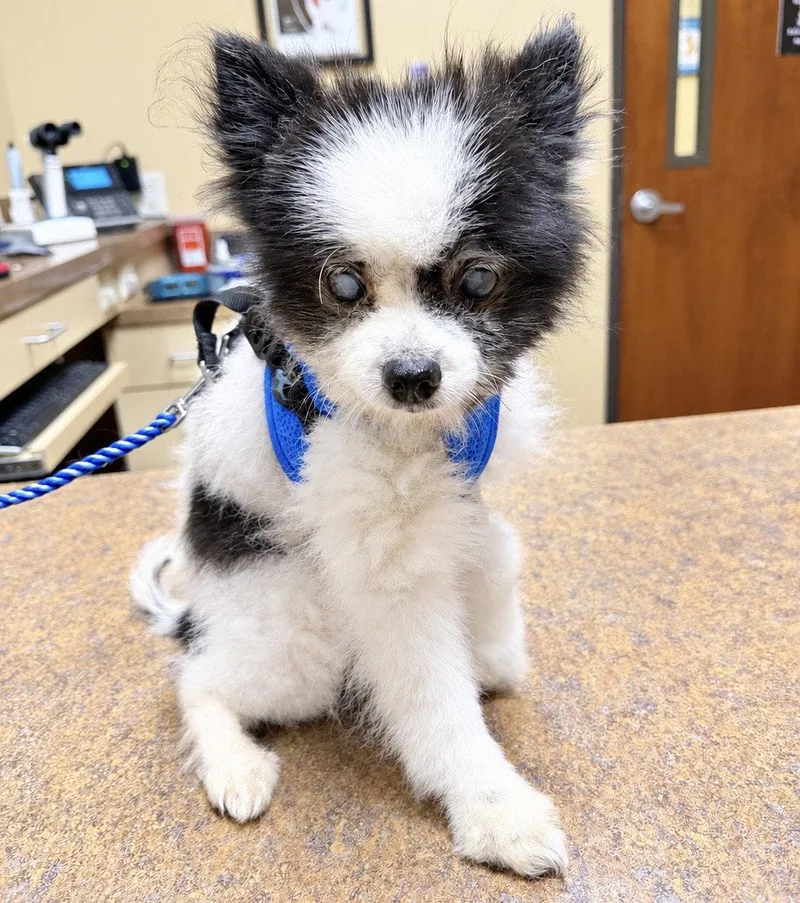
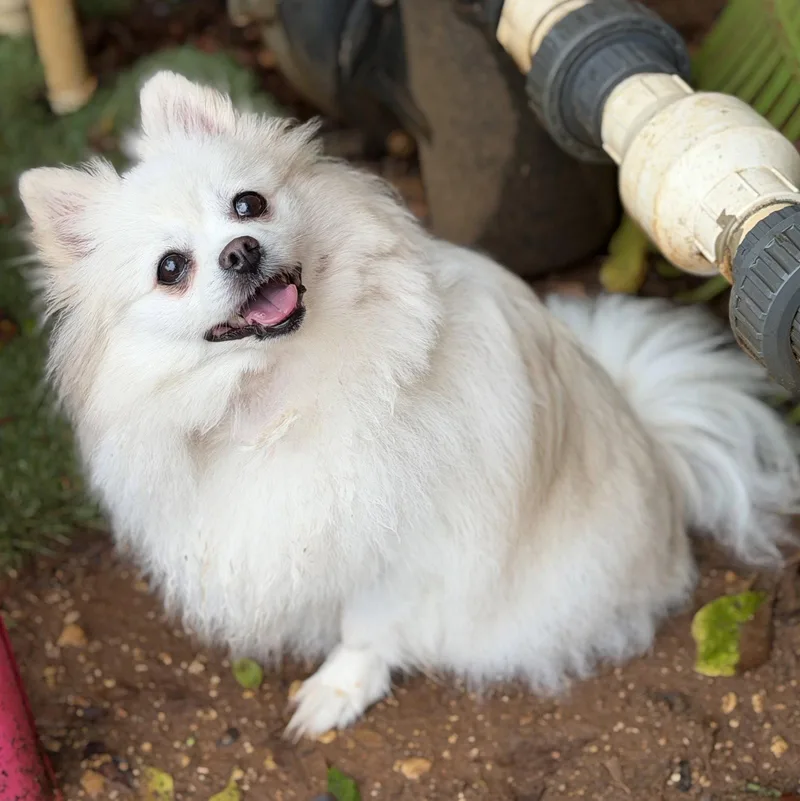
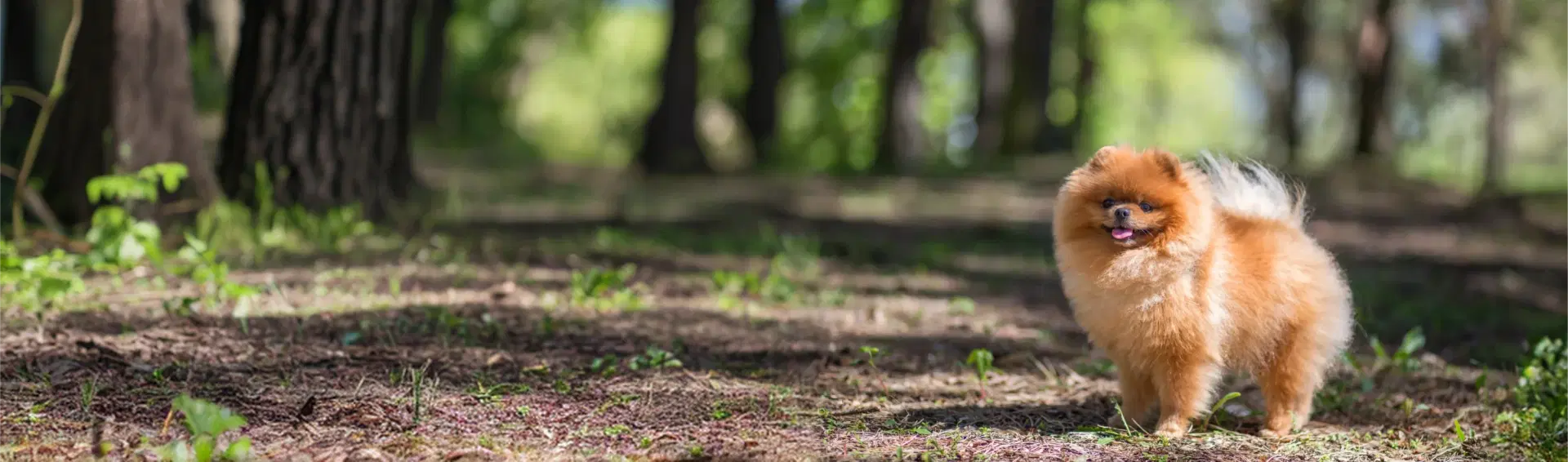
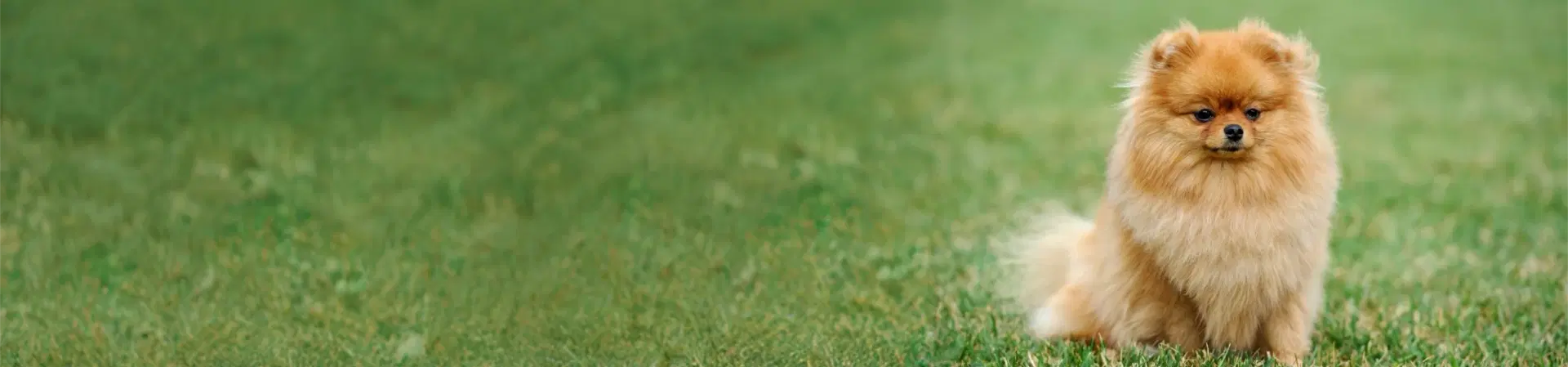
Few toy dogs carry as much coat or personality per pound as the Pomeranian. Descended from larger German Spitz dogs and named for the Baltic region of Pomerania, the breed shrank dramatically in Victorian England after Queen Victoria championed small, colorful Poms. Today's dog weighs only a few pounds under a standoff double coat, with a plumed tail over the back, small pricked ears and an alert, foxy face.

Many Pomeranians are bold, curious and convinced they are much bigger than they are. They tend to bond closely with their people, sound the alarm at every noise and enjoy learning tricks. Those traits suit adults and older children who handle a small dog gently. Prospective adopters should plan for regular brushing, dental care, barking management and protection from falls, rough play and larger dogs.

Weight
3–7 lbs
Height
6–11 in
Lifespan
12–16 yrs
Temperament
Lively, Alert, Curious, Bold
Group
Toy
Shedding
Moderate to High

Owning a Pomeranian in Manvel

Having a Pomeranian in Manvel

A Pomeranian packs a big, watchful personality and a remarkable double coat into a fragile frame. Understanding its barking, grooming, dental and joint needs helps adopters decide whether a lively toy companion fits their household and routine.

Temperament

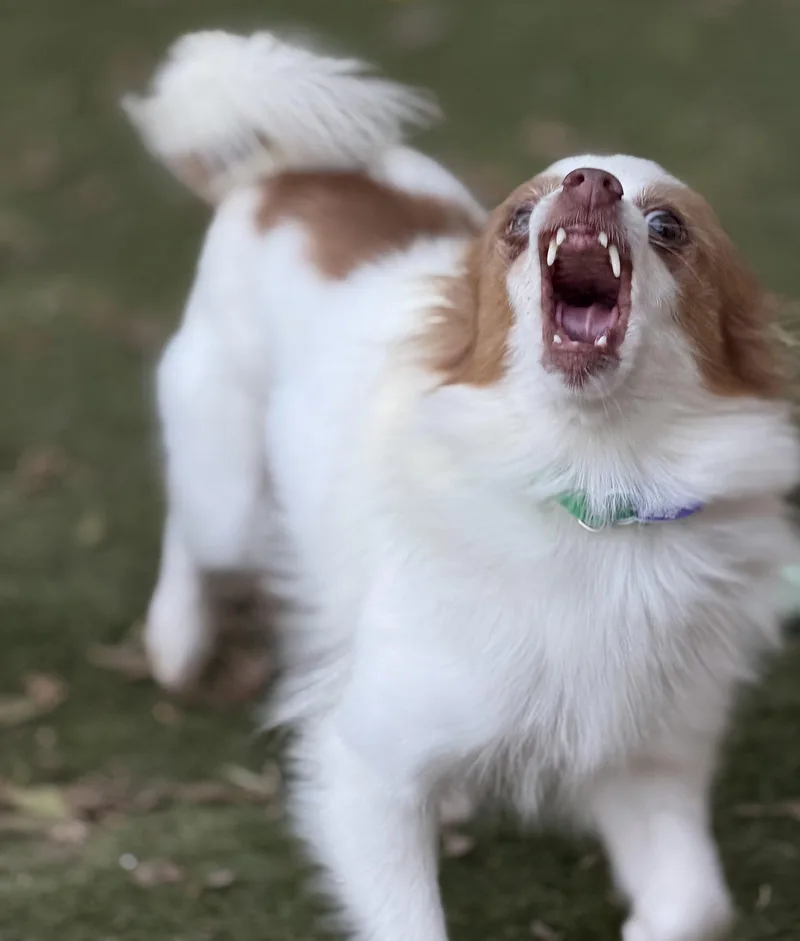
Pomeranians tend to be extroverted, inquisitive and confident, often acting like much larger dogs. Many are affectionate shadows to a favorite person and quick to bark at visitors or sounds. Some are bossy with bigger dogs or snappy when handled roughly. Gentle socialization and reward-based training help, and an individual Pom's history matters more than breed stereotypes.
Exercise Needs

Most Pomeranians are active indoors and need daily short walks plus play sessions to burn energy. They enjoy learning tricks, puzzle toys and even agility, which provide mental exercise as well. Use a harness instead of a neck collar to protect the trachea, avoid hot weather, and discourage jumping off high furniture to spare their small joints.

Health Considerations

Pomeranians are prone to luxating kneecaps, collapsing trachea and dental disease, which is common in toy breeds. Some develop alopecia X, a coat-loss condition, and others have heart, liver or eye problems. Daily tooth brushing and a lean weight help prevent issues. Plan regular checkups and dental cleanings.

Living Space

A Pomeranian can be well suited to apartments and small homes because its exercise needs are modest and easily met indoors. Barking is the main consideration with close neighbors, so training matters. Households need to watch for open doors, stairs and high furniture, and homes with toddlers or large rough dogs require careful supervision.

What it costs to own a Pomeranian

ExpenseTypical costPer year
Food$15 to $35 per month$180 to $420
Pet insurance$35 to $70 per month$420 to $840
Routine vet care$200 to $400 per year$200 to $400
Other*$590 to $1,440 per year$590 to $1,440
Estimated yearly total (after year one)$1,390 to $3,100

Other costs are national averages for Pomeranians; we don't have costs specific to Manvel yet.

* Flea, tick and heartworm prevention, a higher dental allowance for a toy breed, a dog license, toys and bedding, and regular brushing and baths for a heavy double coat; license fees vary by city.

Pomeranian dog

Adopt a Pomeranian in Manvel.

Now that you know more, let’s find you a new best friend. These rescues and shelters below currently have Pomeranians available.

Rescues in Manvel with Pomeranians Available

Here are the rescues & shelters in the Manvel area where you can find Pomeranians and other dogs available for adoption.

Frequently Asked Questions

Pomeranians come from the Pomerania region along the Baltic Sea, now part of northern Poland and northeastern Germany, where its larger German Spitz ancestors developed. The breed as we know it was shaped in England, where royals including Queen Charlotte and Queen Victoria kept them in the 1700s and 1800s and the dogs grew steadily smaller. The first English breed club formed in 1891.

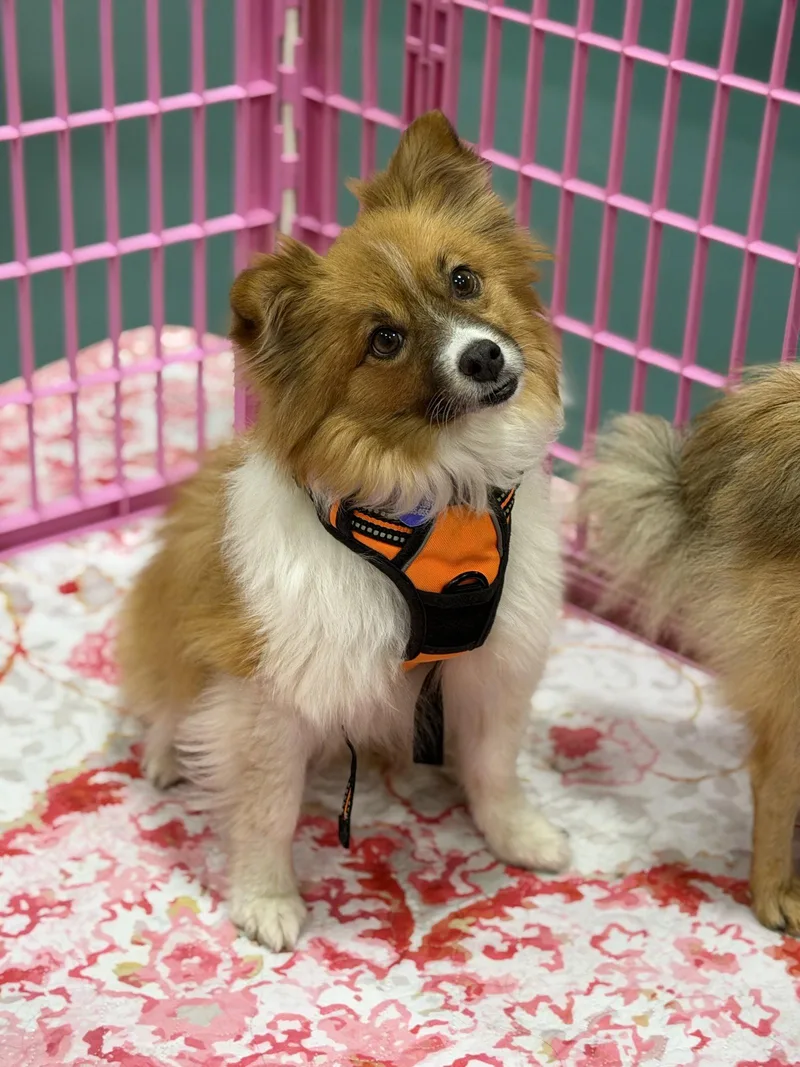
A Pomeranian is a tiny, compact dog with a short back, a wedge-shaped head and a fox-like face with small pricked ears and bright almond eyes. Its signature feature is an abundant double coat that stands away from the body, forming a ruff around the neck and a plumed tail carried flat over the back. Poms come in many colors and patterns.

A Pomeranian is a toy dog of the spitz family, descended from larger German Spitz dogs and named after the Pomerania region. It weighs about 3 to 7 pounds and belongs to the AKC Toy Group. Poms are known for their fluffy double coat, foxy expression and lively, confident personality, and they have been popular companions for well over a century.

Pomeranians were originally bred down from larger spitz dogs to be companions. Their bigger spitz ancestors worked as herders, sled dogs and watchdogs in northern Europe, but by the time the breed was refined in England during the 1700s and 1800s, its main job was keeping company with owners, including several royals. Their alertness still makes them keen little watchdogs.

Pomeranians are known for their huge fluffy coats, fox-like faces and bold, outgoing personalities in a tiny body. They are also known for being vocal watchdogs, quick learners of tricks and devoted companions. Their royal history, especially Queen Victoria's love of the breed, helped make them famous, and they have long ranked among the most popular toy breeds in America.

Pomeranians are generally smart dogs that learn quickly, and the breed standard describes them as having great intelligence. Many pick up tricks, routines and games with ease and do well in obedience and agility. They can also be stubborn or learn bad habits, such as barking for attention, just as fast. Short, upbeat, reward-based training sessions work best.

Pomeranian dogs are usually lively, curious and confident, with big-dog attitudes in tiny bodies. Many are affectionate and enjoy being close to their people while also being independent enough to entertain themselves. They tend to be alert and vocal, quick to announce visitors. Individual personalities vary, so meeting a specific Pom tells you more than general breed traits.

Pomeranian means from Pomerania, the historical region on the southern Baltic coast now split between Poland and Germany. The breed was named for the area credited with developing the original Pomeranian type of spitz dog. The name was in use in England by the 1760s, and today the breed is often affectionately shortened to Pom.

Pomeranians stay small, usually weighing about 3 to 7 pounds and standing around 6 to 11 inches tall at the shoulder. Their thick coat makes them look larger than they are. Some pet Pomeranians grow bigger than the breed standard, reaching 8 to 12 pounds or more, especially those with larger ancestors. A veterinarian can tell you whether an individual dog is a healthy weight.

We have 1 rescue with Pomeranians available: Recycled Dogs Rescue. You can see every rescue with Pomeranians available in the list above these questions, or scroll to the top to see the Pomeranians near Manvel.

Find Pomeranians in Nearby Cities

Expand your search to find Pomeranians available for adoption near Manvel.