Curly-Coated Retriever Dogs for Adoption in Houston, TX

Your guide to finding and caring for a Curly-Coated Retriever in Houston

A Curly-Coated Retriever suits Houston best when its person can walk a long way every day. This tall, athletic dog needs more than a lap around the block, so Lawndale Park's dog park, which connects to the Brays Bayou trail, gives it off-leash time and a long leashed walk. In Oak Forest, T.C. Jester Park has a 31,000-square-foot big-dog run. Curlies are rare, so watch the listings on this page. Summer mornings are the time to get miles in.

15109 dogs similar to Curly-Coated Retriever available in Houston and nationwide

Bring home a Curly-Coated Retriever

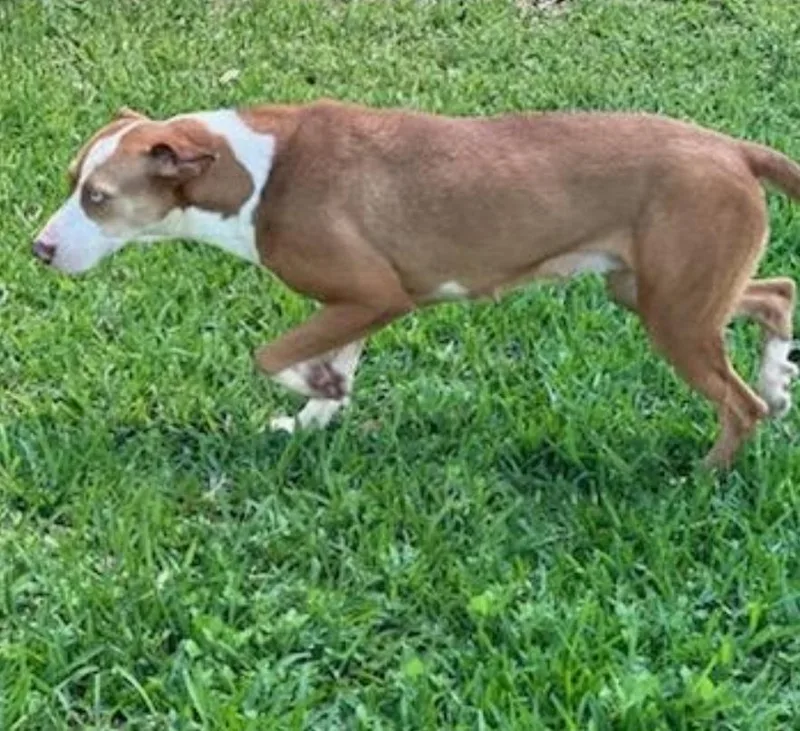
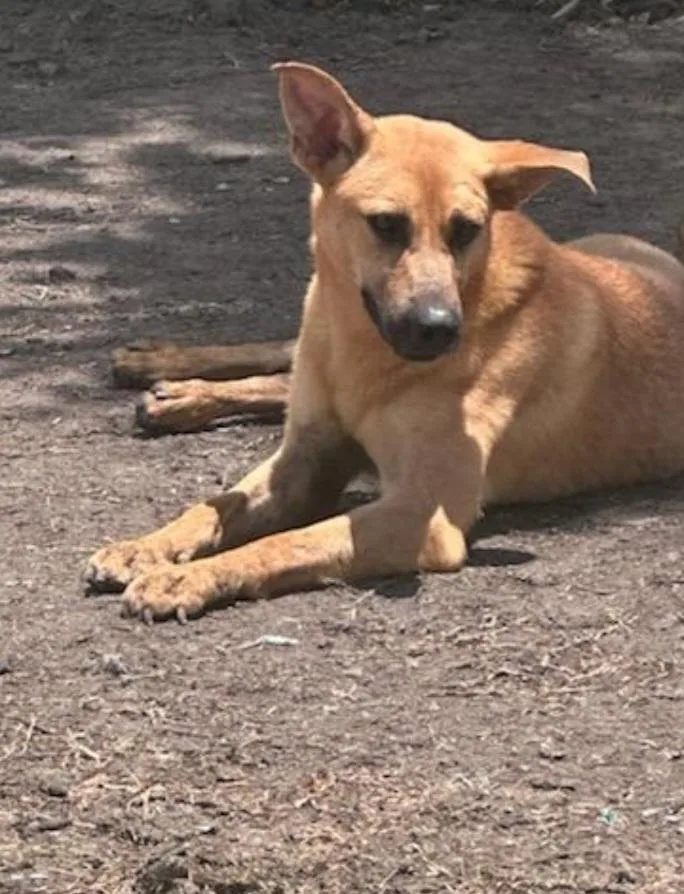
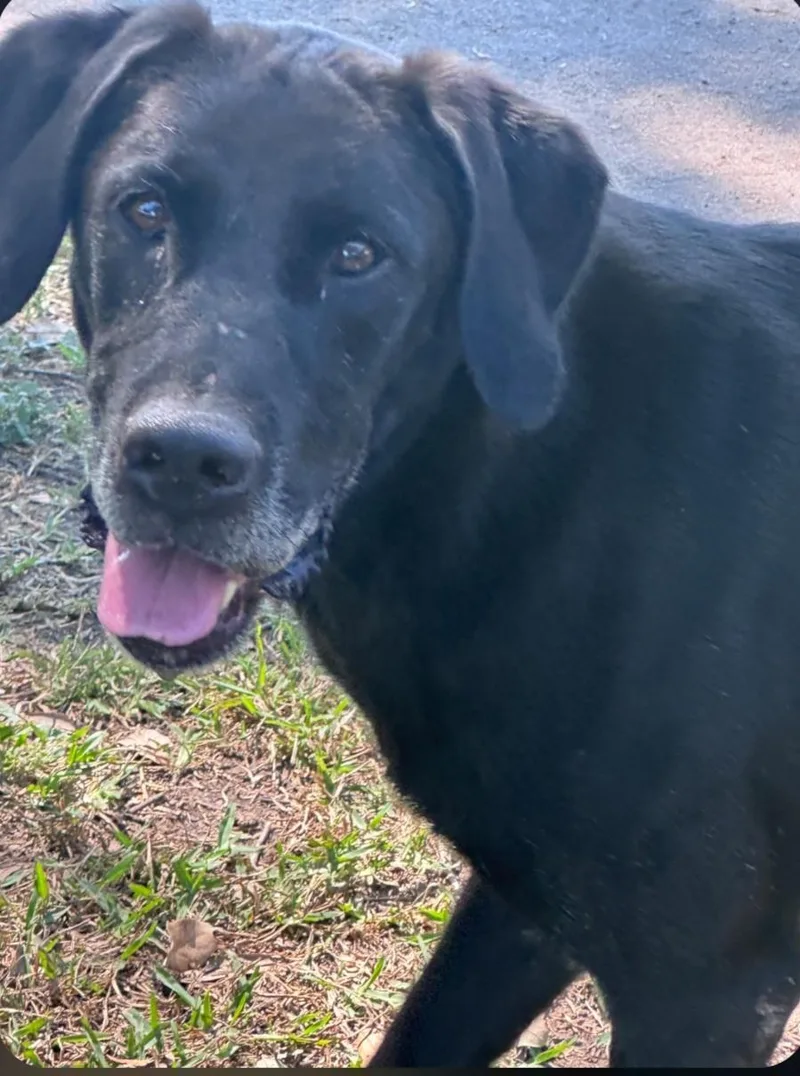
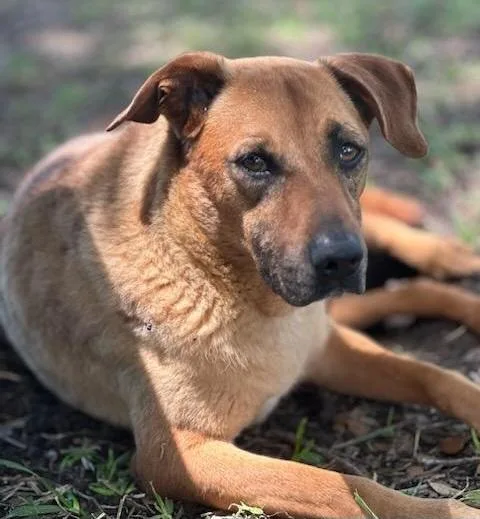
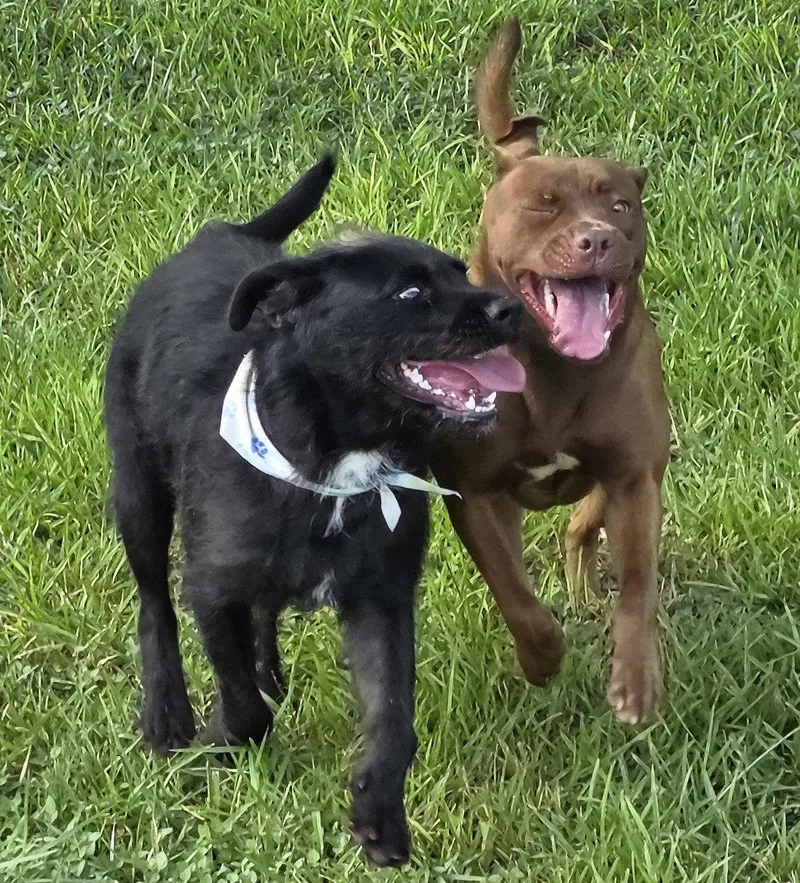
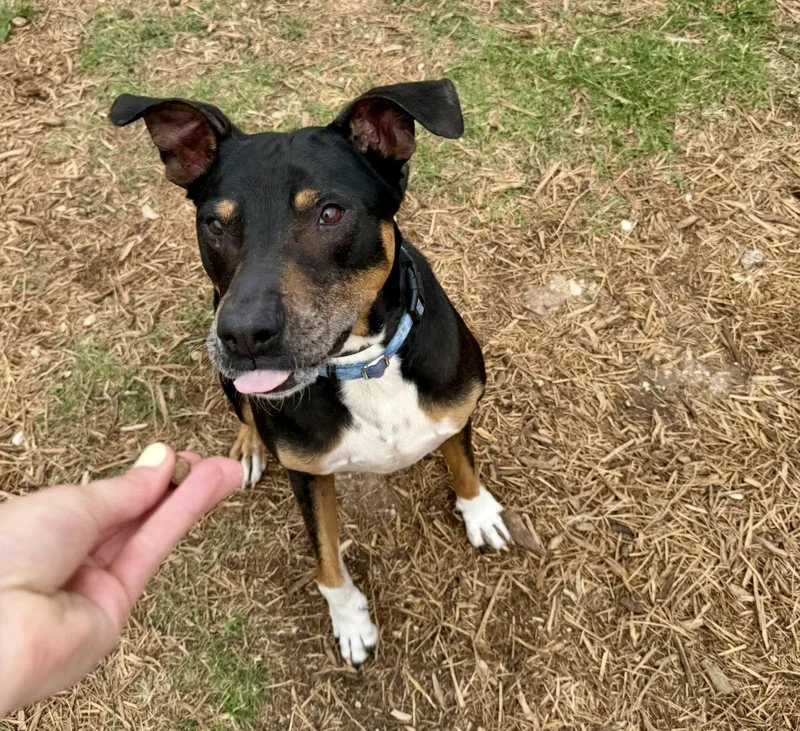
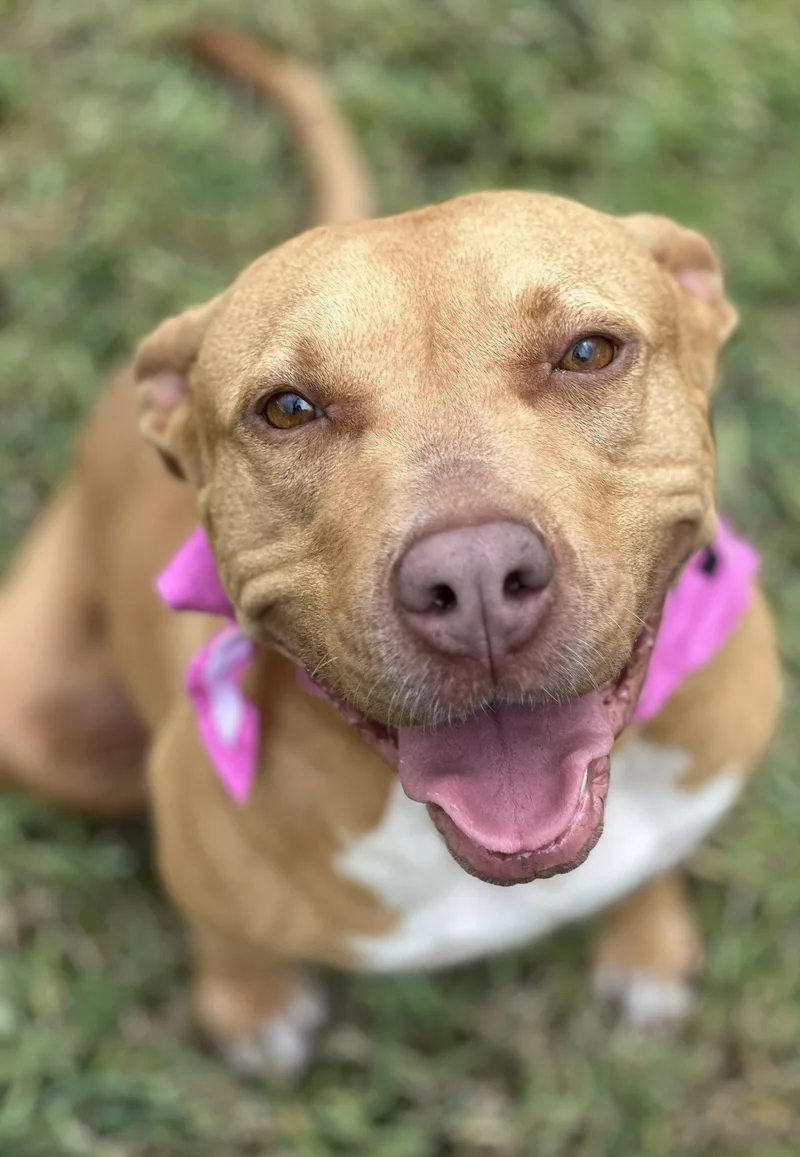
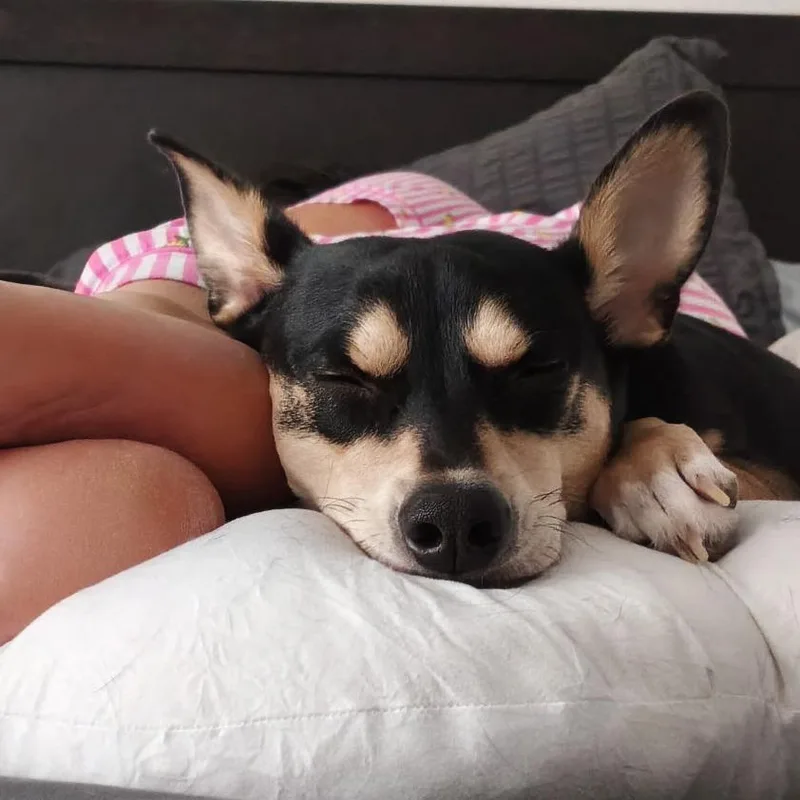
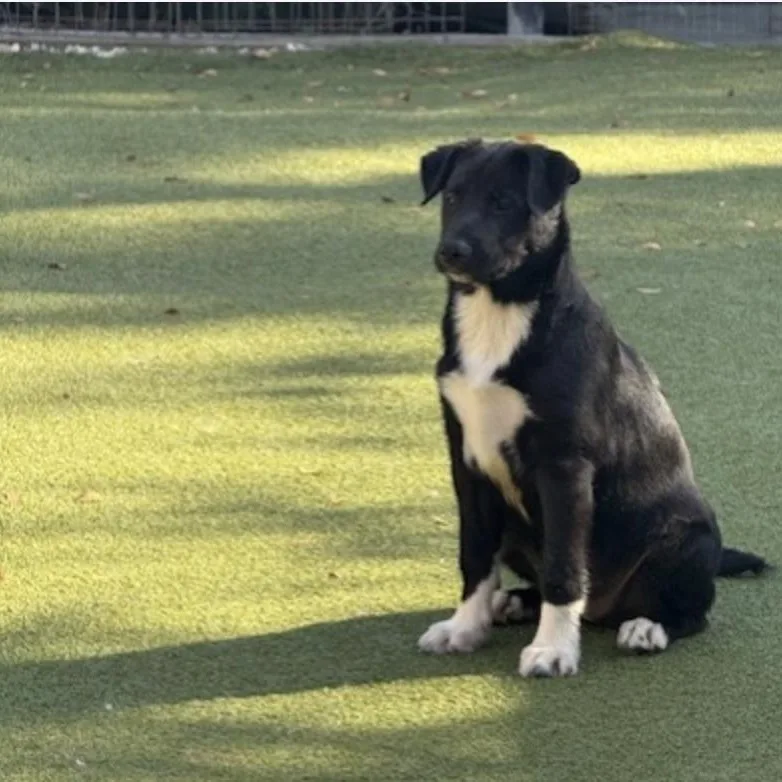
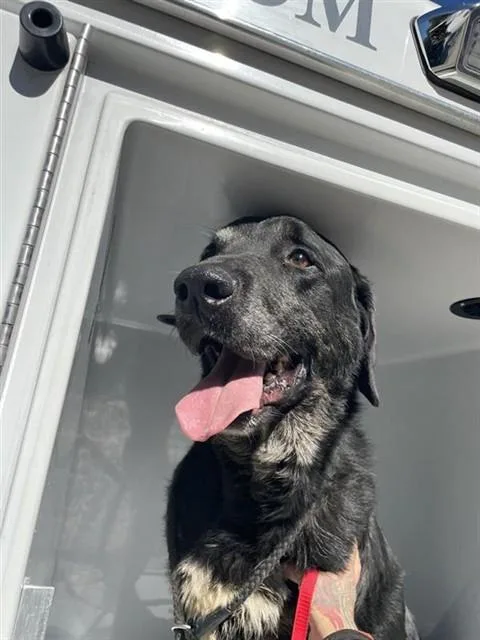
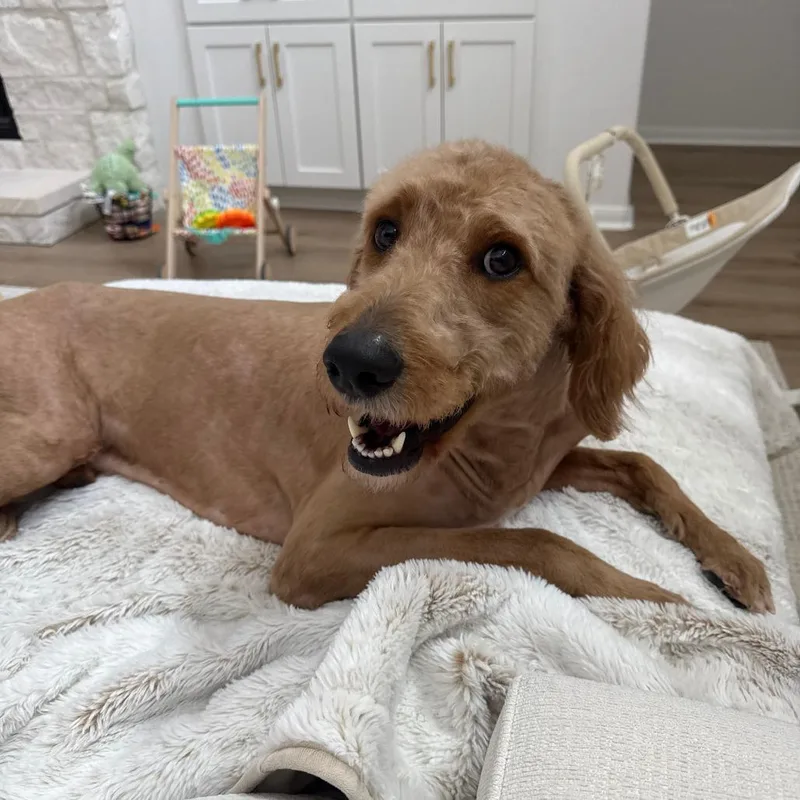
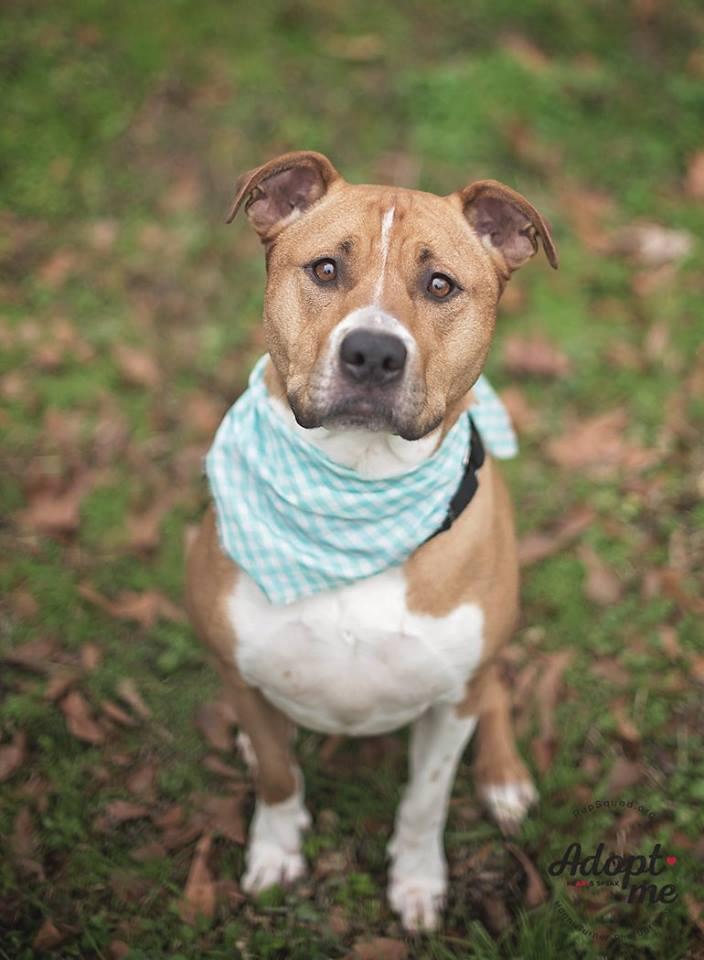
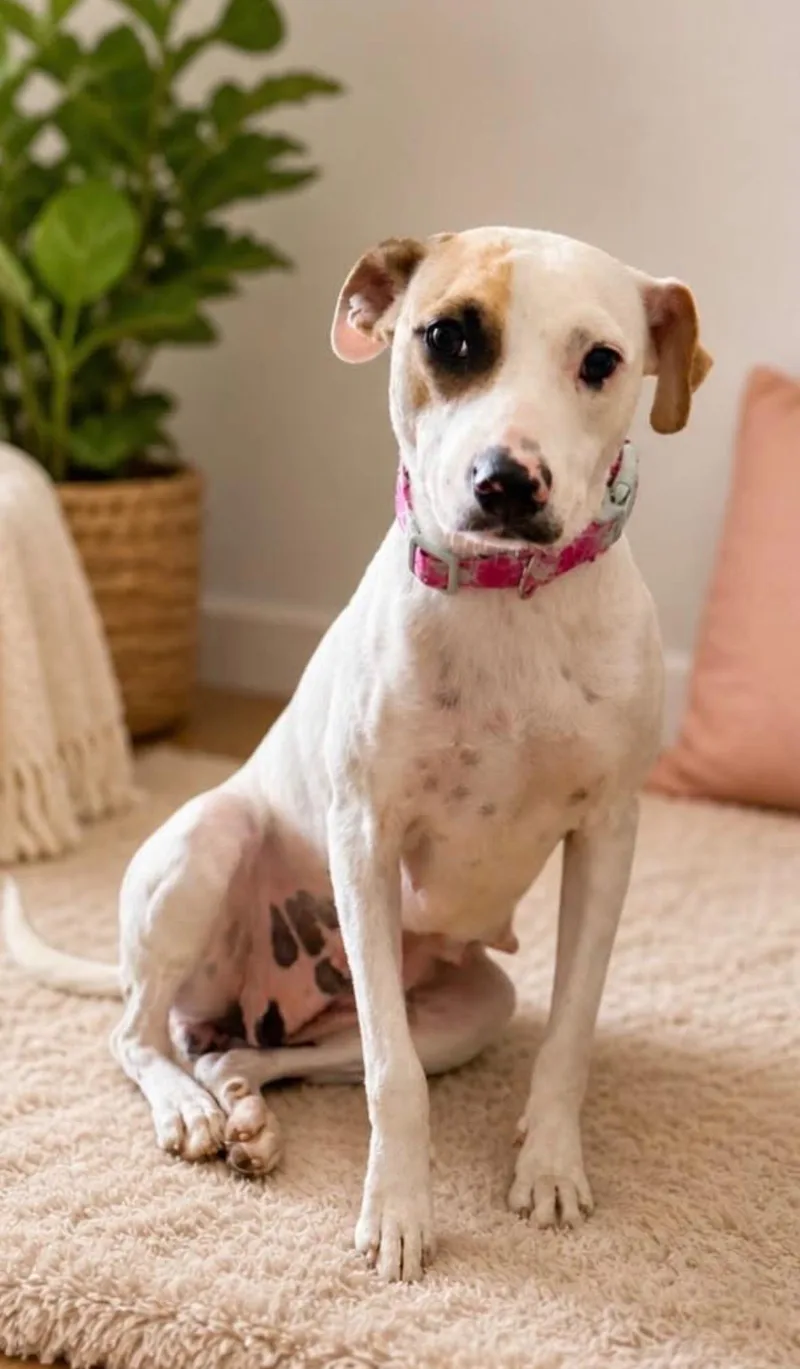
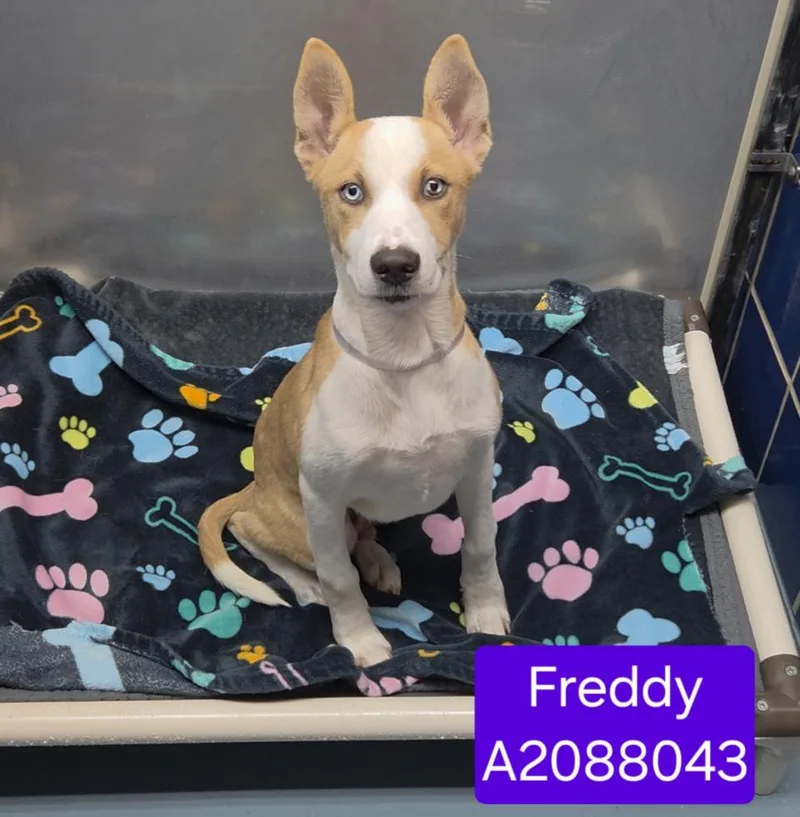
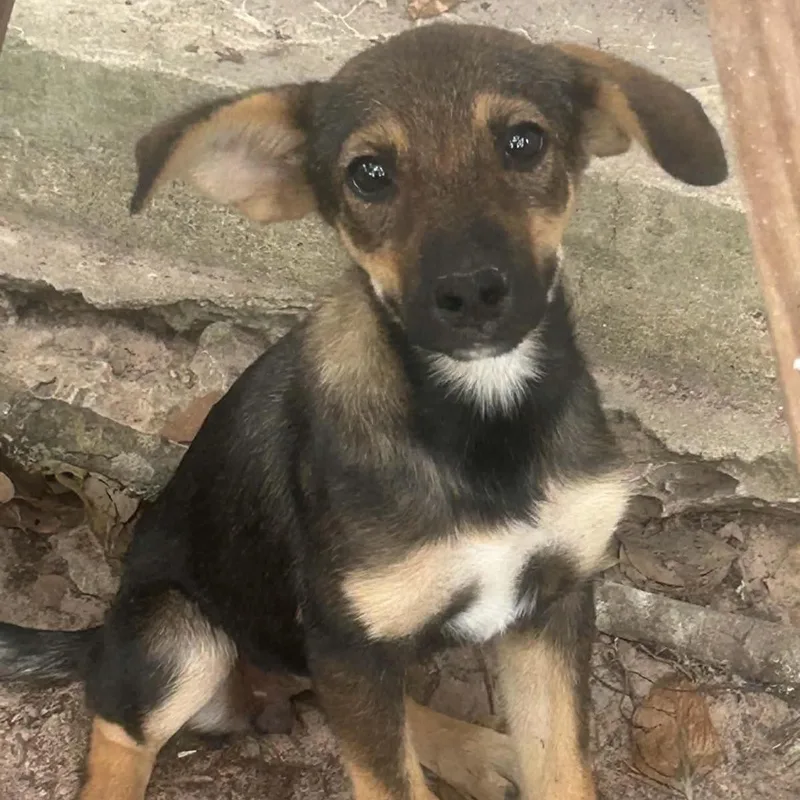
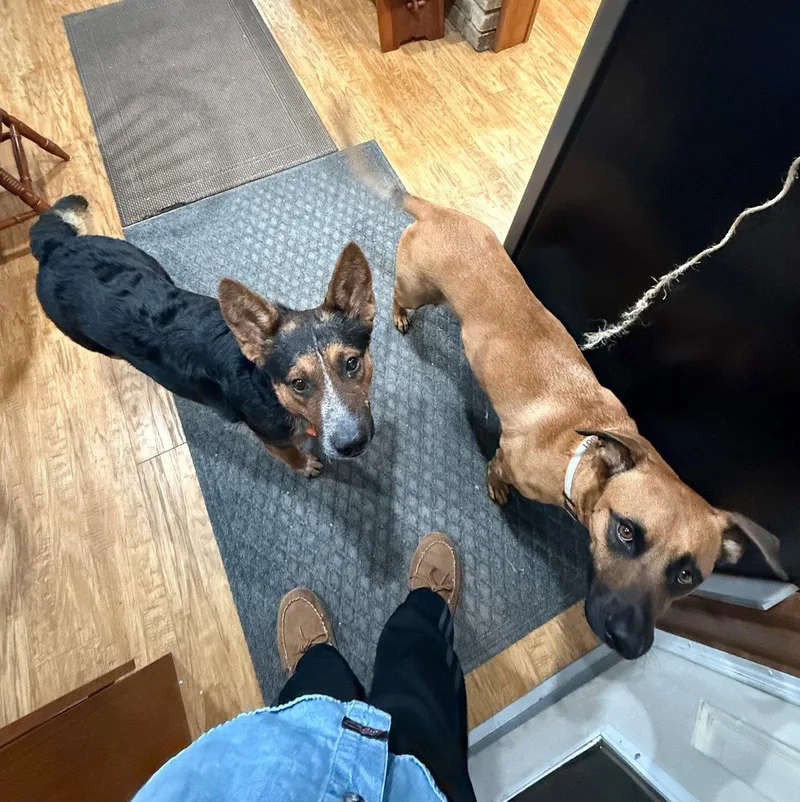
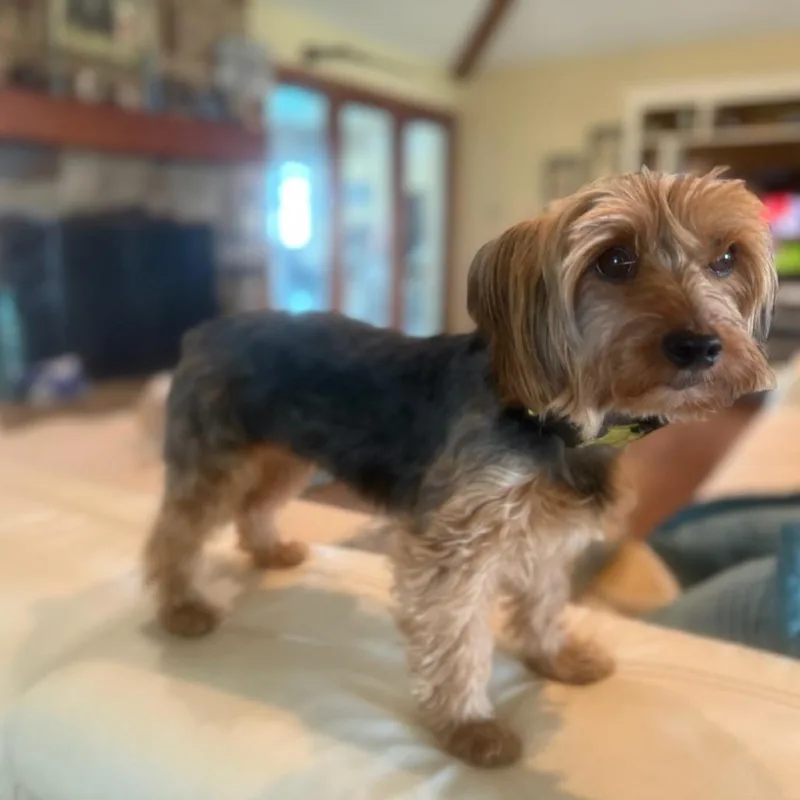
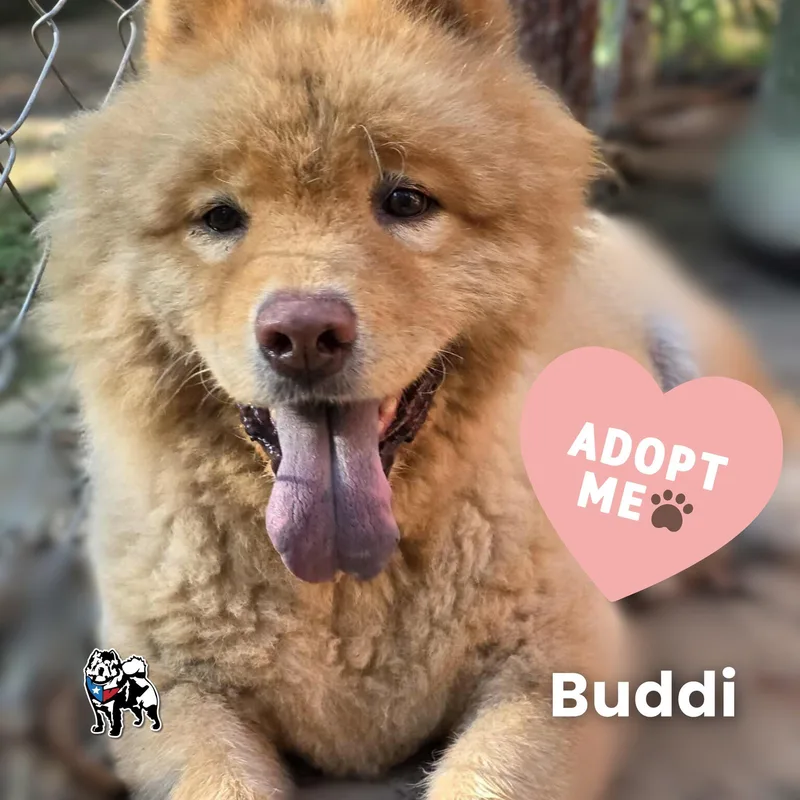
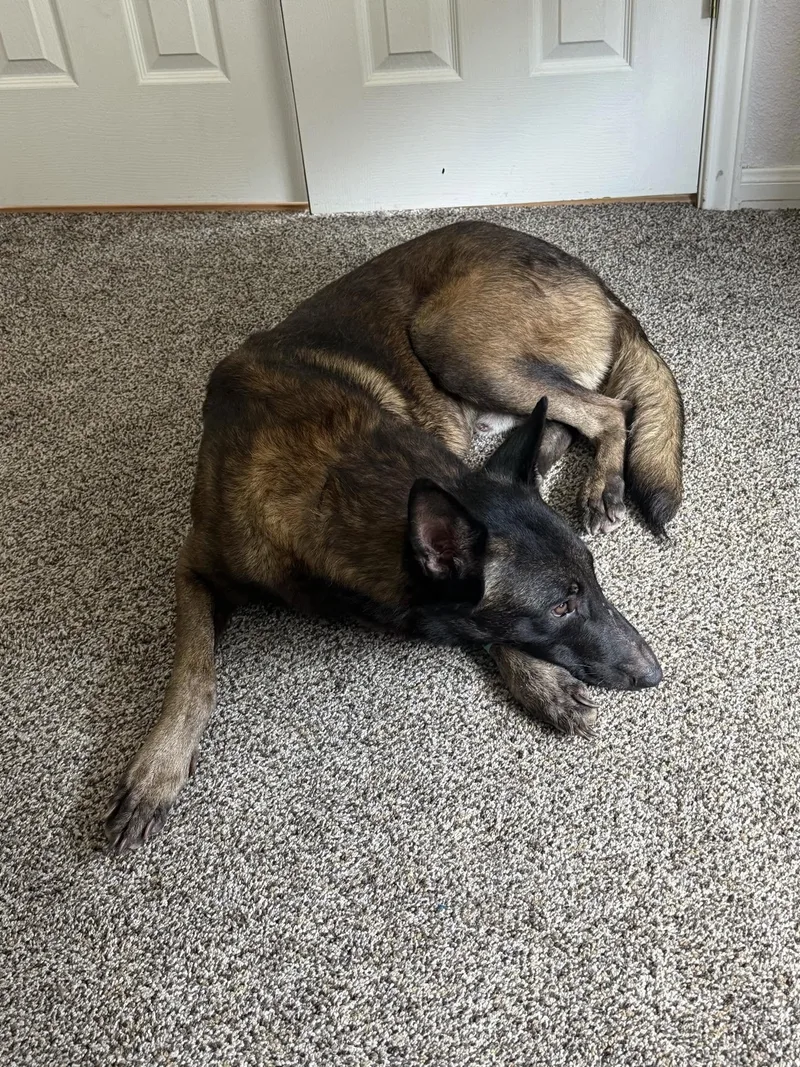
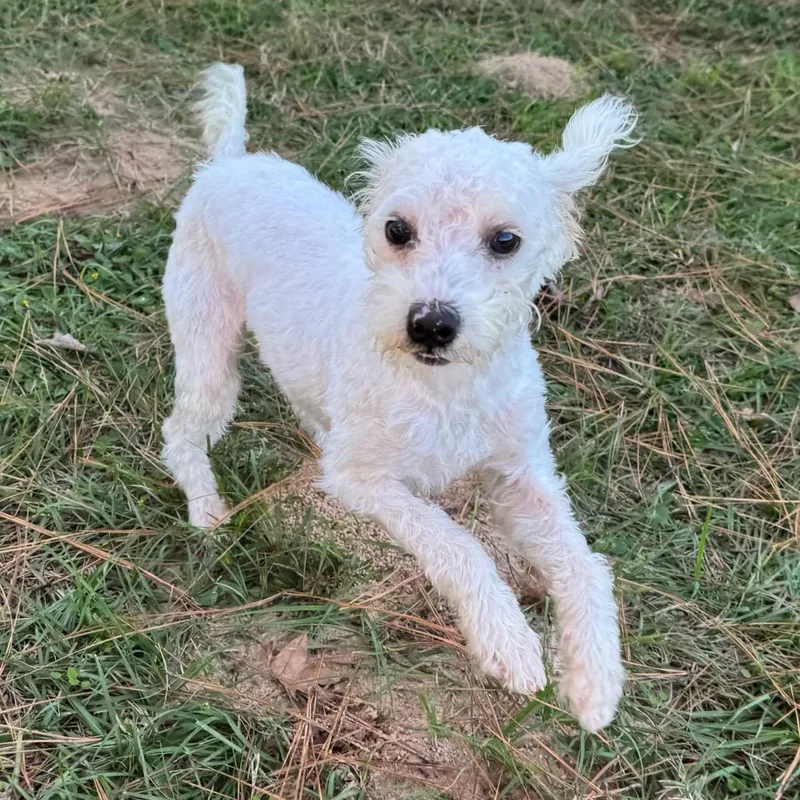
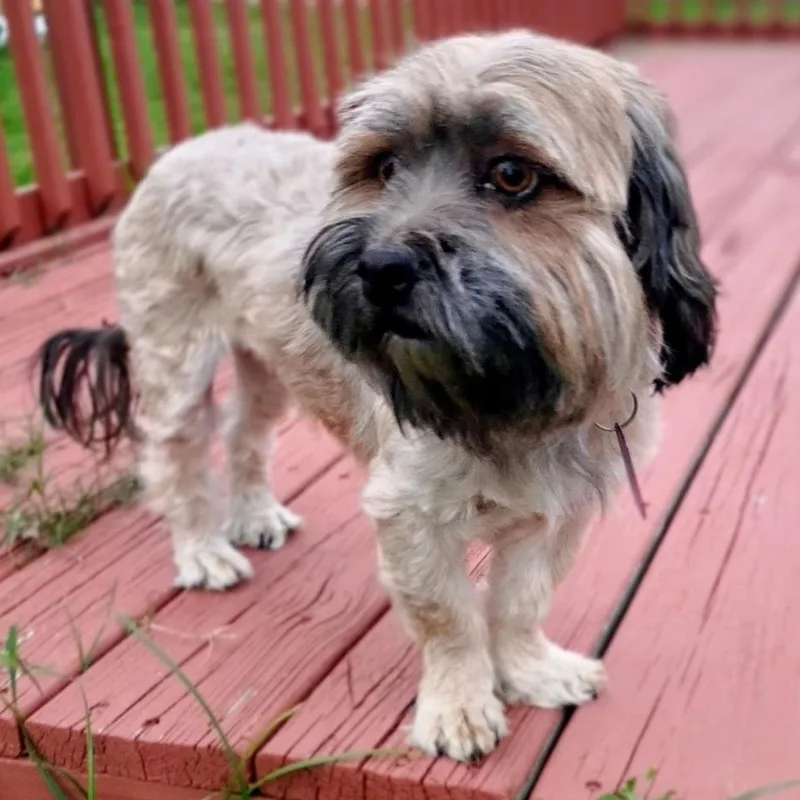
Curly-Coated Retrievers and Similar Breeds Available for Adoption Near Houston

About the Curly-Coated Retriever breed

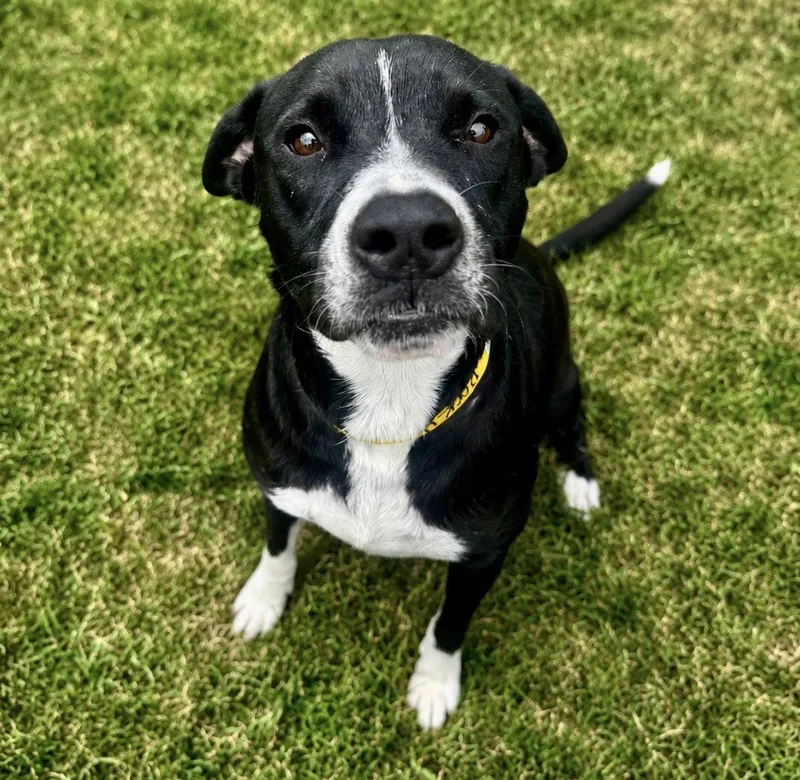
The Curly-Coated Retriever is one of the oldest retriever breeds, developed in England to retrieve waterfowl and upland birds. It's the tallest of the retrievers, usually 60 to 95 pounds, with a coat of tight, crisp curls over a smooth face and front legs, in solid black or liver. The coat sheds water and brambles, and most Curlies shed lightly with a heavier seasonal shed once or twice a year.

Many Curlies are more reserved with strangers and more independent than Labs or Goldens, and they often stay playful for two or three years. In Houston, that means steady training, early socialization, daily exercise and a cool indoor place to rest matter more than square footage. Dogs vary, so a Curly's own personality is what counts.

Weight
60–95 lbs
Height
23–27 in
Lifespan
10–12 yrs
Temperament
Confident, Intelligent, Independent
Group
Sporting
Shedding
Low to Moderate

Owning a Curly-Coated Retriever in Houston

Having a Curly-Coated Retriever in Houston

A Curly pairs a retriever's stamina with a more self-possessed outlook than a Lab or Golden. In Houston, the practical questions are heat, humidity and mosquitoes, plus finding enough room to run. The coat and slow maturity also shape daily routines.

Temperament

Curlies are usually devoted and gentle at home and politely aloof with visitors, which matters on busy Houston sidewalks. They think for themselves and may tire of repetitive drills, so reward-based training and early socialization help. Many stay puppyish for two or three years, and each dog's personality differs.

Exercise Needs

Plan on vigorous daily activity, split into cool-hour sessions during Houston's long warm season. Long leashed walks on bayou trails, fetch in a dog park and scent games all work. Mental work counts as much as miles, so add training or puzzle feeders on days too hot for running.

Health Considerations

Curlies can face hip and elbow dysplasia, exercise-induced collapse, glycogen storage disease type IIIa, an inherited eye disease called PRA, heart disease and coat loss from follicular dysplasia. Bloat is a risk in deep-chested dogs. In Houston, mosquitoes make year-round heartworm prevention important, and a veterinarian can check joints, eyes and heart at a first exam.

Living Space

A Curly does best with a securely fenced yard, though a committed apartment dweller can manage. Houston's long summers mean much of the day is spent indoors, so a large dog needs room to move inside and a cool spot to rest. Curlies prefer living with the family over kennel life, and their active tails sweep low tables.

What it costs to own a Curly-Coated Retriever in Houston

ExpenseTypical costPer year
Food$55 to $110 per month$660 to $1,320
Pet insurance$65 to $130 per month$780 to $1,560
Routine vet care$250 to $500 per year$250 to $500
Other*$490 to $1,290 per year$490 to $1,290
Estimated yearly total (after year one)$2,180 to $4,670

Other costs are estimates and vary with size, age and health.

* Flea, tick and heartworm prevention, a dental cleaning allowance, the $20 Houston registration for a spayed or neutered dog, toys and bedding, and light coat care with occasional trims.

Adopt a Curly-Coated Retriever in Houston.

Now that you know more, let’s find you a new best friend. These rescues and shelters below have dogs available in and near Houston.

Rescues and Shelters in or near Houston

Houston's city shelter, county shelter and rescue partners move thousands of dogs into homes each year, from big retrievers to small companions. Here are the rescues & shelters in the Houston area with dogs available for adoption, worth asking whether a Curly-Coated Retriever is coming in.

Frequently Asked Questions

Usually not, unless the dog is a service animal. METRO buses and METRORail allow pets only when they're restrained in an animal carrier at all times, and a Curly at 60 to 95 pounds won't fit in one. Service animals can ride under the handler's control. For most outings, plan on traveling by car.

They can, with planning. Houston has roughly 100 to 110 days a year at 90°F or above, and nights stay warm, so exercise at dawn or after sunset and keep pavement-heavy walks short. A Curly's dense coat and dark color add heat load. Watch for heavy panting, unsteadiness or a deep red tongue, and move the dog to shade and a vet quickly.

T.C. Jester Park in Oak Forest has the city's largest big-dog run, and Fonde Park's dog park offers agility equipment in the East End. Maxey Park has large and small areas on 12 to 13 acres. City dog parks allow two dogs per person, require license and vaccine tags, and don't admit puppies under 4 months.

Yes. Houston has no breed bans, and Texas law says local dangerous-dog rules can't target specific breeds. You'll need to register the dog with the City by four months of age, with a current rabies certificate and a microchip. Registration costs $20 a year for a spayed or neutered dog.

It's possible for a committed owner, but a Curly is a large, active dog, so the routine matters more than the floor plan. Summer heat limits outdoor time for months, which means indoor games, training and early or late walks to burn energy. Check weight limits before you apply, since many buildings cap dog size.

Only to outdoor patios, and only where the restaurant chooses to allow dogs. Texas law requires a posted sign, a leashed dog, direct access from outside, and no dogs on seats or tables or inside. Because many Curlies are reserved with strangers, a quiet corner at off-peak times is usually easier.

Less than the coat suggests. Curlies shed lightly with a heavier seasonal shed, and brushing frizzes the curls, so dampen the coat and work it with your fingers instead, with occasional trims. In humid Houston, rinse and dry thoroughly after bayou-side walks. Light coat care is covered in the Other line of $490 to $1,290 a year.

Yes, Curly-Coated Retrievers shed, but usually less than most retrievers for much of the year. Many have one or two heavier seasonal sheds when the curls loosen and drop hair, and intact females may shed more after a heat cycle. Owners generally avoid brushing, which frizzes the curls, and instead dampen the coat and work loose hair out by hand.

Yes, Curly-Coated Retrievers are rare in the United States. They have been recognized by the American Kennel Club since 1924 yet rank among the least registered breeds, landing around 168th in recent popularity lists. That rarity means few appear in shelters, so adopters often check breed-specific rescues and set up alerts on adoption listings to hear when one becomes available.

Expect food at about $55 to $110 a month and pet insurance at roughly $65 to $130 a month. Routine vet care runs about $250 to $500 a year, while other costs such as parasite prevention, dental cleanings, registration, supplies and light coat care add $490 to $1,290 a year.