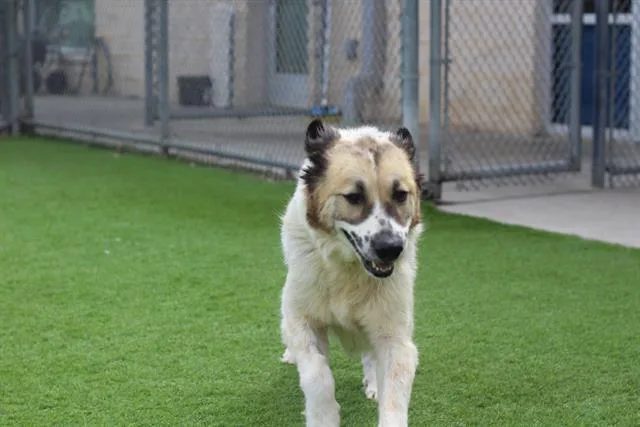
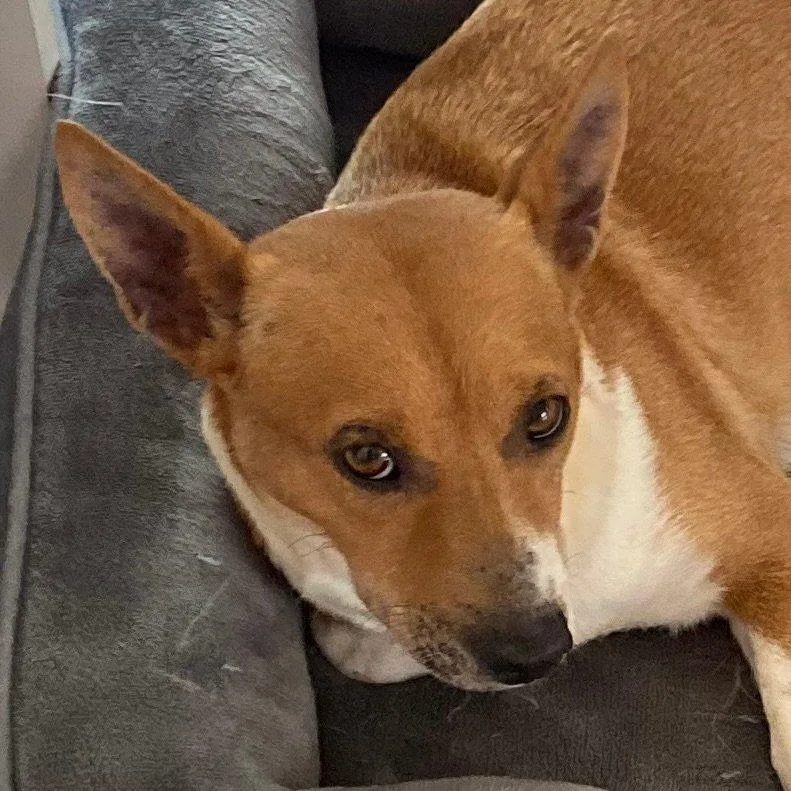
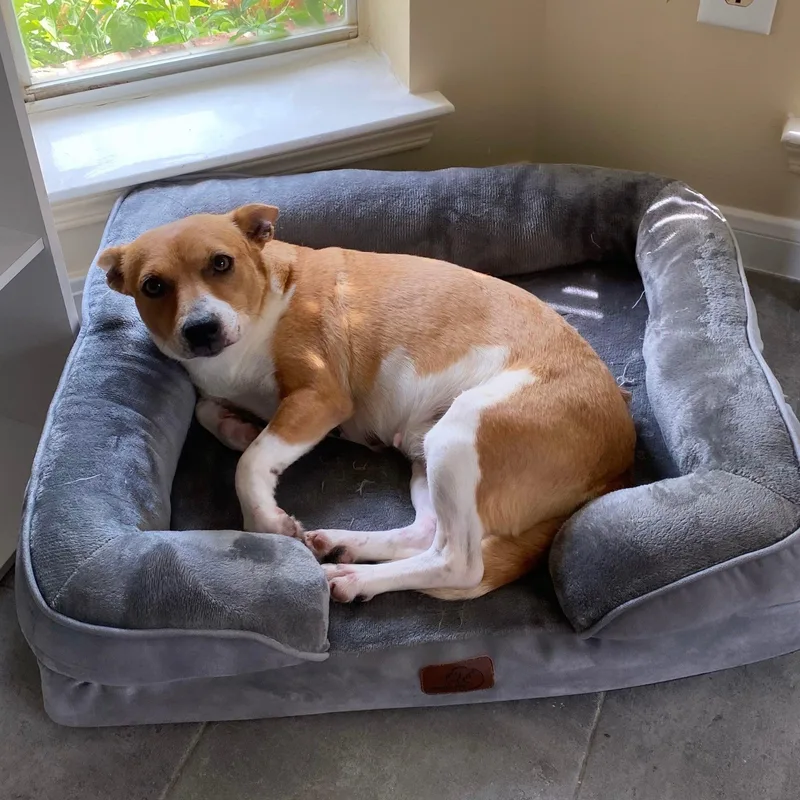

Corgi Dogs for Adoption in Grand Prairie, TX

Your guide to finding and caring for a Corgi in Grand Prairie

A corgi suits Grand Prairie's older neighborhoods, where a short walk from the porch can reach a paved trail. In Avion Village or Dalworth Park, a corgi can patrol a modest yard, then stretch its legs on the Good Link Trail boardwalks. Corgis bark at passersby and nip at heels, so a fenced yard and early training matter. Summer afternoons are too hot for long outings, so plan the main walk for early morning.

504 Corgis available in Grand Prairie and nationwide

Meet your next Corgi

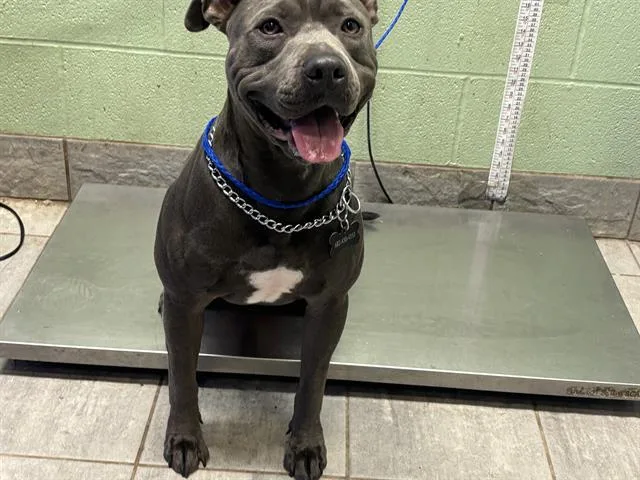
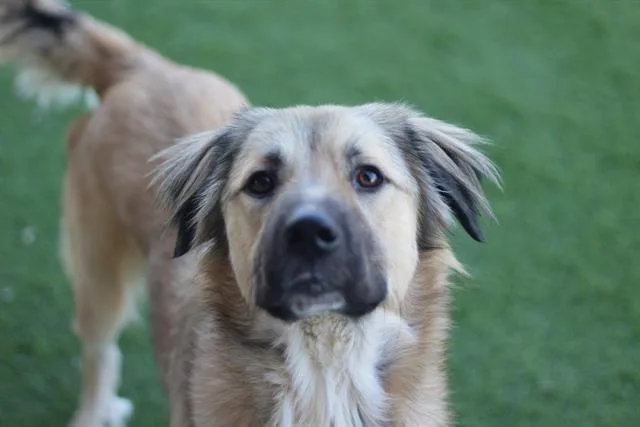
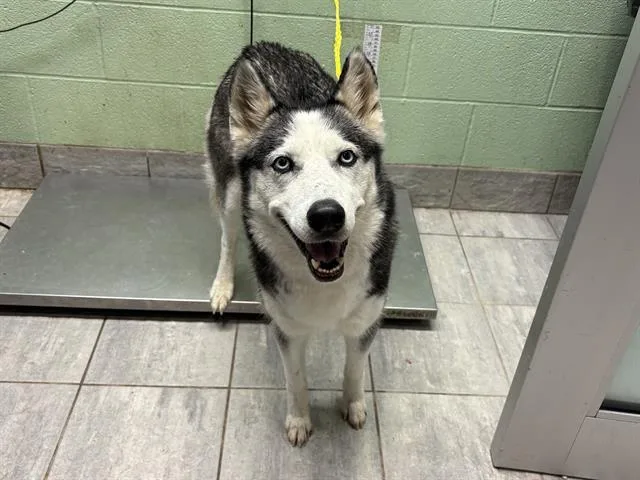
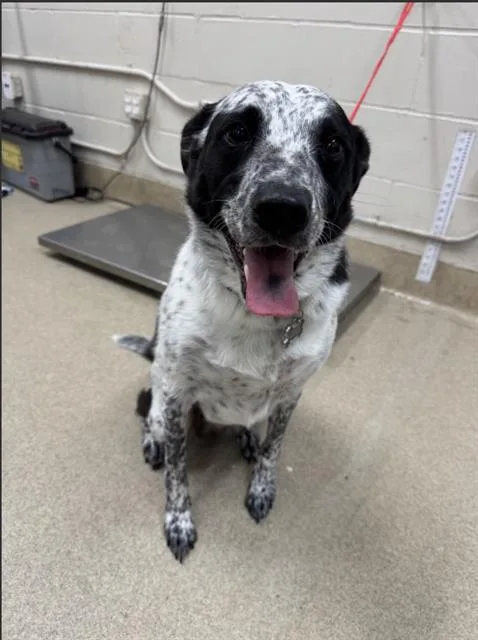
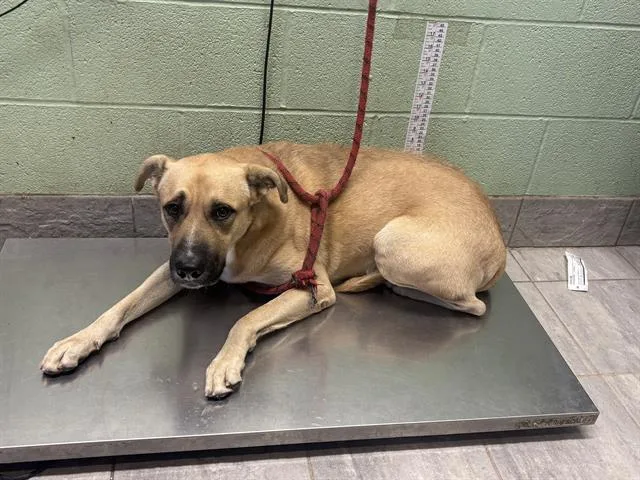
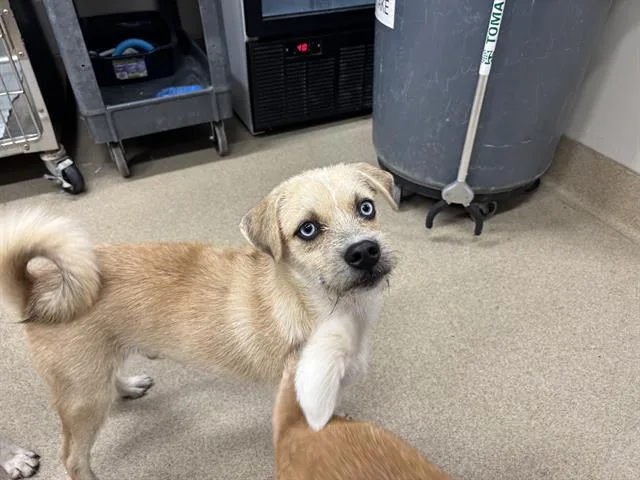
Corgis Available for Adoption Near Grand Prairie

About the Corgi breed

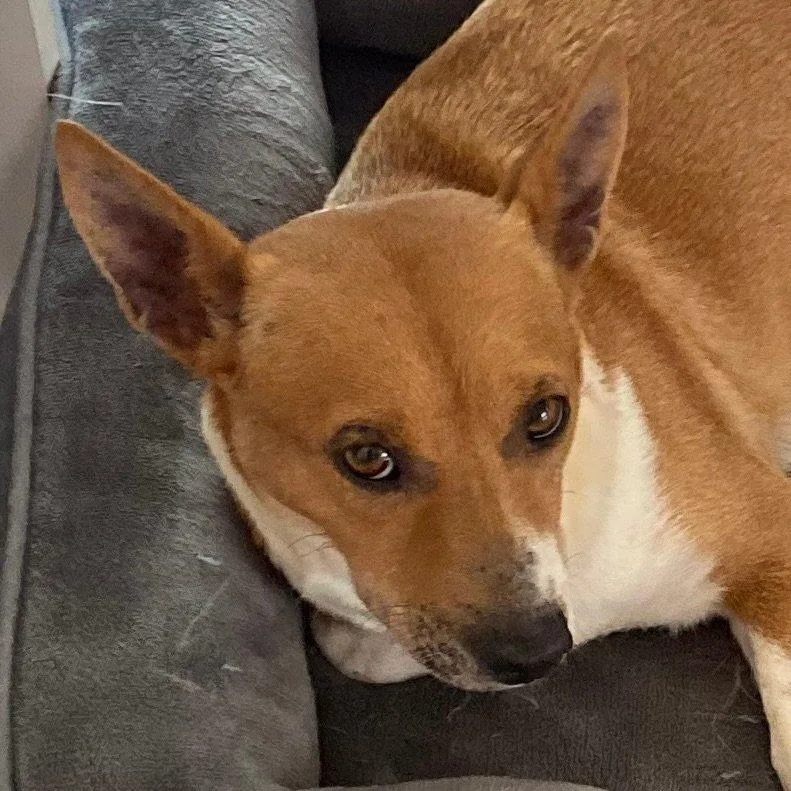
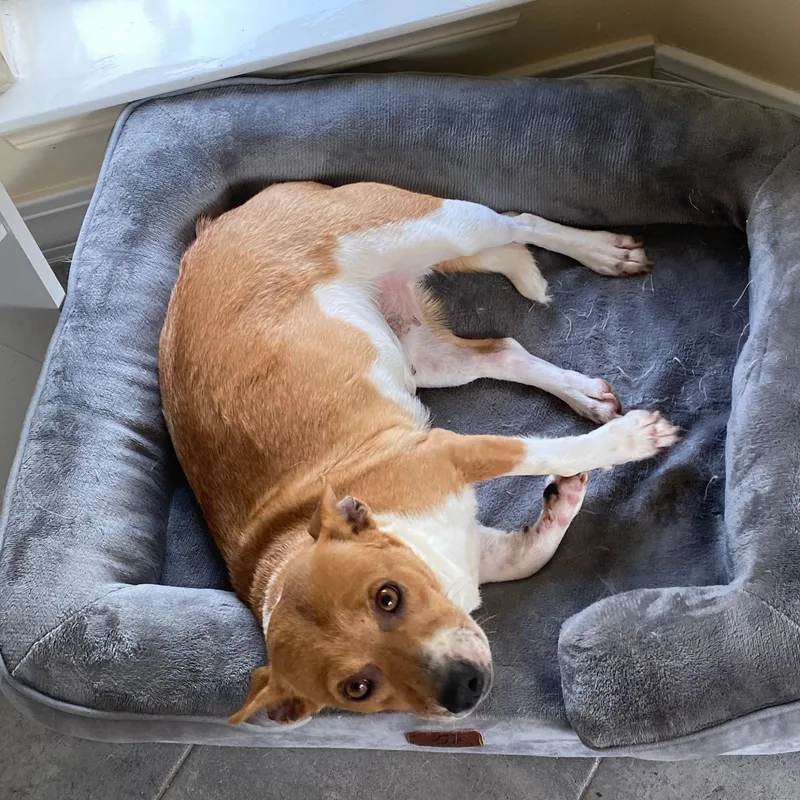
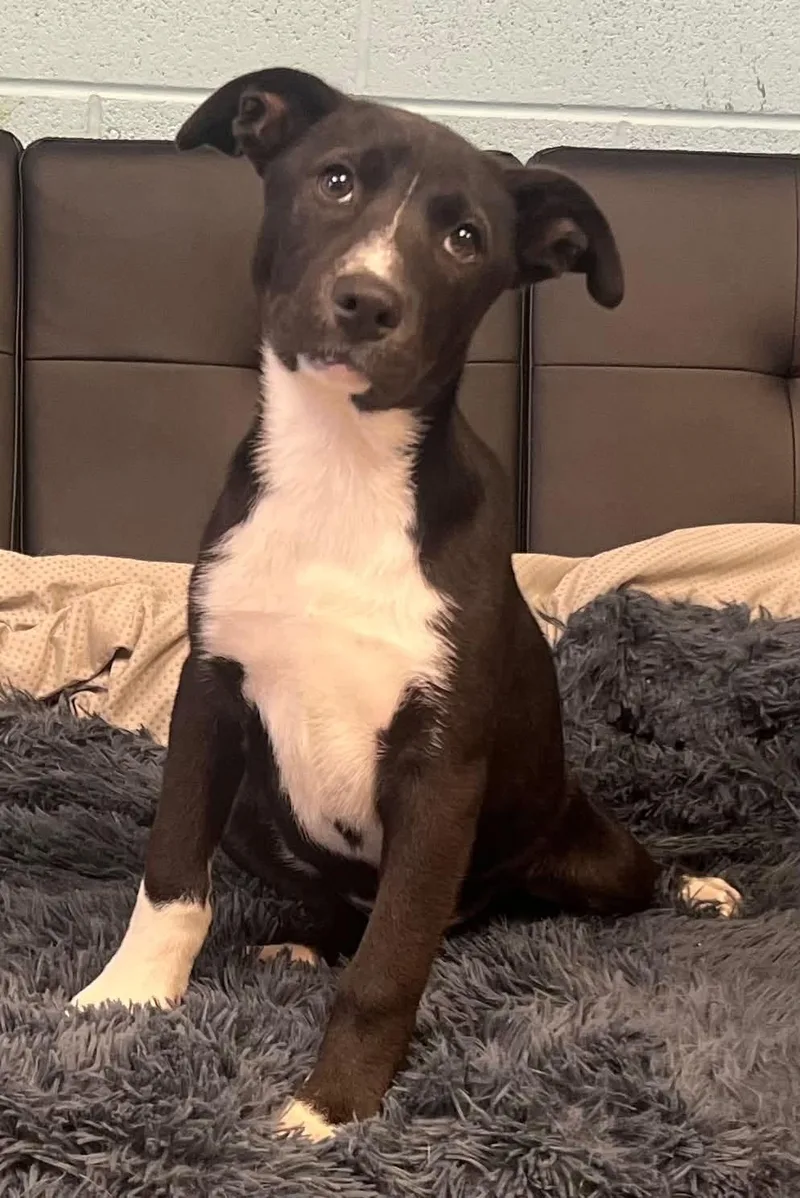
Corgi covers two Welsh herding breeds, the Pembroke and the Cardigan, and shelter dogs labeled corgi are often mixes. Pembrokes are lighter and foxier, while Cardigans are heavier with a long, brushy tail. Both were built to move cattle, so they pair real stamina with a low, long frame.

In Grand Prairie, the dense double coat is the main care issue. Corgis shed heavily all year, so regular brushing keeps hair manageable, and shade plus cool indoor rest help them through long Texas summers. Expect a smart, opinionated dog that barks at activity outside and likes to boss moving heels. Daily walks, training games and a lean weight protect that long back.

Weight
22–38 lbs
Height
10–13 in
Lifespan
12–15 yrs
Temperament
Alert, Intelligent, Affectionate
Group
Herding
Shedding
High

Owning a Corgi in Grand Prairie

Having a Corgi in Grand Prairie

Pembroke, Cardigan or mix, a corgi is a herder with a big voice and a long back. Those traits, plus a thick shedding coat, shape the training, exercise and veterinary care adopters in Grand Prairie should plan for.

Temperament

Corgis are usually outgoing, clever and keen to join family life, with a clownish streak. Many are also vocal and inclined to herd kids, other pets or passing joggers by nipping at heels. Around Grand Prairie's busy sidewalks and delivery trucks, early socialization and a solid recall help a corgi stay friendly rather than bossy. Each dog differs.
Exercise Needs

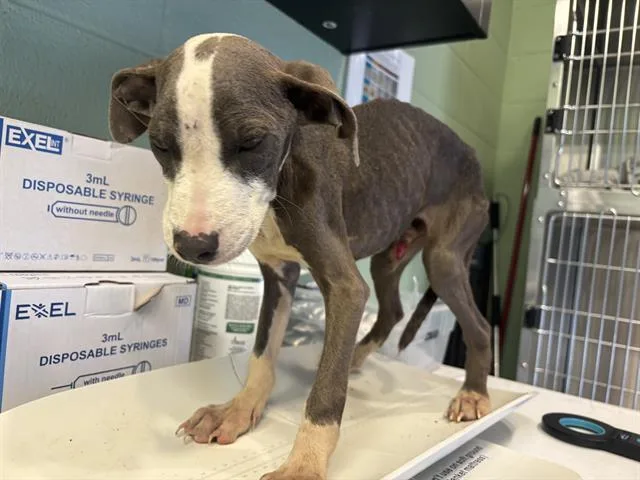
Plan on a daily walk plus active play, such as fetch on soft ground or training games. In Grand Prairie, paved routes like the EpicCentral loop and Fish Creek Trail give steady footing for short legs. Skip repeated jumping, and keep the dog lean, since extra weight strains a long back.

Health Considerations

Corgis are prone to intervertebral disc disease because of their long backs, and extra weight makes it worse. Hip dysplasia, degenerative myelopathy, eye disease and, in Pembrokes, von Willebrand disease also occur. Heartworm and tick prevention matters in North Texas. A veterinarian can check the spine and joints; watch for back pain, weakness or reluctance to move.

Living Space

Corgis adapt to apartments or houses if they get daily exercise. Grand Prairie has older homes, newer master-planned neighborhoods and plenty of apartments, and a fenced yard helps a dog that likes to patrol. Expect shed hair year-round and barking at sounds outside. Ramps or steps for furniture protect the back.

What it costs to own a Corgi in Grand Prairie

ExpenseTypical costPer year
Adoption fee$350, one time$350 in year one
Food$20 to $45 per month$240 to $540
Pet insurance$40 to $85 per month$480 to $1,020
Routine vet care$200 to $400 per year$200 to $400
Other*$490 to $1,290 per year$490 to $1,290
Estimated yearly total (after year one)$1,410 to $3,250
First-year total (with adoption fee)$1,760 to $3,600

Adoption fee is the fee on Corgi listings in Grand Prairie on GetBuddy today. Other costs are estimates and vary with size, age and health.

* Flea, tick and heartworm prevention, a dental cleaning allowance, toys and bedding, and brushing and baths for heavy shedding.

Adopt a Corgi in Grand Prairie.

Now that you know more, let’s find you a new best friend. These rescues and shelters below currently have Corgis available.

Rescues in Grand Prairie with Corgis Available

Grand Prairie's city shelter and regional rescues place dogs of every size, age and mix. Here are the rescues & shelters in the Grand Prairie area where you can find Corgis and other dogs available for adoption.

Frequently Asked Questions

Yes. Grand Prairie has no known breed-specific rules, and Texas law bars cities from targeting a breed in dangerous-dog rules, so a corgi is judged by behavior like any other dog. Owners must keep rabies vaccination current, and a lease may set its own pet limits, deposits or weight caps, so read it before you commit.

Yes, with precautions. Ninety-degree days run from May through September, and a corgi's double coat holds heat. Keep the dog in air conditioning by afternoon, walk at dawn or after dark, and never leave it outside without shade and water. Heavy panting, drooling or weakness means move it somewhere cool and call a veterinarian right away.

Central Bark Dog Park is open 24/7, which makes cool early-morning or late-evening visits easy, and it has a small-dog area and shade. For leashed walks, the paved Lone Star Trail runs 4 miles, and the EpicCentral loop is a gentler 2.3 miles. Choose shorter routes in summer, since corgis tire and overheat quickly.

Yes, many corgis do well in apartments with daily walks and mental work. Barking is the usual problem, and neighbors can report persistent barking to Animal Services. Teach a quiet cue, exercise the dog before you leave, and look for a ground-floor unit or one with an elevator, which spares a long back from stairs.

It can be, for people who can walk at dawn or evening and keep the dog indoors through hot afternoons. Paved trails and an all-hours dog park suit a corgi's routine, while the long heat season, spring storms and occasional ice call for planning. A corgi left alone for long days may bark and herd.

Sometimes, on patios only. Texas law lets restaurants choose to allow leashed dogs in outdoor dining areas that meet state conditions, including a posted sign, direct entry from outside, and keeping the dog off seats and tables. It's each restaurant's decision, so look for a sign, and skip midday summer patios when pavement and air are hot.

Brush a corgi a few times a week, and daily during heavy sheds, which can feel constant in Texas. A bath every month or two, or when dirty, is enough. Don't shave the double coat, since it insulates against heat. Brushing at home plus occasional professional baths fits within the $490 to $1,290 yearly Other costs listed above.

Grand Prairie has no subway or city bus. It relies on the on-demand Via Grand Prairie service, which also connects to the West Irving Trinity Railway Express station, so check Via's pet rules before booking. Service animals are welcome on Grand Connection paratransit. For vet visits and trail trips, a car is usually easiest with a corgi.

We have 1 rescue with Corgis available: Mini Mutts Animal Rescue. You can see every rescue with Corgis available in the list above these questions, or scroll to the top to see the Corgis near Grand Prairie.

Expect roughly $20 to $45 a month for food and $40 to $85 a month for pet insurance. Routine vet care runs about $200 to $400 a year, and other costs such as parasite prevention, dental care, supplies and coat care add $490 to $1,290 a year. Corgi back and joint problems can raise vet bills.