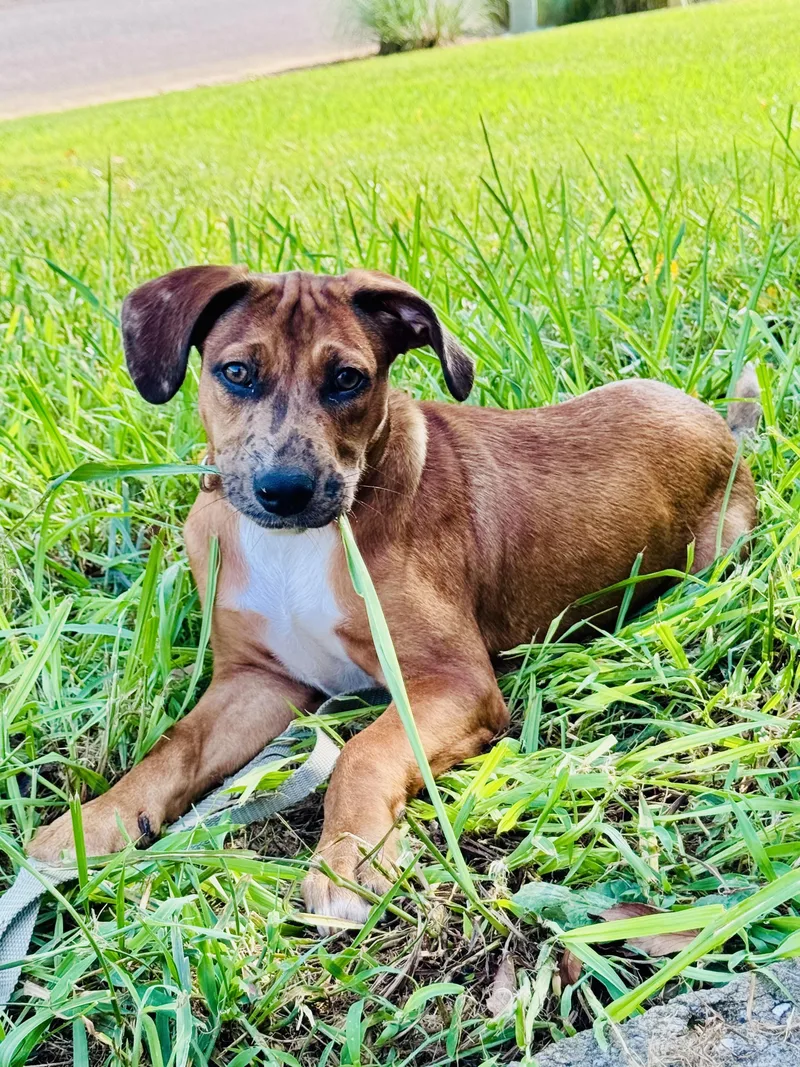
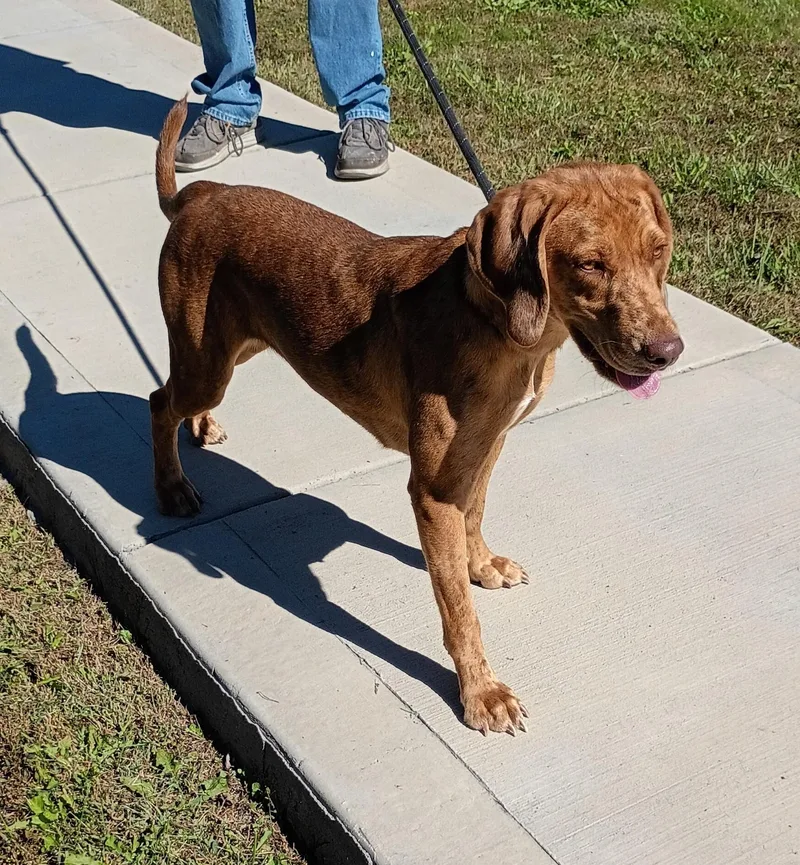
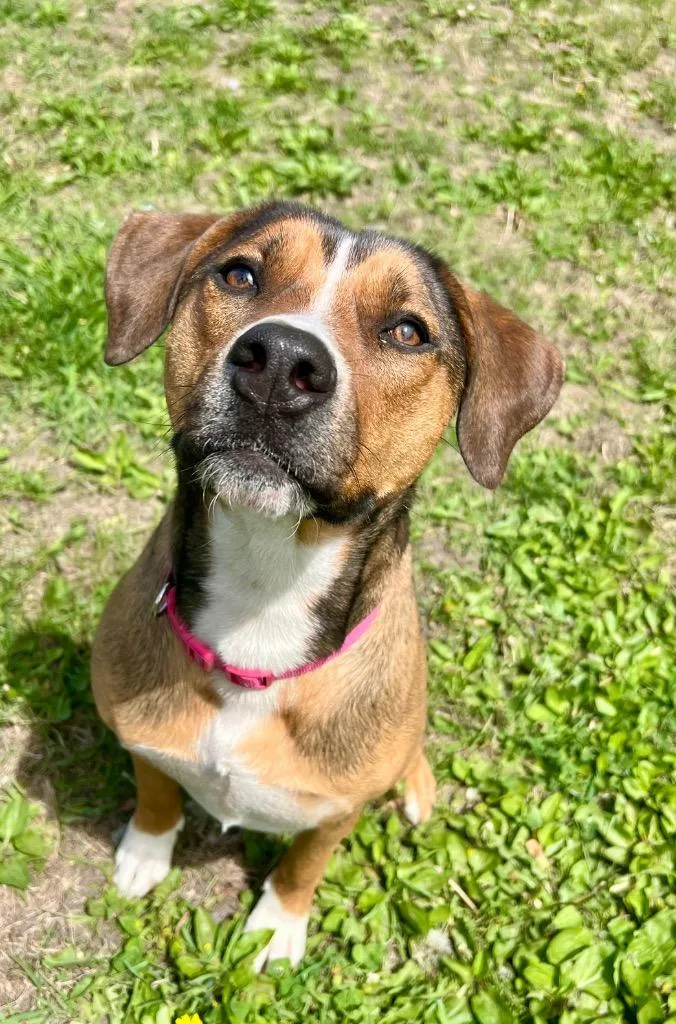
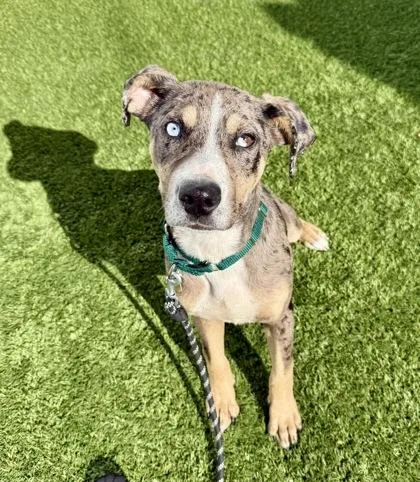
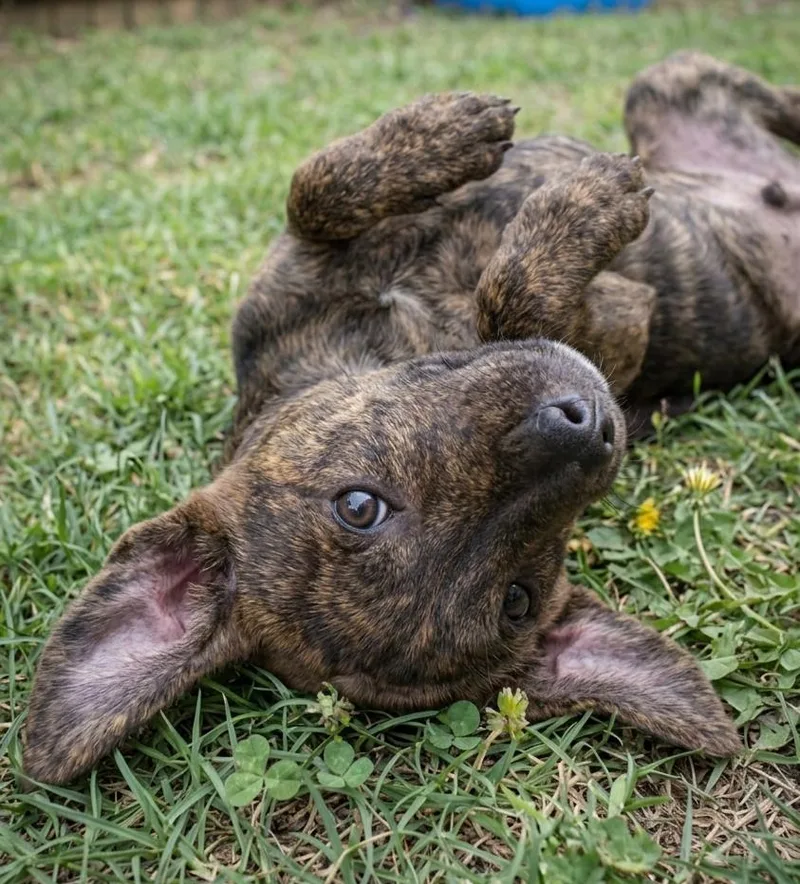
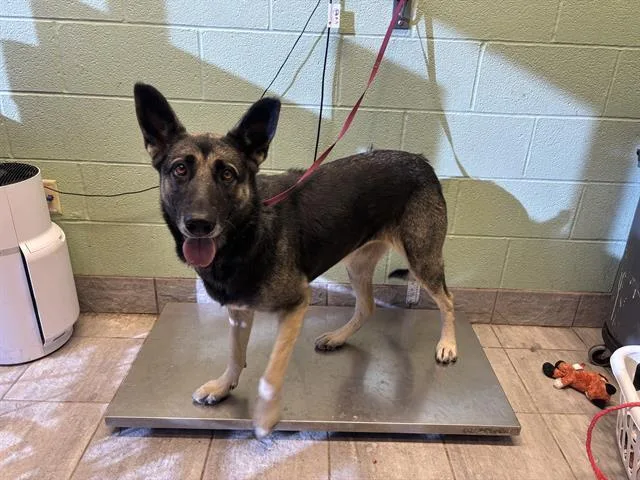
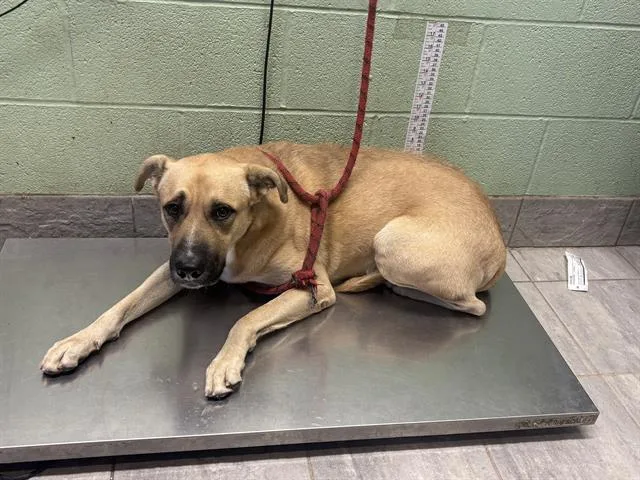
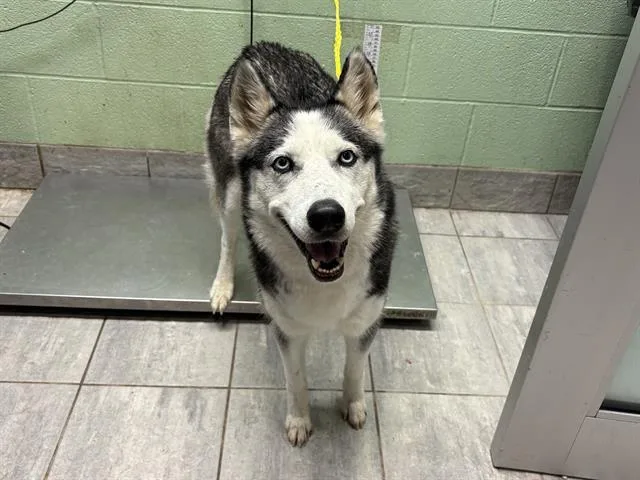
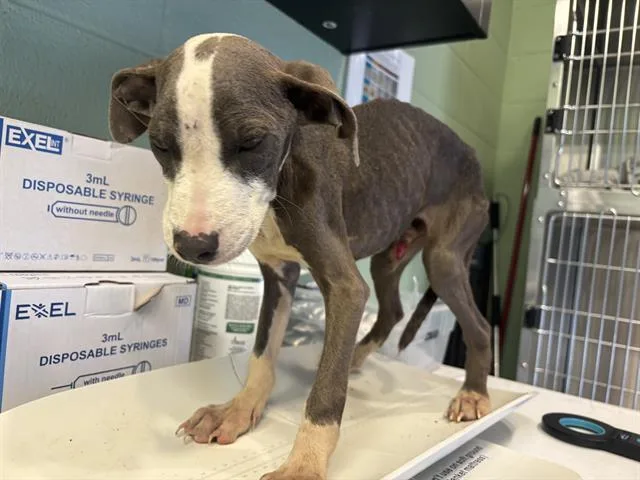
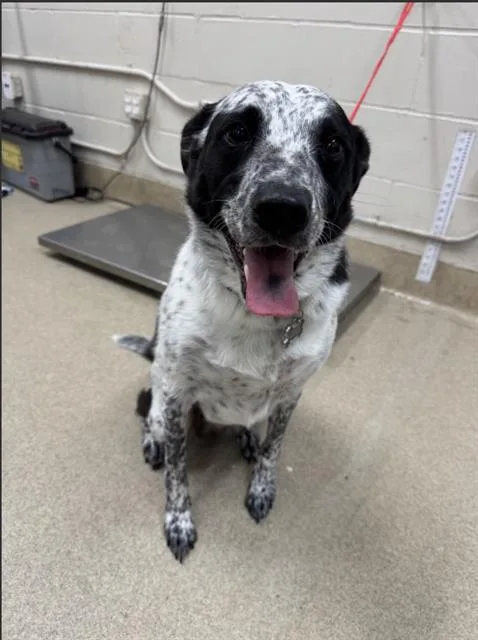
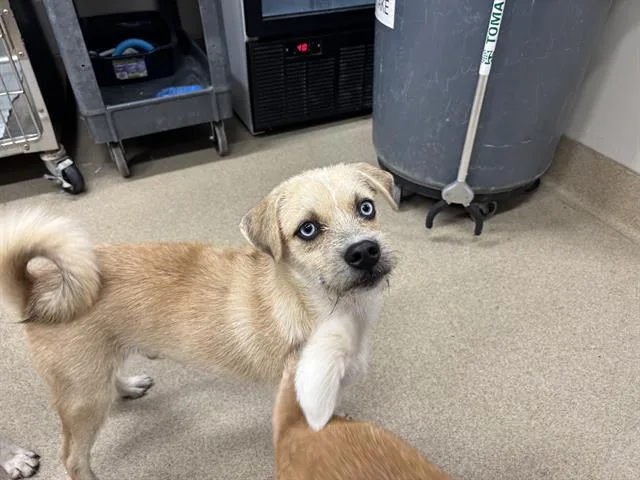
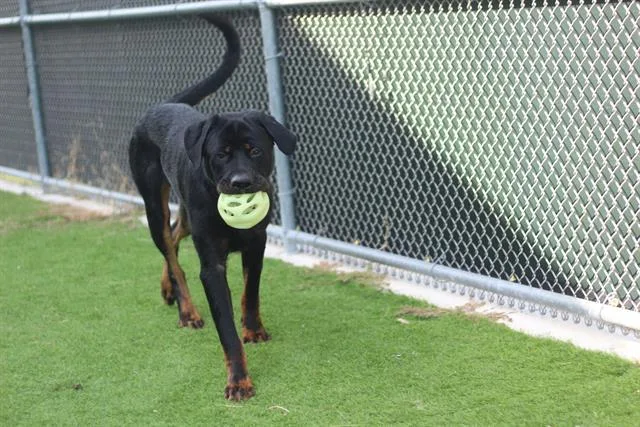
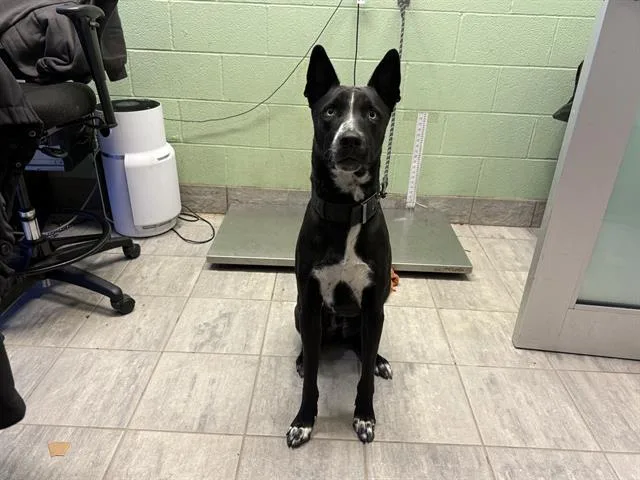
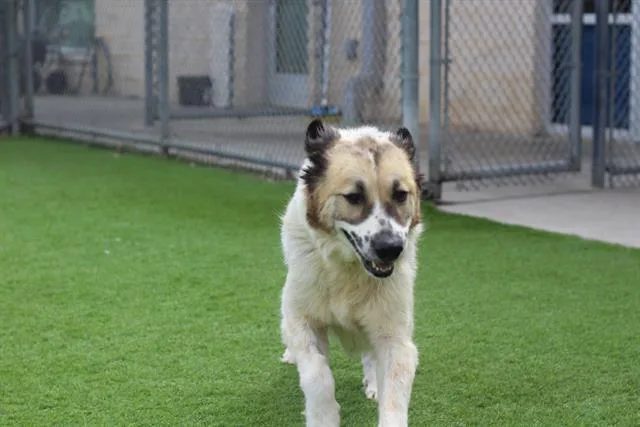
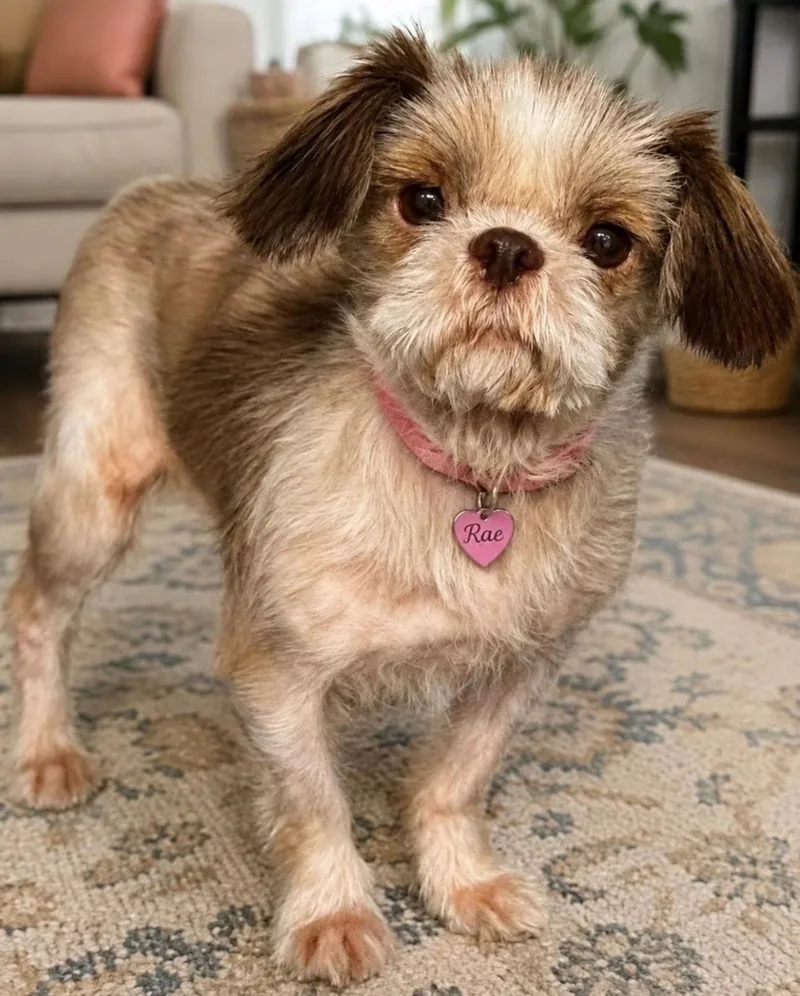
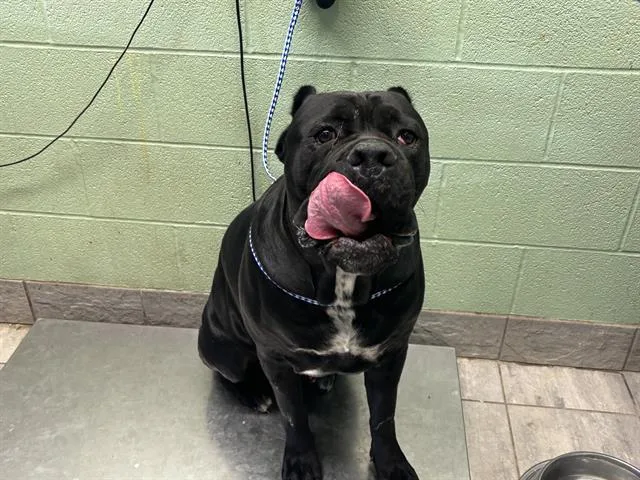
Catahoula Leopard Dogs for Adoption in Grand Prairie, TX

Your guide to finding and caring for a Catahoula Leopard Dog in Grand Prairie

A Catahoula Leopard Dog does best in Grand Prairie with a sturdy fence and an owner who likes being outside. The 1980s subdivisions south of I-20, like Westchester, have ranch and two-story homes where an athletic dog can have a yard. The Fish Creek Trail, which runs through the southwest side, adds a paved route for long leashed walks. Catahoulas are watchful and bright, so plan on a daily run or training session, not just a stroll around the block.

1471 Catahoula Leopard Dogs available in Grand Prairie and nationwide

Give a Catahoula Leopard Dog a home

Catahoula Leopard Dogs Available for Adoption Near Grand Prairie

About the Catahoula Leopard Dog breed

Named for Catahoula Parish in Louisiana, this athletic working dog was developed in the swamps and woods of the Gulf South to find and hold feral hogs and to gather semi-wild cattle. Ability mattered more than looks, so Catahoulas vary widely in size and build. Many wear a merle "leopard" coat and glass-blue or mismatched eyes, though brindle and solid colors are common too.

Catahoulas tend to be loyal, independent and watchful, with a strong work drive. In Grand Prairie, that adds up to a dog that needs a fenced yard, vigorous daily exercise and a plan for hot afternoons. Early socialization and steady, reward-based training help. Many dogs labeled Catahoula in shelters are mixes, so a dog's own personality and needs matter more than the label.

Weight
50–95 lbs
Height
20–26 in
Lifespan
10–14 yrs
Temperament
Energetic, Independent, Protective
Group
Herding
Shedding
Moderate

Owning a Catahoula Leopard Dog in Grand Prairie

Having a Catahoula Leopard Dog in Grand Prairie

Stamina, problem-solving and a watchful streak define most Catahoulas, and Grand Prairie's long hot season and yard-friendly neighborhoods shape how those traits play out. Merle coloring also brings hearing and eye considerations worth understanding before you adopt.

Temperament

Catahoulas are often devoted to their families and reserved with strangers. Some are selective with other dogs or inclined to chase small animals, so dogs vary. In Grand Prairie's neighborhoods, a Catahoula may bark at passersby, and visitors need slow introductions. Steady, reward-based training and early socialization help a Catahoula settle.

Exercise Needs

Plan on an hour or more of vigorous activity daily, plus mental work like scent games or training. The paved EpicCentral loop is 2.3 miles for leashed jogs, and Central Bark gives a fenced place to run off leash. In summer, move exercise to early morning or after dark. An under-exercised Catahoula may dig or chew.

Health Considerations

Deafness is a known risk in Catahoulas, especially heavily white or double-merle dogs, which can also have eye defects. Hip dysplasia occurs too. A veterinarian can check hearing, eyes and hips after adoption. In Grand Prairie, keep flea, tick and heartworm prevention current, and watch for heat stress in this muscular, athletic dog.

Living Space

Many Catahoulas jump and dig, so a securely fenced yard with a sturdy gate fits best, and the dog should live indoors with the family, especially in summer. Apartment life works only with reliable, vigorous daily exercise. Introduce visitors carefully, since many Catahoulas are wary of strangers.

What it costs to own a Catahoula Leopard Dog in Grand Prairie

ExpenseTypical costPer year
Food$55 to $110 per month$660 to $1,320
Pet insurance$55 to $110 per month$660 to $1,320
Routine vet care$250 to $500 per year$250 to $500
Other*$490 to $1,290 per year$490 to $1,290
Estimated yearly total (after year one)$2,060 to $4,430

Other costs are estimates and vary with size, age and health.

* Flea, tick and heartworm prevention, a dental cleaning allowance, a dog license, toys and bedding, and basic at-home brushing for the short coat.

Adopt a Catahoula Leopard Dog in Grand Prairie.

Now that you know more, let’s find you a new best friend. These rescues and shelters below currently have Catahoula Leopard Dogs available.

Rescues in Grand Prairie with Catahoula Leopard Dogs Available

Prairie Paws is Grand Prairie's city shelter, and its adoptions include spay or neuter, vaccines and a microchip. Here are the rescues & shelters in the Grand Prairie area where you can find Catahoula Leopard Dogs and other dogs available for adoption.

Frequently Asked Questions

Yes, you can own a Catahoula Leopard Dog in Grand Prairie. No breed-specific rule is known here, and Texas bars breed-specific dangerous-dog rules, so dogs are judged by behavior. Expect a current rabies tag and ID tag worn at all times, rabies vaccination by four months, and limits on tethering: three hours in 24, never overnight or below 32°F.

Yes, with precautions. Grand Prairie sees roughly 95 to 105 days a year at or above 90°F, and a short coat doesn't make a Catahoula heat-proof. Walk at dawn or after dark, test pavement with the back of your hand, and keep the dog indoors on hot afternoons. Outdoors, provide shade and a large shaded water bowl, ideally not metal.

Central Bark Dog Park at 2222 W. Warrior Trail is the off-leash option: three fenced acres, open 24/7, with small-dog and large-dog areas, shade and water. For leashed exercise, the 2.3-mile EpicCentral Trail and Fish Creek Trail work well. Loyd and Lynn Creek parks on Joe Pool Lake have natural-surface trails, entry fees and no dog beach.

Possibly, on patios only. Texas law lets restaurants choose to allow leashed dogs in outdoor dining areas that meet state conditions, including a posted sign, direct entry from outside and no dog on seats or tables. It's each restaurant's decision, so look for the sign. A Catahoula wary of strangers may do best with a mat and a quiet corner table.

Very little. A Catahoula's short, close coat needs weekly brushing, a bit more during heavier shedding. In Grand Prairie's heat, skip shaving and rely on shade and water. A bath every month or two, plus nail trims and ear checks, is usually plenty. Professional grooming is optional, and any cost falls within the yearly Other costs listed above.

It can be, for an active owner with a securely fenced yard. Grand Prairie's subdivisions south of I-20 and trails like EpicCentral help, but summer heat limits midday activity, and a protective Catahoula needs early socialization. If your days are long and away from home, or you want a low-key dog, another breed may suit you better.

Grand Prairie has no subway or fixed-route city bus, so there's little transit to ride. Via Grand Prairie, the on-demand shared service, publishes no pet rule, so check its pet policy before booking with a large dog. For a protective, athletic Catahoula, a car with a crate or harness is usually the simpler way to travel.

A Catahoula Leopard Dog is a medium-to-large working breed from Louisiana, developed to hunt and bay feral hogs and to herd cattle. It is athletic and muscular, often with a merle coat and striking light or mismatched eyes. Catahoulas are typically intelligent, loyal, independent and energetic, and they need experienced handling, training and lots of activity.

We have 1 rescue with Catahoula Leopard Dogs available: Grand Prairie Animal Services. You can see every rescue with Catahoula Leopard Dogs available in the list above these questions, or scroll to the top to see the Catahoula Leopard Dogs near Grand Prairie.

Budget about $55 to $110 a month for food and $55 to $110 for insurance, plus $250 to $500 a year for routine vet care and $490 to $1,290 a year for other costs like parasite prevention, dental cleaning and supplies. That comes to roughly $2,060 to $4,430 a year before emergencies. The short coat keeps grooming costs low.