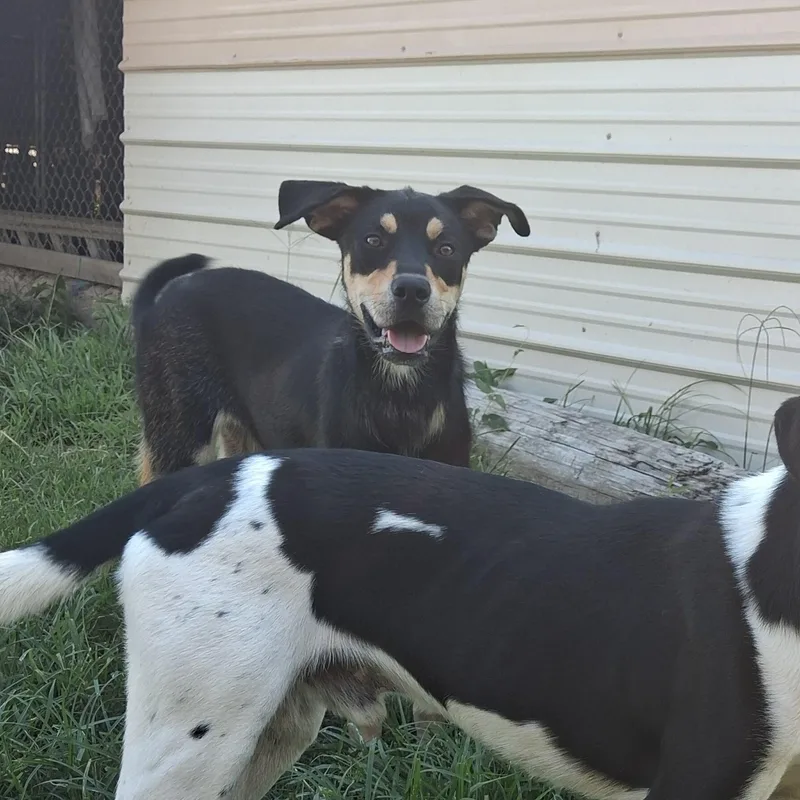
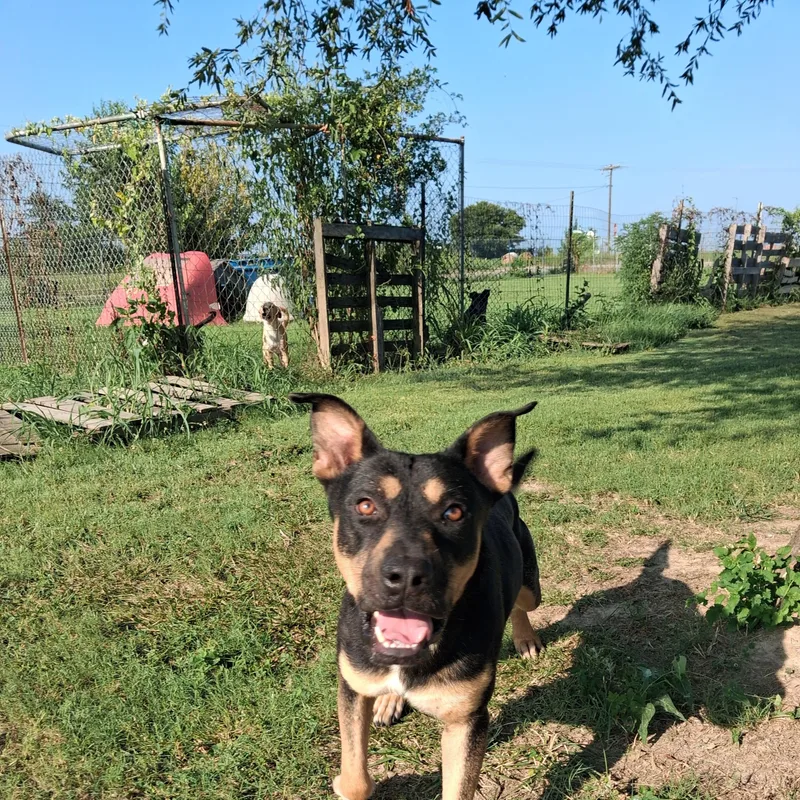
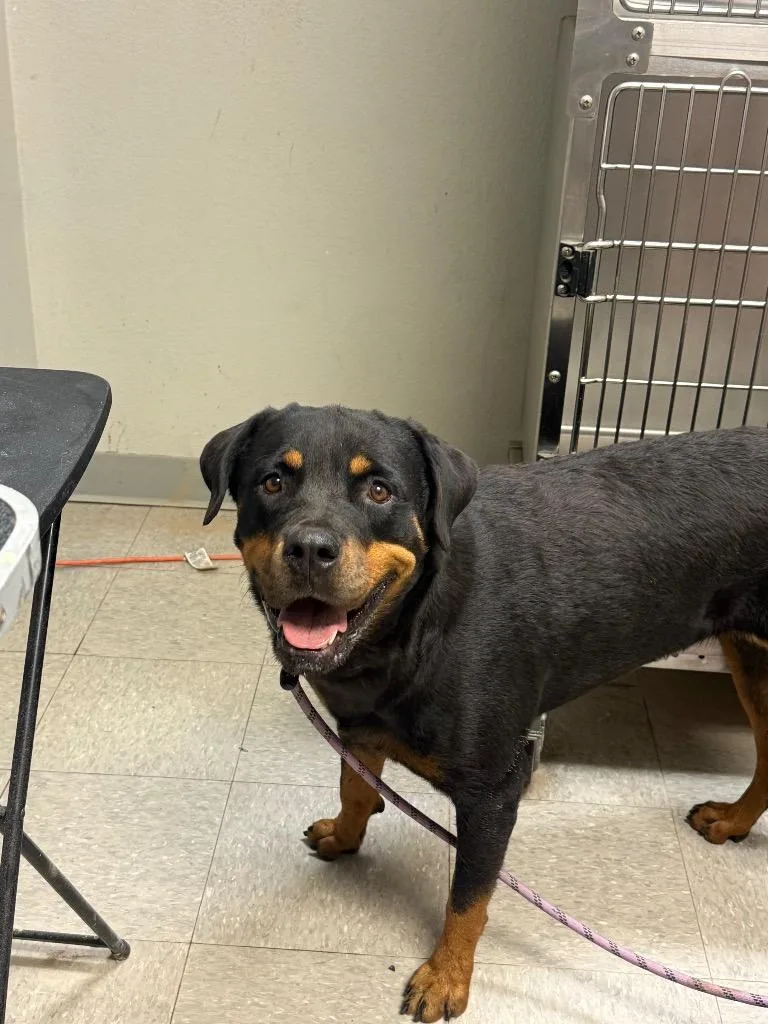
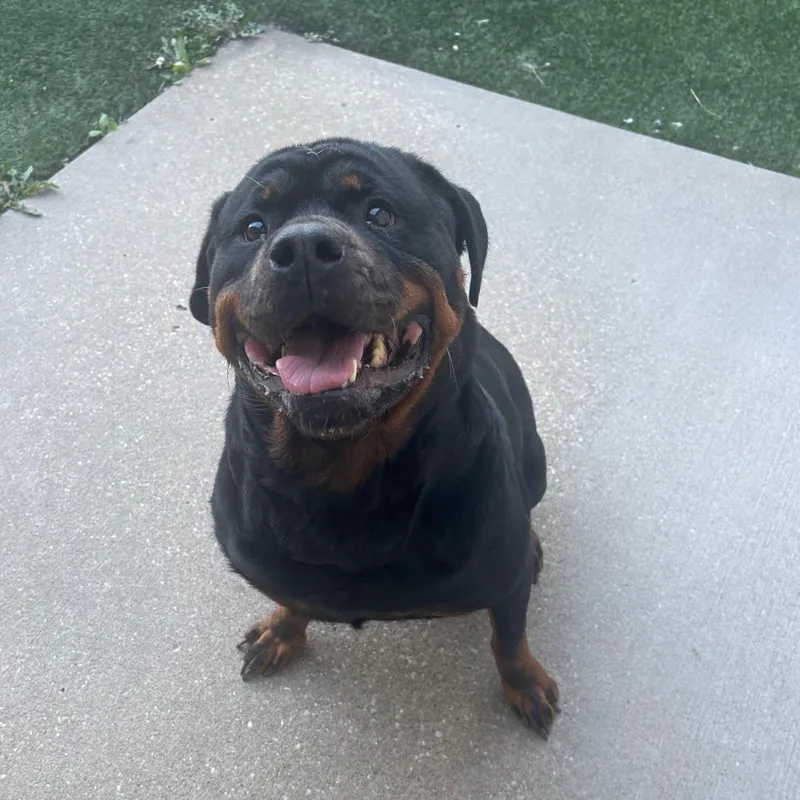
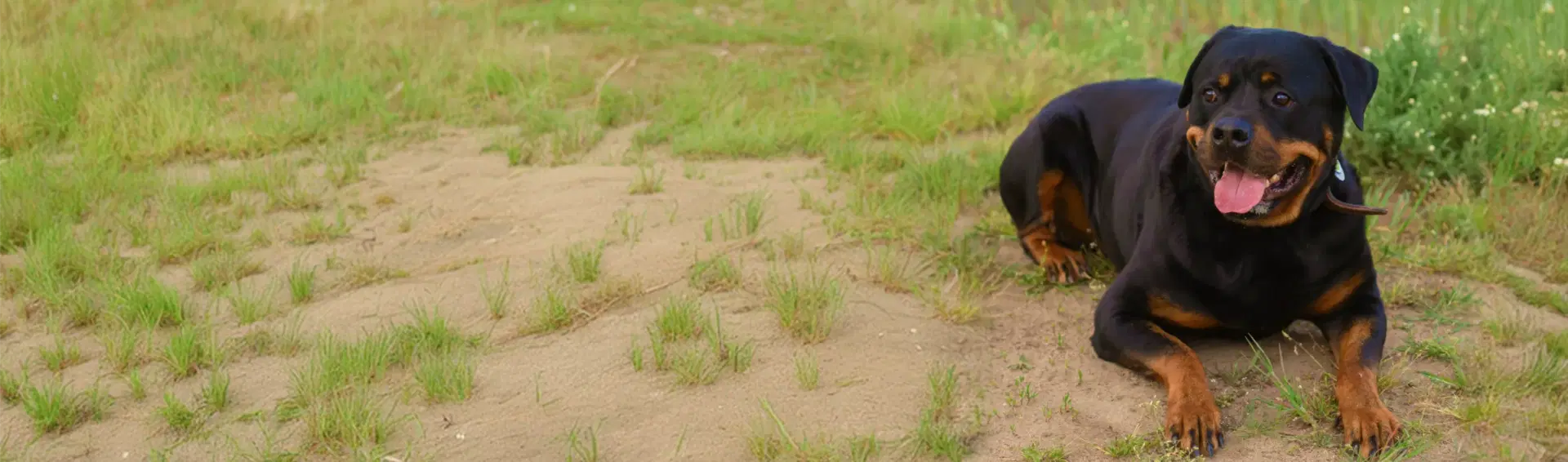
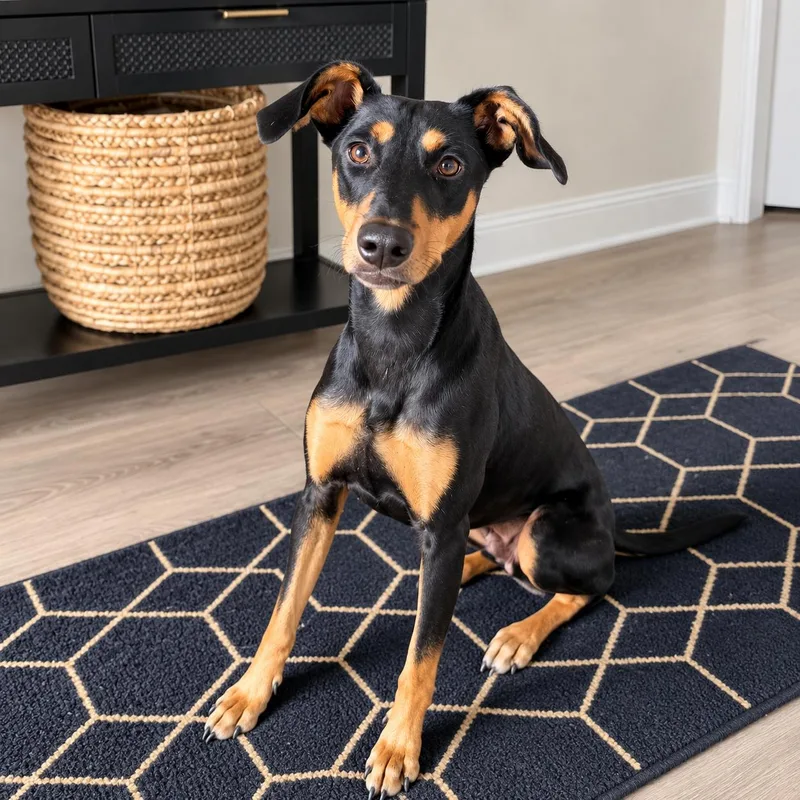
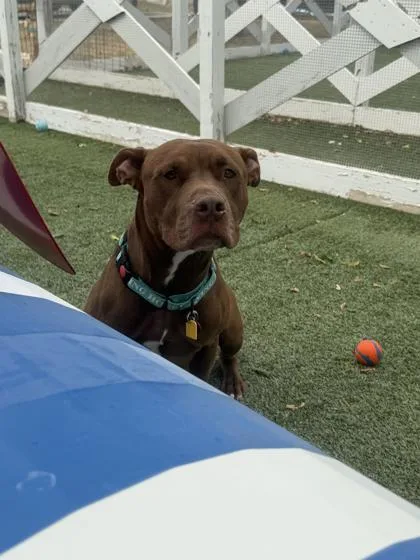
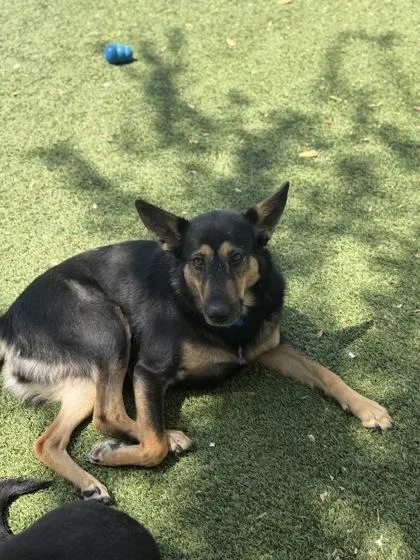
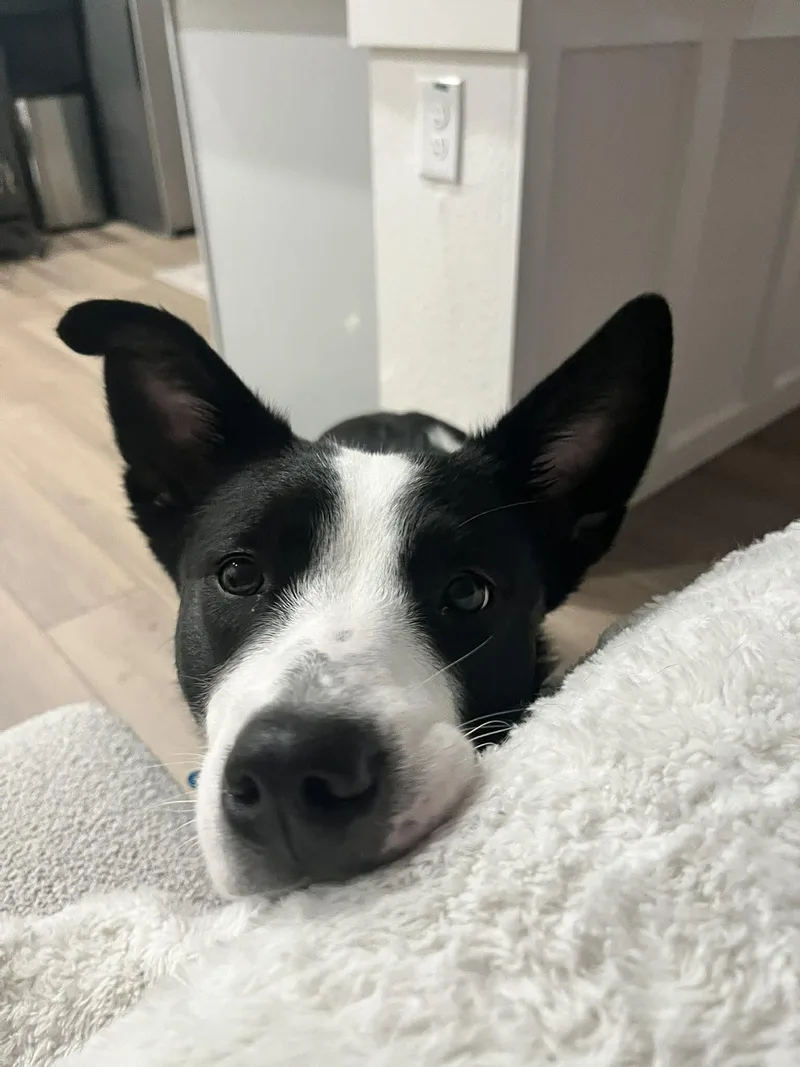
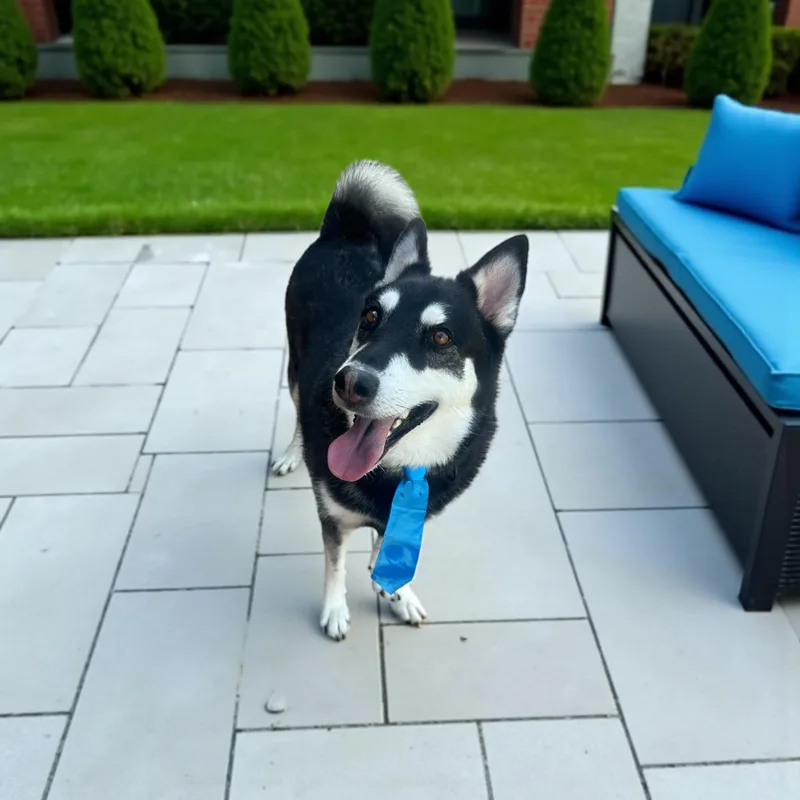
Rottweiler dog

Rottweiler Dogs for Adoption in Fort Worth, TX

Your guide to finding and caring for a Rottweiler in Fort Worth

Rottweilers suit Fort Worth's ranch-house neighborhoods like Tanglewood and Wedgwood, where a big, calm dog has room to settle in. They like a daily routine, so a loop around Candleridge Park and a short training session after work go a long way. Summer heat is the one thing to plan around, since a black coat soaks it up. If you're thinking about adopting a Rottie here, count on having someone home a fair amount, because most want to stay close to their people.

1605 Rottweilers available in Fort Worth and nationwide

Give a Rottweiler a home

Rottweilers Available for Adoption Near Fort Worth

About the Rottweiler breed

Rottweilers come from the German market town of Rottweil, where descendants of Roman-era drover dogs moved cattle to market and pulled butchers' carts. When railways ended that work, they became police, search and guard dogs. Adults usually weigh 75 to 135 pounds, with a short black coat, rust markings and a broad head, and they shed moderately year-round.

At home, many Rotties are affectionate, playful and fond of leaning on their people, while staying reserved with strangers. That protective streak means early socialization and steady, reward-based training matter. Rottweilers vary a lot, and a dog's history and training say more about it than the breed's reputation does. Adult dogs often show their temperament clearly, which can make it easier to find a good match.


Weight
75–135 lbs
Height
22–27 in
Lifespan
8–11 yrs
Temperament
Confident, Loyal, Protective, Calm
Group
Working
Shedding
Moderate

Owning a Rottweiler in Fort Worth

Having a Rottweiler in Fort Worth

Steady, strong and devoted, Rottweilers do best with owners who enjoy training and daily activity. In Fort Worth, a dog's size, joint health and trouble with heat shape everyday life as much as its personality does.

Temperament

Rottweilers are usually calm and self-assured, with a wait-and-see attitude toward new people. Many are goofy and affectionate with family. In a busy city like Fort Worth, that means practicing calm greetings on sidewalks and in parks, and sticking with training. Each dog differs, so watch how a Rottie behaves around you, strangers and other dogs.

Exercise Needs

Plan on a daily walk plus training or play, and a job like obedience or scent games. Fort Woof in Gateway Park and ZBonz both have fenced large-dog areas, and a Rottie should respond reliably to voice commands before going off leash. Puppies under 4 months aren't allowed in either, so stick to leashed walks until then.

Health Considerations

Rottweilers are prone to hip and elbow dysplasia, cruciate ligament tears, heart conditions and several cancers. Because the breed is large and heavy, keeping a Rottie lean eases strain on the joints. A veterinarian can check hips, elbows and heart after adoption, and since Fort Worth summers are hot, learn the signs of heatstroke.

Living Space

A Rottweiler can live in a house or a roomy apartment if exercise and training happen every day. A sturdy fence helps with a young dog, but it doesn't replace time with the family. Rotties should live indoors, and their size and strength call for care around small children and frail adults.

What it costs to own a Rottweiler in Fort Worth

ExpenseTypical costPer year
Food$55 to $110 per month$660 to $1,320
Pet insurance$65 to $130 per month$780 to $1,560
Routine vet care$250 to $500 per year$250 to $500
Other*$490 to $1,290 per year$490 to $1,290
Estimated yearly total (after year one)$2,180 to $4,670

Other costs are estimates and vary with size, age and health.

* Flea, tick and heartworm prevention, a dental cleaning allowance, a city license or replacement tag allowance, toys and bedding, and basic brushing supplies.

Rottweiler dog

Adopt a Rottweiler in Fort Worth.

Now that you know more, let’s find you a new best friend. These rescues and shelters below currently have Rottweilers available.

Frequently Asked Questions

Yes. Fort Worth has no breed-specific rules, and Texas law only lets cities add dangerous-dog rules that don't target a breed. A dog is judged by its behavior, such as an unprovoked attack outside its enclosure. As an owner you'll need a registered microchip, a leash off your property and a secure fence.

Rottweilers can handle Fort Worth summers with care, but heat is the biggest risk for the breed. Highs reach 100°F on 20 to 24 days a year, and a black coat absorbs sun. Walk before sunrise or after dark, offer shade and water, keep your dog in air conditioning, and learn the signs of heatstroke, like heavy panting and drooling.

Fort Woof in Gateway Park and ZBonz on the west side are Fort Worth's two large off-leash parks, each with a large-dog area. Dogs need a current rabies tag, must be at least 4 months old, and should respond to voice commands. For leashed walks, try Trinity Park or the Fort Worth Nature Center & Refuge, where dogs pay $2.

Generally no. Trinity Metro vehicles allow service animals that meet ADA requirements and pets in approved carriers, and carriers can't block the aisle. A full-size Rottweiler won't fit in a carrier, so plan on driving to parks and vet visits. TEXRail follows the same carrier guidelines.

Only on patios, and only if the restaurant chooses to allow dogs. Texas law lets restaurants admit leashed dogs to outdoor dining areas that have a visible "dogs welcome" sign and direct access from outside. The dog must stay off seats and tables and out of the interior, and cities can't add stricter rules. A Rottie should be calm and settled first.

Yes, if the lease allows it and the dog gets daily exercise. A calm adult Rottweiler can do well in a roomy apartment, but plan on several walks, training and something to do while you're out. Check the lease for breed and weight limits. Complexes may also ask for proof of a microchip and spay or neuter status.

A Rottweiler fits Fort Worth well if you're active, home a fair amount and willing to manage summer heat. Spacious ranch-style neighborhoods and plenty of parks help, but long, hot summers mean early or late walks. A Rottie also needs steady training and socialization, so it suits committed owners better than households that are often away.

Very little. A Rottweiler's short, dense coat needs weekly brushing, more during heavier shedding, and a bath only when it's dirty. Fort Worth's heat and dust make nail trims, ear checks and paw wipes worthwhile. Most owners do it all at home, so grooming costs stay small and are covered in the Other line of the cost table.

We have 1 rescue with Rottweilers available: Animal Hope. You can see every rescue with Rottweilers available in the list above these questions, or scroll to the top to see the Rottweilers near Fort Worth.

Expect roughly $2,200 to $4,700 a year for a Rottweiler in Fort Worth. That covers food at $55 to $110 a month, insurance at $65 to $130 a month, routine vet care at $250 to $500 a year, and about $490 to $1,290 a year in other costs, depending on the dog and your choices.