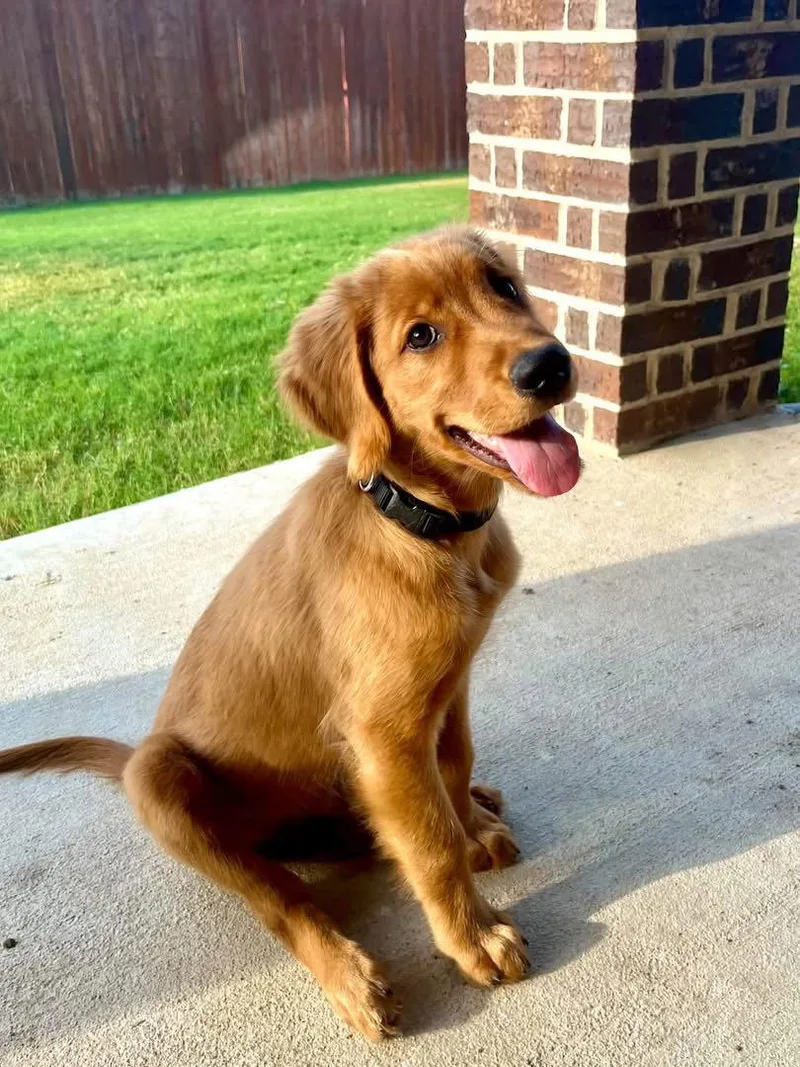
German Longhaired Pointer Dogs for Adoption in Fort Worth, TX

Your guide to finding and caring for a German Longhaired Pointer in Fort Worth

513 dogs similar to German Longhaired Pointer available in Fort Worth and nationwide

Meet your German Longhaired Pointer

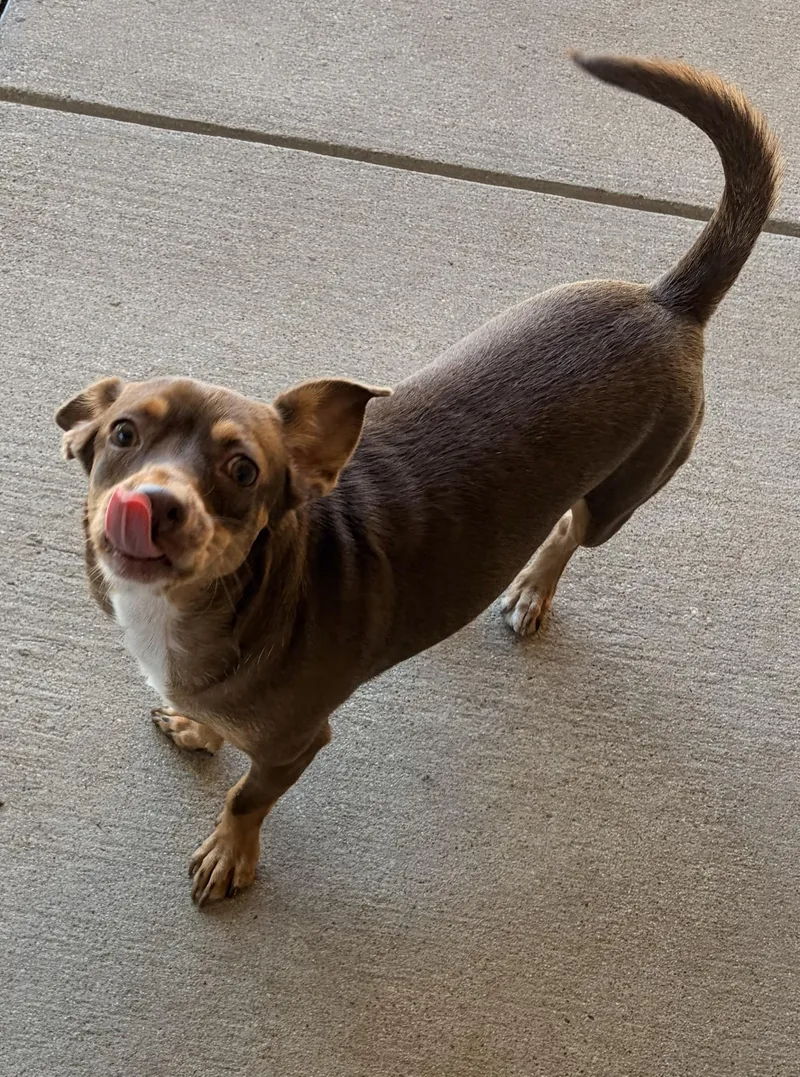
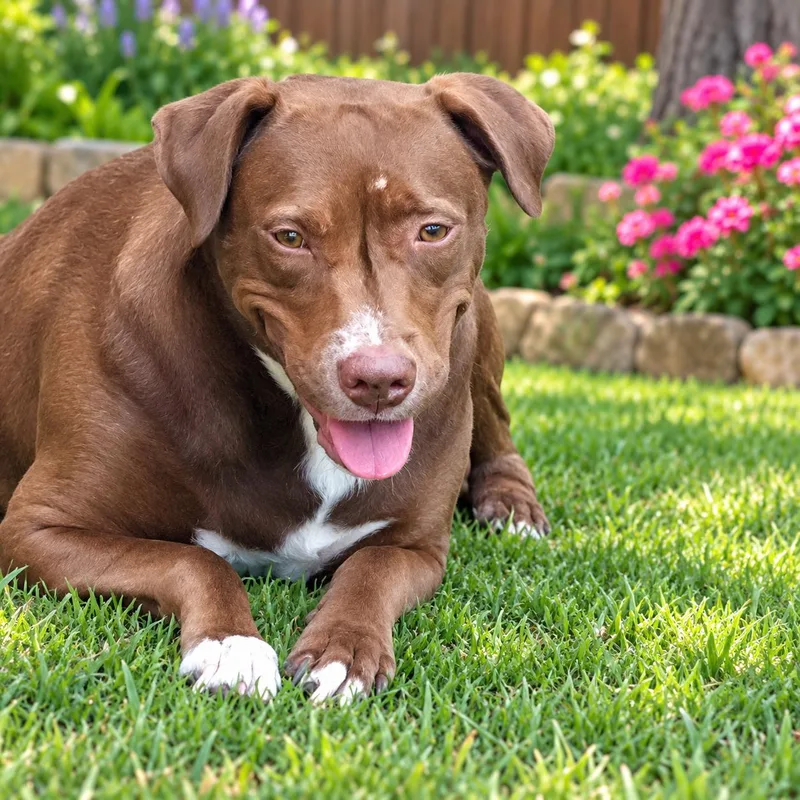
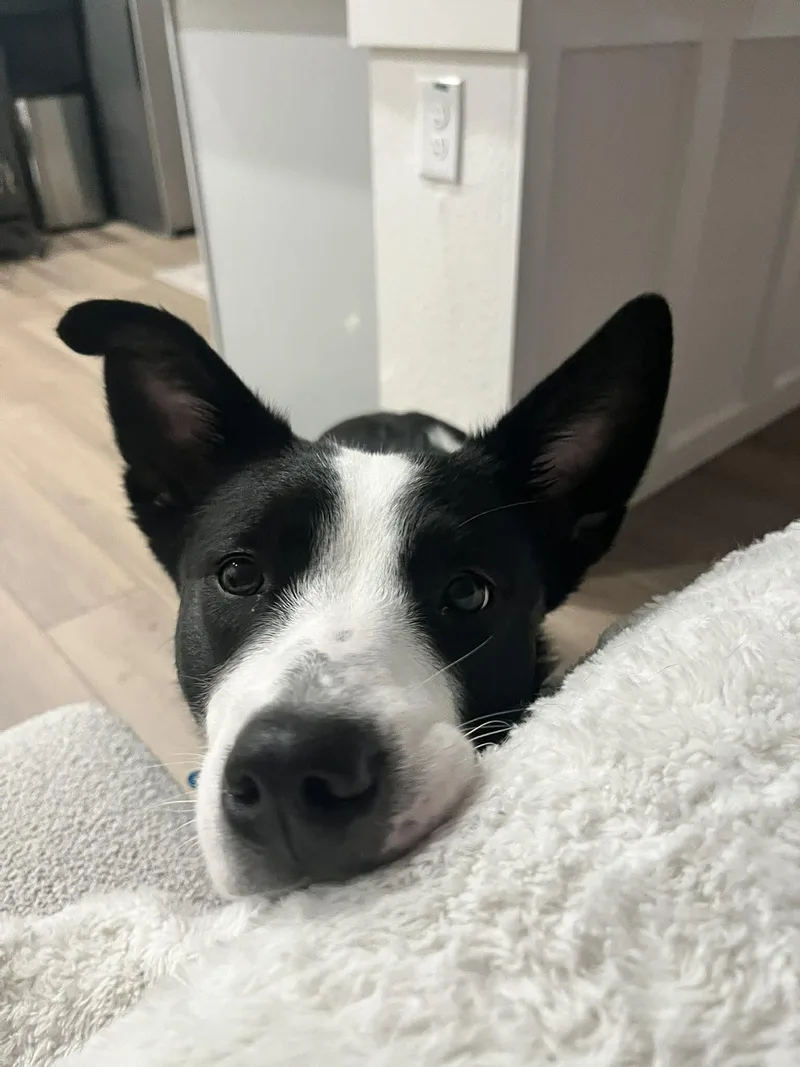
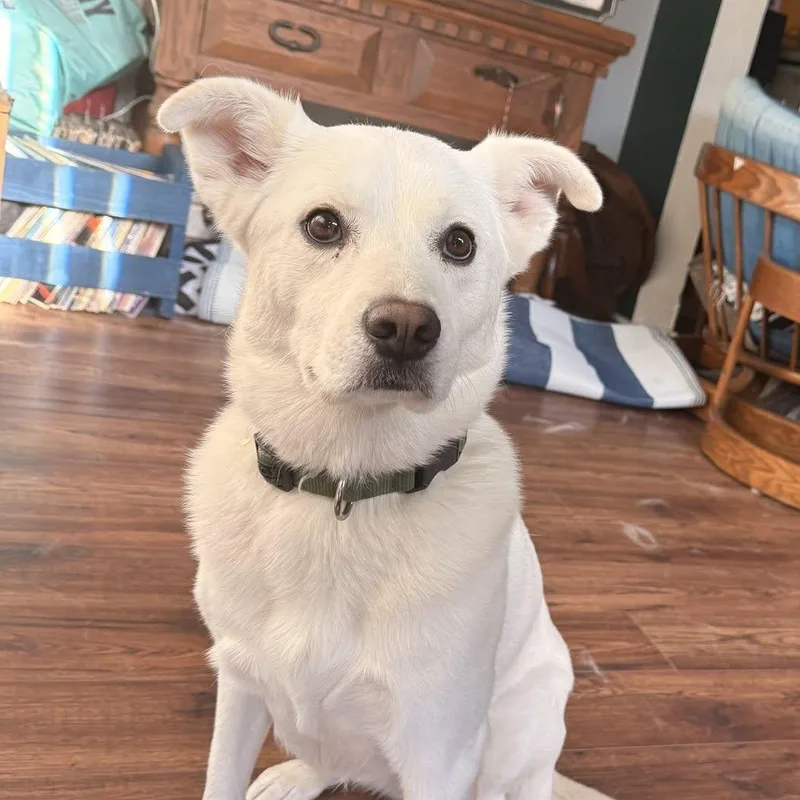
German Longhaired Pointers and Similar Breeds Available for Adoption Near Fort Worth

About the German Longhaired Pointer breed

The German Longhaired Pointer is a versatile gun dog developed in Germany from the late 1800s to point game, track wounded animals and retrieve on land and from water. Its modern standard dates to 1897. It is rare in the United States, where the AKC lists it in its Foundation Stock Service with the sporting breeds. Adults are muscular, athletic dogs with a medium-length coat that is longer on the ears, chest, legs and tail, in solid brown, brown with white, or roan.

Many German Longhaired Pointers are calm, affectionate and people-oriented at home, then switch into keen, tireless hunters outdoors. They usually need plenty of daily exercise, a job for their nose, and secure handling around cats and small animals. Coat care is modest, but ears and feathering need regular checks.

Weight
55–80 lbs
Height
23–28 in
Lifespan
12–14 yrs
Temperament
Affectionate, Energetic, Intelligent
Group
Sporting
Shedding
Moderate

Owning a German Longhaired Pointer in Fort Worth

Having a German Longhaired Pointer in Fort Worth

A German Longhaired Pointer blends a gentle house manner with a hard-working hunter's drive. Its exercise needs, prey instinct, feathered coat and long ears shape everyday care and help determine whether one fits an adopter's lifestyle.

Temperament

German Longhaired Pointers tend to be sweet, even-tempered and devoted to their family, and many are good with children and other dogs. Outdoors they become focused, determined hunters, so cats, birds and small pets may trigger chasing. They are smart and trainable but sensitive, and many dislike being left alone for long stretches.

Exercise Needs

This is a high-energy sporting dog that needs vigorous daily exercise, such as long walks, running, hiking or swimming. Hunting, tracking, retrieving games and dog sports like agility or rally give it the mental work it craves. A German Longhaired Pointer without enough to do may become restless, destructive or noisy.

Health Considerations

German Longhaired Pointers are generally considered a healthy breed, though hip dysplasia, bloat and ear infections are reported, and eye testing for progressive retinal atrophy is often advised. Their long, feathered ears need regular cleaning. They can gain weight easily, so measured meals and routine veterinary checkups help keep them fit.

Living Space

A German Longhaired Pointer usually does best in a house with a securely fenced yard and an active family that gets outdoors daily. Apartment life is hard for most unless their exercise needs are fully met. Their coat handles cool weather and water well, but burrs and mud tend to come home with them.

What it costs to own a German Longhaired Pointer

ExpenseTypical costPer year
Adoption fee$75, one time$75 in year one
Food$55 to $110 per month$660 to $1,320
Pet insurance$55 to $110 per month$660 to $1,320
Routine vet care$250 to $500 per year$250 to $500
Other*$590 to $1,490 per year$590 to $1,490
Estimated yearly total (after year one)$2,160 to $4,630
First-year total (with adoption fee)$2,235 to $4,705

Adoption fee is the fee on German Longhaired Pointer listings in Fort Worth on GetBuddy today. Other costs are national averages for German Longhaired Pointers; we don't have costs specific to Fort Worth yet.

* Flea, tick and heartworm prevention, a dental cleaning allowance, a dog license, toys and bedding, and brushing, baths and ear care for a feathered coat; license fees vary by city.

Adopt a German Longhaired Pointer in Fort Worth.

Now that you know more, let’s find you a new best friend. These rescues and shelters below currently have German Longhaired Pointers available.

Frequently Asked Questions

The German Longhaired Pointer is a large, versatile gun dog from Germany, developed to point, track and retrieve game on land and in water. It is muscular and athletic, with a medium-length brown or roan coat that is longer on the ears, legs and tail. Calm and affectionate at home, it becomes a keen, tireless hunter outdoors.

The German Longhaired Pointer comes from Germany, where it was developed from the late 1800s from older longhaired hunting dogs. Its modern standard dates to 1897, and it was recognized internationally in 1954. It remains best known in Germany and elsewhere in Europe, and it is still rare in the United States, where it is used both as a hunting companion and a family dog.

German Longhaired Pointers were developed as versatile hunting dogs rather than specialists. They locate and point upland game birds, retrieve waterfowl from water, and track wounded game such as deer by scent. They also work small game like rabbits and hares. That all-around role explains their strong nose, stamina, love of water and drive to chase small animals.

Yes, most German Longhaired Pointers love water. They were developed to retrieve from lakes and marshes, and their dense coat and undercoat help protect them in cool water. Many happily swim, splash and fetch from water, which also makes great exercise. Introduce swimming gradually, supervise near strong currents, and dry and check their feathered ears afterward to prevent infections.

German Longhaired Pointers are large dogs. Adults usually weigh about 55 to 80 pounds and stand roughly 23 to 28 inches tall at the shoulder, with males bigger than females. They are lean and muscular rather than bulky. Their size and strength, combined with a strong prey drive, mean good leash manners are important from the start.

German Longhaired Pointers typically live about 12 to 14 years, a fairly long lifespan for a large dog. Hip dysplasia, bloat and ear infections are the main health concerns reported. Keeping the dog lean, providing steady exercise, cleaning the long ears and keeping up regular veterinary checkups give a German Longhaired Pointer its best chance at a long, active life.

German Longhaired Pointers tend to be calm, sweet-natured and affectionate at home, bonding closely with their family. Outdoors they switch into focused, determined hunters with strong noses and plenty of stamina. They are intelligent and usually eager to work with people, but sensitive to harsh handling. Many dislike being left alone for long periods and need regular activity to stay settled.

German Longhaired Pointers can be excellent family dogs for active households. They are usually affectionate, gentle and good with children and other dogs. The catch is their high exercise needs, strong prey drive and dislike of long hours alone. A family that hikes, runs, swims or trains regularly, and can secure a yard, is far more likely to enjoy one.

Many German Longhaired Pointers are gentle and patient with children and enjoy being part of family activity. Their size and enthusiasm mean they can knock over toddlers during play, especially while young. Supervise interactions, teach kids to respect the dog's space, and work on calm manners. Older children who join walks and games often make great companions for this breed.

We have 1 rescue with German Longhaired Pointers available: Pet Connectors. You can see every rescue with German Longhaired Pointers available in the list above these questions.

Find German Longhaired Pointers in Nearby Cities

Expand your search to find German Longhaired Pointers available for adoption near Fort Worth.