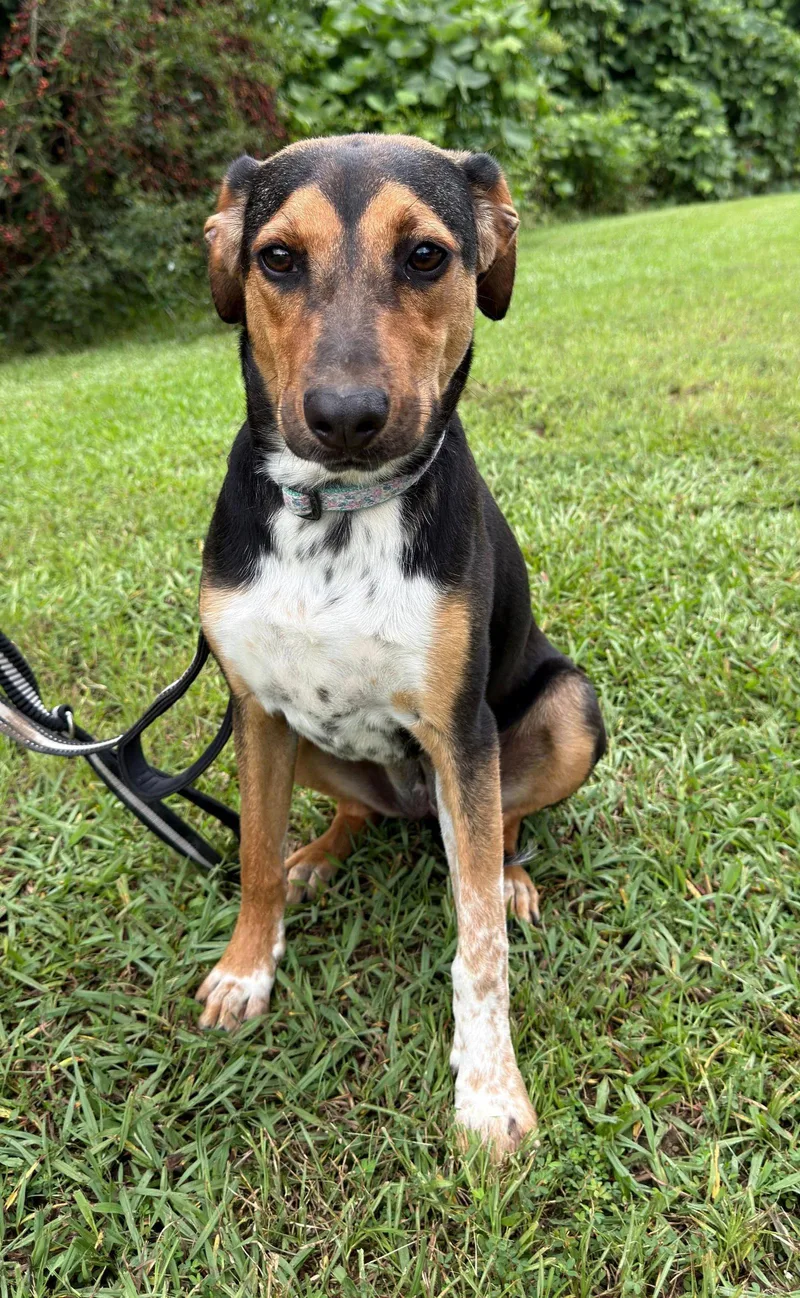
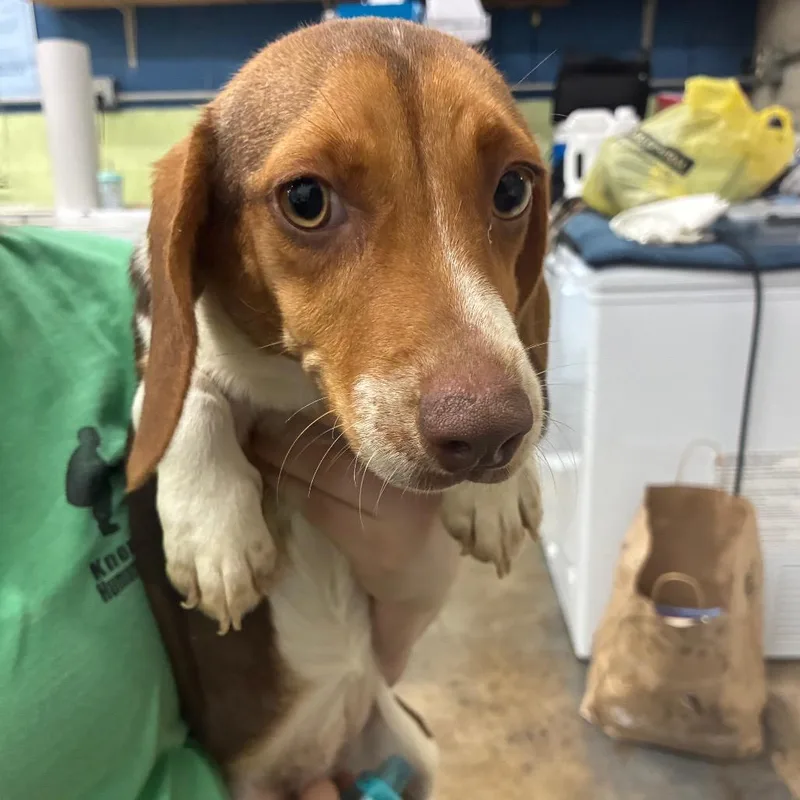
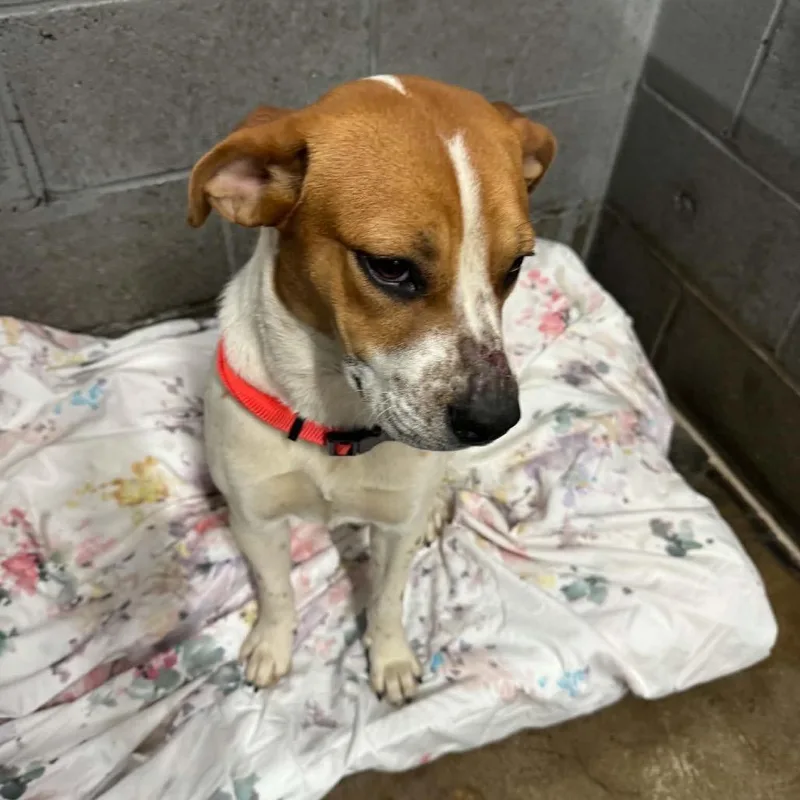
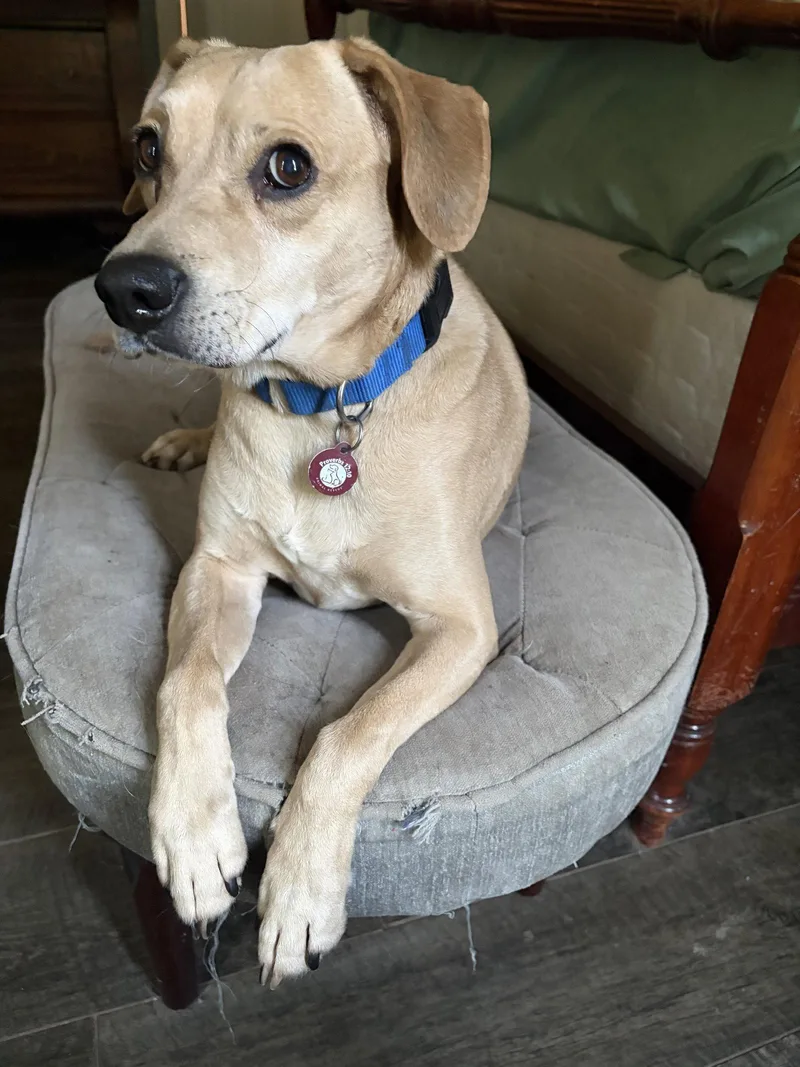
Hamiltonstovare Dogs for Adoption in Nashville, TN

Your guide to finding and caring for a Hamiltonstovare in Nashville

A Hamiltonstovare suits Nashville best with a fenced yard, like the brick ranch houses of Donelson. This Swedish scent hound is friendly and even-tempered, but its nose runs the day, so a secure fence matters more than square footage. Two Rivers Dog Park, the city's largest at about 6.6 acres, gives a medium-sized hound room to stretch out, and the Stones River greenway offers long leashed walks nearby. It's a vocal breed when bored, so plan for company.

5024 dogs similar to Hamiltonstovare available in Nashville and nationwide

Say hello to your Hamiltonstovare

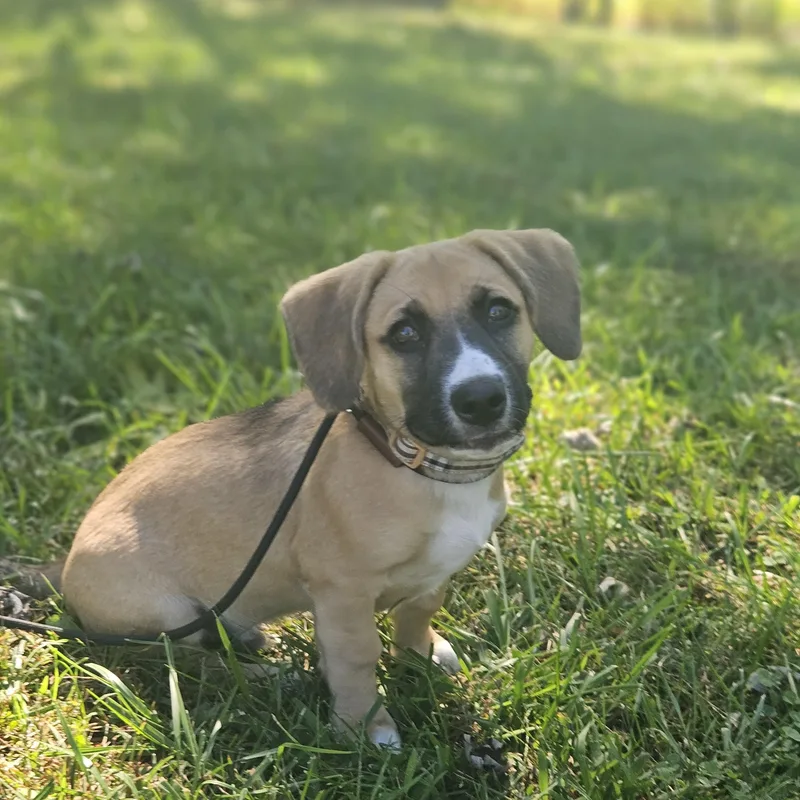
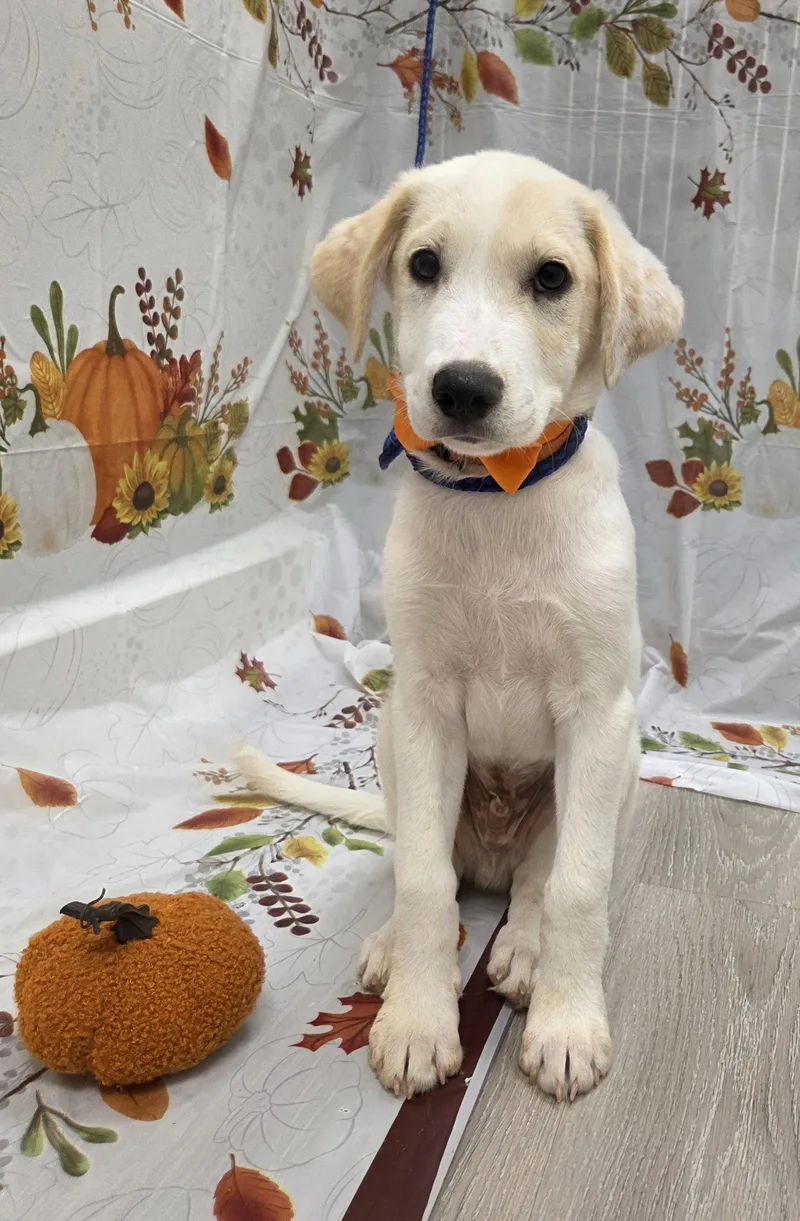
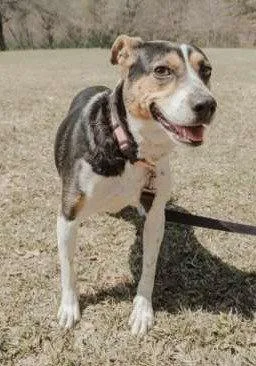
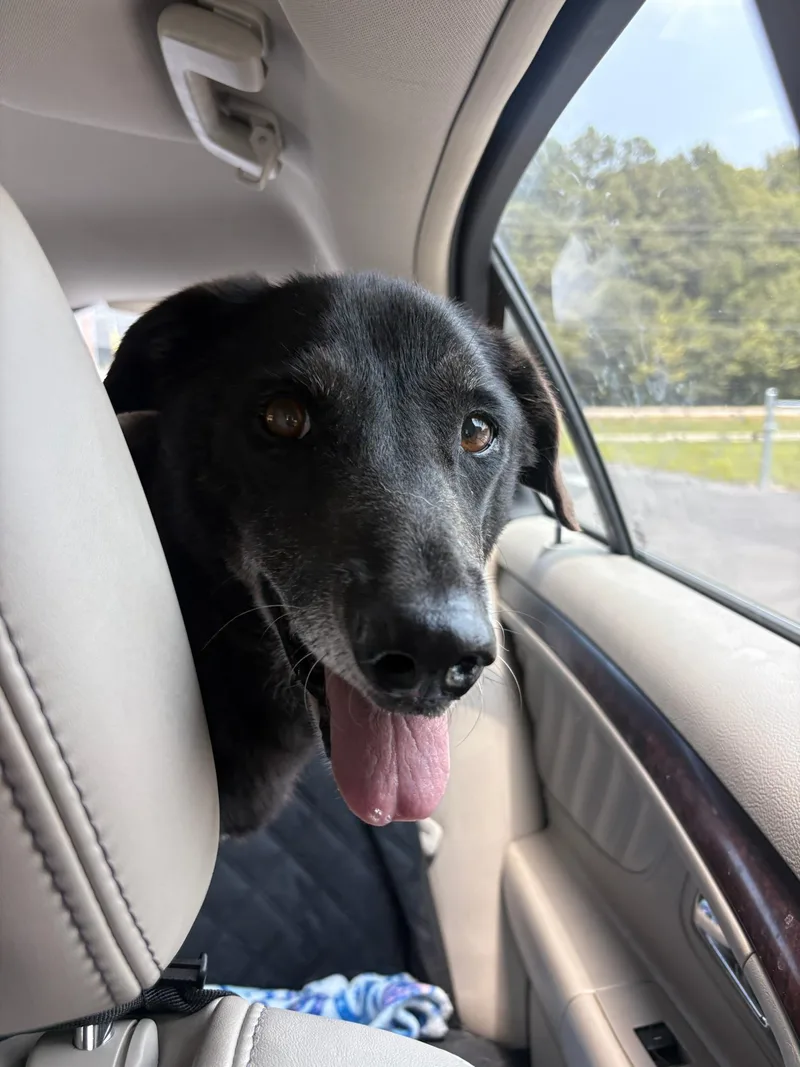
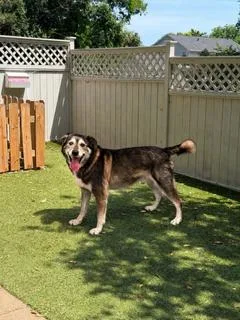
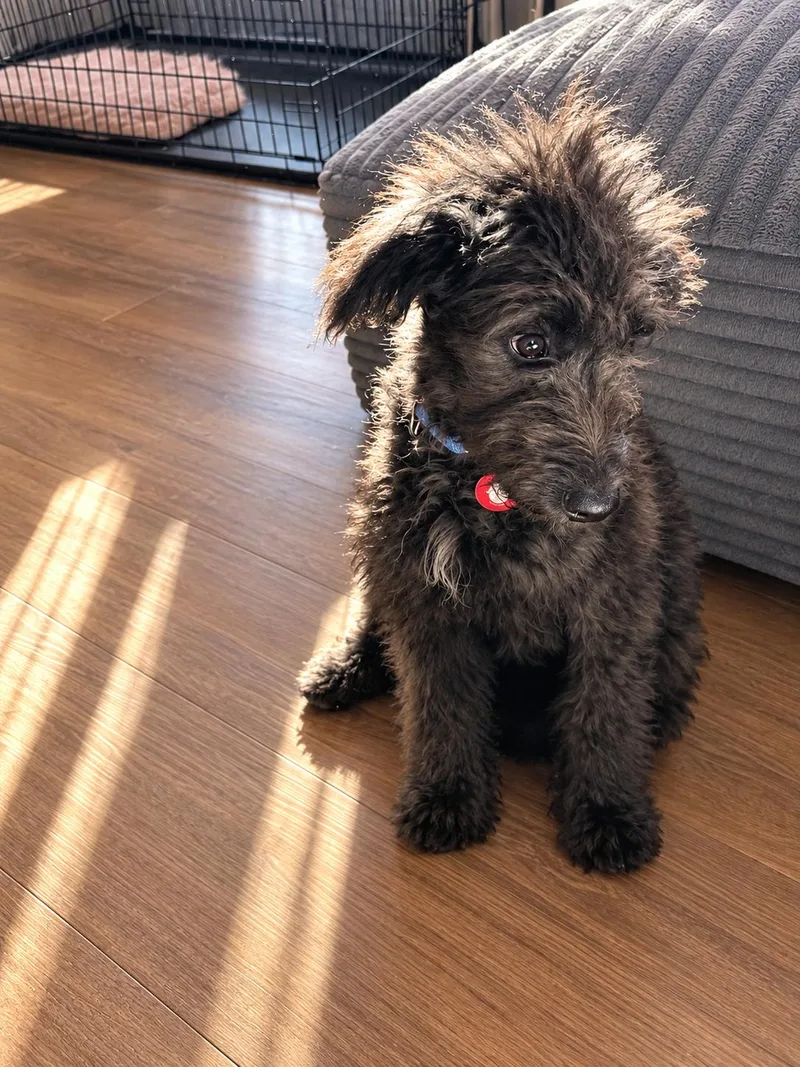
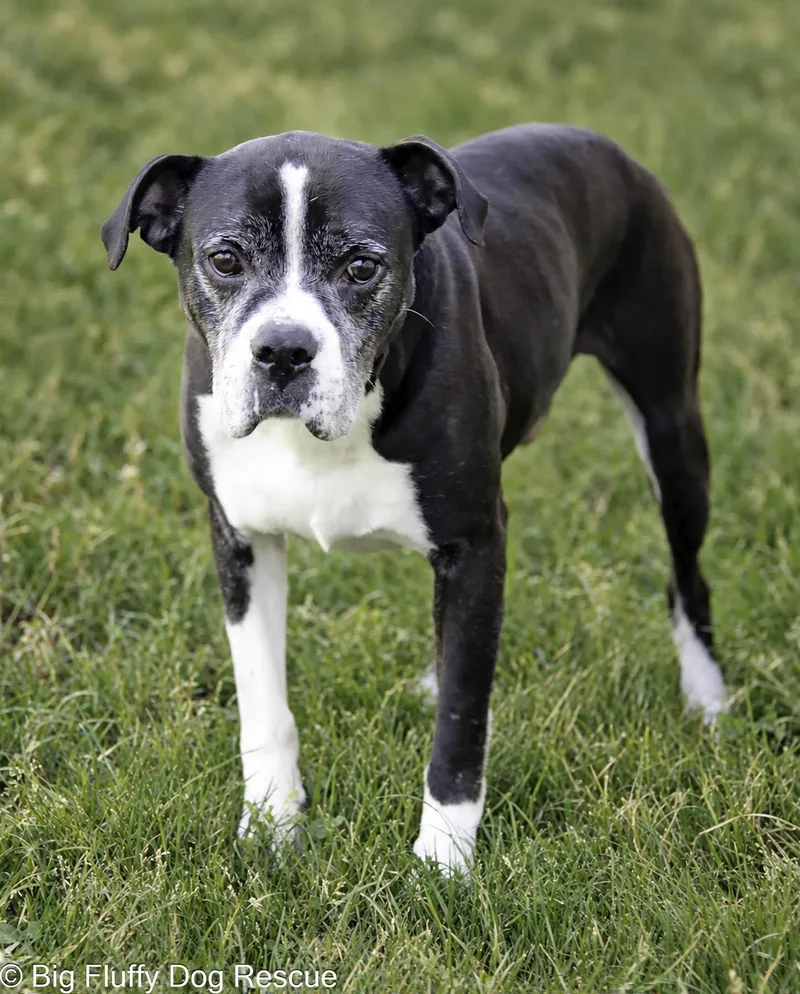
Hamiltonstovares and Similar Breeds Available for Adoption Near Nashville

About the Hamiltonstovare breed

The Hamiltonstovare is a medium-sized Swedish scent hound developed by Count Adolf Hamilton, founder of the Swedish Kennel Club, who showed the first examples in 1886. It trailed hare and fox alone, giving tongue so hunters could follow. The close-lying tricolor coat, a black mantle with tan and white markings, is easy to care for, and most adults weigh 50 to 60 pounds.

Most Hamiltonstovares are friendly and even-tempered, though each dog differs and the nose still leads. A fresh scent can override recall in seconds, which is why a leash outside fenced areas matters, especially in Nashville, where coyotes turn up in neighborhoods. The breed is uncommon in the U.S., so watch the listings on this page, browse similar hound breeds, or save a search to hear about new dogs.

Weight
50–60 lbs
Height
19–24 in
Lifespan
10–13 yrs
Temperament
Friendly, Energetic, Independent
Group
Hound
Shedding
Moderate

Owning a Hamiltonstovare in Nashville

Having a Hamiltonstovare in Nashville

A Hamiltonstovare pairs a relaxed home manner with the stamina of a scent hound. In Nashville, its nose, its voice and its need for daily miles shape life more than its size or easy coat, and a secure fence is the biggest practical factor.

Temperament

Most Hamiltonstovares are friendly, even-tempered and sociable with people, and often with other dogs, though each dog differs. They can be stubborn and distracted by scent, so short, rewarding training sessions work well. Small pets may trigger chasing, which matters in Nashville neighborhoods with cats and backyard wildlife.

Exercise Needs

Plan on a long walk or run every day. Nashville's greenways allow leashed dogs on a leash no longer than six feet, and Metro's fenced dog parks give a safe place to run, though puppies under four months aren't allowed. Scent games add mental exercise, and recall needs lifelong practice.

Health Considerations

The breed is generally sturdy, though hip dysplasia occurs and drop ears need regular checks for infection, especially after rainy Nashville days. Ticks and fleas are summer concerns here, so keep parasite prevention current. Keep the dog lean, and have a veterinarian review any records that come with the dog.

Living Space

A house with a fenced yard suits most Hamiltonstovares, and ranch-style neighborhoods like Donelson and Hermitage offer plenty of them. An apartment can work if the dog gets long daily outings, but baying can carry through shared walls, so think about how close the neighbors are.

What it costs to own a Hamiltonstovare in Nashville

ExpenseTypical costPer year
Food$35 to $70 per month$420 to $840
Pet insurance$45 to $85 per month$540 to $1,020
Routine vet care$225 to $450 per year$225 to $450
Other*$433 to $1,158 per year$433 to $1,158
Estimated yearly total (after year one)$1,618 to $3,468

Other costs are estimates and vary with size, age and health.

* The $8 Nashville rabies license tag, flea, tick and heartworm prevention, a dental cleaning allowance, toys and bedding, and occasional brushing and baths.

Adopt a Hamiltonstovare in Nashville.

Now that you know more, let’s find you a new best friend. These rescues and shelters below have dogs available in and near Nashville.

Frequently Asked Questions

It can be, for active people with a securely fenced yard. Nashville offers greenways, Metro dog parks and ranch-style neighborhoods like Donelson that suit a medium-sized hound, and the short coat copes with the climate. The trade-offs are a nose that overrides recall and a need for long daily exercise, so it fits households that are home often.

Yes. Metro Nashville's code has no breed-specific rules, and its vicious-dog rules look at a dog's conduct, not its breed. A dog six months or older needs a rabies vaccination and a Davidson County license tag, and off your property it must be on a leash or tether no longer than eight feet.

Yes, if the dog gets long daily outings and the building allows it. About 48% of Nashville households rent, and Metro sets no pet-number limit, so landlords decide on size and breed rules. A 50-to-60-pound hound that bays when bored may bother neighbors, so plan for exercise and company.

Fenced Metro dog parks such as Two Rivers in Donelson, Shelby in East Nashville and Warner in Edwin Warner Park give a scent hound a safe place to run. Shelby Bottoms Greenway offers long leashed walks. Skip Radnor Lake, which bans dogs on its trails, and leave creekside greenways during heavy rain.

Yes, with some planning. Nashville summers are hot and humid, but a medium-sized, short-coated hound copes well if walks happen early or late, water and shade are always available, and the hottest afternoons are spent in air conditioning. Cars are never safe, even with windows cracked, and tethering is illegal when the heat index reaches 95°F.

Mostly not. WeGo buses and the WeGo Star train allow non-service animals only in an approved transfer cage, and no size limit is published. A 50-to-60-pound hound is unlikely to fit a typical carrier, so plan on car trips or walks, and check current WeGo rules before any trip. Service animals are exempt.

Only to patios. Many Nashville restaurants with a Metro permit allow leashed dogs outdoors, but never inside. The dog needs a current rabies vaccination, a license tag on its collar and a non-retractable leash no longer than six feet. A scent-driven hound may settle better at a quiet corner table.

Very little. The close-lying coat needs a weekly brush and the occasional bath, which fits the modest grooming allowance in the Other costs line. In humid, rainy Nashville, the bigger job is drying the drop ears after baths and wet walks to prevent infections, and rinsing mud off paws. Professional grooming is optional.

Yes, Hamiltonstovares shed, though their short, close-lying coat makes care easy. Expect a moderate amount of hair year-round, with heavier shedding when the coat changes with the seasons. A weekly once-over with a rubber curry brush or hound glove removes most loose hair. They are not hypoallergenic, so people with dog allergies should spend time with one before adopting.

Budget about $35 to $70 a month for food, $45 to $85 a month for pet insurance, $225 to $450 a year for routine vet care, and $433 to $1,158 a year for other costs such as parasite prevention, dental care, the $8 license and supplies.