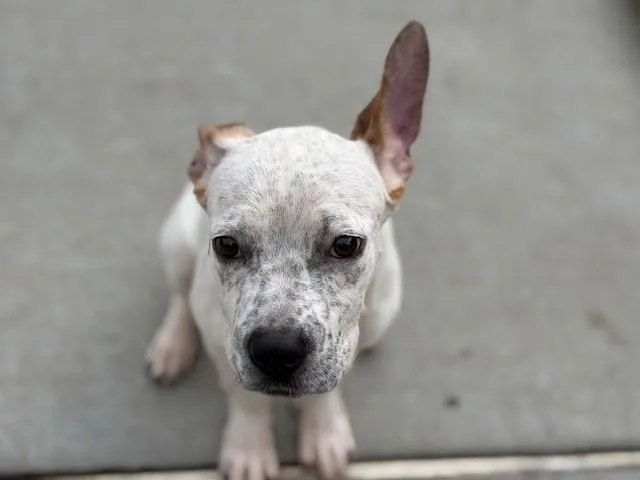
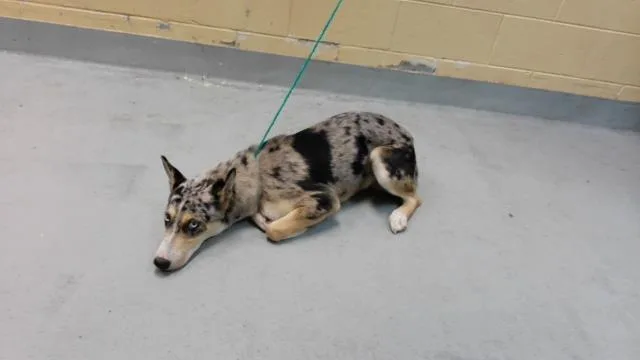
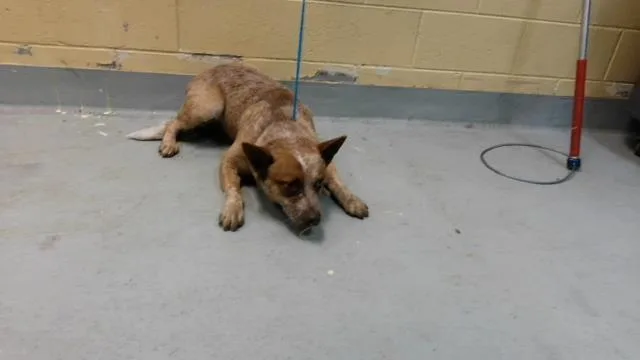
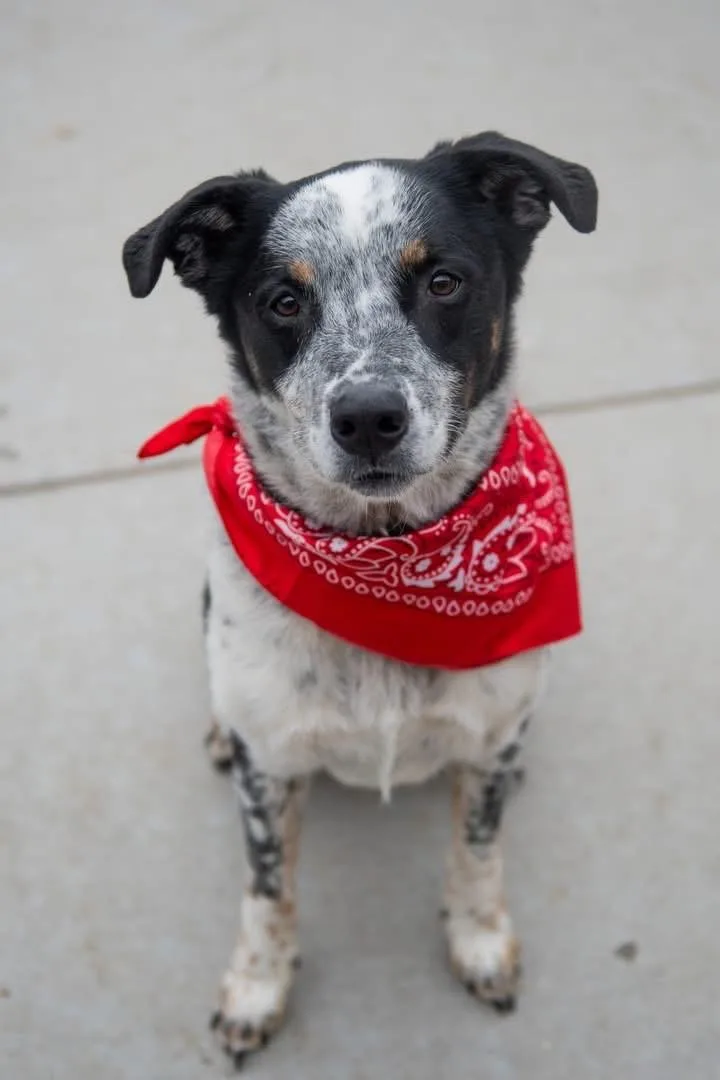
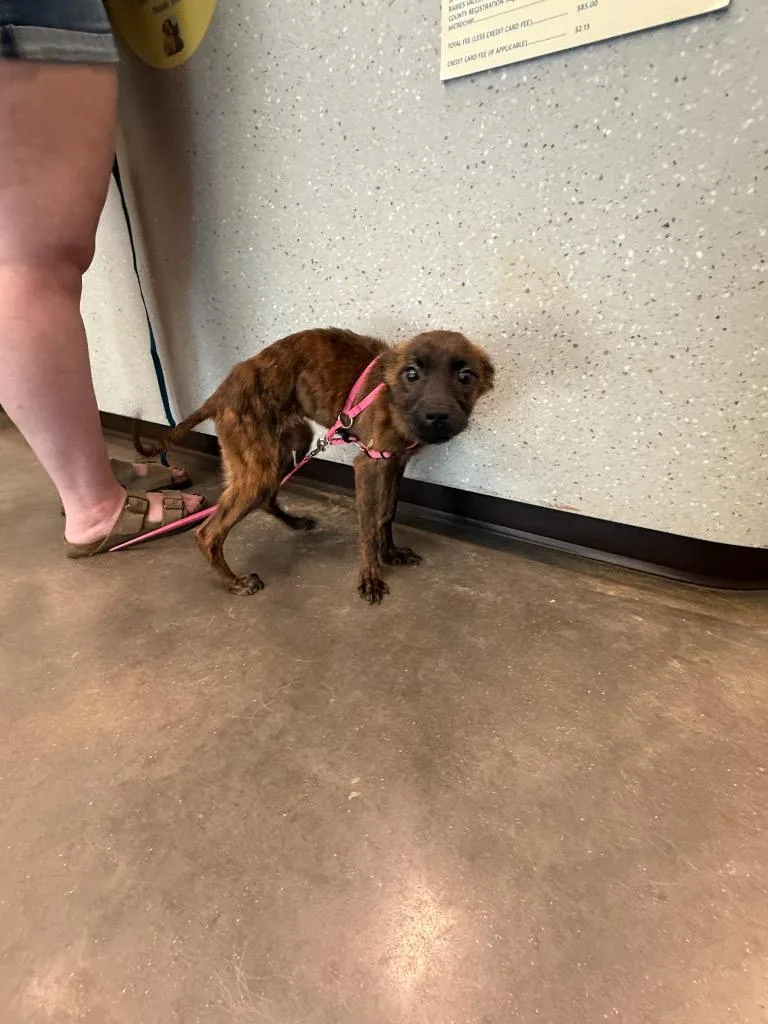
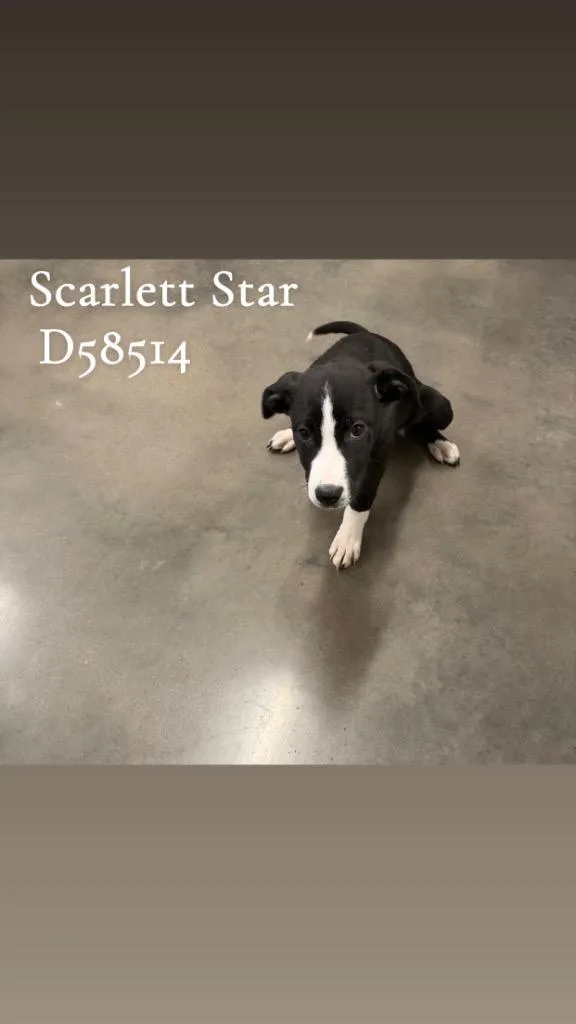
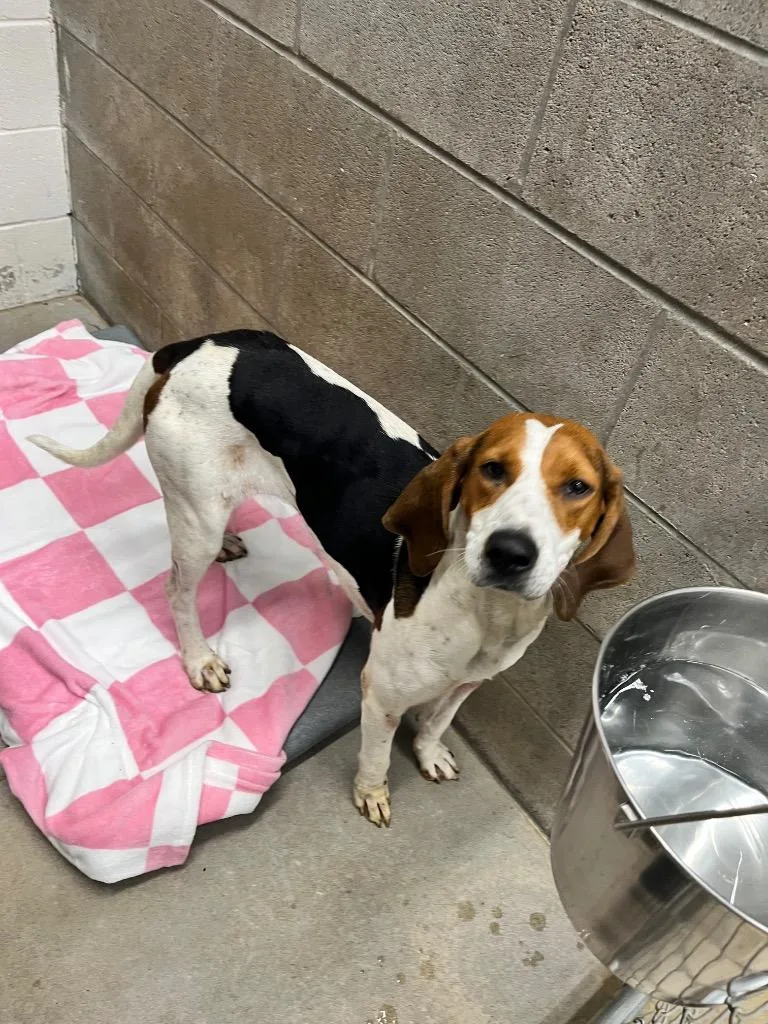
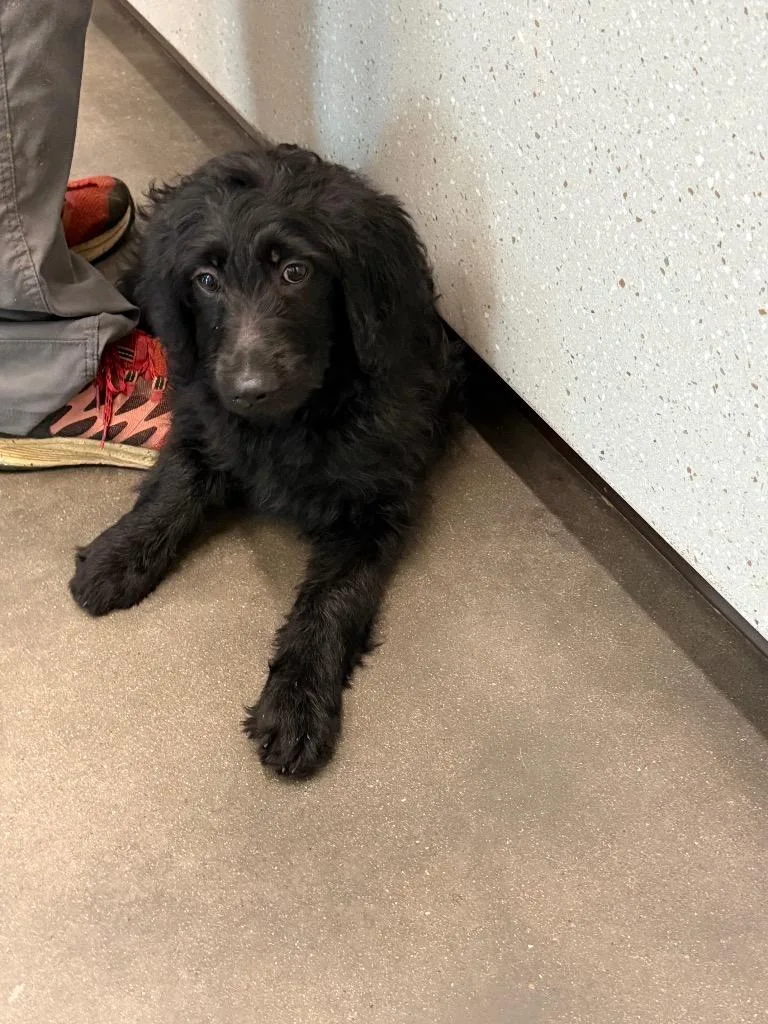
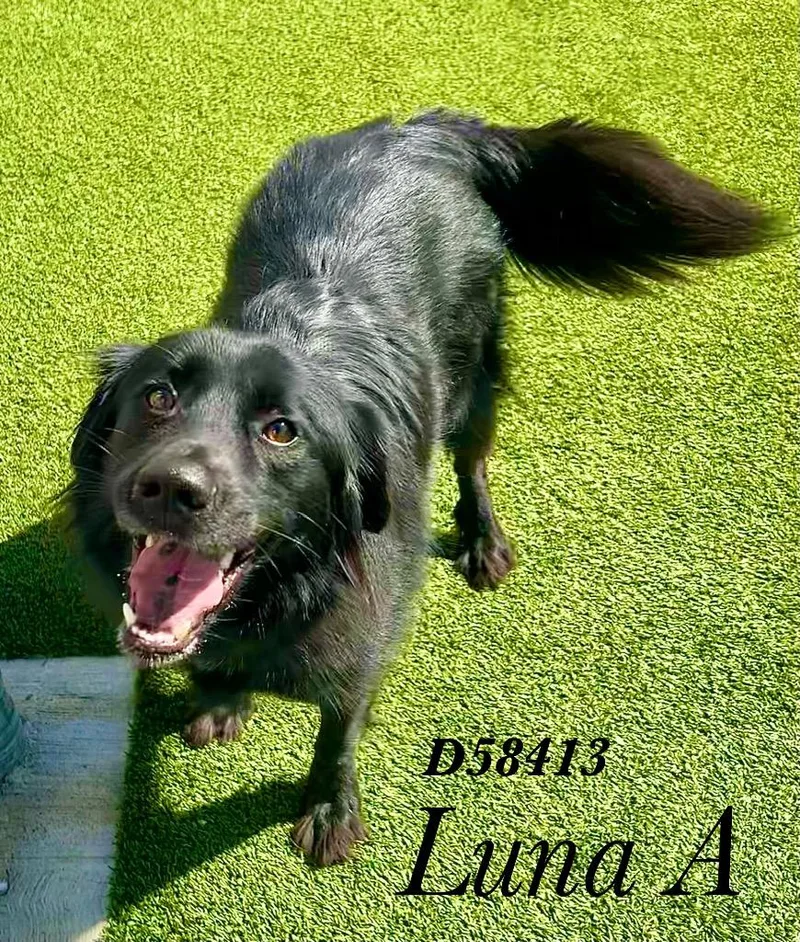
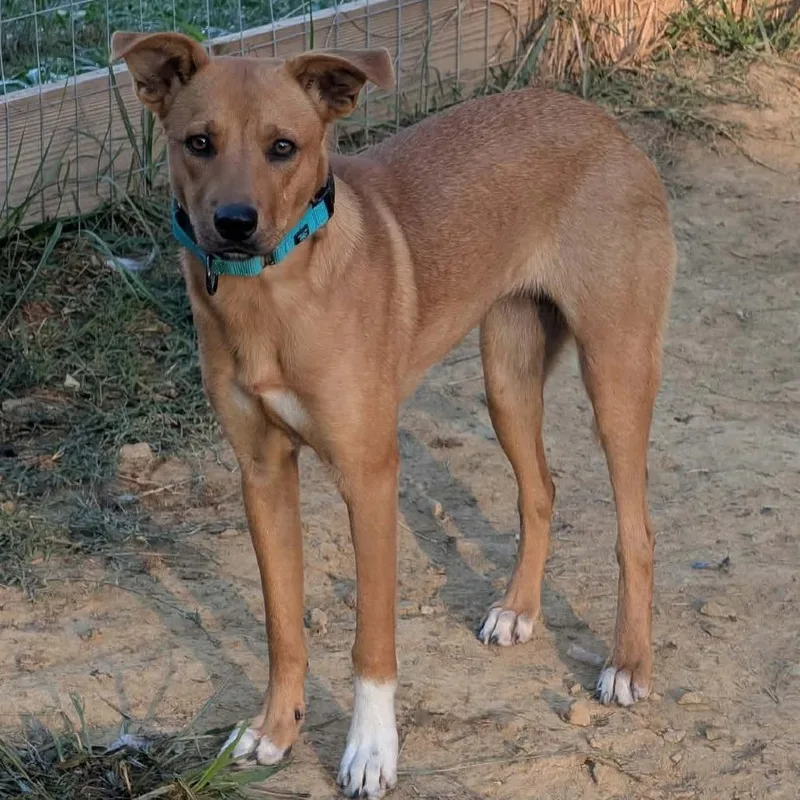
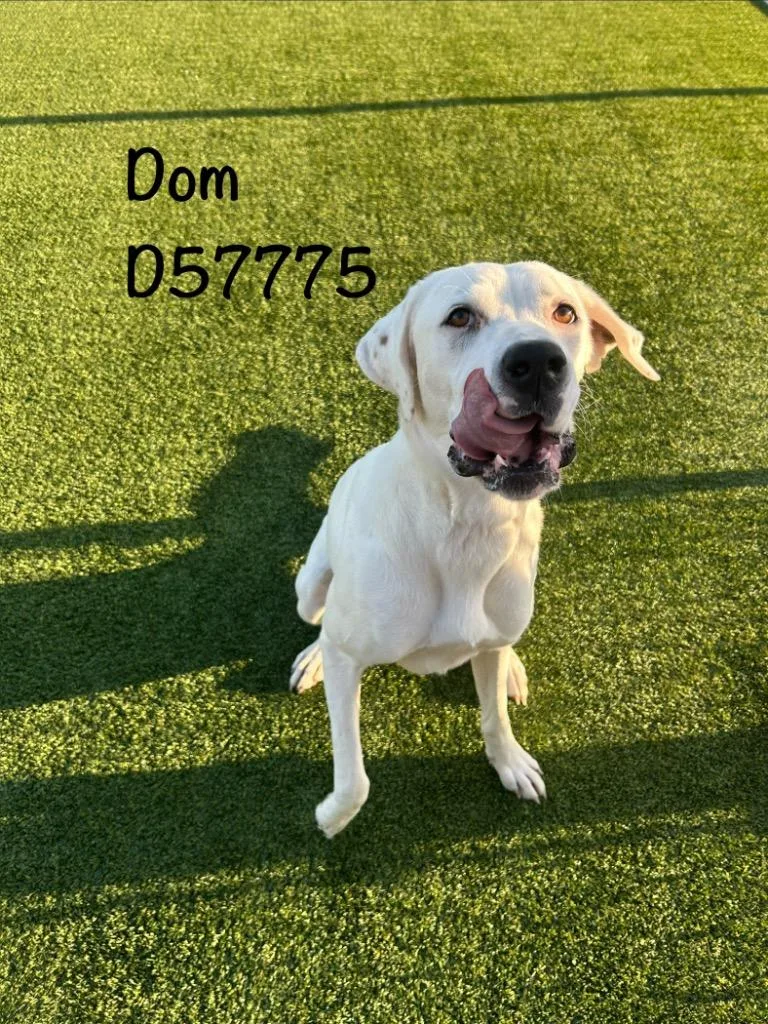
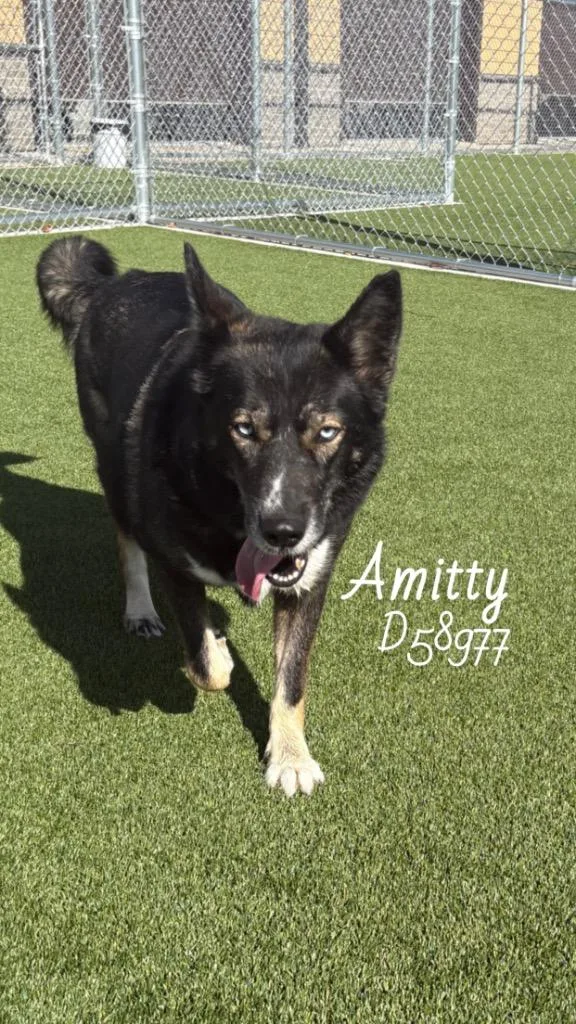
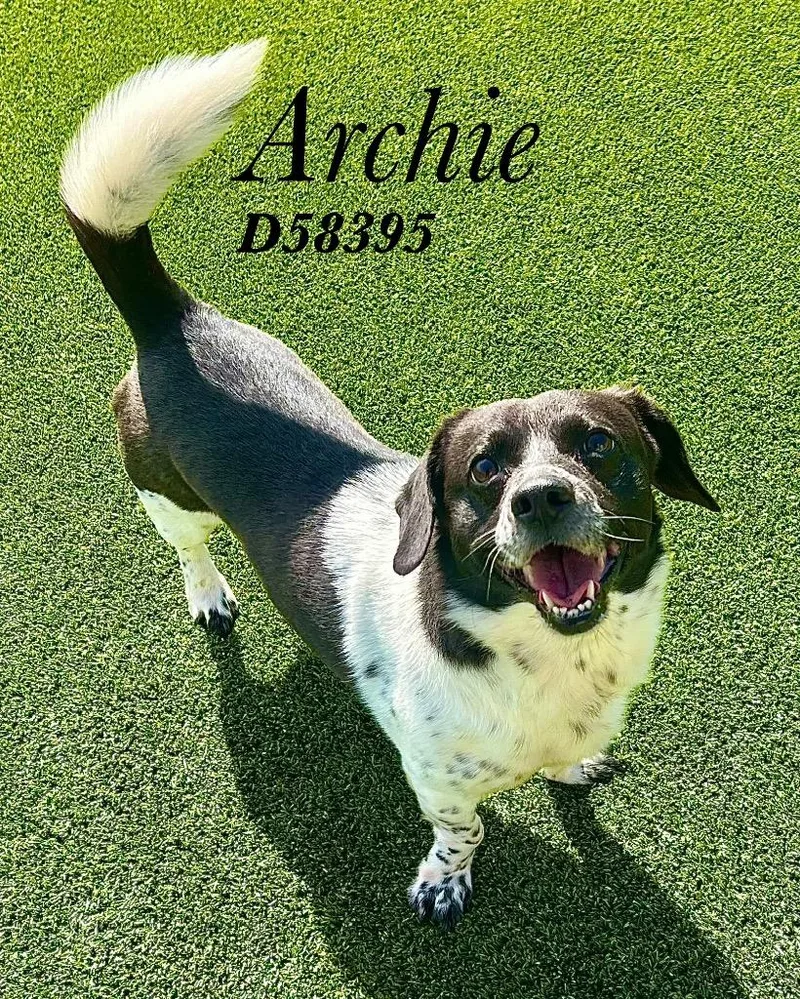
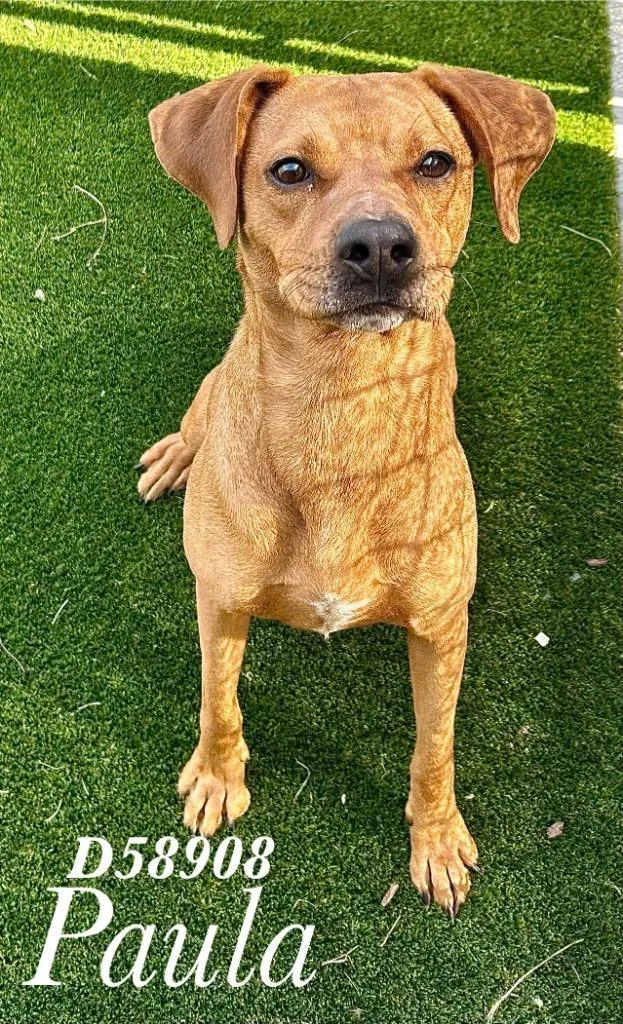
Australian Cattle Dog / Blue Heelers for Adoption in Clarksville, TN

Your guide to finding and caring for an Australian Cattle Dog / Blue Heeler in Clarksville

Blue Heelers fit Clarksville best with owners who'll put in miles on the greenway. The paved trail along the Red River, with trailheads at Pollard Road and Mary's Oak, gives a Heeler a real route for a daily run, and the newer subdivisions around Sango often come with fenced yards for the rest of the day. Heelers want a job, so plan on training and puzzle games too. With Clarksville's heavy rain, keep a towel by the door.

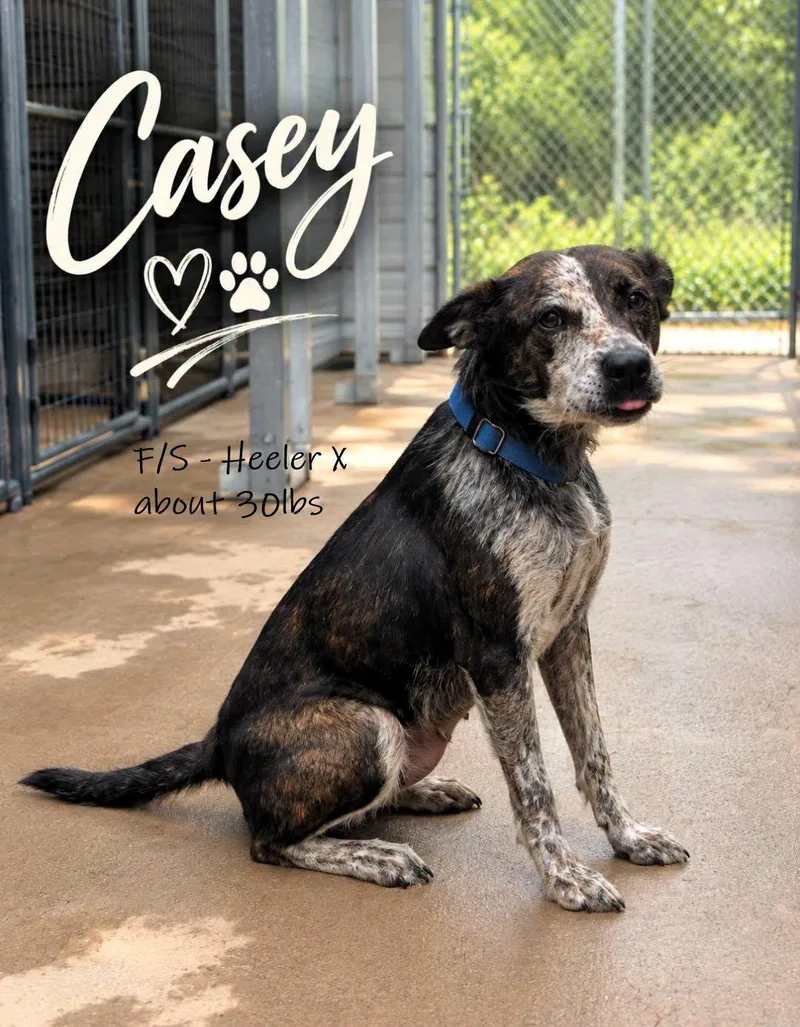
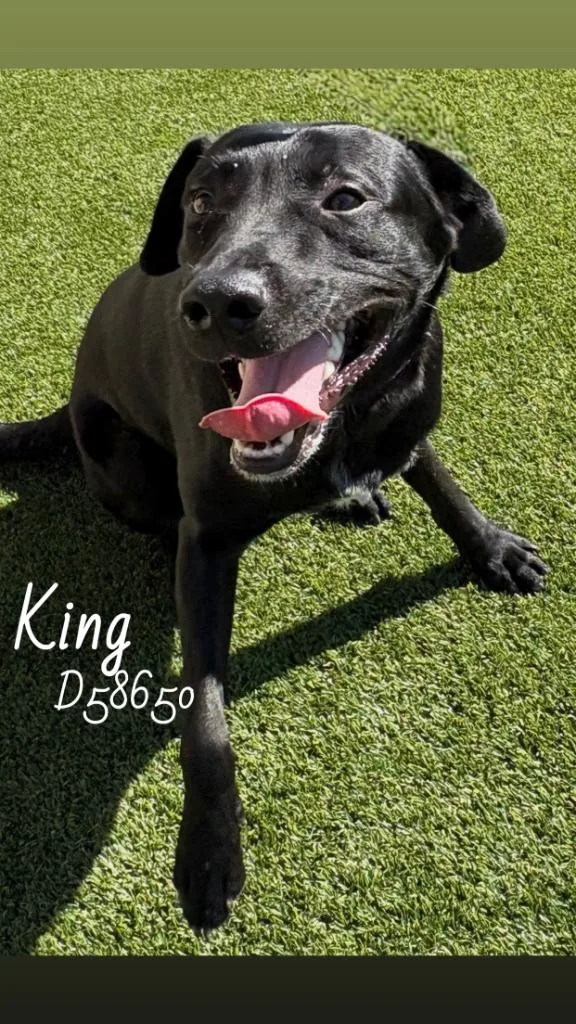
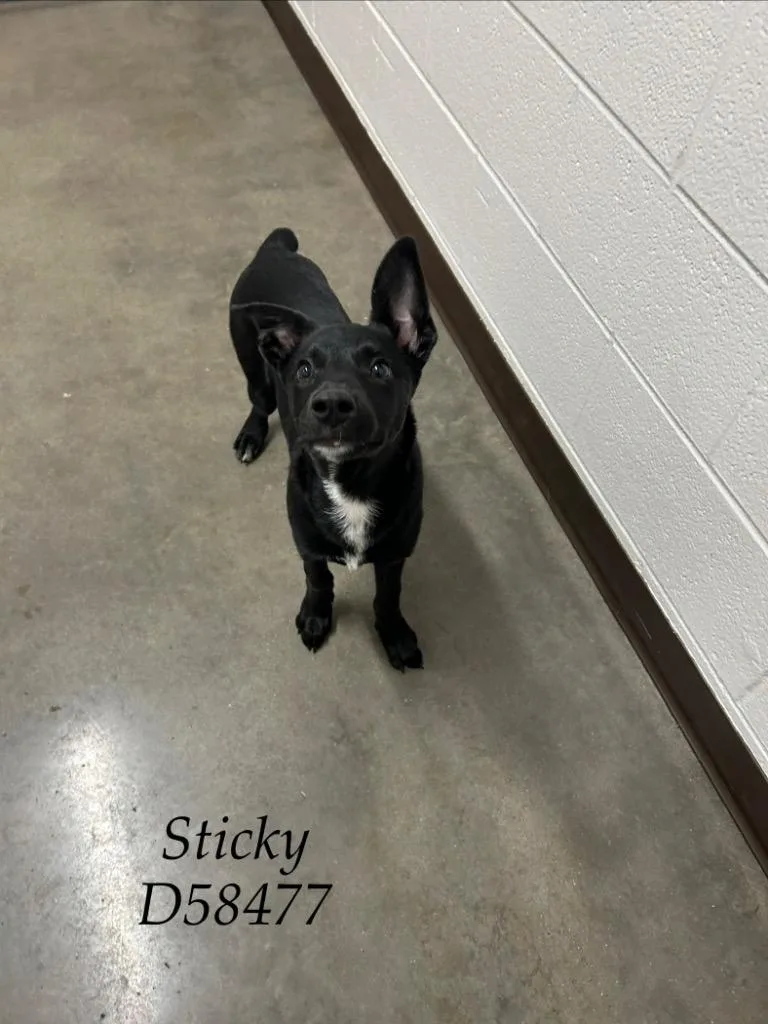
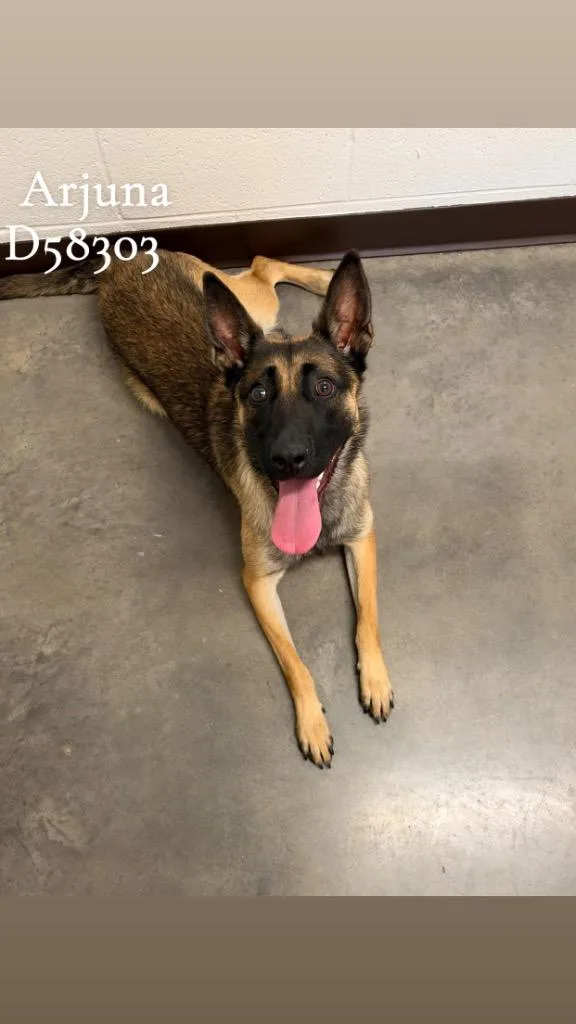
4303 Australian Cattle Dog / Blue Heelers available in Clarksville and nationwide

Say hello to your Blue Heeler

Australian Cattle Dog / Blue Heelers Available for Adoption Near Clarksville

About the Australian Cattle Dog / Blue Heeler breed

Australian Cattle Dogs, also called Blue Heelers or Queensland Heelers, were developed in nineteenth-century Australia to drive cattle over long distances in heat and dust. Settlers crossed collie-type herding dogs with dingoes, producing a compact, muscular dog of about 35 to 50 pounds with a weatherproof double coat in blue or red speckle.

Heelers tend to be loyal, alert and clever, often bonding closely with one person and staying wary of strangers. Strong herding instincts can show up as nipping at heels, chasing bikes or bossing other pets. In Clarksville, that makes a daily job, such as long greenway runs, training and scent games, as important as a yard. With that outlet, many are hardy companions who live 12 to 16 years.

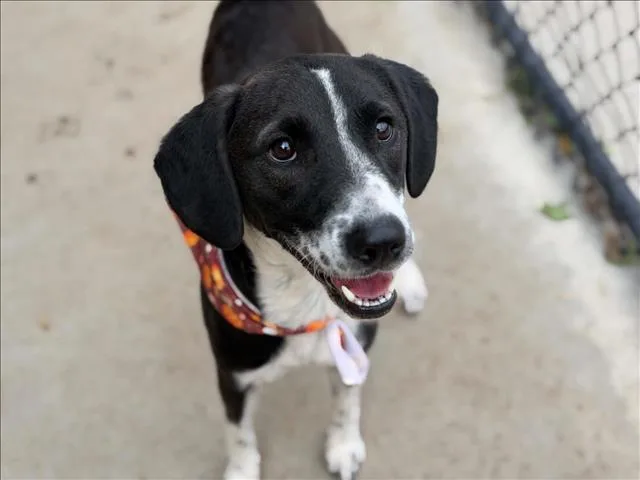
Weight
35–50 lbs
Height
17–20 in
Lifespan
12–16 yrs
Temperament
Energetic, Intelligent, Loyal, Alert
Group
Herding
Shedding
Moderate

Owning an Australian Cattle Dog / Blue Heeler in Clarksville

Having an Australian Cattle Dog / Blue Heeler in Clarksville

Stamina, a sharp mind and a strong herding drive define a Blue Heeler. In Clarksville, that suits active owners with trails nearby, but daily exercise and mental work matter more than yard size or the type of home.

Temperament

Heelers tend to be loyal, alert and confident, often devoted to one person and reserved with strangers. Herding instincts can mean nipping, chasing and bossing other pets, so early socialization and consistent, reward-based training pay off. Drive varies from dog to dog, and a Heeler with steady work is usually calmer at home.

Exercise Needs

Plan on an hour or more of vigorous activity daily, such as running, fetch or hiking, plus training or puzzle games. Clarksville's paved greenway works for leashed runs once a dog is full grown, and the Heritage Park dog park offers off-leash play. A walk around the block rarely satisfies a young Heeler.

Health Considerations

Australian Cattle Dogs are often long-lived, but documented concerns include congenital deafness, progressive retinal atrophy, primary lens luxation, and hip and elbow dysplasia. A veterinarian can test hearing and check eyes and joints. With Clarksville's warm, humid months, discuss year-round flea, tick and heartworm prevention at the first visit.

Living Space

Heelers do best with a securely fenced yard and an owner who spends time outdoors, which suits Clarksville's single-family neighborhoods. Apartments can work for owners who commit to long daily exercise. Heelers often bark at passersby, and city code covers frequent noise that disturbs neighbors, so train a quiet routine early.

What it costs to own an Australian Cattle Dog / Blue Heeler in Clarksville

ExpenseTypical costPer year
Food$35 to $70 per month$420 to $840
Pet insurance$55 to $100 per month$660 to $1,200
Routine vet care$225 to $450 per year$225 to $450
Other*$430 to $1,155 per year$430 to $1,155
Estimated yearly total (after year one)$1,735 to $3,645

Other costs are estimates and vary with size, age and health.

* The $5 yearly Montgomery County registration, flea, tick and heartworm prevention, a dental cleaning allowance, durable toys and bedding, and light home grooming for a short coat.

Adopt an Australian Cattle Dog / Blue Heeler in Clarksville.

Now that you know more, let’s find you a new best friend. These rescues and shelters below currently have Australian Cattle Dog / Blue Heelers available.

Rescues in Clarksville with Australian Cattle Dog / Blue Heelers Available

Clarksville's county shelter and local rescues list dogs of many breeds and ages, and the available pets change often. Here are the rescues & shelters in the Clarksville area where you can find Australian Cattle Dog / Blue Heelers and other dogs available for adoption.

Frequently Asked Questions

Yes, you can own a Blue Heeler in Clarksville. No breed ban is known in city or county rules, and dangerous-dog rules turn on a dog's behavior, not its breed. Your Heeler needs a rabies vaccination, Montgomery County registration, and license and rabies tags worn at all times. Keep the dog leashed off your property and pick up waste.

Heritage Park's dog park on Peachers Mill Road offers off-leash space, and the paved Clarksville Greenway along the Red River has five trailheads for leashed runs. King's Run Bark Park at Liberty Park is members-only with vaccination records. Dunbar Cave State Park has leashed trails by Swan Lake. Dogs aren't allowed on playgrounds or ball fields.

Yes, with planning. Clarksville summers are humid, with highs near 89°F and many days reaching 90. A Heeler's double coat is built for tough conditions, but the breed's drive can push past safe limits. Exercise at dawn or dusk, carry water, provide shade and indoor cooling, check pavement, and never leave the dog in a parked car.

It can, if you commit to the exercise. A Heeler's 35 to 50 pounds is manageable indoors, but the breed needs an hour or more of running and training daily, plus mental work. Look for a building near a greenway trailhead, train for quiet around hallway noise, and confirm pet deposits and weight limits in writing.

A Blue Heeler fits Clarksville if you're active and home often. The paved greenway, dog parks and mild spring and fall days suit a dog that needs miles, while humid summers mean early or late exercise. Heelers can be wary of strangers and prone to nipping and chasing, so training matters more than the neighborhood you choose.

Very little. A Heeler's short, weatherproof double coat needs weekly brushing at home, and more during the once-or-twice-yearly coat blow. Clarksville's heavy rain means muddy paws, so towel off at the door and bathe only when needed. Professional grooming is rarely necessary, so the Other cost line mostly covers light home grooming.

Clarksville has city buses through the Clarksville Transit System but no subway or rail. No pet policy is published, so check with CTS before riding with a Heeler; service animals are covered by the ADA. A Heeler that's wary of strangers may find a crowded bus stressful, so practice short trips first.

Only where the restaurant allows it. Patio access for dogs is up to each business, so look for posted dog-friendly signs rather than assuming. Tennessee law keeps emotional-support animals out of indoor dining, though trained service animals are allowed. A Heeler wary of strangers needs to settle calmly on a leash.

We have 1 rescue with Australian Cattle Dog / Blue Heelers available: Montgomery County Animal Care and Control. You can see every rescue with Australian Cattle Dog / Blue Heelers available in the list above these questions, or scroll to the top to see the Australian Cattle Dog / Blue Heelers near Clarksville.

Expect roughly $1,735 to $3,645 a year for a Heeler in Clarksville: food at $35 to $70 a month, insurance at $55 to $100 a month, routine vet care at $225 to $450 a year, and $430 to $1,155 in other yearly costs. Adoption fees appear on each listing.