Dutch Shepherd Dogs for Adoption in Chattanooga, TN

Your guide to finding and caring for a Dutch Shepherd in Chattanooga

Dutch Shepherds suit Chattanooga best when their people actually use the trails. With seven miles at Stringer's Ridge in North Chattanooga and six miles of creekside paths at Greenway Farm in Hixson, an active adopter has real places to burn off a Dutchie's energy. Hixson's suburban streets often come with yards, which helps, but the dog still needs a job: tracking games, agility or a long run. They're rare and intense, so they fit experienced owners who enjoy training.

391 Dutch Shepherds available in Chattanooga and nationwide

Open your home to a Dutch Shepherd

While we don't have enough dogs near Chattanooga, keep in mind that many rescues may offer transport.

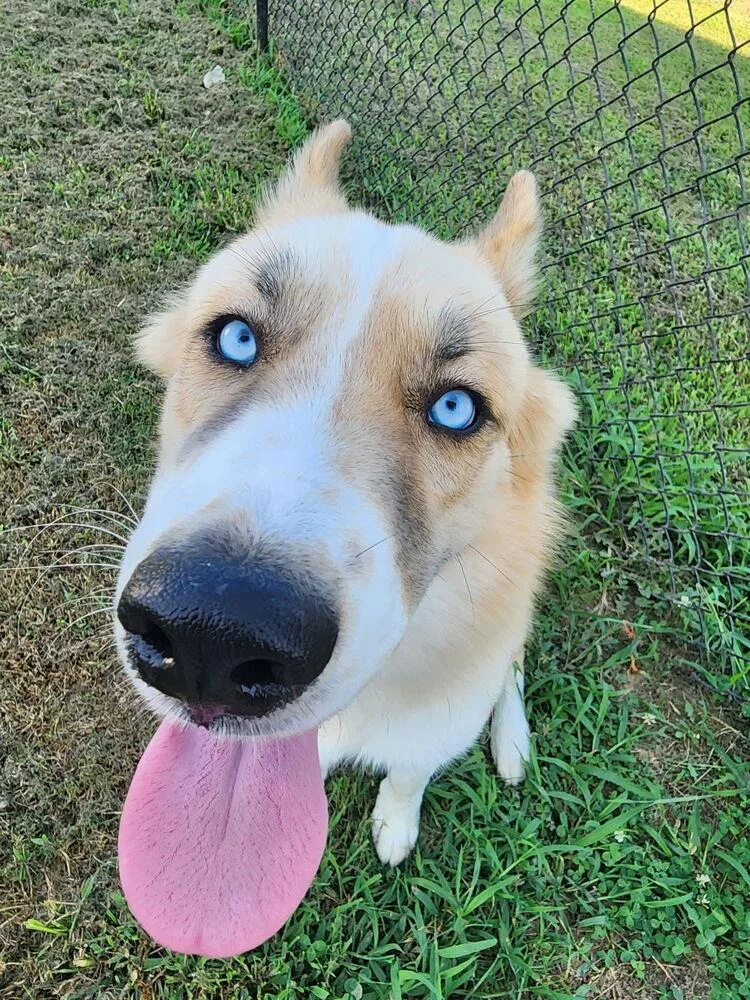
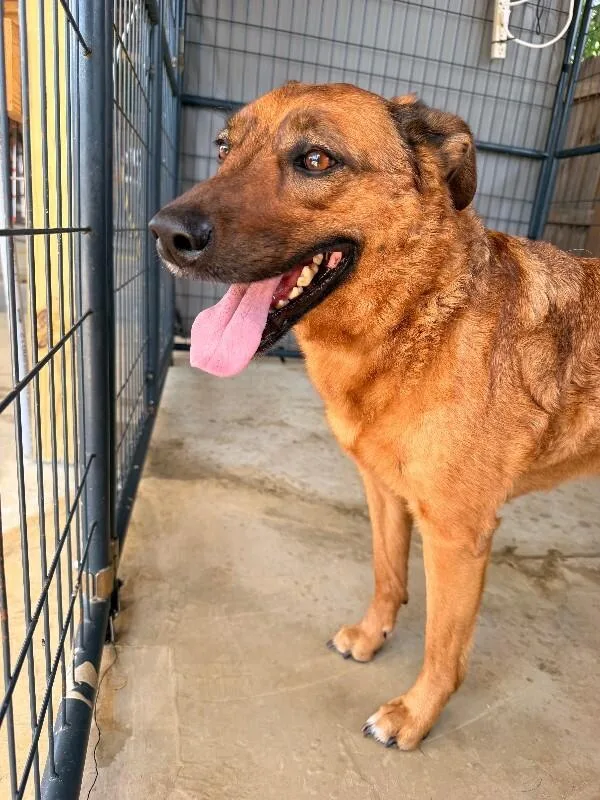
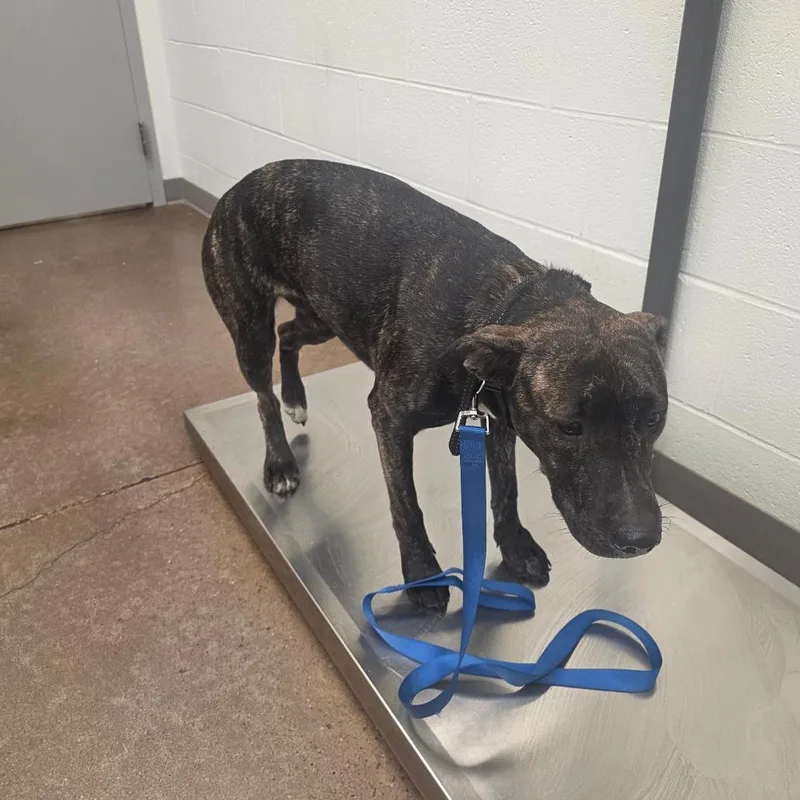
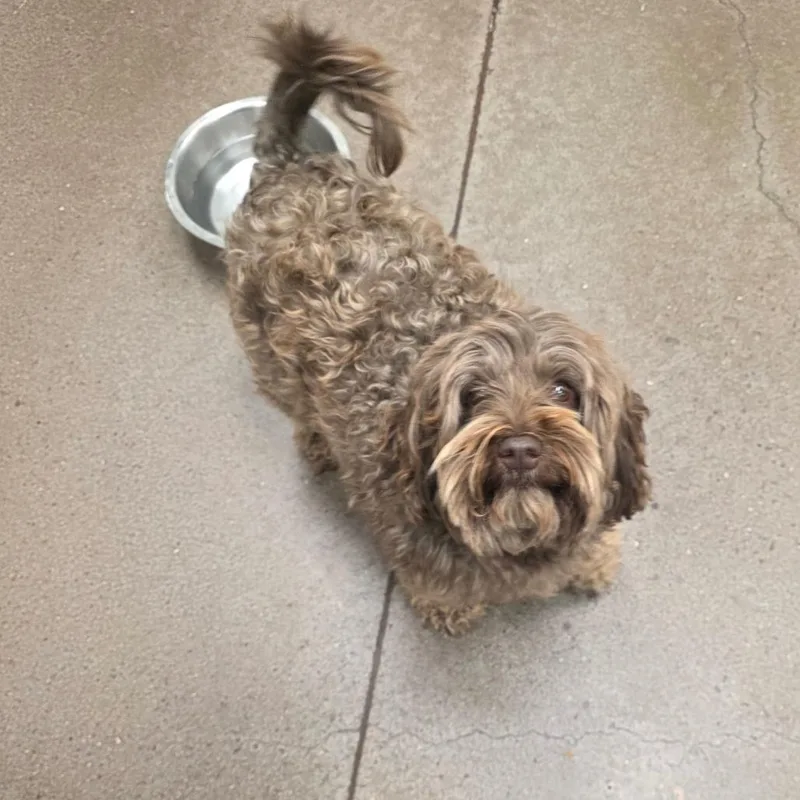
Dutch Shepherds Available for Adoption Near Chattanooga

About the Dutch Shepherd breed

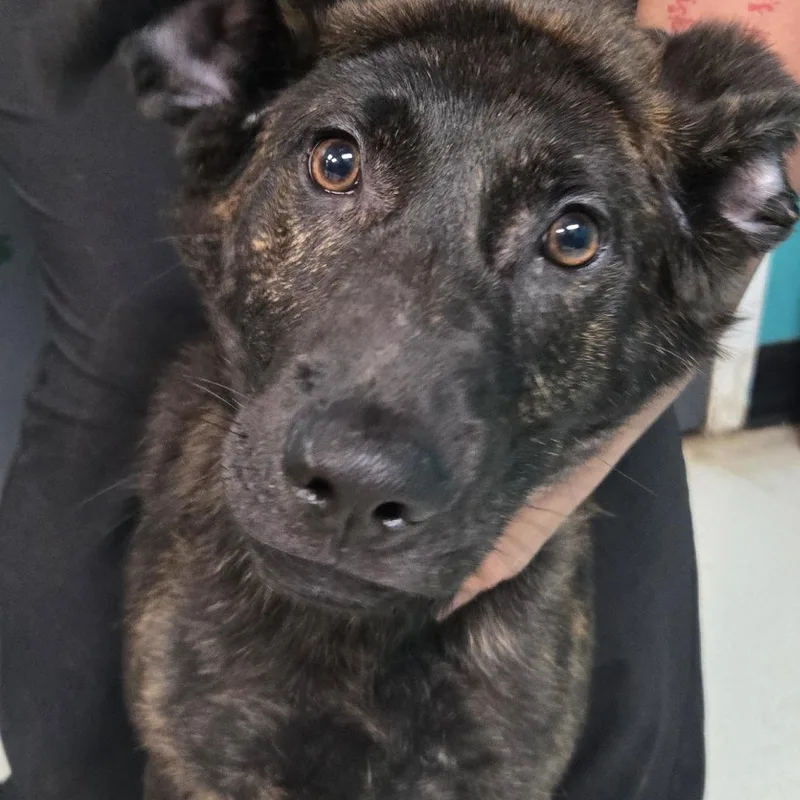
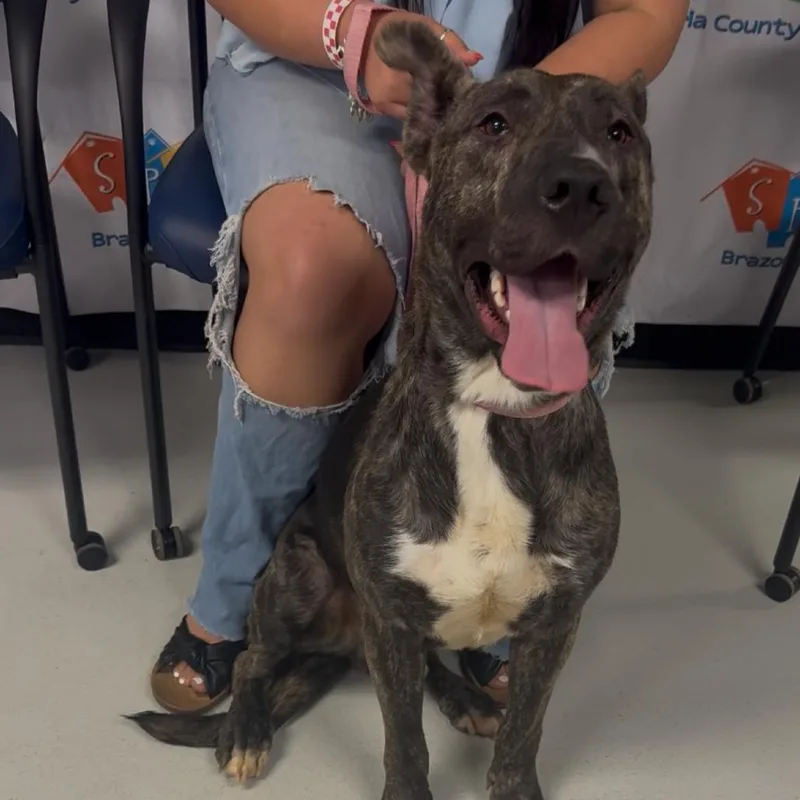
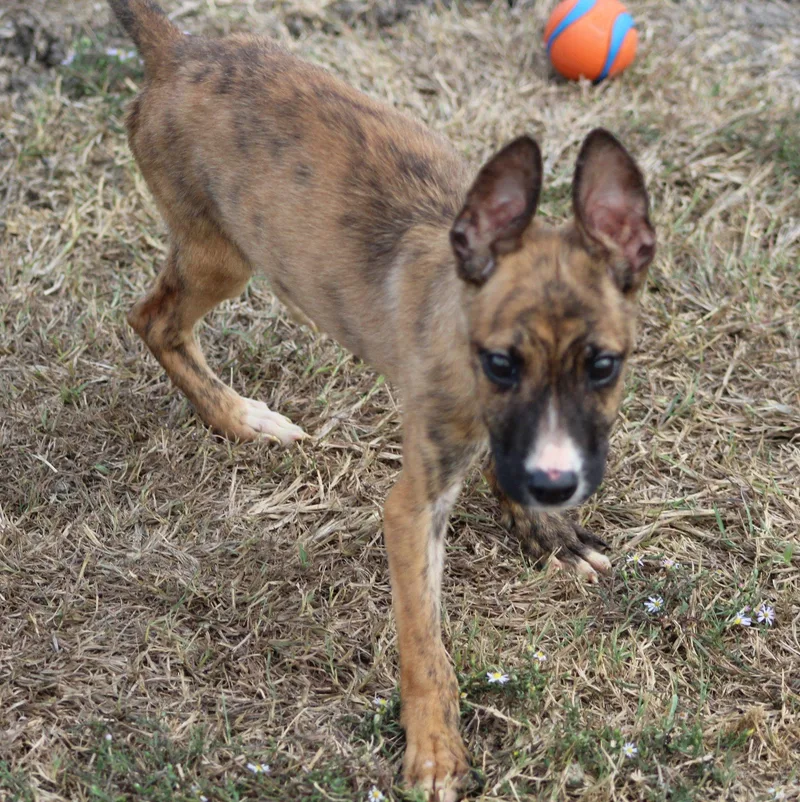
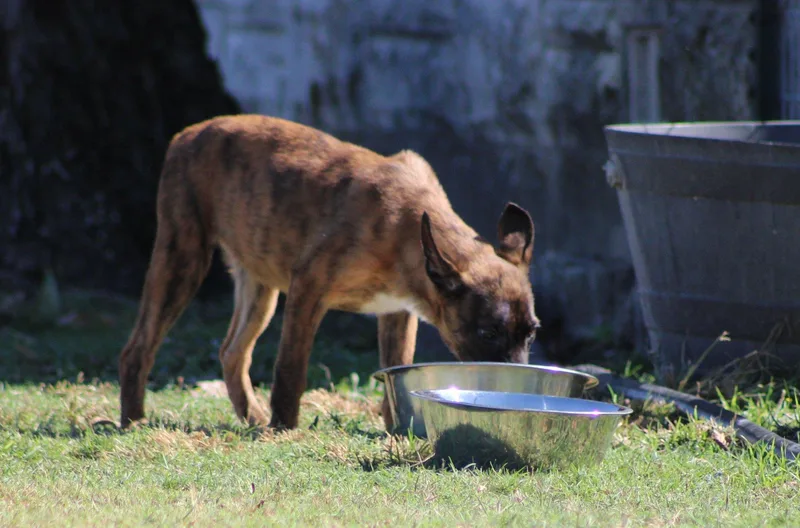
Dutch Shepherds began as all-purpose farm dogs in the Netherlands, herding sheep, keeping flocks out of crops and watching over farmyards. The brindle coat, in gold or silver tones, has defined the breed since 1914, and it comes in short, long and rough varieties. Today they're best known as police, military and sport dogs, and they remain rare, held in the AKC's Miscellaneous Class.

Many are loyal, alert and eager to work, with an independent streak from their farm roots. They tend to be watchful with strangers and need early socialization. Chattanooga's trails and greenways give that drive some outlets, but most still need real mental work and consistent, reward-based training. They do best with experienced, active adopters who treat training as a shared hobby.

Weight
42–75 lbs
Height
21–25 in
Lifespan
11–14 yrs
Temperament
Energetic, Intelligent, Loyal, Alert
Group
Miscellaneous
Shedding
Moderate

Owning a Dutch Shepherd in Chattanooga

Having a Dutch Shepherd in Chattanooga

High drive, sharp intelligence and a strong bond with their handler make Dutch Shepherds rewarding but demanding. Chattanooga's trails give them room to work, so the bigger question is whether you can commit to daily exercise, training and coat care.

Temperament

Dutch Shepherds are typically devoted with their own people and reserved with strangers. Many are confident and protective, and some are selective with unfamiliar dogs, which matters on busy greenways. They learn fast but test boundaries, so fair, reward-based training works best. Temperament varies from dog to dog, especially between working-type and companion-type Dutch Shepherds.
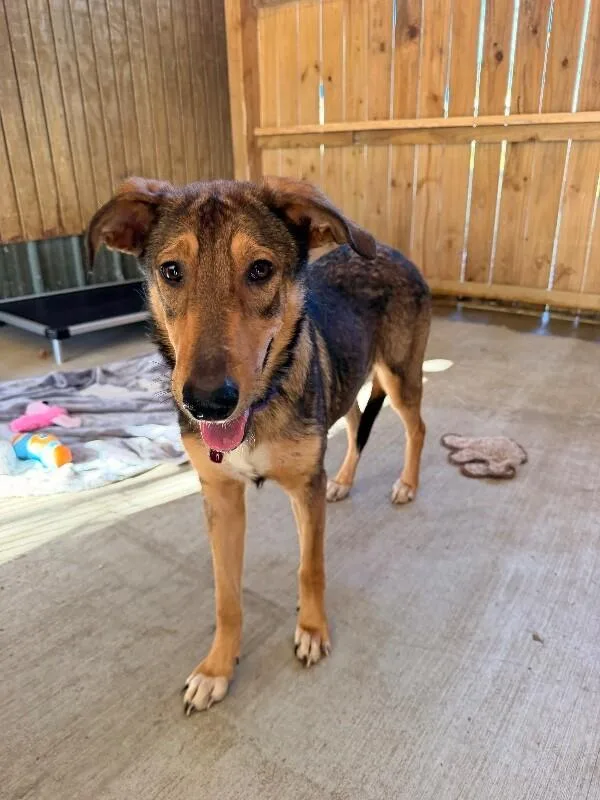
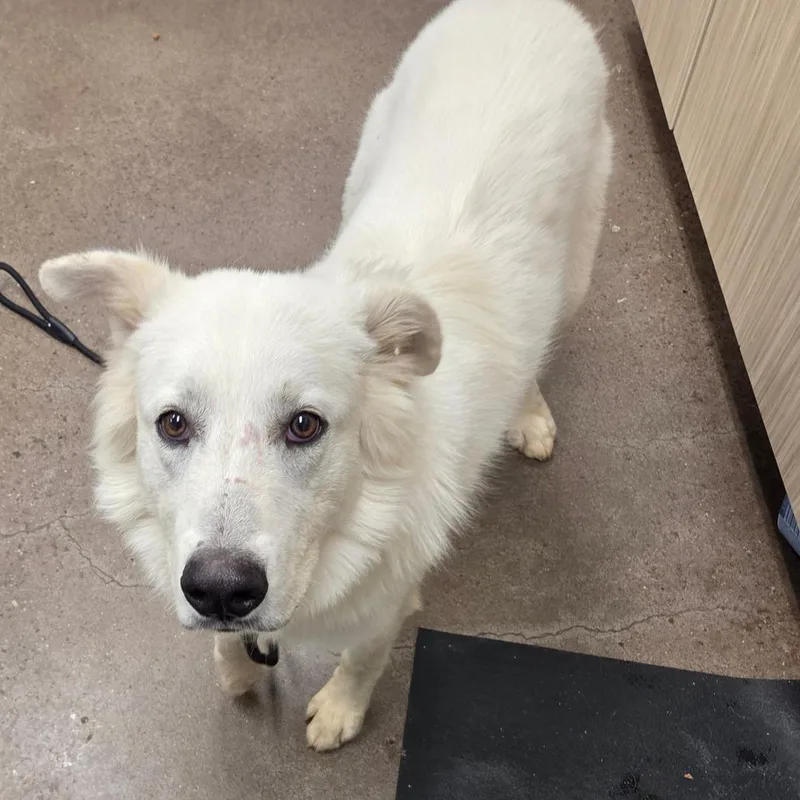
Exercise Needs

Plan on an hour or two of focused activity most days: running, fetch, hiking or bike work once fully grown, plus mental exercise like tracking, obedience or agility. Stringer's Ridge and the Greenway Farm trails offer room to roam on leash, and the dog park there suits fetch. Without outlets, many get restless, vocal or destructive.

Health Considerations

Dutch Shepherds are generally robust, but hip and elbow dysplasia occur at modest rates, and a recessive inflammatory muscle disease has a DNA test. Rough-haired dogs can carry an eye-drainage abnormality that raises glaucoma risk. Allergies are reported, and Chattanooga's rainy weather makes paw and skin checks worthwhile. Have a veterinarian check the hips and discuss genetic testing.

Living Space

A securely fenced yard suits most Dutch Shepherds best, and suburban streets in Hixson and Brainerd often come with one. An apartment can work only with heavy daily exercise, since activity matters more than square footage. They should live indoors with the family, because isolation fuels barking and destruction.

What it costs to own a Dutch Shepherd in Chattanooga

ExpenseTypical costPer year
Food$55 to $110 per month$660 to $1,320
Pet insurance$55 to $110 per month$660 to $1,320
Routine vet care$250 to $500 per year$250 to $500
Other*$585 to $1,460 per year$585 to $1,460
Estimated yearly total (after year one)$2,155 to $4,600

Other costs are estimates and vary with size, age and health.

* The $10 Chattanooga dog license for a spayed or neutered dog, flea, tick and heartworm prevention, a dental cleaning allowance, toys and bedding, and brushing and coat care for seasonal shedding.

Adopt a Dutch Shepherd in Chattanooga.

Now that you know more, let’s find you a new best friend. These rescues and shelters below have dogs available in and near Chattanooga.

Frequently Asked Questions

Yes. Chattanooga's dog rules are based on behavior rather than breed, and dangerous-dog designations are decided in City Court. You'll need a city license for any dog over three months ($10 spayed or neutered, $50 unaltered), a current rabies vaccine, and a leash no longer than six feet in public.

Stringer's Ridge has seven miles of pet-friendly trails, and the Tennessee Riverwalk runs about 16 miles, with leashed dogs allowed and some downtown plazas off-limits. The South Chickamauga Creek Greenway adds east-side miles, and Barks & Tails at Enterprise South Nature Park has fenced play space. Dutch Shepherds that are selective with other dogs may prefer trails.

Only if you commit to heavy exercise and training every day, since activity matters more than space. Downtown, Southside and North Shore apartments sit near the Riverwalk and Stringer's Ridge trailheads. Barking for 15 straight minutes can draw a complaint, and bored Dutch Shepherds are often vocal, so long solo workdays are a poor fit.

Yes, with sensible timing. Summers are humid, with highs near 89°F and about 58 days a year at 90°F or above. Exercise at dawn or after dark, test pavement with your hand, carry water and provide cool indoor rest. Don't shave the double coat, and never leave the dog in a parked car.

Less than many breeds, but not none. Short-haired Dutch Shepherds shed heavily in spring and fall, so brush several times a week then and weekly otherwise. Year-round rain means wiping paws and drying the coat after muddy walks. Rough-haired dogs may need occasional hand-stripping. Budget roughly $100 to $300 a year for grooming.

No. CARTA buses allow only police, guide, signal or service dogs, so a pet Dutch Shepherd can't ride, and the Lookout Mountain Incline Railway also admits service animals only. Chattanooga has no subway or rail system, so plan on driving to trailheads and parks.

Sometimes, on outdoor patios, where each restaurant sets its own policy. Tennessee law lets cities permit pet dogs outdoors if they stay leashed, off chairs and tables, and out of indoor areas. Assume dining rooms are closed to pet dogs. A Dutch Shepherd that's watchful with strangers may need training before crowded patios.

A Dutch Shepherd is a medium-large herding breed from the Netherlands, recognized by its brindle coat in gold or silver tones. Originally a versatile farm dog, it is now widely used in police, military and sport work. Most are energetic, intelligent and loyal, and they need active, experienced homes with lots of training and exercise.

Dutch Shepherds are not inherently dangerous, but they are powerful, protective dogs that need training and socialization. Many are wary of strangers, and some working-line dogs have strong guarding drive. Without proper management, any dog with that combination can become a bite risk. Well-trained, socialized Dutch Shepherds are typically stable, loyal companions.

Expect roughly $2,150 to $4,600 a year: food at $55 to $110 a month, insurance at $55 to $110 a month, routine vet care at $250 to $500 a year, and other costs of $585 to $1,460 a year. Active dogs often eat at the upper end of the food range, and training classes would be extra.

Find Dutch Shepherds in Nearby Cities

Expand your search to find Dutch Shepherds available for adoption near Chattanooga.