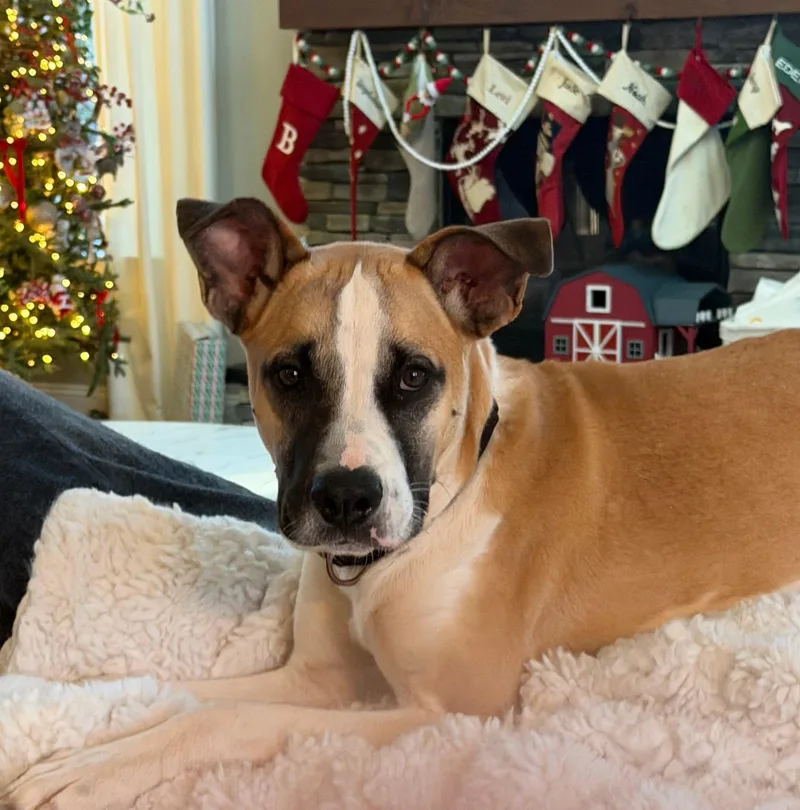
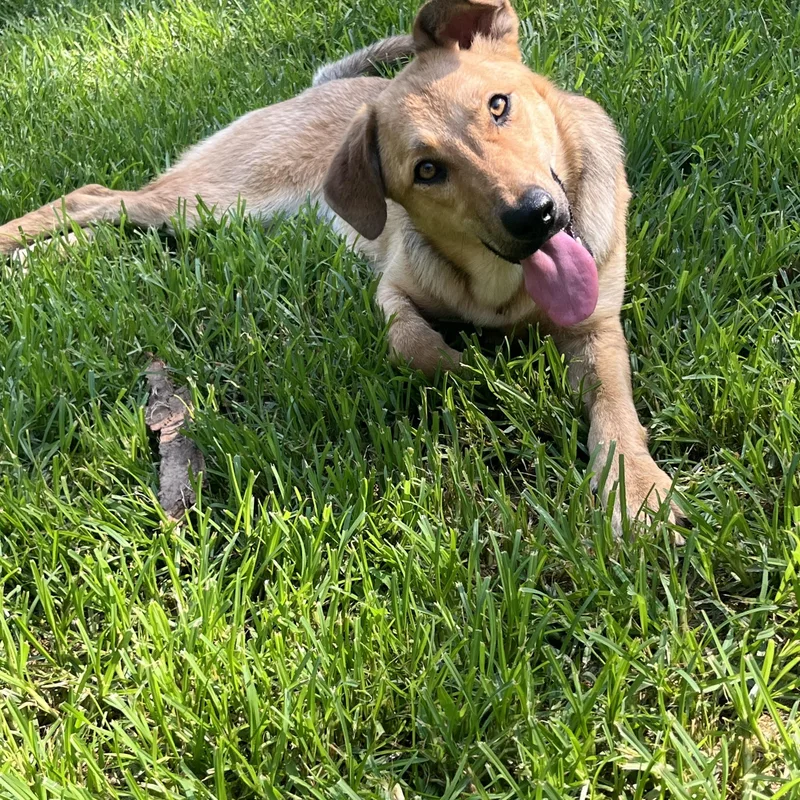
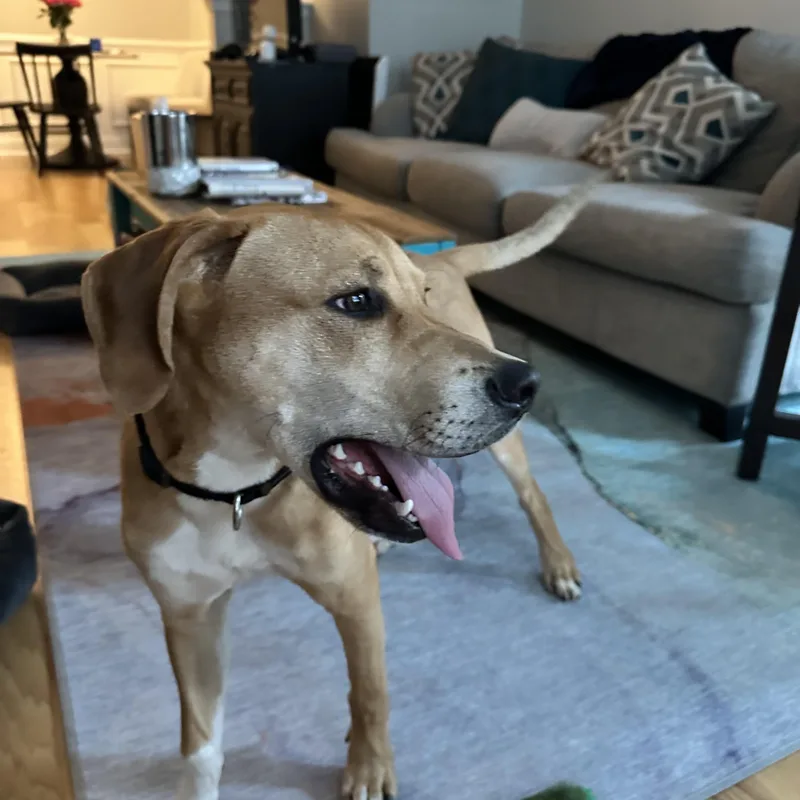
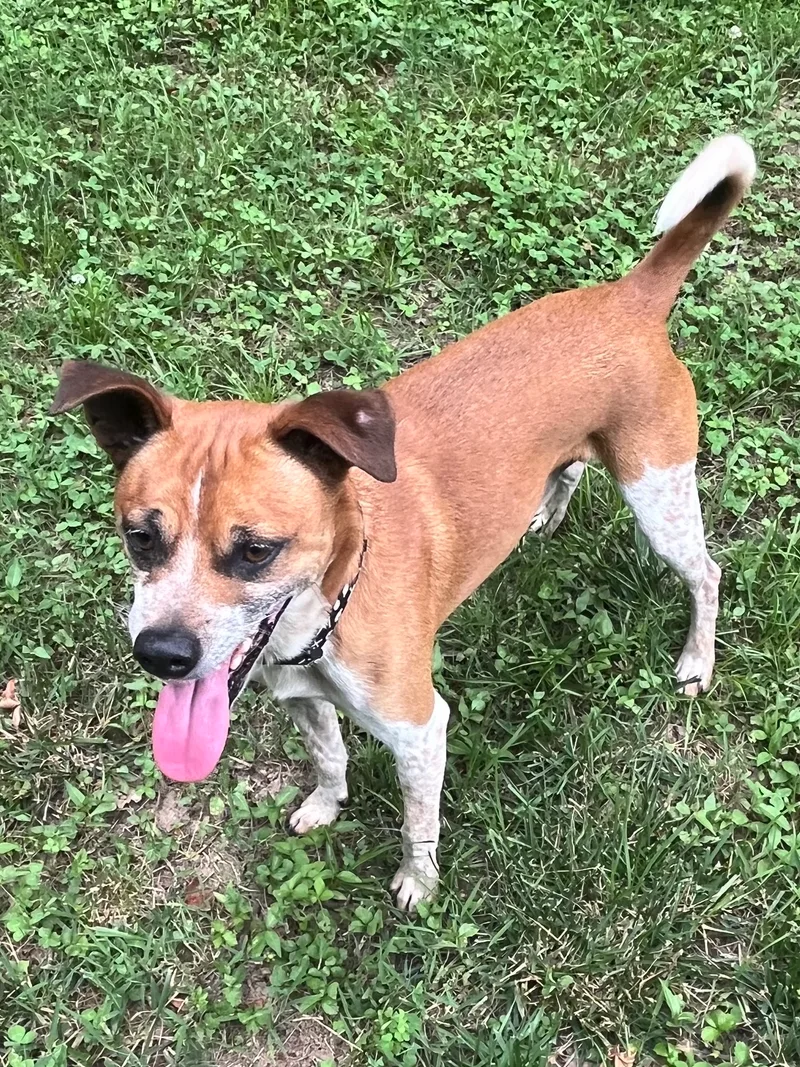
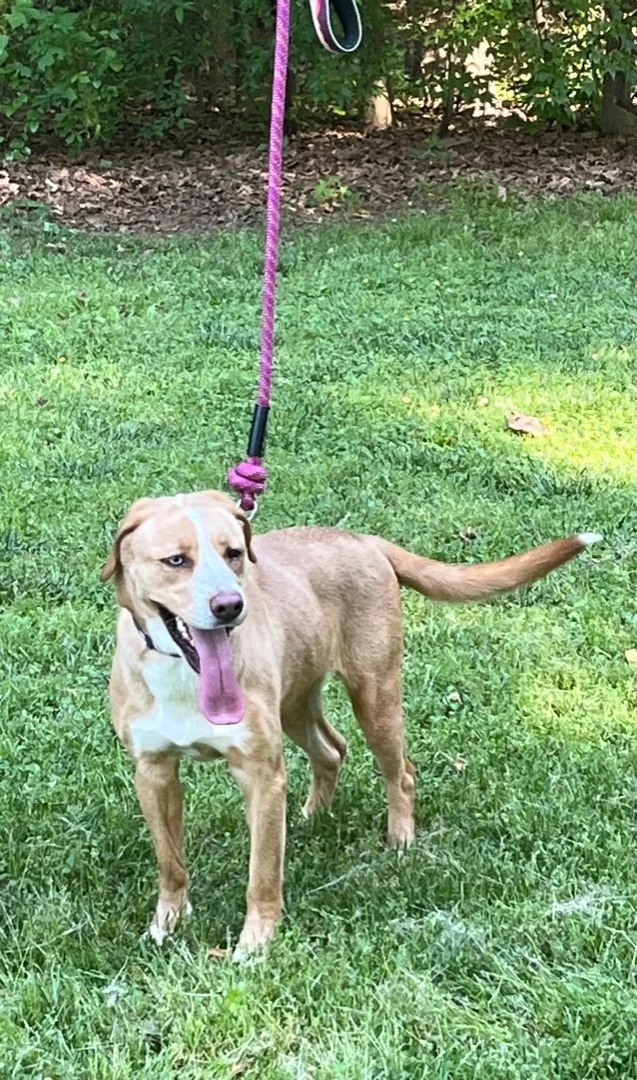
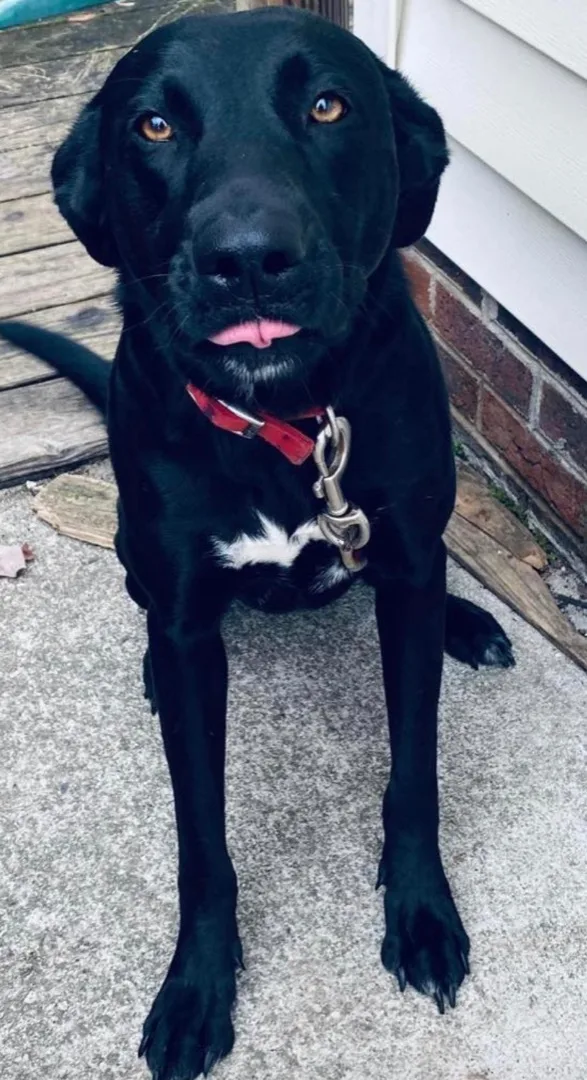
Black Labrador Retriever Dogs for Adoption in Rock Hill, SC

Your guide to finding and caring for a Black Labrador Retriever in Rock Hill

A black Lab fits Rock Hill best when there's a trail nearby and someone home to use it. Riverwalk's townhomes and the Waterford neighborhood sit close to the leashed Catawba River paths, which suit a Lab's love of long, sniff-heavy walks. Labs want company, so a household that's out all day will struggle. And because a black coat soaks up the July sun, the walks that work in summer are early ones.

3419 Black Labrador Retrievers available in Rock Hill and nationwide

Find your Black Labrador Retriever

Black Labrador Retrievers Available for Adoption Near Rock Hill

About the Black Labrador Retriever breed

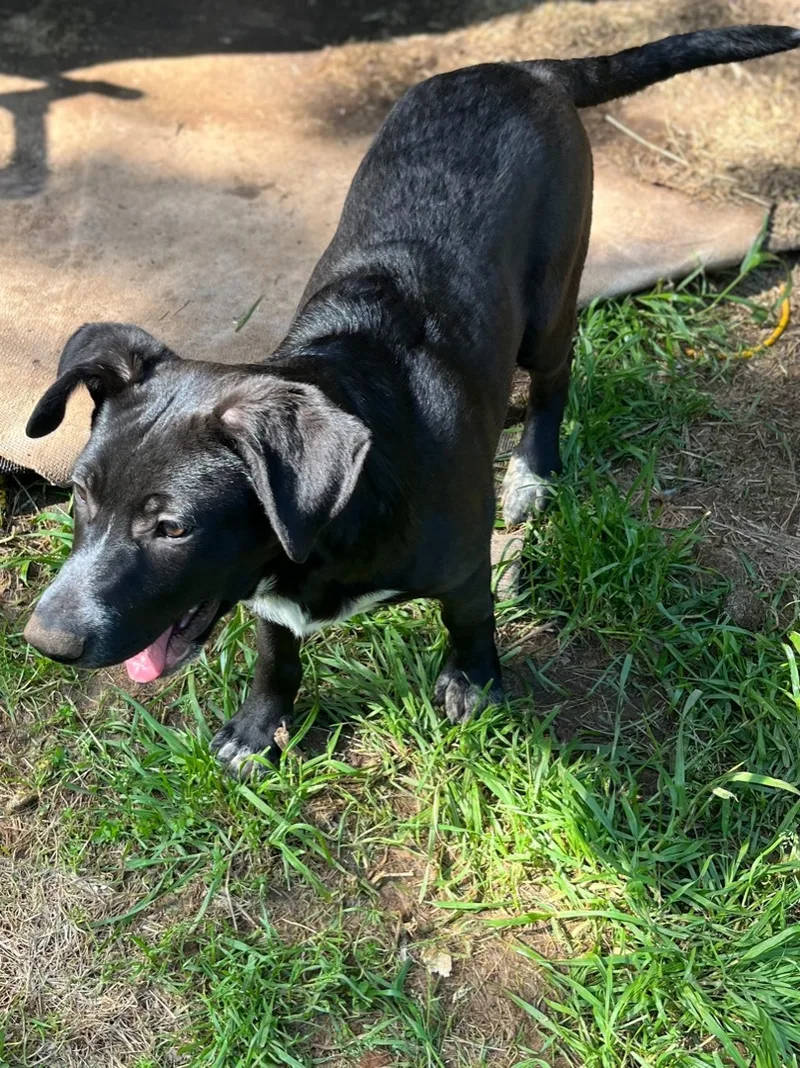
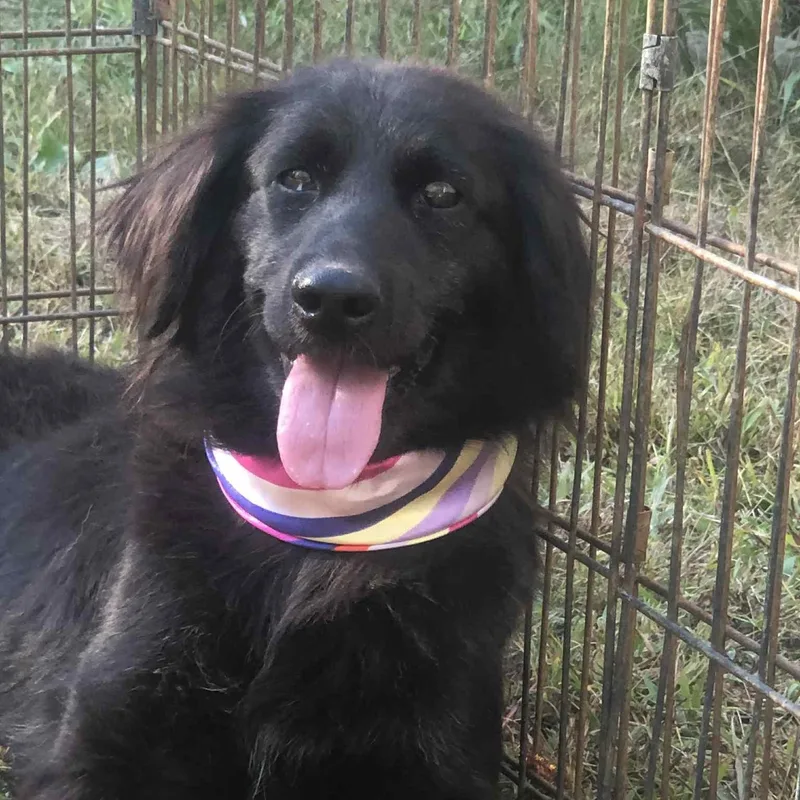
The black Lab is the Labrador Retriever in its original and most familiar color, not a separate breed. The breed traces to the St. John's water dogs of Newfoundland, which British sportsmen refined into gun dogs, and the earliest Labs were mostly black. Sleek and broad-headed, with an otter tail and a dense, water-resistant double coat, a black Lab stands about 21 to 25 inches and weighs 55 to 80 pounds.

Color doesn't shape personality. Most black Labs are friendly, eager to please and driven by food, though field-bred dogs tend to be leaner and more intense than show-bred ones. In Rock Hill, expect a dog that wants daily miles on the Riverwalk, steady training through a slow-maturing adolescence, careful portions, and a lot of brushing when the coat sheds.

Weight
55–80 lbs
Height
21–25 in
Lifespan
10–14 yrs
Temperament
Friendly, Outgoing, Active
Group
Sporting
Shedding
Moderate to High

Owning a Black Labrador Retriever in Rock Hill

Having a Black Labrador Retriever in Rock Hill

Energy, appetite and seasonal shedding shape life with a black Lab more than its color does. In Rock Hill, the biggest adjustments are the long summer heat and keeping a food-loving dog lean, so match a dog's age and drive to your routine.

Temperament

Black Labs tend to be outgoing and affectionate with family, guests and other dogs, which suits Rock Hill's neighborhood walks and trail encounters. Young dogs are often mouthy and boisterous, and their love of food makes reward-based training work well. Temperament varies from dog to dog, so age, history and socialization say more than breed reputation or coat color.

Exercise Needs

Plan on vigorous daily activity for an adult: brisk walks, fetch, or long sniffing outings along the Riverwalk trail, plus scent games and short training sessions to tire the mind. Field-bred dogs usually need more, and seniors need gentler outings. In summer, move the hardest exercise to early morning.

Health Considerations

Labs can develop hip and elbow dysplasia, cruciate ligament tears, exercise-induced collapse and progressive retinal atrophy, and many gain weight easily. Ear infections and skin allergies are common too. Rock Hill's long warm season makes parasite prevention worth discussing with a veterinarian, along with hip and elbow checks and regular weigh-ins.

Living Space

A black Lab can manage an apartment if walks are reliable, though Rock Hill's houses with fenced yards make play easier. A yard doesn't replace walks or company, since Labs want to live indoors with the family. Expect shed hair and a sweeping tail, and give a dark-coated dog shade and water outside.

What it costs to own a Black Labrador Retriever in Rock Hill

ExpenseTypical costPer year
Adoption fee$250, one time$250 in year one
Food$55 to $110 per month$660 to $1,320
Pet insurance$65 to $130 per month$780 to $1,560
Routine vet care$250 to $500 per year$250 to $500
Other*$590 to $1,490 per year$590 to $1,490
Estimated yearly total (after year one)$2,280 to $4,870
First-year total (with adoption fee)$2,530 to $5,120

Adoption fee is the fee on Black Labrador Retriever listings in Rock Hill on GetBuddy today. Other costs are estimates and vary with size, age and health.

* Flea, tick and heartworm prevention, a dental cleaning allowance, toys and bedding, and brushing and baths for heavy seasonal shedding.

Adopt a Black Labrador Retriever in Rock Hill.

Now that you know more, let’s find you a new best friend. These rescues and shelters below currently have Black Labrador Retrievers available.

Rescues in Rock Hill with Black Labrador Retrievers Available

The Rock Hill area has both a county-run shelter and nonprofit rescues working to place dogs in loving homes. Here are the rescues & shelters in the Rock Hill area where you can find Black Labrador Retrievers and other dogs available for adoption.

Frequently Asked Questions

Yes. No known breed ban applies to Black Labrador Retrievers in Rock Hill, and South Carolina law says breed alone doesn't make a dog dangerous. You'll need current rabies vaccination with the tag on a collar or harness, and a leash whenever the dog is off your property. Watch the listings on this page for Labs, and save a search to hear about new ones.

Start with Spencer Park and Dog Park on Eastwood Drive, Rock Hill's off-leash park, which has an all-sizes area; dogs stay leashed until they're inside. For walks, the Riverwalk trail and River Park's trails along the Catawba River allow leashed dogs, and the 2.3-mile Founders Trail connects to Riverwalk. Go early in summer, and pick up after your dog.

Yes, with planning. Heat is Rock Hill's main challenge for Labs, and a black coat absorbs sun faster than a light one. Walk at dawn or after sunset, carry water, skip midday pavement, and provide shade plus indoor air conditioning. Heavy panting, drooling or lagging means stop and cool the dog down, and a veterinarian can advise if it doesn't settle.

Often, yes, for people who walk daily and spend a fair amount of time at home. Rock Hill's river trails, suburban streets and city off-leash park give a Lab plenty of outlets, and a friendly dog suits busy neighborhoods. It fits less well with long days alone, a sedentary routine, or no plan for summer afternoons.

Yes, if the dog gets its exercise. A Lab can live in an apartment, but it needs daily walks or fetch, and a bored young dog may bark and chew. Because Rock Hill's noise code covers persistent animal noise, plan on training and company. Check the lease for weight limits, and an apartment near a trail makes daily walks easier.

Less than a long-coated breed, but more than the short coat suggests. Brush weekly, and daily when the coat sheds heavily in spring and after summer. Bathe only when the dog is dirty or muddy from the trails, and trim nails and clean ears as needed. Home brushing plus the occasional professional bath fits within the other costs above.

Only to outdoor patios, and only where the restaurant allows it. South Carolina rules let restaurants admit dogs to outdoor dining areas with posted signs and a separate outside entrance, with the dog restrained and off tables and chairs. Dogs aren't allowed in dining rooms unless they're service animals. A settled, well-trained Lab does best; bring water and a mat.

A Labrador Retriever is a large sporting dog developed to retrieve game for hunters, especially from water. Labs have a short, dense double coat, a thick otter tail and a broad head, and they come in black, yellow and chocolate. Many are friendly, food-motivated and eager to work, which makes them common family, guide and service dogs.

We have 1 rescue with Black Labrador Retrievers available: Operation CARE. You can see every rescue with Black Labrador Retrievers available in the list above these questions, or scroll to the top to see the Black Labrador Retrievers near Rock Hill.

Plan on roughly $2,300 to $4,900 a year for a black Lab in Rock Hill. Food runs $55 to $110 a month and insurance $65 to $130 a month. Routine vet care is $250 to $500 a year, and other costs such as parasite prevention, dental care, supplies and grooming add $590 to $1,490.