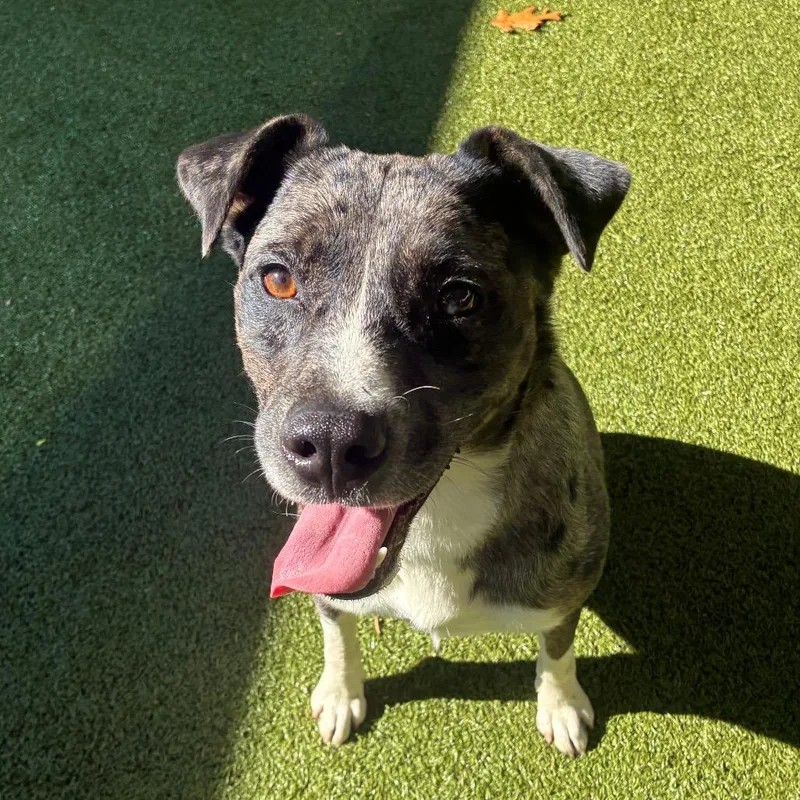
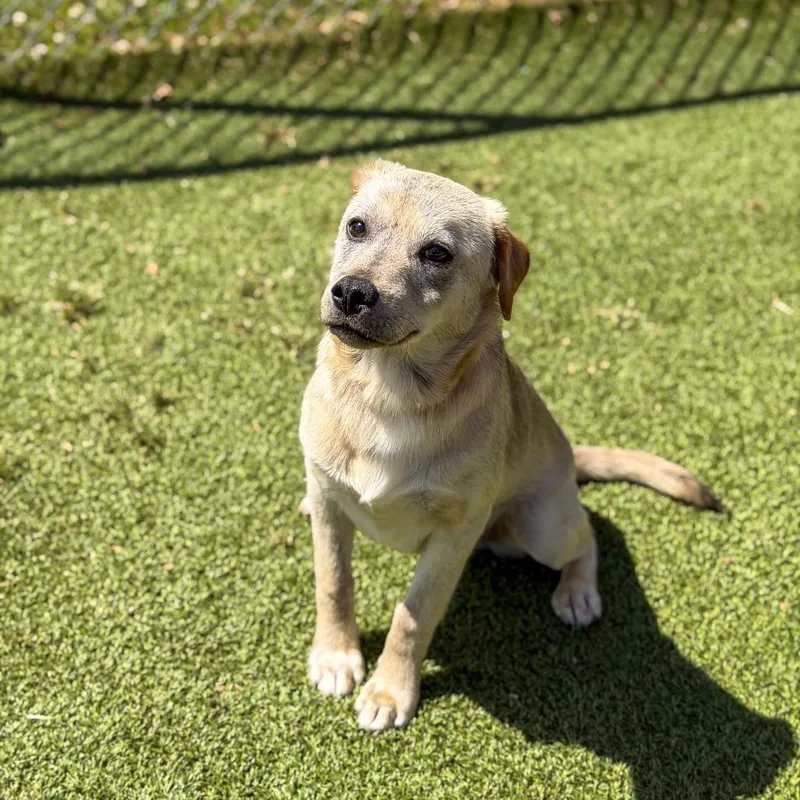
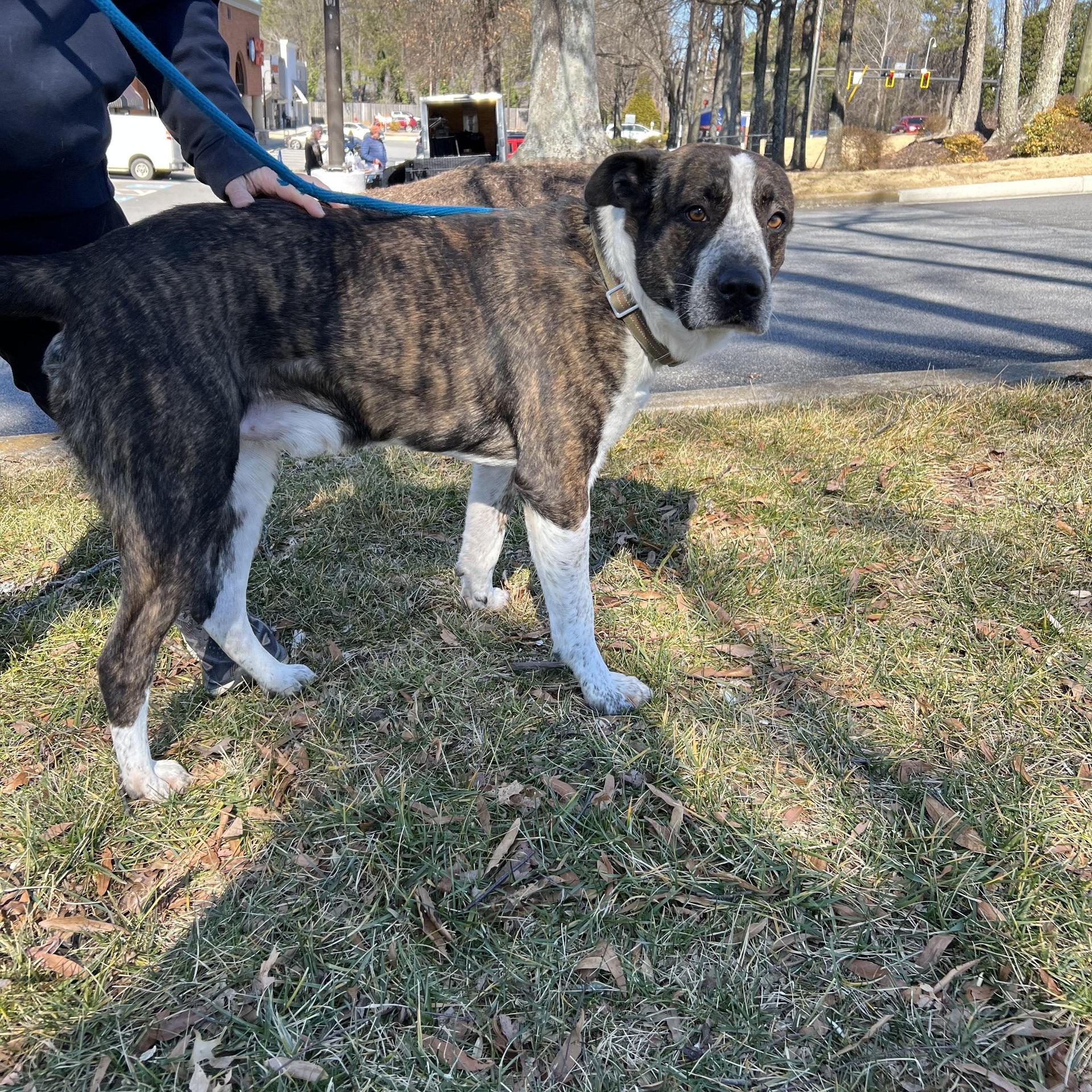
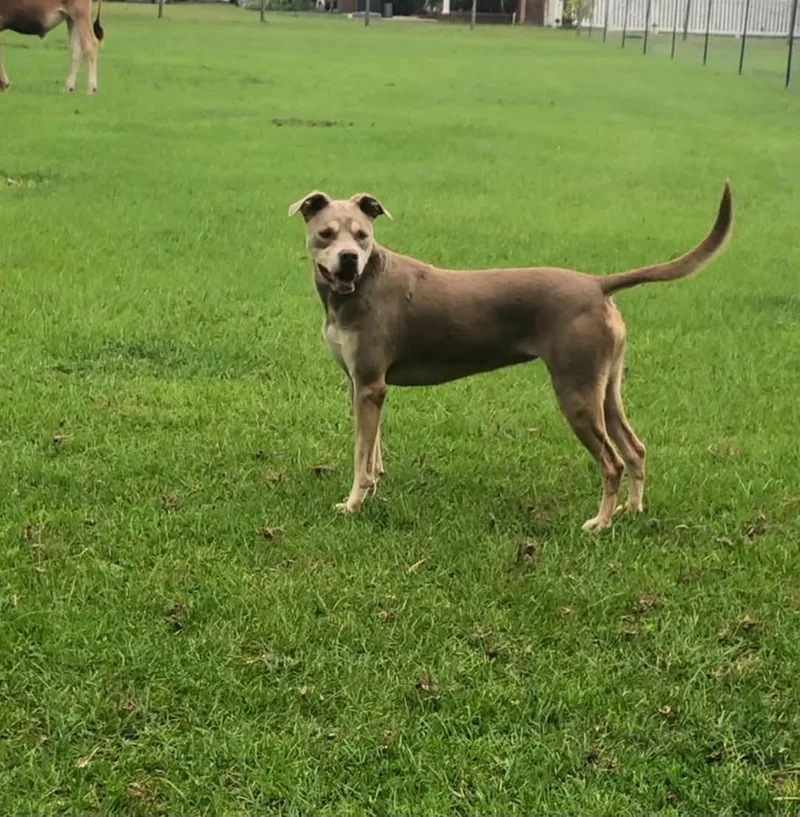
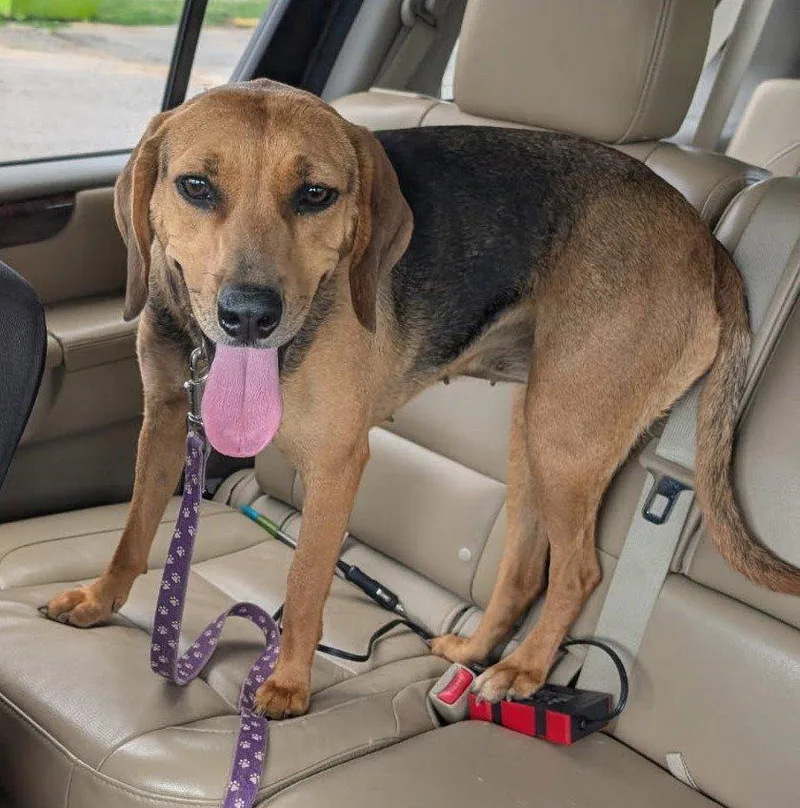
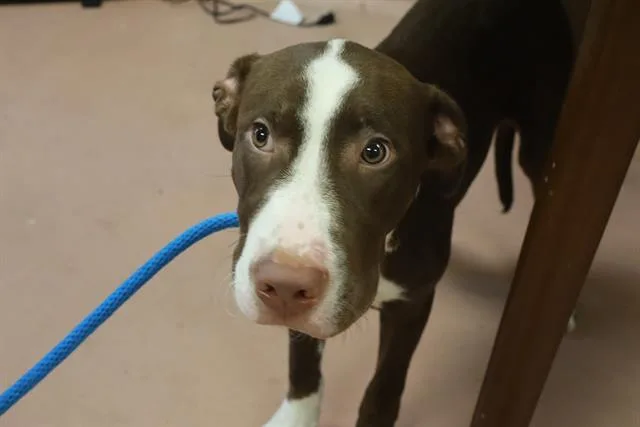
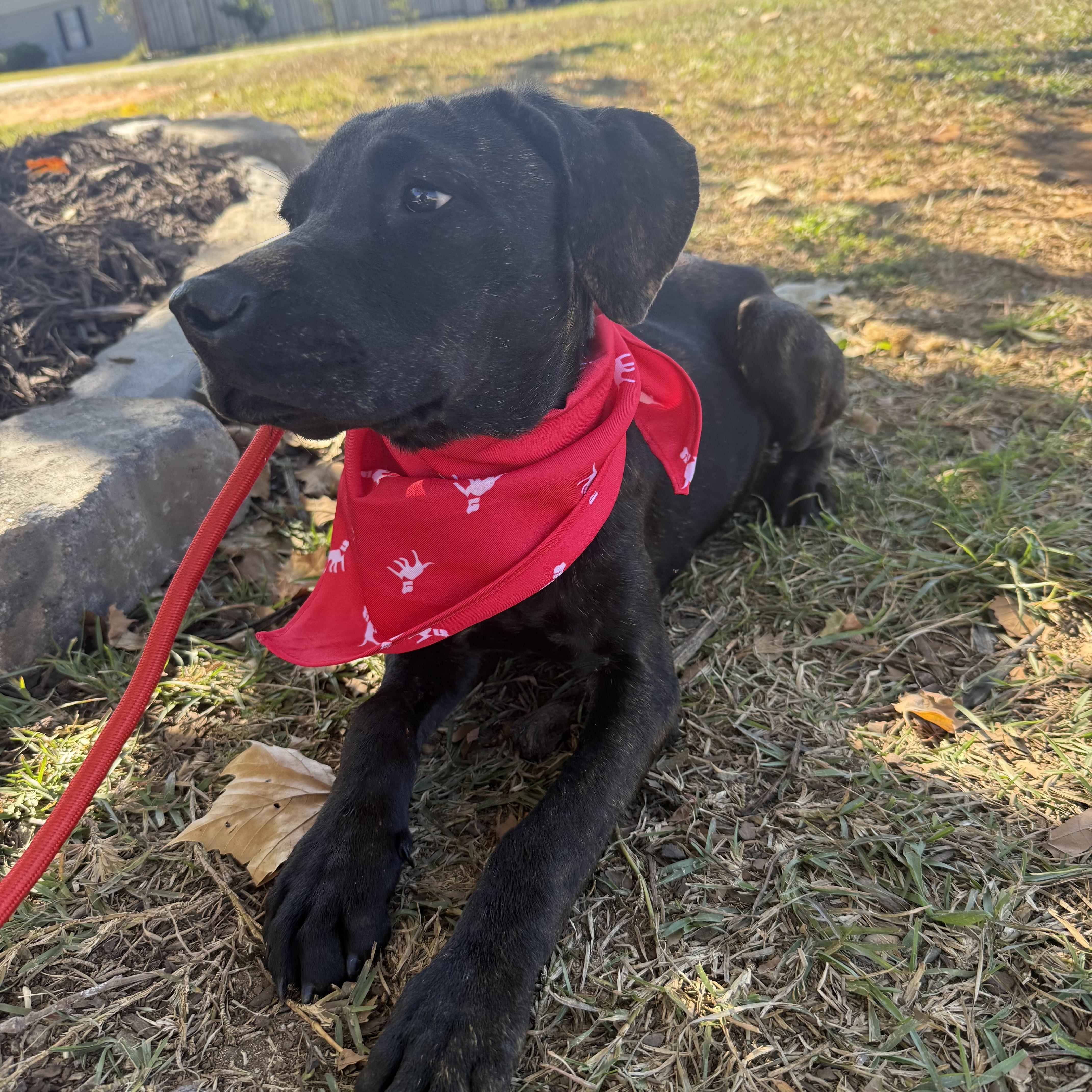
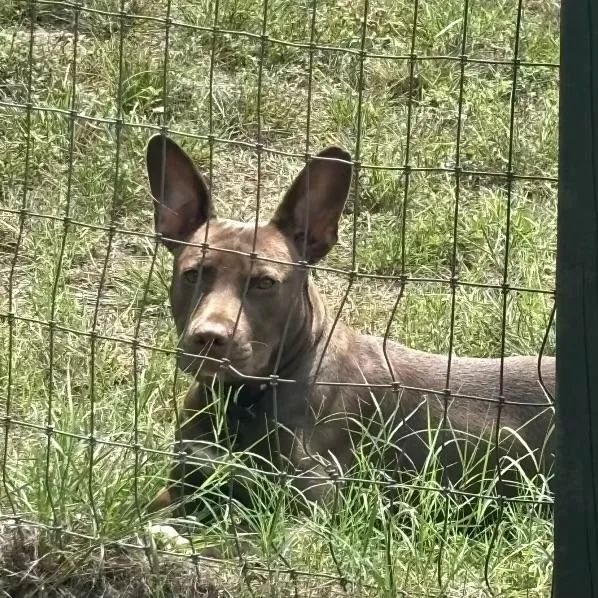
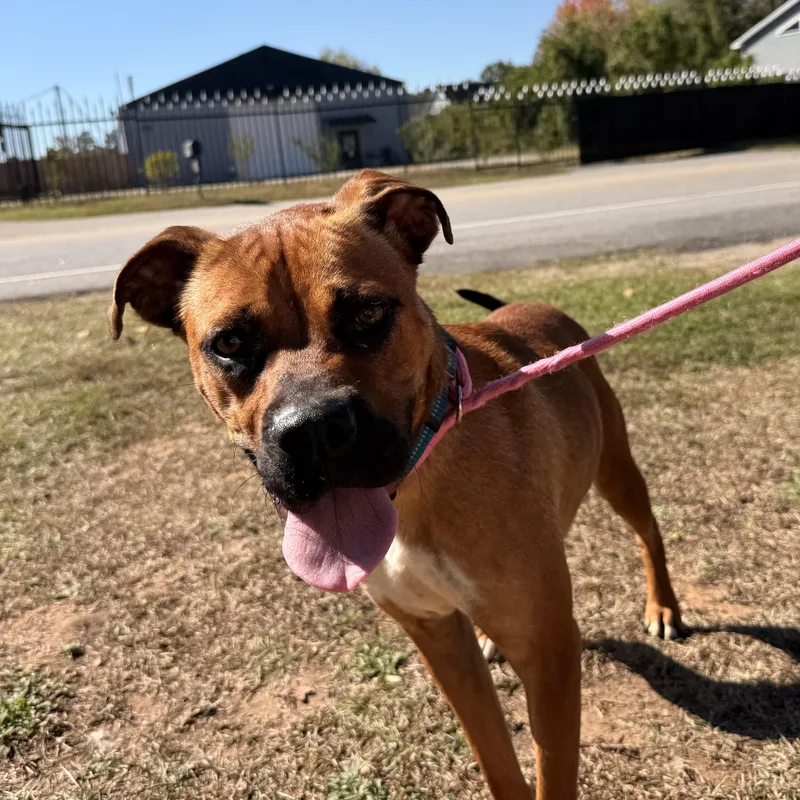
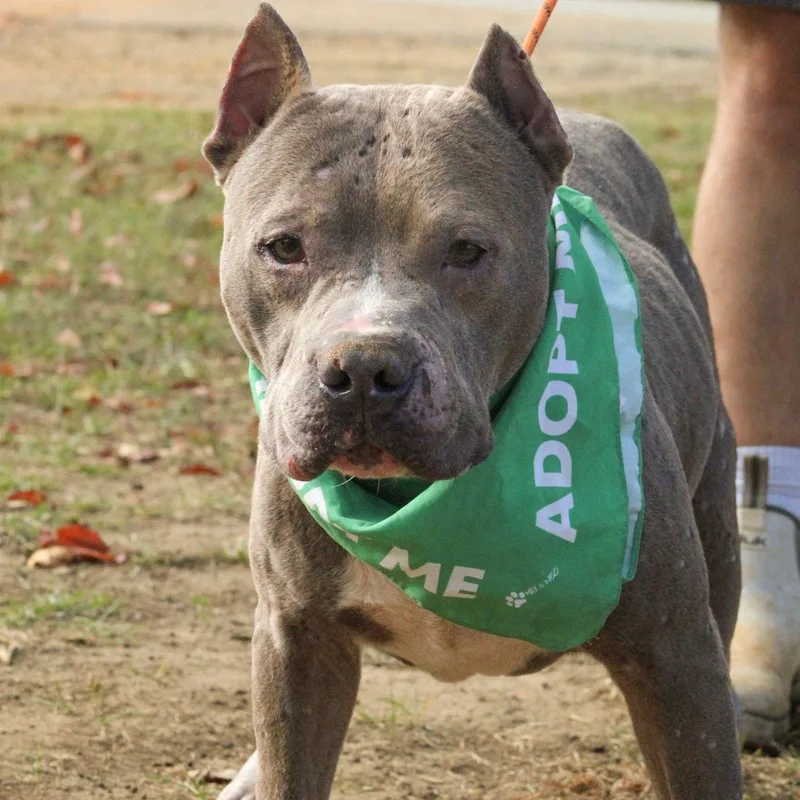
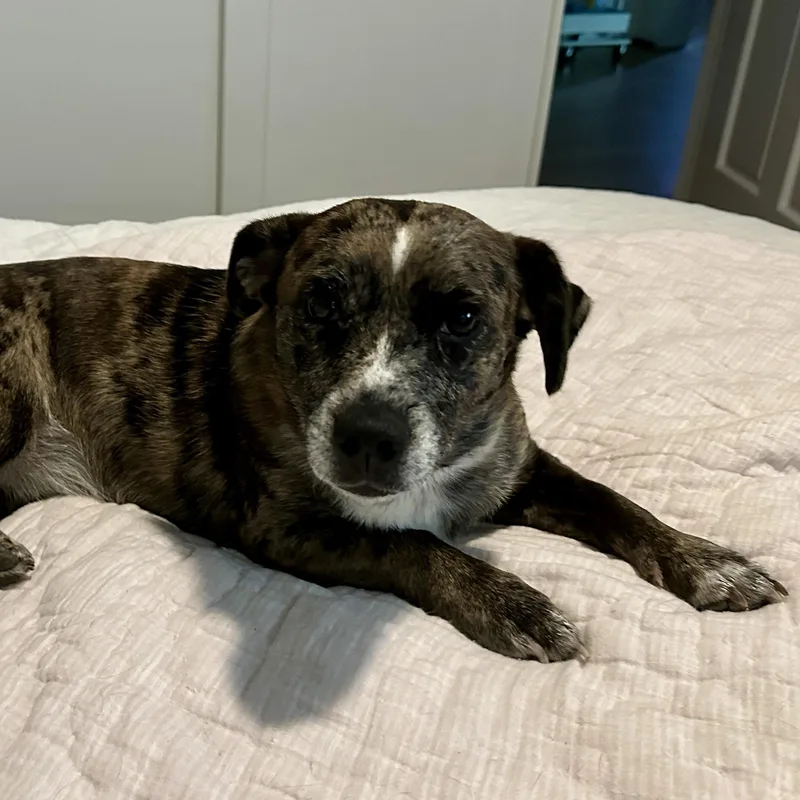
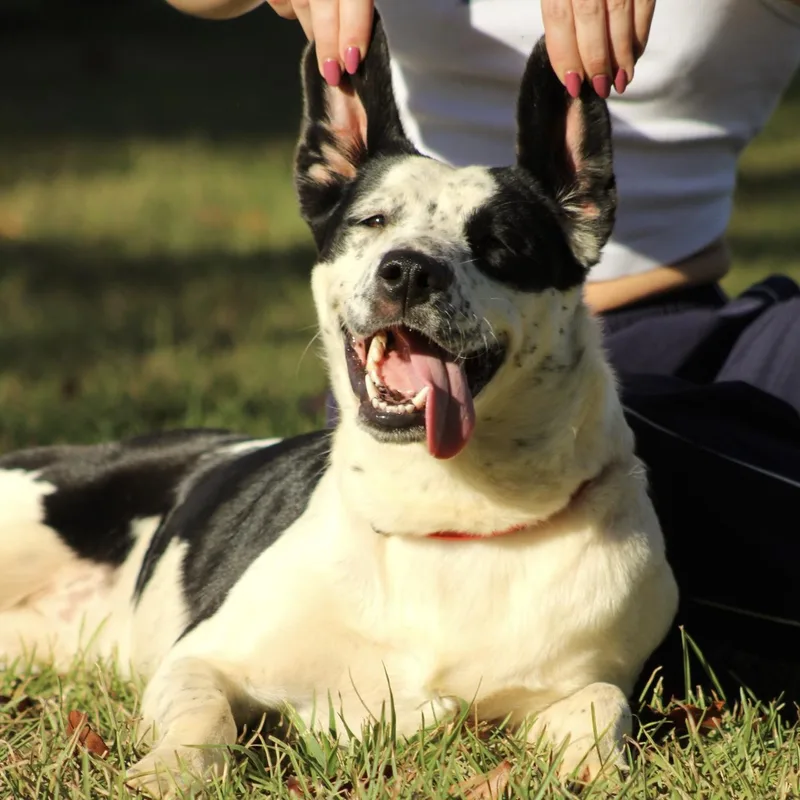
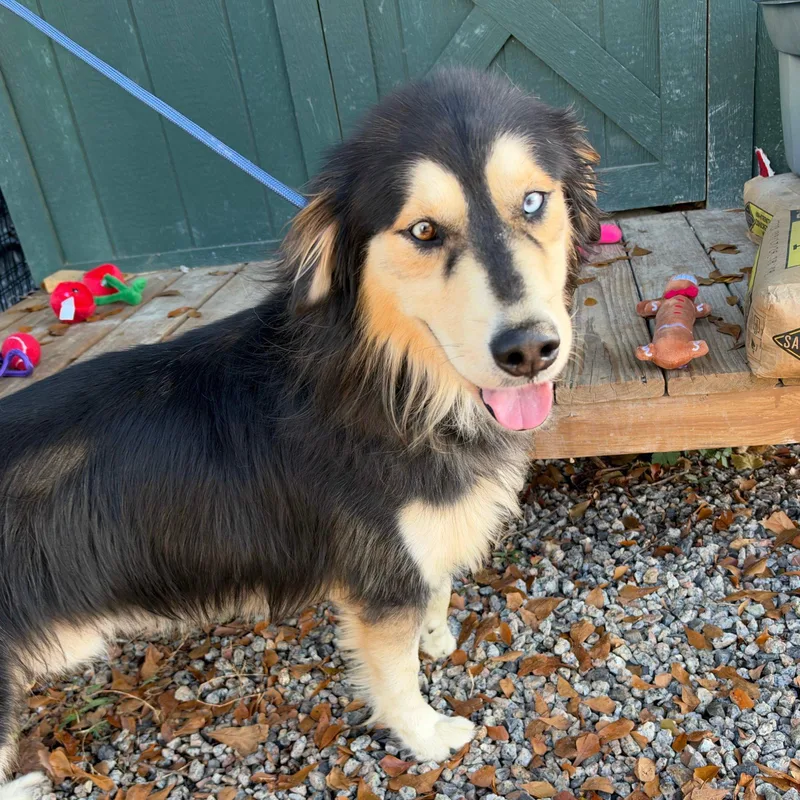
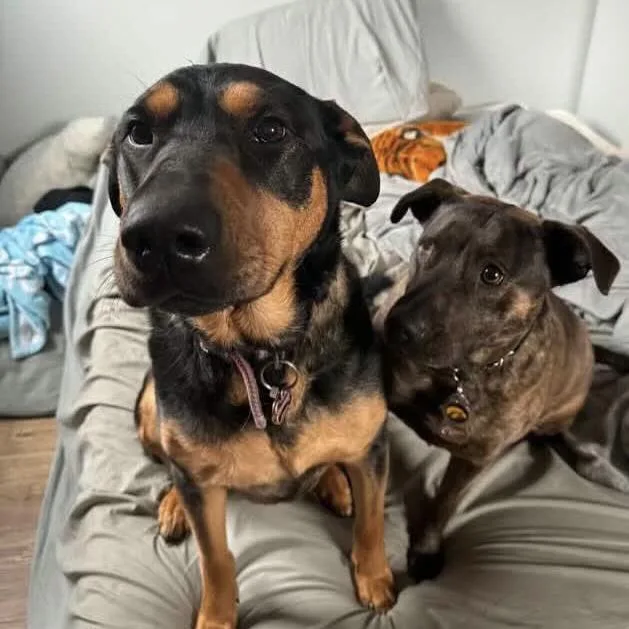
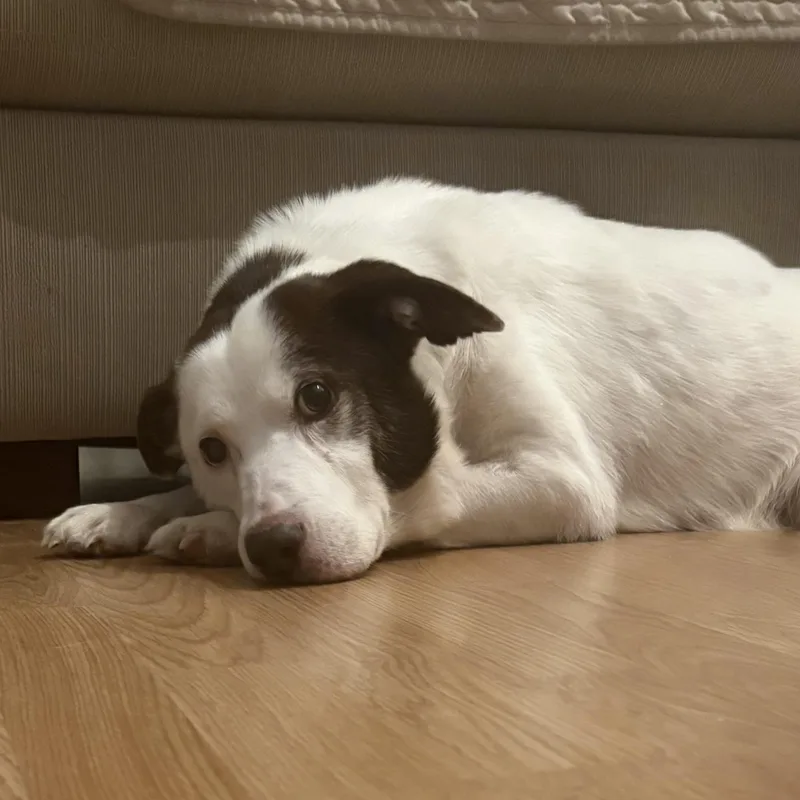
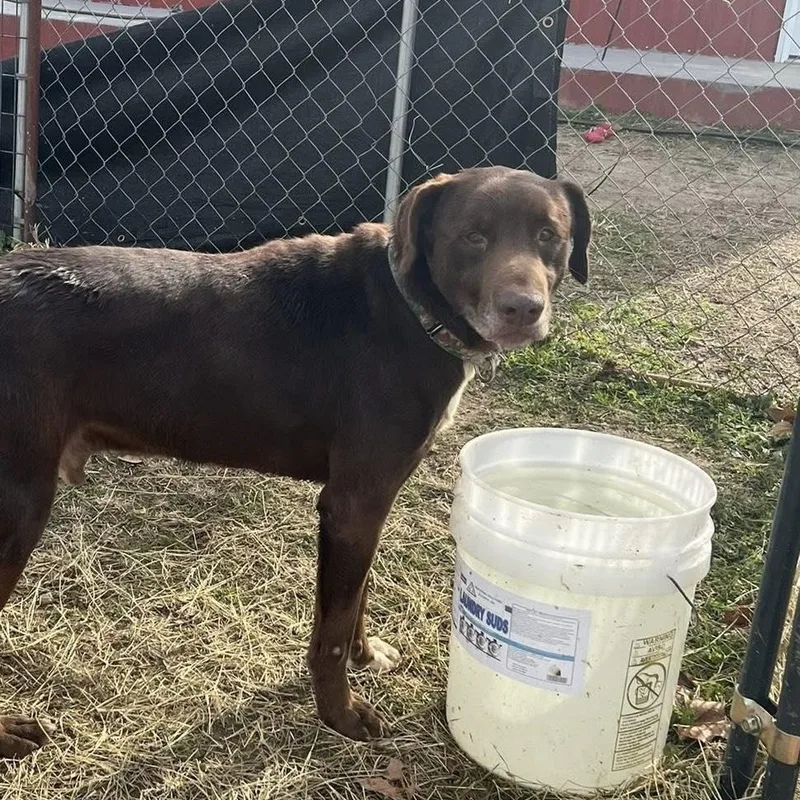
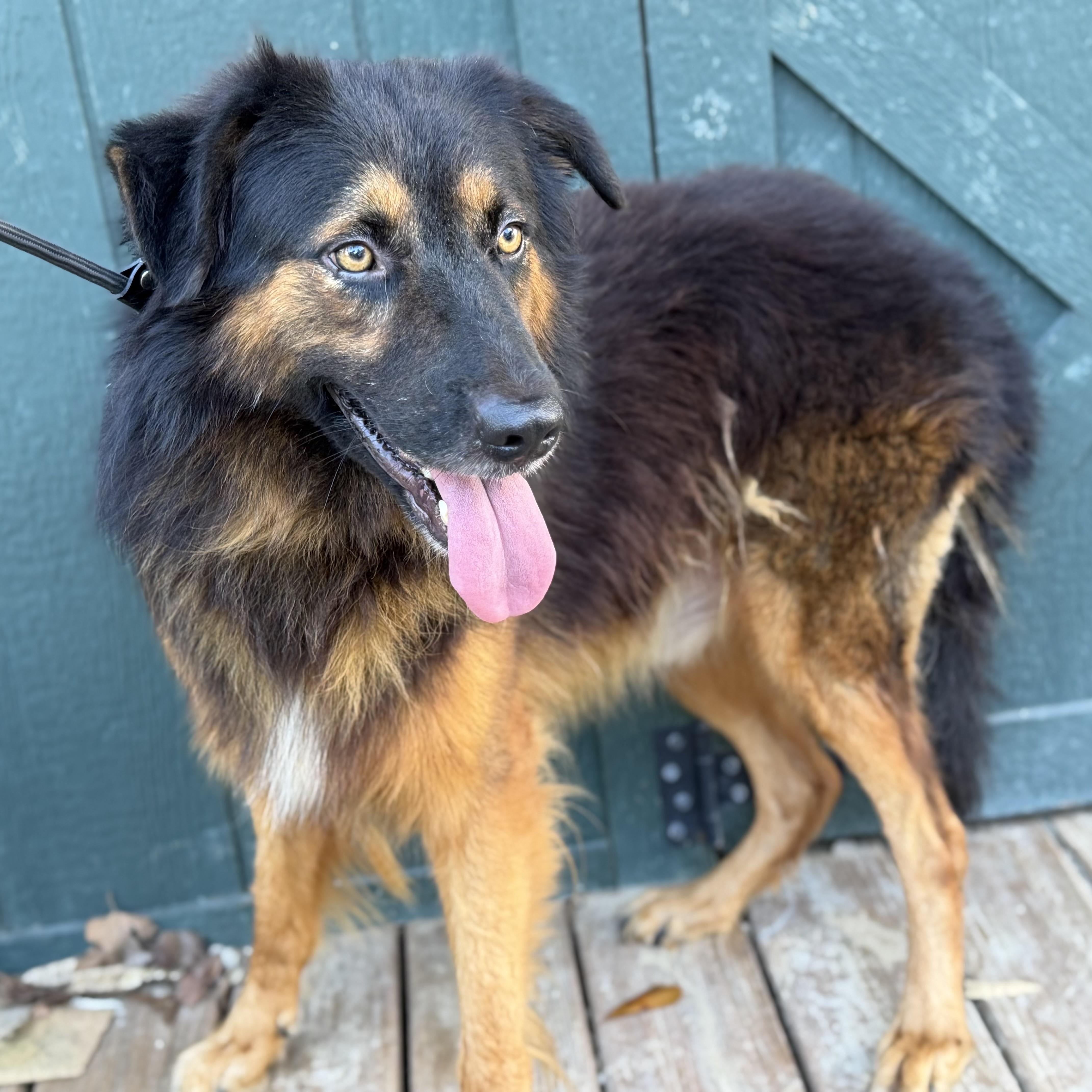
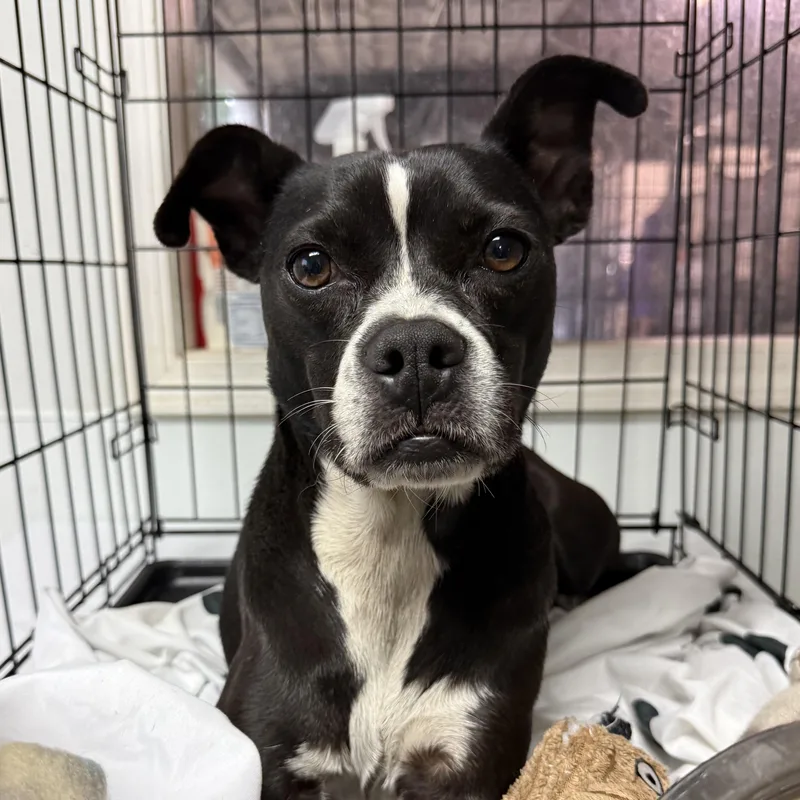
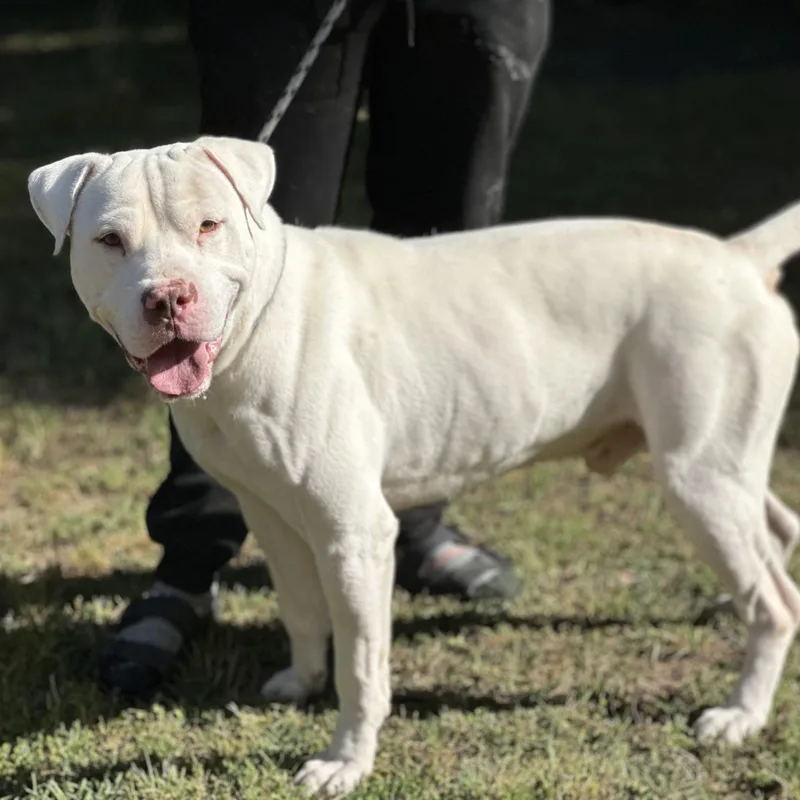
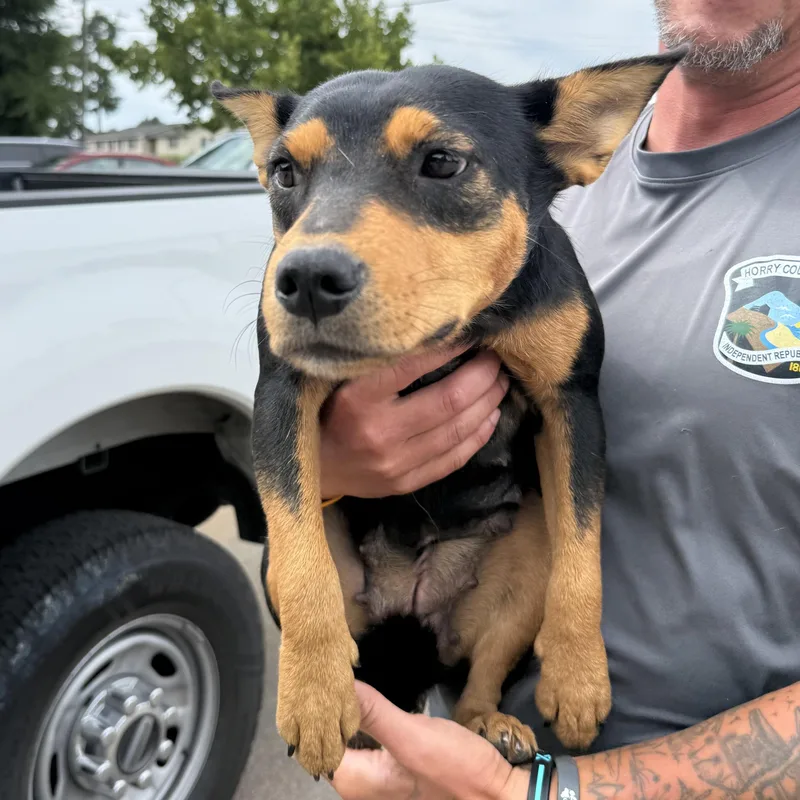
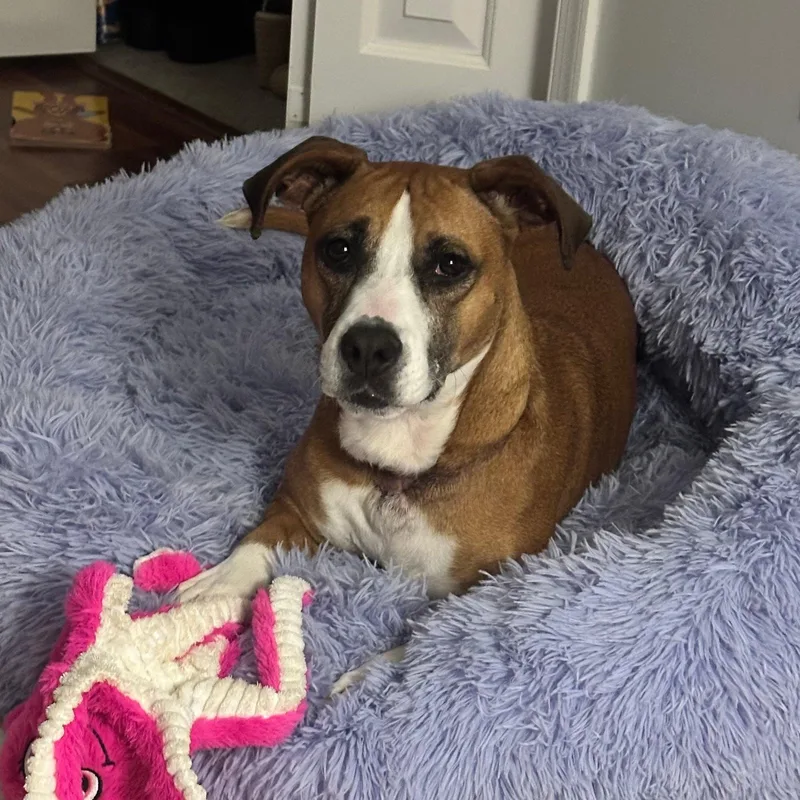
Catahoula Leopard Dogs for Adoption in Columbia, SC

Your guide to finding and caring for a Catahoula Leopard Dog in Columbia

A Catahoula Leopard Dog suits Columbia best when home is near real trail miles. Harbison State Forest on Broad River Road and Sesquicentennial State Park off Two Notch Road both have wooded trails that suit a dog bred to work swamps and woods. A lap around Rosewood Park won't use up a Catahoula's energy, but it makes a fine warm-up before a longer outing. If you're thinking of adopting one in Columbia, plan on a fenced yard and an active routine.

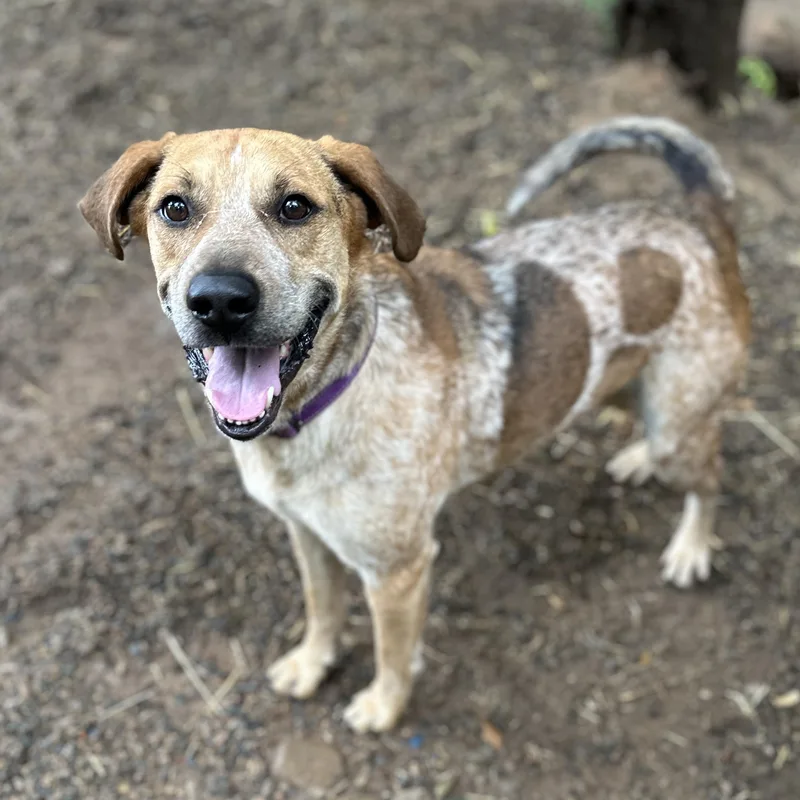
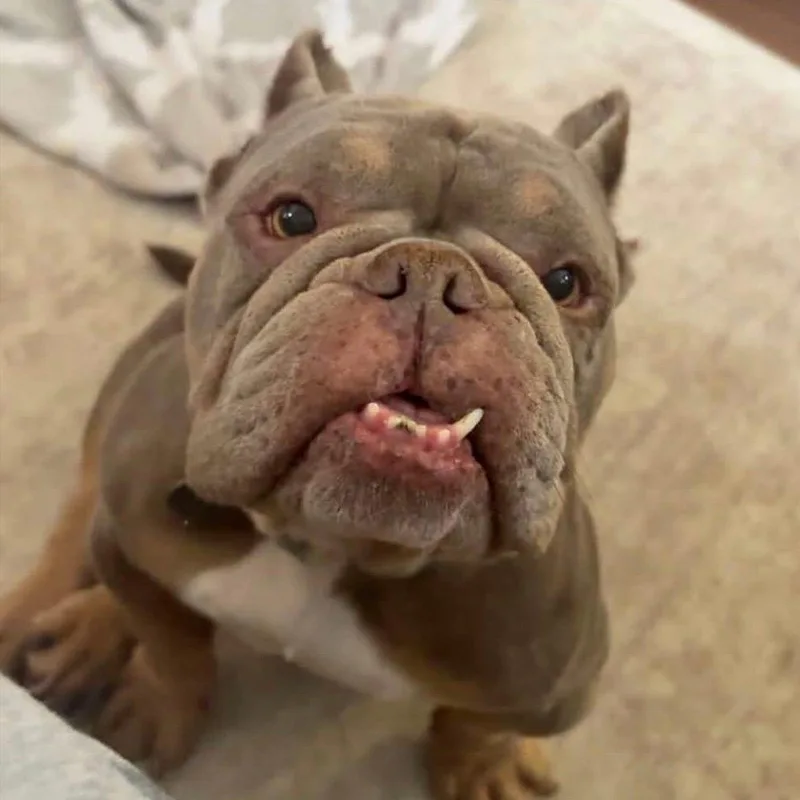
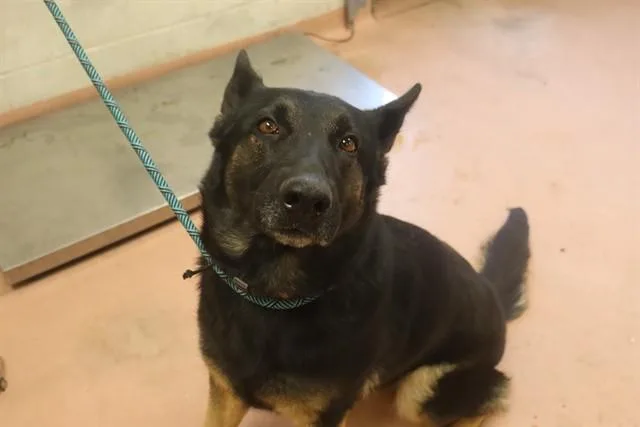
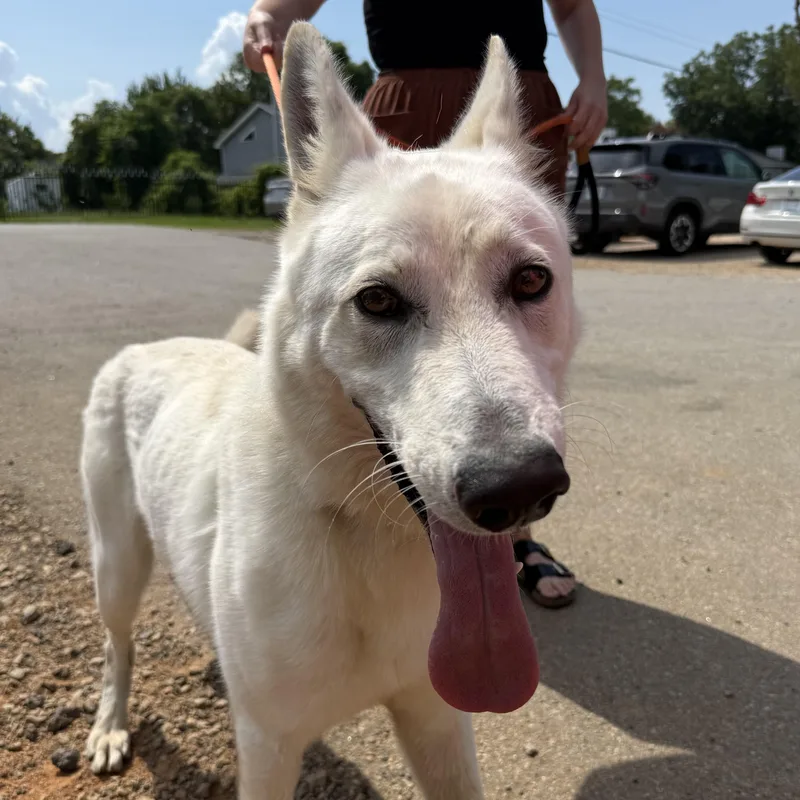
1620 Catahoula Leopard Dogs available in Columbia and nationwide

Give a Catahoula Leopard Dog a home

While we don't have enough dogs near Columbia, keep in mind that many rescues may offer transport.

Catahoula Leopard Dogs Available for Adoption Near Columbia

About the Catahoula Leopard Dog breed

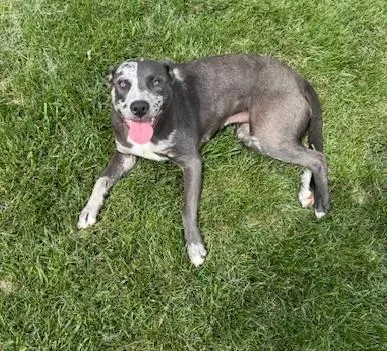
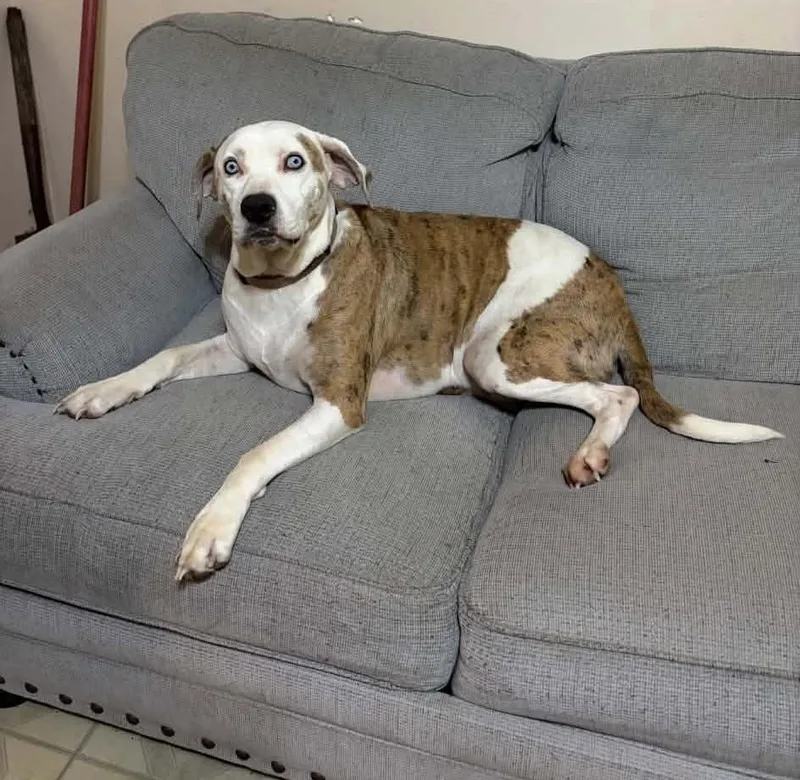
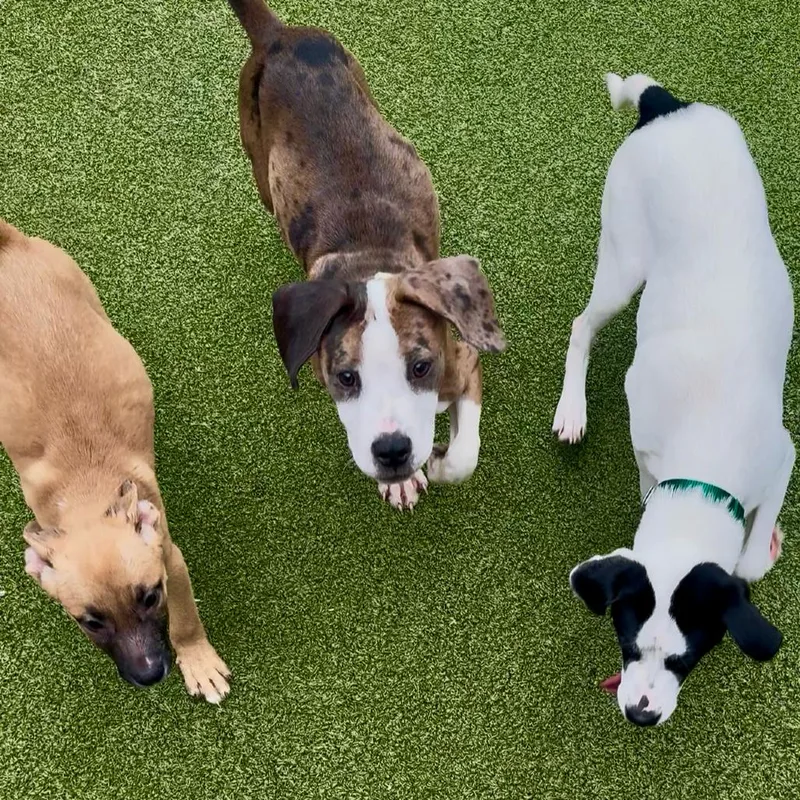
Named for Catahoula Parish in Louisiana, the Catahoula Leopard Dog was developed in the swamps and woods of the Gulf South to find and hold feral hogs and gather semi-wild cattle. Ability mattered more than looks, so size and build vary widely, usually from 50 to 95 pounds. Many have a merle or leopard coat and glass-blue or mismatched eyes, but brindle and solid dogs are common too.

Catahoulas tend to be intelligent, independent and loyal, with a protective streak and a strong work drive. They often bond closely with family and stay wary of strangers, and some are selective with other dogs or small animals. In Columbia, that means busy leashed trails call for good manners. Many dogs labeled Catahoula are mixes, so each dog's own behavior tells you more than the label.

Weight
50–95 lbs
Height
20–26 in
Lifespan
10–14 yrs
Temperament
Energetic, Independent, Protective
Group
Herding
Shedding
Moderate

Owning a Catahoula Leopard Dog in Columbia

Having a Catahoula Leopard Dog in Columbia

Stamina, independence and a watchful streak define most Catahoulas, and Columbia's trails and hot summers shape how those traits play out. Merle coloring brings health checks worth planning for, and fit depends on the dog as much as the breed.

Temperament

Catahoulas are often devoted with family and reserved with strangers, which matters at busy Columbia trailheads and in shared apartment hallways. Many are confident and territorial, and some chase small animals or are picky about other dogs. Early socialization and consistent, reward-based training help, though every dog differs.

Exercise Needs

Plan on an hour or more of vigorous activity daily, plus mental work like scent games or puzzle feeders. Harbison State Forest's trails and the Saluda Riverwalk offer leashed miles, and summer outings belong in the early morning. A bored Catahoula may dig, chew, bark or escape.

Health Considerations

Deafness is a known risk, especially in dogs with a lot of white or double-merle coloring, and those dogs can also have eye defects. Hip dysplasia occurs too. Have a veterinarian check hearing, eyes and hips after adoption. In Columbia, keep heartworm prevention year-round and check for ticks after wooded trails.

Living Space

Catahoulas generally want a securely fenced yard, since many are athletic jumpers and diggers. Columbia has plenty of apartments, but apartment life works only with very dependable daily exercise. Their watchfulness means visitors need careful introductions, and they do best living indoors with the family rather than left outside.

What it costs to own a Catahoula Leopard Dog in Columbia

ExpenseTypical costPer year
Food$55 to $110 per month$660 to $1,320
Pet insurance$55 to $110 per month$660 to $1,320
Routine vet care$250 to $500 per year$250 to $500
Other*$480 to $1,290 per year$480 to $1,290
Estimated yearly total (after year one)$2,050 to $4,430

Other costs are estimates and vary with size, age and health.

* The $5 City of Columbia license for a sterilized dog, flea, tick and heartworm prevention, dental cleanings, toys and bedding, and basic at-home brushing for the short coat.

Adopt a Catahoula Leopard Dog in Columbia.

Now that you know more, let’s find you a new best friend. These rescues and shelters below currently have Catahoula Leopard Dogs available.

Rescues in Columbia with Catahoula Leopard Dogs Available

Columbia's shelter and rescue community cares for many large, energetic dogs that do best in active homes. Here are the rescues & shelters in the Columbia area where you can find Catahoula Leopard Dogs and other dogs available for adoption.

Frequently Asked Questions

Yes, you can own a Catahoula Leopard Dog in Columbia. South Carolina law says a dog isn't dangerous solely because of its breed, so behavior is what counts: a dog that attacks unprovoked can be classed dangerous and must be confined and registered with insurance or a bond. State adoption rules also require adopted dogs to be sterilized before release or on a short deadline.

A Catahoula can be a good fit for Columbia if you're active, experienced and home often. The city's trail systems give a high-energy dog room to work, and a fenced yard helps a lot. Long workdays away are harder, as is noise: fireworks are legal within set hours around July 4 and New Year's, and watchful dogs may struggle.

Beyond Harbison and Sesquicentennial, Columbia has three city-designated dog parks: Page Ellington, Finlay and Emily Douglas. NoMa Bark Park at Earlewood Park has separate small- and large-dog areas for $25 a year per dog, with spay/neuter and vaccines required. Granby Park along the old canal is dog-friendly on a leash, and Congaree National Park allows leashed dogs on every trail.

A Catahoula can live in a Columbia apartment only if its owner delivers hard daily exercise. Without trail time, a bored Catahoula tends to bark, chew and dig at doors, and constant barking can lead to a nuisance complaint, which city police describe as interfering with neighbors' enjoyment of their property. Look for a ground-floor unit near green space and a lease that allows large dogs.

Yes, a Catahoula's short coat copes with Columbia summers if you adjust the routine. Walk at dawn or after dark, since midday pavement burns paws, and carry water. South Carolina has no hot-car statute, but never leave a dog in a parked car. Watch for heavy panting, drooling or stumbling, and move the dog into air conditioning.

Sometimes, but only on outdoor patios. South Carolina's health rules let restaurants allow dogs in outdoor table-service areas, and each restaurant decides and must post a sign. Dogs need a separate outside entrance, can't enter the building, and must stay off tables and chairs. Because many Catahoulas are wary of strangers, practice settling calmly at a quiet patio first.

Most can't. The COMET runs buses only, with no rail, and its rules welcome service animals but limit other pets to 30 pounds or less in a carrier. Catahoulas usually weigh 50 to 95 pounds, so they can't ride unless they're service animals. Plan to drive or walk to trailheads and parks.

A Catahoula needs little grooming, mostly weekly brushing. The short, close coat sheds moderately, and a rubber curry brush lifts loose hair in a few minutes. In Columbia's humid heat, bathe only when the dog is dirty, dry the ears well, and check for ticks after trail days. Most owners handle this at home, so it stays within the Other line of the cost table.

We have 1 rescue with Catahoula Leopard Dogs available: Final Victory Animal Rescue. You can see every rescue with Catahoula Leopard Dogs available in the list above these questions, or scroll to the top to see the Catahoula Leopard Dogs near Columbia.

Expect food around $55 to $110 a month and insurance about the same, with routine vet care of $250 to $500 a year. Other costs, including prevention, dental cleanings, license and supplies, run roughly $480 to $1,290 yearly. That puts a typical year near $2,050 to $4,430 before any emergency or illness.